Rueda Wine Guide: Spain's Crisp White Wine Region

By the Sommy Team — AI-assisted, human-edited.
Updated Jun 17, 2026
Contents (10)
- What Is Rueda Wine?
- The High Plateau: Where Rueda Sits and Why It Matters
- Verdejo: The Signature Grape of Rueda
- Sauvignon Blanc and the Other Grapes of Rueda
- The Dorado Style: Rueda's Oxidative Past
- How Rueda Labels Work: Reading the Bottle
- What Makes Rueda Distinctive
- How a Beginner Should Start with Rueda
- Rueda in the Wider Spanish Picture
- The Reward of Learning Rueda
TL;DR
Rueda is Spain's benchmark white wine region, set on a high, stony plateau in Castilla y León. Its signature grape, Verdejo, makes zesty, herbaceous, fennel-tinged whites with bright acidity. This rueda wine guide covers the terroir, the grapes, the old oxidative Dorado style, the labels, and how to start.
What Is Rueda Wine?
This rueda wine guide opens with the simplest fact about the region: Rueda is Spain's benchmark for crisp, aromatic white wine, and almost everything good about it comes from one grape grown very high up. Rueda sits in Castilla y León in north-central Spain, on a stony plateau 700 to 800 meters above sea level where hot days and cold nights keep acidity razor-sharp. Its signature grape is Verdejo — a zesty, herbaceous, fennel-tinged white with a faint bitter-almond grip. The region also grows Sauvignon Blanc, holds onto a tiny tradition of the oxidative golden Dorado style, and labels its wines under a clear, beginner-friendly Denominación de Origen system. Learn the grape and the altitude, and Rueda makes immediate sense.
The High Plateau: Where Rueda Sits and Why It Matters
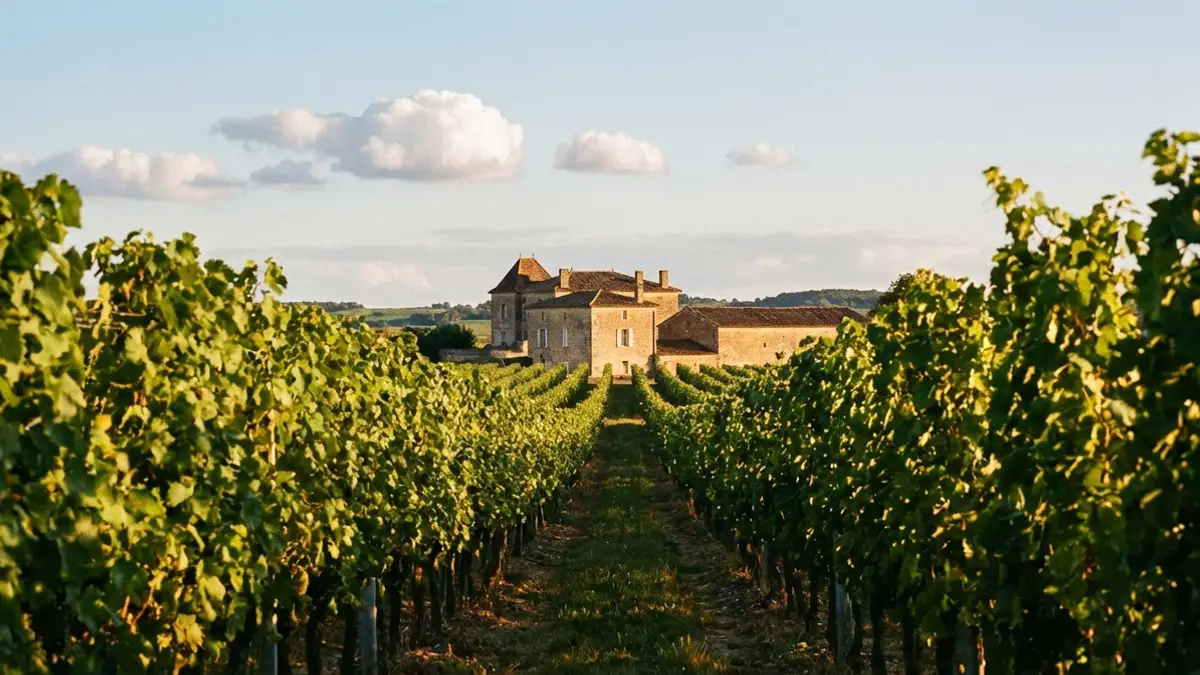
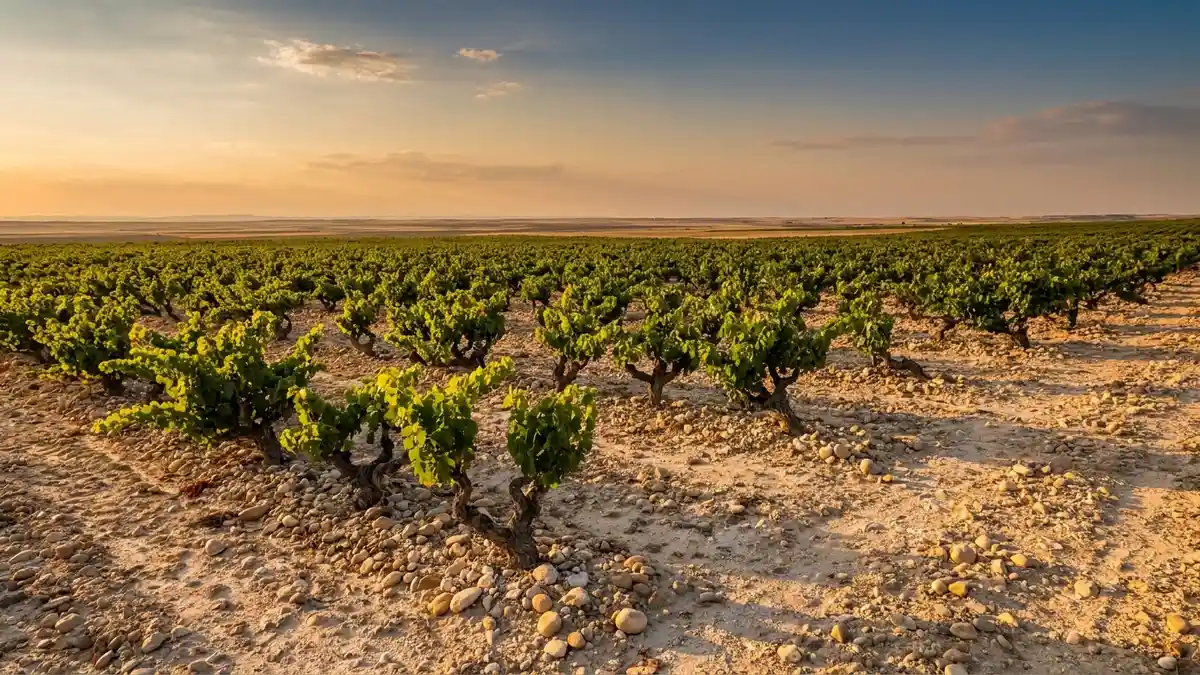
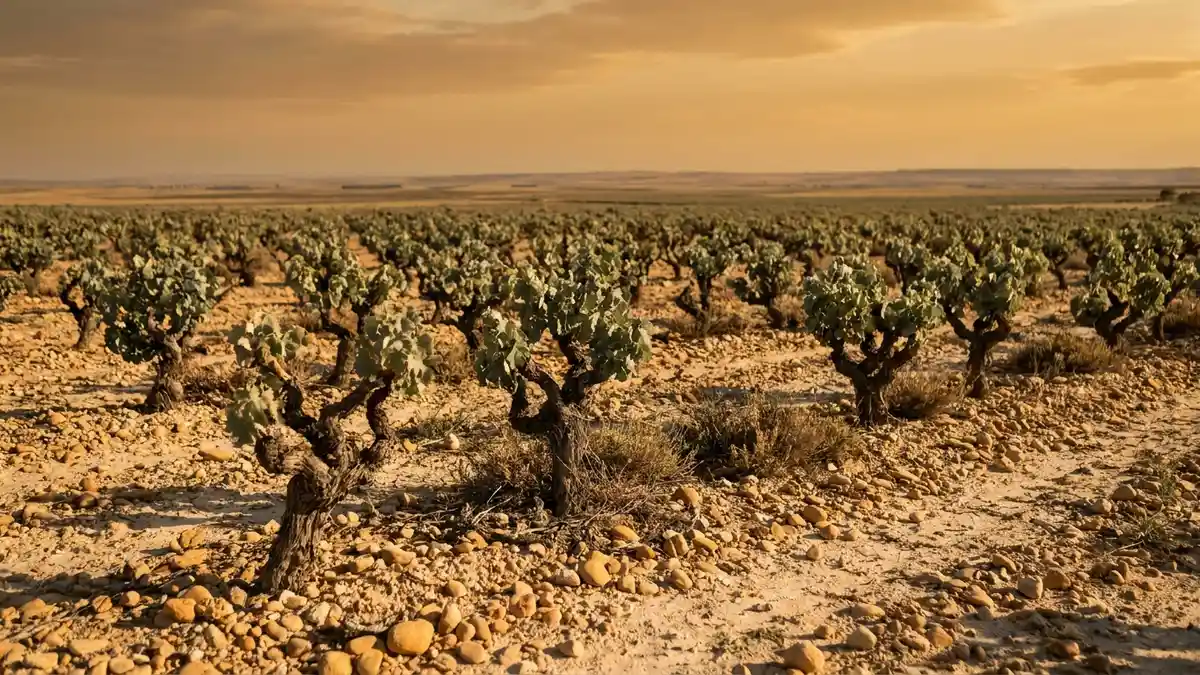
Rueda is a wine of place, and that place is unusually extreme for a white. The vineyards spread across the southern edge of the Duero river valley, mostly in the province of Valladolid, on a flat, wind-swept tableland that locals call the meseta. This is high-country viticulture: most vines sit between 700 and 800 meters above sea level, higher than many famous mountain wine regions.
Altitude is the engine of Rueda's style. The plateau bakes under intense Spanish sun by day, then loses that heat fast after dark. This wide daily swing — warm afternoons followed by cold nights — lets grapes ripen their fruit flavors while holding onto the bright acidity that night cooling preserves. The result is a white that tastes ripe and refreshing at the same time.
The climate is continental, meaning hot summers, cold winters, and very little rain, far from any moderating sea. Vines here have to be tough. The soils help: the best plots sit on pale, stony ground rich in pebbles and limestone, with sandy patches that drain freely and reflect light back up into the canopy. These poor, rocky soils stress the vine into making small, concentrated, flavor-packed grapes.
Rueda shares its broad plateau with a famous neighbor. Just to the east, the same Duero corridor is home to Spain's great red wine region, and our Ribera del Duero wine guide shows how the same altitude and continental climate produce powerful Tempranillo reds rather than crisp whites. The two regions are a perfect lesson in how the grape, not just the place, sets the style.
Verdejo: The Signature Grape of Rueda
If you remember one thing from this guide, remember Verdejo (pronounced vehr-DAY-ho). It is the grape that rescued Rueda from obscurity in the 1970s and 1980s, and today it carries the region's name around the world. Verdejo is a local Spanish white variety, almost unique to this corner of Castilla y León, and it expresses the high plateau beautifully.
Verdejo is naturally high in acidity and full of personality. Typical aromas: lime, green apple, grapefruit, fennel, bay leaf, fresh-cut grass, and a faint whiff of bitter almond. On the palate it is dry, light to medium bodied, and crisp, finishing with a gentle bitter grip that is the grape's calling card. Body: light-to-medium (2-3/5) · Acidity: high (4/5) · Sweetness: dry (1/5). That bitter-almond finish is the easiest way to spot a Verdejo blind.
Most modern Rueda Verdejo is fermented cool in stainless steel to protect those fresh aromas, then bottled young for drinking within a year or two. A growing number of producers also make richer versions aged on the lees or in oak, which add a creamier texture and a savory, nutty edge while keeping the grape's herbal core.
Verdejo tastes like a Spanish afternoon: ripe fruit in the sun, a cooling herbal lift, and a clean, slightly bitter snap at the end.
Verdejo belongs to a family of expressive, scent-driven whites. If you want to understand where it fits among the great whites, our white grapes overview maps the major varieties, and our piece on aromatic versus neutral grapes explains why a grape like Verdejo shouts its character while others stay quiet.
Old-Vine Verdejo
Rueda's secret weapon is its old vines. The region survived phylloxera, the vine louse that wiped out much of Europe's vineyards, better than most, and pockets of very old, ungrafted Verdejo still grow on sandy soils. These elderly vines — some well over a century old — yield tiny crops of intensely concentrated fruit.
Wine from old-vine Verdejo tends to be deeper, more textured, and more savory than the bright, fruity entry-level style. It rewards a little patience and shows how serious this grape can be. When you see a bottle that mentions viñas viejas (old vines) on the label, you are looking at one of Rueda's most distinctive expressions.
Sauvignon Blanc and the Other Grapes of Rueda
Verdejo is the star, but it does not have the stage to itself. Sauvignon Blanc, the globe-trotting aromatic white, was planted widely in Rueda from the 1970s onward and now ranks as the region's second white grape. It thrives on the high plateau, giving the same zingy acidity but with its own gooseberry-and-green-pepper accent.
The two grapes make a useful pair to taste side by side, because they reveal each other's character. Here is how they compare:
- Verdejo: Origin: native to Castilla y León · Aromas: fennel, bay, lime, green apple · Finish: faint bitter-almond grip · Feel: rounder, savory, slightly broader.
- Sauvignon Blanc: Origin: French, planted worldwide · Aromas: gooseberry, passionfruit, green pepper, grass · Finish: sharp, clean cut · Feel: piercing, leaner, more overtly green.
Both share high acidity and an aromatic, herbal style, but Verdejo is softer and more savory while Sauvignon Blanc is sharper and greener. Our dedicated Sauvignon Blanc wine guide covers the grape in full, and tasting a Rueda Verdejo against a Rueda Sauvignon Blanc is one of the cleanest exercises a beginner can run.
Rueda also grows smaller amounts of Viura (the white grape known as Macabeo elsewhere in Spain), which adds body and a neutral, supporting role to some blends. A handful of red and rosé wines are made too, but Rueda's identity is firmly white.
The Dorado Style: Rueda's Oxidative Past
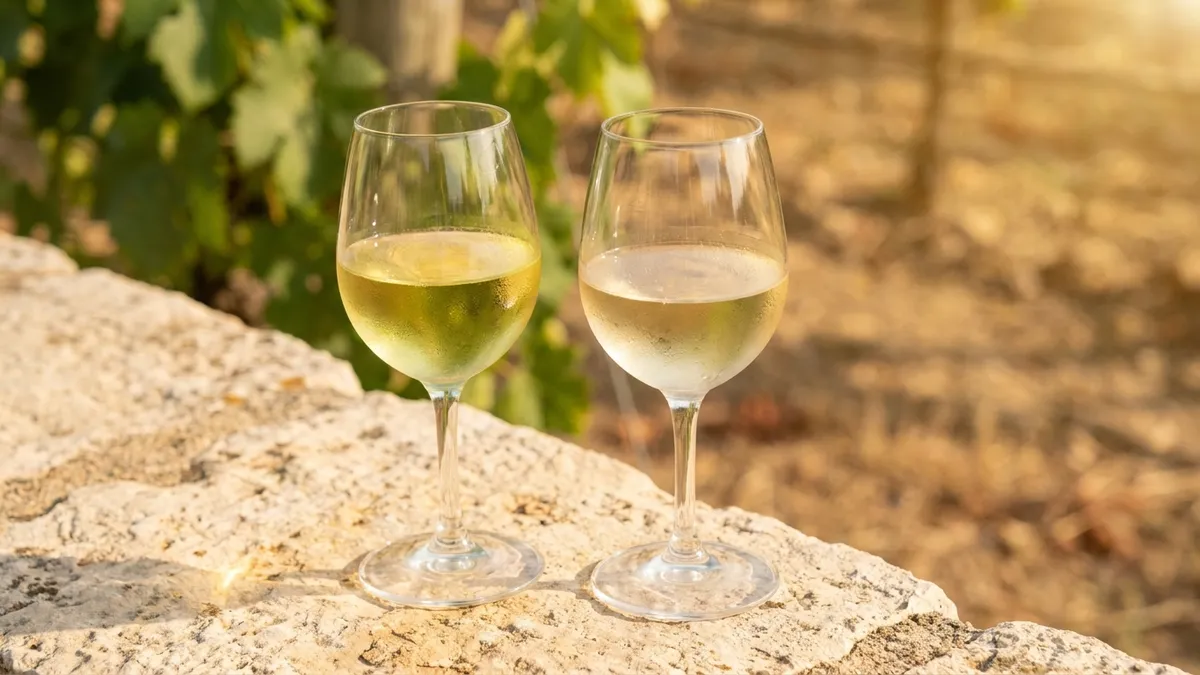
Long before Verdejo became a fresh, modern white, Rueda was famous for something very different: Dorado, a golden, oxidative wine that looks and tastes closer to a Sherry than to anything in a supermarket fridge today. Understanding Dorado is the key to understanding the region's older soul.
To make Dorado, grapes are picked very ripe and often left to dry, concentrating their sugars. The wine then ages oxidatively — deliberately exposed to air — in glass demijohns left out in the sun and in old barrels, frequently under a protective layer of flor (the same film of yeast that defines Fino Sherry). Over years, the wine turns amber-gold, loses its fresh fruit, and gains deep nutty, toasted, and savory flavors. Traditional Dorado is bone dry, though some versions are fortified.
Here is how the two faces of Rueda compare:
- Modern Rueda Verdejo: Color: pale lemon · Style: fresh, fruity, herbal · Made: cool steel fermentation, bottled young · Best within: 1-2 years.
- Traditional Dorado: Color: deep amber-gold · Style: nutty, oxidative, savory · Made: sun-aged in demijohns under flor · Best after: years of aging.
Very few producers still make Dorado, and it is now a rare specialty rather than the region's main business. But it earned the region its first recognition and remains part of what makes Rueda distinctive. For a beginner, it is enough to know the style exists and represents an older, hand-made tradition worth seeking out once your palate is ready for something unusual.
How Rueda Labels Work: Reading the Bottle
Rueda's labeling is refreshingly clear, especially after the puzzle of a region like Burgundy. Rueda is a Denominación de Origen (DO) — Spain's regulated appellation system that guarantees where the wine comes from and which grapes it can use. The DO covers a defined zone across Valladolid, Segovia, and Ávila provinces.
The wording on the front label tells you most of what you need:
- Rueda Verdejo: The flagship category. By law it must contain at least 85 percent Verdejo, and in practice many are 100 percent. This is the bottle to reach for to taste the region's signature style.
- Rueda: A white blend, usually Verdejo-led but mixed with Sauvignon Blanc or Viura, requiring at least 50 percent of the region's permitted varieties. Reliable and often the best value.
- Rueda Sauvignon Blanc: At least 85 percent Sauvignon Blanc, showing the grape's sharper, greener side grown at high altitude.
- Rueda Espumoso: Sparkling wine made in the region, a smaller specialty.
- Rueda Dorado: The historic oxidative golden style described above, now rare.
The pattern is simple: when a grape name follows "Rueda" on the label, that grape dominates the bottle. A plain "Rueda" means a blend. This clarity is one reason Rueda is such a friendly region for learners — the label rarely hides the ball. The Sommy app's Spanish wine lessons walk through real Rueda labels so you can decode any bottle at a glance.
What Makes Rueda Distinctive
Plenty of regions make crisp white wine, so what sets Rueda apart? A few things combine into a style that is hard to mistake once you know it.
First, the altitude and bitter-almond finish. The high plateau gives Verdejo a tension few other warm-climate whites manage — ripe fruit held together by sharp acidity — and the grape's signature bitter grip on the finish acts almost like a fingerprint.
Second, the value. Because Rueda modernized relatively recently and grows a grape grown almost nowhere else, it has never carried the price tag of more famous white regions. A well-made Rueda Verdejo is one of the best-value crisp whites in the world, which makes it a low-stakes way to practice tasting.
Third, the range within one grape. From zippy young steel-fermented bottles to textured old-vine and oak-aged versions to the amber Dorado relic, Verdejo shows more variety than its supermarket reputation suggests. Tasting across that range teaches you how winemaking choices, not just the grape, shape a wine.
How a Beginner Should Start with Rueda
You do not need an expensive bottle or any special knowledge to start enjoying Rueda. The smartest path is to taste deliberately and notice what makes the region tick. Here is a practical order:
- Begin with a young Rueda Verdejo. Pick a recent vintage from the last year or two, served well chilled. This is the region's calling card — bright, herbal, and crisp. Look for the lime fruit, the fennel-and-bay lift, and that faint bitter-almond snap at the end.
- Run the Verdejo versus Sauvignon Blanc comparison. Open a Rueda Verdejo and a Rueda Sauvignon Blanc together. The Verdejo will feel rounder and more savory; the Sauvignon sharper and greener. Same place, two grapes — a clean lesson in varietal character.
- Trade up to an old-vine or oak-aged Rueda. Once the fresh style is familiar, try a viñas viejas or lees-aged bottle to feel how texture and savor build. This is where Verdejo proves it is more than a cheap summer pour.
- Pair it with the right food. Rueda's high acidity and herbal edge cut through salt and richness beautifully. Think grilled white fish, goat cheese, green salads, gazpacho, and lighter tapas. The acidity refreshes the palate between bites.
- Build the tasting habit. Note the color, the high acidity, and the herbal-bitter finish that separates Verdejo from softer whites. Our guide to how to taste wine gives you the step-by-step method to do this with any glass.
Sommy turns these comparisons into guided exercises — naming the aromas, scoring the acidity and body, and building the vocabulary to describe what you sense. You can start practicing free at sommy.wine, then bring the method to your next bottle of Rueda.
Rueda in the Wider Spanish Picture
Rueda is one piece of a varied national story. Spain stretches from the cool, rainy Atlantic northwest to the hot Mediterranean south, and each corner grows different grapes in different ways. Our Spanish wine regions guide places Rueda among its neighbors and shows how the country's whites, reds, and sparkling wines fit together.
Within Spain's whites, Rueda has a natural counterpart in the far northwest, where the Atlantic coast grows the bright, saline Albariño grape. Rueda's continental, high-altitude Verdejo and that cool, coastal style are two of the country's finest white expressions, shaped by opposite climates. Verdejo also stands among the world's noble grapes worth knowing first, alongside the international varieties most learners meet early.
The broader lesson Rueda teaches reaches well beyond Spain: that altitude and a single distinctive grape can turn a flat, dry plateau into a source of some of the freshest whites made anywhere. Once that idea clicks, you start reading every white wine label with a sharper eye — asking not just what grape, but how high, how warm, and how the maker chose to handle it.
The Reward of Learning Rueda
Rueda is an easy region to like and a rewarding one to understand. The label tells you the grape, the price stays fair, and the style — crisp, herbal, faintly bitter — is distinctive enough to recognize within a few sips. Few regions give a beginner so much for so little risk.
Start with a young Verdejo, taste it against a Sauvignon Blanc, and let the bitter-almond finish teach you what makes this grape special. The Sommy app is built to make that habit stick — turning each bottle into a short, guided lesson so the next Rueda you open is a little clearer than the last.
Sources
Frequently Asked Questions
What is Rueda wine?
Rueda is a white wine region in Castilla y León, north-central Spain, and the name on the label. Its flagship is a dry white made from the Verdejo grape — zesty, herbaceous, and fennel-tinged with high acidity. The region also grows Sauvignon Blanc and makes a small amount of the historic oxidative Dorado style.
What grape is Rueda wine made from?
The signature grape is Verdejo, a local white variety that gives lime, green apple, fennel, and a faint bitter-almond grip. A bottle labeled Rueda Verdejo must be at least 85 percent Verdejo. Rueda also grows Sauvignon Blanc and Viura, and a few producers still make small amounts of the old fortified-style Dorado.
What does Rueda Verdejo taste like?
Rueda Verdejo is dry, light to medium bodied, and high in acidity. Expect lime, green apple, and grapefruit fruit alongside herbal notes of fennel, bay, and fresh-cut grass, finishing with a faint bitter-almond grip. It is crisp and refreshing, sitting in style between a Sauvignon Blanc and a Verdejo's own savory character.
How is Rueda Verdejo different from Sauvignon Blanc?
Both are aromatic, high-acid whites, but they differ in detail. Sauvignon Blanc leans toward gooseberry, passionfruit, and sharp green pepper. Verdejo is softer and more savory, with fennel, bay leaf, and a signature bitter-almond grip on the finish. Verdejo also tends to feel slightly rounder and less piercingly green than Sauvignon Blanc.
What is the Dorado style of Rueda?
Dorado is Rueda's historic golden wine, made before the modern Verdejo boom. Grapes are dried, then the wine ages oxidatively in glass demijohns and barrels, often under a layer of flor yeast. The result is amber-colored, nutty, and dry, closer in spirit to a Sherry than to a fresh white. Very few producers still make it.
Where is Rueda located?
Rueda sits in Castilla y León in north-central Spain, mostly in Valladolid province, on a high plateau roughly 700 to 800 meters above sea level. The altitude brings hot days and cold nights that lock in acidity. The Duero river runs nearby, and the neighboring red wine region of Ribera del Duero shares the same broad plateau.
Is Rueda wine good for beginners?
Yes. Rueda Verdejo is approachable, widely available, and usually well priced, which makes it a low-risk way to learn what a crisp, aromatic white tastes like. Its clear lime, fennel, and bitter-almond signature is easy to recognize once you have tasted it, so it is a useful reference point for building a white-wine vocabulary.
Sommy Team
LinkedInFounder & Wine Educator
The Sommy Team is building the world's most approachable wine education app, helping beginners develop real tasting skills through structured courses and AI-guided practice.