Ribera del Duero Wine Guide: Spain's Other Great Tempranillo Region

By the Sommy Team — AI-assisted, human-edited.
Updated Jun 17, 2026
Contents (11)
- What Is Ribera del Duero Wine?
- The Grape Behind Ribera del Duero: Tempranillo by Another Name
- Where Ribera del Duero Is and Why Altitude Shapes It
- What Ribera del Duero Wine Tastes Like
- Ribera del Duero vs Rioja: Spain's Two Tempranillo Giants
- The Aging Tiers: Crianza, Reserva, and Gran Reserva
- Sub-Regions and the Shape of the Plateau
- The Rosado Tradition: Ribera's Forgotten Style
- What Makes Ribera del Duero Distinctive
- How a Beginner Should Start with Ribera del Duero
- The Reward of Learning Ribera del Duero
TL;DR
Ribera del Duero is a high-altitude plateau along the Duero river in north-central Spain that makes bold, deeply colored reds from Tempranillo, known locally as Tinto Fino. Its extreme continental climate gives the wines more power and structure than Rioja, sharing the same Crianza, Reserva, and Gran Reserva aging tiers.
What Is Ribera del Duero Wine?
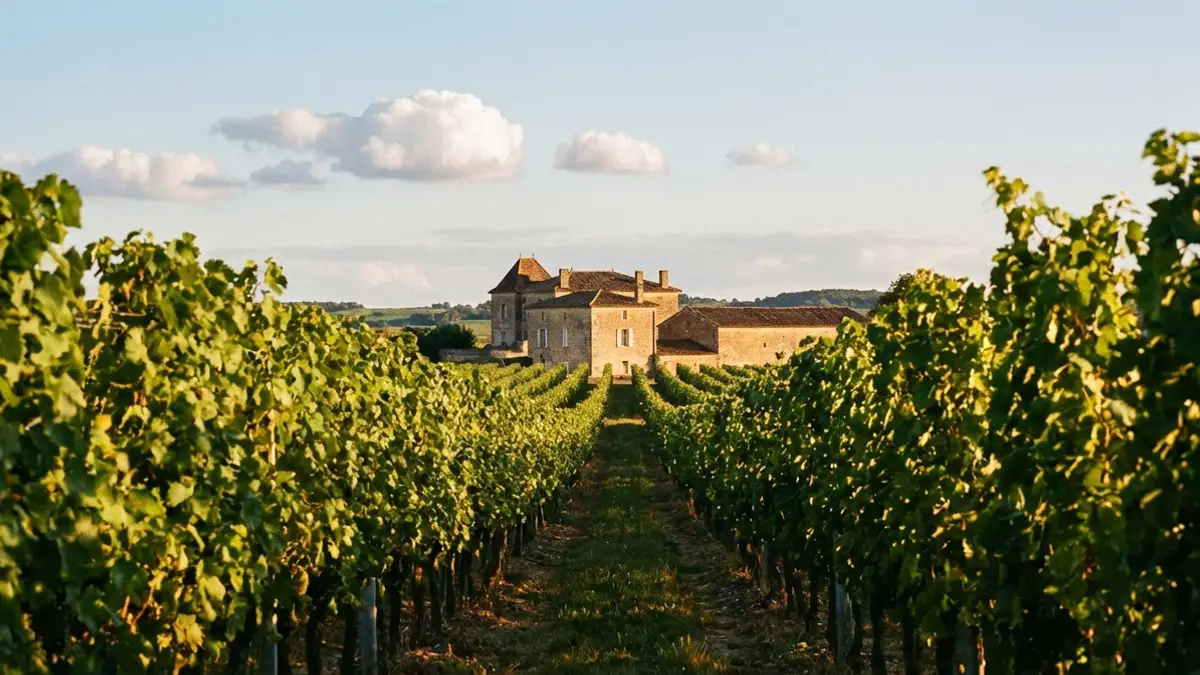
This Ribera del Duero wine guide begins with the grape that defines it: Tempranillo, Spain's flagship red, here called Tinto Fino or Tinta del País. Ribera del Duero is a high-altitude plateau stretching along the Duero river in north-central Spain, inside the wider Castilla y León region. Its vineyards sit between roughly 700 and 900 meters above sea level, where blistering summer days collide with cold nights to produce bold, deeply colored, firmly structured reds. The wines share the same Crianza, Reserva, and Gran Reserva aging tiers you find across Spain, but the climate pushes them toward more power and concentration than the gentler reds of nearby Rioja. Learn the grape, the altitude, and the aging ladder, and the region opens up quickly.
The Grape Behind Ribera del Duero: Tempranillo by Another Name
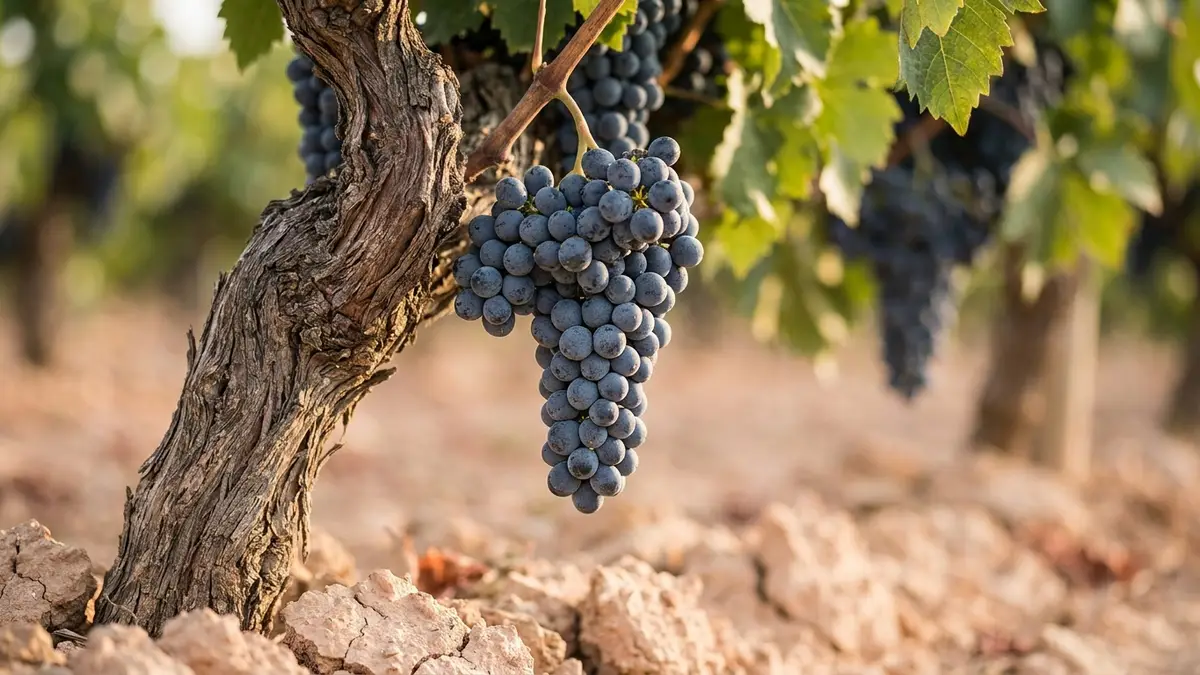
Almost every serious bottle from this plateau is built on one grape: Tempranillo. The twist is that locals rarely call it that. Across Ribera del Duero you will see it labelled Tinto Fino ("fine red") or Tinta del País ("local red") — both are the same grape adapted over centuries to the region's harsh conditions.
This local strain matters. Generations of cold winters and short growing seasons have nudged Ribera's Tempranillo toward thicker skins, smaller berries, and deeper color than the same grape grown in warmer places. Thick skins mean more pigment and more tannins — the drying, gripping sensation in red wines that gives them structure and the ability to age.
The appellation rules require red wines to be at least 75 percent Tempranillo, and the best bottles are usually close to 100 percent. A handful of other grapes are permitted in a supporting role: Cabernet Sauvignon, Merlot, and Malbec add a touch of body or polish, while the white grape Albillo appears in small amounts. None of them challenge Tempranillo's reign.
If you want the full picture of this grape across Spain and beyond, our Tempranillo wine guide covers how it behaves in different climates, and it sits among the noble grapes every learner should know first.
Where Ribera del Duero Is and Why Altitude Shapes It
Ribera del Duero runs east to west as a long strip following the Duero, the same river that becomes the Douro once it crosses into Portugal. The region spans four provinces — most famously around the towns of the Burgos stretch — but the unifying force is not administrative borders. It is elevation.
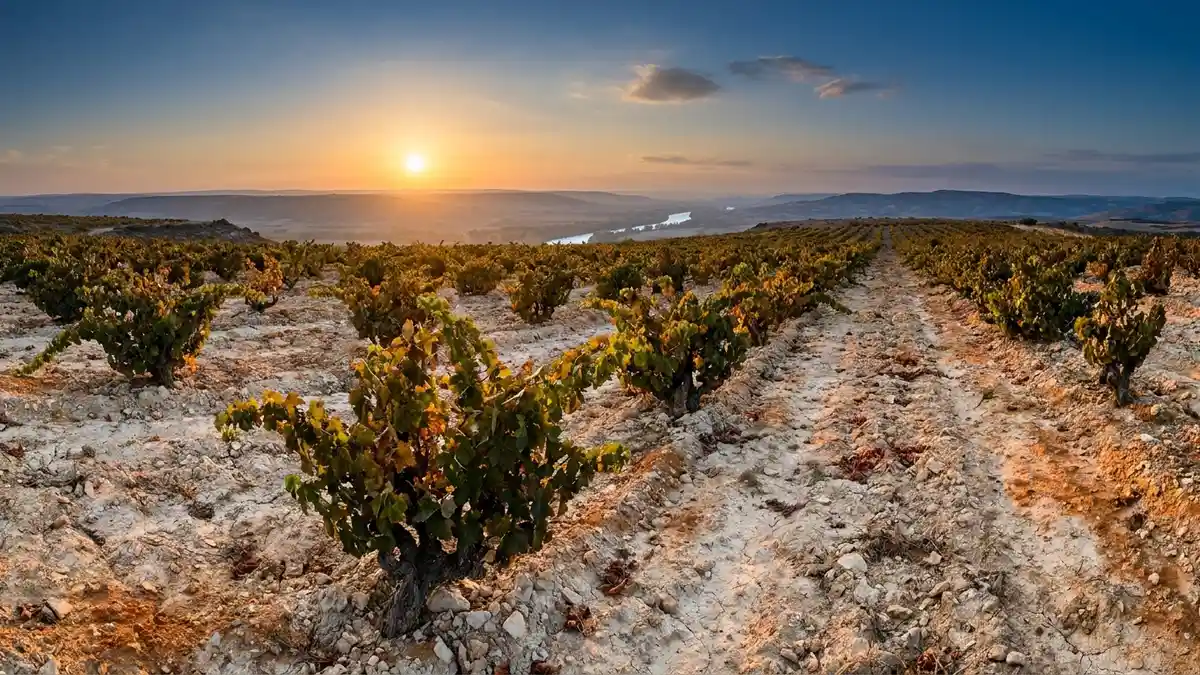
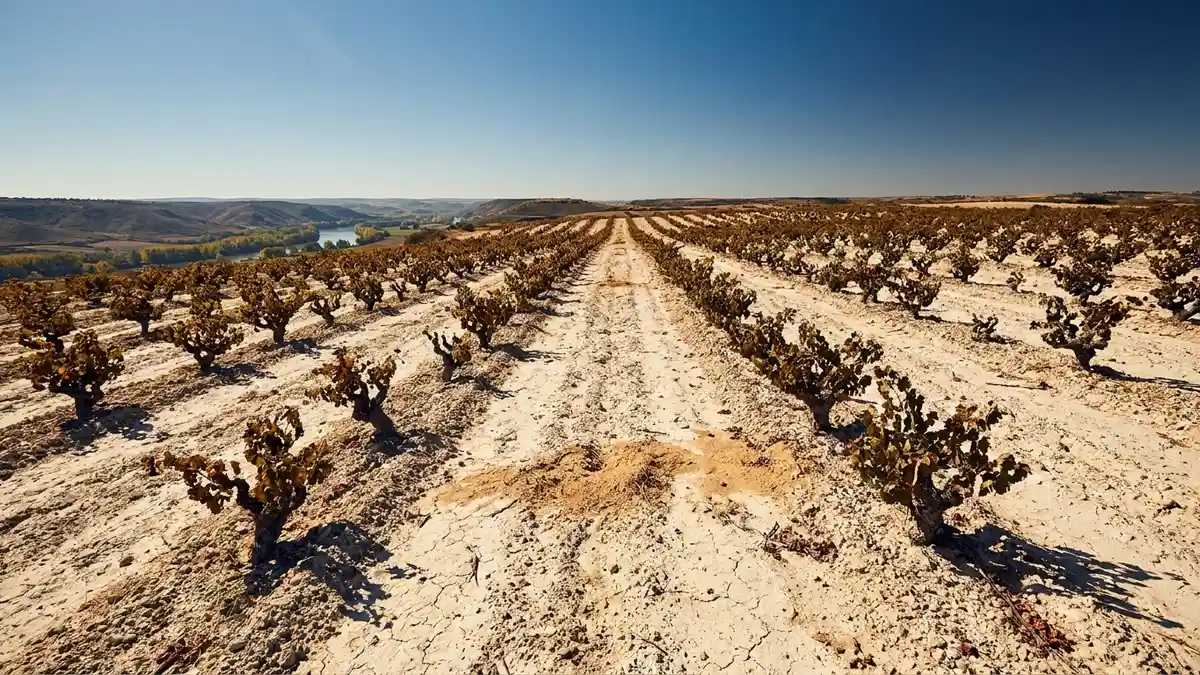
This is one of the highest major wine regions in Europe. At 700 to 900 meters, the vineyards endure an extreme continental climate: long, freezing winters, short summers, and a dramatic daily temperature swing. Summer days can climb past 35°C while the same night drops toward single digits.
That swing is the engine of the wines. Hot, sunny days ripen the grapes fully, building dark fruit, sugar, and color. Cold nights then slow the vine down and preserve acidity — the fresh, mouth-watering tartness that keeps a powerful red from tasting flat or jammy. The combination of full ripeness and high acidity is rare, and it is exactly what gives Ribera del Duero its signature: bold but balanced.
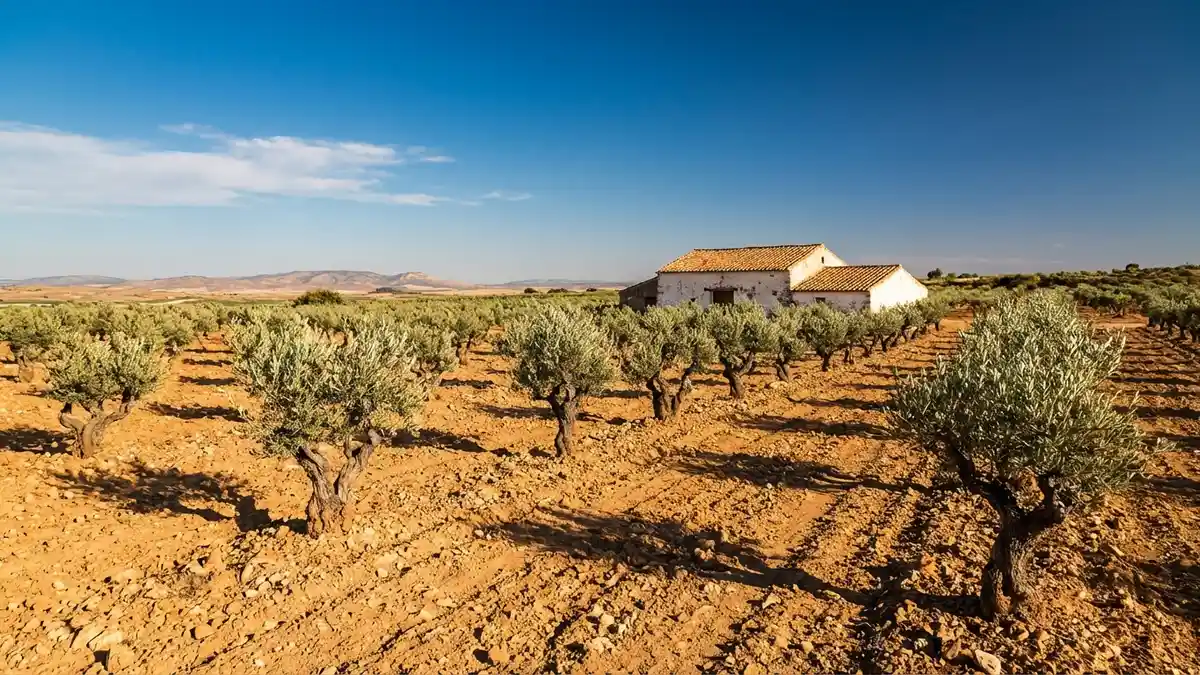
The other half of the story is terroir — the environment where grapes grow, from soil to climate to altitude. Ribera's soils mix limestone, chalk, clay, and sand over a riverside plateau, holding just enough water through the dry summer while reflecting light and heat back onto the low old vines. Frost is a constant threat in spring, which keeps yields naturally low and concentration naturally high.
At nearly a kilometer up, the vines bake by day and shiver by night. The wine remembers both.
What Ribera del Duero Wine Tastes Like
The altitude and thick-skinned Tempranillo translate directly into the glass. Ribera del Duero reds are among the most recognizable in Spain once you know what to look for.
- Color: deep, opaque ruby to purple — noticeably darker than most Rioja, often nearly impossible to see through.
- Typical aromas: blackberry, black cherry, plum, and damson, layered with vanilla, cedar, clove, and a smoky, toasty edge from oak aging. Older bottles add leather, tobacco, and dried fig.
- Palate: concentrated dark fruit, firm and grippy tannins, and bright acidity that keeps the weight in check.
- Body: full (4–5/5) · Tannins: high (4/5) · Acidity: medium-to-high (4/5) · Sweetness: dry (0/5).
The overall impression is power with poise. These are not light, gulpable reds — they are built to age, to stand up to rich food, and to reward patience. If the vocabulary of tannins, acidity, and body is new to you, our guide to understanding tannins, acidity, and body breaks down each one with simple language and examples.
Sommy turns this kind of description into practice. Instead of reading that a wine has "firm tannins," you score the grip yourself and name the dark-fruit aromas, building a calibrated palate one glass at a time.
Ribera del Duero vs Rioja: Spain's Two Tempranillo Giants
Spain's two most celebrated red regions both rest on Tempranillo, yet they taste like different wines. The split comes down to climate and tradition more than the grape itself. Here is the contrast at a glance:
- Ribera del Duero: Climate: high-altitude, extreme continental · Style: bold, dark, dense · Tannins: firm and powerful · Fruit: black fruit (blackberry, plum) · Core grape: Tempranillo (Tinto Fino), often near 100 percent.
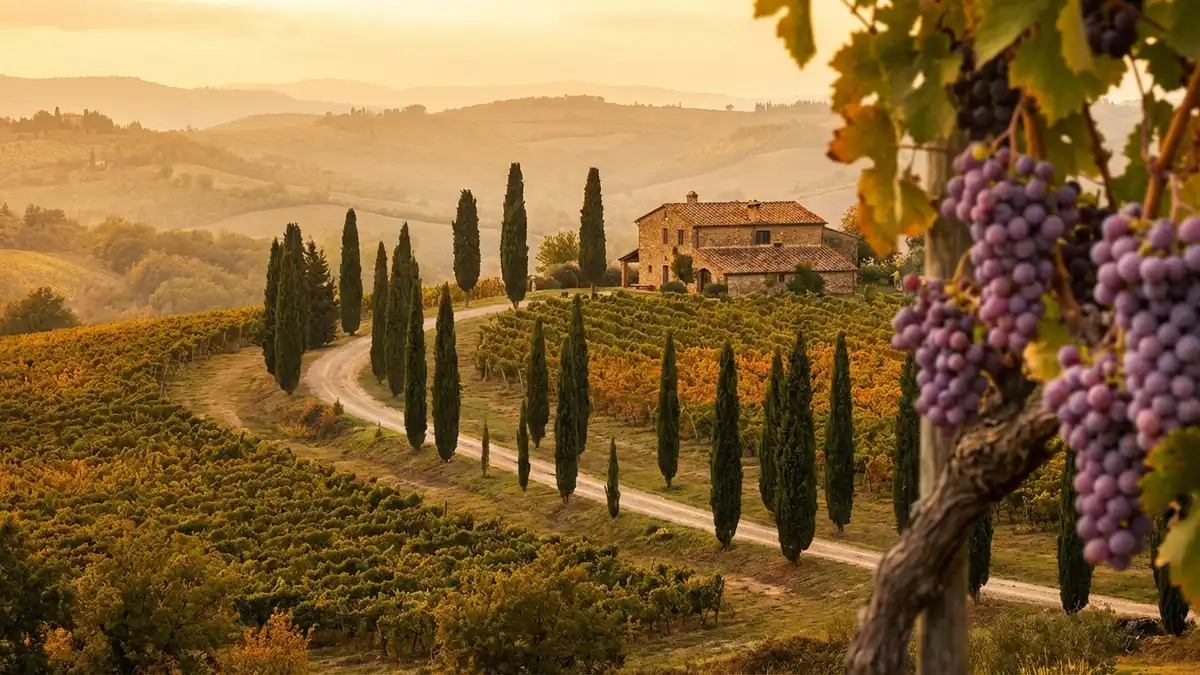
- Rioja: Climate: lower, milder, more Atlantic and Mediterranean influence · Style: elegant, savory, more restrained · Tannins: softer, smoother · Fruit: red fruit (red cherry, strawberry) · Core grape: Tempranillo, often blended with Garnacha, Graciano, and Mazuelo.
- Shared ground: Both use the same Crianza / Reserva / Gran Reserva aging tiers, both prize oak (traditionally American oak in Rioja, with French oak common in Ribera), and both center on Tempranillo as the soul of the wine.
A useful shorthand: Ribera del Duero is muscle, Rioja is finesse. Ribera leans into concentration and structure; Rioja into elegance and savory complexity. Neither is better — they are two answers to the question of what Spanish Tempranillo can become. For the wider map of where both sit, see our Spanish wine regions guide, and our dedicated Rioja wine guide covers Spain's most famous red region in full.
The clearest way to feel the difference is to taste them side by side. Open a Ribera Crianza and a Rioja Crianza together, and the deeper color, firmer grip, and darker fruit of the Ribera jump out immediately. It is one of the most instructive comparisons in Spanish wine.
The Aging Tiers: Crianza, Reserva, and Gran Reserva
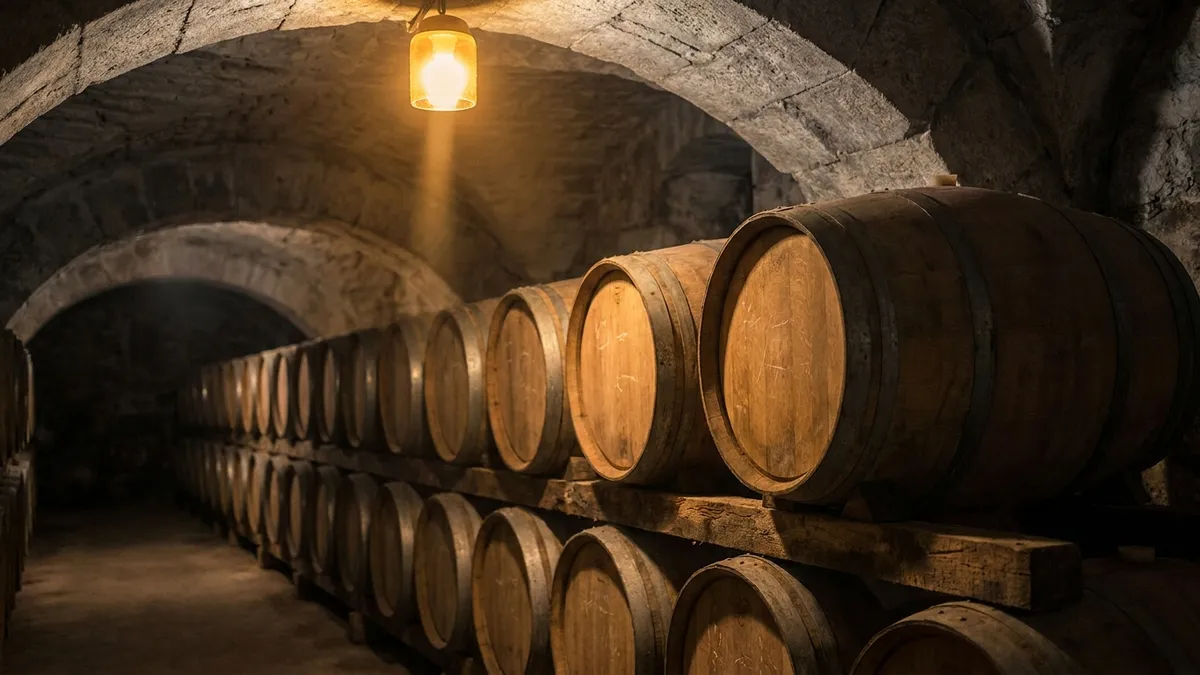
Like the rest of Spain, Ribera del Duero classifies many of its wines by how long they age before release rather than by vineyard rank. These tiers are a promise about time spent in oak and bottle, and they appear on a small back label on most serious bottles. From youngest to oldest:
- Joven (young): Little or no oak aging, released early to show fresh, juicy fruit. The most approachable and affordable entry point, though Ribera makes fewer of these than Rioja.
- Crianza: Aged at least two years, with a minimum of one year in oak barrels. This is the workhorse tier — enough oak to add spice and structure without burying the fruit. The smartest place for a beginner to meet the region's house style.
- Reserva: Aged at least three years, with a minimum of one year in oak. The extra time softens the tannins and begins to layer in savory, leathery, dried-fruit complexity over the dark fruit.
- Gran Reserva: Aged at least five years, with a minimum of two years in oak, made only in the strongest vintages. These are the region's flagship wines — deeply complex, slow to evolve, and capable of aging for decades.
The pattern to remember: the higher the tier, the longer the wine has rested, and the more the raw power of young Ribera mellows into nuance. A young Tempranillo here can be almost ferociously tannic; time is the tool that turns that grip into grace. The Sommy app's Spanish wine course walks through real back labels so you can read these tiers at a glance.
Sub-Regions and the Shape of the Plateau
Unlike Burgundy or Rioja, Ribera del Duero is not formally carved into named cru vineyards or official sub-zones. The whole appellation shares one set of rules, and the wines are usually labelled by producer and aging tier rather than by a specific village. Still, the plateau is not uniform, and a few natural divisions shape style.
- The riverside core: Vines closest to the Duero, on alluvial terraces, tend toward riper, rounder wines with a touch more flesh.
- The higher slopes and tablelands: The coldest, highest sites give the most structured, slow-ripening wines with searing acidity and the longest aging potential. Old, low-yielding vines are concentrated here.
- The eastern and western stretches: The region runs long from east to west, and the warmer western end can ripen a hair earlier than the colder eastern reaches, giving subtle differences in fruit intensity.
Because there is no cru ladder to memorize, the producer's choices — site selection, old vines, and barrel regime — matter more than any place name on the label. This is the opposite of Burgundy's vineyard-first logic, and closer to how French wine regions like Bordeaux lean on the estate behind the wine.
The Rosado Tradition: Ribera's Forgotten Style
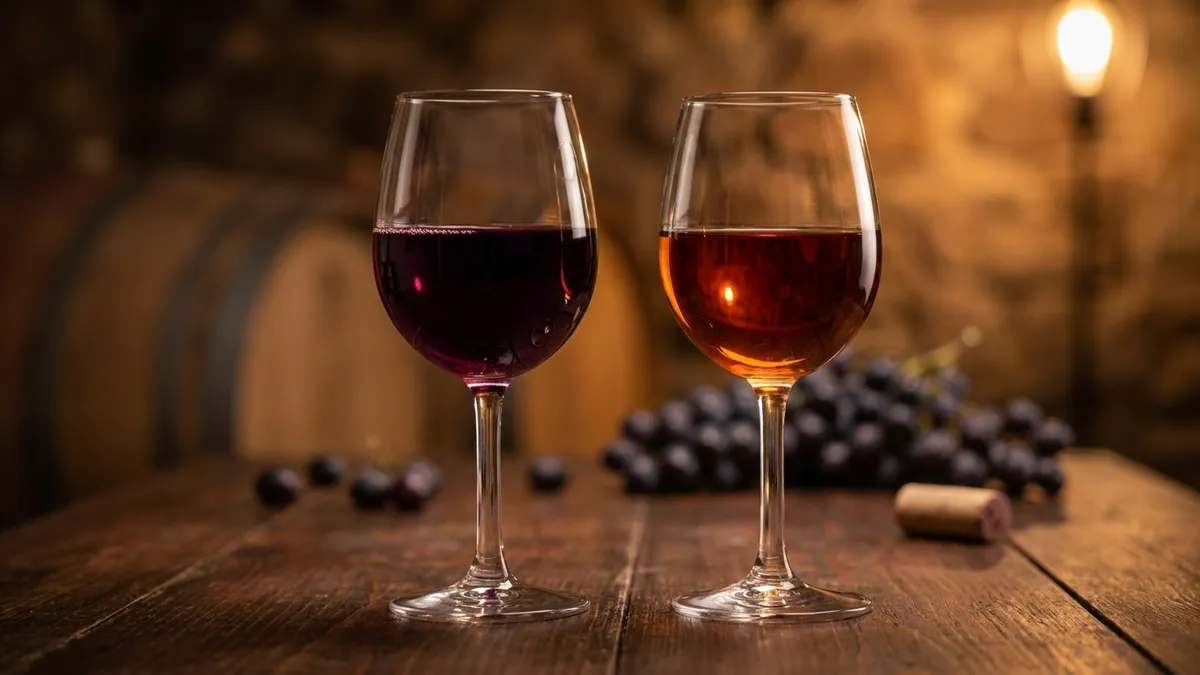
Long before its powerful reds drew international attention, Ribera del Duero was known for rosado — Spanish rosé. For much of the twentieth century, pink wine from Tempranillo was a everyday staple of the plateau, made by bleeding off juice after brief skin contact.
These rosados are worth seeking out as a lighter, different face of the same grape. They are typically dry, fuller-bodied and deeper-colored than the pale Provençal style, and built around fresh red-berry fruit with a savory edge. The local rosado tradition is now protected within the appellation rules, and it offers a refreshing, food-friendly way to taste Tempranillo without the weight of a barrel-aged red.
For a beginner, a Ribera rosado is also a low-stakes entry point — easier to drink young, gentler on the palate, and a useful contrast that shows just how much oak and aging transform the same fruit into the region's famous bold reds.
What Makes Ribera del Duero Distinctive
Pull the threads together and a clear identity emerges. Ribera del Duero is not simply "Rioja's rival" — it is a region with its own logic, built on three pillars:
- Altitude over everything. Few European regions farm vines this high. The day-night swing is the source of the wines' rare combination of full ripeness and bright acidity.
- One grape, taken to extremes. Tempranillo as Tinto Fino is pushed toward maximum color, tannin, and concentration here — a darker, more muscular expression than anywhere else in Spain.
- Time as a deliberate ingredient. The Crianza-to-Gran Reserva ladder is not decoration. Young Ribera is powerful to the point of severity, and the region uses oak and bottle age as the patient tool that turns power into complexity.
That combination explains why a single grape can taste so unlike itself across two regions. If that idea fascinates you, our piece on why grapes that look the same can taste different carries the thread well beyond Spain.
How a Beginner Should Start with Ribera del Duero
You do not need a Gran Reserva or a big budget to understand this region. The smartest path is to taste deliberately and pay attention to what altitude and aging change. Here is a practical order:
- Begin with a Crianza. A single-producer Crianza is the cleanest introduction to the region's house style — dark fruit, firm tannins, and a layer of oak spice, at a fair price.
- Compare it with a Rioja. Open a Ribera Crianza beside a Rioja Crianza. The deeper color, firmer grip, and black-fruit profile of the Ribera make the contrast obvious in a single sip.
- Try a rosado. A dry Ribera rosado shows the grape in a lighter form and resets your palate between heavier reds.
- Move up to a Reserva. Once young Ribera makes sense, a Reserva reveals how a few more years soften the tannins and add savory, leathery depth.
- Build the tasting habit. Note the opaque color, the grippy tannins, and the bright acidity that keeps the power balanced. Our guide to how to taste wine gives you the step-by-step method to do this with any bottle.
Sommy turns these comparisons into guided exercises — naming the aromas, scoring the structure, and building the vocabulary to describe what you sense. You can start practicing free at sommy.wine, then bring the method to your next bottle of Ribera del Duero.
The Reward of Learning Ribera del Duero
Ribera del Duero proves that geography, not just grape, decides what is in the glass. The same Tempranillo that turns elegant and savory in Rioja turns dark and muscular on this cold, high plateau — and the only thing that changed was the altitude and the climate around the vine.
That is the lesson worth carrying into every region you explore next: read the place, not just the label. Start with a Crianza, taste in pairs, and let the plateau reveal itself one glass at a time. The Sommy app is built to make that habit stick, turning each bottle into a short, guided lesson so the next Ribera del Duero you open is a little clearer than the last.
Sources
Frequently Asked Questions
What grape is Ribera del Duero wine made from?
Ribera del Duero is overwhelmingly Tempranillo, which goes by the local names Tinto Fino and Tinta del País. The rules require at least 75 percent Tempranillo in red wines, and most top bottles are nearly all Tempranillo. Small amounts of Cabernet Sauvignon, Merlot, Malbec, and the white Albillo are permitted but play a minor supporting role.
How is Ribera del Duero different from Rioja?
Both build their reds on Tempranillo and share the Crianza, Reserva, and Gran Reserva aging tiers, but the climate splits them apart. Ribera del Duero sits much higher and colder, so its wines are darker, denser, and more powerful. Rioja, lower and gentler, tends to be more elegant and savory. Ribera is muscle; Rioja is finesse.
What does Ribera del Duero wine taste like?
Expect a deep, opaque ruby-purple color and concentrated dark fruit — blackberry, black cherry, and plum — with firm, grippy tannins and bright acidity from the cool nights. Oak aging adds vanilla, cedar, clove, and a smoky, toasty edge. The overall impression is bold and structured, built to age for years rather than to drink young.
What does Crianza, Reserva, and Gran Reserva mean?
These are aging tiers, not quality grades, that tell you how long a wine rested before release. Crianza ages about two years with at least one in oak, Reserva about three years with a year in oak, and Gran Reserva five years with two in oak. Longer aging softens tannins and adds savory, leathery complexity.
Why is Ribera del Duero wine so bold and structured?
Altitude is the answer. Vineyards sit roughly 700 to 900 meters above sea level, giving hot days and very cold nights. That swing ripens dark, thick-skinned grapes packed with color and tannin while the cold nights lock in acidity. The result is concentrated, age-worthy reds with more power than warmer, lower regions produce.
Does Ribera del Duero make rosé wine?
Yes. Ribera del Duero has a long rosado tradition, and rosé from Tempranillo was historically a staple of the region before its powerful reds took the spotlight. These rosados are typically dry, fuller-bodied than pale French styles, and built around red-berry fruit. They remain a refreshing, food-friendly way to taste the grape in a lighter form.
How should a beginner start with Ribera del Duero?
Start with a Crianza from a single producer to meet the region's house style at a fair price, then taste it beside a Rioja Crianza to feel how altitude changes the wine. Note the deeper color, firmer tannins, and darker fruit. Once that contrast is clear, move up to a Reserva to see how extra aging softens and complicates the wine.
Sommy Team
LinkedInFounder & Wine Educator
The Sommy Team is building the world's most approachable wine education app, helping beginners develop real tasting skills through structured courses and AI-guided practice.