Paso Robles Wine Guide: California's Emerging Star

By the Sommy Team — AI-assisted, human-edited.
Updated Jun 17, 2026
Contents (9)
- What Is Paso Robles Wine?
- Where Paso Robles Is and Why Its Climate Matters
- The Signature Grapes of Paso Robles
- The 11 Sub-AVAs of Paso Robles
- How Paso Robles Compares to Other California Regions
- What Makes Paso Robles Distinctive
- How a Beginner Should Start with Paso Robles
- Pairing Paso Robles Wine with Food
- The Reward of Learning Paso Robles
TL;DR
Paso Robles is a warm Central Coast region known for big diurnal temperature swings and calcareous soils. It built its name on Rhône varieties like Syrah and Grenache, bold Cabernet Sauvignon, and old-vine Zinfandel. This paso robles wine guide covers its 11 sub-AVAs and where a beginner should start.
What Is Paso Robles Wine?
This paso robles wine guide starts with a region many drinkers have tasted without knowing it. Paso Robles is a warm-climate stretch of California's Central Coast, in San Luis Obispo County, that has become one of the most exciting sources of bold red wine in the United States. Its calling cards are Rhône varieties like Syrah, Grenache, and Mourvèdre, often blended into rich GSM reds; full-bodied Cabernet Sauvignon; and historic old-vine Zinfandel. The secret behind the wines is a dramatic daily temperature swing and limestone-rich soils. The region holds 11 sub-AVAs spanning cooler western hills and hotter eastern flats, giving it a stylistic range far wider than its sunny reputation suggests.
Where Paso Robles Is and Why Its Climate Matters
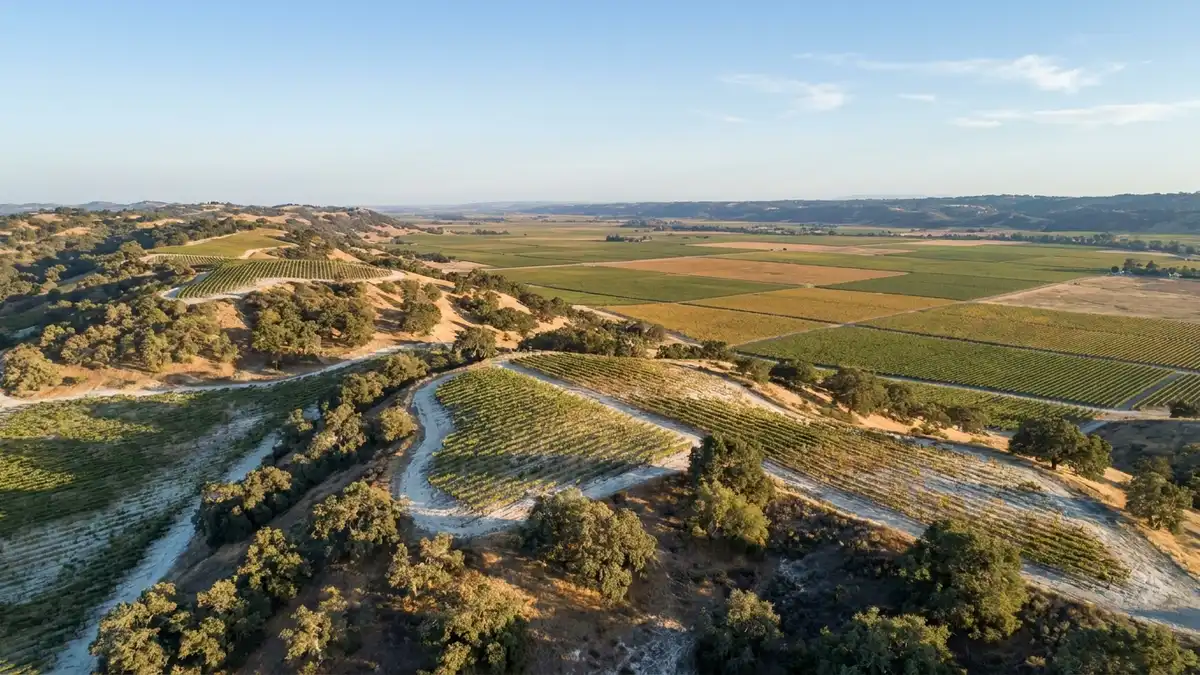
Paso Robles sits inland on California's Central Coast, roughly midway between Los Angeles and San Francisco. The Santa Lucia Range stands between the vineyards and the Pacific, blocking the steadiest coastal fog while still letting a marine influence sneak through gaps and over the hills at night.
That geography creates the region's defining feature: an enormous diurnal swing — the difference between daytime and nighttime temperature. Summer days can climb near 100°F, then drop into the 50s after dark as cool ocean air settles into the valleys.
This swing is the whole engine of Paso Robles wine. Hot afternoons push grapes to full, ripe phenolic maturity — deep color, rich fruit, soft tannins. Cool nights then slow the vines down and lock in natural acidity — the tartness that keeps a wine fresh rather than flabby. Ripeness without acidity tastes heavy and dull; Paso Robles gets both at once.
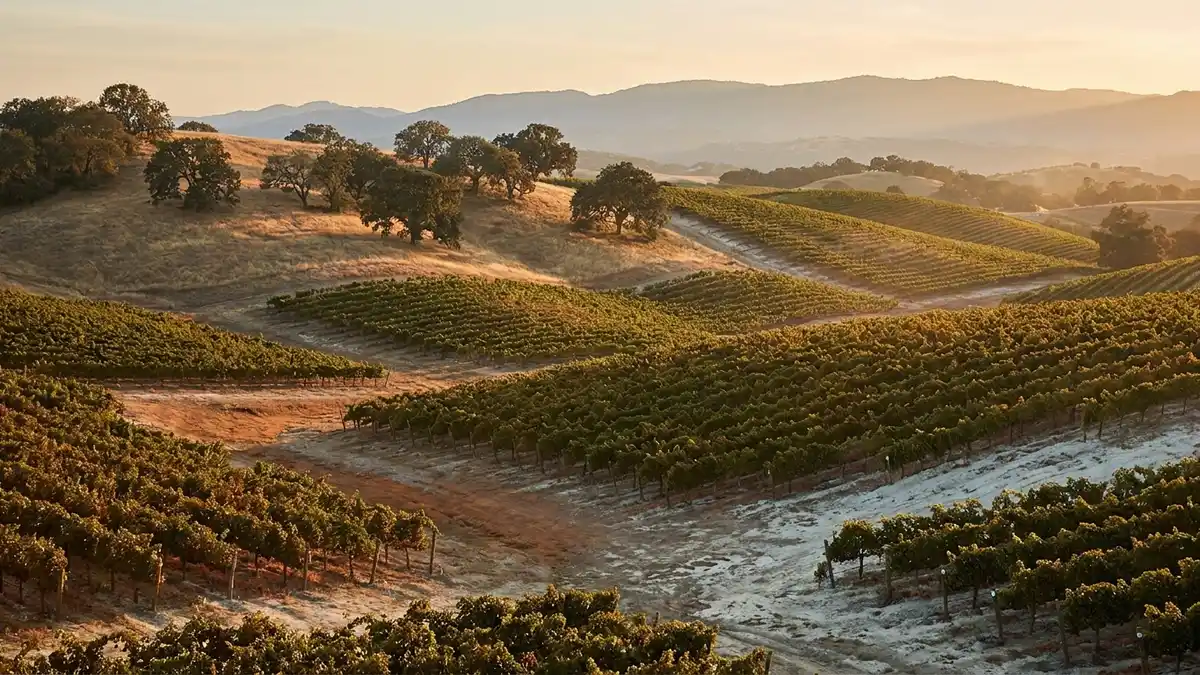
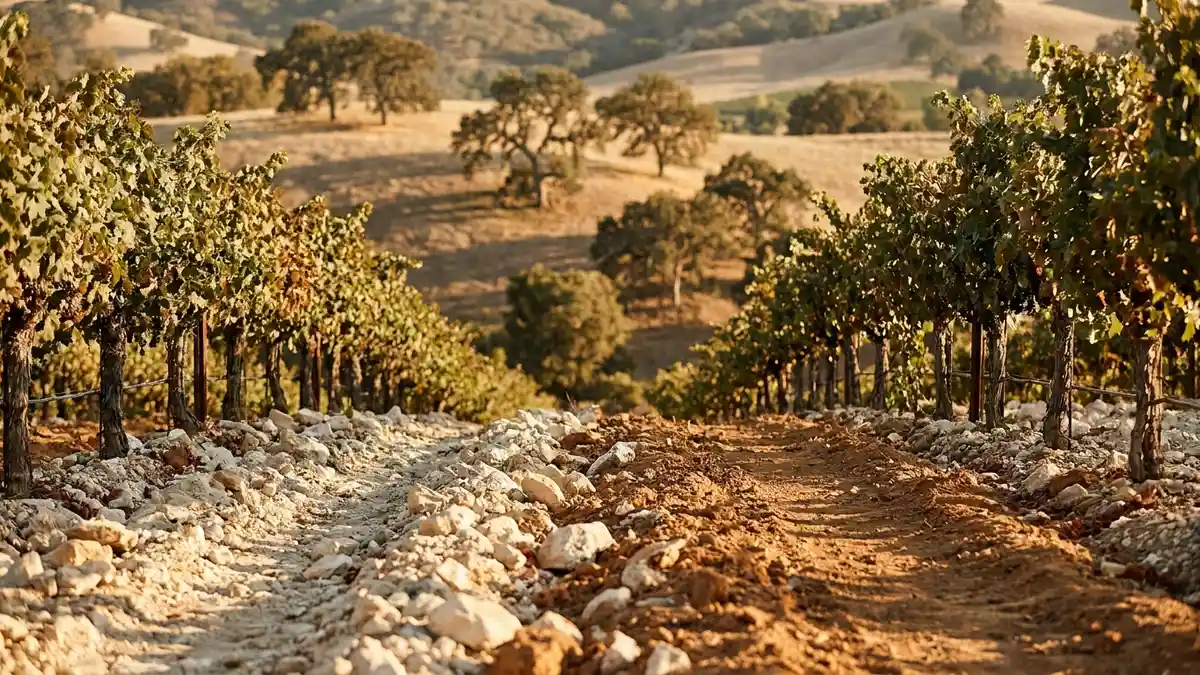
The other half of the story is the ground itself. Much of the region, especially the western hills, sits on calcareous soils — chalky, limestone-rich earth left by an ancient seabed. Limestone drains well, stresses the vines just enough to concentrate flavor, and is prized across the wine world for adding freshness and a savory edge. It is one reason Rhône grapes feel so at home here.
The Signature Grapes of Paso Robles
Paso Robles is not a one-grape region. Three distinct red traditions share the same warm hills, and learning the trio is the fastest way to understand the place.
Rhône Varieties and the Rhône Rangers
The grapes that put modern Paso Robles on the map come from France's Rhône Valley. A movement of California growers nicknamed the Rhône Rangers spent the 1980s and 1990s championing these varieties when Cabernet and Chardonnay ruled the market, and Paso Robles became their heartland because the warm days, cool nights, and limestone suited the grapes so well.
The red trio is the foundation of the famous GSM blend:
- Syrah: The flagship Rhône red here — full-bodied and dark. Typical aromas: blackberry, plum, black pepper, smoked meat, violet. Body: full (4-5/5) · Acidity: medium · Tannins: medium-to-firm. To see how this grape shifts between France and Australia, our Syrah vs Shiraz guide traces the same grape under two names.
- Grenache: Pale to medium ruby, juicy, and high in alcohol from its love of heat. Typical aromas: red cherry, strawberry, white pepper, dried herbs. It brings sweetness of fruit and lift to a blend. The full picture lives in our Grenache wine guide.
- Mourvèdre: The structural backbone — deep, dark, and savory, with Typical aromas: blackberry, leather, game, and earth. It adds tannin, color, and a meaty grip that holds a blend together.
Blend the three and you get GSM: Grenache for fruit and warmth, Syrah for depth and spice, Mourvèdre for structure. Paso Robles also makes excellent Rhône whites from Viognier, Grenache Blanc, and Roussanne — richer and more aromatic than crisp coastal whites.
Bold Cabernet Sauvignon
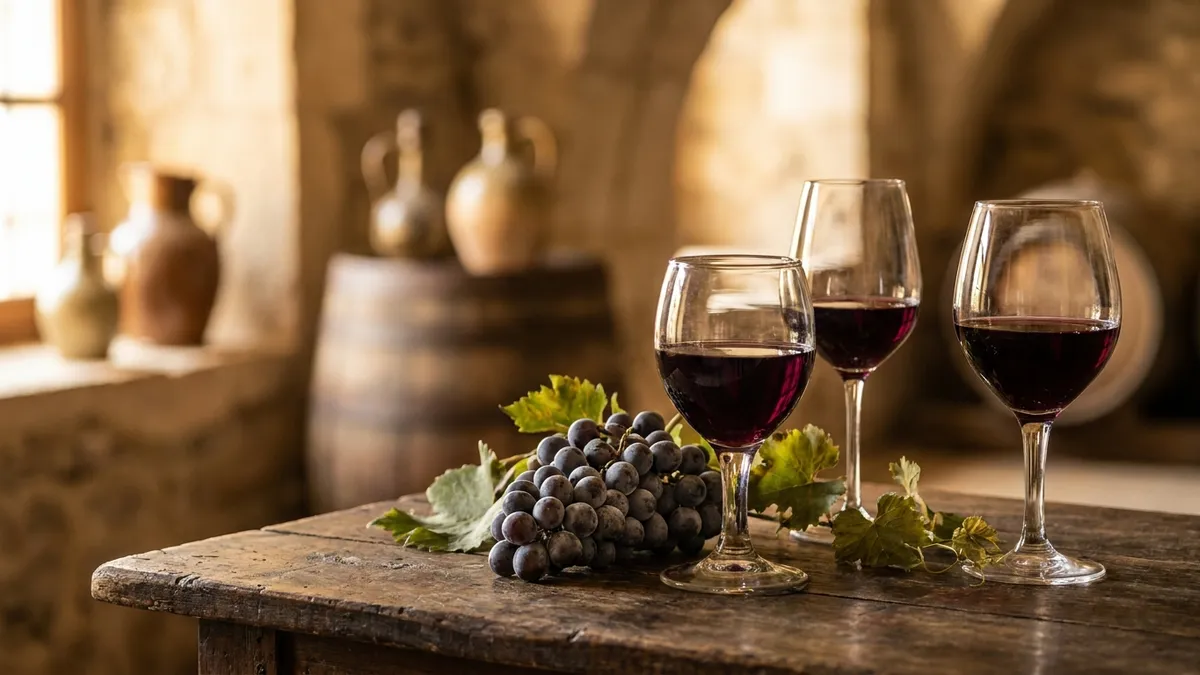
If Rhône grapes built the region's reputation among enthusiasts, Cabernet Sauvignon built its sales. Cabernet is the most-planted grape in Paso Robles, and the warm climate gives it a ripe, plush, generous character — softer and fruitier than the firm, austere style of cooler regions.
Paso Robles Cabernet leads with cassis (blackcurrant), dark plum, black cherry, and notes of dark chocolate, vanilla, and cedar from oak aging. It is full-bodied with firm but rounded tannins — the drying, gripping sensation that gives red wine its grip and ageability.
For a complete picture of the grape across the world, our Cabernet Sauvignon wine guide is the place to go. Tasting a ripe Paso Robles Cabernet beside a leaner one from a cooler climate is one of the clearest lessons in how sun changes a wine.
Zinfandel: The Heritage Grape
Long before the Rhône Rangers arrived, Zinfandel was the grape that anchored Paso Robles. Italian and other immigrant families planted it more than a century ago, and some of those gnarled old vines still produce today, yielding small crops of intensely flavored fruit.
Paso Robles Zinfandel is brambly and exuberant — jammy blackberry and raspberry, black pepper, baking spice, and often a high, warming alcohol. It is the region's most historic style and a delicious way to taste its sun-soaked character. Our Zinfandel wine guide digs into the grape's surprising global family tree.
The 11 Sub-AVAs of Paso Robles
For years, "Paso Robles" was one large appellation covering a huge, varied area. In 2014 it was divided into 11 sub-AVAs (American Viticultural Areas — official, geographically defined growing zones), each shaped by its own soils, elevation, and exposure to the cooling marine influence. The split matters because it explains why the region can make both lean, structured hillside reds and rich, plush valley-floor reds.
A useful way to read the 11 districts is west versus east:
- Western hills (cooler, higher, chalkier): The districts closest to the Santa Lucia Range — including Willow Creek, Adelaida, Templeton Gap, and Santa Margarita Ranch — sit higher, catch more marine air, and rest on the most limestone-rich calcareous soils. They tend toward fresher, more structured, savory reds, and they are the Rhône-variety heartland.
- Eastern flats (warmer, lower, sandier): Districts such as Estrella, San Juan Creek, Creston, and Geneseo sit on flatter ground with more clay and alluvial soils. Warmer days and weaker marine influence yield riper, rounder, fruit-forward wines — much of the region's volume Cabernet grows here.
- The corridors in between: Districts like Paso Robles Geneseo, Paso Robles Highlands, and El Pomar bridge the two extremes, blending elevation, soil, and exposure in their own ways.
You do not need to memorize all 11. The takeaway is that a single label can mean very different things depending on which slice of Paso Robles it comes from — and that the western, limestone hills are where the most age-worthy, terroir-driven wines tend to live.
How Paso Robles Compares to Other California Regions
Placing Paso Robles next to its neighbors makes its identity click. California's coast runs from cool, foggy pockets to baking inland valleys, and Paso Robles lands firmly on the warm, generous end while keeping freshness from its nights.
- Paso Robles: Region: warm Central Coast · Signature: Rhône reds, bold Cabernet, old-vine Zinfandel · Style: ripe, full-bodied, generous with fresh acidity · Soils: calcareous limestone in the west.
- Sonoma: Region: cooler North Coast · Signature: Pinot Noir, Chardonnay, Zinfandel · Style: more restrained and varied by sub-region · Compare it in our Sonoma wine guide.
- Santa Barbara: Region: cool, fog-funneled south Central Coast · Signature: Pinot Noir, Chardonnay, Syrah · Style: leaner, brighter, more acid-driven · Read more in the Santa Barbara wine guide.
The pattern: the cooler the region, the leaner and more acid-driven the wine; the warmer the region, the riper and rounder. Paso Robles sits on the ripe side of that scale, which is exactly why its Rhône reds and Cabernet feel so plush.
The same logic crosses oceans. South Africa's warm, low-rainfall Swartland has its own band of Rhône-variety believers and old-bush-vine treasures — a fascinating mirror image covered in our Swartland wine guide. Comparing warm-climate Rhône reds from two continents is a great way to train your palate, and the Sommy app turns exactly that kind of side-by-side into a guided exercise.
What Makes Paso Robles Distinctive
Plenty of regions grow Cabernet, Syrah, and Zinfandel. A few things make Paso Robles stand apart.
First, the diurnal swing is unusually extreme even for California. That day-night gap of 40°F or more is what lets the wines be ripe and fresh at the same time, instead of choosing one or the other.
Second, the calcareous, limestone soils in the western hills are rare in the New World and beloved in the Old. They give the best Paso Robles reds a savory, mineral lift and a backbone that helps them age.
Third, the Rhône focus sets the region apart from Napa's Cabernet monoculture to the north. Paso Robles is the place in California where Rhône grapes are taken most seriously as a regional identity rather than a curiosity.
Finally, the region is still young and experimental. Without centuries of rigid tradition, growers blend freely, plant unusual varieties, and treat the rulebook as optional. That openness is a big part of why the wines keep getting more interesting.
Paso Robles ripens like the New World and tastes, at its best, like the Old — sun-filled fruit carried on limestone freshness.
How a Beginner Should Start with Paso Robles
You do not need a cellar or a big budget to get to know Paso Robles. The smartest path is to taste deliberately and pay attention to what the warm climate does to each grape. A practical order:
- Start with a GSM blend or a varietal Syrah. These capture the region's warm-climate Rhône character — dark fruit, pepper, and a savory edge — at a fair price. This is the truest first taste of what Paso Robles does best.
- Taste a Paso Robles Cabernet beside a cooler-climate one. The Paso bottle will feel rounder, riper, and more chocolatey; the cooler one firmer and more herbal. Same grape, different sun — a perfect lesson in climate.
- Try an old-vine Zinfandel third. Once your palate knows full-bodied California fruit, Zinfandel's brambly, peppery exuberance makes more sense and shows the region's history.
- Notice the freshness inside the ripeness. These are big wines, but the cool nights keep them lively. Learning to feel that balance of fruit and acidity is the core skill — our guides to how to taste wine and understanding tannins, acidity, and body give you the method.
- Learn the grapes first, then the place. Many Paso Robles labels name the variety, so a quick grounding in the noble grapes every learner should know makes every bottle easier to read.
Sommy turns these comparisons into guided exercises — naming the aromas, scoring the structure, and building the vocabulary to describe what you sense in the glass. You can start practicing free at sommy.wine, then bring the method to your next bottle from the Central Coast.
Pairing Paso Robles Wine with Food
The same ripeness and freshness that define these wines make them generous at the table. Full-bodied, fruit-driven reds want food with fat, char, and bold flavor to match their intensity.
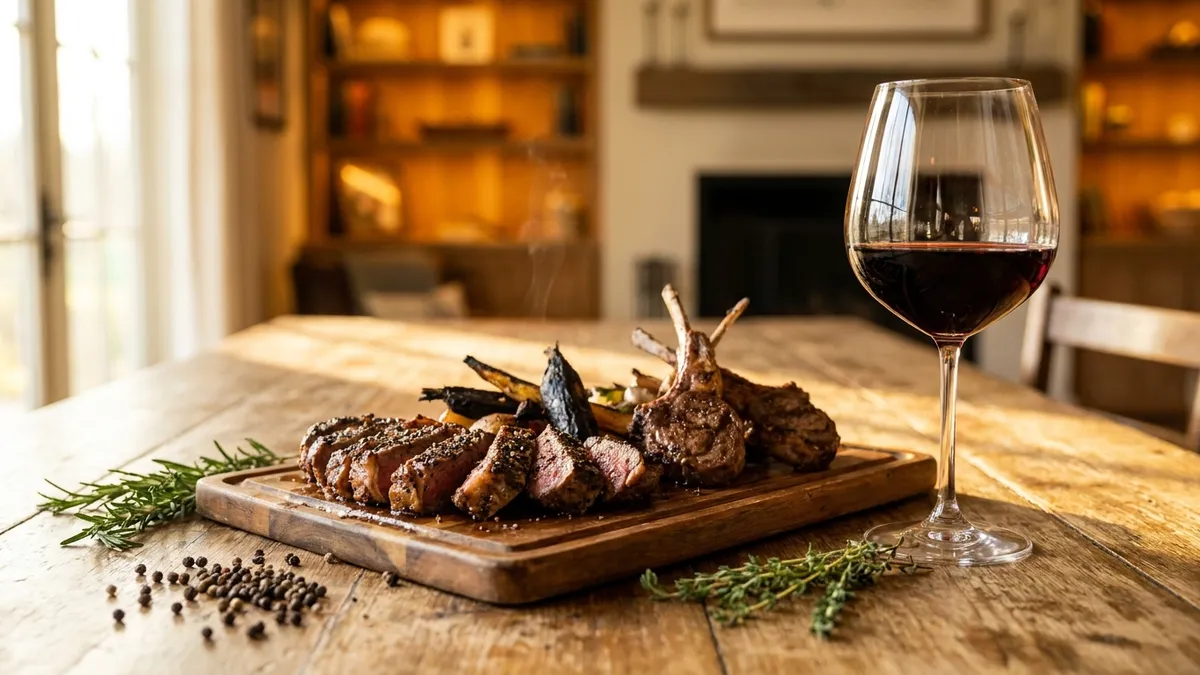
- Syrah and GSM blends: Reach for grilled and smoked meats, lamb, peppered steak, and hearty stews. The wine's pepper and savory notes echo a grill, and its body stands up to rich sauces.
- Cabernet Sauvignon: Its firm tannins love protein and fat — a ribeye, a burger, or aged hard cheese. Tannin and fat soften each other, leaving both tasting better.
- Zinfandel: Its jammy fruit and spice are a natural with barbecue, pulled pork, and tomato-based dishes; the sweetness of the fruit handles a touch of sauce sweetness gracefully.
- Rhône whites (Viognier, Grenache Blanc): Their richer texture suits roast chicken, creamy pasta, and mild spice rather than delicate seafood.
The Reward of Learning Paso Robles
Paso Robles is a young region still writing its story, and that is the fun of it. The dramatic climate, the limestone hills, and the freedom to blend across French, Italian, and California traditions make it one of the most rewarding places to explore right now — generous enough for a beginner, deep enough to keep learning.
Start with a Syrah or a GSM, taste it against a Cabernet, and let the warm-climate character reveal itself one glass at a time. The Sommy app is built to make that habit stick — turning each bottle into a short, guided lesson so the next Central Coast red you open is a little clearer than the last.
Sources
Frequently Asked Questions
Where is Paso Robles wine country?
Paso Robles sits on California's Central Coast in San Luis Obispo County, roughly halfway between Los Angeles and San Francisco. It lies inland from the Pacific behind the coastal Santa Lucia Range, which traps daytime heat while a nightly marine influence cools the vineyards. The result is one of the widest day-to-night temperature swings in California.
What wine is Paso Robles known for?
Paso Robles is best known for three styles. Rhône varieties such as Syrah, Grenache, and Mourvèdre, often blended into GSM reds by the so-called Rhône Rangers, built its modern reputation. Bold, ripe Cabernet Sauvignon is the volume leader, and old-vine Zinfandel is the historic grape that anchored the region long before the others arrived.
What are the Rhône Rangers?
The Rhône Rangers are a movement of California producers who championed grapes from France's Rhône Valley — Syrah, Grenache, Mourvèdre, Viognier, and others — when Cabernet and Chardonnay dominated the market. Paso Robles became a heartland for the movement because its warm days, cool nights, and limestone soils suit these varieties exceptionally well.
How many sub-AVAs does Paso Robles have?
The Paso Robles AVA was divided into 11 smaller sub-AVAs in 2014, each defined by its own soils, elevation, and exposure to the marine influence. They range from the cooler, hillier Willow Creek and Adelaida districts in the west to the warmer, flatter Estrella and San Juan Creek districts in the east, which helps explain the region's wide stylistic range.
Why does the temperature swing matter for Paso Robles wine?
The large diurnal swing — hot days near 100°F dropping to the 50s at night — lets grapes ripen fully for rich fruit while the cool nights preserve natural acidity. That balance of ripeness and freshness is the signature of Paso Robles reds. Without the nightly cooldown, the wines would taste flat and overripe rather than vibrant.
What does Paso Robles wine taste like?
Most Paso Robles reds are full-bodied, ripe, and generous. Syrah and GSM blends show blackberry, plum, black pepper, and savory smoke; Cabernet brings cassis, dark chocolate, and firm tannins; Zinfandel offers jammy brambly fruit with bright spice. Whites and rosés from Rhône grapes like Grenache Blanc and Viognier are richer and more aromatic than crisp coastal styles.
Where should a beginner start with Paso Robles?
Start with a GSM blend or a varietal Syrah, which capture the region's warm-climate Rhône character at a fair price. Then taste a Paso Robles Cabernet beside a cooler-climate Cabernet to feel how the ripeness changes. Old-vine Zinfandel makes a great third bottle once your palate knows what full-bodied California fruit tastes like.
Sommy Team
LinkedInFounder & Wine Educator
The Sommy Team is building the world's most approachable wine education app, helping beginners develop real tasting skills through structured courses and AI-guided practice.