South West France Wine Guide: The Hidden Gem Regions

By the Sommy Team — AI-assisted, human-edited.
Updated Jun 17, 2026
Contents (10)
- What Is South West France Wine?
- The Sud-Ouest: A Patchwork Beyond Bordeaux
- Cahors: Malbec's Original Home and the "Black Wine"
- Madiran: Tannat and the Most Tannic Red in France
- Jurançon: Petit Manseng, Sweet and Dry
- Gaillac and Fronton: The Local-Grape Heartland
- The Local Grapes That Make the Sud-Ouest Unique
- Value and Authenticity: Why the Sud-Ouest Rewards Curiosity
- How a Beginner Should Start with South West France Wine
- The Reward of Learning the Sud-Ouest
TL;DR
South West France, the Sud-Ouest, is a patchwork of small appellations beyond Bordeaux built on rare local grapes. Cahors makes dark Malbec, Madiran makes powerful Tannat, and Jurançon makes sweet and dry Petit Manseng. This south west france wine guide shows beginners where the value and authenticity hide.
What Is South West France Wine?
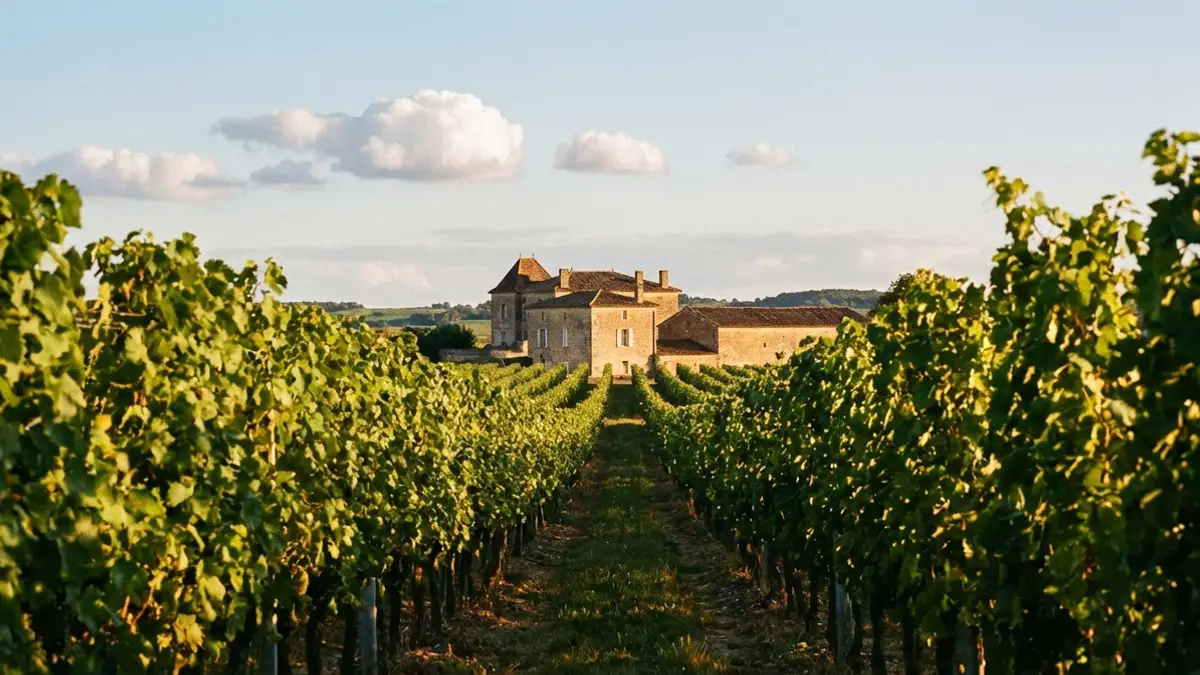
This south west france wine guide opens with the region's best-kept secret: the Sud-Ouest is not one place but a scattered patchwork of small appellations inland and south of Bordeaux, each built around grapes you will struggle to find anywhere else. Cahors makes dark, savory Malbec (here often called Côt), Madiran makes one of France's most tannic reds from Tannat, and Jurançon makes both sweet and dry whites from Petit Manseng. Add Gaillac and Fronton with their own local varieties, and you get a region defined by diversity, authenticity, and remarkable value. The trade-off is fame: South West France wine is far less known than its famous neighbour, which is exactly why it rewards the curious.
The Sud-Ouest: A Patchwork Beyond Bordeaux
Most French wine regions are continuous. The Sud-Ouest is the exception — a loose family of appellations spread across the land between Bordeaux and the Pyrenees, stitched together more by attitude than by geography. Some sit along the Lot and Garonne rivers; others cling to the foothills of the mountains in the deep south.
Because Bordeaux's wines historically reached the coast first, the inland Sud-Ouest spent centuries as the supplier nobody named. That long stretch in the shadows kept it honest. Where Bordeaux became a global brand, the Sud-Ouest kept its odd, ancient grapes and its farmhouse spirit.
The result is a region with no single style and no single grape — and that is the whole appeal. To make sense of it, think of three anchor wines: a dark red from Cahors, a fierce red from Madiran, and a bright white from Jurançon. Learn those three, and the rest of the patchwork starts to fall into place.
Cahors: Malbec's Original Home and the "Black Wine"
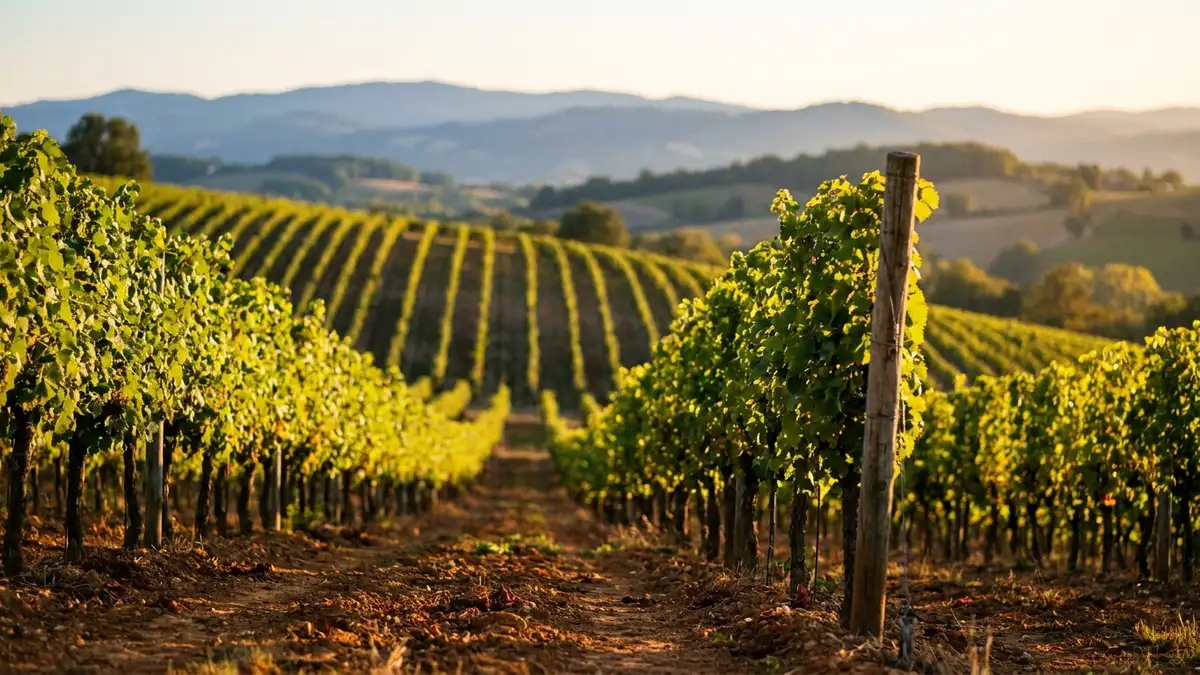
Long before Argentina made Malbec a household name, the grape's spiritual home was Cahors, a town on a loop of the Lot river. Here the variety is often called Côt or Auxerrois, and the appellation rules demand it make up at least 70% of the blend, usually paired with a little Merlot or Tannat.
Cahors built its reputation centuries ago on a wine so deeply coloured it earned the nickname the "black wine" (vin noir). Even today, a young Cahors pours an inky, near-opaque purple that stains the glass.
The taste is the opposite of soft. Typical aromas: black plum, blackberry, cocoa, violet, and a savory earthy note often described as graphite or tar. The structure is firm — Body: full (4/5) · Acidity: medium-to-high (4/5) · Tannins: high (4/5). This is a wine for the table, built to sit beside duck, lamb, or a hearty cassoulet.
How does it differ from the New World version most drinkers know first?
- Cahors Malbec: Origin: Lot valley, France · Style: darker, firmer, savory · Tannins: high · Fruit: black plum and cocoa · Best with: rich meat and ageing.
- Argentine Malbec: Origin: high-altitude Mendoza · Style: riper, softer, plush · Tannins: medium · Fruit: forward black fruit and spice · Best with: easy weeknight drinking.
If you want the full story of this one grape across both continents, our Malbec wine guide traces how the same variety became two very different wines. Cahors is also a brilliant lesson in how grape skins shape a wine, a theme our piece on thick versus thin-skinned grapes explores in depth.
Madiran: Tannat and the Most Tannic Red in France
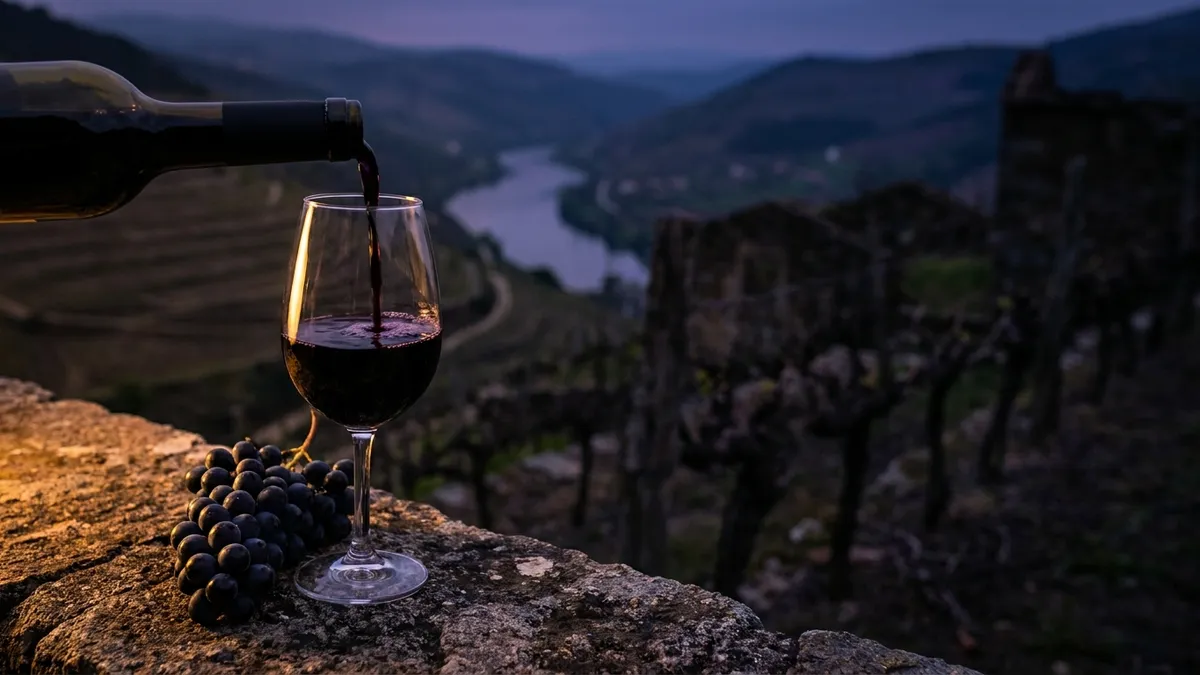
If Cahors is structured, Madiran is uncompromising. Tucked into the rolling hills near the Pyrenees, this appellation is built almost entirely on Tannat — a grape whose very name seems to warn you about its grip. Tannat skins are thick and loaded with tannins (the drying, gripping sensation that grabs the sides of your tongue in a young red), and the wines arrive deep, dark, and formidable.
A young Madiran can feel almost chewy. Typical aromas: blackberry, black cherry, liquorice, leather, and dark chocolate. The numbers tell the story — Body: full (5/5) · Acidity: medium-to-high (4/5) · Tannins: very high (5/5).
That ferocity is also why the region pioneered a winemaking technique called micro-oxygenation (slowly introducing tiny amounts of oxygen during ageing to soften harsh tannins). Combined with a few years in bottle, it turns the rawest Madiran into something polished and ageworthy.
Madiran is the clearest classroom anywhere for understanding tannin. To feel the difference between gripping tannin and bright acidity, taste a Madiran next to a high-acid white, then read our breakdown of tannins, acidity, and body — the trio that defines a wine's structure. Sommy turns exactly this kind of side-by-side into a guided exercise, scoring each sensation so you learn to name what you feel.
A practical note for beginners: Madiran wants fat and protein. A grilled steak, a slow-cooked stew, or a wedge of hard cheese softens the tannins on the palate and reveals the dark fruit underneath. Drunk on its own, young Madiran can feel like a workout.
Jurançon: Petit Manseng, Sweet and Dry
Turn from reds to whites and the Sud-Ouest shows its other face. Jurançon, in the far south near the city of Pau, is famous for Petit Manseng — a small, thick-skinned white grape with naturally searing acidity that makes it ideal for both sweet and dry wines.
The magic of Petit Manseng is that it can ripen to very high sugar levels while keeping its bracing freshness, so even the sweet wines never feel cloying.
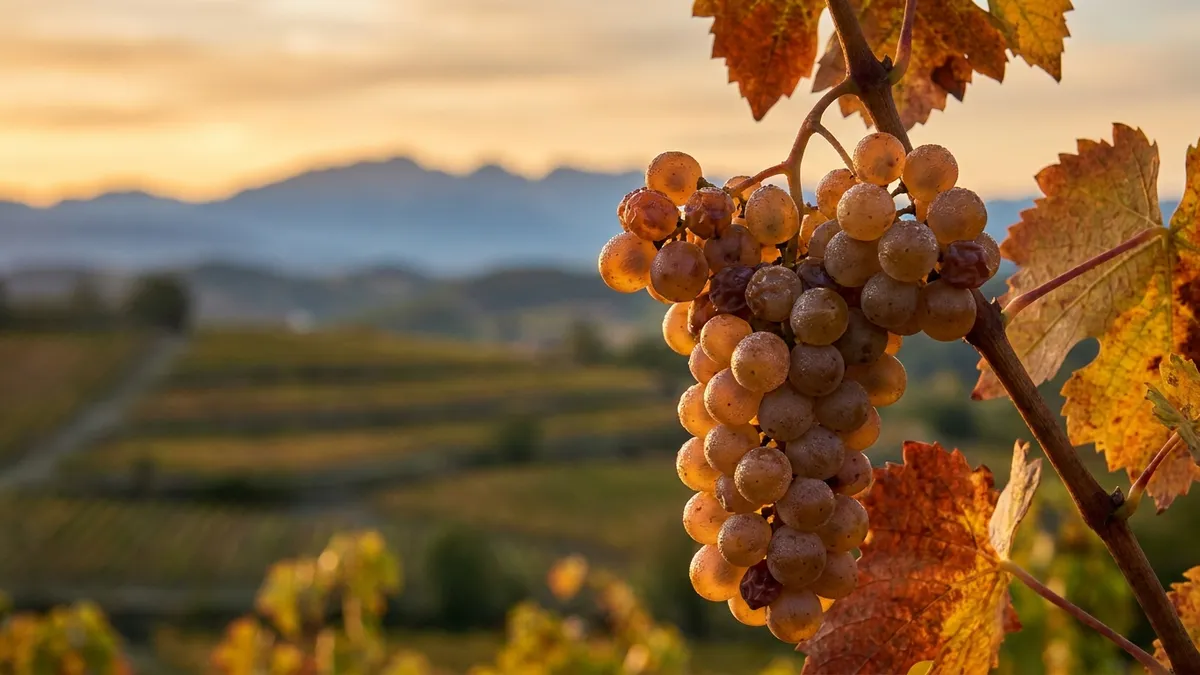
- Sweet Jurançon (moelleux): The grapes are left on the vine late into autumn to shrivel and concentrate, a process called passerillage. Typical aromas: honeyed apricot, candied pineapple, quince, and citrus peel, all lifted by vivid acidity.
- Dry Jurançon (Jurançon Sec): The same grape picked earlier and fermented dry. The result is taut and citrusy — grapefruit, white peach, and a salty, mineral edge — with the variety's hallmark zing intact.
This double act makes Jurançon a perfect first stop for anyone curious about how one grape can swing between styles. For the deeper varietal picture, our Petit Manseng wine guide covers how this grape behaves across the region. The sweet style also pairs beautifully with rich, salty cheeses and foie gras, while the dry version handles seafood and goat cheese with ease.
Gaillac and Fronton: The Local-Grape Heartland
Beyond the three anchor names, the Sud-Ouest hides two appellations that double down on rare local grapes — and they are where the region gets genuinely fun.
Gaillac: One of France's Oldest Vineyards
Gaillac, on the Tarn river northeast of Toulouse, claims some of the oldest vineyards in France, and its grape list reads like a museum of vines saved from extinction.
- Mauzac: A white grape with a distinctive note of green apple skin, used for dry, sweet, and lightly sparkling styles.
- Loin de l'Oeil: Literally "far from the eye," a rare local white prized for its soft, floral character.
- Duras and Fer Servadou (Braucol): Red grapes giving peppery, herb-edged wines with firm structure.
Gaillac also makes a traditional sparkling wine using the méthode ancestrale — bottled before fermentation finishes so it traps its own gentle fizz, a centuries-old technique that predates Champagne's method.
Fronton: The Home of Négrette
Just north of Toulouse, the small appellation of Fronton is the near-exclusive home of Négrette, a grape grown almost nowhere else on earth. It makes soft, perfumed reds with a signature floral lift. Typical aromas: violet, blackcurrant, liquorice, and a peppery spice. The wines are medium-bodied and supple — an easygoing counterpoint to the muscle of Cahors and Madiran, and a reminder that the Sud-Ouest is not all power.
The Sud-Ouest is France's grape attic — the place where varieties the rest of the world forgot were quietly kept alive.
The Local Grapes That Make the Sud-Ouest Unique
No other corner of France packs in this many indigenous grapes. While Bordeaux leans on a handful of international stars, the Sud-Ouest preserves a roll-call of varieties that survive almost nowhere else. A quick map of the region by its signature grapes:
- Tannat (Madiran): Thick-skinned, hugely tannic, built to age — the backbone of the region's most powerful reds.
- Malbec / Côt (Cahors): Dark, savory, and structured, the original expression of a grape the world now knows from Argentina.
- Petit Manseng (Jurançon): High-acid white capable of both luscious sweet wines and crisp dry ones.
- Gros Manseng (Jurançon, Pacherenc): Petit Manseng's larger sibling, used mainly for fresh dry whites.
- Négrette (Fronton): Floral, perfumed, soft red found virtually nowhere else.
- Mauzac, Loin de l'Oeil, Duras, Fer Servadou (Gaillac): A cluster of ancient locals giving the appellation its singular character.
This diversity is the real reason to explore the region. To see how it fits into the bigger national picture, our overview of French wine regions places the Sud-Ouest beside Bordeaux, Burgundy, and the rest. And while these locals sit outside the classic noble grapes every learner meets first, they are exactly the kind of discovery that deepens a palate once the basics click.
Value and Authenticity: Why the Sud-Ouest Rewards Curiosity
Here is the practical payoff. Because the Sud-Ouest lacks a marketing machine, its prices have stayed grounded. A serious, ageworthy Cahors or Madiran routinely costs a fraction of a comparable bottle from its prestigious neighbour, and the whites of Jurançon offer complexity rarely found at their price.
That value comes wrapped in authenticity. These are farmer's wines in the best sense — made from grapes tied to a specific place, in styles that have not been smoothed out to please an international market. For a beginner, that makes the region an ideal training ground: distinctive enough to teach your palate something new, affordable enough to taste widely.
It helps to set the Sud-Ouest against the giant next door. The contrast sharpens what makes each special.
- Bordeaux: Style: polished, internationally famous · Grapes: Cabernet and Merlot blends · Price: from value to very high · Vibe: prestige and brand.
- Sud-Ouest: Style: rustic, distinctive, ageworthy · Grapes: rare locals like Tannat and Négrette · Price: mostly excellent value · Vibe: authenticity and discovery.
Our Bordeaux wine guide covers the famous neighbour in full, and reading the two side by side is the fastest way to grasp what the Sud-Ouest offers that Bordeaux does not.
How a Beginner Should Start with South West France Wine
You do not need to know every appellation to enjoy the Sud-Ouest. The smartest approach is to taste the three anchor wines deliberately and notice what changes. A practical order:
- Start with a Cahors. It is the easiest entry point — a recognisable grape (Malbec) in its original, savory form. Note how much darker and earthier it feels than a New World version.
- Try a Madiran with food. Open it alongside a rich, fatty meal so the tannin has something to grip. This is the bottle that teaches you what real tannin feels like.
- Add a Jurançon, sweet or dry. Petit Manseng's electric acidity is a revelation after two big reds. The sweet style is a gentle introduction to dessert wine; the dry style shows the grape's crisp side.
- Branch into the locals. Once the anchors make sense, seek out a Fronton Négrette or a Gaillac white to meet grapes you will find almost nowhere else.
- Build the tasting habit. Note the colour, the structure, and the savory edge that sets these wines apart. Our guide to how to taste wine gives you the step-by-step method to make each bottle count.
Sommy turns these comparisons into short guided exercises — naming the aromas, scoring the tannin and acidity, and building the vocabulary to describe what you sense. You can start practicing free at sommy.wine, then bring the method to your next bottle from the Sud-Ouest.
The Reward of Learning the Sud-Ouest
South West France asks a little more curiosity than the famous regions, and it gives a lot back. The rare grapes, the fierce tannins, the sweet-and-dry whites — none of it is decoration. It is a living record of how wine was made before international taste flattened so many regions into the same handful of varieties.
Start small, taste in threes, and let each appellation reveal its grape one glass at a time. The Sommy app is built to make that habit stick — turning each bottle into a short, guided lesson so the next wine you open from the Sud-Ouest is a little clearer than the last.
Sources
Frequently Asked Questions
What is South West France wine known for?
The Sud-Ouest is known for rare local grapes and serious value. Cahors makes dark, structured Malbec, Madiran makes one of the most tannic reds in France from Tannat, and Jurançon makes both sweet and dry whites from Petit Manseng. The region trades fame for authenticity, so quality often costs less than nearby Bordeaux.
Where is South West France wine made?
South West France is a loose grouping of appellations inland and south of Bordeaux, stretching from the Lot valley around Cahors down toward the foothills of the Pyrenees near Madiran and Jurançon. It is a patchwork rather than one continuous region, with each pocket built around its own grapes, climate, and centuries-old traditions.
What is the difference between Cahors Malbec and Argentine Malbec?
Cahors is the original home of Malbec, where it is darker, firmer, and more savory, with high tannins and notes of black plum, cocoa, and earth. Argentine Malbec is generally riper, softer, and more fruit-forward, with plush black fruit and gentler structure. Cahors leans toward food and ageing, while Argentina leans toward immediate pleasure.
Why is Madiran wine so tannic?
Madiran is built on Tannat, a thick-skinned grape whose name even nods to its grip. The skins are loaded with tannin, so the wines arrive young as deeply structured, mouth-coating reds. Modern producers use a technique called micro-oxygenation to soften that grip, and a few years of bottle age or a fatty meal tames the rest.
Is Jurançon wine sweet or dry?
Jurançon makes both. Sweet Jurançon comes from Petit Manseng grapes left on the vine to shrivel and concentrate, giving honeyed apricot and pineapple flavors with bright acidity. Dry Jurançon, labelled Jurançon Sec, keeps the same vivid acidity but finishes crisp and citrusy. The grape's natural freshness keeps even the sweet style from feeling heavy.
What grapes are grown in South West France?
Alongside familiar names like Malbec and Cabernet, the Sud-Ouest grows a roll-call of local grapes found almost nowhere else: Tannat in Madiran, Petit and Gros Manseng in Jurançon, Négrette in Fronton, and Mauzac, Loin de l'Oeil, Duras, and Fer Servadou around Gaillac. This grape diversity is the region's signature and its biggest draw for curious drinkers.
Is South West France wine good value?
Yes. Because the Sud-Ouest sits in the shadow of famous Bordeaux, its wines rarely command prestige prices, yet many are made with real ambition and ageing potential. A serious Cahors or Madiran often costs a fraction of a comparable Bordeaux, making the region one of the best places for a beginner to find depth and character without overspending.
How should a beginner start with South West France wine?
Start with a single bottle of Cahors to meet savory, structured Malbec, then try a Madiran with a rich meal to feel real tannin. Add a Jurançon, sweet or dry, to taste Petit Manseng's vivid acidity. Tasting these side by side shows how varied the region is and trains your palate fast.
Sommy Team
LinkedInFounder & Wine Educator
The Sommy Team is building the world's most approachable wine education app, helping beginners develop real tasting skills through structured courses and AI-guided practice.