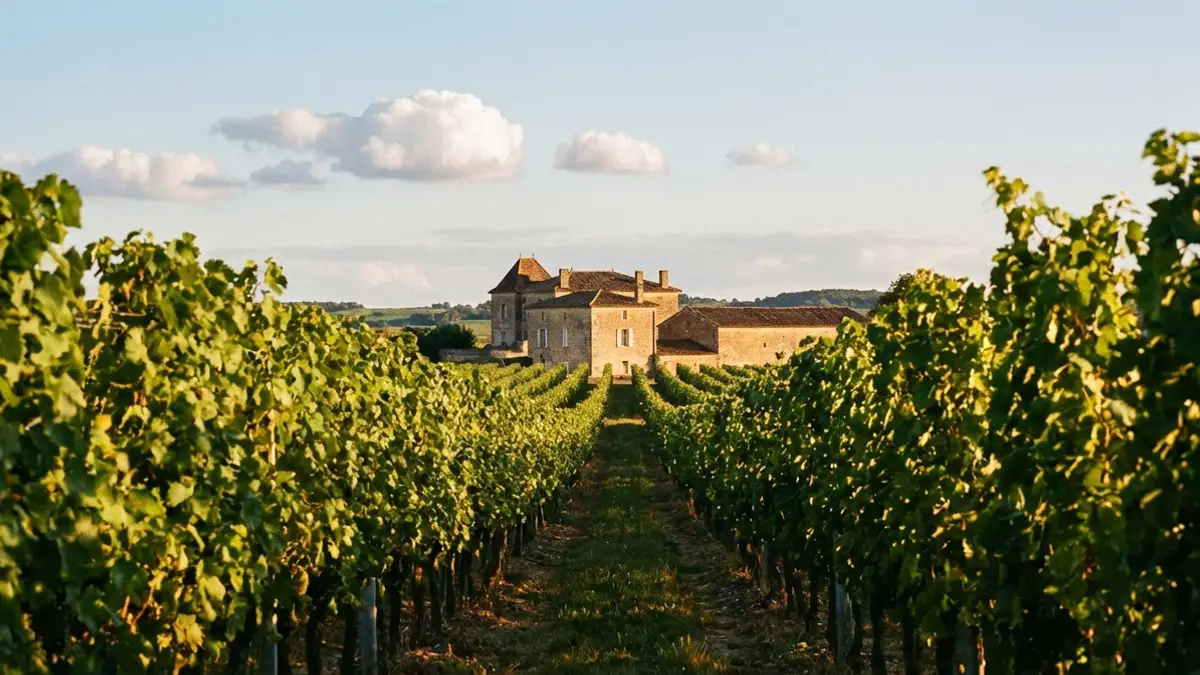
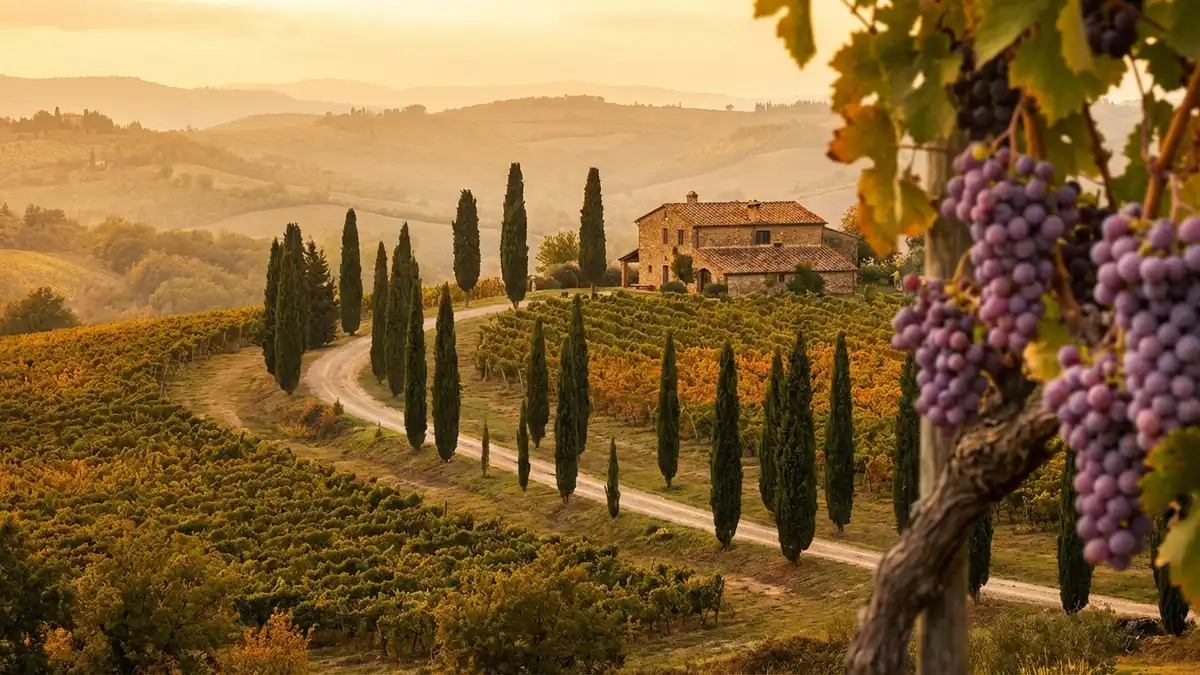
Vinho Verde: Portugal's Young, Fresh, and Fizzy Wine

By the Sommy Team — AI-assisted, human-edited.
Updated Jun 17, 2026
Contents (11)
- What Is the Vinho Verde Wine Region?
- Where Vinho Verde Comes From: Climate and Terroir
- The "Green" That Is Really "Young"
- The Signature Grapes of Vinho Verde
- Two Faces of Vinho Verde: Easygoing Blend vs Serious Alvarinho
- The Sub-Regions: Where Style Changes Across the Map
- How Vinho Verde Is Classified and Labeled
- What Makes Vinho Verde Distinctive
- How a Beginner Should Start with Vinho Verde
- Vinho Verde Beyond the White
- The Reward of Learning Vinho Verde
TL;DR
The Vinho Verde wine region in northwest Portugal makes light, high-acid, low-alcohol whites that are often gently fizzy. The name means young wine, not green. Easygoing blends use Loureiro and Trajadura, while serious single-varietal Alvarinho comes from the Monção e Melgaço sub-region near the Spanish border.
What Is the Vinho Verde Wine Region?
The Vinho Verde wine region sits in the far northwest corner of Portugal, in a green, rain-soaked province called the Minho. The name means young wine, not green wine — these bottles are built to be drunk within a year of harvest, while they are bright and zippy. The style most people know is a white wine that is light, very high in acidity, low in alcohol, and often carries a gentle spritz of bubbles. Everyday versions are blends of grapes like Loureiro and Trajadura, while the region's most serious wines are single-varietal Alvarinho — the same grape as Spanish Albariño — grown in the Monção e Melgaço sub-region on the border. Learn that split, and Vinho Verde opens up quickly.
Where Vinho Verde Comes From: Climate and Terroir
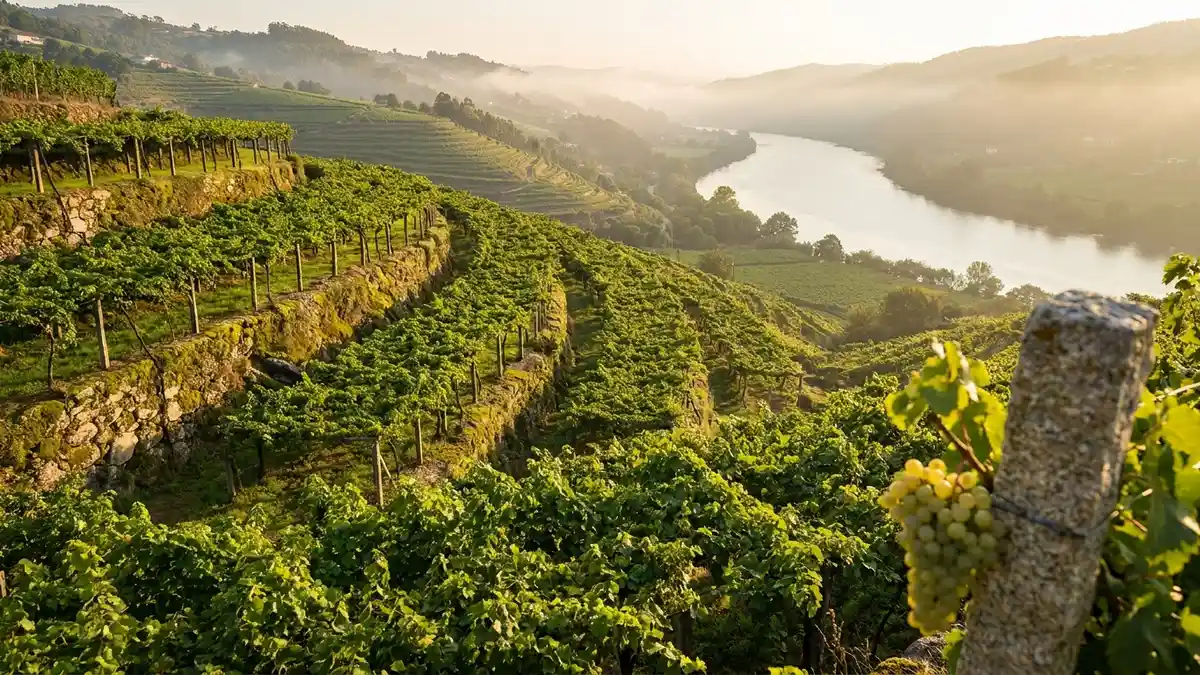
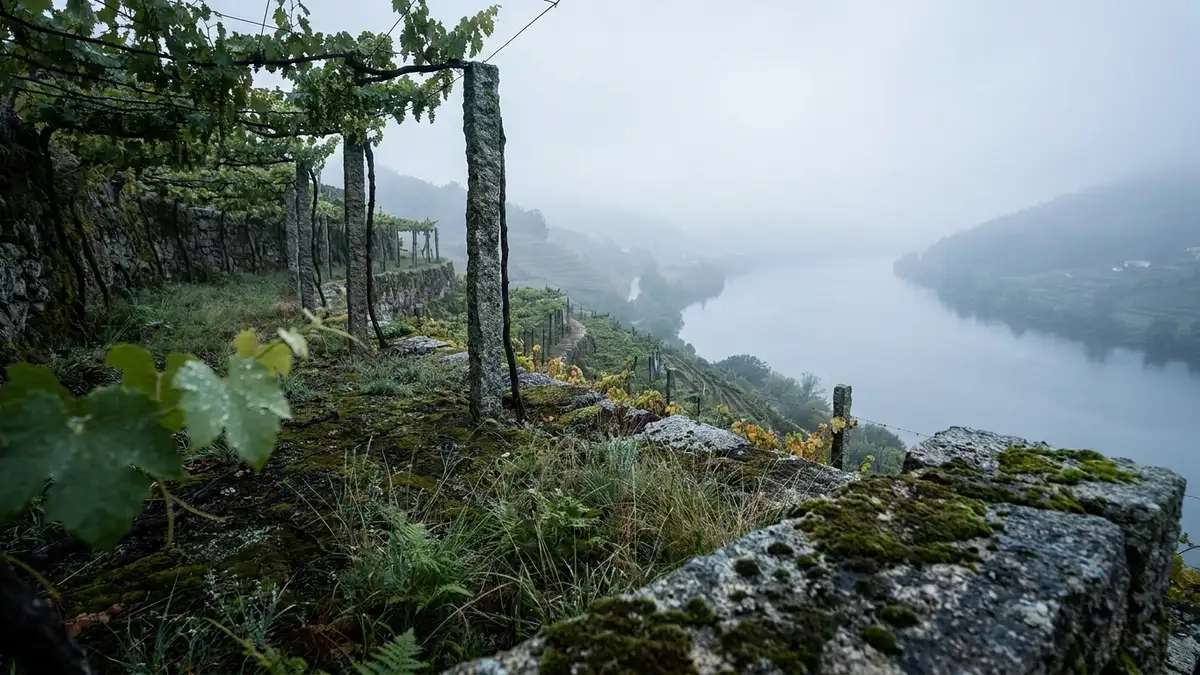
Tucked between the Atlantic coast and the mountains of northern Portugal, the Vinho Verde wine region is one of the wettest, greenest places that grows wine commercially. The Minho province takes its name from the river that forms the border with Spain, and rain falls here far more often than in the sun-baked south.
That damp, cool, Atlantic climate is the single most important fact about the region. Grapes ripen slowly and gently, holding onto sharp natural acidity and never building the heavy sugar that warmer regions chase. The result, after fermentation, is wine that is fresh, taut, and low in alcohol — often as little as 9 to 11.5 percent in everyday bottles.
The soils are mostly granite, which drains well and lends a faint stony lift to the wines. Vines were traditionally trained high overhead on pergolas and even up trees, partly to keep the fruit off the perpetually damp ground and partly to free up space below for other crops on small family plots.
This combination — Atlantic rain, granite soil, and high-trained vines — is the terroir (the full natural environment a grape grows in: soil, climate, and exposure) that makes Vinho Verde taste the way it does. Cool and damp gives you acid and freshness; granite gives you a clean, mineral edge.
The "Green" That Is Really "Young"
The name trips up almost every newcomer, so it is worth settling plainly. Vinho Verde does not mean the wine is the color green, nor that the grapes were picked unripe. It means young. These are wines made to be released and enjoyed soon after harvest, prized for their nervy freshness rather than the depth that comes from years in a cellar.
That youthful character shows up in three traits you can taste every time:
- High acidity. A mouthwatering, lemon-and-lime tartness that makes the wine feel alive. Acidity: high (4–5/5) in the everyday style.
- Low alcohol. Lighter and more sessionable than most whites, which is part of why it works so well in warm weather and over long lunches.
- A gentle fizz. A faint prickle of bubbles on the tongue — not full sparkling, just a soft lift.
The spritz has an interesting history. It was originally a natural side effect of fermentation finishing in the bottle, a quirk of how these wines were once made. Modern producers usually recreate it deliberately by dissolving a tiny amount of carbon dioxide at bottling. The Sommy app's tasting exercises help you notice exactly this kind of texture — the difference between still, spritzy, and fully sparkling — and put a name to what your tongue is feeling.
The Signature Grapes of Vinho Verde
Vinho Verde is a region of blends as much as single grapes, and the everyday bottles you find abroad usually mix several varieties for balance. The white grapes are the stars, and each brings something specific to the glass.
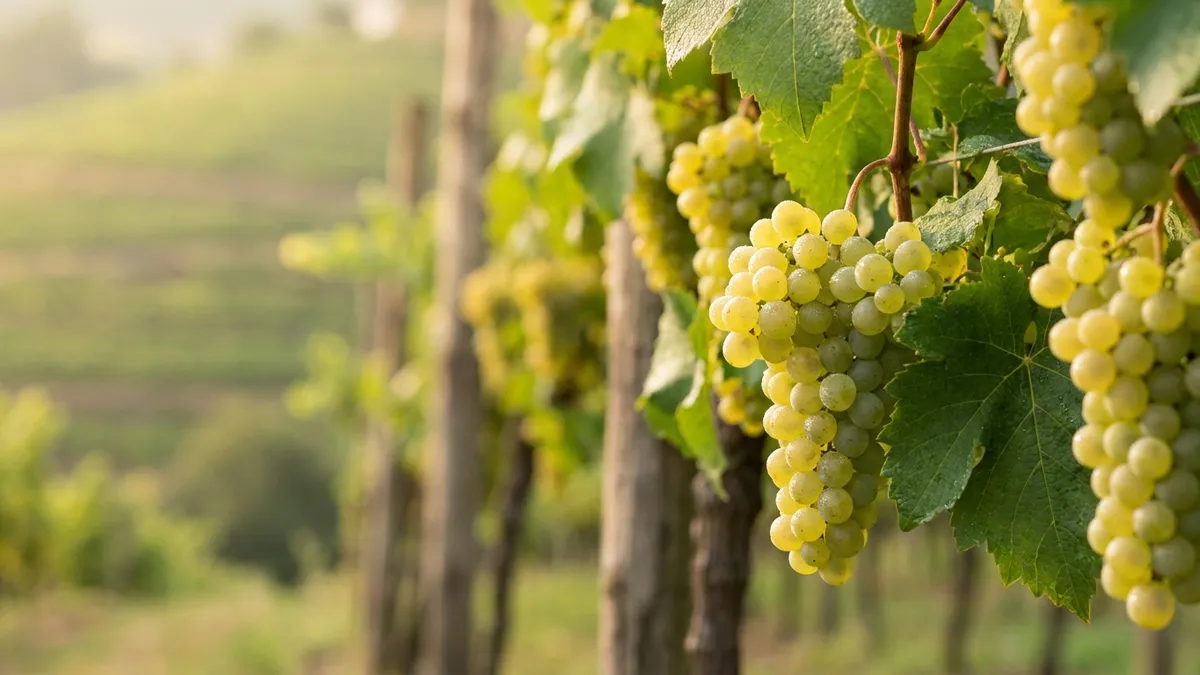
- Alvarinho: The most prized grape of the region and the only one allowed to be bottled as a varietal across the whole appellation. It is the same grape as Albariño in neighboring Spain. Alvarinho gives more body, ripe stone fruit and citrus, and a structure that the lighter grapes lack — the serious face of Vinho Verde.
- Loureiro: A floral, aromatic grape that smells of orange blossom, white flowers, and citrus. It supplies much of the perfume and crisp lift in classic blends, and is widely planted across the central part of the region.
- Trajadura: A gentler, less aromatic grape that adds body, weight, and a soft roundness to a blend, balancing the sharper, more fragrant varieties. It is a workhorse blending partner rather than a solo act.
- Avesso: Grown in the warmer southern sub-regions, Avesso ripens to a riper, rounder, fuller style with stone-fruit richness — a useful counterpoint to the region's leaner northern wines.
- Arinto (and Azal): Both contribute bright, lemony acidity and freshness, reinforcing the high-acid backbone that defines the region.
Because most everyday Vinho Verde is a blend, the label may not name a grape at all — it simply says Vinho Verde. When a single variety is named, especially Alvarinho or Loureiro, you are usually looking at a more ambitious, more expensive bottle. For the bigger picture of how these varieties fit among the world's whites, our guide to white wine grapes places them in context, and our piece on aromatic versus neutral grapes explains why Loureiro smells of flowers while Trajadura mostly adds texture.
Two Faces of Vinho Verde: Easygoing Blend vs Serious Alvarinho
The biggest leap in understanding the region is realizing there are really two Vinho Verdes. They share a name and a climate but aim at completely different moments. Here is how they compare, point by point:
- Everyday blend: Style: light and zippy · Grapes: Loureiro, Trajadura, Arinto, Azal · Body: light (1–2/5) · Alcohol: low (9–11.5%) · Fizz: often a gentle spritz · Price: budget-friendly · Best for: aperitifs, hot afternoons, casual seafood.
- Single-varietal Alvarinho: Style: structured and full · Grapes: 100% Alvarinho · Body: medium (3/5) · Alcohol: higher (12.5–13.5%) · Fizz: usually still · Price: premium · Best for: richer fish, white meats, and even short-term aging.
The everyday blend is the one that built the region's reputation abroad: cheap, refreshing, and impossible to take too seriously. The single-varietal Alvarinho is the one that earns Vinho Verde a place at the serious table — fuller, more textured, and capable of developing in bottle for a few years rather than being drunk on release.
The same green hills make both a five-euro picnic wine and a bottle a sommelier will quietly respect. Knowing which you are holding is half of understanding Vinho Verde.
The Sub-Regions: Where Style Changes Across the Map
Vinho Verde is a large appellation split into nine official sub-regions, and the style shifts noticeably as you move across the Minho. You do not need all nine, but a few anchor the picture.
Monção e Melgaço — the Alvarinho Heartland
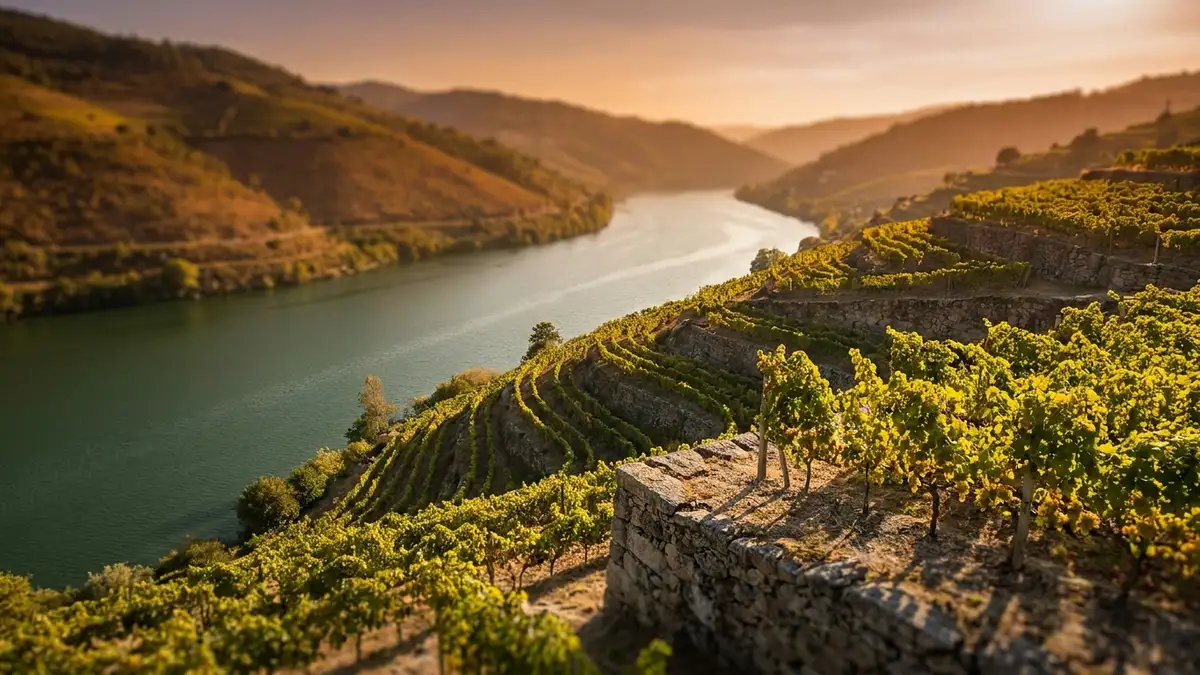
The northernmost sub-region, Monção e Melgaço, hugs the Minho River right on the Spanish border, directly across from Spain's Rías Baixas. This is the spiritual home of serious Alvarinho. Sheltered slightly from the harshest Atlantic weather and warmed by the river valley, the grapes ripen further here, producing the region's fullest, most structured, and most age-worthy single-varietal whites. If you taste only one premium Vinho Verde, make it an Alvarinho from here.
Lima and Cávado — Loureiro Country
The central valleys, named for the Lima and Cávado rivers, are classic blend territory where Loureiro shines. The wines here lean floral and aromatic, with the crisp, light, faintly spritzy character most people picture when they think of Vinho Verde.
Baião and the Southern Reaches — the Avesso Style
Further inland and south, in sub-regions such as Baião, the climate warms and the river valleys shelter the vines. Here Avesso comes into its own, giving rounder, riper, fuller-bodied whites that feel a step removed from the lean coastal style. It shows that Vinho Verde is not a single flavor but a spectrum.
How Vinho Verde Is Classified and Labeled
Vinho Verde is a DOC (Denominação de Origem Controlada), Portugal's top tier of protected wine origin, equivalent to the controlled appellations used across Europe. The DOC sets the permitted grapes, growing area, and rules for the whole region.
Three things on a label tell you most of what you need:
- The word Vinho Verde alone signals an everyday blend from anywhere in the appellation — the light, fresh, often spritzy house style.
- A named sub-region, such as Monção e Melgaço, points to a more specific origin and usually a more serious wine.
- A named grape, most often Alvarinho or Loureiro, marks a single-varietal bottling — a step up in ambition and price from an unnamed blend.
What you will mostly not see is the kind of vineyard-by-vineyard ranking found in regions like Burgundy. Vinho Verde's logic is simpler: place plus grape, broad to specific. The Sommy course on Portuguese and Iberian wine walks through real labels so you can read this hierarchy at a glance instead of guessing.
What Makes Vinho Verde Distinctive
A few regions make light whites; very few make light whites quite like this. What sets Vinho Verde apart is the combination of traits packed into one inexpensive, approachable bottle.
- It is genuinely low in alcohol without tasting watery, thanks to the high natural acidity that gives the wine grip and energy.
- The spritz is a signature, not a flaw. That gentle prickle is part of the identity, especially in everyday blends.
- It spans a huge range from a casual five-euro fizz to a structured Alvarinho that rewards a closer look — rare value across a single appellation.
- It pairs effortlessly with food. The bright acidity and light body make it one of the friendliest whites at the table, especially with seafood, fresh salads, and lighter dishes.
There is one neighbor it is constantly compared to. The Alvarinho grape, the high-acid coastal style, and the love of seafood all link Vinho Verde to its Spanish cousin. Our Albariño wine guide covers the same grape from the Spanish side of the river, and the Rías Baixas wine guide digs into the appellation directly across the border that built its whole reputation on single-varietal Albariño. Reading them side by side is the fastest way to feel the difference between the two regions.
It is also worth placing Vinho Verde within Portugal. It is the country's cool, coastal, white-wine corner, a clear contrast to the powerful reds of the Douro Valley further inland, where Port and rich table reds are made. Together they show how varied one country's wines can be.
How a Beginner Should Start with Vinho Verde
You do not need a big budget to learn this region — that is half its charm. The smart path is to taste deliberately and notice what changes. Here is a practical order:
- Begin with an everyday blend, served very cold. Pour an inexpensive bottle labeled simply Vinho Verde straight from the fridge. Notice the light body, the lemon-lime acidity, and the faint fizz. This is the house style, and it is the baseline everything else builds from.
- Taste a single-varietal Alvarinho beside it. Find an Alvarinho from Monção e Melgaço and pour the two together. The blend will feel light and zippy; the Alvarinho will feel fuller, rounder, and more serious. Same region, different ambition — the contrast teaches you the whole place in one sitting.
- Add a Loureiro to meet the perfume. A varietal or Loureiro-led blend shows off the floral, orange-blossom aromatics that define the central valleys.
- Try it with food. Pour Vinho Verde with grilled fish, shellfish, ceviche, or a sharp green salad. The high acidity cuts through salt and oil the way crisp whites are built to do.
- Build the tasting habit. Pay attention to the spritz, the acidity, and where on the spectrum each bottle sits. Our guide on how to taste wine gives you the step-by-step method, and our overview of the noble grapes puts varieties like these in the wider map of what to learn next.
Sommy turns these comparisons into guided exercises — naming the aromas, scoring the acidity and body, and building the vocabulary to describe what you sense. You can start practicing free at sommy.wine, then bring the method to your next bottle of Vinho Verde.
Vinho Verde Beyond the White
Although the crisp white is what travels, the region also makes red Vinho Verde and rosé, mostly drunk locally. The reds, from grapes like Vinhão, are deeply colored, sharply acidic, and very much an acquired taste — a tart, almost startling wine that locals enjoy chilled with hearty regional food. They are worth knowing about because they show how thoroughly the cool, damp climate shapes everything grown here: even the reds come out lean and high in acid rather than rich and ripe.
For most newcomers, though, the white remains the way in. It is one of the easiest, friendliest, and most food-flexible whites in the world, and it doubles as a gateway to the Iberian coast's wider love affair with the Alvarinho grape.
The Reward of Learning Vinho Verde
Vinho Verde asks very little of a beginner and gives a lot back. There is no intimidating cru ladder to memorize, no famous estates to chase — just a green, rainy corner of Portugal that makes some of the freshest, friendliest white wine anywhere, plus a serious Alvarinho hiding in plain sight up on the Spanish border.
Start cold, taste in pairs, and let the contrast between the easygoing blend and the structured Alvarinho show you the whole spectrum. The Sommy app is built to make that habit stick — turning each bottle into a short, guided lesson so the next Vinho Verde you open is a little clearer than the last.
Sources
Frequently Asked Questions
What does Vinho Verde mean?
Vinho Verde translates literally as green wine, but the green refers to youth, not color or unripeness. These wines are made to be drunk young, usually within a year of harvest, while they are at their freshest. The region produces red, white, and rosé, though the crisp, light white style is by far the most famous abroad.
Is Vinho Verde always fizzy?
Not always. The gentle spritz, called a slight prickle of bubbles, was historically a natural byproduct of fermentation. Today many producers add a tiny amount of carbon dioxide at bottling for that signature freshness, while serious single-varietal Alvarinho is often made completely still. Expect a light fizz in everyday blends and a calmer, fuller texture in premium bottles.
What grapes are used in Vinho Verde?
The leading white grapes are Alvarinho, Loureiro, Trajadura, Avesso, and Arinto. Alvarinho is the most prized and is the same grape as Spanish Albariño across the border. Loureiro brings floral lift, Trajadura adds body, and Avesso gives a rounder, riper style in the southern sub-regions. Everyday wines are usually blends of several of these.
What is the Monção e Melgaço sub-region?
Monção e Melgaço is the northernmost sub-region of Vinho Verde, hugging the Minho River on the Spanish border. It is the home of serious, single-varietal Alvarinho — fuller bodied, more structured, and capable of aging, unlike the light everyday blends. If you want to taste Vinho Verde at its most ambitious, look for an Alvarinho from here.
Why is Vinho Verde so low in alcohol?
The damp, cool Atlantic climate of northwest Portugal ripens grapes gently, so they keep high natural acidity and develop less sugar, which means less alcohol after fermentation. Everyday blends often sit around 9 to 11.5 percent alcohol. Single-varietal Alvarinho from Monção e Melgaço ripens further and can reach 12.5 to 13.5 percent.
Is Vinho Verde the same as Albariño?
They are related but not identical. Alvarinho, the top grape of Vinho Verde, is the exact same variety as Albariño grown in Spain's Rías Baixas just across the border. The grape and climate are shared, but Vinho Verde covers a much wider range of blends and styles, while Rías Baixas focuses almost entirely on single-varietal Albariño.
How should a beginner start with Vinho Verde?
Start with an inexpensive everyday blend served cold to learn the light, zippy, slightly fizzy house style. Then taste a single-varietal Alvarinho from Monção e Melgaço beside it to feel how much more structure and body the region can reach. Both pair well with seafood, salads, and warm-weather drinking.
Sommy Team
LinkedInFounder & Wine Educator
The Sommy Team is building the world's most approachable wine education app, helping beginners develop real tasting skills through structured courses and AI-guided practice.