Wine Tourism Guide: How to Plan a Vineyard Visit

By the Sommy Team — AI-assisted, human-edited.
Updated Apr 29, 2026
Contents (16)
- TLDR
- Wine Tourism, in 90 Seconds
- Why Wine Tourism Is Booming Right Now
- Eight Wine Regions Worth Building a Trip Around
- Best Time to Visit a Wine Region
- How to Book Wineries the Right Way
- What Tasting Fees Actually Look Like
- Cellar Door Etiquette That Actually Matters
- Special Events Worth Building a Trip Around
- Lodging: Where to Sleep Near the Cellars
- Sample Day-by-Day Plans
- Transport Inside the Region
- Budget Guidance: Three Realistic Scenarios
- Pre-Visit Homework Worth Doing
- Bringing Wine Home
- What Wine Tourism Actually Changes
TL;DR
Wine tourism turns a hobby into a memory you can actually walk through. The right plan books two to four weeks ahead, limits visits to two or three a day, picks a base town near tasting clusters, and times the trip for spring or post-harvest. The rest is paying attention to soil, vintage, and the host across the counter.
TLDR
Wine tourism turns a hobby into a memory you can actually walk through. The right plan books two to four weeks ahead, limits visits to two or three a day, picks a base town near tasting clusters, and times the trip for spring or post-harvest. The rest is paying attention to soil, vintage, and the host across the counter.
Wine Tourism, in 90 Seconds
Wine tourism means traveling to a wine region to visit working vineyards and cellars, taste at the source, and learn from the people who make the wine. It is not a wine bar crawl. The pace is slower, the bookings are tighter, and the rewards are deeper.
A good wine tourism trip layers three things. A base town near a tasting cluster — Beaune for Burgundy, Saint-Émilion for Bordeaux, Mendoza city for Argentina. Two or three booked visits per day, no more, with a real lunch in between. And one quiet evening per region to write down what you tasted before the wines blur together. Spring and post-harvest beat summer and harvest. Spitting, dressing in layers, and arriving curious are non-negotiable.
Why Wine Tourism Is Booming Right Now
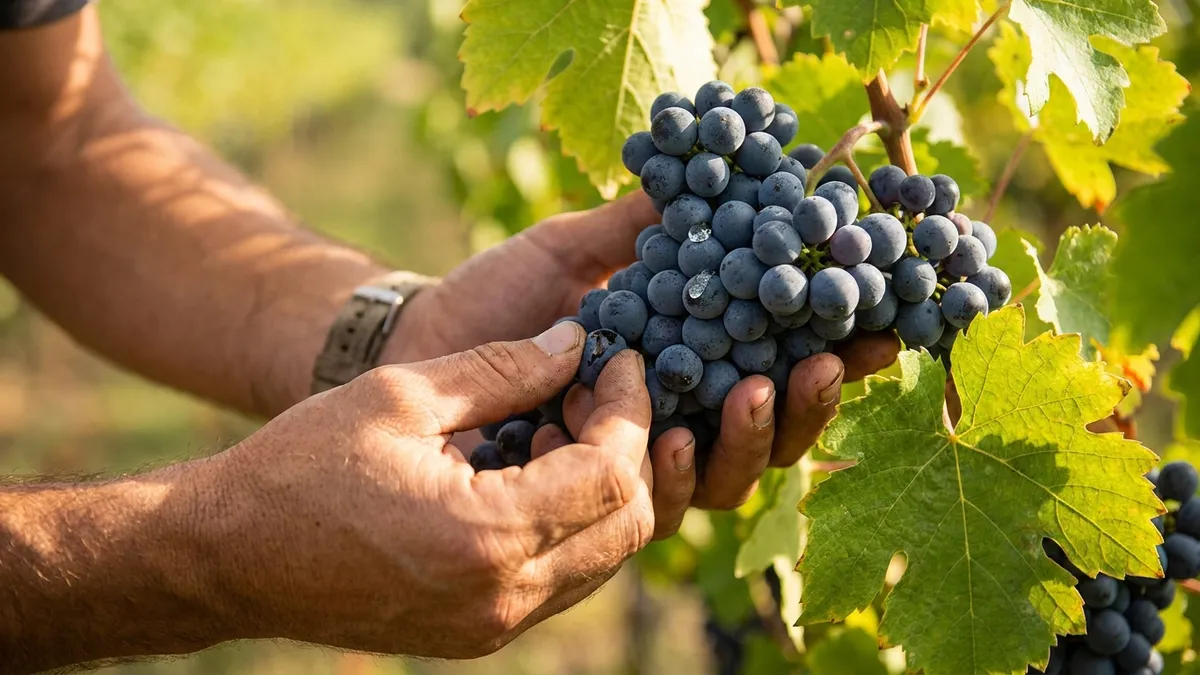
Three forces are pushing more travelers toward vineyards. The post-pandemic rebound restored international travel and people came back hungry for outdoors, food, and meaning. The "experience economy" reframed souvenirs — a shelf of bottles is a memento, but a morning in a cellar is a story you tell for years.
Small-producer culture has also changed who welcomes visitors. Estates that were closed a decade ago now run small group tastings as a marketing channel, take direct bookings online, and treat curious beginners as future customers. If you are still gathering the basics — how to swirl, smell, and read a label — the Sommy app covers the foundation in short lessons before you book a flight.
Eight Wine Regions Worth Building a Trip Around
Every guide starts with the same question — where do you go first. There is no wrong answer, but each region has a distinct personality that pairs differently with traveler experience and travel budget.
Bordeaux, France
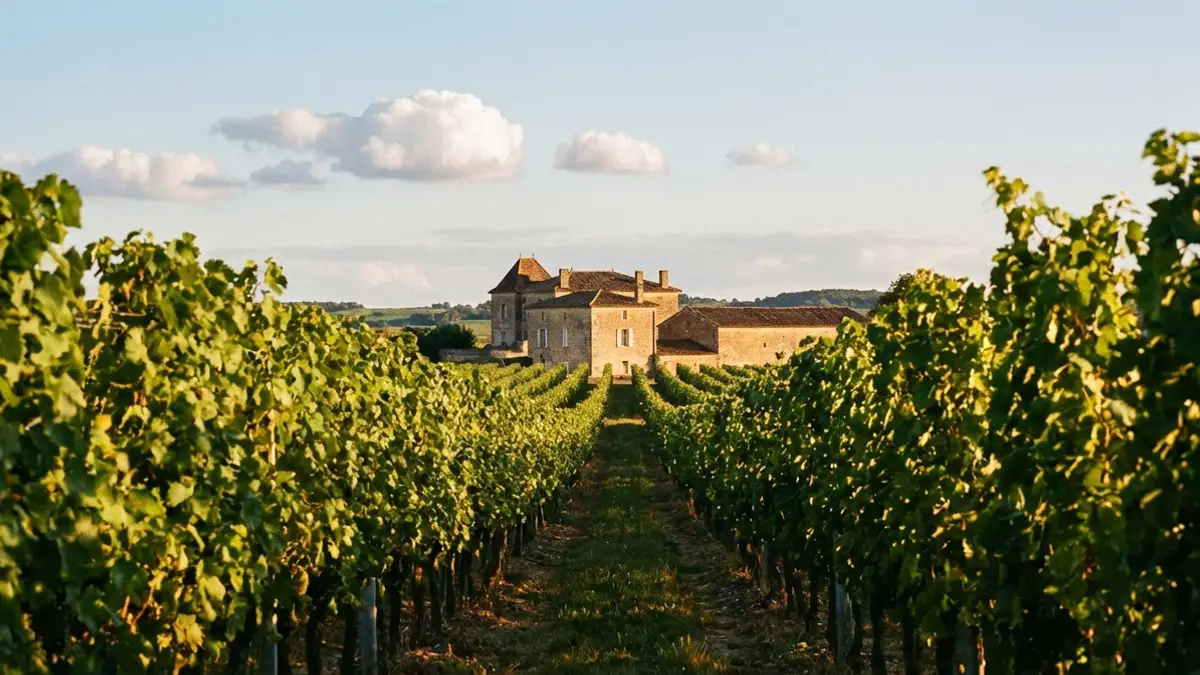
Bordeaux is the heavyweight — roughly 110,000 hectares of vines across the Left Bank, Right Bank, and the Sauternes sweet wine zone. Top properties (the Cru Classés) sit behind quiet gates and require advance bookings. The annual en primeur tastings in April and May are when the trade samples the previous vintage from barrel.
The compromise pick: base in Saint-Émilion or the city of Bordeaux, drive out to the Médoc, Saint-Émilion, Pomerol, and Sauternes on different days. Read our Bordeaux blend grapes primer to make the cellar conversations land.
Burgundy, France
Burgundy is village hopping. Beaune is the natural base — a small walled town in the middle of the Côte d'Or (the Golden Slope). Côte de Nuits villages stretch north (Pinot Noir country) and Côte de Beaune south (mostly Chardonnay). Top producers run with five-person staffs and require six-month advance bookings. The Saturday wine market in Beaune and the November Hospices de Beaune charity auction weekend are landmark events.
Champagne, France
The Champagne region splits in two. Reims to the north is grand cathedral and big-house country — flagship estates run polished cellar tours ideal for first-timers. Épernay south runs a parallel circuit. The under-the-radar route is small grower-producers in surrounding villages who bottle their own. Read Champagne vs Prosecco vs Cava to understand what you are tasting.
Tuscany, Italy
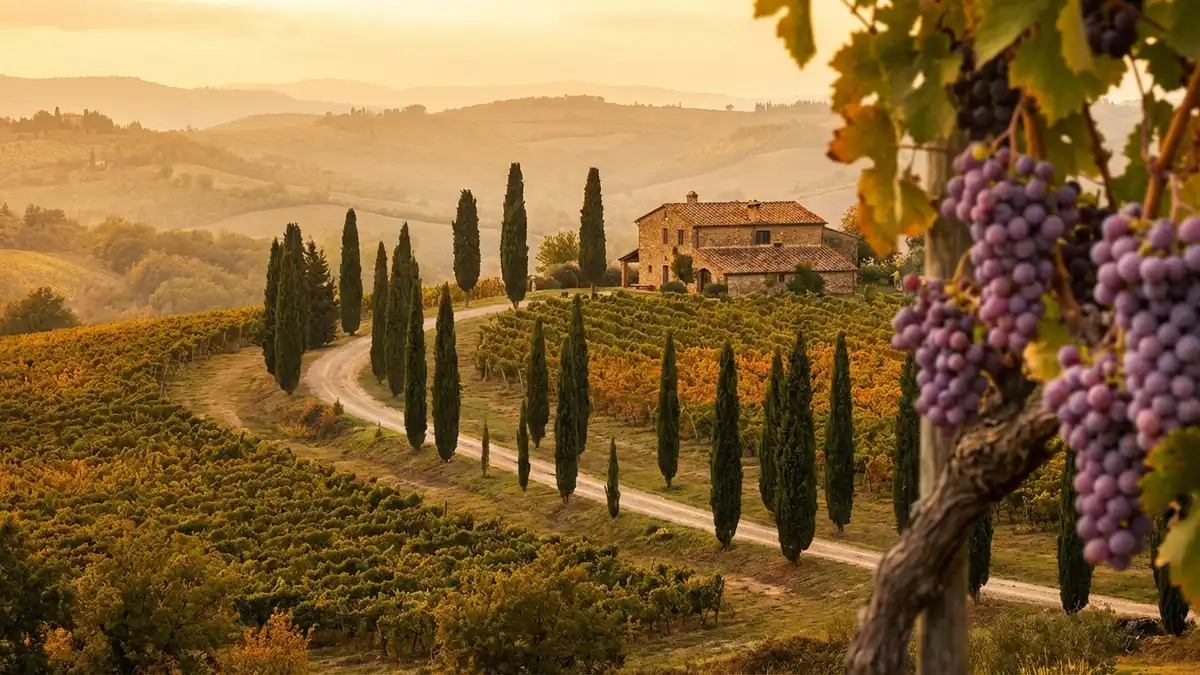
Tuscany is the most forgiving first trip. Florence and Siena bookend a region of olive groves and stone villages where Chianti Classico, Brunello di Montalcino, Vino Nobile di Montepulciano, and the coastal Bolgheri Super Tuscans sit within an hour or two of each other. Tastings are warm, often paired with food, and English is widely spoken.
Napa Valley, USA
Napa is a 30-mile valley packed with over 750 wineries. Highway 29 and the parallel Silverado Trail are the spine. Tasting fees are the highest in the wine world — 40 to 100 dollars per person and beyond. Pair this guide with our Napa Valley wine guide before you build the route.
Mendoza, Argentina
Mendoza is the Andes-backed home of Malbec and one of the friendliest wine destinations on earth for the price. Tastings often run 5 to 25 dollars and most cellars welcome walk-ins. The harvest festival Vendimia in March is a regional celebration. Pair with our Argentina wine guide for vintage and producer-style context.
Marlborough, New Zealand
Marlborough on New Zealand's South Island is Sauvignon Blanc world headquarters. Cellars are clustered tightly enough for bicycle tours. Summer in the Southern Hemisphere — December through March — is the prime visiting window.
Western Cape, South Africa
The Cape Winelands surround Cape Town across three main hubs: Stellenbosch, Franschhoek, and Constantia. Budget-friendly tastings, dramatic mountain backdrops, and a wide grape diversity make this an underrated first trip. Our Australian wine guide is also worth a read if you are pairing the Southern Hemisphere into one bigger trip.
Best Time to Visit a Wine Region
Timing changes everything. The same vineyard in two different months can feel like two different places.
Spring (April–May) is the most reliably good window. Vines are budding, cellars are open, the previous vintage is bottled and ready to taste, and crowds have not yet arrived.
Summer (June–August) is high tourist season. Long days are appealing but the crowds, heat, and packed restaurants drag the pace down. Rural European cellars also close in August — the family is on holiday.
Harvest season (late August–October) is thrilling. The smell of fermenting must hangs in the cellar air. The downside: many wineries close to visitors during peak picking days because the staff is in the vineyard.
Late September to October post-harvest is the locals' secret. The vines glow gold, the team is back from picking, and the cellars are open with the new vintage in tank. Crowds are thinner.
Winter (November–March) is for serious tasters. Bookings are easy, hosts have time, and barrel tastings of the still-aging vintage are common.
How to Book Wineries the Right Way
The single biggest mistake first-time wine tourists make is treating cellar visits like restaurant reservations. They are not. Most fine wineries are appointment-only and many run with two-person staffs.
The working rules: book two to four weeks ahead in any popular region, six months ahead for top Burgundy and Bordeaux estates. Saturdays are short days at most European cellars. Sundays are usually closed entirely. Limit yourself to two or three appointments per day — palate fatigue is real, lunch takes 90 minutes, and rushing destroys the calm.
Ask the right questions when you book: how long is the visit, what are the tasting fees, is there a purchase requirement, and is parking available. For first-timers learning the basics, work through how to taste wine like a sommelier before the trip so the cellar conversations land.
What Tasting Fees Actually Look Like
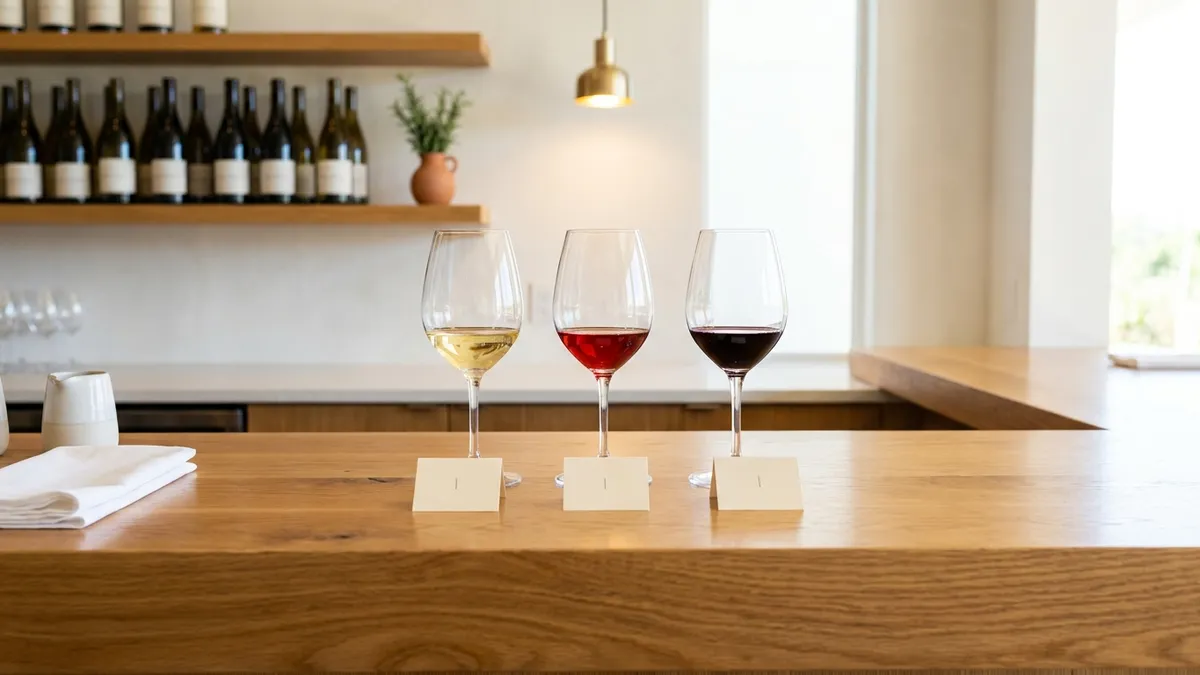
Wine tourism budgets live or die on tasting fees. A rough map of the world:
- Burgundy, Bordeaux, Champagne: Free for serious buyers (often credited against a purchase), or 20 to 50 euros per person otherwise. Reserve tastings at flagship houses can climb higher.
- Napa Valley: 40 to 100 dollars per person at most estates. Reserve tastings at cult wineries clear 250 dollars.
- Tuscany: 15 to 40 euros, frequently bundled with a food pairing or a vineyard walk.
- Mendoza, South Africa: 5 to 25 dollars per tasting. The most generous fee structure on the world map.
- Marlborough, Australia: Often free or under 15 dollars at smaller estates. Some flagships charge 20 to 40.
Buying a bottle on your way out is a graceful close to any tasting, especially at small producers. A 30 to 100 euro spend per cellar is normal. Tipping the host in Europe is rare and not expected; in the United States, 10 to 20 percent on the tasting fee is appreciated.
Cellar Door Etiquette That Actually Matters
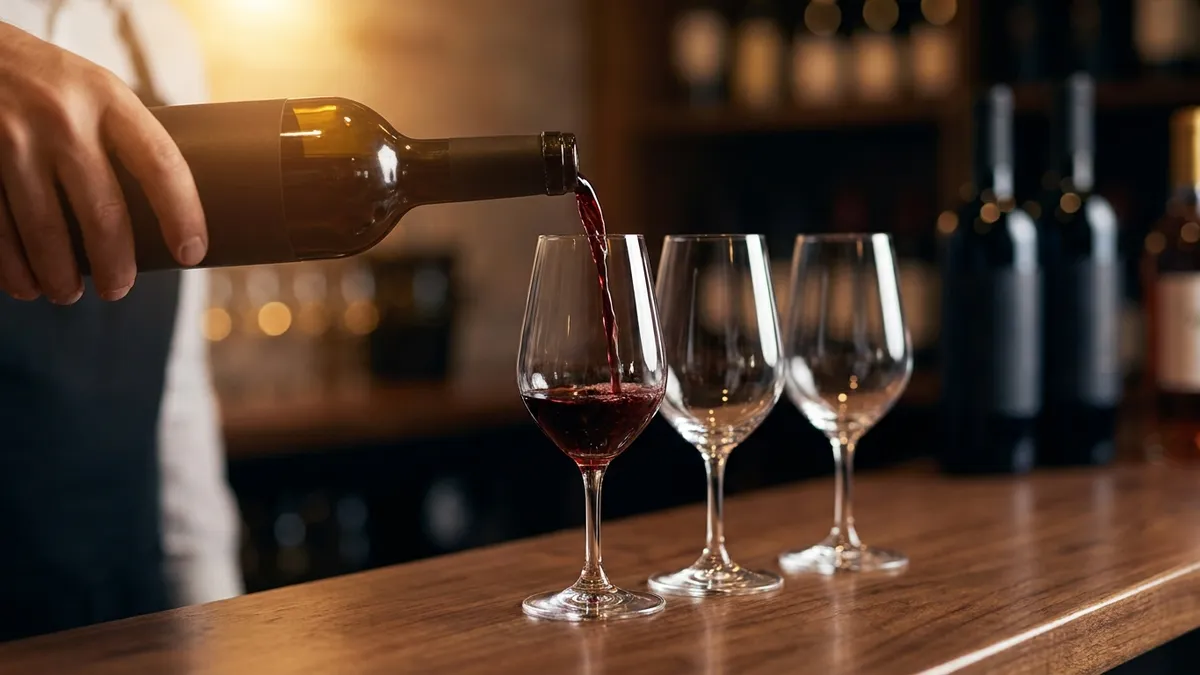
Most of the unwritten rules at a winery are practical, not snobbish. Spit in the spittoon during multi-cellar days — drinking and driving is illegal in nearly every wine region. Don't ask for free tastings; you are paying for the host's time and the wine in the bottle.
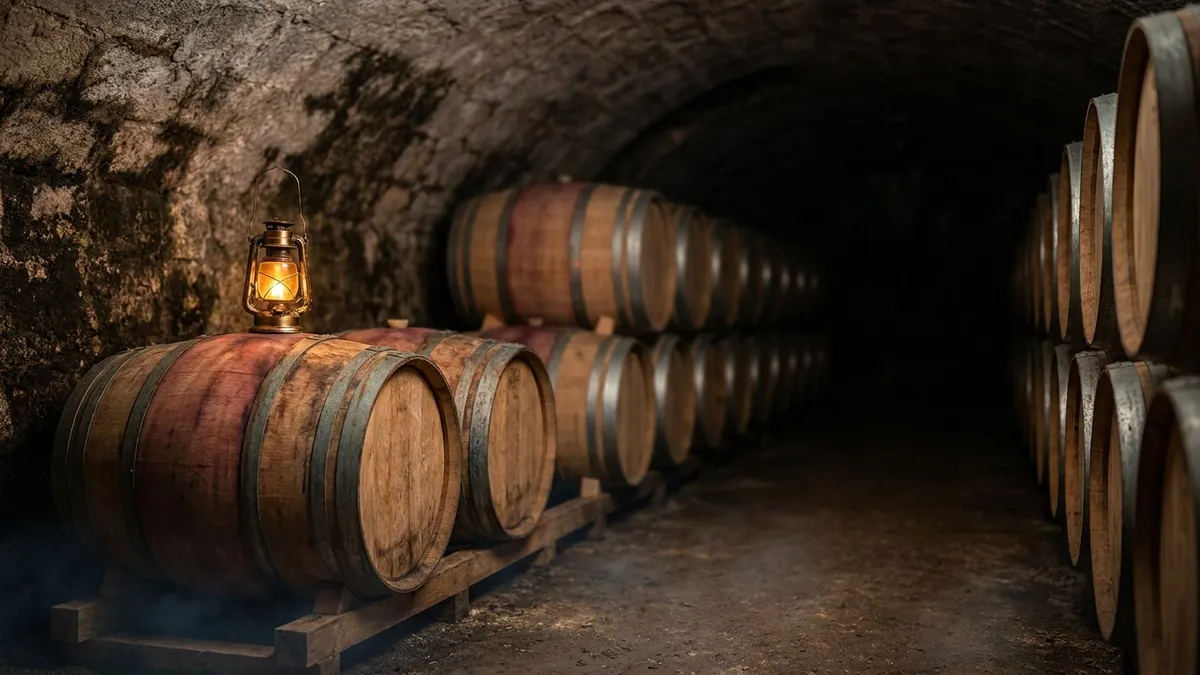
Buy a bottle if you tasted, unless the visit was a paid tour with no expectation. Show appreciation — small producers respond to honest questions about terroir, vintage, and winemaking philosophy. Skip strong perfume and cologne; the host's nose is their main tool. A typical cellar visit runs 60 to 90 minutes — a vineyard walk, a barrel cellar tour, the tasting itself, and an optional bottle purchase. Ask one good question per wine.
Special Events Worth Building a Trip Around
Wine tourism has its own calendar of marquee weekends.
- Hospices de Beaune (third weekend of November): The world's most famous charity wine auction. Beaune fills with collectors and cellars open their doors.
- Vinitaly Verona (April): Italy's largest wine fair, with consumer days that let you sample hundreds of estates.
- Saint-Vincent Tournante (last weekend of January, Burgundy): A rotating village festival celebrating the patron saint of vine growers.
- Vendimia (early March, Mendoza): Argentina's national harvest festival — parades, blessings, and a region-wide celebration of Malbec.
If these events are out of reach this year, the French wine regions overview is useful reading while you plan.
Lodging: Where to Sleep Near the Cellars
Three lodging strategies cover most wine trips. Wine country bed and breakfasts in converted estates run 150 to 400 euros a night with a vineyard view. Wine hotel and restaurant combinations run 300 to 800 euros a night. And the value pick: stay in a nearby town like Beaune, Saint-Émilion, or Florence and drive out each morning. Towns give you walkable evenings and food options the rural estates do not.

Sample Day-by-Day Plans
A good itinerary is built around clusters, not lines. Three sample plans for the most-visited regions.
3-day Burgundy from Beaune:
- Day 1: Côte de Nuits villages — Gevrey-Chambertin, Vosne-Romanée, Nuits-Saint-Georges. Two cellar visits and lunch in a village bistro.
- Day 2: Côte de Beaune Chardonnay — Meursault, Puligny-Montrachet, Chassagne-Montrachet. Two cellar visits and a long lunch.
- Day 3: Hospices de Beaune museum, Saturday market browsing, one final cellar visit in Pommard or Volnay.
4-day Bordeaux from the city of Bordeaux:
- Day 1: Médoc — Margaux, Saint-Julien, Pauillac. Two appointments.
- Day 2: Right Bank — Saint-Émilion and Pomerol. Two appointments and a long lunch in Saint-Émilion.
- Day 3: Sauternes — sweet wines and a long Sauternais lunch.
- Day 4: City of Bordeaux — Cité du Vin museum, riverside walk, one urban tasting.
5-day Tuscany from Florence/Siena:
- Days 1–2: Chianti Classico — base in Greve in Chianti or Radda. Two cellars per day, lunch at an agriturismo.
- Days 3–4: Montalcino and Montepulciano — Brunello and Vino Nobile country.
- Day 5: Bolgheri coast — coastal Super Tuscan estates, drive back through Pisa.
For travelers looking for an even broader regional roadmap, our wine regions learn hub lays out the full geography you can chain together over multiple trips.
Transport Inside the Region
Most regions are easiest by rental car. Pick-up at the airport, drop-off at the train station gives you flexibility and lets you carry the bottles you buy. Hire a wine driver — 200 to 400 euros per day — when you have two or more visits scheduled and want everyone tasting freely. Bicycle tours are the dark-horse pick in Burgundy and Champagne, where distances are short and the terrain is flat.
Budget Guidance: Three Realistic Scenarios
Three working budgets to anchor planning. Numbers assume one person and exclude flights.
- Budget weekend (around 500 euros, 2 days): Bed and breakfast lodging, picnic lunches, one paid tasting per day, two free or low-fee cellar visits, dinner at a village bistro.
- Mid-range (around 1,500 euros, 5 days): Three-star hotel, two or three tastings per day at 25 to 40 euros, one nice dinner per day, wine driver on two of the five days.
- Luxury (5,000 euros and up): Boutique wine hotels, private wine driver, allocated visits at flagship cellars, multi-course lunches, and shipping arrangements.
The Sommy app's tasting journal makes mid-range and luxury trips meaningfully better. Wines blur fast at three or four cellars a day. A two-line note per pour, with a photo of the label, is the difference between remembering the trip and forgetting half of it.
Pre-Visit Homework Worth Doing
A wine trip rewards preparation. Research the producers you plan to visit, build a "must visit" list with confirmed appointments locked in, and identify lunch spots near each tasting cluster — booking a 1pm table at an agriturismo gives the day a real spine.
Build your palate before the trip. A few weeks of structured practice — walking through how to develop your wine palate and learning to describe what you taste — multiplies the value of every pour. You stop tasting "this is nice" and start noticing acidity, tannin, fruit ripeness, and oak.
Bringing Wine Home
The trip ends, the bottles do not. Three options. Pack one or two bottles in a checked suitcase with foam wine sleeves — most countries allow personal-use quantities. Use the winery's export shipping partner — slow and dutiable, but the only option for serious quantities. Or buy from a local wine merchant who handles paperwork. Always check your home country's allowance before paying for wine you cannot legally import.
What Wine Tourism Actually Changes
There is a quiet shift that happens after a real wine trip. Tasting at home stops being abstract. The label says "Pommard" and you remember the wind on the slope and the host who poured for you. Vintage notes mean something because you stood in the year's vines. The price stops being arbitrary because you saw the hand-harvesting team at work.
This is the real return on a wine tourism trip — not the bottles you bring home, but the way every bottle you open afterward feels closer to the soil it came from. Tasting transforms from "this is good" to "I stood in the soil where this grew." The Sommy app builds the foundation between trips — structured courses, AI-guided tasting practice, and a journal that carries the cellar visit home.
Frequently Asked Questions
When is the best time to go on a wine tourism trip?
Spring (April to May) and post-harvest (late September to October) are the sweet spots. Vineyards look alive, cellars are open, and crowds are thinner. Harvest itself is exciting but cellars get busy and many close to visitors. Summer is hot and packed. Winter is quiet but rewarding for serious tasters who want unhurried time with hosts.
How far in advance should I book winery visits?
Two to four weeks ahead is the working minimum for most regions. For top Burgundy and Bordeaux estates, six months is closer to reality. Saturdays and Sundays are usually closed in traditional French regions. Limit yourself to two or three visits per day so palate fatigue and lunch do not eat the experience.
How much does wine tourism cost on average?
A frugal weekend with bed and breakfast lodging, picnic lunches, and modest tastings runs around 500 euros per person. A mid-range five-day trip with comfortable hotels and two or three tastings a day lands near 1,500 euros per person. Luxury tours with private guides and allocated cult winery visits can easily clear 5,000 euros.
Do I need to buy a bottle if I taste at a winery?
It is good practice, especially at small estates that gave you their time. A purchase in the 30 to 100 euro range is a normal thank-you for an hour of host attention. Larger commercial wineries with formal tasting fees do not expect a buy. When in doubt, ask politely whether the tasting fee is waived against a purchase.
Are tasting fees standard everywhere?
No. Burgundy and Bordeaux tastings are often free for serious buyers and 20 to 50 euros otherwise. Napa runs 40 to 100 dollars or more per person. Tuscany sits around 15 to 40 euros, often with a food pairing. Mendoza and South Africa are friendlier on the wallet at 5 to 25 dollars per tasting.
Can I drive between wineries after tasting?
Only if you spit consistently and pace yourself across very small pours. Drink-driving laws in most wine regions are strict and the limit is low — sometimes effectively zero. The safer plan is hiring a wine driver for 200 to 400 euros a day, which also frees the whole group to focus on the wine instead of the road.
Which wine region is best for first-time wine tourists?
Tuscany and Mendoza are the most beginner-friendly. Both have walkable village hubs, English-speaking hosts, generous tastings, and a more relaxed pace than Burgundy or Bordeaux. Stellenbosch in South Africa and Marlborough in New Zealand are also excellent first trips with stunning landscapes and welcoming cellars.
How do I bring wine home after the trip?
Three options: pack it in a checked suitcase with wine sleeves (one to two bottles per traveler is generally allowed in most countries), ship through the winery's export partner (slower and dutiable), or buy from a local wine merchant who handles customs. Always check your home country's allowance before paying for wine you cannot legally import.
Sommy Team
LinkedInFounder & Wine Educator
The Sommy Team is building the world's most approachable wine education app, helping beginners develop real tasting skills through structured courses and AI-guided practice.