Marlborough Wine Guide: The Sauvignon Blanc Capital of the World

By the Sommy Team — AI-assisted, human-edited.
Updated Jun 17, 2026
Contents (9)
- What Is Marlborough Wine?
- The Grape That Put New Zealand on the Map
- Where Marlborough Is and Why the Climate Matters
- The Marlborough Wine Guide to the Sub-Valleys
- Beyond Sauvignon Blanc: Pinot Noir and Aromatic Whites
- How Marlborough Sauvignon Blanc Compares to Sancerre
- What Makes Marlborough Distinctive
- How a Beginner Should Start with Marlborough
- The Reward of Learning Marlborough
TL;DR
Marlborough sits at the top of New Zealand's South Island and makes the loud, zesty, passionfruit-and-grass Sauvignon Blanc that put the country on the wine map. Intense sun, cool nights, and free-draining gravel soils drive that style. This marlborough wine guide shows beginners where to start.
What Is Marlborough Wine?
This marlborough wine guide begins with the wine that made an entire country famous. Marlborough, at the northeastern tip of New Zealand's South Island, is the Sauvignon Blanc capital of the world — and it earned the title in barely four decades. Around three-quarters of its vines grow one grape, and the Marlborough Sauvignon Blanc style is unmistakable: pungent and zesty, exploding with passionfruit, gooseberry, lime, and freshly cut grass over searing acidity. Behind that loud personality sit two key sub-valleys, the warmer Wairau and the cooler Awatere, plus serious Pinot Noir and aromatic whites. Learn the grape, the two valleys, and the climate that drives them, and Marlborough becomes one of the easiest great regions to read.
The Grape That Put New Zealand on the Map
Most regions take centuries to build a reputation. Marlborough did it in a single generation. The first Sauvignon Blanc vines went into the Wairau Valley in 1973, and within a decade the wine they produced was so distinctive that drinkers around the world learned to recognize New Zealand by taste alone.
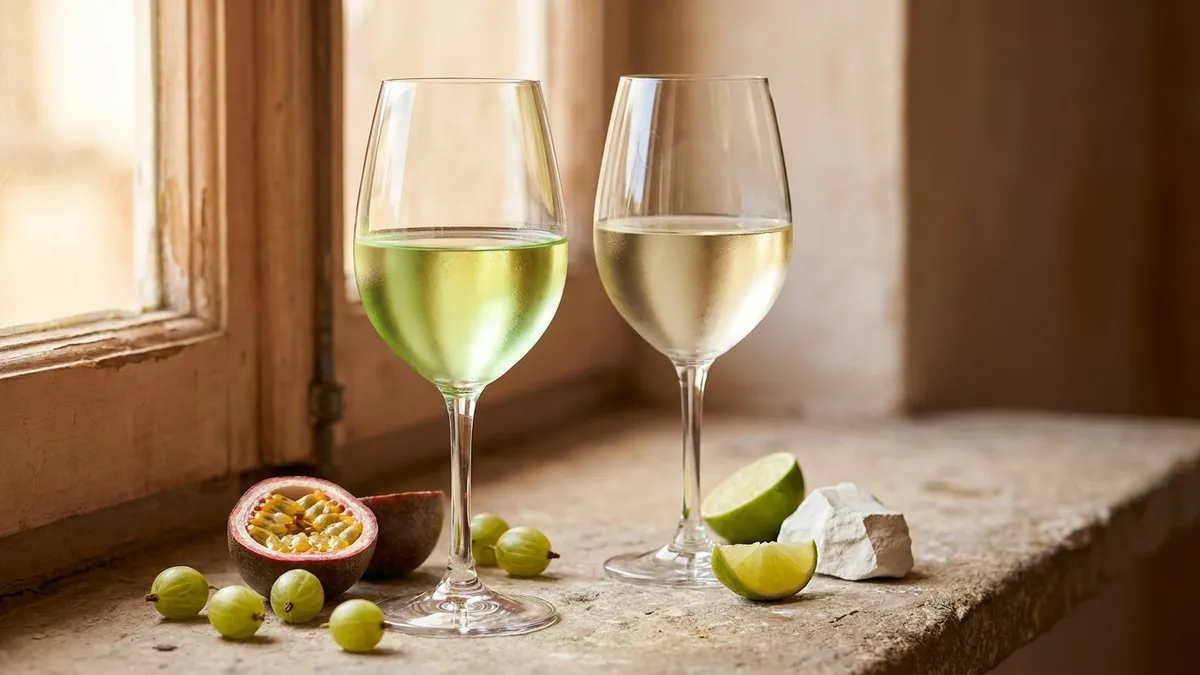
That signature style is the loudest, most aromatic expression of Sauvignon Blanc on earth. Where the grape can be shy and flinty elsewhere, Marlborough turns the volume up. Typical aromas: passionfruit, gooseberry, lime, green capsicum (bell pepper), blackcurrant leaf, and freshly cut grass. On the palate the wine is bone-dry, light-bodied, and bracingly fresh.
Here is the structural snapshot, written out so it is easy to picture before you ever taste it:
- Sweetness: dry (1/5)
- Acidity: very high (5/5)
- Body: light (2/5)
- Tannins: none (0/5) — this is a white wine
- Finish: zesty, clean, and mouthwatering
That high acidity is the secret to why the wine feels so alive, and why it pairs so well with food. To understand the grape itself beyond this one region, our Sauvignon Blanc wine guide covers how it behaves everywhere from the Loire to Chile.
Where Marlborough Is and Why the Climate Matters
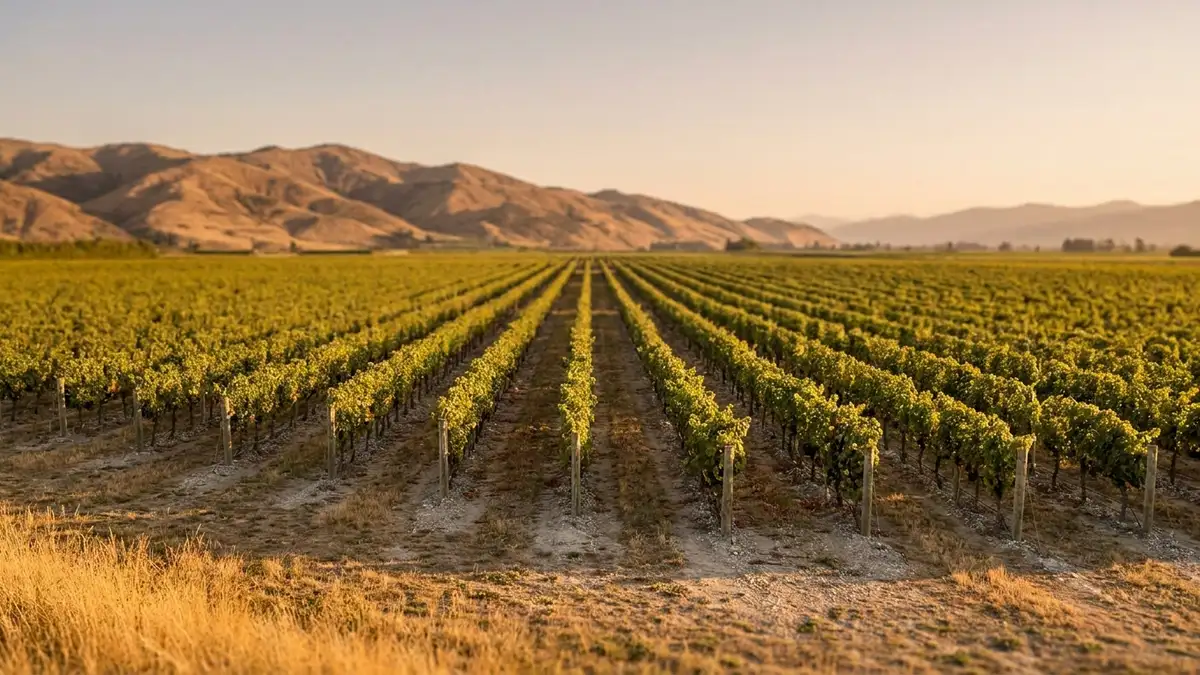
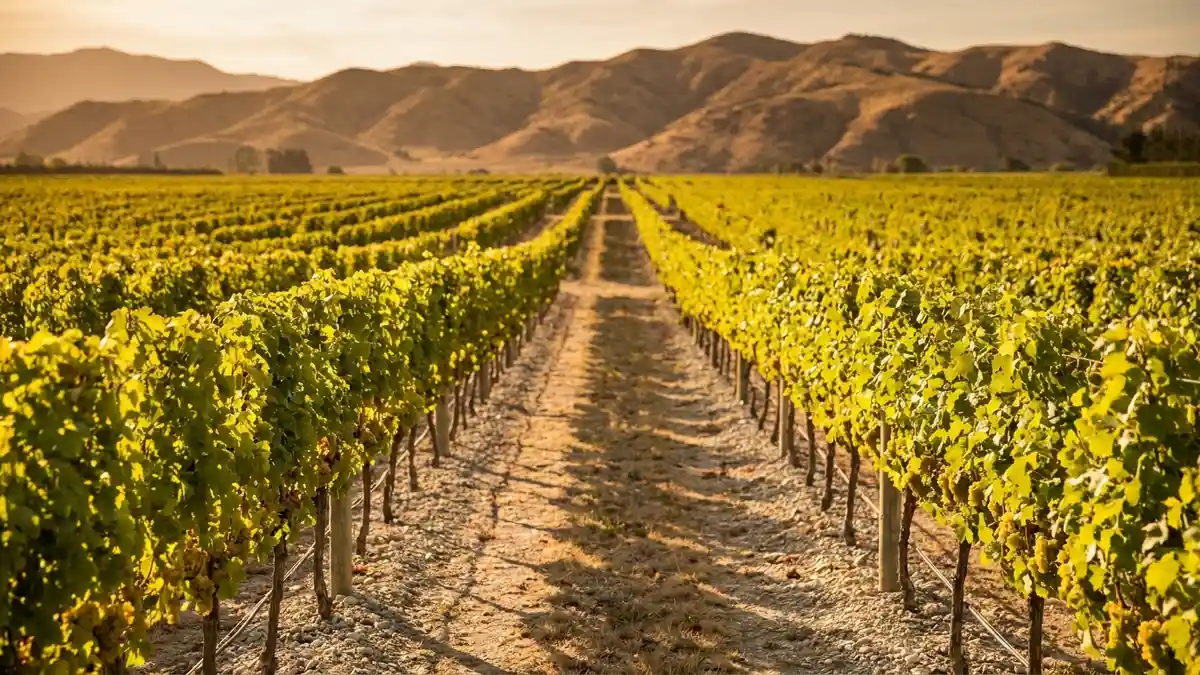
Marlborough wraps around the town of Blenheim at the sun-soaked top of the South Island. It is New Zealand's largest wine region by a wide margin, growing the majority of the country's grapes. Mountain ranges shelter it from the worst weather, and the combination of geography and climate is the whole reason the wine tastes the way it does.
Three forces shape every glass:
- Intense sunlight. Marlborough records some of New Zealand's highest sunshine hours. Long, bright days ripen the fruit fully, building generous tropical flavor and pushing the grape's aromatic compounds to their peak.
- Cool nights. When the sun drops, temperatures fall sharply. This wide day-to-night swing — what growers call diurnal range (the gap between daytime and nighttime temperature) — preserves the grape's natural acidity and its delicate aromas while the fruit keeps ripening by day.
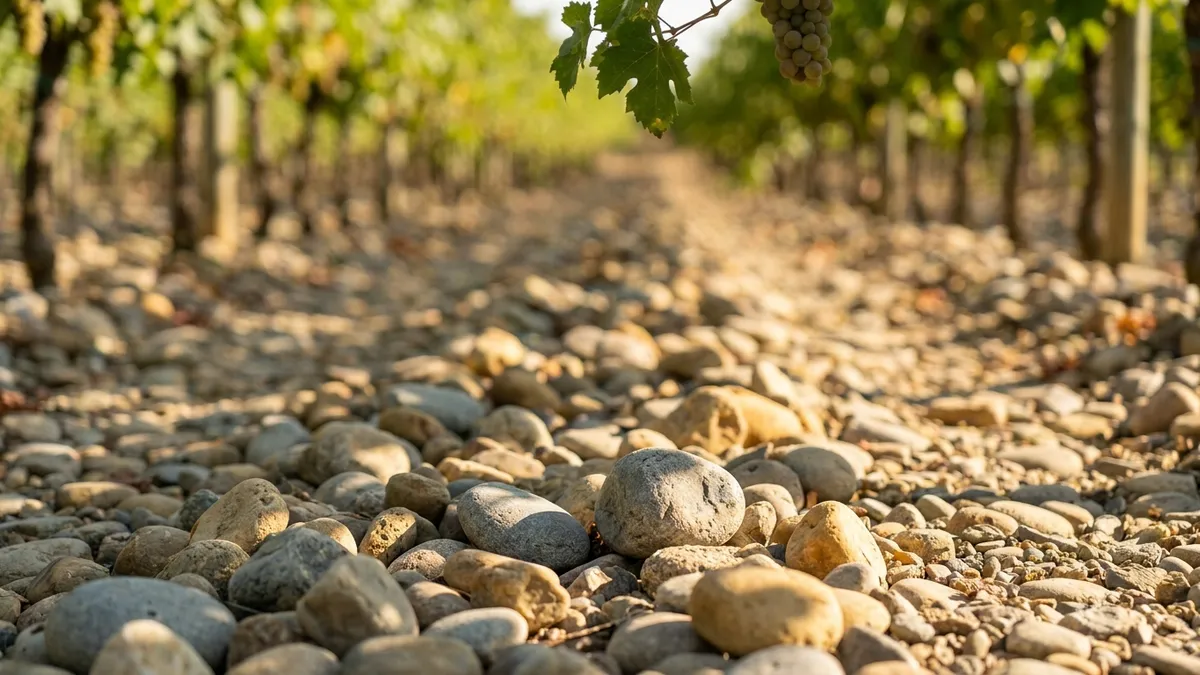
- Free-draining soils. The valley floors are built on deep beds of gravel and stones left by ancient rivers. They drain water away fast, gently stressing the vines so they put their energy into concentrated, flavorful fruit rather than leafy growth.
Put those three together and you get the Marlborough paradox: wine that is fully ripe and tropical, yet razor-fresh and high in acid at the same time. That balance is rare, and it is the engine behind the region's fame.
The Marlborough Wine Guide to the Sub-Valleys
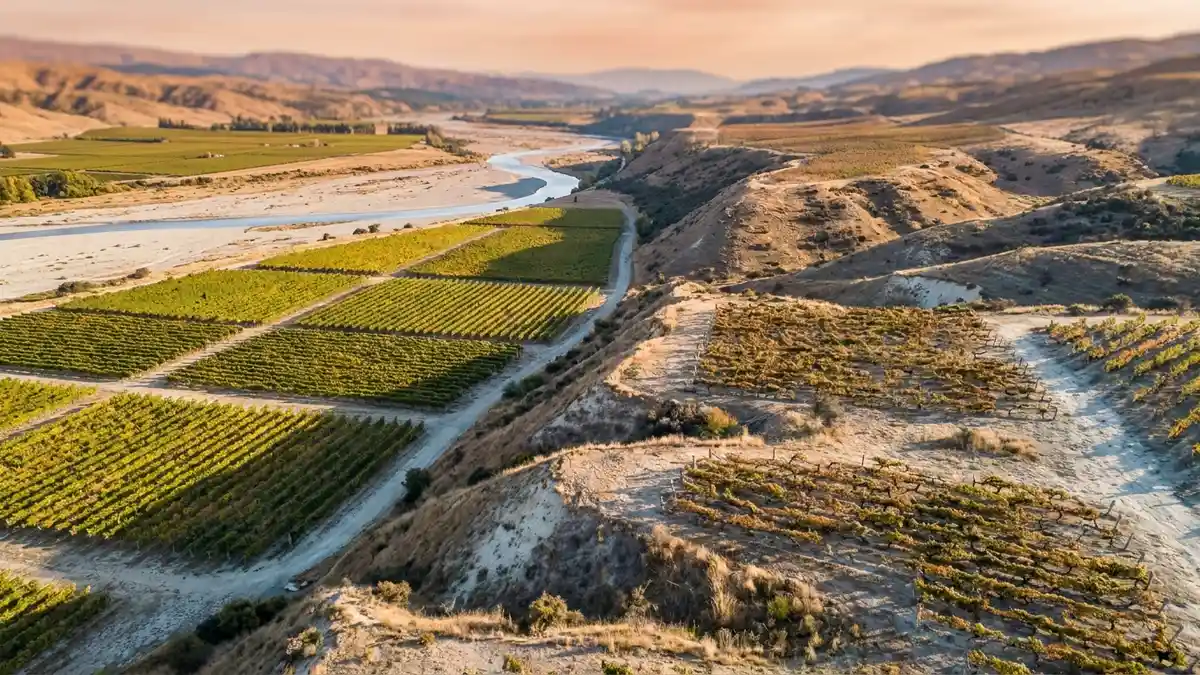
Marlborough is not one flat block of identical vines. Its character splits along its valleys, and learning the two main ones is the single most useful step up from "Marlborough Sauvignon Blanc" to really understanding the region. The same grape, grown a few kilometers apart, can taste meaningfully different — Marlborough is a clear lesson in terroir, the idea that the place where grapes grow shapes the flavor in the glass.
- Wairau Valley (the warm original): The broad, sunny heart of Marlborough and where it all started. The Wairau runs inland from the coast on deep gravel soils and is the warmest of the sub-regions. Its Sauvignon Blanc is the riper, rounder, more tropical face of the region — leading with passionfruit, ripe stone fruit, and a generous, juicy mid-palate. This is the classic, crowd-pleasing Marlborough style.
- Awatere Valley (the cool, windy edge): South of the Wairau and closer to the coast, the Awatere sits higher, drier, cooler, and windier. Those conditions slow ripening and sharpen the wine. Awatere Sauvignon Blanc is leaner and more herbaceous, with stronger green notes — tomato leaf, green capsicum, fresh herbs — over a stony, mineral frame and even higher-feeling acidity.
- Southern Valleys (the red-wine cradle): A series of smaller side valleys branching off the Wairau, with more clay in the soil. The extra clay holds water and suits red grapes, which is why much of Marlborough's best Pinot Noir comes from here rather than the open gravel plains.
Many bottles labeled simply "Marlborough" blend fruit from more than one valley to balance the warm generosity of the Wairau with the zip and structure of the Awatere. Once you can taste that warm-versus-cool contrast, you are reading the region the way a local does. The Sommy app turns exactly this kind of side-by-side comparison into a guided exercise, naming the aromas as you sniff.
Beyond Sauvignon Blanc: Pinot Noir and Aromatic Whites
It would be a mistake to think Marlborough is a one-grape region. The same cool climate that sharpens Sauvignon Blanc also suits several other styles, and exploring them is how a beginner deepens their grasp of the place.
Marlborough Pinot Noir
Pinot Noir is Marlborough's flagship red, and it is genuinely good. The cool nights and clay-rich Southern Valleys give a lighter, brighter, more perfumed style than warm-climate reds. Typical aromas: red cherry, raspberry, dried herbs, and a savory, earthy edge. Body: light-to-medium (2-3/5) · Acidity: high (4/5) · Tannins: low-to-medium (2/5). It is a thinking-person's red — fresh, food-friendly, and a world away from a big, jammy bottle. For the full picture of this grape, our Pinot Noir guide covers how it changes from region to region.
Aromatic Whites
The cool climate is a natural home for aromatic grapes — varieties whose perfume is their headline act. Marlborough makes excellent versions of:
- Riesling: dry to off-dry, with lime, green apple, and a thread of honey, carried by bright acidity.
- Pinot Gris: rounder and softer, with ripe pear, apple, and a touch of spice.
- Gewürztraminer: the most exotic of the three, all lychee, rose petal, and ginger.
These wines lead with scent in a way that, say, a neutral Pinot Grigio does not — a difference our piece on aromatic versus neutral grapes unpacks in detail. Marlborough also makes crisp, traditional-method sparkling wine from Chardonnay and Pinot Noir, a lesser-known gem worth seeking out.
Marlborough proved a single grape could make a country famous — then quietly built a whole cellar of styles behind it.
How Marlborough Sauvignon Blanc Compares to Sancerre
The clearest way to grasp what makes Marlborough special is to set it beside the grape's classic European home: Sancerre, in France's Loire Valley. Same grape, two opposite philosophies. Here is the contrast, point by point:
- Marlborough Sauvignon Blanc: Climate: cool but very sunny · Style: loud and fruit-forward · Leads with: passionfruit, gooseberry, tropical zest · Texture: juicy and exuberant · Mood: New World confidence.
- Sancerre (Loire) Sauvignon Blanc: Climate: cool continental · Style: restrained and mineral · Leads with: flint, chalk, citrus, white flowers · Texture: lean and savory · Mood: Old World restraint.
Neither is better — they are two answers to the same question. Marlborough shouts the grape's aromatics; Sancerre whispers them over stone and acid. Tasting one against the other is one of the most instructive lessons in wine, and our Loire Valley wine guide digs into Sancerre and its neighbors. This is also a vivid example of how grapes that look the same can taste different depending entirely on where they grow.
What Makes Marlborough Distinctive
Plenty of regions grow Sauvignon Blanc. Only one is instantly recognizable from the first sniff. A few things set Marlborough apart:
- Aromatic intensity. No other region pushes the grape's pungent green-and-tropical character so far. It is a benchmark style that other countries now try to copy.
- Reliability of style. Thanks to a consistent climate, a typical Marlborough Sauvignon Blanc delivers the same vivid, zesty profile bottle after bottle. For a beginner, that predictability is a gift — you know roughly what you are getting.
- Speed of rise. Marlborough is a reminder that wine greatness is not only about ancient history. A region planted in the 1970s now anchors a country's entire wine identity.
- Built-in food friendliness. That very high acidity makes the wine cut through fat, salt, and richness. It is brilliant with goat cheese, fresh oysters, ceviche, green-herb salads, and Thai or Vietnamese dishes.
Sauvignon Blanc's importance is also why it sits among the noble grapes, the small group of varieties every learner meets first. Our overview of the noble grapes explains where it fits in the wider family — and why Marlborough's version became the modern reference point for the whole grape.
How a Beginner Should Start with Marlborough
You do not need a big budget or a sommelier's vocabulary to understand Marlborough. The region is unusually beginner-friendly because its house style is so clear and consistent. Here is a practical order to follow:
- Start with a classic Marlborough Sauvignon Blanc. Pour it cold and pay attention before you sip. Can you find the passionfruit, the lime, the green grassy or capsicum note? Then sip and feel the mouthwatering rush of acidity. That sensory pattern is the whole region in a glass.
- Taste Wairau against Awatere. Open a Wairau Valley bottle and an Awatere Valley bottle side by side. The Wairau will feel riper and rounder; the Awatere leaner and greener. Same grape, different valley — terroir made obvious.
- Try a Marlborough Pinot Noir. Once the whites are familiar, see how the cool climate shapes a light, fresh red. It is the best way to learn that Marlborough is more than one grape.
- Branch into an aromatic white. A Marlborough Pinot Gris or Riesling shows the cool climate's softer, perfumed side and rounds out your map of the region.
- Build the tasting habit. Note the color, the high acidity, and the unmistakable green-and-tropical aroma combination that defines the place. Our guide to how to taste wine gives you the step-by-step method.
Sommy turns these comparisons into guided exercises — naming the aromas, scoring the structure, and building the vocabulary to describe what you sense. You can start practicing free at sommy.wine, then bring the method to your next bottle of Marlborough Sauvignon Blanc.
The Reward of Learning Marlborough
Marlborough is the friendliest possible entry point into New World wine. Its style is loud, consistent, and easy to recognize, which means your palate gets quick, confident wins — exactly what a beginner needs to build momentum. Yet the region rewards deeper attention too, through the Wairau-versus-Awatere contrast, the elegant Pinot Noir, and the aromatic whites waiting behind the famous Sauvignon Blanc.
Start with one cold glass, learn its two aroma families, then taste the valleys against each other. The Sommy app is built to make that habit stick — turning each bottle into a short, guided lesson so the next Marlborough you open is a little clearer than the last.
Sources
Frequently Asked Questions
What is Marlborough wine famous for?
Marlborough is famous for Sauvignon Blanc, and roughly three-quarters of its vines are planted to that one grape. The signature style is pungent and zesty, bursting with passionfruit, gooseberry, lime, and freshly cut grass, with very high acidity. This Marlborough style is so distinctive it made New Zealand wine globally recognizable.
Where is Marlborough located?
Marlborough sits at the northeastern tip of New Zealand's South Island, around the town of Blenheim. It is New Zealand's largest wine region by far, accounting for the majority of the country's total production. Sheltered by mountain ranges, it enjoys long sunshine hours, cool nights, and dry autumns that suit white grapes beautifully.
What is the difference between Wairau and Awatere Valley?
The Wairau Valley is the warmer, broader, original heart of Marlborough, giving riper, tropical, passionfruit-driven Sauvignon Blanc. The Awatere Valley to the south is cooler, drier, and windier, producing leaner, more herbaceous, mineral wines with sharper acidity and stronger tomato-leaf and green-pepper notes. Many wines blend the two valleys.
Does Marlborough make red wine?
Yes, though it is known for whites. Marlborough's best red is Pinot Noir, which thrives in its cool climate and clay-rich sites, giving bright cherry and herb-edged reds with high acidity. The region also makes quality aromatic whites such as Riesling, Pinot Gris, and Gewürztraminer, plus traditional-method sparkling wine.
Why does Marlborough Sauvignon Blanc taste so intense?
The intensity comes from the climate and soils. Long, sunny days ripen the fruit fully while cold nights lock in the grape's natural acidity and aromatic compounds. Free-draining gravel and stony soils stress the vines just enough to concentrate flavor. The result is unusually pungent, high-acid wine packed with green and tropical aromatics.
How is Marlborough Sauvignon Blanc different from Sancerre?
Both are Sauvignon Blanc, but the styles diverge sharply. Marlborough is loud and fruit-forward, leading with passionfruit and tropical zest. Sancerre, from France's Loire Valley, is restrained and mineral, leading with flint, chalk, and citrus over a leaner frame. Marlborough shouts the grape's aromatics; Sancerre whispers them with savory restraint.
Where should a beginner start with Marlborough wine?
Start with a classic unoaked Marlborough Sauvignon Blanc and notice the passionfruit, lime, and cut-grass aromas plus the mouthwatering acidity. Then taste a Wairau Valley bottle against an Awatere Valley one to feel the warm-versus-cool contrast. From there, branch into Marlborough Pinot Noir and an aromatic white like Pinot Gris.
Sommy Team
LinkedInFounder & Wine Educator
The Sommy Team is building the world's most approachable wine education app, helping beginners develop real tasting skills through structured courses and AI-guided practice.