Languedoc Wine Guide: France's Best-Value Region

By the Sommy Team — AI-assisted, human-edited.
Updated Jun 17, 2026
Contents (12)
- What Is Languedoc Wine?
- The Sun-Drenched Mediterranean Arc
- Garrigue: The Flavor of the Hillsides
- The Grapes Behind Languedoc Reds
- The Key Red Appellations
- Crisp Whites and Coastal Refreshment
- Limoux: France's Original Sparkling Wine
- Roussillon and the Fortified Sweet Wines
- IGP Pays d'Oc: Value by the Grape
- How a Beginner Should Start with Languedoc Wine
- The Languedoc Wine Guide to Finding Real Value
- The Reward of Learning the Languedoc
TL;DR
The Languedoc is France's largest wine region, a sun-baked Mediterranean arc that turns warmth into value. Reds lean on Grenache, Syrah, Mourvèdre, and Carignan with herbal garrigue character; whites include crisp Picpoul de Pinet; Limoux makes sparkling and Roussillon makes fortified sweet wines. This Languedoc wine guide shows beginners where the bargains hide.
What Is Languedoc Wine?
This Languedoc wine guide begins with a simple promise: nowhere else in France gives you so much wine for so little money. The Languedoc (now part of the wider Languedoc-Roussillon arc) is France's largest wine region, a vast sun-drenched sweep along the Mediterranean from the Rhône delta down to the Spanish border. Reds built on Grenache, Syrah, and Mourvèdre — the GSM blend — plus old-vine Carignan and Cinsault, carry a distinctive herbal garrigue character. The whites range from crisp Picpoul de Pinet to richer southern blends, Limoux makes traditional-method sparkling, and Roussillon produces fortified sweet wines. Learn a handful of appellations and the difference between AOP and IGP, and the whole region opens up as France's quiet value engine.
The Sun-Drenched Mediterranean Arc
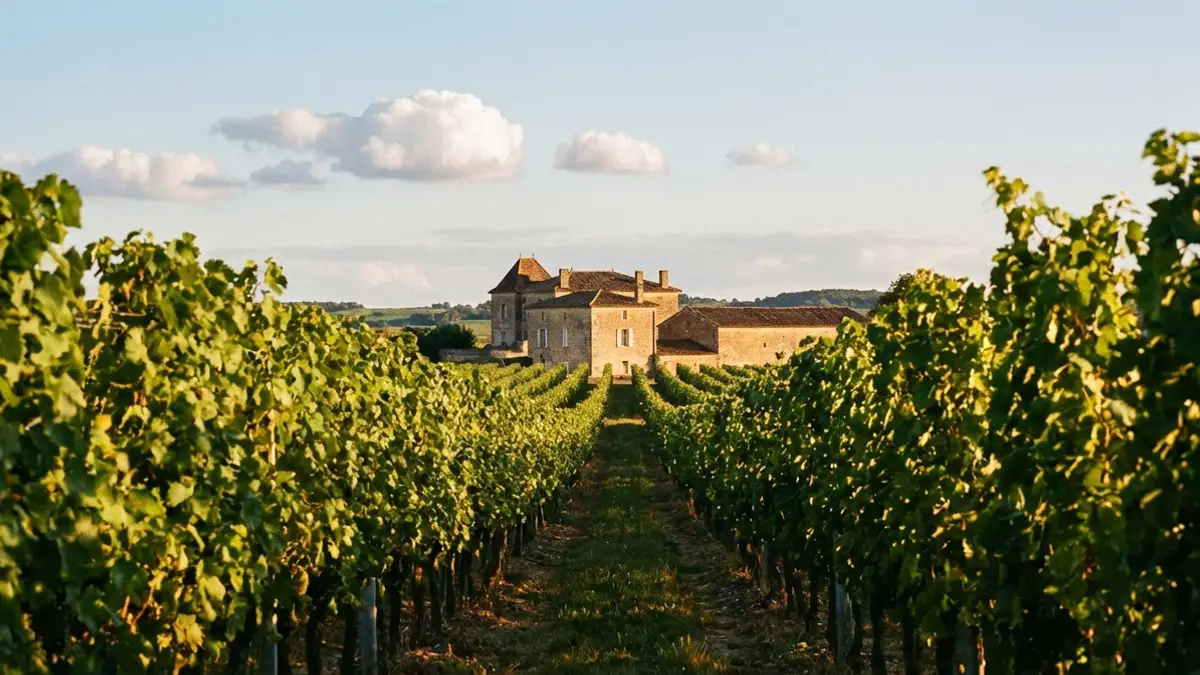
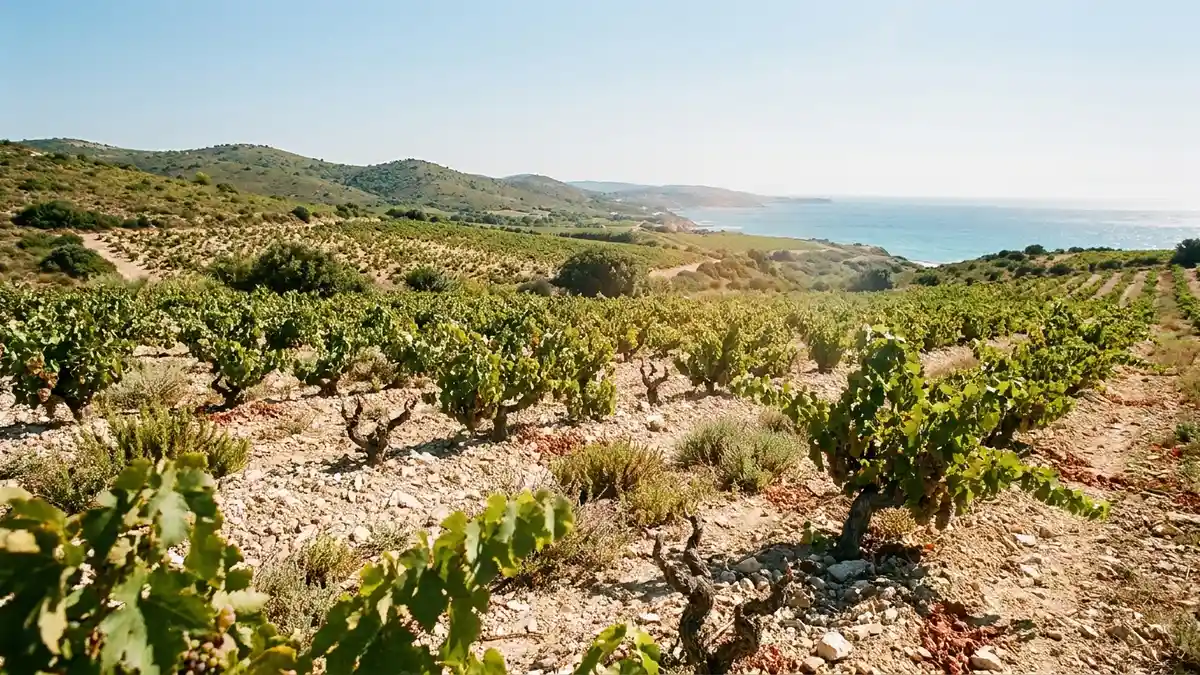
The Languedoc stretches across the south of France in a great crescent that hugs the Mediterranean coast. To the east it picks up where the southern Rhône leaves off; to the south and west it runs through Roussillon to the foothills of the Pyrenees and the Spanish frontier. Together this is the single biggest vineyard area in France and one of the largest in the world.
The defining feature is sunshine. This is a hot, dry, reliably sunny climate cooled by sea breezes and by the Tramontane — a fierce inland wind that dries the vines, keeps disease at bay, and concentrates flavor in the grapes. Rain is scarce, summers are long, and ripeness is rarely in doubt. That natural generosity is exactly why the region became France's volume powerhouse, and later its value powerhouse.
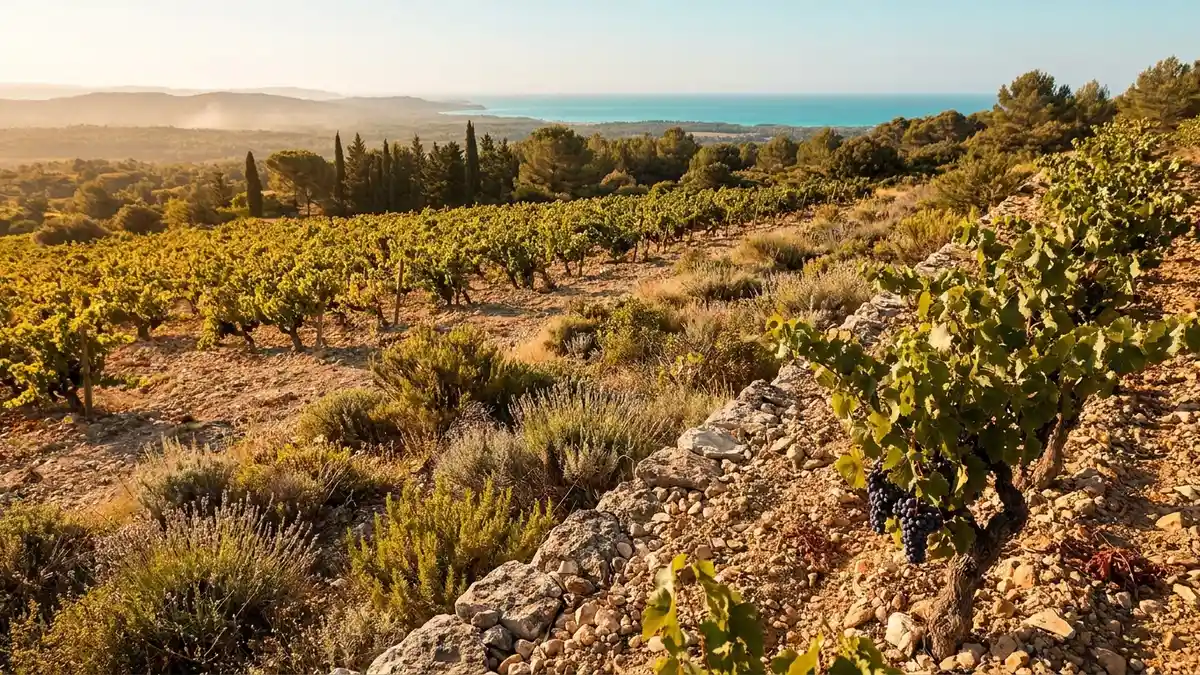
Soils shift from coastal sand and clay near the lagoons up to limestone, schist, and rolling stony hillsides inland. Many of the best sites climb away from the heat of the plain into cooler, higher ground where the wines keep their freshness. The wild herbal scrubland blanketing those hills has a name worth knowing.
Garrigue: The Flavor of the Hillsides
If one word unlocks Languedoc reds, it is garrigue (the wild, low-growing Mediterranean scrub of thyme, rosemary, lavender, juniper, and sun-baked herbs). The same word describes a savory, resinous, herbal quality that turns up in the wines themselves, layered over ripe dark fruit. It is the region's signature, the thing that tells you a red came from these hot, herb-strewn hills rather than from somewhere greener and cooler.
For a beginner, garrigue is one of the most satisfying things to learn to spot, because it appears so consistently. Pour a warm Languedoc red and look past the blackberry and plum for something drier and more aromatic underneath — dried herbs, a whiff of pine resin, a hint of pepper.
Typical aromas in a Languedoc red: blackberry, plum, dried thyme and rosemary, black pepper, licorice, and a warm hint of leather. Body: medium-to-full (4/5) · Tannins: medium-to-firm (3-4/5) · Acidity: medium (3/5) · Alcohol: generous, often 14% and up. The Sommy app turns aromas like garrigue into a guided exercise, so you can train your nose to catch it the moment it appears.
The Grapes Behind Languedoc Reds
Languedoc reds are almost always blends, and the cast is the same Mediterranean family that dominates the southern Rhône and much of warm-climate France. Knowing the four or five core grapes tells you most of what is in the bottle.
- Grenache: The warm, generous heart of most blends. Brings ripe red and dark fruit, high alcohol, soft tannins, and a sweet-spiced lift. Our Grenache wine guide covers the grape in depth across the regions it calls home.
- Syrah: Adds color, structure, and a savory black-pepper, blackberry edge. It tightens up a Grenache-led blend and gives it backbone and ageability.
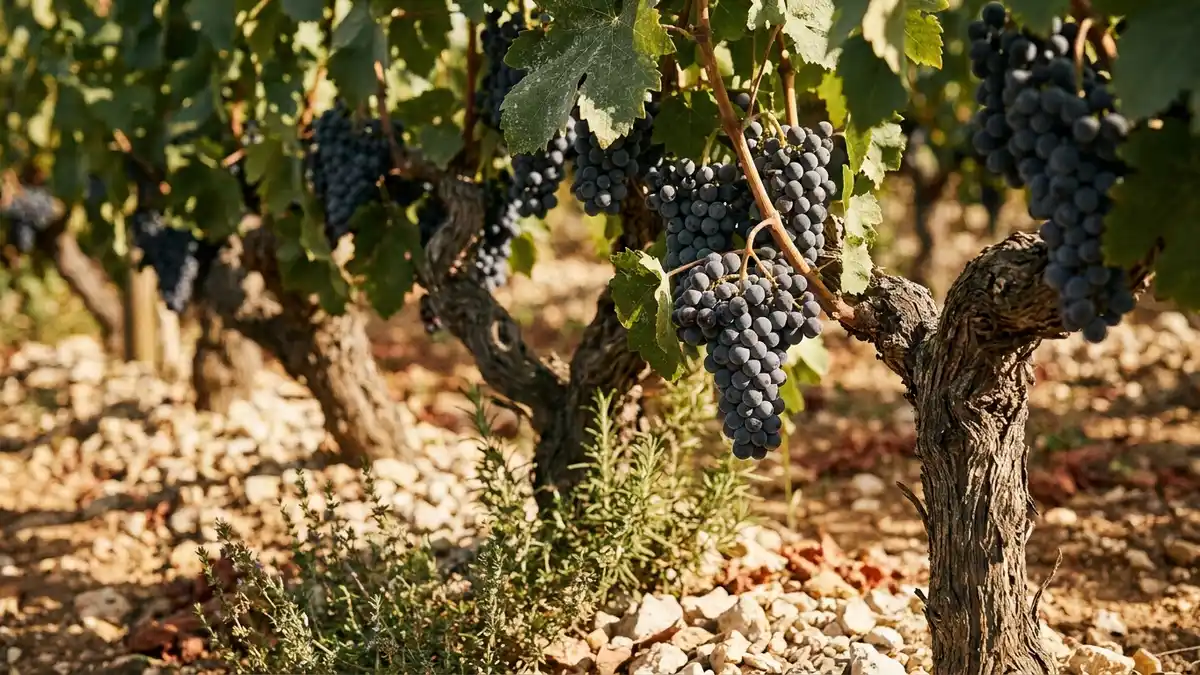
- Mourvèdre: The dark, brooding, gamey grape that thrives in the heat near the coast. Contributes firm tannins, meaty depth, and longevity. Grenache, Syrah, and Mourvèdre together form the classic GSM blend.
- Carignan: The region's old-vine workhorse. Once planted for sheer volume, gnarled century-old Carignan vines now make some of the Languedoc's most characterful, deeply colored, brambly reds. Our Carignan wine guide explains its redemption from bulk grape to cult variety.
- Cinsault: A softer, juicier grape that lightens blends and shines in rosé. It keeps the heavier reds drinkable and feeds the region's pale, refreshing pink wines.
One more grape worth a mention is Counoise, a minor but valued blending variety that adds spice and freshness — our Counoise wine guide covers this quiet supporting player. Together these grapes give the Languedoc its house red style: warm, fruit-forward, herbal, and built for the table.
The Key Red Appellations
The Languedoc is no longer a sea of anonymous bulk wine. Over the past few decades it has carved out named AOP appellations (Appellation d'Origine Protégée — a defined area with rules on grapes and yields) that mark out its best terroirs. These are the names to look for, and each has its own personality.
- Corbières: One of the largest and best-known appellations, sprawling across rugged hills inland from the coast. Warm, robust GSM-and-Carignan reds with strong garrigue character and real depth for the price.
- Minervois: North of Corbières on sunny limestone slopes. Generally a touch more refined and aromatic, with a sub-zone, Minervois-La Livinière, recognized for greater concentration and finesse.
- Faugères: A smaller, higher appellation on schist soils (dark, slatey, mineral-rich rock). The schist gives the reds a firmer, more mineral, almost smoky edge that sets them apart from the softer clay-grown wines.
- Fitou: The oldest red AOP in the Languedoc, split between coastal and mountain zones. Carignan-driven, sturdy, and dependable — a classic introduction to the region's traditional style.
- Pic Saint-Loup: A cooler, higher-altitude appellation north of Montpellier, prized for fresher, more elegant Syrah-led reds with bright acidity — proof that the Languedoc can do finesse as well as power.
The pattern to remember: hotter, lower sites near the plain give riper, rounder, softer reds, while cooler, higher, stonier sites like Faugères and Pic Saint-Loup give fresher, firmer, more structured ones. Picking an appellation is really picking a position on that warmth-to-freshness scale.
The genius of the Languedoc is that it sells the warmth of the south at the price of an everyday bottle.
Crisp Whites and Coastal Refreshment
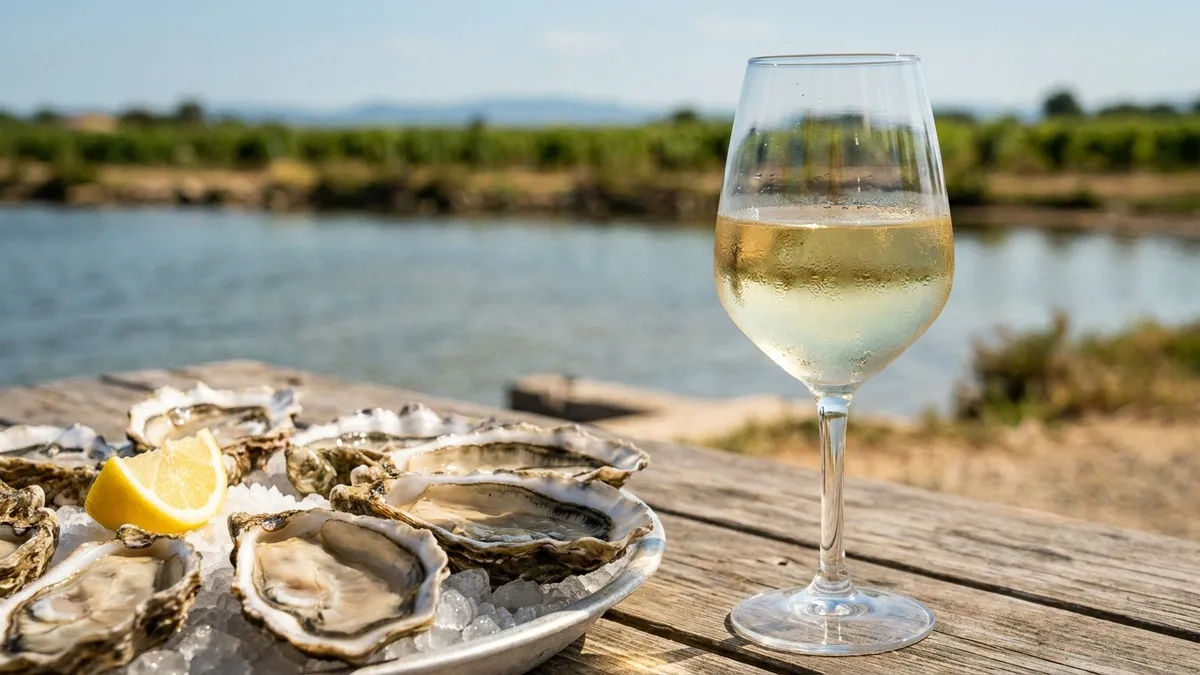
The Languedoc is red-wine country first, but its whites have quietly become some of the smartest buys in France. The star is Picpoul de Pinet, a bone-dry coastal white from the Picpoul grape, whose name translates roughly as "lip-stinger" for its mouthwatering acidity.
Grown on flat land beside the Étang de Thau — a coastal lagoon famous for oysters — Picpoul tastes of lemon, green apple, and a saline, sea-spray freshness that makes it a natural partner for shellfish. It is crisp, clean, and almost always a bargain. Our dedicated Picpoul de Pinet guide digs deeper into this coastal classic.
Beyond Picpoul, the region's white blends draw on the southern French toolkit:
- Grenache Blanc: Round, soft, and full-bodied, the backbone of many richer whites.
- Marsanne and Roussanne: The Rhône duo, adding weight, stone-fruit aromatics, and a honeyed texture.
- Vermentino (Rolle): Bright, citrusy, and herbal, increasingly popular for fresh, modern whites.
These whites range from lean and zippy on the coast to rounder and more textured inland, and like the reds they almost always overdeliver for the money.
Limoux: France's Original Sparkling Wine
Tucked into the cooler, higher western Languedoc near the town of Limoux sits one of France's most underrated sparkling regions. Local tradition claims that monks here were making fizzy wine decades before Champagne, which gives Limoux a fair claim to being the birthplace of French sparkling wine.
There are two styles, both made by the traditional method (a second fermentation inside the bottle, the same process used in Champagne):
- Blanquette de Limoux: The older, more rustic style, built mainly on the local Mauzac grape, which brings a distinctive baked-apple and fresh-bread character. Lively, characterful, and inexpensive.
- Crémant de Limoux: The finer, more polished style, using more Chardonnay and Chenin Blanc for a creamier, more Champagne-like elegance. One of the best-value traditional-method sparklers anywhere in France.
For anyone who loves Champagne but not its price, Limoux is one of the great discoveries of this Languedoc wine guide — serious bubbles for a weeknight budget.
Roussillon and the Fortified Sweet Wines
The southern stretch of the arc, Roussillon, presses up against the Spanish border and the Pyrenees. Sunnier and more Catalan in character than the Languedoc proper, it is the home of France's great fortified sweet reds: the vins doux naturels.
A vin doux naturel is made by adding neutral grape spirit partway through fermentation, which stops the yeast and locks in natural grape sweetness along with higher alcohol. The two famous names are:
- Maury: A rich, Grenache-based sweet red from schist hillsides, full of cocoa, dried fig, and black cherry. Often aged in an oxidative style that adds coffee and dried-fruit complexity.
- Banyuls: Made on steep coastal terraces near the sea, also Grenache-led, sometimes deliberately exposed to sun and air for a nutty, caramelized depth. Its classic match is dark chocolate — one of the most reliable dessert pairings in all of wine.
These wines are a world away from the dry table reds, but they share the region's Grenache backbone and its generous southern warmth. They show just how much range hides inside one Mediterranean arc.
IGP Pays d'Oc: Value by the Grape
Not every Languedoc wine fits inside a strict appellation, and that flexibility is a feature, not a flaw. The region is the heartland of IGP Pays d'Oc (Indication Géographique Protégée — a looser regional tier with fewer rules than AOP), which covers the whole area and allows producers to do something most French appellations forbid: label the wine by its grape.
That makes IGP Pays d'Oc the most beginner-friendly corner of French wine. Instead of decoding a place name, you can buy a bottle that simply says Syrah, Chardonnay, Sauvignon Blanc, or Viognier on the front, made cleanly and sold cheaply. It is the perfect bridge for anyone used to New World varietal labelling who finds traditional French labels intimidating.
The trade-off is sense of place. An AOP like Faugères or Pic Saint-Loup will taste more specifically of where it came from, while an IGP varietal puts the grape front and center. Neither is better; they serve different moments. For learning what a single grape tastes like, IGP Pays d'Oc is hard to beat, and the Sommy app pairs perfectly with that kind of side-by-side, grape-by-grape tasting.
How a Beginner Should Start with Languedoc Wine
You do not need a big budget to understand the Languedoc — that is the whole point of the region. The smartest path is to taste deliberately across its main styles and notice how warmth, herbs, and freshness shift from bottle to bottle. Here is a practical order:
- Begin with a named red. Pick a Corbières or Minervois to meet the warm, herbal GSM style at its most classic. Look past the dark fruit for the garrigue underneath.
- Add a crisp coastal white. A bottle of Picpoul de Pinet shows the bright, saline, oyster-friendly side of the region and costs very little.
- Taste one grape cleanly. Grab an IGP Pays d'Oc Syrah or Chardonnay to learn a single varietal without a blend muddying the picture.
- Compare warm and cool sites. Open a softer plain-grown red beside a fresher Pic Saint-Loup or Faugères. Same region, different altitude — the freshness gap is obvious.
- Finish with bubbles or sweetness. A Crémant de Limoux or a small glass of Banyuls rounds out the range and shows just how versatile the arc is.
As you taste, note the structure — the ripe fruit, the herbal lift, the generous alcohol, the soft-to-firm tannins. Our guide to how to taste wine gives you the step-by-step method, and our overview of the noble grapes helps you place Syrah and Grenache in the wider family of varieties worth knowing first.
Sommy turns these comparisons into guided exercises — naming the aromas, scoring the structure, and building the vocabulary to describe what you sense. You can start practicing free at sommy.wine, then bring the method to your next bottle of Corbières or Picpoul.
The Languedoc Wine Guide to Finding Real Value
The reputation for value is earned, but value is not the same as cheap. The Languedoc rewards a little knowledge with wines that punch above their price, and the trick is knowing where the quality concentrates.
Old vines are the first signal. Decades-old Carignan and Grenache vines, planted when the region chased volume, now yield tiny crops of intense, concentrated fruit. A wine that mentions old vines or a top sub-zone like Minervois-La Livinière usually overdelivers.
Altitude is the second signal. As warming summers push the lowland plains toward over-ripeness, cooler, higher hillside sites — Pic Saint-Loup, Faugères, the upper reaches of Minervois — increasingly hold the freshness and balance that make a wine ageworthy rather than merely big.
Our guide to French wine regions shows how the Languedoc compares with the grander, pricier names to the north — and why, for everyday drinking, the south so often wins on value.
The Reward of Learning the Languedoc
The Languedoc asks less of a beginner than almost any other French region and gives plenty back. There is no four-tier pyramid to memorize and no cult of rare producers to chase. Learn the GSM blend, recognize garrigue, remember a handful of appellation names, and understand the AOP-versus-IGP split, and you can shop the whole region with confidence.
Start small, taste across the styles, and let the warmth of the south reveal itself one affordable glass at a time. The Sommy app is built to make that habit stick — turning each bottle into a short, guided lesson so the next Languedoc you open is a little clearer, and a lot more rewarding, than the last.
Sources
Frequently Asked Questions
What grapes does Languedoc wine use?
Red Languedoc leans on a Mediterranean blend of Grenache, Syrah, and Mourvèdre, often rounded out with old-vine Carignan and Cinsault. Whites include Picpoul, Grenache Blanc, Marsanne, Roussanne, and Vermentino. Limoux uses Mauzac and Chardonnay for sparkling, while Roussillon's fortified sweet wines lean on Grenache in red, white, and gris forms.
Why is Languedoc wine such good value?
The Languedoc is France's largest wine region by volume, with abundant sunshine that ripens grapes reliably and low land costs compared with Bordeaux or Burgundy. It built its reputation on quantity, then shifted toward quality, so serious wines still carry modest prices. The named appellations now deliver structure and character for a fraction of what equivalent wines cost in famous regions.
What is garrigue in wine?
Garrigue is the wild scrubland that covers the Languedoc hillsides — thyme, rosemary, lavender, juniper, and sun-baked herbs. The word also describes a savory, herbal-resinous character that shows up in the region's reds, layered over ripe dark fruit. It is one of the clearest fingerprints of place in Languedoc wine and a flavor beginners learn to recognize quickly.
What is Picpoul de Pinet?
Picpoul de Pinet is a crisp, dry white from the Languedoc coast made from the Picpoul grape, whose name means lip-stinger for its zesty acidity. It tastes of lemon, green apple, and a saline, almost sea-spray freshness, and it pairs naturally with the oysters and shellfish of the nearby Étang de Thau. It is one of the region's best-value whites.
Is Limoux a sparkling wine?
Limoux in the western Languedoc makes two traditional sparkling wines. Blanquette de Limoux uses mostly the Mauzac grape and claims to predate Champagne. Crémant de Limoux uses more Chardonnay and Chenin Blanc for a finer, more Champagne-like style. Both are made by the traditional method with a second fermentation in the bottle, and both offer real value.
What are Maury and Banyuls?
Maury and Banyuls are fortified sweet red wines from Roussillon in the far south. They are vins doux naturels, made by adding grape spirit during fermentation to stop it early, leaving natural sweetness and higher alcohol. Grenache-based and rich with notes of cocoa, dried fig, and coffee, they pair famously with dark chocolate and are aged in a deliberately oxidative style.
What is the difference between AOP and IGP in Languedoc?
AOP, or Appellation d'Origine Protégée, marks wines from a defined area following strict rules on grapes and yields — names like Corbières, Minervois, or Picpoul de Pinet. IGP, or Indication Géographique Protégée, is a looser regional tier, most famously IGP Pays d'Oc, which allows single varietal wines labelled by grape. IGP offers flexibility and value; AOP offers stronger sense of place.
Where should a beginner start with Languedoc wine?
Start with a named appellation red such as Corbières or Minervois to meet the warm, herbal GSM style, and a bottle of Picpoul de Pinet for a crisp white. Try an IGP Pays d'Oc single varietal to taste one grape cleanly, then add a Crémant de Limoux for sparkling. This spread shows the region's range without overspending.
Sommy Team
LinkedInFounder & Wine Educator
The Sommy Team is building the world's most approachable wine education app, helping beginners develop real tasting skills through structured courses and AI-guided practice.