Counoise and the Minor Rhône Grapes You Should Know

By the Sommy Team — AI-assisted, human-edited.
Updated Jun 17, 2026
Contents (7)
TL;DR
Counoise is one of the 13 grapes permitted in Châteauneuf-du-Pape, prized for adding white pepper, bright acidity, and aromatic lift to Grenache-Syrah-Mourvèdre blends. It contributes pale color, low tannin, and spice rather than power. Alongside Cinsault, Clairette, Bourboulenc, and others, it shows how minor Rhône grapes shape a region's finest reds and whites.
What Are Counoise and the Minor Rhône Grapes?
Counoise is one of the 13 grapes permitted in Châteauneuf-du-Pape, and among the Counoise Rhône grapes it plays a specific, valuable role: it adds white pepper, bright acidity, and aromatic lift to red blends led by Grenache, Syrah, and Mourvèdre. It is a pale red grape, low in tannin and high in acid, which freshens a wine rather than fattening it. Counoise rarely stars on a label, but it sits alongside eight other minor Rhône grapes — Cinsault, Terret Noir, Vaccarèse, Muscardin, Picardan, Bourboulenc, Clairette, and Picpoul — that quietly shape the southern Rhône's most celebrated wines. Understanding these supporting players reveals how a great blend is built.
Why Counoise Earns Its Spot in the 13 Grapes
Most wine drinkers know Châteauneuf-du-Pape for Grenache (the warm, generous grape that forms the backbone of most southern Rhône reds) and for the GSM blend (a combination of Grenache, Syrah, and Mourvèdre that anchors the region). Far fewer can name the grape that often supplies the wine's peppery snap.
Counoise is a seasoning grape, not a backbone grape. A winemaker rarely uses more than a small percentage, but that small percentage does real work. Grenache ripens to high sugar and warmth, which can make a blend feel heavy or jammy. Counoise pushes back. Its naturally high acidity sharpens the structure, while its peppery aromatics add a savory lift that keeps the wine from tasting one-dimensional.
The grape ripens late and unevenly, and it gives low yields, so it is more trouble than it is worth for bulk wine. That is precisely why finding it in a blend signals intent. A producer who keeps Counoise in the vineyard is choosing freshness and complexity over easy volume.
Counoise Tasting Notes and Flavor Profile
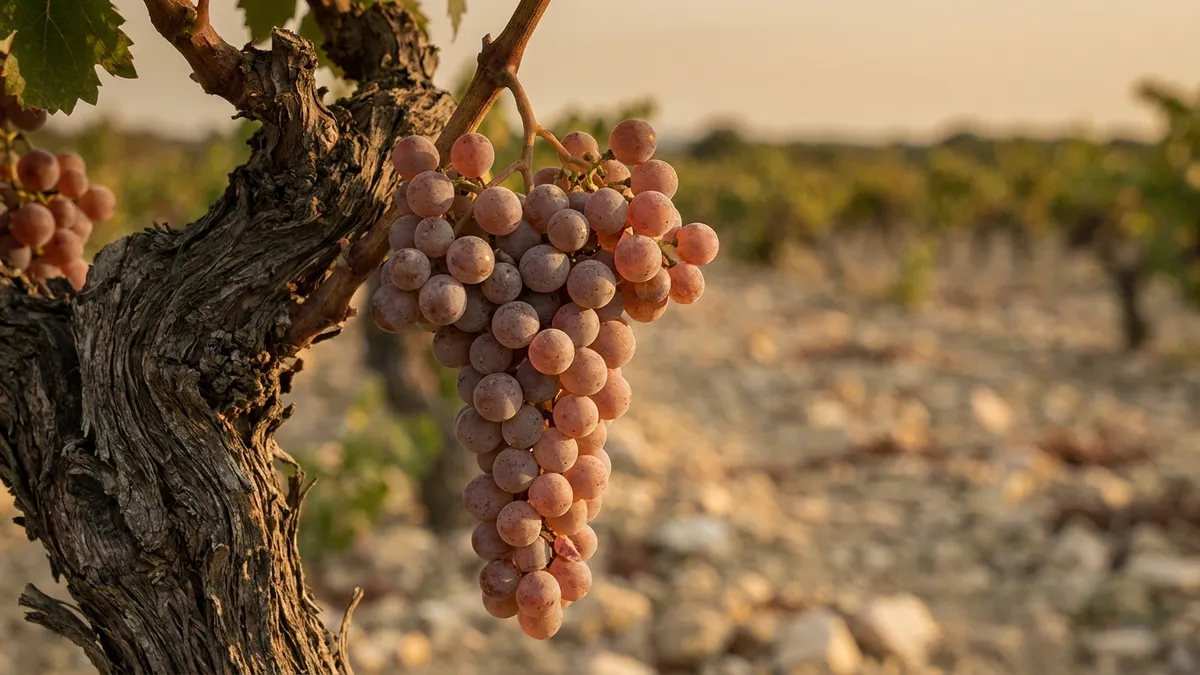
On the rare occasions Counoise is bottled alone, it shows a distinctive, almost delicate personality that explains its blending role perfectly.
Typical aromas: cranberry, red cherry, white pepper, dried herbs, a touch of black tea.
- Color — pale ruby, often lighter than Pinot Noir, with little of Grenache's depth
- Body: light to medium (2/5) · Acidity: high (4/5) · Tannins: low (2/5)
- Flavor — tart red berry up front, peppery spice through the middle, a fresh and savory finish
- Best role — a small share of a blend, where its acidity and pepper sharpen richer grapes
That profile is exactly what a Grenache-heavy wine often lacks. Where Grenache brings warmth and sweet red fruit, Counoise brings tension and spice. If you want to understand how these structural elements work together, the guide to tannins, acidity, and body breaks down each one and why balance matters more than any single trait.
Sommelier tip: When a southern Rhône red tastes unusually fresh and peppery despite being rich and ripe, a splash of Counoise or its cousins is often the reason. Train yourself to notice that lift, and you will start to taste the blend rather than just the lead grape.
How Counoise Shapes a GSM Blend
To understand Counoise, picture the GSM blend as a team. Each grape has a job, and the minor grapes solve problems the famous ones cannot.
- Grenache — the base. Supplies ripe red fruit, warmth, alcohol, and a generous, round texture. It is the most planted grape in the southern Rhône and the foundation of most blends.
- Syrah — the spine. Adds dark fruit, color, firmer tannins (the drying, gripping sensation reds leave on your gums), and savory pepper.
- Mourvèdre — the grip. Brings structure, earthy and gamey depth, and the tannic backbone that lets a wine age.
- Counoise — the lift. Sharpens acidity and layers in white pepper and bright red berry, keeping the whole blend fresh and lively.
Remove Counoise and a warm-vintage Grenache blend can sag — soft, sweet, and short on energy. Add a small share and the wine snaps into focus. This is the central lesson of Rhône blending: the goal is not the strongest single grape but the most complete combination. For a fuller look at how the lead varieties interact, the Rhône blend grapes guide walks through the GSM framework in detail, and the dedicated Grenache guide covers the grape that anchors it all.
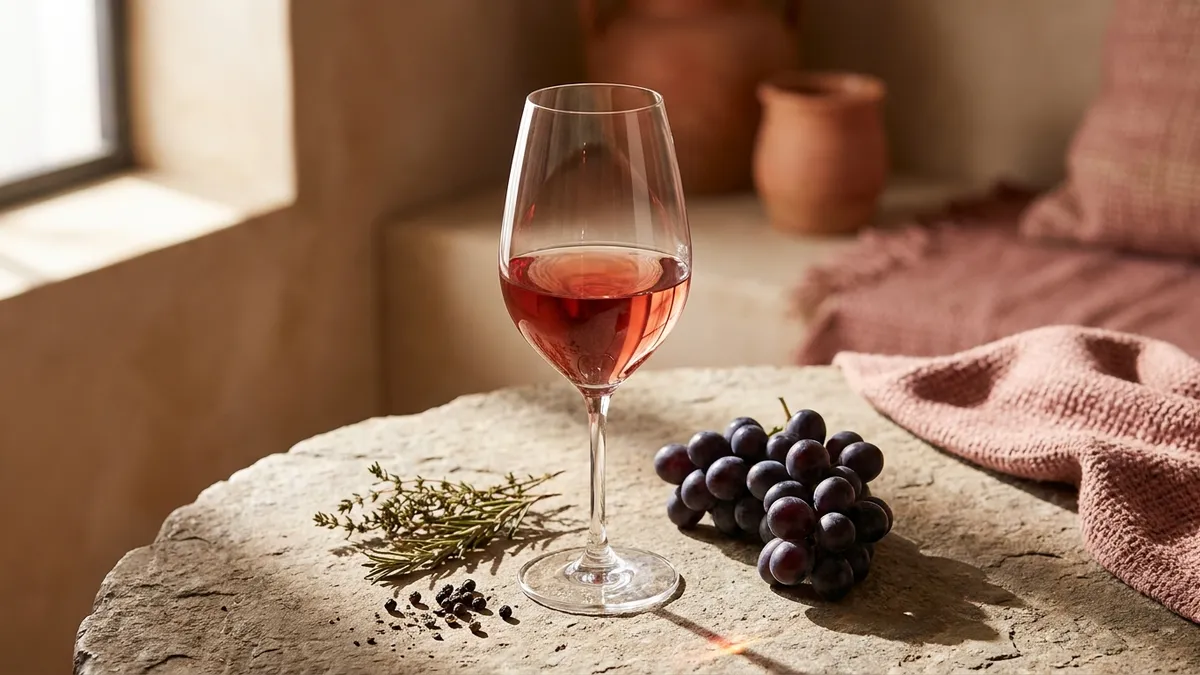
The Sommy app walks you through identifying acidity, tannin, and aromatic lift in real glasses, which is the exact skill that lets you taste a minor grape's contribution inside a finished blend.
The Other Minor Rhône Grapes You Should Know
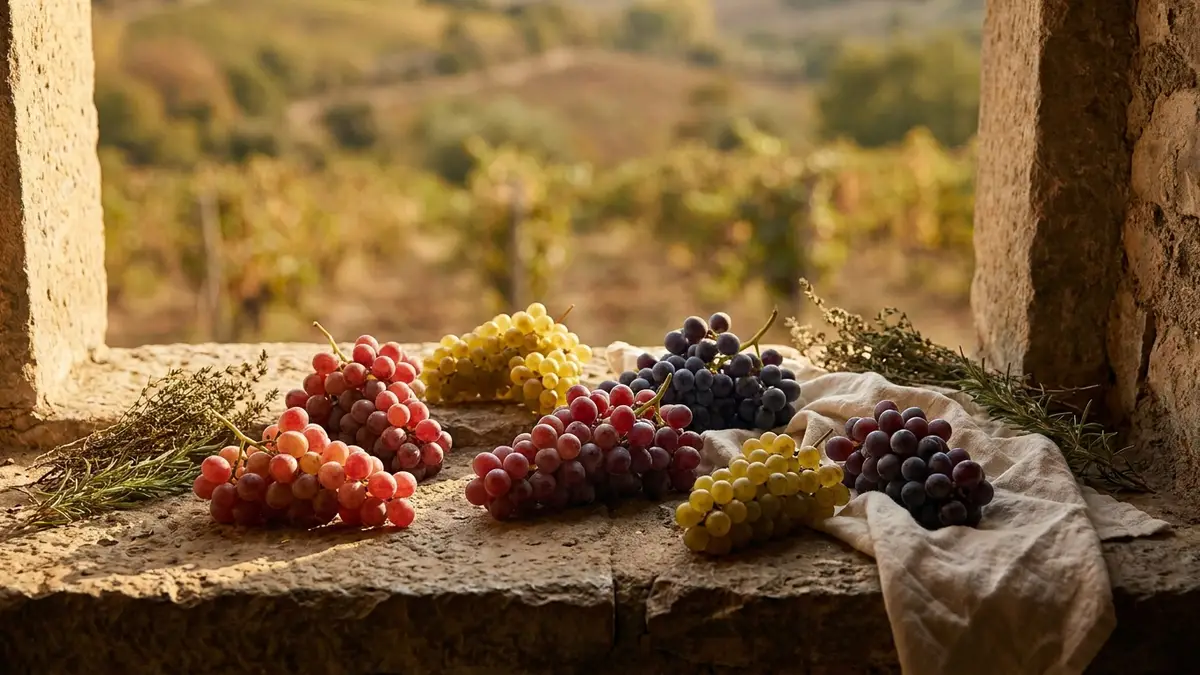
Counoise is the most talked-about of the southern Rhône's supporting cast, but it shares the stage with eight other minor grapes permitted in Châteauneuf-du-Pape. Some are red, some are white, and each adds something specific. Here is what they bring.
Minor Red Grapes
These red varieties join Grenache, Syrah, and Mourvèdre in the blend, each adding a different texture or flavor.
- Cinsault — a soft, perfumed red with low tannin and bright red-fruit and floral notes. It adds suppleness and aroma, and it is a star of southern French rosé. If you enjoy pink wine, the rosé grapes guide covers how grapes like Cinsault and Grenache shape it.
- Terret Noir — a rare, pale, high-acid red that contributes freshness and a light, almost spritzy energy. Low in color and tannin, it is a freshening agent more than a flavor grape.
- Vaccarèse — also called Brun Argenté, a peppery red with good acidity and a savory, herbal edge. It adds spice and structure in small amounts.
- Muscardin — a light, aromatic red with floral, peppery notes and firm acidity. It lifts the perfume of a blend without adding weight or color.
Minor White Grapes
Châteauneuf-du-Pape also makes white wine, and these grapes shape it. Several can legally be co-fermented into the reds, too.
- Clairette — a low-acid, gently floral white offering pear, fennel, and a soft, rounded texture. It is a cornerstone of southern Rhône whites and adds body and aromatic warmth.
- Bourboulenc — a high-acid, citrus-and-herb white that brings freshness and structure. It balances richer grapes like Clairette and Roussanne and ages surprisingly well.
- Picpoul — a piercingly high-acid white meaning "lip-stinger," full of lemon and green-apple zip. It adds brightness and energy to white blends and makes a crisp varietal wine in the Languedoc.
- Picardan — the rarest of the 13, a neutral, low-key white that adds a little acidity and freshness. It survives mostly as a historical curiosity in a few old vineyards.
How the Minor Grapes Compare
If you keep the difference between freshening grapes and structuring grapes in mind, the cast becomes easy to remember.
- Counoise — Color: pale red · Role: pepper and acidity · Strength: aromatic lift in reds
- Cinsault — Color: light red · Role: softness and perfume · Strength: rosé and supple texture
- Terret Noir — Color: pale red · Role: freshness · Strength: high acidity, low weight
- Vaccarèse — Color: medium red · Role: spice and structure · Strength: savory, peppery edge
- Muscardin — Color: light red · Role: perfume and acidity · Strength: floral lift
- Clairette — Color: white · Role: body and warmth · Strength: rounded, floral texture
- Bourboulenc — Color: white · Role: freshness · Strength: high acid, ageability
- Picpoul — Color: white · Role: brightness · Strength: zesty lemon-lime acidity
- Picardan — Color: white · Role: subtle freshness · Strength: gentle, neutral lift
Why Minor Grapes Make Great Wines Better
It is tempting to dismiss a grape used at five percent of a blend. Why bother learning Counoise when Grenache does most of the work? Because the difference between a good Rhône blend and a great one usually lives in those small percentages.
Think of it like cooking. The base ingredient defines the dish, but the seasoning makes it memorable. A pinch of pepper, a squeeze of acid, a handful of herbs — none of them dominate, but remove them and the dish falls flat. The minor Rhône grapes are that seasoning. Counoise is the pepper and the acid. Cinsault is the perfume. Mourvèdre is the savory depth.
This is why the world's most ambitious blends keep these grapes alive despite their low yields and difficult ripening. A producer who plants Counoise, Vaccarèse, and Muscardin is investing in complexity that machines and bulk economics would happily eliminate. The result is a wine with more layers, better balance, and more character than any single grape could deliver.
How to Taste a Blend Like a Pro
The skill that separates beginners from confident tasters is learning to taste into a blend — to notice the components rather than just the overall impression.
- Start with the obvious. Identify the ripe red fruit and warmth that signal Grenache.
- Look for the pepper. A savory, peppery snap often points to Syrah or a splash of Counoise.
- Feel the grip. Drying, structured tannins on the finish usually mean Mourvèdre.
- Notice the lift. A surprising freshness in a rich wine is the work of high-acid minor grapes.
This is exactly the kind of layered tasting that improves fastest with structured practice. The guide to how to taste wine gives you a repeatable method, and the Sommy app turns it into guided exercises so you can build the habit one glass at a time.
Where Counoise Grows Beyond the Rhône
While Counoise is rooted in the southern Rhône, a small but enthusiastic group of growers cultivates it elsewhere. In California and Washington, Rhône-focused producers grow Counoise for the same reason their French counterparts do: it brings freshness and pepper to warm-climate blends that might otherwise turn flabby. Some bottle it as a rare varietal wine, showcasing its tart cranberry and spice in pure form.
This quiet spread mirrors a broader trend. As drinkers tire of heavy, high-alcohol reds, grapes that deliver lift and acidity are getting a second look. Counoise sits comfortably among the indigenous grapes worth trying — the kind of variety that rewards curiosity and broadens your palate beyond the famous names.
If you want to go deeper into the southern Rhône's lead varieties, start with the Grenache guide to understand the grape Counoise is built to support, then revisit how the full blend comes together. And to keep building your tasting vocabulary across grapes and styles, the Sommy app offers structured courses that move from the noble grapes to the fascinating minor players, grape by grape.
Bringing the Minor Rhône Grapes Together
Counoise and its fellow minor grapes are a reminder that wine is built, not bottled. The famous names — Grenache, Syrah, Mourvèdre — get the headlines, but the supporting cast supplies the balance, freshness, and complexity that turn a pleasant red into a memorable one.
Next time you open a southern Rhône blend, slow down and taste for the layers. Find the warm fruit, then hunt for the pepper, the acidity, the savory grip. Somewhere in that wine, a grape you have never seen on a label is doing essential work. Learning to recognize that contribution is one of the most rewarding steps in developing a real tasting palate — and it starts with knowing the names. For the bigger picture of which varieties anchor a wine education, the guide to the noble grapes is the natural next stop.
Sources
Frequently Asked Questions
What does Counoise taste like?
Counoise tastes of bright red berry, cranberry, and white pepper with a peppery, spicy lift. It is pale in color, low in tannin, and high in acidity, which gives it a fresh, almost juicy character. On its own it is light and aromatic rather than powerful, which is why it is usually used in small proportions within a blend.
Is Counoise one of the Châteauneuf-du-Pape grapes?
Yes. Counoise is one of the 13 grape varieties officially permitted in Châteauneuf-du-Pape. It is a minor red grape used in small amounts to add pepper, spice, acidity, and aromatic lift to blends led by Grenache, Syrah, and Mourvèdre. A handful of producers prize it for the freshness it brings to otherwise rich, powerful wines.
How is Counoise used in GSM blends?
Counoise is a seasoning grape rather than a backbone grape in a GSM (Grenache-Syrah-Mourvèdre) blend. Winemakers add a small percentage to lift aromatics, sharpen acidity, and introduce a peppery, spicy edge. Because it contributes little color or tannin, it freshens the blend without weighing it down, balancing Grenache's warmth and Mourvèdre's grip.
What are the 13 Châteauneuf-du-Pape grapes?
Châteauneuf-du-Pape permits 13 grape varieties (18 if you count color variants separately). The reds include Grenache, Syrah, Mourvèdre, Cinsault, Counoise, Vaccarèse, Terret Noir, and Muscardin. The whites include Clairette, Bourboulenc, Roussanne, Picpoul, and Picardan. Most wines lean heavily on Grenache, with the others adding structure, freshness, or aromatic complexity.
Is Counoise a red or white grape?
Counoise is a red grape, but a very pale one. It produces light, almost translucent juice with low tannin and high acidity. Because of this delicate profile, it is rarely bottled on its own and almost always blended, where its job is to add pepper, spice, and lift rather than depth of color or body.
Why do minor Rhône grapes matter if Grenache dominates the blend?
Minor Rhône grapes act like seasoning in cooking. Grenache supplies the warm, fruity base, but Counoise adds pepper and acidity, Mourvèdre adds grip and savory depth, and Cinsault adds softness and perfume. Each grape solves a problem the lead grape cannot, so the finished blend tastes more complete, balanced, and complex than any single variety could.
Where can I find wines made with Counoise?
Counoise appears mostly in southern Rhône blends, especially Châteauneuf-du-Pape and Côtes du Rhône, usually as a small component listed on technical sheets rather than the label. A few producers in California and Washington also grow it, often labeling it as a varietal or featuring it in Rhône-style blends for its fresh, peppery character.
Sommy Team
LinkedInFounder & Wine Educator
The Sommy Team is building the world's most approachable wine education app, helping beginners develop real tasting skills through structured courses and AI-guided practice.