Which Grapes Make Rosé? A Grape-by-Grape Breakdown

By the Sommy Team — AI-assisted, human-edited.
Updated Jun 16, 2026
Contents (6)
TL;DR
Rosé wine is made from red grapes given short skin contact, not by blending red and white wine. The exceptions are sparkling rosé. The most common rosé grapes are Grenache, Syrah, Mourvèdre, Cinsault, Tempranillo, Sangiovese, Pinot Noir, Cabernet Franc, and Zinfandel, each lending a distinct color and flavor.
What Grapes Make Rosé Wine?
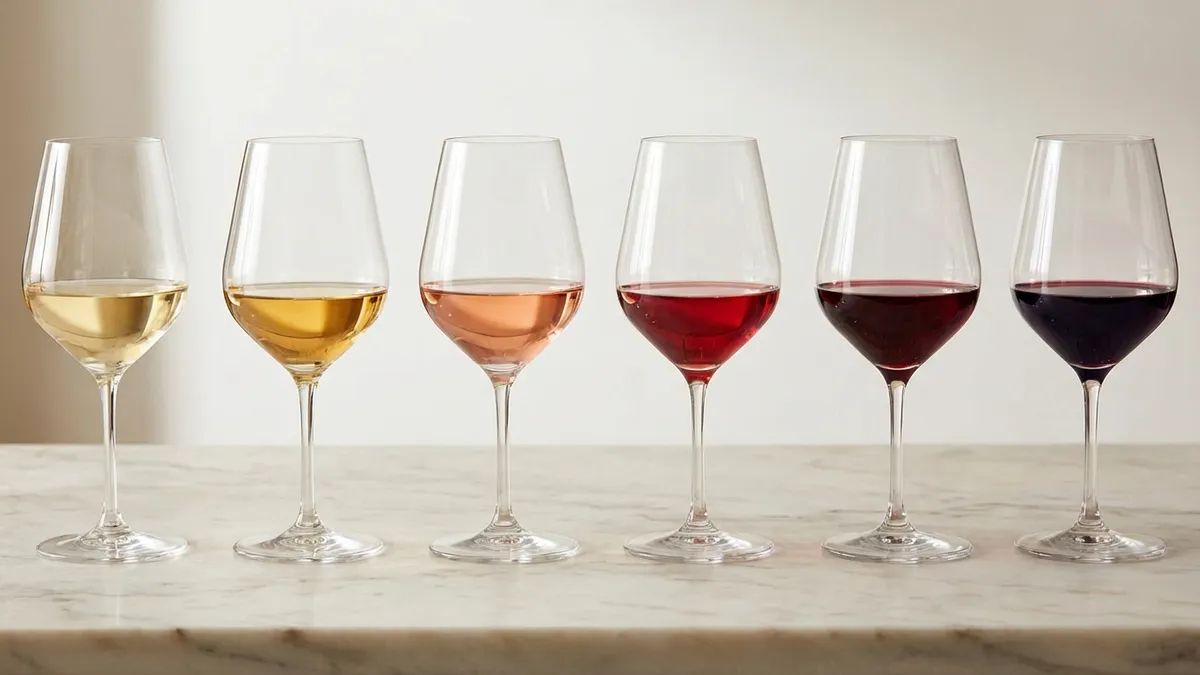
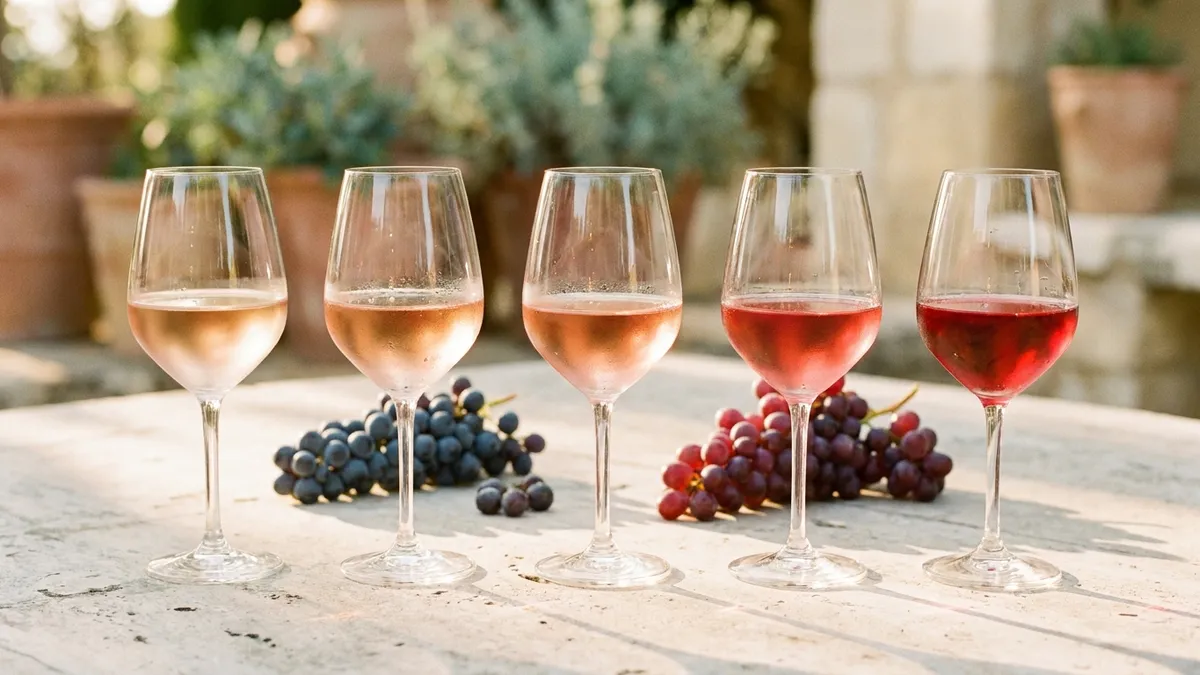
Almost every still rosé is made from red grapes — the same dark-skinned grapes used for red wine — given only brief contact with their skins. The grape decides the color and flavor; the short skin contact keeps the juice pink instead of deep red. The most planted rosé grapes are Grenache, Syrah, Mourvèdre, Cinsault, Tempranillo, Sangiovese, Pinot Noir, Cabernet Franc, and Zinfandel. Provence, which sets the global benchmark for dry pink wine, blends Grenache, Cinsault, and Syrah. Color depth tracks skin thickness and contact time: a few hours gives pale salmon, a full day gives cherry-pink. The one real exception to the red-grape rule is sparkling rosé, where producers may add a splash of red wine.
How Rosé Is Actually Made
Before naming the grapes, it helps to understand the three things that happen between the vine and the glass. The grape supplies the raw material, but the winemaking method decides how much of that grape's color and flavor ends up in the wine.
It Starts With Red Grapes, Not a Mixture
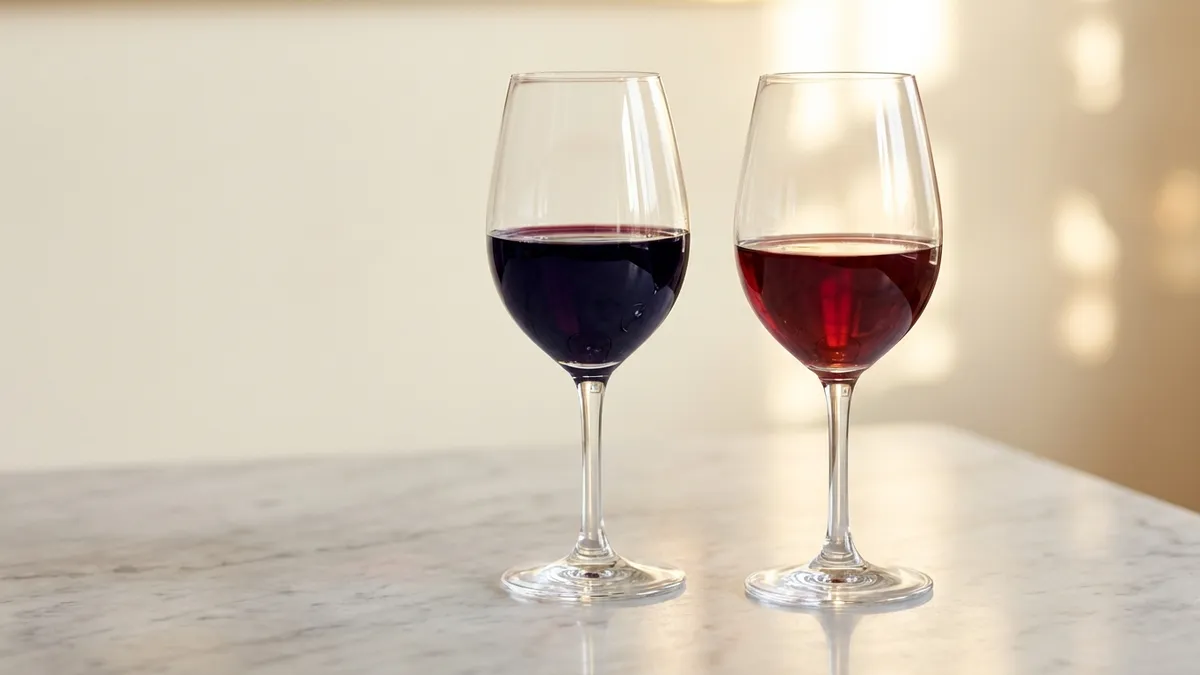
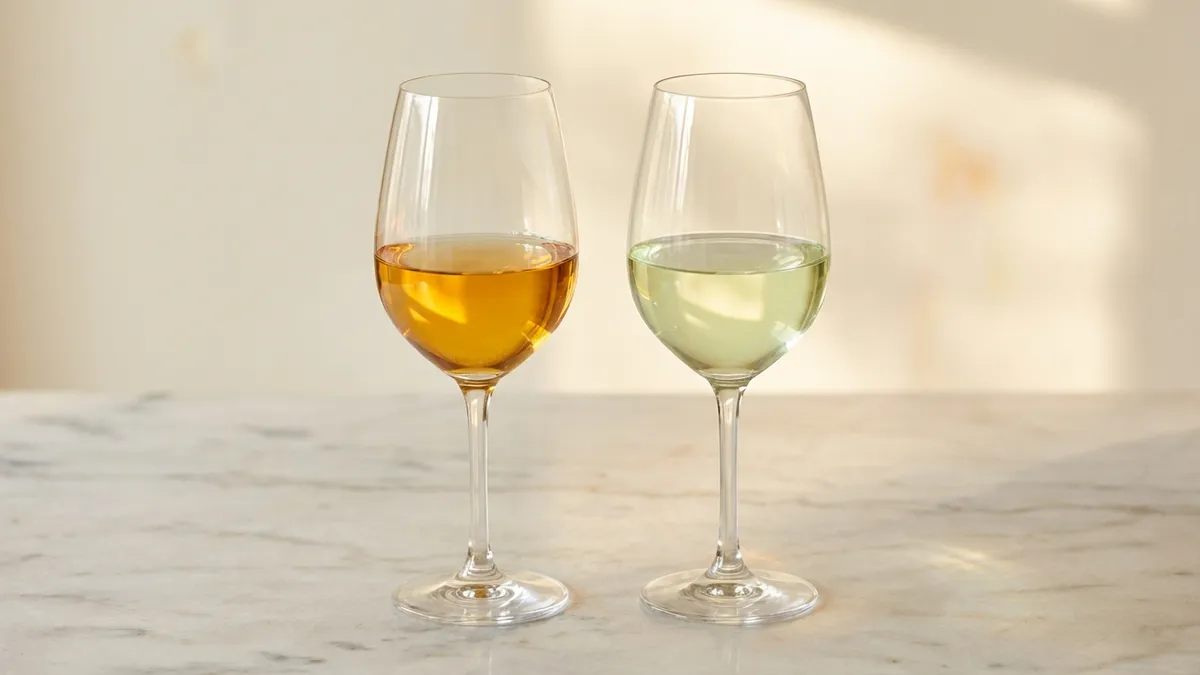
The single most common misconception is that pink wine is white wine tinted with red. For still rosé, that is not how it works. The juice inside almost every grape — red or white — is clear. Red wine gets its color only because the juice ferments in contact with dark skins. Pull the juice off those skins early, and you get a pink wine instead of a red one.
Blending finished red and white wine to make still rosé is, in fact, banned across most of the European Union. The pink has to come from the skins.
The Three Ways to Make Pink From Red
- Maceration (short skin contact) — Crushed red grapes soak with their skins for a few hours to a couple of days, then the juice is drained off. This is the dominant method for purpose-made rosé and gives the winemaker precise control over color. The full mechanics of skin contact, tannins (the drying, gripping texture pulled from skins and seeds), and acidity are covered in the guide to tannins, acidity, and body.
- Saignée (the "bleed") — A portion of pink juice is bled off a vat of red wine early in fermentation. The rosé is a by-product that also concentrates the remaining red. Saignée rosé tends to be deeper in color and fuller in body.
- Direct press — Red grapes are pressed immediately, as if making white wine, so the juice grabs only a whisper of color. This is how the palest Provence rosés are born.
Provence Pale vs Darker Styles
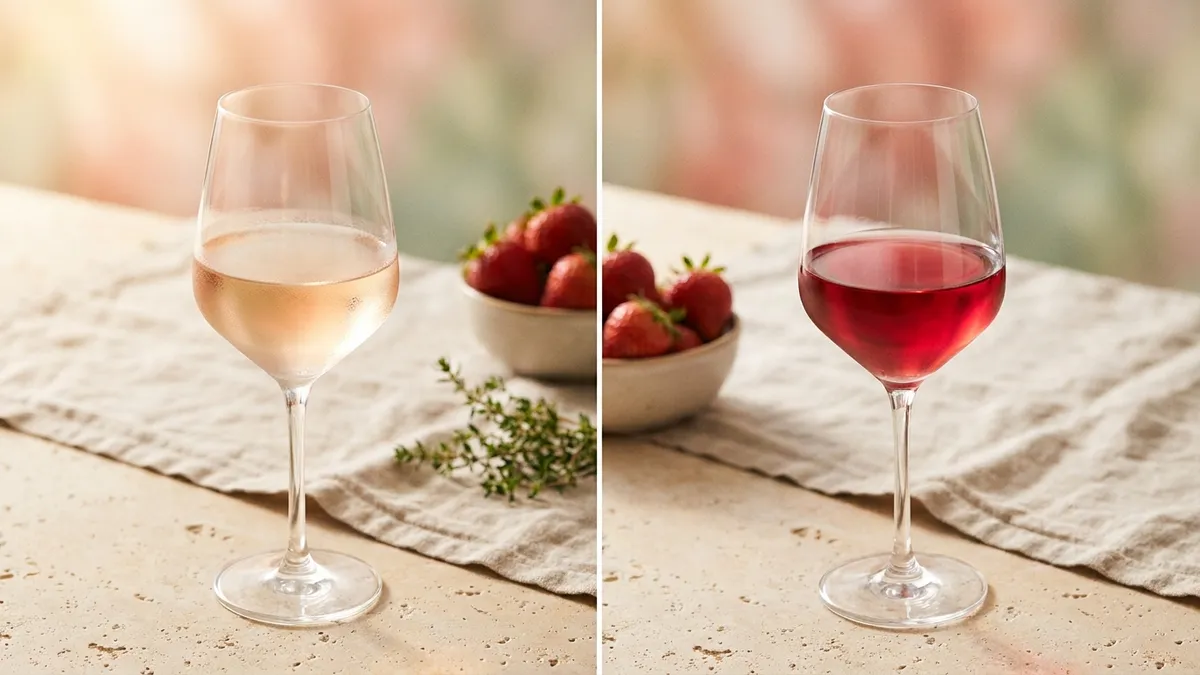
Two visual families dominate. Provence-style rosé is pale salmon to onion-skin, dry, and built for delicacy. Darker styles — Tavel in the Rhône, Spanish rosado, Italian rosato — run from raspberry-pink to near-cherry and carry more body, fruit weight, and grip. The grape choice drives much of that difference, which is where the breakdown below comes in.
The Key Rosé Grapes, One by One
Each rosé grape brings its own fruit signature, natural color depth, and structure. The classic Provence blend leans on the first three; the rest expand the style map from feather-light to bold.
Grenache: The Backbone of Provence
Grenache (Garnacha in Spain) is the most important rosé grape in the world and the lead variety in most Provence and southern Rhône blends. It ripens with generous fruit and gentle acidity (the tart, mouth-watering freshness that makes a wine lively), giving rosé flavors of strawberry, white peach, red currant, and a faint orange-peel citrus note.
Grenache rosé is medium-pale, dry, and round, with enough fruit weight to feel substantial without turning heavy. If you want to go deeper on the grape itself, the dedicated Grenache wine guide covers its full range across red and rosé. It is the friendliest entry point into serious dry rosé.
Syrah: Color and Spice
Syrah adds depth where Grenache adds charm. Its thicker skins release more pigment, pushing the blend toward a deeper raspberry-pink and contributing flavors of black cherry, white pepper, and a savory, almost smoky edge. Even a small percentage of Syrah firms up the structure of a rosé and lends a peppery lift on the finish. Few producers make a 100% Syrah rosé, but as a blending partner it gives Provence and Languedoc rosé its backbone.
Mourvèdre: Structure and Savory Depth
Mourvèdre (Monastrell in Spain) is the muscle of the southern French trio. It ripens late and thick-skinned, so it brings darker color, firmer tannin, and savory, earthy notes — think wild herbs, dried thyme, and a meaty undertone — to a rosé blend. Bandol, the most prestigious rosé appellation in Provence, is built on Mourvèdre and produces some of the longest-lived, most age-worthy pink wines in the world. On its own it can feel austere; in a blend it adds gravity.
Cinsault: Delicate and Floral
Cinsault is the quiet hero of pale rosé. Thin-skinned and high-yielding, it gives soft color, low tannin, and pretty floral and red-fruit aromatics — rosehip, raspberry, a hint of pomegranate. Cinsault is what keeps a Provence blend light on its feet and aromatic rather than weighty. It is also the grape most likely to push a blend toward that famous pale, dry, summery profile.
Tempranillo: Spain's Bolder Rosado
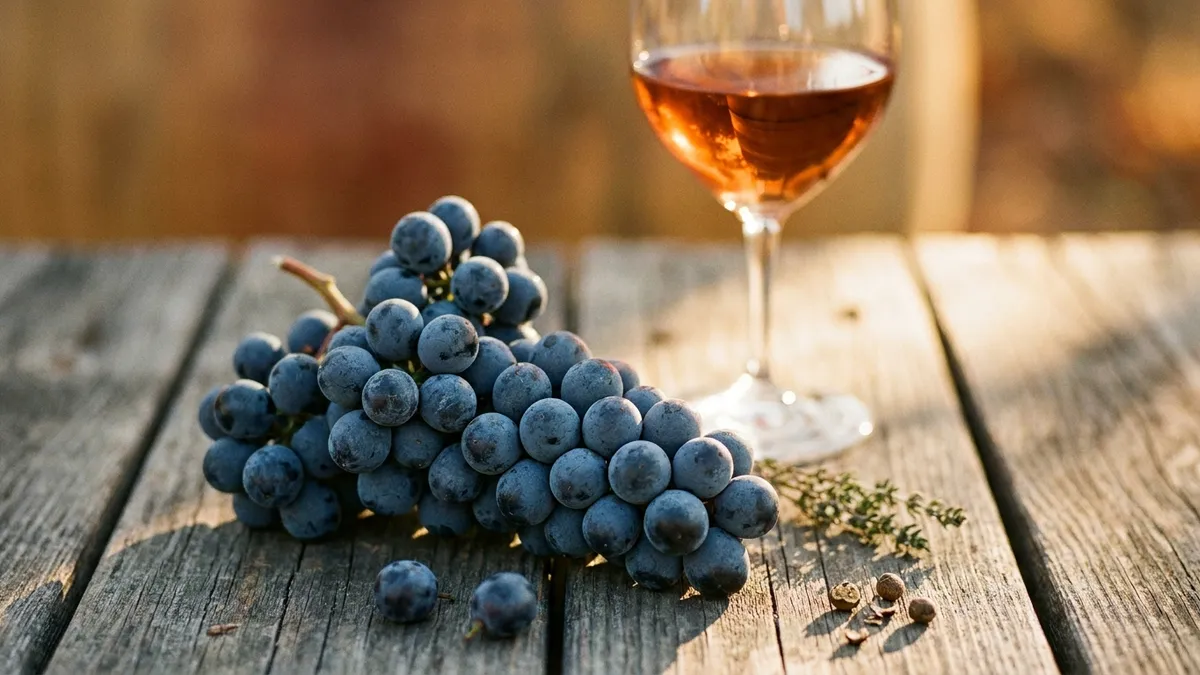
Tempranillo is the engine behind much Spanish rosado (the Spanish word for rosé). It produces a deeper, fuller, more savory pink than Provence — riper red cherry and strawberry with a touch of earthy spice and more body on the palate. Navarra is the classic home of Tempranillo and Garnacha rosado, where the wines are darker, drier, and noticeably more structured. The grape's broader character across red and rosé is explored in the Tempranillo wine guide.
Sangiovese: Italy's Cherry-Bright Rosato
Sangiovese, the great grape of Tuscany, makes a vivid, high-acid rosato (the Italian word for rosé). Expect bright sour-cherry, cranberry, and a savory tomato-leaf note, with the racy acidity that makes Italian rosé such a natural partner for food. It tends to be a touch more salmon-to-coral in color and decidedly tart and refreshing. For more on the grape's signature, see the Sangiovese wine guide.
Pinot Noir: The Featherweight
Pinot Noir has the thinnest skins of any major red grape, so its rosé is among the palest and most delicate. The aromas lean to wild strawberry, raspberry, rose petal, and citrus, with bright acidity and a clean, mineral finish. Cool-climate regions — Sancerre in the Loire, parts of Burgundy, Oregon, and New Zealand — turn out elegant, restrained Pinot Noir rosé. It is also the workhorse of sparkling rosé. The grape's full personality is covered in the Pinot Noir guide.
Cabernet Franc: Herbal and Structured
Cabernet Franc makes a distinctive, slightly more structured rosé, especially in the Loire Valley around Anjou and Chinon. Look for redcurrant and raspberry fruit framed by a signature green, leafy, bell-pepper note and firm acidity. Loire Cabernet Franc rosé ranges from bone-dry to the gently off-dry Rosé d'Anjou. Its herbal edge makes it instantly recognizable once you have tasted it — more on the grape in the Cabernet Franc wine guide.
Zinfandel: From White Zin to Dry Rosé
Zinfandel gave the world white Zinfandel — a pale, off-dry to sweet pink wine made from the red Zinfandel grape with minimal skin contact. It earned rosé a reputation for sweetness it has spent decades shaking off. White Zin is a genuine rosé by method, with candied strawberry and watermelon flavors. A growing number of producers now make a dry Zinfandel rosé that is savory, fruit-forward, and a world away from the sweet original.
Tavel: The Blend Built for Power
Tavel is not a grape but an appellation in the southern Rhône that makes only rosé — and it makes the deepest, boldest, most serious style in France. The blend leans on Grenache, Cinsault, Syrah, and Mourvèdre to produce a near-cherry-colored wine with real body, dried-fruit intensity, and the structure to pair with grilled meat or even age for a few years. Tavel is the answer to anyone who thinks pink wine cannot be substantial.
Rosé Grapes at a Glance
Use this table to map each grape to its typical color depth, the flavor it lends, and the rosé region where it shines. It pairs naturally with a broader look at how grape skins shape every wine in the noble grapes overview.
A quick-reference comparison of nine red grapes, the rosé color each tends toward, the flavors it lends, and where it shines. The grape sets the flavor; skin contact time sets the color depth.
- Grenache — Typical color: pale to medium salmon · Flavor: strawberry, white peach, orange peel · Region: Provence, Rhône, Navarra
- Syrah — Typical color: deeper raspberry-pink · Flavor: black cherry, white pepper, smoke · Region: Provence, Languedoc
- Mourvèdre — Typical color: deep, darker pink · Flavor: wild herbs, dried thyme, savory grip · Region: Bandol (Provence)
- Cinsault — Typical color: very pale, soft · Flavor: rosehip, raspberry, floral · Region: Provence
- Tempranillo — Typical color: medium to deep pink · Flavor: ripe cherry, earth, spice · Region: Navarra (Spanish rosado)
- Sangiovese — Typical color: coral to salmon · Flavor: sour cherry, cranberry, tomato leaf · Region: Tuscany (Italian rosato)
- Pinot Noir — Typical color: very pale, delicate · Flavor: wild strawberry, rose petal, citrus · Region: Loire (Sancerre), Burgundy
- Cabernet Franc — Typical color: medium pink · Flavor: redcurrant, raspberry, bell pepper · Region: Loire (Anjou, Chinon)
- Zinfandel — Typical color: pale (white Zin) to medium · Flavor: strawberry, watermelon, candied fruit · Region: California
The One Exception: Sparkling Rosé
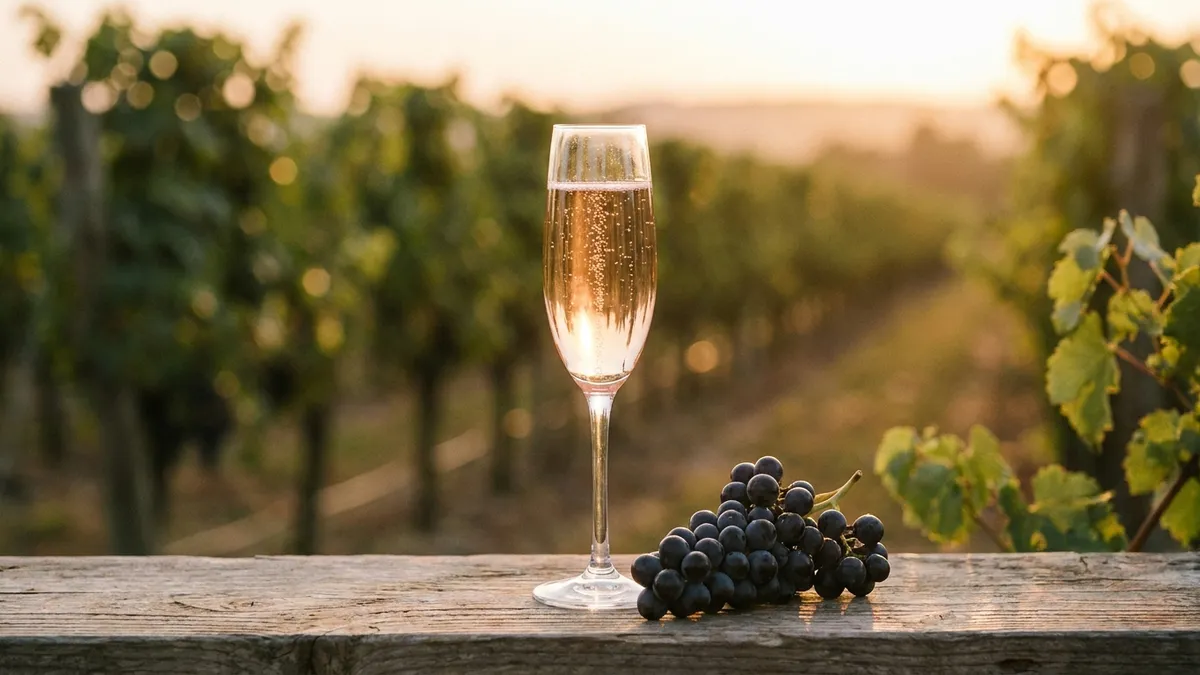
Sparkling rosé is where the red-grape-only rule bends. In Champagne and many other traditional-method sparkling regions, producers are legally allowed to blend a small amount of finished red wine into a white base before the second fermentation. This rosé d'assemblage (blended rosé) method is the most common way to make pink Champagne and is unique to sparkling production.
The alternative is rosé de saignée, where the pink color comes from skin contact, exactly as in still rosé. Pinot Noir and Pinot Meunier — both red grapes — supply the color either way. So even the exception still relies on red grapes for the pink; it just allows blending the finished wines, which still rosé does not.
How to Taste Rosé Like You Mean It
Knowing the grapes turns rosé from a single summer category into a spectrum you can read with confidence. A simple way to build the skill is to taste two contrasting styles side by side and notice what the grape is doing.
- Pour a pale Provence blend next to a Tavel or rosado. The pale one shows the delicacy of Cinsault and Grenache; the darker one shows the grip of Syrah, Mourvèdre, or Tempranillo. The contrast makes each grape's contribution obvious.
- Smell before you sip. Strawberry and peach point to Grenache; sour cherry and tomato leaf point to Sangiovese; a green, leafy note points to Cabernet Franc.
- Check the structure. Light and crisp suggests thin-skinned grapes; fuller and savory suggests thick-skinned ones. The same skin-thickness logic that shapes red wine shapes rosé.
If you want a guided version of this, the Sommy app includes structured tasting exercises that help you put words to color, aroma, and structure — the same method used in the broader guide on how to taste wine and the focused walkthrough of how to taste rosé. For the why behind the methods, styles, and serving, the dedicated rosé wine guide goes further on regions and food.
Rosé is not one wine. It is a method applied to a dozen great red grapes, each lending its own color and flavor. Learn the grapes, and every bottle on the shelf tells you what is inside before you open it.
Sources
- Wine Folly: The Essential Guide to Wine — Madeline Puckette and Justin Hammack, Avery, 2018
- The Oxford Companion to Wine — Jancis Robinson (ed.), Oxford University Press, 2015
- Wine Grapes: A Complete Guide to 1,368 Vine Varieties — Jancis Robinson, Julia Harding and José Vouillamoz, Allen Lane, 2012
Frequently Asked Questions
What grapes make rosé wine?
Rosé is made from red grapes. The most common are Grenache, Syrah, Mourvèdre, Cinsault, Tempranillo, Sangiovese, Pinot Noir, Cabernet Franc, and Zinfandel. Provence rosé is usually a blend of Grenache, Cinsault, and Syrah. The grape sets the color and flavor, while short skin contact keeps the wine pink instead of red.
Is rosé made by mixing red and white wine?
No, not for still rosé. Still pink wine comes from red grapes pressed quickly so the juice picks up only a little color from the skins. Blending finished red and white wine is banned for most still rosé in the European Union. The one accepted exception is sparkling rosé, where Champagne and Cava producers may blend a little red wine into white base wine.
Why is some rosé pale and some dark?
Color comes from how long the juice sits on the red grape skins. A few hours of contact gives the pale salmon of Provence. A day or more gives the deep cherry-pink of Tavel or a Spanish rosado. Thick-skinned grapes like Syrah and Tempranillo also release more pigment than thin-skinned Cinsault or Pinot Noir.
Which grape makes the best rosé for beginners?
Grenache and Cinsault are the friendliest starting points. They give light-bodied, dry, fruit-forward rosé with red berry and citrus notes and gentle acidity. A Provence blend built around these grapes is crisp and refreshing without being sweet, which makes it an easy reference point before exploring fuller styles like Tavel or Tempranillo rosado.
Is white Zinfandel a real rosé?
Yes, technically. White Zinfandel is a pink wine made from the red Zinfandel grape with very short skin contact, so it qualifies as a rosé by method. It differs from dry European rosé because it is usually off-dry to sweet, with candied strawberry and watermelon flavors. Dry Zinfandel rosé also exists and tastes more savory.
What does Pinot Noir rosé taste like?
Pinot Noir rosé is among the most delicate. Because Pinot Noir has thin skins, the wine is pale and light-bodied with aromas of wild strawberry, raspberry, rose petal, and a touch of citrus. It often shows bright acidity and a clean, mineral finish, which is why cool-climate regions and sparkling rosé producers favor it.
Can any red grape be turned into rosé?
In principle, yes. Any red grape can be pressed early to make rosé, and producers experiment widely. In practice, a handful of grapes dominate because they ripen with the right balance of fruit and acidity: Grenache, Cinsault, Syrah, Mourvèdre, Tempranillo, Sangiovese, Pinot Noir, and Cabernet Franc. Each lends its own color depth, fruit character, and structure.
Sommy Team
LinkedInFounder & Wine Educator
The Sommy Team is building the world's most approachable wine education app, helping beginners develop real tasting skills through structured courses and AI-guided practice.