Finger Lakes Wine Guide: New York Riesling Country

By the Sommy Team — AI-assisted, human-edited.
Updated Jun 17, 2026
Contents (10)
- What Is Finger Lakes Wine?
- Where the Finger Lakes Is and Why the Lakes Matter
- The Finger Lakes Wine Guide to Riesling, the Flagship Grape
- How the Finger Lakes Compares to the Mosel
- The Red Side: Cabernet Franc Leads
- Beyond Riesling: Grüner, Aromatic Whites, and Hybrids
- The Three Big Lakes and Their Wine Trails
- What Makes the Finger Lakes Distinctive
- How a Beginner Should Start with Finger Lakes Wine
- The Reward of Learning the Finger Lakes
TL;DR
The Finger Lakes region of upstate New York is American Riesling country, where deep glacial lakes warm steep slopes enough to ripen grapes in a cold climate. Riesling leads from bone-dry to sweet, joined by Cabernet Franc, Grüner Veltliner, and hardy hybrids. This Finger Lakes wine guide shows beginners where to start.
What Is Finger Lakes Wine?
This Finger Lakes wine guide begins with the feature that names the region: a set of long, narrow, glacier-carved lakes in upstate New York that make cold-climate winegrowing possible. The Finger Lakes is the most important wine region on the East Coast and the spiritual home of American Riesling, the aromatic white grape that ripens beautifully here from bone-dry to dessert-sweet. The deep lakes — chiefly Seneca and Cayuga — store summer heat and release it slowly over the steep lakeside slopes, extending a short growing season just enough to ripen fruit. Beyond Riesling, the region excels with Cabernet Franc, Grüner Veltliner, and cold-hardy hybrids. Learn the lakes, the grapes, and the sweetness scale, and the Finger Lakes opens up fast.
Where the Finger Lakes Is and Why the Lakes Matter
The Finger Lakes sits in central New York State, south of Lake Ontario, in a band of countryside dotted with eleven lakes that look like long fingers gouged into the land. They were carved by retreating glaciers more than 10,000 years ago, which is why they are so unusually deep and narrow.
This is a cold continental climate — long, hard winters and a short growing season. On paper, it is a difficult place to ripen wine grapes. What rescues it is the water.
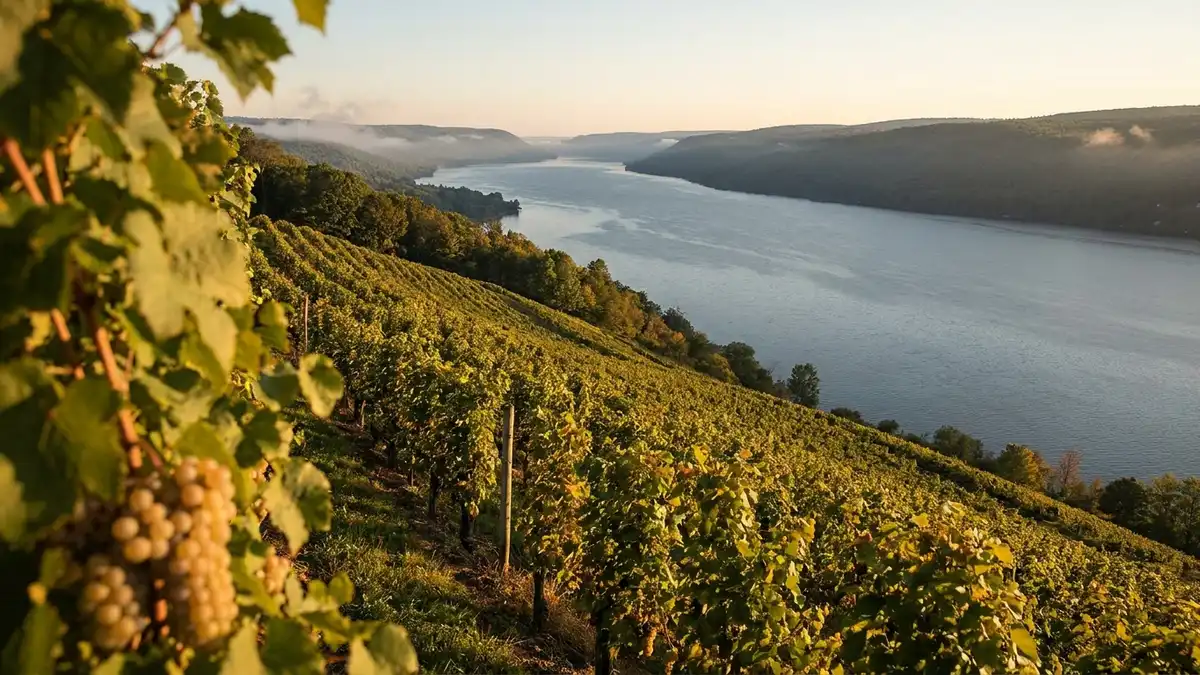
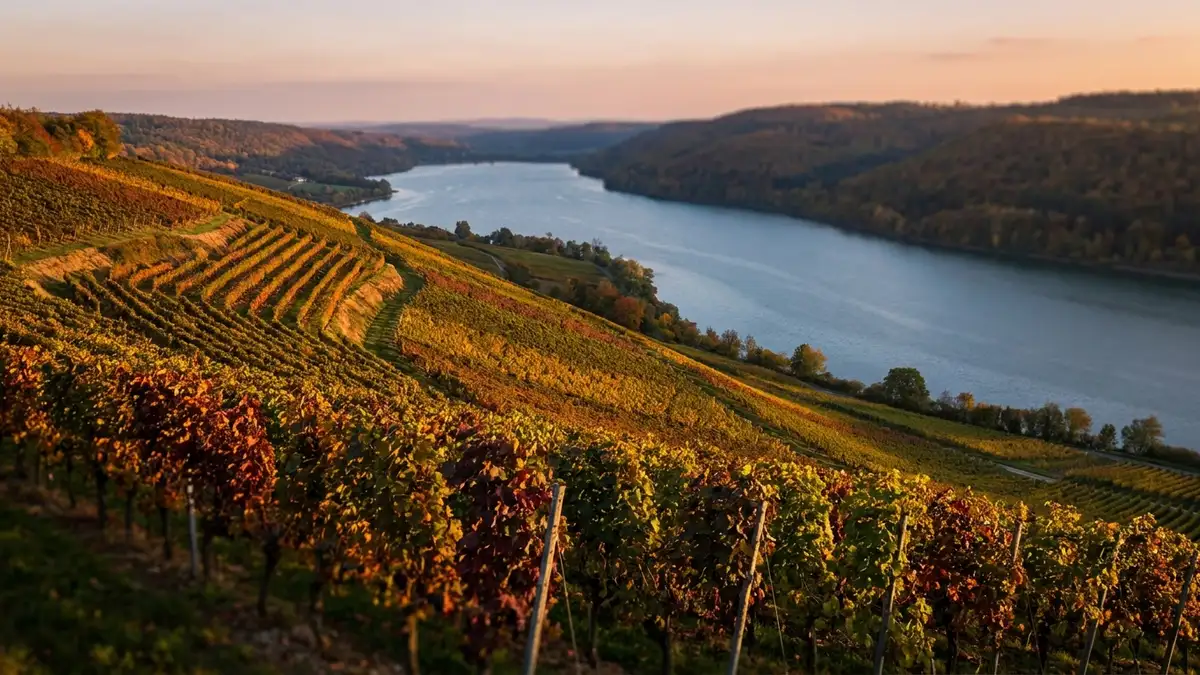
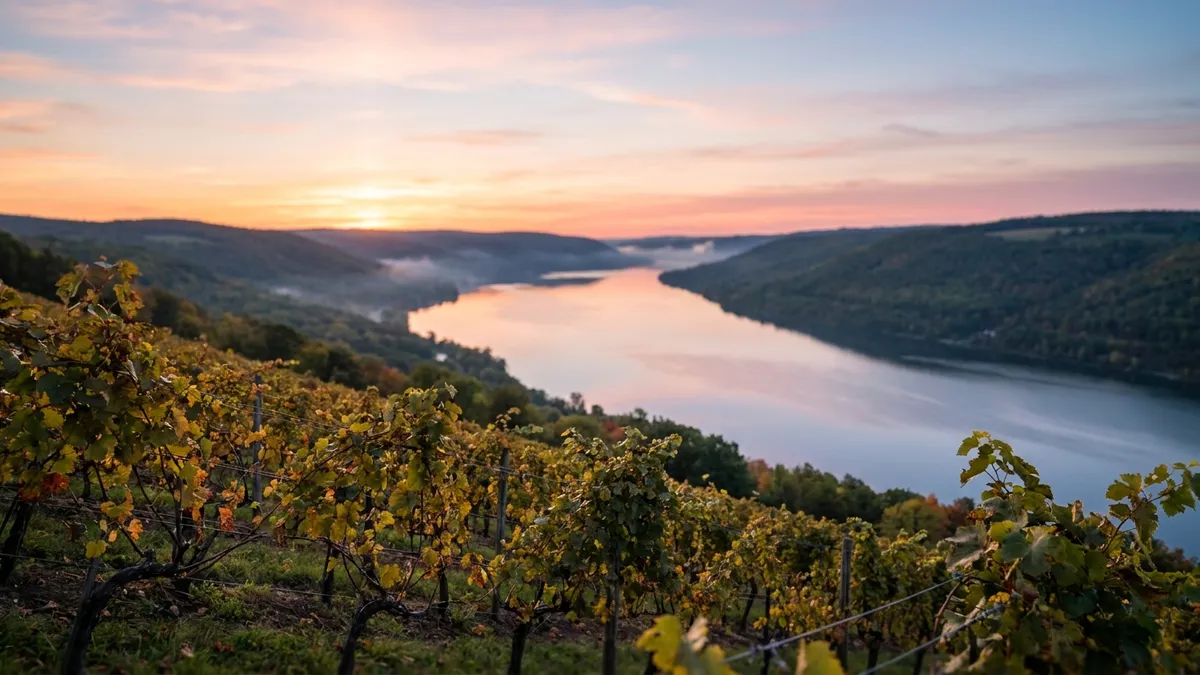
The largest lakes, Seneca and Cayuga, plunge to hundreds of feet deep. That huge mass of water heats up slowly in summer and cools slowly in autumn, acting like a thermal battery. The vineyards planted on the slopes ringing each lake feel this lake effect: warmer autumn nights, fewer killing frosts, and a longer hang time for the fruit to develop flavor.
The lakes do not just sit beside the vineyards — they make the vineyards possible.
The best sites cling to the steep lakeside slopes, where three advantages stack up. Cold air drains downhill away from the vines, the slope tilts toward the sun for maximum ripening, and the nearby water moderates the temperature. Plant on the flat land away from the lake and the grapes may never ripen at all.
The Finger Lakes Wine Guide to Riesling, the Flagship Grape
If the Finger Lakes is known for one wine, it is Riesling. This aromatic white grape loves cool climates and high acidity, and the region delivers both. The cold nights lock in bright, mouth-watering acidity while the lake-warmed slopes give the fruit time to ripen — the exact balance Riesling needs.
Finger Lakes Riesling is aromatic rather than neutral, meaning it announces itself with vivid scent before you even taste it. If that distinction is new to you, our guide to aromatic versus neutral grapes explains why some whites shout and others whisper.
Typical aromas: lime, green apple, white peach, honeysuckle, and a flinty, sometimes petrol-like mineral note that develops with age. The texture is light and racing, built on acidity rather than weight. Body: light (2/5) · Acidity: high (5/5) · Alcohol: low-to-medium (2/5).
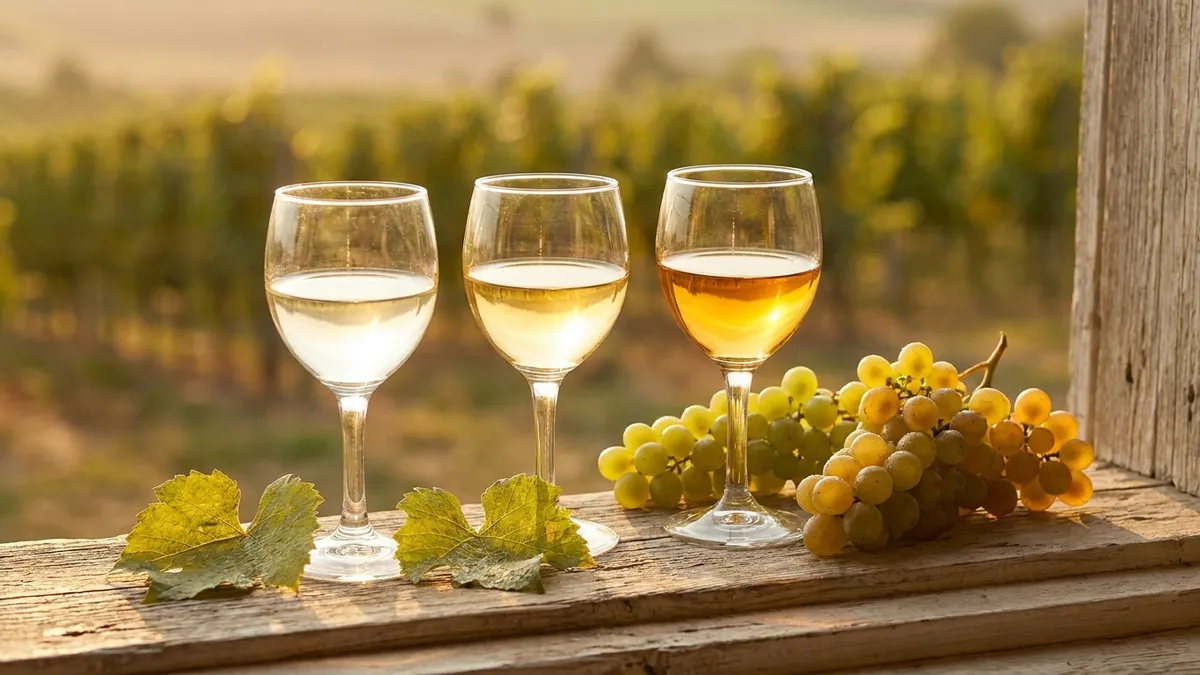
The defining trait of Finger Lakes Riesling is that it runs the full sweetness spectrum, and the same grape can taste utterly different depending on how much sugar the winemaker leaves in:
- Dry Riesling: Fermented to almost no residual sugar. Crisp, zesty, and citrus-driven, with the acidity front and center. The most food-friendly style and the best place to meet the grape honestly.
- Off-dry / semi-dry Riesling: A touch of sweetness rounds the edges, lifting the peach and floral notes while the acidity keeps it from feeling heavy. Often the regional signature and a crowd-pleaser.
- Semi-sweet Riesling: Noticeably sweet but still fresh, thanks to that high acidity. A gentle introduction for tasters who find dry wines austere.
- Late-harvest and ice wine: Grapes left on the vine or frozen to concentrate their sugar, making rich, honeyed dessert wines. Ice wine, pressed from frozen grapes, is a Finger Lakes specialty born of the cold winters.
Because the sweetness varies so much, many Finger Lakes producers print a small sweetness scale on the back label to tell you where a bottle sits. Reading that scale is the single most useful skill for shopping the region. For the grape's full global story, our Riesling wine guide covers how it behaves from Germany to Australia.
How the Finger Lakes Compares to the Mosel
Riesling lovers inevitably compare the Finger Lakes with Germany's Mosel, the grape's ancestral home. Both are cool, both build their wines on acidity, and both make Riesling across the sweetness range — but they are not twins. Here is how the two Riesling capitals line up:
- Finger Lakes — Climate: cold continental, moderated by deep lakes · Riesling style: lime, peach, floral, often slightly fuller · Signature: dry and off-dry styles plus ice wine · Terroir: glacial slopes around long lakes.
- Mosel — Climate: cool continental, moderated by a winding river and slate slopes · Riesling style: green apple, slate, intensely mineral, featherlight · Signature: delicate low-alcohol Kabinett and Spätlese · Terroir: steep slate banks above the Mosel River.
The shared thread is acidity: both regions make wines that taste electric and refreshing even when sweet. The difference is texture and minerality — Mosel leans slatey and ethereal, the Finger Lakes a shade rounder and more orchard-fruited. Tasting one against the other is a fast lesson in how terroir shapes a single grape. Our Mosel wine guide is the natural companion read for this comparison.
The Red Side: Cabernet Franc Leads
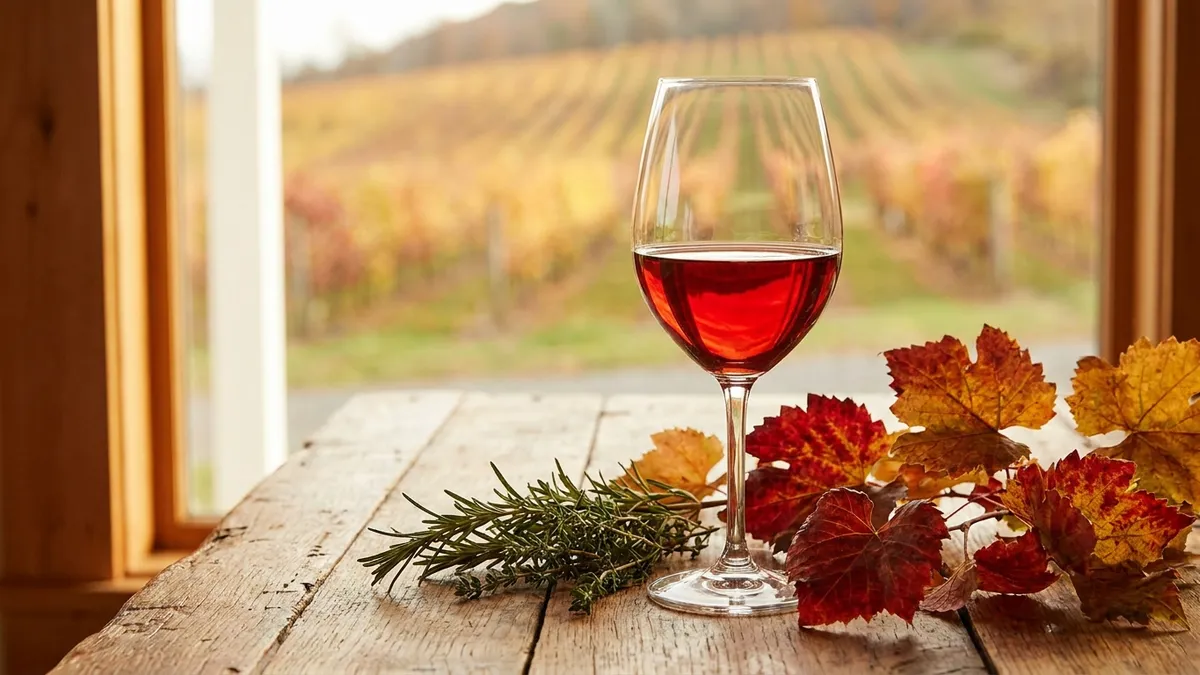
White grapes dominate the Finger Lakes because aromatic, high-acid varieties suit the cold climate best. But the region does make red wine, and its flagship red is Cabernet Franc.
Cabernet Franc ripens earlier than its more famous offspring, Cabernet Sauvignon, which makes it well suited to a short, cool season. The Finger Lakes version is medium-bodied, fresh, and savory rather than heavy.
Typical aromas: red cherry, raspberry, bell pepper, dried herbs, and a peppery, graphite edge. Body: medium (3/5) · Acidity: high (4/5) · Tannins: medium (3/5). It is a red built for the table, not for showing off power. Our Cabernet Franc wine guide digs into why this grape is a cool-climate specialist.
Other reds round out the picture without challenging Cabernet Franc's lead:
- Pinot Noir: A natural fit for cool sites, light and red-fruited, though tricky to ripen in the hardest years.
- Lemberger (Blaufränkisch): A peppery, dark-fruited Central European red that handles the cold well and is something of a regional insider's choice.
- Merlot and red blends: Made in the warmest sites and vintages, generally lighter than their warm-climate counterparts.
Beyond Riesling: Grüner, Aromatic Whites, and Hybrids
The Finger Lakes is more than a one-grape region. Its cool climate suits a whole family of aromatic and high-acid whites, plus a category that is central to East Coast wine: hybrids.
Grüner Veltliner, Austria's signature white, has found a happy second home here. It brings green apple, white pepper, and a savory, herbal snap that pairs effortlessly with food. If you have not met it, our Grüner Veltliner guide explains why this peppery white is a sommelier favorite.
The region also makes crisp Chardonnay (often unoaked and lean), floral Gewürztraminer, and small amounts of sparkling wine that benefit from the naturally high acidity.
Then there are the hybrids — grape crosses bred to survive brutal winters and resist disease by combining European wine grapes with hardy native American species. They are not a compromise so much as a regional tradition, and they ripen reliably even in cold vintages:
- Cayuga White: A Finger Lakes original, light, fruity, and usually a little off-dry — one of the friendliest white wines for a beginner.
- Vignoles: High in acid and often made sweet, excellent for dessert wines.
- Vidal Blanc: Crisp and versatile, frequently used for ice wine.
- Traminette: A floral, Gewürztraminer-like aromatic white with cold-hardy genes.
Hybrids are a defining feature of cold-climate American wine, and they are easy to overlook if you only chase the famous European grapes. Our guide to hybrid grapes in wine makes the case for taking them seriously, and our overview of the noble grapes helps you see where Riesling and Cabernet Franc fit in the wider family.
The Sommy app turns these unfamiliar grapes into guided tasting exercises — naming the aromas, scoring the acidity, and giving you the vocabulary to tell a Cayuga White from a dry Riesling with confidence.
The Three Big Lakes and Their Wine Trails
The Finger Lakes has no cru ladder or DOCG-style classification system like Europe's old regions. Instead, the practical map is organized by lake, and each major lake has its own wine trail with its own personality.
- Seneca Lake: The deepest of the Finger Lakes and the powerhouse of the region. Its great depth gives the strongest lake-moderating effect, and it hosts the largest concentration of wineries along the most established trail. A reliable first stop for Riesling in every style.
- Cayuga Lake: Home to the oldest organized wine trail in the United States. Its eastern shore in particular is prized for Riesling, and the lake supports a wide range of whites and reds.
- Keuka Lake: The distinctive Y-shaped lake and the historic cradle of Finger Lakes winegrowing, with some of the region's oldest vineyard sites perched on its steep banks.
Smaller lakes such as Canandaigua and Seneca's quieter neighbors add to the patchwork, but Seneca, Cayuga, and Keuka are the three names worth knowing first. The pattern to remember is simple: the bigger and deeper the lake, the warmer and more reliable the surrounding vineyards.
What Makes the Finger Lakes Distinctive
A few traits set the Finger Lakes apart from both European classics and the rest of American wine, and they are worth holding in mind as you taste.
Acidity Is the Through-Line
Almost everything the region makes — dry Riesling, sweet Riesling, Cabernet Franc, Grüner, sparkling wine — shares one trait: high natural acidity. The cold nights preserve it, and it is what makes the wines taste so fresh and food-friendly. If you only learn one thing about the region's style, learn that acidity is its signature. Understanding how acidity, tannins, and body fit together is the foundation of tasting any wine, and our guide to tannins, acidity, and body breaks it down step by step.
A Young Region Without a Rigid Classification
Unlike Burgundy's cru hierarchy or Germany's QmP ripeness ladder, the Finger Lakes is a young, evolving region with no rigid legal classification. Wines are labelled by grape and by sweetness rather than by an official quality tier. That makes the region refreshingly easy to read: the grape variety and the sweetness descriptor tell you almost everything you need to know before you buy.
A Cool-Climate Specialist, Not an Imitator
The Finger Lakes does not try to make rich, high-alcohol wines. It leans into what its climate does best: aromatic, lower-alcohol, high-acid whites and fresh, herbal reds. That focus is its strength, and it is why the region keeps drawing comparison to Europe's great cool-climate areas rather than to California.
How a Beginner Should Start with Finger Lakes Wine
You do not need to visit a single winery to understand the Finger Lakes. The smartest path is to taste a few bottles deliberately and pay attention to what changes. Here is a practical order:
- Start with Riesling, two ways. Buy a dry Finger Lakes Riesling and an off-dry one and taste them side by side. Same grape, same region — the only big difference is sweetness, and feeling that contrast trains your palate fast.
- Read the sweetness scale. Flip the bottle over and find the dry-to-sweet indicator. Match what the label promises against what you taste so the words start to mean something.
- Meet the flagship red. Add a Cabernet Franc to your tasting. Note the red fruit, the herbal edge, and how high the acidity sits for a red wine.
- Try a Grüner or a hybrid. A Grüner Veltliner or a Cayuga White shows the region's range beyond Riesling and proves how versatile these cool-climate whites can be.
- Track the acidity. Across every glass, notice that mouth-watering freshness. It is the thread that ties the whole region together.
Sommy turns these comparisons into guided lessons — naming the aromas, scoring the structure, and building the vocabulary to describe what you sense. You can start practicing free at sommy.wine, then bring the method to your next bottle of Finger Lakes Riesling. Our step-by-step guide to how to taste wine gives you the framework to make each glass count.
The Reward of Learning the Finger Lakes
The Finger Lakes asks less of a learner than Europe's labyrinthine old regions, and it gives a lot back. There is no cru ladder to memorize and no producer maze to untangle — just a handful of lakes, a short list of grapes, and a sweetness scale printed on the bottle. That simplicity makes it one of the best regions for a beginner to build real confidence.
Start with Riesling, taste in pairs, and let the acidity be your guide. The Sommy app is built to make that habit stick, turning each bottle into a short, guided lesson so the next glass of New York Riesling is a little clearer than the last.
Sources
Frequently Asked Questions
What wine is the Finger Lakes known for?
The Finger Lakes is best known for Riesling, the white grape that thrives in its cold continental climate and produces wines from bone-dry to lusciously sweet. Cabernet Franc is the leading red, with Grüner Veltliner, Chardonnay, Gewürztraminer, and cold-hardy hybrids like Cayuga White and Vidal Blanc rounding out the region's range of styles.
Why can the Finger Lakes grow wine in such a cold climate?
The region's deep glacial lakes are the secret. Seneca and Cayuga are hundreds of feet deep and hold summer warmth into autumn, releasing it slowly so vineyards on the surrounding slopes stay warmer than the surrounding land. This lake effect extends the growing season and protects vines from frost, letting grapes ripen where they otherwise could not.
Is Finger Lakes Riesling sweet or dry?
Both. Finger Lakes Riesling spans the full sweetness spectrum, from bone-dry through off-dry to dessert-sweet late-harvest and ice wine. Many bottles carry a sweetness scale on the back label, and the words dry, semi-dry, and semi-sweet signal the style. High natural acidity keeps even the sweeter wines tasting fresh rather than cloying.
What red wines does the Finger Lakes make?
Cabernet Franc is the flagship red, producing medium-bodied wines with red fruit, herbs, and a peppery edge that suit the cool climate well. Pinot Noir, Lemberger (also called Blaufränkisch), and Merlot are also grown, along with red hybrids. Reds make up a smaller share of production than whites because the climate favors aromatic, high-acid grapes.
Which Finger Lakes lake has the most wineries?
Seneca Lake hosts the largest concentration of wineries and the most established wine trail, thanks to its great depth and strong lake-moderating effect. Cayuga Lake holds the oldest organized wine trail in the United States. Keuka Lake, with its distinctive Y shape, is home to some of the region's most historic vineyard sites.
What are hybrid grapes in the Finger Lakes?
Hybrids are grape crosses bred to survive harsh winters and resist disease, combining European wine grapes with hardy native American species. In the Finger Lakes they include Cayuga White, Vignoles, Vidal Blanc, and Traminette. They ripen reliably in cold years and often make approachable, fruit-forward, lightly sweet wines that are an easy entry point for new tasters.
How should a beginner start tasting Finger Lakes wine?
Start with Riesling, and taste a dry and an off-dry version side by side to feel how sweetness changes the wine while acidity stays high. Add a Cabernet Franc to meet the region's red style, then try a Grüner Veltliner or a hybrid like Cayuga White. Note the bright acidity that runs through everything the region makes.
Sommy Team
LinkedInFounder & Wine Educator
The Sommy Team is building the world's most approachable wine education app, helping beginners develop real tasting skills through structured courses and AI-guided practice.