Wine Cocktail Recipes: Sangria, Spritz, Kir and Bellini

By the Sommy Team — AI-assisted, human-edited.
Updated Oct 1, 2026
Contents (10)
- What Is a Wine Cocktail, in One Paragraph?
- Wine Cocktail Recipes: The Ratio Table
- Which Wine Should You Use in a Wine Cocktail?
- How Do You Make Sangria at Home?
- What Is the Classic Spritz Ratio?
- What Are Kir and Kir Royale?
- Bellini, Mimosa or Buck's Fizz: What Is the Difference?
- Which Wine Cocktails Are Lightest?
- What Does the Law Say Sangria Must Be?
- How Should You Serve Wine Cocktails?
TL;DR
A wine cocktail keeps wine as the main alcohol. The official ratios: Spritz is 90 ml Prosecco to 60 ml Aperol, Kir is 10 ml cassis to 90 ml white wine, Bellini is 2 parts Prosecco to 1 of peach purée, Mimosa is equal parts. Use a dry, high-acid, unoaked wine.
Wine cocktail recipes work when the wine stays the main alcohol and the mixer adds the one thing the wine lacks: sugar, bitterness, fruit or bubbles. That puts the pressure on the wine. It has to be dry, tart and free of oak, or the mixer flattens it.
What Is a Wine Cocktail, in One Paragraph?
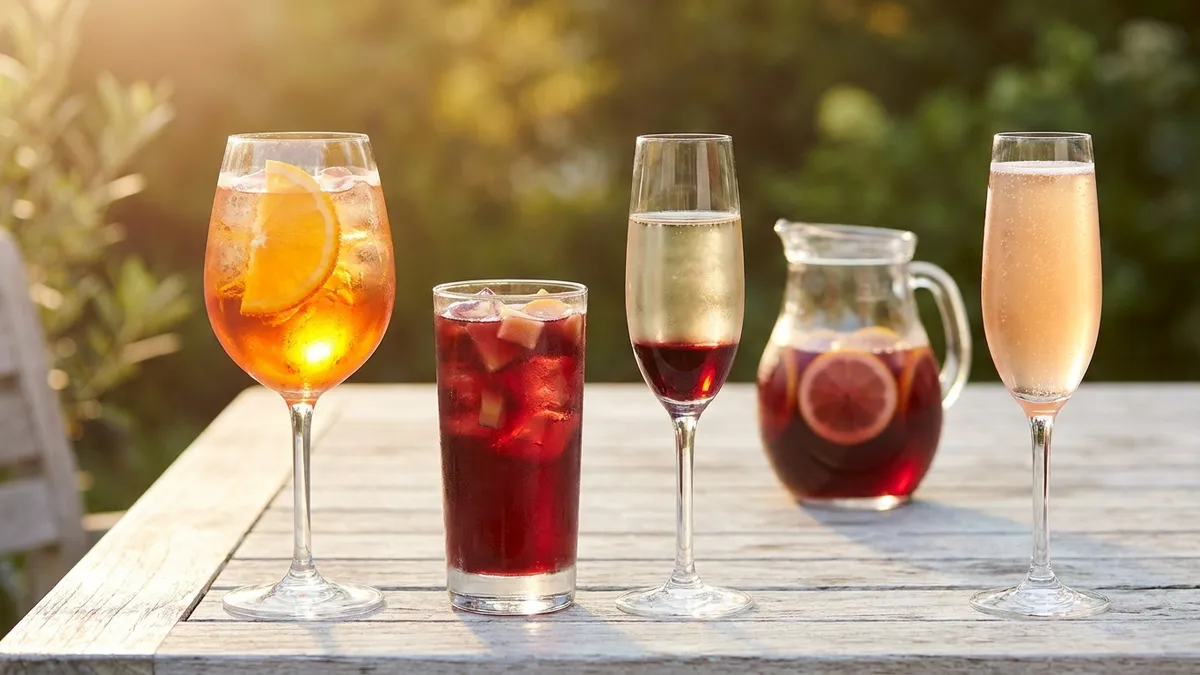
A wine cocktail is a mixed drink in which wine supplies most of the alcohol, with fruit, juice, soda or a small measure of liqueur doing the rest. The classics follow fixed ratios. The International Bartenders Association (IBA) Spritz is 90 ml Prosecco to 60 ml Aperol with a splash of soda. Its Kir is 90 ml dry white wine to 10 ml crème de cassis. The Bellini is 100 ml Prosecco to 50 ml white peach purée, and the Mimosa is 75 ml each of sparkling wine and orange juice.
Sangria is red wine and citrus, and in the EU the name is protected: only sangria made in Spain or Portugal may be sold as plain Sangria.
Wine Cocktail Recipes: The Ratio Table
Scale any ratio below from one glass to a jug. The ratios for the Spritz, Kir, Bellini and Mimosa are the IBA's official specs; the long Spanish drinks are the usual equal-parts mixes.
| Drink | Base wine | Mixer | Ratio | Pour it when |
|---|---|---|---|---|
| Spritz | Prosecco | Aperol (or Campari, Cynar, Select), soda | 3 wine : 2 bitter, splash of soda | Before dinner, when you want bitter and orange |
| Kir | Dry white, originally Aligoté | Crème de cassis | 9 wine : 1 cassis (IBA) | As a light aperitif with salty snacks |
| Kir Royale | Champagne | Crème de cassis | 9 wine : 1 cassis | A toast that needs bubbles and colour |
| Bellini | Prosecco | White peach purée | 2 wine : 1 purée | Brunch in peach season |
| Mimosa / Buck's Fizz | Sparkling wine | Fresh orange juice | 1 : 1 | Brunch with eggs and pastries |
| Sangria | Light, fruity red | Citrus, chopped fruit, optional soda | Wine first, fruit to taste | A crowd on a hot afternoon |
| Tinto de verano | Red table wine | Lemon soda | 1 : 1, over ice | A long, lighter drink at lunch |
| Kalimotxo | Red table wine | Cola | 1 : 1, over ice | A casual party drink |
Which Wine Should You Use in a Wine Cocktail?
Use a dry, fresh, unoaked wine you would drink on its own on a weeknight. The mixer covers some of a cheap wine's thinness with sugar or fruit, but it cannot add the freshness that keeps a mixed drink lively.
The quality to shop for is acidity (the tartness that makes your mouth water). Sweet mixers like peach purée, blackcurrant liqueur and Aperol need it to balance them, and citrus in sangria needs a wine sharp enough to meet it. A crisp Prosecco, a dry Aligoté or Sauvignon Blanc, and a young red from a cool climate all have it.
Two features work against you. Oak (barrels that add vanilla, toast or spice) clashes with fruit and bitter liqueurs. Tannin (the drying grip on your gums) tastes harsher when a drink is cold and citrusy. The guides to wine acidity and sweet vs dry wine explain how each feels on the tongue.
If the mixer is sweet or bitter, pick a wine with high acidity. If a red has firm tannin or a white smells of vanilla, keep it out of the jug and drink it on its own. A dry rosé is the safe middle ground for a summer punch; the rosé wine guide explains how to spot the dry styles.
How Do You Make Sangria at Home?
Sangria is red wine, citrus and chopped fruit, chilled long enough for the fruit to flavour the wine. A good house version needs four things: one bottle of light, fruity red, one orange and one lemon sliced into wheels, a chopped apple, and ice.
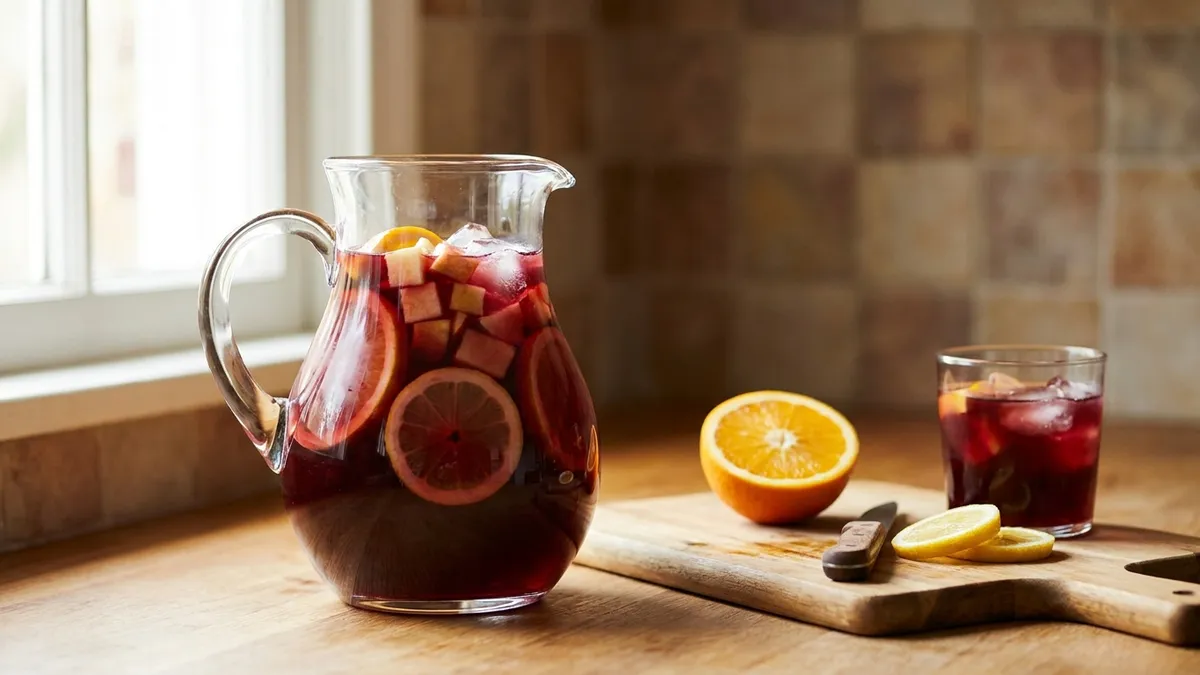
Pick a red with soft tannin and fresh fruit, such as young Spanish Tempranillo or Garnacha. The Tempranillo guide explains why the unoaked young style, sold as joven, suits a jug far better than an oak-aged Reserva.
Put the fruit and wine in a pitcher and chill them for a few hours, so the citrus oils and apple soak into the wine. Add ice and any soda only when you pour, or the drink goes watery and loses its fizz. Many home recipes add a spoon of sugar or a splash of brandy or orange liqueur. Keep any spirit small so the wine stays the main alcohol.
If your red is above 14%, add more ice and a top of soda water, because the heat of the alcohol overpowers the fruit. If it tastes thin, add citrus rather than sugar.
What Is the Classic Spritz Ratio?
The IBA recipe is 90 ml Prosecco, 60 ml Aperol and a splash of soda water, built in a wine glass full of ice and garnished with a slice of orange. That is three parts wine to two parts bitter. The IBA notes that other versions use Campari, Cynar or Select instead of Aperol.
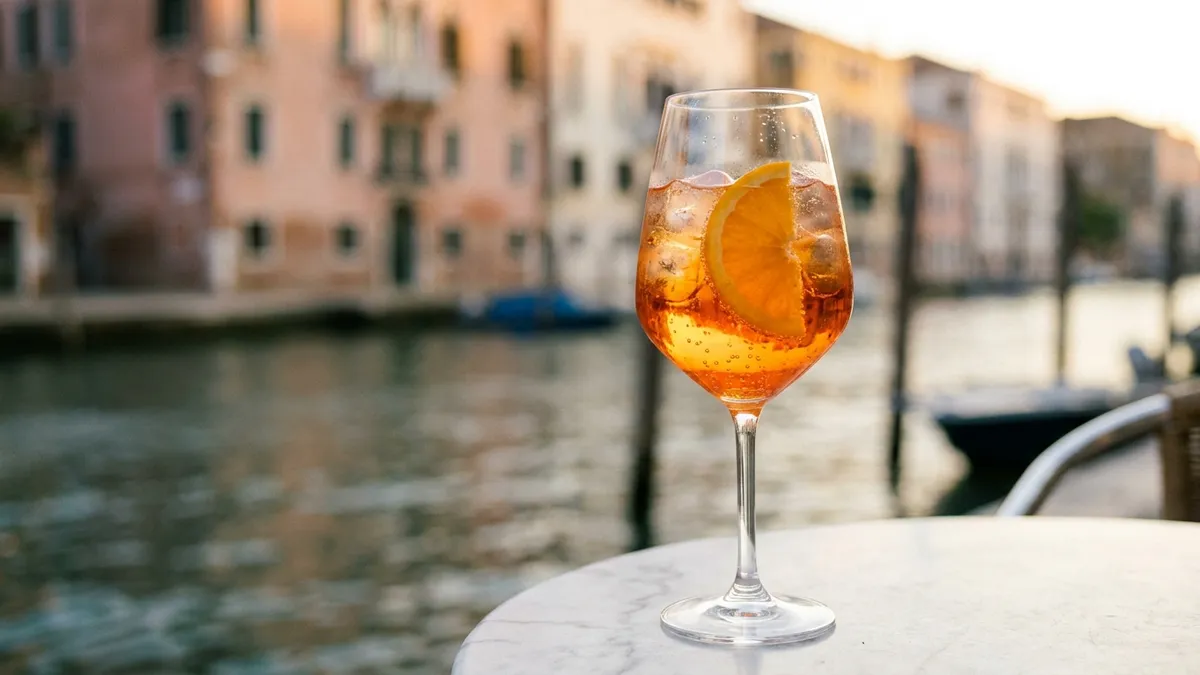
Aperol is an aperitif (a drink served before a meal to wake the appetite), created in 1919 by Luigi and Silvio Barbieri. It gets its bitter-orange taste from gentian, rhubarb and cinchona. At 11% alcohol it is about half the strength of Campari or less, which is why a Campari Spritz tastes sharper and stronger at the same ratio.
The strength surprises people. If the Prosecco is 11%, the 90 ml pour carries 9.9 ml of pure alcohol, and the 60 ml of Aperol adds 6.6 ml. That is 16.5 ml, the same as a 150 ml glass of 11% wine. Soda and ice make the drink longer but leave the alcohol unchanged.
If you want it less bitter, move toward two parts Prosecco to one of Aperol. For the base, choose a dry Prosecco labelled Brut. The Prosecco grape guide explains the sweetness words on the label. Champagne vs Prosecco vs Cava shows why a fruity Prosecco suits a spritz better than a toasty Champagne.
What Are Kir and Kir Royale?
A Kir is crème de cassis (a sweet blackcurrant liqueur) topped with dry white wine; a Kir Royale swaps the white wine for Champagne. The drink, once called blanc-cassis, is named after Félix Kir (1876-1968), the mayor of Dijon. He served it at receptions for visiting delegations, which promoted two Burgundy products at once.
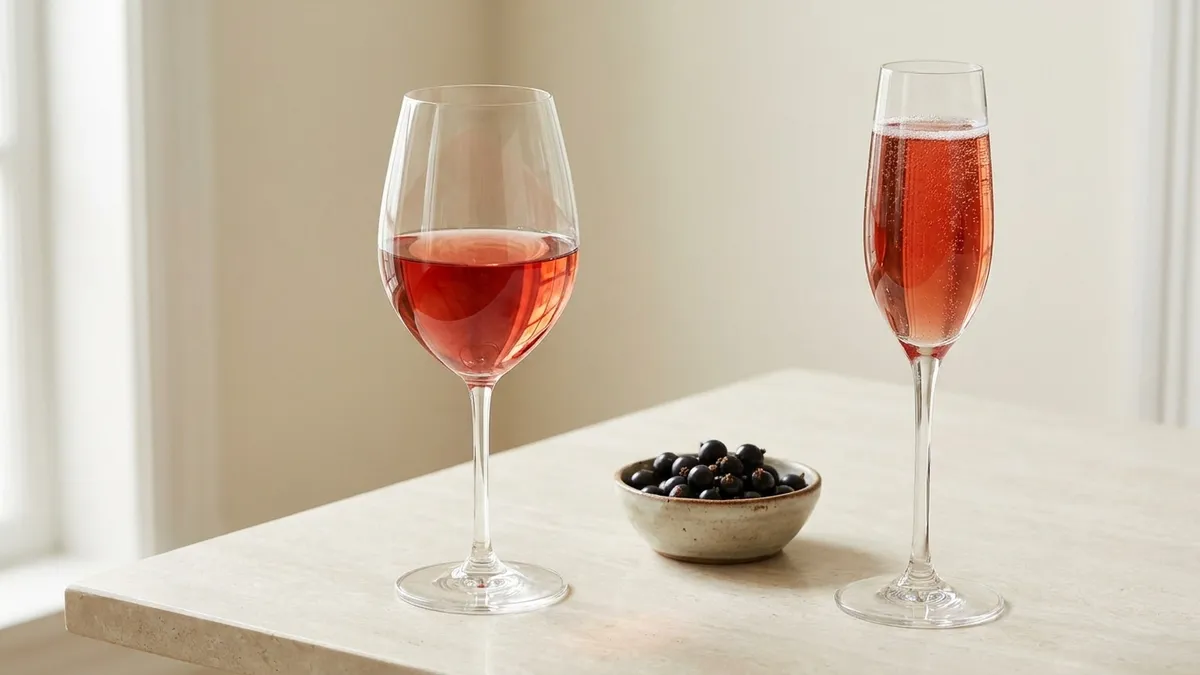
The original white was Bourgogne Aligoté, a tart Burgundy grape that cuts through the liqueur's sugar. The Burgundy wine guide places it beside the region's Chardonnay.
The ratio is where sources disagree. The IBA uses 10 ml of liqueur to 90 ml of wine, one tenth. French recipes typically use about one fifth. Nineteenth-century blanc-cassis recipes called for one third, which modern tastes find cloyingly sweet.
If your white is neutral and tart, start at one tenth and add more liqueur a few drops at a time. If the wine is soft and fruity, stay at one tenth or less, because it has little acidity to balance the sugar.
Bellini, Mimosa or Buck's Fizz: What Is the Difference?
All three are sparkling wine plus fruit. A Bellini uses white peach purée at two parts Prosecco to one; a Mimosa uses fresh orange juice at equal parts; and the IBA lists Buck's Fizz as another name for the Mimosa. The Bellini was invented between 1934 and 1948 by Giuseppe Cipriani at Harry's Bar in Venice.
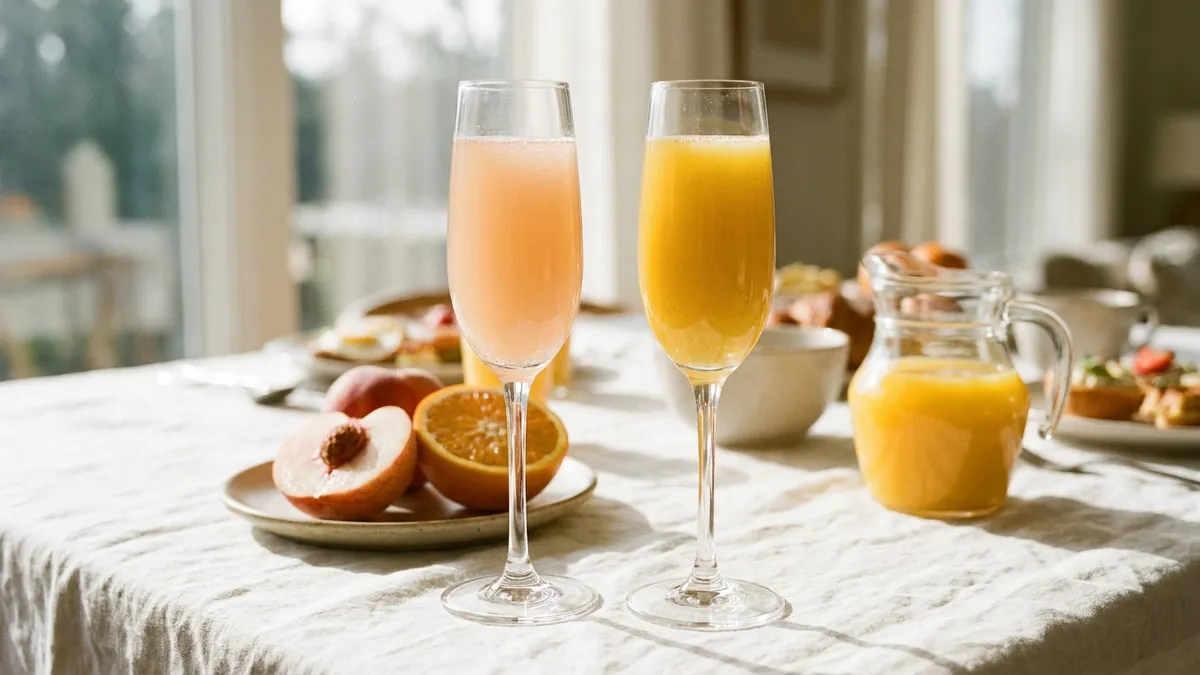
The IBA Bellini is 100 ml Prosecco and 50 ml white peach purée, stirred gently with ice and poured into a chilled flute. Its listed variations swap the fruit: mandarin juice for a Puccini, strawberry purée for a Rossini, pomegranate juice for a Tintoretto. The IBA Mimosa is 75 ml orange juice and 75 ml Prosecco.
The common belief is that Buck's Fizz and the Mimosa are two different drinks. The IBA treats them as one. Some sources do draw a line by ratio, with Buck's Fizz at twice as much sparkling wine as juice.
If the juice is sweet, use a Brut sparkling wine so the drink does not turn sugary. Pour the juice or purée first and the wine slowly on top, so the bubbles survive. For more brunch pours, see wine for brunch.
Which Wine Cocktails Are Lightest?
The lightest wine cocktails are the long Spanish mixes, where soda or cola cuts the wine roughly in half. Tinto de verano ("summer red") is red table wine and lemon soda, about one to one, over ice with a slice of lemon. Kalimotxo is equal parts red wine and cola. A spritzer is white wine lengthened with sparkling water.
Half a glass of 12% wine topped with soda gives a drink of about 6%, and ice takes it lower as it melts. If you want a long drink that stays light through an afternoon, mix one of these rather than a Spritz, which keeps the full alcohol of a glass of wine. For wines that start lower, the low-alcohol wines guide lists styles under 12%.
A cheap, dry, fruity red works here, because the soda supplies sweetness and fizz.
What Does the Law Say Sangria Must Be?
In the EU, sangria is a legal name: only a drink made in Spain or Portugal may be sold simply as Sangria. EU Regulation 251/2014 defines it as an aromatised wine-based drink (wine flavoured with fruit, herbs or spices), made from wine with natural citrus extracts, with no added colouring, at 4.5% to under 12% alcohol.
Sangria made in another EU country must carry the name aromatised wine-based drink, with Sangria only as a supplement and the words produced in plus the country. The same regulation protects Clarea, the white-wine version, for Spain alone.
The rule only covers drinks sold under the name. A jug you make at home can use any fruit and any strength. The regulation also defines Glühwein: red or white wine flavoured mainly with cinnamon or cloves, at least 7% alcohol, with no water added. That makes mulled wine a heated wine cocktail with its own legal name.
How Should You Serve Wine Cocktails?
Serve wine cocktails cold, over plenty of ice, in a wine glass, and mix them just before pouring unless the recipe needs time. Sangria is the exception: the fruit needs a few hours in the fridge to flavour the wine, so make it before guests arrive.
Chill the wine, juice and soda first. Ice melts fast in a warm drink, and melt waters the wine down. The how to chill wine fast guide covers the ice-and-salt bucket trick. A large stemmed wine glass holds a Spritz and its ice; a flute keeps a Bellini or Kir Royale fizzy longer, as the wine glass guide explains.
If the drink has bubbles, add them last and stir once, gently. More stirring knocks out the fizz. The sparkling wine types guide covers the styles worth keeping in the fridge for mixing. Sparkling, rosé and the other styles that suit mixing are grouped in the wine styles hub.
Sommy at sommy.wine teaches the grapes behind these drinks in bite-sized courses, including Wine 101, Spain and Italy. Pour 90 ml of a dry white into a wine glass tonight, add 10 ml of crème de cassis, and taste it next to a sip of the wine on its own.
Sources
- International Bartenders Association: Spritz (official recipe)
- International Bartenders Association: Kir (official recipe)
- International Bartenders Association: Bellini and Mimosa (official recipes)
- Regulation (EU) No 251/2014 on aromatised wine products, Annex II (Sangria, Clarea, Glühwein)
- Wikipedia: Kir (cocktail) and Aperol
Frequently Asked Questions
What is the best wine for sangria?
A dry, fruity red with soft tannin and fresh acidity, such as young Spanish Tempranillo or Garnacha, Beaujolais-style Gamay or an unoaked Merlot. Avoid heavily oaked or very tannic reds: cold temperatures and citrus make their tannin taste harsher. Spend about what you would on a weeknight bottle, because fruit and sugar hide a thin wine's flaws but cannot add the freshness it lacks.
What is the classic Aperol Spritz ratio?
The International Bartenders Association recipe is 90 ml Prosecco, 60 ml Aperol and a splash of soda water, built in a wine glass full of ice and garnished with a slice of orange. That is three parts wine to two parts Aperol. The popular 3-2-1 version follows the same proportion, with one part soda. Campari, Cynar or Select can replace the Aperol.
What is the difference between a Kir and a Kir Royale?
A Kir is crème de cassis, a blackcurrant liqueur, topped with dry white wine. The original white was Bourgogne Aligoté from Burgundy. A Kir Royale uses the same liqueur but tops it with Champagne instead. The International Bartenders Association recipe uses 10 ml cassis to 90 ml wine; French recipes often use more, about one fifth cassis.
Is a Mimosa the same as a Buck's Fizz?
The International Bartenders Association treats them as one drink: 75 ml fresh orange juice and 75 ml sparkling wine, poured into a flute, with Buck's Fizz listed as another name for the Mimosa. Some sources draw a line by ratio and say Buck's Fizz uses twice as much sparkling wine as juice. Either way, both are sparkling wine and orange juice.
Can only Spain make sangria?
Under EU Regulation 251/2014, a drink sold simply as Sangria must be made in Spain or Portugal. It is wine flavoured with citrus extracts, with no added colouring, between 4.5% and under 12% alcohol. Sangria made in another EU country must be labelled as an aromatised wine-based drink with the words produced in and the country. Homemade sangria is not affected.
How strong is an Aperol Spritz compared with a glass of wine?
Close to it. If the Prosecco is 11%, the 90 ml in the official recipe carries about 9.9 ml of pure alcohol, and 60 ml of 11% Aperol adds 6.6 ml. That is 16.5 ml in total, the same as a 150 ml glass of 11% wine. Soda and melting ice dilute the drink but do not remove any alcohol.
Sommy Team
LinkedInFounder & Wine Educator
The Sommy Team is building the world's most approachable wine education app, helping beginners develop real tasting skills through structured courses and AI-guided practice.