Chardonnay: From Lean Chablis to Buttery California

By the Sommy Team — AI-assisted, human-edited.
Updated Apr 29, 2026
Contents (13)
- Chardonnay, the Chameleon White Grape
- What Is Chardonnay, in 100 Words
- Why Chardonnay Tastes So Different From Region to Region
- Chablis: The Lean End of the Spectrum
- Burgundy Classique: The World Benchmark
- California Reserve: The Buttery Style
- Modern Australia: Restraint and Precision
- Champagne: The Backbone Grape
- Oak vs Unoaked: The Defining Decision
- Food Pairings by Style
- How Long Can Chardonnay Age?
- A Side-by-Side Tasting You Can Try Tonight
- Putting It All Together
TL;DR
Chardonnay is the world's most planted noble white grape and the chameleon of wine. Profile depends on terroir and winemaking — steely Chablis with no oak, hazelnut-rich white Burgundy, butter-bomb California, restrained modern Australia, and Champagne backbone. Alcohol 12 to 15 percent. Drink-young to age-worthy across two decades.
Chardonnay, the Chameleon White Grape
Chardonnay is the world's most planted noble white grape and the most stylistically flexible white in the wine world. The grape itself is relatively neutral — its character is shaped almost entirely by where it grows and how it is made. That is the central idea of any honest chardonnay guide: the grape is a vehicle, and terroir plus winemaking are the driver.
Walk into a wine shop and a single Chardonnay shelf can include a steely, oyster-shell Chablis at 12.5 percent alcohol, a hazelnut-scented Meursault, a butter-bomb California Reserve at 14.5 percent, a precise modern Margaret River version, and a bone-dry Champagne Blanc de Blancs. Same grape. Five different wines.
This chardonnay wine guide walks through the major regional styles, the oak and malolactic decisions that shape them, food pairings by style, and how long top examples can age.
What Is Chardonnay, in 100 Words
Chardonnay is the world's most planted noble white grape, capable of any style from steely Chablis to butter-bomb California. Profile depends entirely on terroir plus winemaking. Cool Chablis is unoaked with high acid, lemon, flint, and oyster shell at 12 to 12.5 percent alcohol. Burgundy Côte de Beaune (Meursault, Puligny-Montrachet) is oak-influenced with hazelnut and butter. California Napa and Sonoma use full malolactic conversion plus new oak for vanilla, butter, and tropical fruit. Modern Australia is restrained. Champagne uses Chardonnay as a backbone, especially in Blanc de Blancs. Total alcohol range 12 to 15 percent. Drink-young to age-worthy.
Why Chardonnay Tastes So Different From Region to Region
Chardonnay is sometimes called the "winemaker's grape" because so much of its identity comes from craft choices rather than the grape itself. Three variables do most of the work.
Climate
Cool-climate Chardonnay (Chablis, Champagne, parts of Burgundy, Tasmania, cool New Zealand sites) keeps high acid and pushes flavor toward green apple, lemon, pear, and wet stone. Warm-climate Chardonnay (Napa Valley, Sonoma, Adelaide Hills, much of South America) ripens further into pineapple, mango, and yellow peach with lower natural acidity.
Oak
Chardonnay is one of the most oak-friendly grapes in the world. Its neutral fruit lets oak come through clearly. New French oak adds vanilla, brioche, hazelnut, and a fine spicy lift. American oak adds bolder vanilla, coconut, and dill. Many premium versions ferment and age for 12 to 18 months in barrel. For a deeper look at oak's role, see our oaked wine explainer.
Malolactic Fermentation
Malolactic fermentation (a secondary fermentation that softens acidity) is the single most consequential decision in Chardonnay winemaking. It converts sharp malic acid into softer lactic acid and produces diacetyl — the compound responsible for the buttery aroma in popcorn and rich Chardonnay. Full malolactic conversion plus new oak gives the classic California Reserve profile. Chablis blocks the process on purpose to preserve its electric acid.
Chablis: The Lean End of the Spectrum
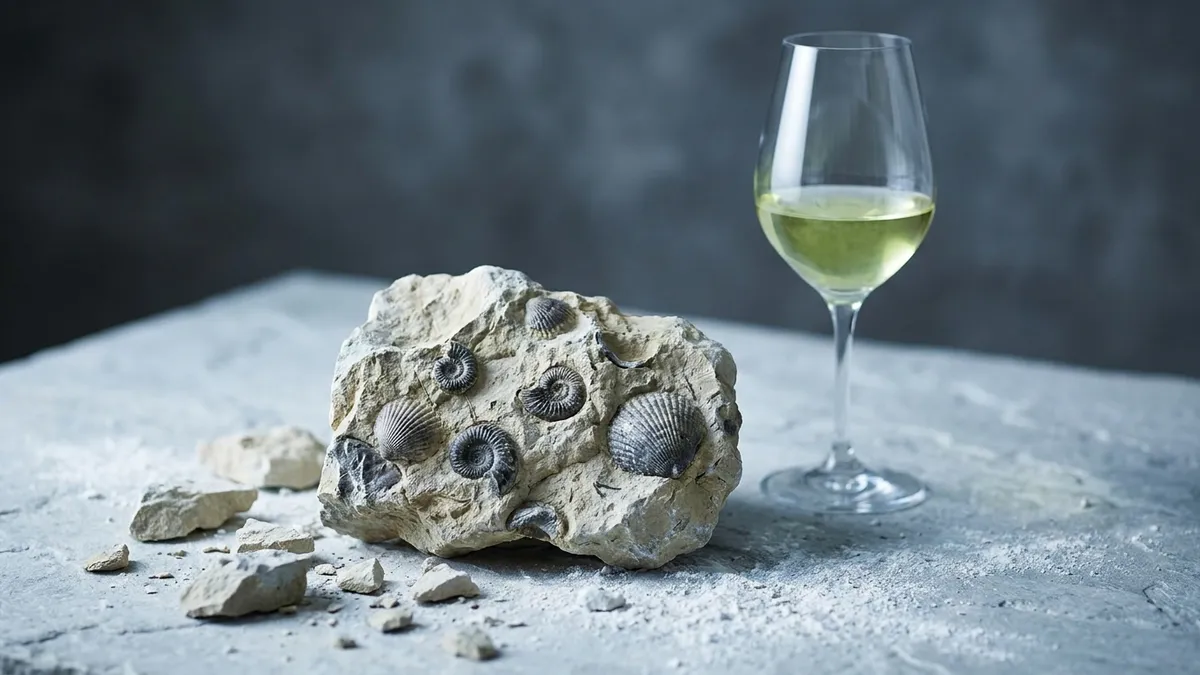
Chablis is the northernmost subregion of Burgundy, and it produces some of the most distinctive Chardonnay in the world. Cold winters, marginal ripening, and Kimmeridgian limestone soils packed with fossilized oyster shells give the wines a salty, flinty, oyster-shell minerality that is hard to mistake.
Most Chablis is fermented and aged in stainless steel or large old foudres — neutral vessels that contribute no oak character. The wines are bone-dry, high-acid, lean-bodied, and usually 12 to 12.5 percent alcohol. Tasting notes lean on lemon, green apple, chalk, flint, and that signature oyster-shell salinity.
There is a quality hierarchy worth knowing:
- Petit Chablis — the simplest expression, drink within two years
- Chablis — the workhorse appellation, classic flinty profile
- Chablis Premier Cru — hillside vineyards, more concentration, can age five to ten years
- Chablis Grand Cru — seven specific top-of-hill sites, the most age-worthy expression
Chablis is the answer to anyone who has only had buttery Chardonnay and decided they dislike the grape. It is essentially a different wine.
Burgundy Classique: The World Benchmark
South of Chablis, the Côte de Beaune produces what most professionals call the benchmark style of Chardonnay anywhere on earth. Villages like Meursault, Puligny-Montrachet, and Chassagne-Montrachet combine cool climate, deep limestone soils, and centuries of winemaking refinement.
The classique Burgundy approach uses:
- French oak barrels (not always new — often a thoughtful mix of new, one-year, and older)
- Partial or full malolactic fermentation, judged by vintage
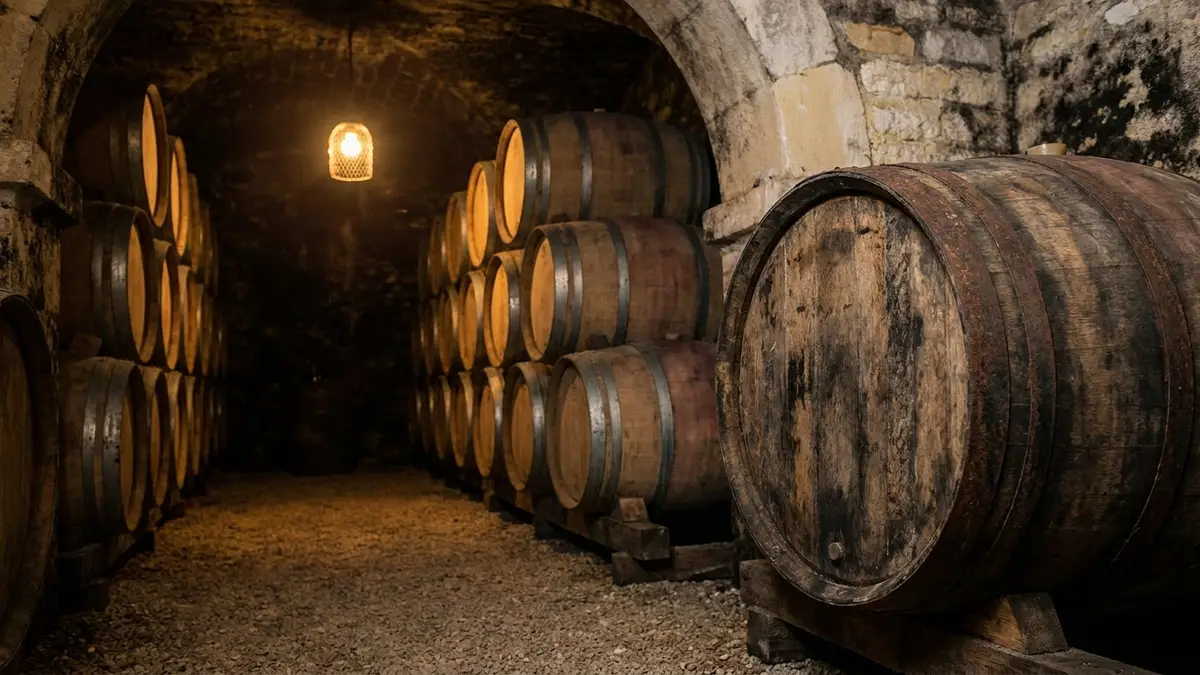
- Extended lees aging (resting on dead yeast cells, which adds creamy texture and savory complexity)
- Long, slow fermentations to preserve complexity
The result sits between Chablis and California: hazelnut, toasted brioche, lemon curd, white peach, beeswax, and a subtle butter note that integrates rather than dominates. Acid stays bright. Alcohol is typically 13 to 13.5 percent. The best examples evolve for 15 to 20 years, developing waxy, honeyed, mushroom-like tertiary notes that few other whites can match.
California Reserve: The Buttery Style
California Chardonnay, especially from Napa Valley and the warmer parts of Sonoma, defined the rich, oaky style for an entire generation of drinkers. The recipe was assertive: ripe fruit at 14 to 14.5 percent alcohol, full malolactic conversion, 100 percent new French or American oak, and extended lees stirring.
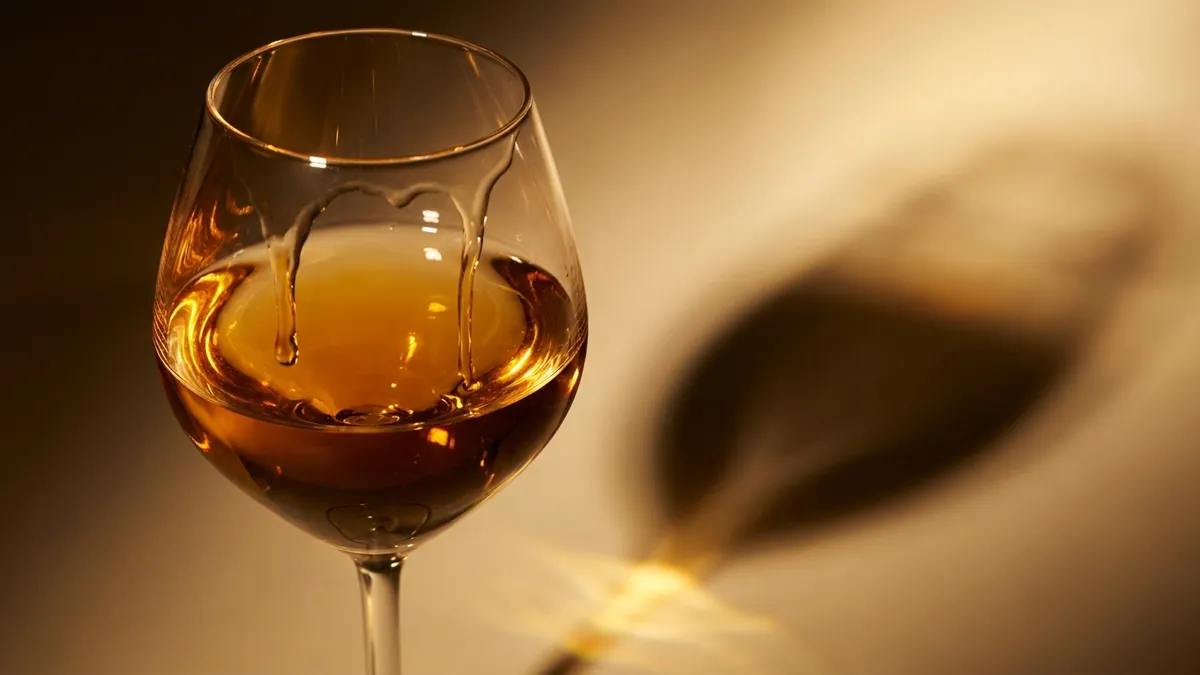
The result is unmistakable — golden color, aromas of butter, vanilla, toast, butterscotch, pineapple, and yellow apple, with a creamy, almost viscous mouthfeel and a long warm finish. Pair it with lobster in butter and the wine seems to melt into the dish.
Critics of the style argued it had become a one-note caricature, oak-dominated and tiring after a glass or two. Their complaint launched the ABC movement — Anything But Chardonnay — in the 1990s and early 2000s. Producers responded. Today's California Chardonnay scene is far more diverse, with cooler-coast producers in places like the Sonoma Coast and Santa Rita Hills making leaner, more restrained styles that owe as much to Burgundy as to Napa tradition.
You can still find the butter-bomb style if that is what you love. You can also find taut, mineral, restrained California Chardonnay that holds its own against Burgundy classique.
Modern Australia: Restraint and Precision
Australia rewrote its own Chardonnay story in the 2010s. The earlier generation made big, oaky, tropical wines that mirrored the Napa style. The current generation — especially in Margaret River, the Yarra Valley, Adelaide Hills, and Tasmania — makes some of the most elegant Chardonnay anywhere outside Burgundy.
The modern Australian playbook leans on:
- Earlier picking to preserve natural acid
- Less new oak, often around 20 to 30 percent
- Partial malolactic conversion or none at all
- Wild ferments and extended lees aging for texture without heaviness
The result is a clean, fruit-driven wine with white peach, grapefruit, struck-match flintiness, and a precise, energetic finish. Alcohol typically lands at 12.5 to 13.5 percent. For a broader look at the country's wines, see our Australian wine guide.
Champagne: The Backbone Grape
Chardonnay is one of the three permitted grapes in Champagne, alongside Pinot Noir and Pinot Meunier. In standard Champagne blends it provides freshness, finesse, and aging potential. In a Blanc de Blancs Champagne, it stands alone as the only grape in the bottle.
Blanc de Blancs from chalky terroirs in the Côte des Blancs subregion shows Chardonnay's most ethereal expression — pale color, citrus zest, white flowers, brioche, and an almost weightless finish powered by very high acid. Vintage Blanc de Blancs from top houses can age beautifully for a decade or more, gaining toasted hazelnut and honeyed complexity. For more on the category, see our sparkling wine types guide and the Champagne vs Prosecco vs Cava comparison.
Oak vs Unoaked: The Defining Decision
Because Chardonnay is so neutral, oak treatment is the single biggest stylistic signal in the glass. Here is a side-by-side at a glance.
Unoaked Chardonnay
- Aromas: green apple, lemon, pear, white flowers, wet stone, oyster shell
- Palate: crisp, lean, mineral, electric acid
- Body: light to medium
- Examples: Chablis, Petit Chablis, modern Australian "no oak" labels, much of cool New Zealand and Italian Chardonnay
Lightly Oaked Chardonnay
- Aromas: lemon curd, white peach, hazelnut, light toast
- Palate: rounded but precise, balanced acid
- Body: medium
- Examples: village-level Burgundy, modern Margaret River, premium cool-coast California
Heavily Oaked Chardonnay
- Aromas: butter, vanilla, toast, butterscotch, tropical fruit, coconut
- Palate: rich, creamy, viscous, soft acid
- Body: full
- Examples: classic Napa Reserve, traditional Sonoma, oak-driven South American styles
If you only know one of those styles, you do not actually know Chardonnay yet. Tasting all three side by side is one of the most useful exercises a beginner can do. The Sommy app's structured side-by-side comparison module is built around exactly this kind of calibration.
Food Pairings by Style
Chardonnay is one of the most flexible food wines in the world, but the pairing has to match the style.
Lean, unoaked Chablis or unoaked Australian:
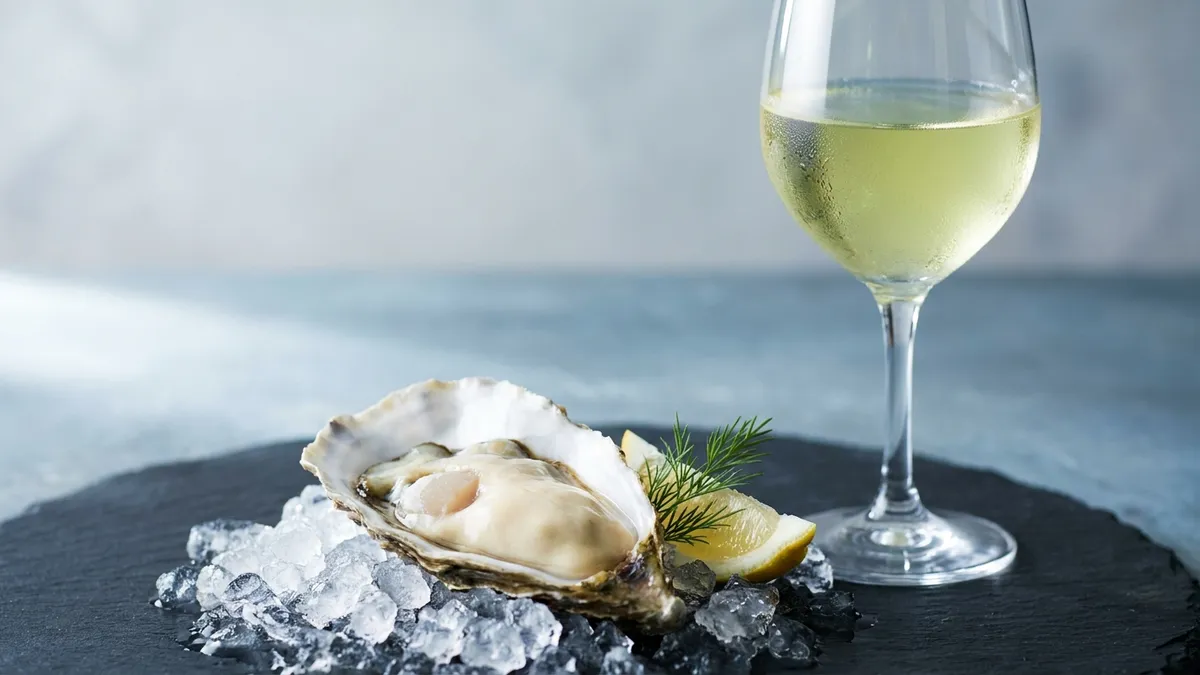
- Raw oysters and shellfish on ice
- Sushi and sashimi
- Fresh goat cheese with herbs
- Grilled white fish with lemon
- Salads with citrus dressing
Burgundy classique or lightly oaked premium:
- Roast chicken with herbs
- Mushroom risotto
- Soft-rind cheeses (Brie, Camembert)
- Pork with apple and sage
- Vegetable tarts
Heavily oaked California Reserve:
- Lobster with drawn butter
- Crab with cream sauce
- Carbonara or Alfredo pasta
- Grilled corn and root vegetables
- Smoky cheeses and aged Gouda
Champagne Blanc de Blancs:
- Almost any seafood, especially oysters and caviar
- Sushi
- Aperitif with salty snacks
- Egg-based brunch dishes
The unifying rule is the same one we use across wine food pairing and wine pairing rules: match the weight of the wine to the weight of the food. A delicate raw oyster wants Chablis, not California Reserve. A lobster swimming in butter wants the opposite.
How Long Can Chardonnay Age?
Most Chardonnay is built for early drinking. Inexpensive supermarket bottles are best within one to two years of release. Mid-tier oaked styles drink well for three to five years. The category that genuinely rewards cellaring is high-end white Burgundy and vintage Champagne.
A grand cru Meursault, Puligny-Montrachet, or Chassagne-Montrachet from a top vintage can age 15 to 20 years, slowly trading bright lemon and orchard fruit for waxy honeyed notes, toasted hazelnut, dried apricot, mushroom, and a savory umami depth that can rival aged white wines from anywhere on earth. Vintage Champagne with a high Chardonnay percentage develops similar tertiary complexity over a decade or more.
If you want to feel the gap, taste a young Meursault next to a 12-year-old example side by side. The aged version barely smells like the same grape. For the framework behind this kind of tasting, see our guide to tasting young vs aged wine and our deeper dive on wine balance.
A Side-by-Side Tasting You Can Try Tonight
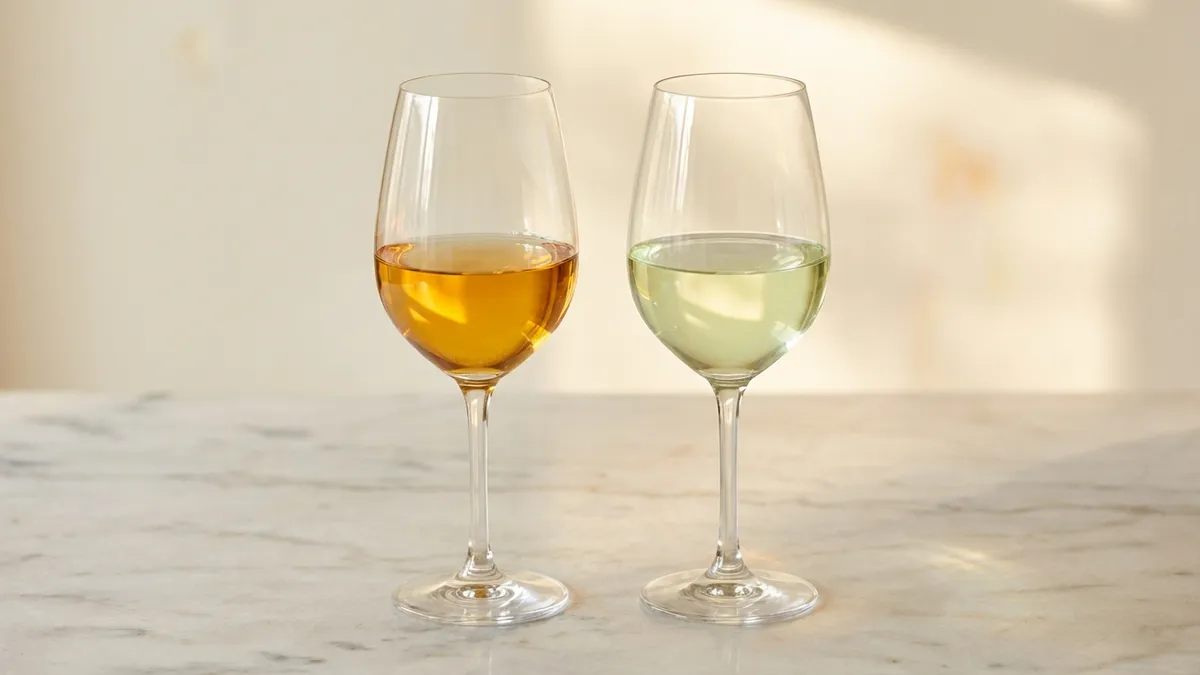
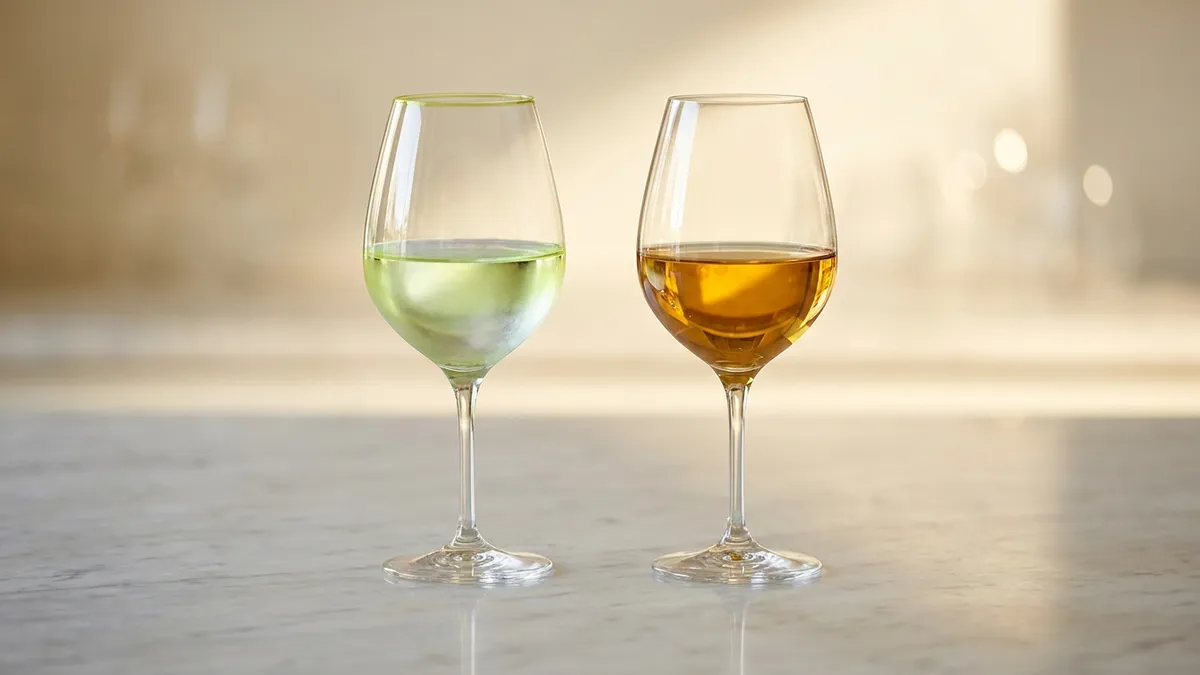
Buy one unoaked Chablis and one oaked California, Australian, or Sonoma Chardonnay. Pour both into identical glasses and taste them blind if you can.
- Color first. The Chablis will be pale lemon with hints of green. The oaked version will be deeper gold.
- Aroma. Bring both to your nose without swirling. The Chablis pushes citrus, apple, and wet stone. The oaked version leads with vanilla, butter, and tropical fruit.
- Acid. Sip and notice how much your mouth waters. Chablis will feel sharp and salivating. The oaked version will feel soft and round.
- Body and finish. The Chablis finishes clean and dry. The oaked version coats the palate and lingers for ten or more seconds.
After this single comparison, the entire spectrum of Chardonnay opens up. Every other Chardonnay you ever taste fits somewhere on the line between those two glasses. Sommy includes this exact exercise in its side-by-side tasting module, with calibrated reference points so you can map your impressions against professional notes.
Putting It All Together
Chardonnay is not one wine. It is a spectrum, and the spectrum is wider than almost any other grape. Chablis is everything Napa Reserve is not, and modern Margaret River sits somewhere thoughtful in between. The grape itself just shows up and lets the climate, the oak, and the malolactic decision do the talking.
Once you can taste those decisions in the glass, every Chardonnay becomes legible. You stop buying based on the label and start buying based on the style you want for the meal in front of you. That is the goal of any real chardonnay wine guide — not memorizing producers, but learning to read the wine itself.
The Sommy app builds this kind of calibration into structured tasting courses, so each wine you try adds to a personal palate library you can actually trust. Visit sommy.wine to start working through the grape variety modules, including detailed Chardonnay comparisons across regions and styles.
Frequently Asked Questions
What does Chardonnay taste like?
It depends on where it grew and how it was made. Cool-climate, unoaked Chardonnay tastes like green apple, lemon, pear, and wet stone. Burgundy classique adds hazelnut, brioche, and creamy texture. California Reserve styles taste of butter, vanilla, tropical fruit, and toast. Modern Australia sits between the two — fruit-forward but lean.
Why is Chardonnay so different from one bottle to the next?
Because the grape itself is relatively neutral. Most of what you taste comes from winemaking choices — oak type and age, malolactic fermentation, lees aging, and climate. A neutral grape becomes the vehicle for those decisions, which is why an unoaked Chablis and a heavily oaked California Reserve barely seem like the same variety in the glass.
What is malolactic fermentation, and why does it make Chardonnay buttery?
Malolactic fermentation is a secondary fermentation that converts sharp malic acid into softer lactic acid. The process produces diacetyl, the same compound that gives popcorn its buttery aroma. Full malolactic conversion combined with new oak gives California Reserve Chardonnay its signature creamy, buttery profile. Chablis avoids it on purpose.
Is Chardonnay always oaked?
No. Chablis is famously unoaked, fermented and aged in stainless steel or large neutral vats to preserve the grape's naturally crisp acid and mineral character. Many modern Australian and Californian producers also bottle unoaked or lightly oaked Chardonnay. Oak is a winemaking choice, not a feature of the grape.
How long can you age Chardonnay?
Most Chardonnays are best within three to five years. High-end white Burgundy from villages like Meursault and Puligny-Montrachet can age fifteen to twenty years, developing nutty, honeyed, and waxy notes. Vintage Champagne with high Chardonnay content also ages beautifully for a decade or more. Cheap supermarket Chardonnay should be drunk young.
What food pairs best with Chardonnay?
Match the weight of the wine to the weight of the dish. Lean Chablis pairs with oysters, sushi, and goat cheese. Burgundy classique loves roast chicken, mushroom risotto, and soft cheeses. Buttery California Chardonnay handles lobster with butter, creamy pasta, and rich fish dishes. Champagne Blanc de Blancs works with almost anything.
What is the ABC movement?
ABC stood for Anything But Chardonnay — a backlash in the 1990s and early 2000s against heavily oaked, butter-bomb California styles that drinkers found one-note and tiring. The movement pushed producers worldwide to make leaner, more terroir-driven Chardonnays. Today's spectrum is wider than ever, and most regions offer both styles.
What alcohol level is typical for Chardonnay?
Most Chardonnay falls between 12 and 15 percent alcohol by volume. Cool-climate examples like Chablis sit at 12 to 12.5 percent, Burgundy classique around 13 to 13.5 percent, and warm-climate California or Australian Reserve styles can reach 14 to 15 percent. Higher alcohol generally signals riper fruit and a richer body.
Sommy Team
LinkedInFounder & Wine Educator
The Sommy Team is building the world's most approachable wine education app, helping beginners develop real tasting skills through structured courses and AI-guided practice.