Best Wines for Summer: Light, Refreshing, and Chillable

By the Sommy Team — AI-assisted, human-edited.
Updated Oct 1, 2026
Contents (10)
- The Best Wines for Summer, in One Paragraph
- What Makes a Wine Refreshing on a Hot Day?
- How Cold Should Summer Wine Be?
- Which White Wines Are Best for Summer?
- Is Rosé Really the Best Summer Wine?
- Which Sparkling Wines Work for Summer?
- Can You Chill Red Wine in Summer?
- What Wine Goes With Summer Food?
- How Do You Make a Wine Spritz?
- What to Pour Tonight
TL;DR
The best wines for summer combine high acidity, alcohol around 8.5 to 12.5% and no oak. Pour sparkling at 6 to 10°C, light whites at 7 to 10°C, and dry rosé and light reds like Gamay at 10 to 12°C. Cold sharpens acid and tannin and mutes aroma, so big tannic reds stay out of the fridge.
The best wines for summer share three traits: high acidity, moderate alcohol and no oak. Serve them colder than you would in winter and they stay fresh in the heat. That covers more than white wine. Dry rosé, Prosecco and light reds such as Gamay all qualify, and each has a temperature where it tastes right.
The Best Wines for Summer, in One Paragraph
For hot days, pick unoaked, high-acid wines of about 8.5 to 12.5% alcohol and chill them. Portuguese Vinho Verde, Spanish Albariño, Loire Muscadet, Sauvignon Blanc and dry Riesling are the whites. Dry rosé works with almost any summer plate, as long as it is from a recent harvest. Prosecco Brut is the easy sparkling choice, and the base of the spritz. Gamay, the grape of Beaujolais, is the red to chill. Serve sparkling at 6 to 10°C, light whites at 7 to 10°C, and rosé and light reds at 10 to 12°C. Keep full, tannic reds of 14% and above for autumn.
What Makes a Wine Refreshing on a Hot Day?
A wine tastes refreshing when three things line up: high acidity, moderate alcohol and no noticeable oak. Each one is on the label or easy to guess from the grape and region. A wine that passes all three still tastes fresh after ten minutes in a warm glass.
- Acidity (the tartness that makes your mouth water). It keeps a wine tasting lively as it warms in the glass, and it cuts salt and fat in summer food. Cool-climate and Atlantic regions give the most. Our guide to wine acidity explains how to feel it.
- Moderate alcohol. Vinho Verde runs around 8.5 to 11% and Albariño 11.5 to 12.5%. Alcohol feels warm in the throat, and on a hot afternoon that warmth adds up. See low-alcohol wines for more under 12%.
- No oak (barrels that add vanilla, toast or butter flavours). Oak adds weight. Wines fermented and kept in steel taste of fresh fruit, as what oaked means sets out.
If the back label says 14% or mentions barrel ageing, save that bottle for a cooler night.
How Cold Should Summer Wine Be?
Colder than most people think for whites and sparkling, and cooler than room temperature for every red. Lower temperatures emphasise acidity and tannin and mute aroma. Warmer temperatures do the reverse. Each range below is where a style keeps its freshness and still smells of fruit.
| Style | Examples | Serve at | Pour it with |
|---|---|---|---|
| Sparkling | Prosecco, Champagne, Cava | 6 to 10°C (43 to 50°F) | Aperitivo, fried snacks, salty crisps |
| Light, unoaked white | Muscadet, Vinho Verde, Albariño, Sauvignon Blanc | 7 to 10°C (45 to 50°F) | Oysters, grilled fish, salads with vinaigrette |
| Dry rosé | Provence-style rosé | 10 to 12°C (50 to 54°F) | Salade niçoise, grilled prawns, picnic food |
| Light red | Gamay, Beaujolais | 10 to 12°C (50 to 54°F) | Burgers, sausages, grilled chicken |
| Oaked white | White Burgundy, oaked Chardonnay | 10 to 13°C (50 to 55°F) | Grilled lobster, chicken with butter sauce |
| Full-bodied red | Cabernet, Syrah | 15 to 18°C (59 to 64°F) | Grilled steak, lamb, after the sun goes down |

A fridge runs colder than any of these ranges, and a hot terrace warms a glass fast. If a white smells of nothing, cup the bowl in your hands for a minute. If a light red tastes hot or soupy, put it back in the fridge. The full chart by grape is in our wine serving temperature chart, and how temperature affects wine taste covers the mechanism. For a bottle you forgot to chill, the salted ice-water bath in how to chill wine fast beats the freezer.
Which White Wines Are Best for Summer?
The best summer whites are unoaked and high in acid, from cool or Atlantic-cooled vineyards. Cool growing conditions ripen grapes slowly, which keeps acid high, and steel tanks keep the fruit fresh without oak flavour. Five label names cover most of the shelf.
- Vinho Verde. From northern Portugal's green Atlantic north, with about 16,000 hectares of vines. Its faint prickle comes from less than one bar of carbon dioxide, which most producers now add at bottling. The Vinho Verde region guide covers the grapes.
- Albariño. Generally high in acidity, with alcohol usually around 11.5 to 12.5%. The same grape is called Alvarinho in Portugal, where it makes fuller Vinho Verde of 11.5 to 14%. More in our Albariño guide.
- Muscadet. Made from Melon de Bourgogne near the Loire's Atlantic mouth. Bottles labelled sur lie spent at least a full winter on their lees (spent yeast), which adds a bread note and a little texture. See Melon de Bourgogne and Muscadet.
- Sauvignon Blanc. Cool-climate examples smell of gooseberry and asparagus, because the grape compounds behind those green notes, methoxypyrazines, grow more pronounced in cooler regions. The Sauvignon Blanc guide compares regions.
- Dry Riesling. German Riesling runs from sweet to fully dry. For a dry one, look for trocken on the label. Our Riesling guide decodes the rest.
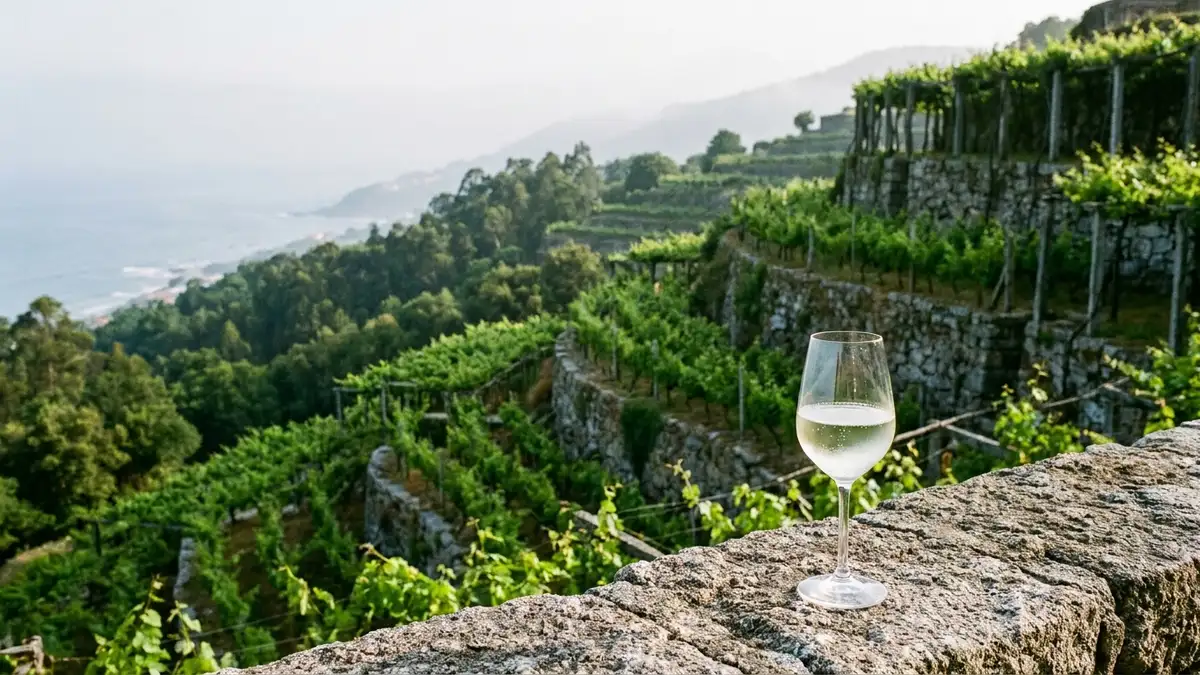
If you want the lightest glass on the list, buy Vinho Verde; if you want more flavour without oak, buy Albariño or a Muscadet sur lie.
Is Rosé Really the Best Summer Wine?
Dry rosé is the most flexible summer wine, as long as it is young. It has the acidity of a white and a little of the red-fruit flavour of a red, so it handles both a salad and a grilled sausage.
The colour misleads people. Rosé's pink comes from leaving the juice on red grape skins for a short time, typically two to twenty hours, not from sugar. Most rosé is dry (no sugar you can taste; fruity is not sweet). The rosé wine guide covers the styles and grapes.
Rosé fades quickly. Within a year of production, one of the compounds behind its fruity smell has usually dropped to half its level after fermentation. If the vintage on the label is more than a year old, choose a younger bottle.
Which Sparkling Wines Work for Summer?
Prosecco is the easiest summer sparkling wine, and the label word that matters is the sweetness term. It is made mainly from the Glera grape, which must make up at least 85% of the blend. Its second fermentation, the one that makes the bubbles, usually takes place in large steel tanks rather than in each bottle.
That keeps the flavour on fresh pear and apple. The grape is profiled in our Prosecco grape guide.
The sweetness words read backwards. Extra Dry Prosecco is sweeter than Brut:
- Brut: up to 12 g/L of sugar, the driest common style
- Extra Dry: 12 to 17 g/L
- Dry: 17 to 32 g/L
If the bottle is for an aperitif with salty snacks, buy Brut; if it will sit next to strawberries or a peach dessert, Extra Dry tastes more balanced. Cava vs Prosecco compares the two most common bargains.
Can You Chill Red Wine in Summer?
Yes, if the red is light and low in tannin (the drying grip on your gums). Light reds such as Beaujolais are served at 10 to 12°C. Cold makes tannin feel harsher, so the same chill turns a full-bodied red bitter and hard.
Gamay is the textbook choice. It is typically light-bodied and fruity, so a chill sharpens its fresh fruit without exposing much tannin. Our Gamay guide explains the Beaujolais village names that help you pick one.
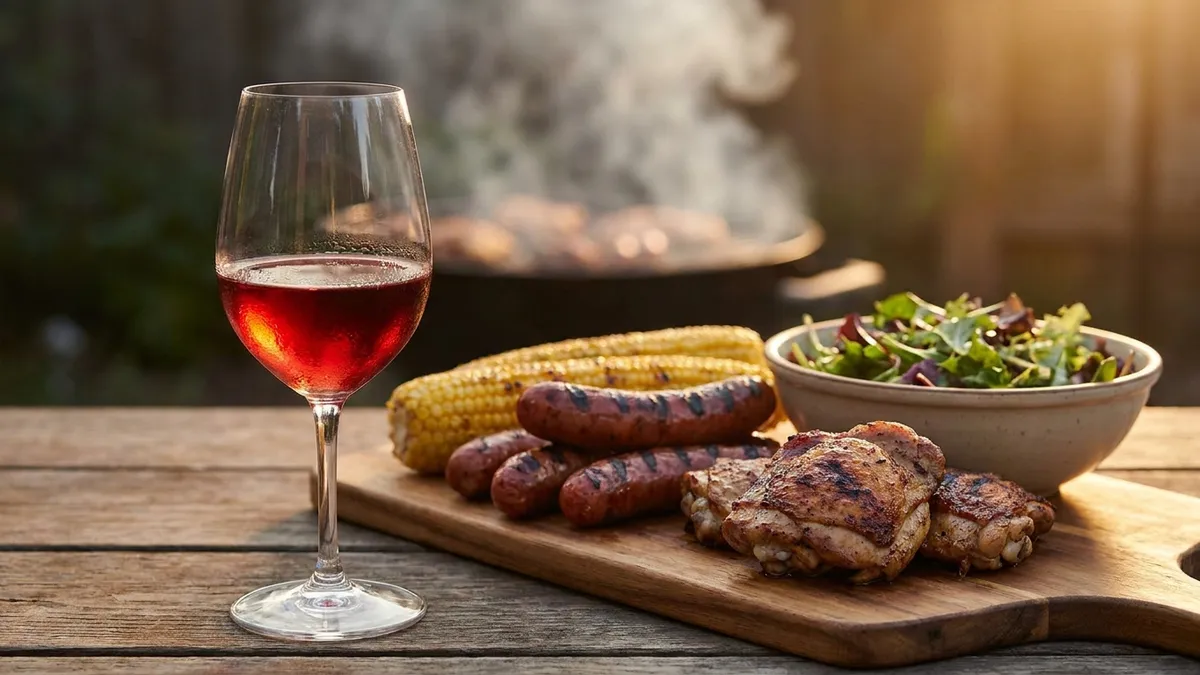
If a red is labelled 14% or above, or dries your gums on the first sip, do not chill it below 15°C. Serve it after sunset instead.
What Wine Goes With Summer Food?
Match the wine's weight to the dish and let acidity handle fat and salt. Summer food is mostly salty, grilled, raw or dressed with vinegar, and each calls for a different glass. Light food takes a light wine; char and fat take a little more fruit and grip.
- Raw shellfish and oysters. Salt and brine want a lean, high-acid white. Muscadet is the classic; see wine with oysters.
- Grilled fish and seafood. Albariño or Vinho Verde has the citrus and acid to replace a squeeze of lemon. More in wine with seafood.
- Salads with vinaigrette. Vinegar makes soft wines taste flat, so pour a wine with at least as much acid as the dressing: Sauvignon Blanc. See wine with salad.
- Barbecue. Char and fat need fruit and a little grip. Chilled Gamay or a dry rosé handles burgers and sausages; save a full red for a steak. The wine with BBQ guide covers sauces.
- Aperitivo snacks. Fried and salty food meets its match in bubbles, which scrub the palate. Prosecco Brut does the job.
If the dish is spicy as well as grilled, pick the lowest-alcohol wine on the table, because alcohol makes chilli burn harder. Packing the same bottles for the park is covered in wine for a picnic, and the wider food pairing hub holds the general rules.
How Do You Make a Wine Spritz?
The classic spritz is 9 cL of Prosecco, 6 cL of Aperol and a splash of soda water over ice. That is the International Bartenders Association recipe for the Spritz Veneziano. Build it in a wine glass full of ice, stir gently, and add a slice of orange.
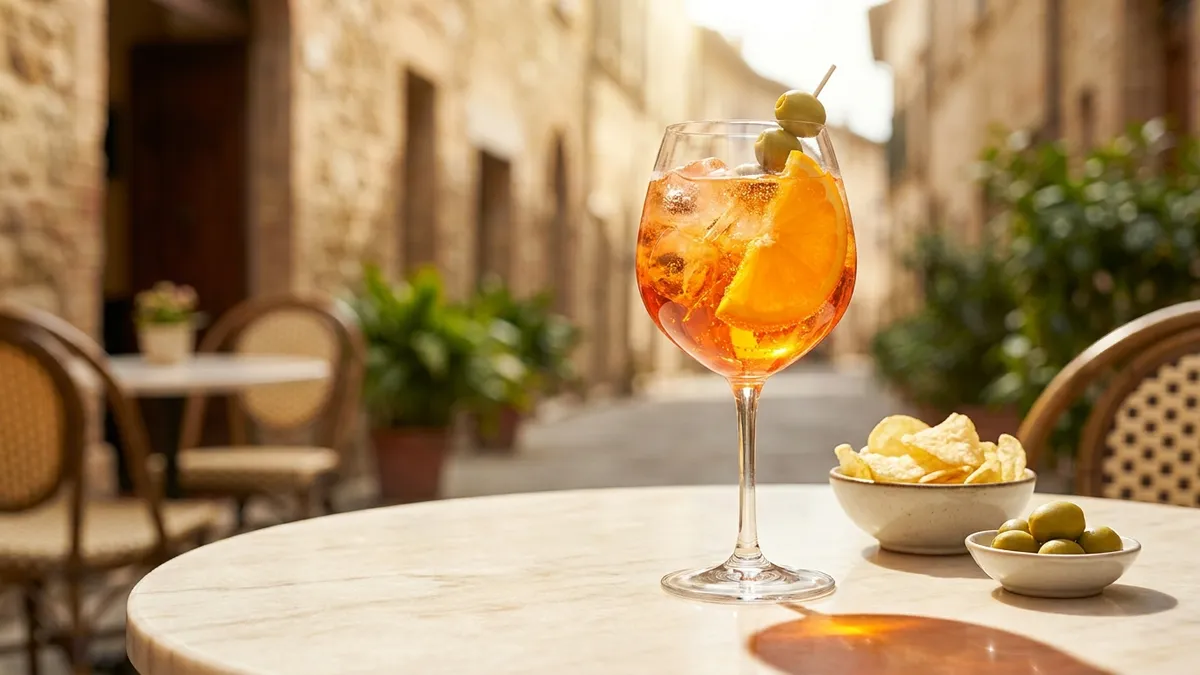
The name comes from the German spritzen, to splash. In the 1800s, Habsburg soldiers stationed in the Veneto asked hosts to spray a drop of water into the strong local wine to make it lighter. That splash is still the point. If the drink tastes too bitter or too strong, add more soda rather than more Prosecco.
What to Pour Tonight
Put one unoaked white and one light red in the fridge this afternoon. At dinner, pour the white straight from the fridge and the red after twenty minutes on the table, then taste each again ten minutes later. Note which temperature tasted best. The Sommy app at sommy.wine has an AI-guided tasting mode: photograph the label, follow the look, smell and taste steps, and your notes land in your tasting journal for the next hot day.
Sources
Frequently Asked Questions
What is the best wine to drink in summer?
A wine with high acidity, moderate alcohol and no oak. Vinho Verde, Albariño, Muscadet, Sauvignon Blanc, dry rosé and Prosecco all fit, and Gamay is the classic chillable red. Vinho Verde runs around 8.5 to 11% alcohol and Albariño 11.5 to 12.5%, so both stay fresh in the heat. Save oaky whites and big reds of 14% and above for cooler evenings.
Can you chill red wine?
Yes, if it is light and low in tannin. Light reds such as Beaujolais, made from Gamay, are served at about 10 to 12°C. Cold makes tannin feel harsher, so a full-bodied, grippy red tastes bitter and hard when chilled. Keep those at 15 to 18°C, which on a hot day still means a short spell in the fridge.
How cold should white wine be in summer?
Light, unoaked whites such as Muscadet or Vinho Verde taste best at about 7 to 10°C. Fuller, oaked whites want 10 to 13°C, because cold mutes their aromas. A bottle straight from the fridge is usually colder than either range, so pour it and let the glass warm for a few minutes if the wine smells of nothing.
Is rosé sweet?
Most rosé is dry. Its pink colour comes from leaving the juice on red grape skins for a short time, typically two to twenty hours, before the skins are removed. That step sets colour, not sugar. Sweetness depends on whether the winemaker leaves sugar unfermented, so check the label for words like dry or sec, or the alcohol level.
Is Extra Dry Prosecco drier than Brut?
No. Brut is the drier style, with up to 12 grams of sugar per litre. Extra Dry carries 12 to 17 grams per litre, and Dry carries 17 to 32. The names are older than modern taste, which is why they read backwards. Buy Brut for a crisp aperitif and Extra Dry when the wine sits next to fruit or a mildly sweet dish.
What is the classic spritz recipe?
The International Bartenders Association recipe for the Spritz Veneziano is 9 cL of Prosecco, 6 cL of Aperol and a splash of soda water, built over ice in a wine glass, stirred gently and garnished with a slice of orange. If it tastes too bitter, add more soda rather than more Prosecco, which keeps it light.
Sommy Team
LinkedInFounder & Wine Educator
The Sommy Team is building the world's most approachable wine education app, helping beginners develop real tasting skills through structured courses and AI-guided practice.