Wine with BBQ: Match the Smoke, the Char and the Sauce

By the Sommy Team — AI-assisted, human-edited.
Updated Sep 25, 2026
Contents (11)
- Wine with BBQ in One Paragraph
- Does Grilling or Smoking Change the Wine?
- What Wine Goes With Each BBQ Sauce Style?
- What Wine Pairs With Smoked Brisket?
- What Wine Goes With BBQ Ribs and Pulled Pork?
- What Wine Works With Grilled Chicken and Vegetables?
- Can You Drink Wine With Spicy BBQ Sauce?
- Is Zinfandel the Best BBQ Wine?
- Does a Smoky Wine Match Smoked Meat?
- How Should You Serve Wine at a Cookout?
- Taste the Sauce Rule Tonight
TL;DR
Wine with BBQ is picked by the sauce and the fire more than the meat. Dry-rub brisket takes a firm red like Malbec or Syrah. Sweet-sauced ribs and pulled pork want juicy, low-tannin Zinfandel or Grenache. Chilli heat calls for cold, off-dry Riesling. Serve every bottle cooler than the air around the grill.
Choosing wine with BBQ comes down to the sauce and the fire far more than the meat. Sugar and chilli push the glass toward juicy, cool, lower-alcohol wines. Only dry, fatty, unsauced meat earns the big tannic red that most people reach for first.
Wine with BBQ in One Paragraph
Match the wine to the loudest thing on the plate. Dry-rubbed smoked brisket takes a firm, full-bodied red such as Malbec or Syrah, because fat and protein soften tannin. Sweet tomato sauce on ribs or pulled pork takes a juicy, low-tannin red such as Zinfandel or Grenache. Tangy vinegar sauce takes acidity: dry rosé, Riesling or a light red. Chilli heat takes a cold, off-dry white with moderate alcohol, because alcohol sensitises the same nerve receptor that capsaicin triggers, so a 15% red makes the burn worse. Grilled chicken and vegetables go with dry rosé. Outdoors, serve every wine cooler than the air, since warm wine tastes hot and harsh.
Does Grilling or Smoking Change the Wine?
Yes. Fast grilling builds a dark, bitter-edged crust on meat that stays lean inside. Slow smoking gives soft, fatty meat with smoke all the way through. Char pushes the glass toward softer tannin, while melted fat lets a firmer red in.
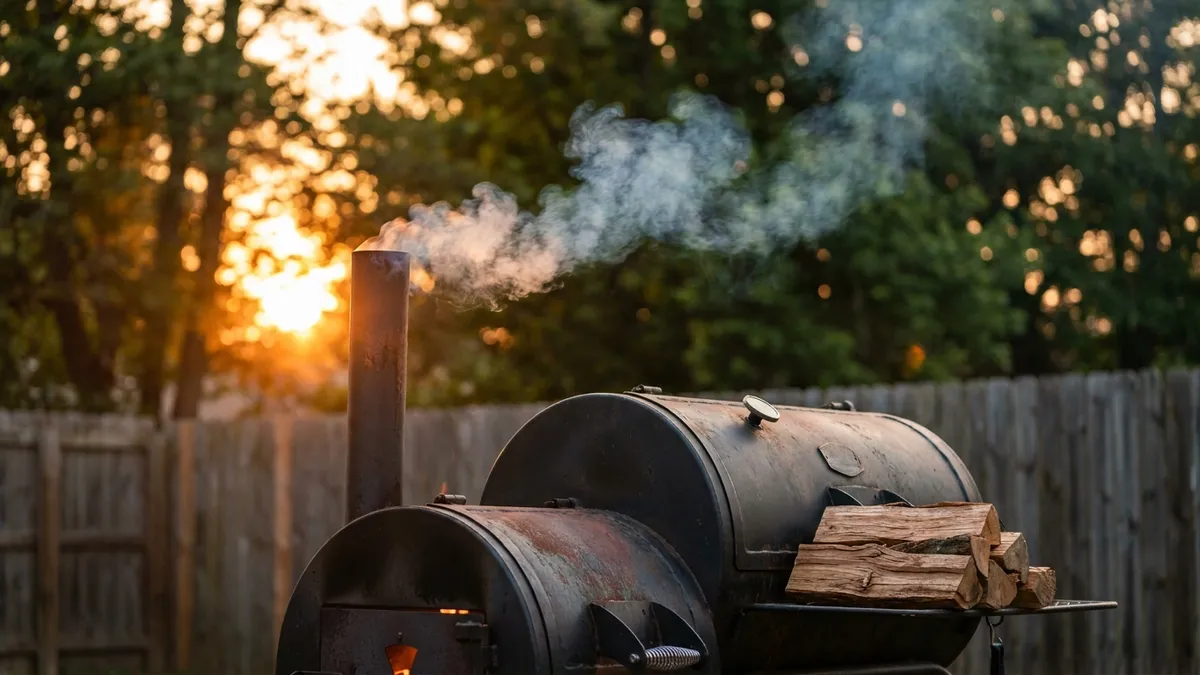
Grilling happens over direct, dry heat, usually a fire above 260°C (500°F), for a few minutes a side. Smoking runs low and slow, around 116 to 138°C (240 to 280°F), for hours. The difference matters because of the Maillard reaction, the browning of proteins and sugars that creates the savoury crust on seared meat. It runs fastest at around 140 to 165°C (280 to 330°F) and builds hundreds of roasted, meaty flavour compounds.
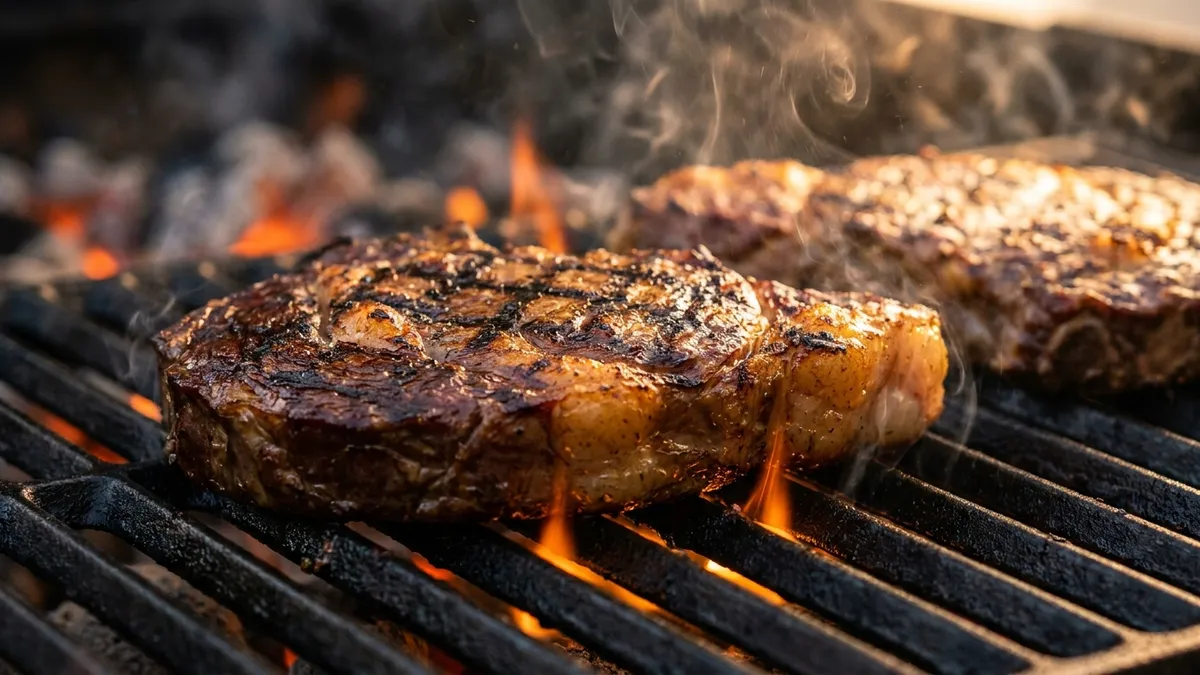
Push past that range and the sugars burn instead of browning. That burnt layer, the char, tastes acrid and bitter. Bitter food makes a wine's tannin (the drying grip on your gums, from grape skins and oak) feel rougher still. So a heavily blackened steak or chicken thigh takes a red with softer tannin and more fruit. Smoked meat builds its crust slowly at lower heat, so it carries less bitterness and far more melted fat. The wine pairing rules apply the same weight-and-structure logic to every other kind of dinner.
What Wine Goes With Each BBQ Sauce Style?
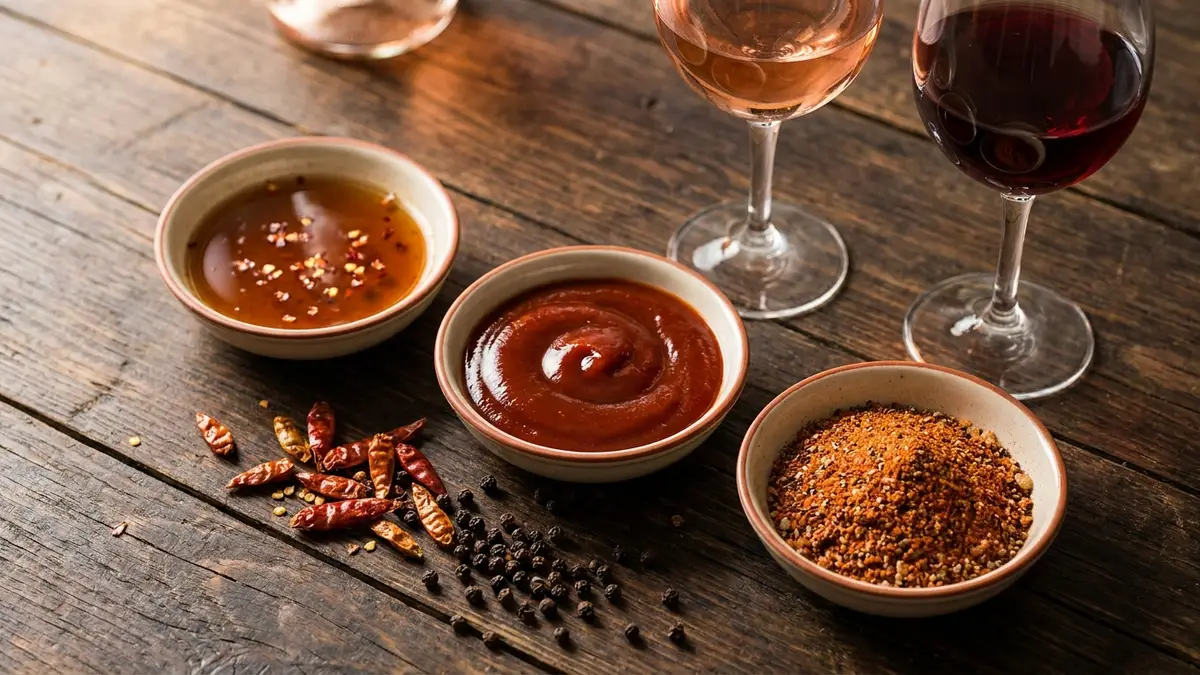
Pick the wine for the sauce first. Sweet tomato sauce wants ripe fruit and low tannin. Vinegar sauce wants acidity (the tartness that makes your mouth water). A dry rub lets a tannic red work. Chilli wants a little sugar and low alcohol.
American barbecue regions show how wide the range is. Kansas City style uses a thick, sweet sauce made from tomatoes, brown sugar and molasses. Eastern North Carolina mops its pork with a thin vinegar sauce, while Lexington style blends ketchup into the vinegar. Memphis rubs dry spices on before smoking and serves tomato and vinegar sauces alongside. Texas-style brisket, the plate most people picture, usually leans on salt, pepper and smoke alone.
| Plate | Loudest element | Pour | Skip |
|---|---|---|---|
| Dry-rub smoked brisket | Fat, pepper, smoke | Malbec, Syrah, Cabernet Sauvignon | Light, delicate whites |
| Kansas City ribs, sweet tomato sauce | Sugar | Zinfandel, ripe Grenache, Lambrusco | Young tannic Cabernet |
| Carolina pulled pork, vinegar sauce | Acid | Dry Riesling, dry rosé, Gamay | Oaky, soft, low-acid reds |
| Memphis dry-rub ribs | Spice and smoke | Grenache, Zinfandel, Merlot | Very light whites |
| Grilled chicken and vegetables | Char, little fat | Dry rosé, Sauvignon Blanc | Big tannic reds |
| Hot wings, chilli-heavy sauce | Capsaicin heat | Off-dry Riesling, chilled rosé | High-alcohol reds |
| Burgers and sausages | Fat and salt | Zinfandel, Malbec, Grenache | Delicate aged reds |
If the sauce is sweet, the wine needs at least as much ripe fruit, or it tastes thin and sour. If the sauce is sharp with vinegar, the wine needs acidity of its own, or it tastes flat and flabby.
What Wine Pairs With Smoked Brisket?
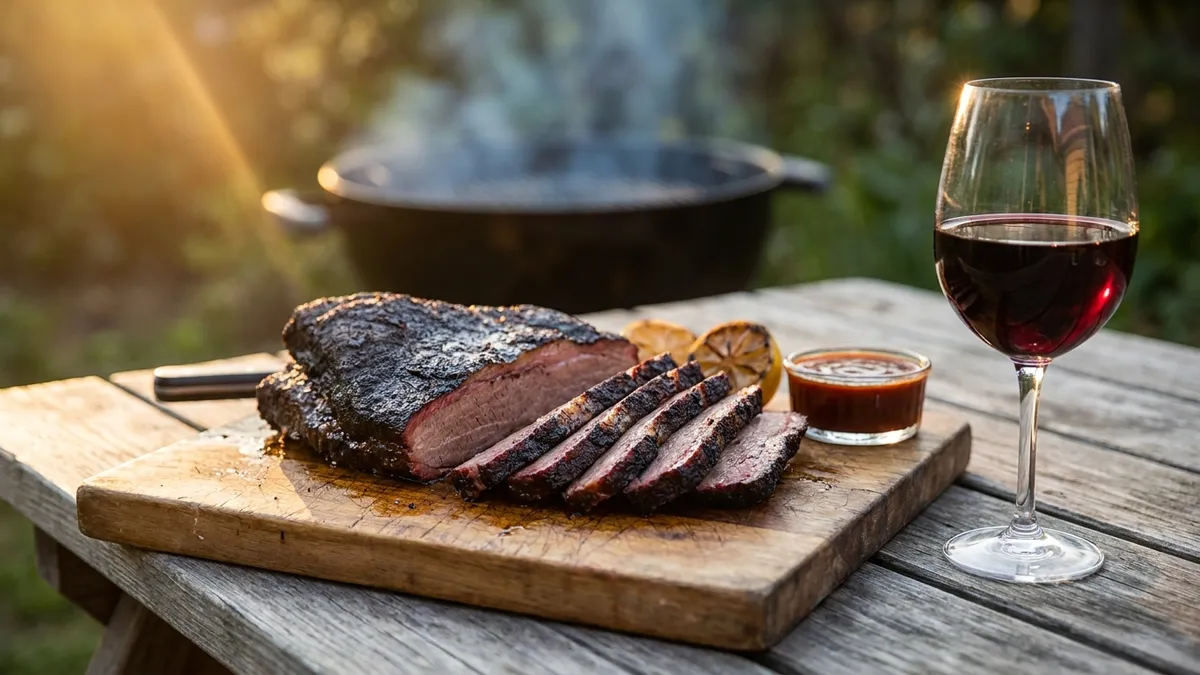
Smoked brisket with a dry rub is the one barbecue plate where a firm, full-bodied red belongs. Malbec and Syrah both work, because the brisket's fat and protein soften the wine's tannin instead of letting it dry your mouth. Cabernet Sauvignon also works when no sweet glaze is involved.
The reason is chemical. Tannins are plant compounds that bind to proteins and drag them out of solution. In your mouth they latch onto proteins in saliva, which is the dry, puckering feel. A slice of fatty, protein-rich brisket gives the tannin something else to bind to, so the wine feels softer after each bite. The same effect makes Cabernet work with a ribeye, covered in more detail in the guide to wine with steak.
Body (a wine's weight in the mouth, like skimmed versus whole milk) should match the meat, too. Warm-climate Malbec is full-bodied, deep purple and grippy. Cooler-climate Syrah, from the northern Rhône, has high tannin and acidity and often smells of black pepper and smoke. That pepper links straight to a salt-and-pepper rub. The Syrah vs Shiraz comparison explains how the label name hints at which style is in the bottle.
If the brisket is dry-rubbed and fatty, pour the tannic red. If it is glazed in sweet sauce or cut from the lean end, drop to a juicier red with softer tannin such as Zinfandel or Grenache.
What Wine Goes With BBQ Ribs and Pulled Pork?
Ribs and pulled pork usually carry sugar, so choose a juicy, low-tannin red such as Zinfandel or Grenache. When the sauce is sharp with vinegar, an off-dry white such as Riesling works just as well. Young, tannic Cabernet is the red to skip.
Pork is milder and sweeter than beef, and most pork barbecue gets finished with sauce. Sugar makes a dry wine taste thinner and makes tannin taste bitter, even metallic, against a sticky glaze. That is why young Cabernet often disappoints next to Kansas City ribs. A ripe red with more fruit than grip holds up instead. Lambrusco, a lightly fizzy red from northern Italy that is often slightly sweet, suits sweet sauce and gets served cool.
If the ribs are dry-rubbed, pour Grenache or Zinfandel. If they are wet and sweet, pour Zinfandel or a sweet-leaning Lambrusco. If the pulled pork is dressed in Carolina vinegar, pour Riesling or a dry rosé. The guide to wine with pork goes cut by cut, from tenderloin to crackling.
What Wine Works With Grilled Chicken and Vegetables?
Grilled chicken and charred vegetables go best with dry rosé or a crisp white. They carry little fat to soften tannin, so a big red tastes drying and bitter next to them. Acidity lifts the smoky, lemony flavours instead, and both styles taste good straight from the ice.
Dry rosé is the most useful bottle at a mixed grill. It is made from red grapes whose skins stay in the juice for only a short time, so it picks up colour and a little structure without much tannin. It has the acidity of a white and enough flavour to handle char. The rosé wine guide covers the styles, from pale and dry to deeper pink.
Vegetables follow the same logic. Charred peppers, courgettes and corn taste sweet and smoky, so they sit well with rosé or an unoaked white. Portobello mushrooms have a meaty depth that suits a light red such as Gamay or Pinot Noir.
If the chicken is plain, lemony or herby, pour rosé or Sauvignon Blanc. If it is heavily charred or brushed with a sweet glaze, move up to a juicy red such as Grenache. The guide to wine with chicken covers roast, creamy and tomato dishes too.
Can You Drink Wine With Spicy BBQ Sauce?
Yes, if the wine is cold, a little sweet and moderate in alcohol. Off-dry Riesling is the safest pour with hot wings or a chilli-heavy sauce. A big, warm, high-alcohol red is the riskiest choice, because it makes the burn stronger.
Chilli heat comes from capsaicin, which triggers TRPV1, the same nerve receptor that senses physical heat. That is why chilli feels like burning. Alcohol acts on the same receptor, and lab studies show it lowers the temperature at which the receptor fires and strengthens its response to capsaicin. A strong, warm red does not tame chilli; it adds its own alcoholic heat on top.
Sugar and cold both soften the sting. Riesling always has high acidity, and it comes in every sweetness from bone dry to sweet. German labels spell it out: trocken means dry, while feinherb and halbtrocken mean off-dry (a little sugar you can just taste). The sugar calms the chilli and the acidity keeps each sip fresh. Many German off-dry styles are also light in alcohol. The Riesling wine guide explains the label words in full.
If the sauce makes you sweat, keep the wine well below the 15% of a ripe Zinfandel and choose feinherb Riesling or a chilled, fruity rosé. For chilli beyond barbecue, see wine with spicy food.
Is Zinfandel the Best BBQ Wine?
Zinfandel is the best BBQ wine for sweet-sauced pork, dry-rub ribs and burgers. Its ripe, jammy fruit keeps up with sugar and its tannin is moderate. Its weak spot is alcohol, often above 15%, which makes it a poor pick with hot sauce.
Zinfandel ripens to high sugar levels, and that sugar can ferment to more than 15% alcohol. The same ripeness gives it blackberry and raspberry flavours cooked to the point of jam, with a peppery edge. Those flavours meet a molasses-sweet sauce head on, where a leaner red would taste sour. At 15% the wine also feels warm on the finish, which is fine with brisket and uncomfortable with chilli.
California treats Zinfandel as its own. It covered about 40,000 acres in 2019, fourth among the state's wine grapes behind Cabernet Sauvignon, Chardonnay and Pinot Noir. DNA work that began in 1993 and was confirmed in 2001 showed it is the same grape as Italy's Primitivo and Croatia's Crljenak Kaštelanski. That makes a Puglian Primitivo an easy swap on the barbecue shelf.
If hot sauce is on the table, pick another bottle for those plates. The Zinfandel wine guide covers its styles, and the Primitivo wine guide covers the Italian side.
Does a Smoky Wine Match Smoked Meat?
Rarely. A smoky smell in wine comes from toasted oak barrels (casks whose toasted insides add vanilla, toast and spice) or, as a fault, from wildfire smoke. The shared word with smoked meat is a coincidence, not a match. Neither source has anything to do with the smoker or the rub.
Barrels are toasted over fire when they are made. Wine aged in toasted oak picks up tannin from the wood and can smell of toast, coffee or smoke. That extra oak tannin is one more reason heavily oaked reds taste harsh next to a sweet glaze. The oak flavours in wine explainer shows how to tell toast from fruit.
Smoke taint is different. When vineyards sit in wildfire smoke, compounds called guaiacol and methylguaiacol get into the grapes. They stay locked away and odourless until they are released, often later in the bottle or in the mouth. Tasters describe the result as smoky, chargrill, smoked meat, bacon, even ashtray. It can resemble heavy oak toast, and it is a flaw, covered in wine smoke taint. Pick the wine for sugar, fat, acid and chilli, and ignore the word "smoky" on the back label.
How Should You Serve Wine at a Cookout?
Serve every wine cooler than the air around the grill. Warm wine tastes of alcohol, which makes tannin feel rougher and chilli feel hotter. Reds want a short chill; whites and rosés want to stay on ice between pours. Keep open bottles in the shade between pours.
A bottle left on a sunny table warms fast, and the grill makes it worse. Heat lifts the alcohol aromas, so a ripe, high-alcohol red smells and tastes hot. That compounds every problem from the sections above. The wine serving temperature chart gives the target for each style, and how to chill wine fast covers the quick fixes when the ice runs short.
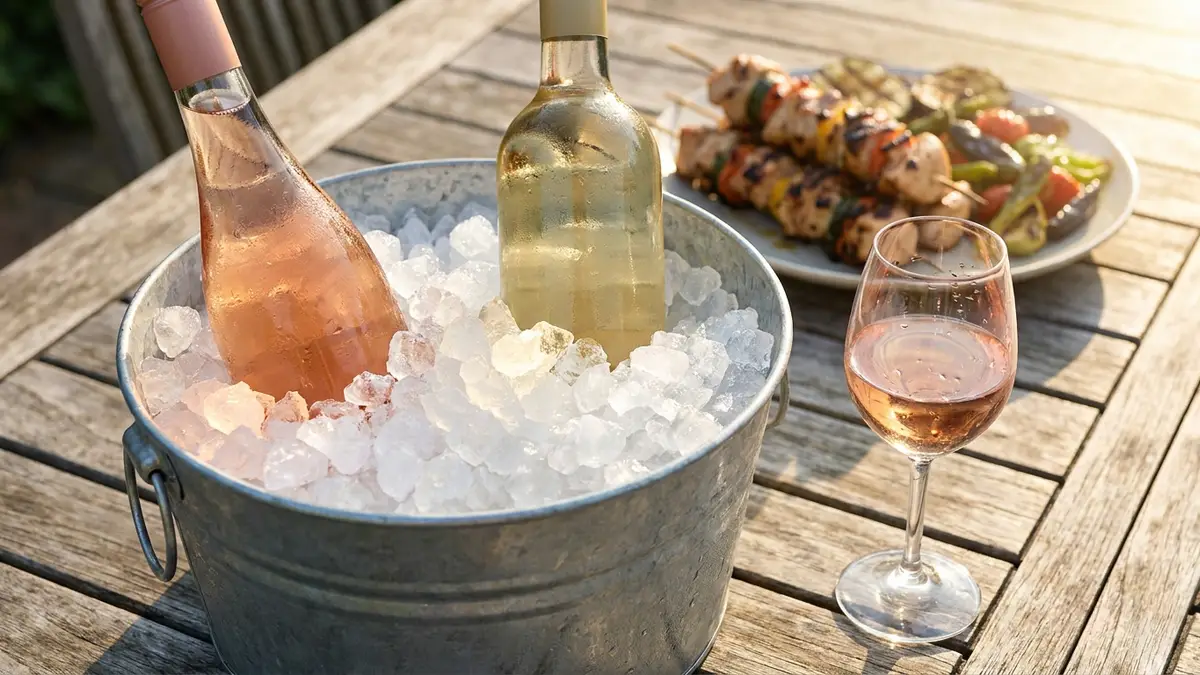
Lighter reds such as Gamay, Lambrusco and lighter Grenache take a chill especially well, because they have little tannin to turn hard. Keep the big tannic reds for the brisket and pour them at cool room temperature.
Taste the Sauce Rule Tonight
The quickest way to learn barbecue pairing is one plate and two glasses. Set out one sauced bite and one unsauced bite of the same meat. Pour a tannic red and an off-dry Riesling side by side.
Sommy's bite-sized courses, from Wine 101 to regional courses on Spain, Italy, France and California, teach the structure behind these choices. Start at sommy.wine, and browse more plates in the food pairing hub. Tonight, taste the sauced bite with both glasses and write down which one stayed fresh.
Sources
- Wikipedia: Barbecue (cooking temperatures and regional sauce styles)
- Wikipedia: Maillard reaction
- Wikipedia: Capsaicin (TRPV1 and solubility in alcohol)
- Wikipedia: Zinfandel (alcohol, plantings and DNA history)
- Wikipedia: Smoke taint (guaiacol and methylguaiacol)
- USDA NASS: California Grape Acreage Report, 2020 Summary
- Trevisani et al. (2002), Nature Neuroscience: Ethanol potentiates nociceptor responses via the vanilloid receptor-1
Frequently Asked Questions
What is the best wine with BBQ?
There is no single bottle, because barbecue covers very different plates. Dry-rubbed smoked brisket suits a firm, full-bodied red such as Malbec or Syrah. Sweet-sauced ribs and pulled pork suit a juicy, low-tannin red such as Zinfandel or Grenache. Grilled chicken and vegetables suit dry rosé. Hot wings and chilli-heavy sauces suit a cold, off-dry Riesling.
What wine goes with smoked brisket?
A dry-rubbed brisket with its fat intact is the one barbecue plate that welcomes a tannic red. Malbec and Syrah both work, because the meat's protein and fat soften the wine's drying grip, and Syrah often smells of black pepper like the rub. If the brisket is glazed with a sweet sauce, switch to a juicier, lower-tannin red such as Zinfandel or Grenache.
Is red or white wine better with BBQ ribs?
Red usually wins with ribs, but the sauce decides the style. Dry-rub ribs take a juicy medium red such as Grenache or Zinfandel. Sticky ribs in a sweet tomato sauce need a red with plenty of ripe fruit and little tannin, or a lightly sweet sparkling red. Ribs mopped with a sharp vinegar sauce also work with an off-dry white such as Riesling.
Can you drink wine with spicy BBQ sauce?
Yes, but choose carefully. Capsaicin, the compound behind chilli heat, triggers a nerve receptor that alcohol also sensitises, so a warm, high-alcohol red makes the burn feel stronger. A cold, off-dry white with moderate alcohol, such as a German Riesling labelled feinherb or halbtrocken, calms the heat far better. Its touch of sugar softens the sting and its acidity keeps each sip fresh.
Is Zinfandel good with BBQ?
Zinfandel is excellent with sweet-sauced pork, dry-rub ribs and burgers, because its ripe, jammy fruit keeps up with sugar and its tannin is moderate. Its weakness is alcohol: it can ferment to more than 15%, which turns harsh against hot sauce and when the bottle warms up in the sun. Serve it cool and keep it away from the hottest wings.
Should you chill red wine at a barbecue?
Yes. A red that sits in the sun warms quickly, and warm wine tastes more of alcohol, which makes tannin feel rougher and chilli feel hotter. Give reds a short spell in an ice bucket so they feel cool in the hand, and keep rosé and white on ice between pours. Lighter reds such as Gamay and Lambrusco take a chill especially well.
Sommy Team
LinkedInFounder & Wine Educator
The Sommy Team is building the world's most approachable wine education app, helping beginners develop real tasting skills through structured courses and AI-guided practice.