Primitivo Wine Guide: Zinfandel's Italian Twin

By the Sommy Team — AI-assisted, human-edited.
Updated Apr 29, 2026
Contents (10)
TL;DR
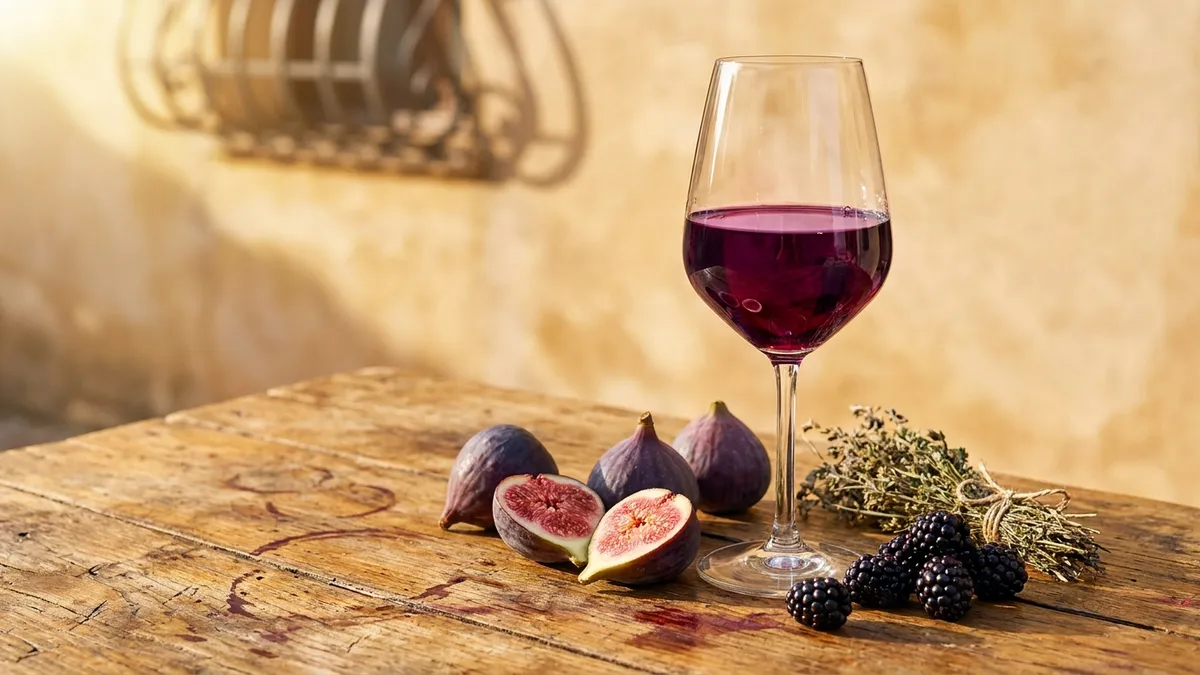
Primitivo is the Italian name for the same grape California calls Zinfandel, grown mainly in Puglia's hot southern heel. The wine is deep ruby with ripe blackberry, dried fig, and warm spice, soft tannins, and 14 to 15.5 percent alcohol. Manduria DOC produces the most structured examples, alongside an intensely sweet passito-style version.
What Is Primitivo Wine?
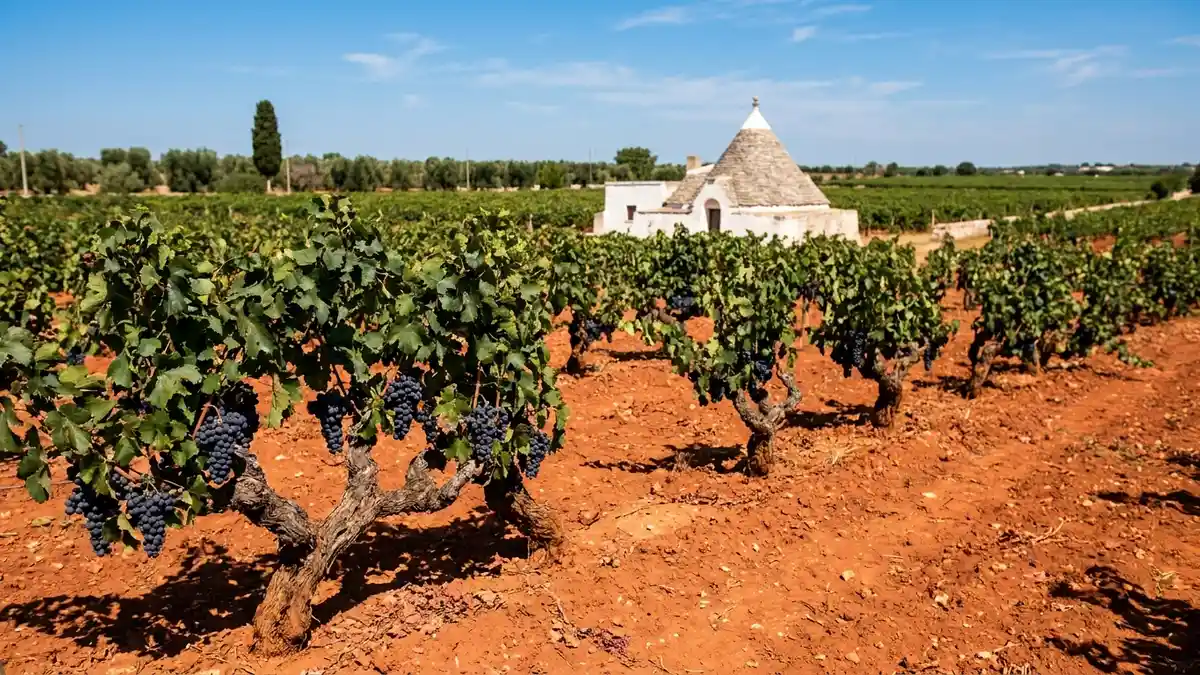
Primitivo is a bold, sun-loving red grape that defines the wines of Puglia, the long heel of southern Italy. The name comes from the Latin primitivus — "first to ripen" — a clue to the grape's most important habit: it ripens earlier than almost any other red variety in the country. By late August, while Tuscany is still waiting on Sangiovese, Puglian growers are already harvesting Primitivo under a hot Mediterranean sun.
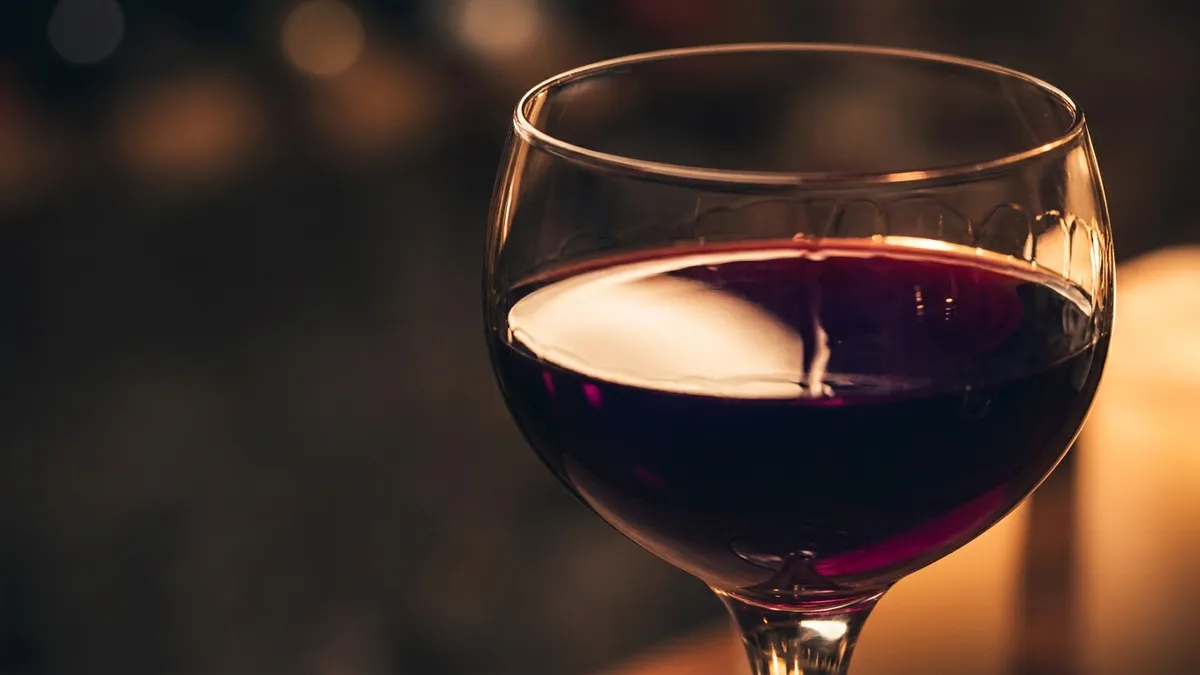
A primitivo wine bottle is rarely subtle. Expect a deep ruby color, an upfront wave of blackberry, dried fig, and warm spice, and an alcohol level often touching 15 percent. It is a wine of the south — generous, fruit-forward, made for long meals and roasted meats.
For decades, Primitivo lived in the shadow of more famous Italian reds. That changed in the 1990s, when DNA testing solved a long-running mystery: Primitivo turned out to be the same grape California calls Zinfandel. Suddenly, Puglia's everyday red became a global story.
Primitivo, in 60 Words
Primitivo is the Italian name for the grape California calls Zinfandel — DNA-confirmed in 1994. It is grown mainly in Puglia, Italy's southern heel, on iron-rich red soils under hot Mediterranean sun. Expect deep ruby color, ripe blackberry and dried fig, soft tannins, medium acidity, and 14 to 15.5 percent alcohol. Top zone: Manduria DOC, in the Salento peninsula. Three core styles: easy-drinking Primitivo IGT, structured Primitivo di Manduria DOC, and the intensely sweet passito-style Primitivo di Manduria Dolce Naturale DOCG. Often blended with Negroamaro for added grip.
A Quick History of Primitivo
The grape's documented Italian story begins in the late 1700s near the town of Gioia del Colle, in central Puglia. A local priest, Don Francesco Filippo Indellicati, observed a vine in his garden that ripened well ahead of the rest of the harvest. He propagated cuttings and gave the grape its descriptive name. By the 1800s, Primitivo had spread across the Salento peninsula and become a workhorse of Puglian agriculture.
For most of the 20th century, Puglia was Italy's anonymous wine engine. Bulk wine flowed out of the region in tankers to be blended into northern bottles, sold without regional pride. Primitivo was part of that quiet trade.
The turning point came in 1994, when geneticist Carole Meredith at UC Davis proved that Primitivo and California's Zinfandel shared identical DNA. A second round of testing later traced both back to Crljenak Kastelanski, an obscure Croatian variety. The result reshaped both regions' marketing — and forced a reappraisal of Puglian wine. Combined with Italy's broader move toward Italian wine regional pride, Primitivo's reputation began to climb.
What Primitivo Tastes Like
Primitivo is one of the more approachable big reds you can pour. Its boldness sits comfortably alongside food, the tannins are forgiving, and the flavors are easy to recognize.
Aroma Profile
- Ripe black fruit — blackberry, black cherry, blueberry compote
- Dried fruit — fig, prune, raisin (especially in older or warmer-vintage bottles)
- Warm spice — black pepper, cinnamon, clove, sometimes star anise
- Mediterranean herbs — dried oregano, thyme, hints of rosemary
- Earth and savory — leather, tobacco, scorched earth in mature wines
- Oak influence — vanilla, sweet spice, light toast (variable)
The dried-fruit note is the giveaway. Even in a young, fresh primitivo wine, you will often catch fig and prune sitting underneath the brighter blackberry — a fingerprint of the hot Puglian sun and the grape's tendency to over-ripen unevenly. If you are still building this kind of vocabulary, the floral and herbal notes guide and the spice notes in wine reference are good companions.
Structure on the Palate
- Body — full
- Tannins — soft to medium, smoother than Cabernet Sauvignon or Nebbiolo
- Acidity — medium, enough for food but rarely sharp
- Alcohol — 14 to 15.5 percent, sometimes higher in Manduria
- Finish — long, warm, often with a peppery echo
Compared to a peer like Sangiovese, Primitivo trades brightness and grip for ripe sweetness and warmth. It is a sun-baked southern red, not a chiseled hillside red.
The Zinfandel Connection — Same Grape, Different Wines
The DNA result confirmed what some growers had long suspected. Both grapes share an identical genetic profile. But that does not mean Primitivo and Zinfandel taste the same.
The differences come from three places:
- Climate — Puglia's flat, sun-drenched plains are hot but tempered by Adriatic and Ionian sea breezes. California's Zinfandel zones (Lodi, Paso Robles, the Sierra Foothills) are also hot, but with bigger diurnal swings.
- Soil — Puglia's iron-rich red clay and limestone deliver dried-fruit, savory, herbal notes. California's varied soils — alluvial valley floors, hillside loam — push toward jammier black-fruit purity.
- Winemaking tradition — Italian winemakers tend to use less new oak and aim for elegance and food friendliness. California producers more often reach for new American oak and pursue ripeness and concentration.
The result: Italian Primitivo skews dried fruit, fig, leather, and Mediterranean herb. California Zinfandel leans toward fresh blackberry jam, vanilla, and bigger alcohol. Tasting the two side by side is one of the most satisfying single-grape comparisons in wine — see how to compare two wines for a structured way to set this up.
Where Primitivo Is Grown
Roughly 90 percent of the world's Primitivo is planted in Puglia, with the highest concentration on the Salento peninsula in the south. There are a handful of plantings in other regions of Italy and small experimental sites in Australia, but Puglia owns the variety.
Primitivo di Manduria DOC
The most important appellation. Manduria DOC sits in the Ionian-facing southern Salento, around the towns of Manduria and Sava. The DOC requires:
- Minimum 85 percent Primitivo (the rest typically Negroamaro or Malvasia Nera)
- Minimum 13.5 percent alcohol (often closer to 14.5)
- Aging requirements that scale with the Riserva designation
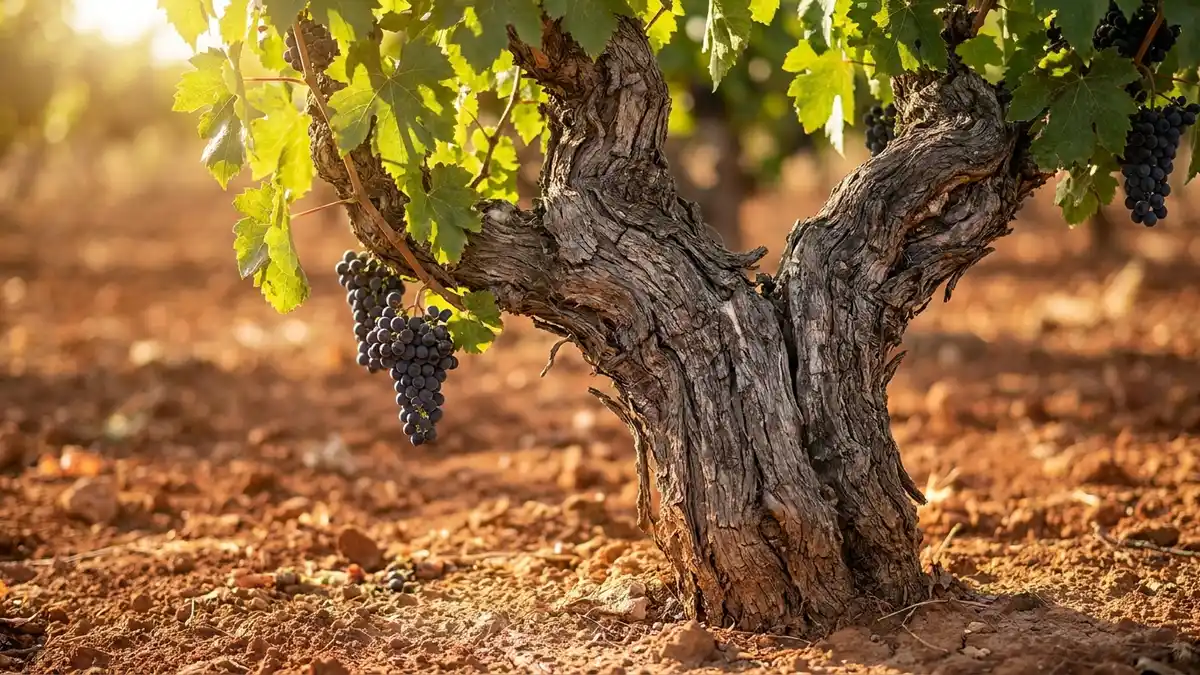
Wines from Manduria are the most structured and age-worthy expressions of the grape. Top sites are known for alberello pugliese — the traditional bush-trained, head-pruned vines that thrive without trellising. Many of these vineyards are 50 to 80 years old, and they yield the smallest, most concentrated berries. The result is wine with serious depth, dried fig and tobacco notes, and the kind of long finish that makes you reach for another glass.
Primitivo di Manduria Dolce Naturale DOCG
A small DOCG within the Manduria zone, dedicated to a richly sweet passito-style version. Grapes are left to over-ripen on the vine or are dried briefly after harvest, concentrating sugars to produce a wine of 13 percent alcohol minimum and 50 grams per liter of residual sugar or more. It drinks like a cross between a tawny port and a great Amarone — dried fig, fruitcake, espresso, and warm spice — and is one of southern Italy's most distinctive dessert wines.
Gioia del Colle DOC
The grape's likely birthplace, sitting in the Murge plateau of central Puglia. Gioia del Colle DOC sits at higher elevation than Manduria, which buys back acidity and produces a more savory, restrained Primitivo with brighter cherry fruit and less of the sun-roasted feel.
Primitivo Salento IGT
The everyday tier. IGT-level Primitivo can come from across the Salento peninsula and accounts for most of the wine you will see internationally. These are juicy, fruit-forward, fairly priced reds — the perfect introduction to the grape and a workhorse for Tuesday-night dinners.
Negroamaro Blends
Primitivo is often blended with Negroamaro — Puglia's other signature dark grape. Where Primitivo brings ripe fruit and roundness, Negroamaro contributes structure, tannin, and a savory herbal lift. The two grapes together produce some of southern Italy's most balanced reds.
Why Puglia Suits the Grape
Puglia's terroir is built for late-summer grapes that need long, hot, dry growing seasons. A few details matter:
- Climate — Hot, dry Mediterranean summers; mild winters. Annual rainfall is among the lowest in Italy, which forces vines to dig deep and produce concentrated fruit.
- Soil — Iron-rich red clay called terra rossa over limestone bedrock. The red color and mineral content reflect heat back into the canopy and contribute earthy, savory layers to the wine.
- Sea influence — The peninsula is flanked by the Adriatic and Ionian seas. Daily breezes cool the vineyards just enough to extend hang time, giving wines an extra layer of aromatic complexity.
- Bush-trained vines — The traditional alberello pugliese system keeps fruit close to the ground, where it benefits from radiant heat and stays protected from wind. It is labor-intensive but it produces the best old-vine wine in the region.
For more on how growing conditions shape what ends up in your glass, see climate and wine flavor and how soil affects wine taste.
How to Pair Primitivo with Food
Primitivo is one of the most food-friendly big reds in southern Europe. Its ripe fruit hides nothing, the tannins are soft, and there is enough alcohol to handle bold flavors without overpowering them.
Best Matches
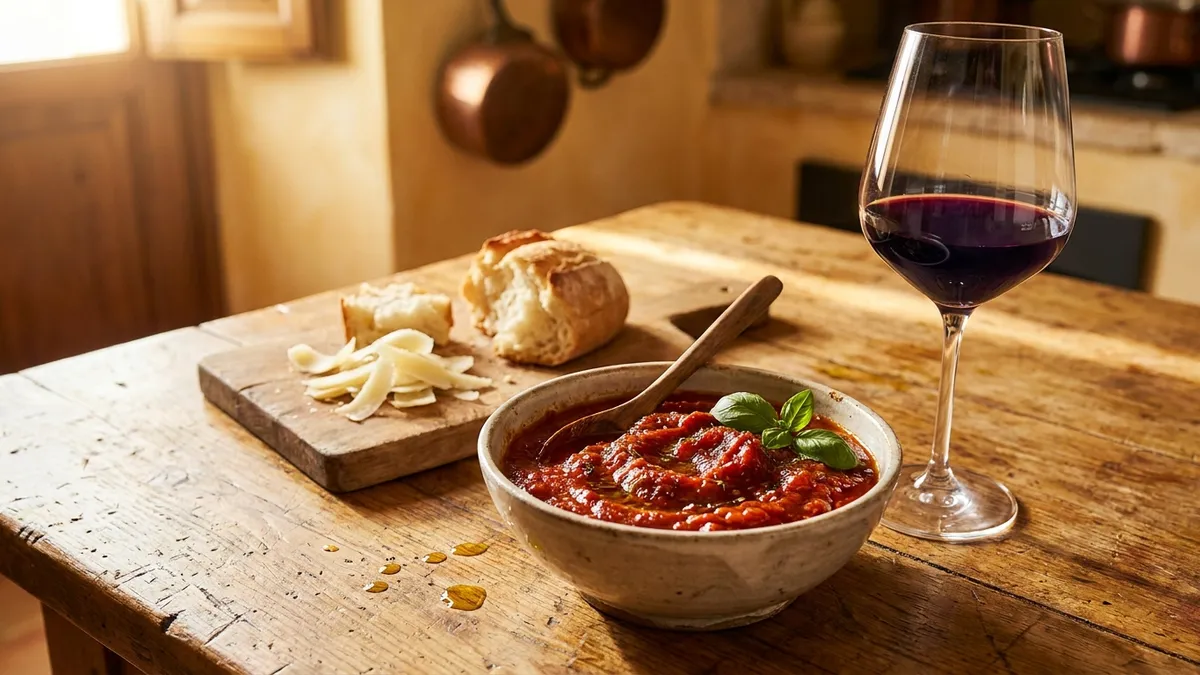
- Slow-cooked tomato dishes — Lasagna, ragu alla Pugliese, orecchiette al sugo, eggplant parmigiana. The wine's sweet fruit absorbs tomato acidity instead of clashing with it.
- Roast and braised lamb — Spring lamb with rosemary, slow-braised lamb shoulder, lamb meatballs in tomato sauce. A regional classic from Salento.
- Pizza with bold toppings — Sausage, salame piccante, mushrooms, smoked mozzarella. The pepper and spice in the wine pick up the same notes in the toppings.
- Spice-rubbed grilled meats — Pork ribs, lamb chops, smoky barbecue with paprika, cumin, or chili.
- Aged sheep's-milk cheeses — Pecorino, Manchego, aged Asiago. The cheese's saltiness rounds out the fruit.
- Cured meats and salumi — Capocollo, sopressata, finocchiona, mortadella.
Pairings to Avoid
- Delicate white fish and raw seafood — Primitivo will steamroll them.
- Light salads and vinaigrettes — too much tannin and alcohol for the dish.
- Sushi — the soy and umami combination clashes with the ripe fruit.
For broader principles, the wine and food pairing guide and the wine with pizza deep-dive both build on these matches. Curious how Primitivo handles tomato sauce so well? It comes down to the grape's natural fruit-sweetness balancing acidity in the food — see how food changes wine taste for the underlying mechanics.
Serving Primitivo
Temperature
Serve at 16 to 18 degrees Celsius (60 to 65 Fahrenheit) — slightly below room temperature. Warmer than that and the alcohol becomes hot and pushy on the finish. A 15-minute chill in the fridge brings an over-warm bottle right into range. The wine serving temperature chart covers the full picture.
Glassware
A medium-sized bowl Bordeaux-style glass works well — wide enough to release the ripe fruit, tall enough to keep the alcohol off your nose. Skip the largest Burgundy bowls; they amplify the warmth too much.
Decanting
Most everyday Primitivo IGT bottles do not need decanting. Manduria DOC and Riserva bottlings benefit from 30 to 45 minutes in a decanter, which softens the alcohol and lets the dried-fruit and savory layers emerge. See does decanting change wine flavor for the why behind it.
Drinking Window
- Primitivo IGT — Drink within 2 to 4 years of the vintage. Fresh fruit is the point.
- Primitivo di Manduria DOC — 5 to 10 years. The best sites can stretch further.
- Manduria Riserva and old-vine bottlings — 8 to 15 years. Develops dried fig, leather, and tobacco.
- Dolce Naturale DOCG — 10 to 25+ years. Sugar and alcohol preserve it for the long haul.
Building Primitivo Into Your Tasting Practice
Primitivo is an excellent grape for sharpening your palate. The flavors are bold enough to identify without straining, but the wine still carries enough nuance to reward careful attention. A side-by-side tasting of a Puglian Primitivo and a California Zinfandel — same DNA, different bottle — is one of the cleanest demonstrations of how climate and tradition shape wine. Add a Manduria DOC and an everyday IGT alongside, and you get a four-glass lesson in regional intensity.
The Sommy app walks beginners through structured tastings exactly like this, building a flavor library one comparison at a time. If you are pairing Primitivo with food this week, the building wine flavor library and develop your wine palate guides give you concrete exercises to anchor what you taste — and Sommy's guided notes turn a casual Tuesday-night bottle into useful practice.
Try this sequence for your next session: pour a chilled glass, write down three aromas before your first sip, then revisit it 20 minutes later to see how the wine opens up. Italian Primitivo rewards that kind of patience — and it is one of the most generous teachers in the southern Italian lineup.
Frequently Asked Questions
Is Primitivo the same grape as Zinfandel?
Yes. DNA testing at UC Davis confirmed in 1994 that Primitivo and Zinfandel are genetically identical, both descending from the Croatian variety Crljenak Kastelanski. Primitivo is the name used in Italy, particularly in Puglia. Zinfandel is the American name. The wines taste different because of climate, soils, and winemaking traditions, not because of the grape itself.
What does Primitivo wine taste like?
Primitivo shows ripe blackberry, black cherry, dried fig, and prune, layered with warm spice notes of black pepper, cinnamon, and clove. Italian examples often add Mediterranean herb and leather hints. The texture is round and juicy, with soft tannins, medium acidity, and high alcohol typically between 14 and 15.5 percent. It is full-bodied but rarely as jammy as warm-climate California Zinfandel.
What is Primitivo di Manduria?
Primitivo di Manduria is a DOC appellation in Puglia covering the Salento peninsula around the town of Manduria. Wines must contain at least 85 percent Primitivo and reach 13.5 percent alcohol minimum, often more. The DOC produces structured, age-worthy reds, while Primitivo di Manduria Dolce Naturale DOCG is a richly sweet passito-style version made from partially dried grapes.
How is Italian Primitivo different from California Zinfandel?
Same grape, different wines. Italian Primitivo from Puglia tends to show more dried fruit, fig, leather, and Mediterranean herb, with softer tannins and slightly lower oak influence. California Zinfandel often leans riper and jammier, with brighter blackberry, more vanilla and toast from American oak, and frequently higher alcohol. Climate and winemaking tradition shape the difference, not genetics.
What food pairs well with Primitivo?
Primitivo loves slow-cooked tomato-based dishes, from ragu and lasagna to braised meats and pizza margherita with sausage. The wine's ripe fruit and soft tannins also pair beautifully with grilled lamb, roast pork, aged pecorino, and spice-rubbed barbecue. For lighter examples, try cured meats, salumi boards, and tomato-based pasta. Avoid delicate fish dishes that the wine will overwhelm.
How long does Primitivo age?
Most everyday Primitivo IGT bottles are designed to drink within two to four years of the vintage, when the fruit is at its most vibrant. Primitivo di Manduria DOC examples and Riserva bottlings can age eight to twelve years, developing dried fig, leather, and tobacco notes. The sweet Dolce Naturale style ages longest, often beyond fifteen years. Old vine bush-trained vineyards produce the most age-worthy bottles.
Is Primitivo a dry or sweet wine?
Most Primitivo is dry, despite the ripe, almost confected fruit character that can trick the palate into reading sweetness. The exception is Primitivo di Manduria Dolce Naturale DOCG, a dessert-style wine made from late-harvest or air-dried grapes that contains significant residual sugar. If a label simply says Primitivo or Primitivo di Manduria DOC, expect a fruit-forward dry red.
Sommy Team
LinkedInFounder & Wine Educator
The Sommy Team is building the world's most approachable wine education app, helping beginners develop real tasting skills through structured courses and AI-guided practice.