Wine with Tacos: A Pairing for Every Filling and Salsa

By the Sommy Team — AI-assisted, human-edited.
Updated Oct 1, 2026
Contents (10)
- What Wine Goes with Tacos, in One Paragraph?
- Which Wine Goes with Which Taco Filling?
- Why Does Spicy Salsa Change How Wine Tastes?
- What Wine Goes with Carne Asada Tacos?
- What Wine Goes with Carnitas and Al Pastor?
- What Wine Goes with Fish and Shrimp Tacos?
- What Wine Goes with Chicken, Veggie and Breakfast Tacos?
- Does Rosé or Sparkling Wine Work with Tacos?
- How Do You Pick a Wine When the Salsa Is Hot?
- What If One Bottle Has to Cover Taco Night?
TL;DR
Pick wine for tacos by the loudest thing in the taco. Hot salsa wants a cold, low-alcohol, off-dry white such as Riesling. Lime and fish want a crisp dry white. Grilled beef and pork want a juicy, low-tannin red served cool. Dry rosé covers a mixed table.
Wine with tacos gets easy once you stop pairing the meat. The salsa and the toppings decide: chilli heat, a squeeze of lime or a slick of pork fat, whichever is loudest. Match that one element, keep the wine cold and the alcohol modest, and almost every taco has an answer.
What Wine Goes with Tacos, in One Paragraph?
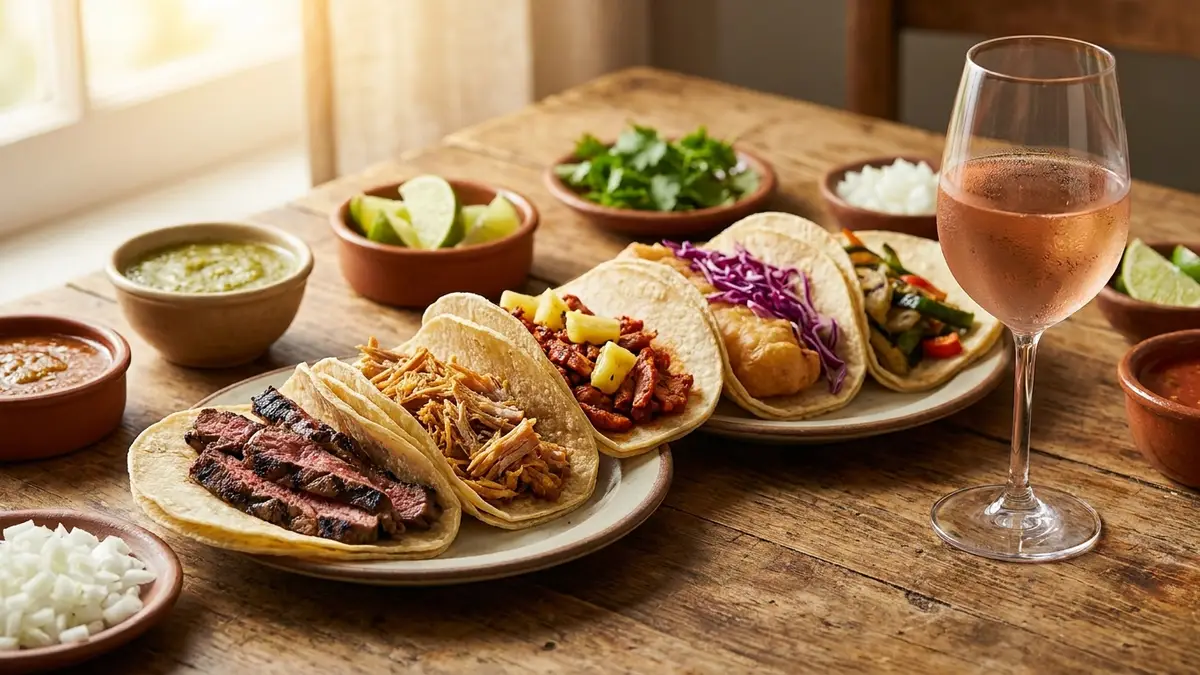
The best wine with tacos is a cold, lower-alcohol wine chosen for the salsa and toppings, which matter more than the tortilla or even the meat. For hot salsa, pour an off-dry white (one with a touch of sweetness you can just taste), such as German Riesling. For fish, shrimp and anything drenched in lime, pour a crisp dry white such as Albariño or Sauvignon Blanc. For carne asada, carnitas and al pastor, pour a juicy, low-tannin red such as Grenache or Gamay, served cool. When one bottle must cover a mixed table, open a dry rosé. Skip high-alcohol, oaky and tannic wines with anything spicy.
Which Wine Goes with Which Taco Filling?
Each filling has one loud element, heat, lime or fat, and the table gives the wine trait that answers it. Read across from what is actually in your tortilla, salsa included. The last row beats every other row: a very hot salsa turns any filling into a Riesling taco.
| Taco | Loudest element | Wine trait to look for | Pour this |
|---|---|---|---|
| Carne asada | Char, beef fat, salsa | Juicy fruit, low tannin | Grenache or Gamay, lightly chilled |
| Carnitas | Pork fat cooked in lard | High acidity | Dry rosé, or a cool Gamay |
| Al pastor | Chilli marinade, roast pork | A touch of sweetness, low alcohol | Off-dry Riesling |
| Fish or shrimp | Lime, cabbage, batter | High acidity, dry | Albariño or Sauvignon Blanc |
| Chicken (tinga or grilled) | Tomato and chipotle | Fruit with fresh acidity | Dry rosé |
| Veggie or bean | Earthy beans, roast peppers | Light body, soft tannin | Gamay or dry rosé |
| Breakfast (egg and chorizo) | Fat, paprika, salt | Bubbles and acid | Dry sparkling wine |
| Any taco with very hot salsa | Capsaicin burn | Off-dry, low alcohol, cold | Riesling feinherb or halbtrocken |
Why Does Spicy Salsa Change How Wine Tastes?
Capsaicin (the compound that makes chillies burn) dissolves in alcohol and barely in water, so a strong wine does not rinse it away. The burn itself is a signal: capsaicin binds to the TRPV1 receptor on pain-sensing nerves, the same one that reports real heat. Lab work shows alcohol makes that receptor fire more easily, so the wine turns the burn up rather than cooling it.
That gives the first myth. Water does not put out chilli, it just washes over a compound it cannot dissolve. A cold glass of milk may do more, because its casein proteins ease the burn. For the wine, the rule is simple: the more alcohol it carries, the hotter the salsa feels, and a high-alcohol wine with a spicy dish produces a lot of heat.
The second problem is tannin (the drying grip a red wine leaves on your gums). Spicy and sweet foods make tannin taste drier and more bitter, and they can make the wine seem to have off flavours. So a red that is lovely with plain steak can taste like stewed tea next to a habanero salsa. What tannins are explains where that grip comes from, and the wider rules for chilli sit in wine with spicy food.
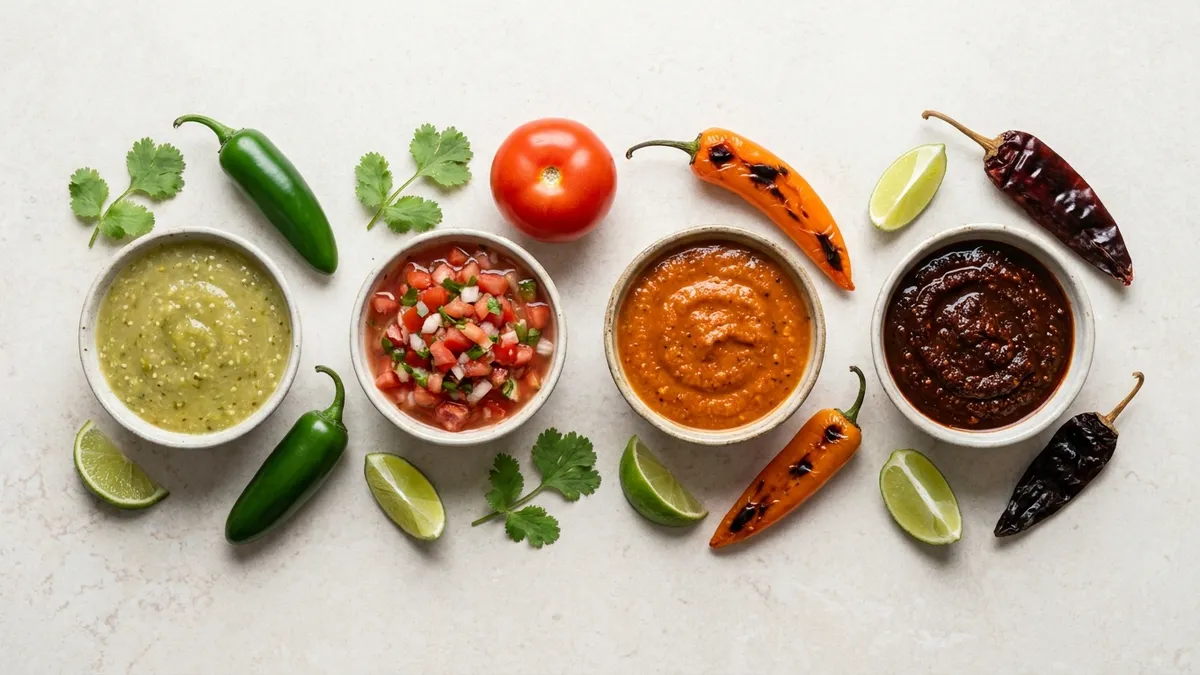
If the salsa makes your lips tingle, check the alcohol on the label and choose the lowest you can find in the style you want.
What Wine Goes with Carne Asada Tacos?
Pour a juicy, low-tannin red such as Grenache or Gamay with carne asada, and keep big tannic reds for steak without salsa. Carne asada is grilled, sliced beef, usually skirt, flap or flank steak. The char and the beef fat want ripe fruit, but the salsa on top sets the limit on tannin and alcohol.
The old rule says red with beef. Here, red is right, just not the heavy kind. A full-bodied (heavy in the mouth, like whole milk next to skimmed), oaky red brings tannin and alcohol, the two things chilli punishes. Gamay is light-bodied and tastes of fresh raspberry and strawberry, and its tannin stays light; see the Gamay wine guide. Grenache brings riper strawberry and a little more weight, covered in the Grenache wine guide.
If the asada comes with a mild pico de gallo, pour the red. If it comes with a hot red salsa, switch to dry rosé.
What Wine Goes with Carnitas and Al Pastor?
Carnitas want acidity to cut the fat; al pastor wants a touch of sweetness for its chilli marinade. The two pork tacos look alike on the plate, but one is about fat and the other about heat, so they ask for different wines.
Carnitas, from Michoacán, are pork simmered slowly in lard over low heat until tender. That fat coats your mouth. Acidity (the tartness that makes your mouth water) cuts through fatty, rich and salty food, so the wine for carnitas needs plenty of it. A dry rosé or a cool Gamay works; the wine with pork pairings follow the same logic.
Al pastor has roots in Mexico's Lebanese immigrant community. Thin pork steaks are seasoned with adobo, a chilli marinade, then stacked on a vertical rotisserie like shawarma. The marinade brings steady heat and roast sweetness. An off-dry Riesling meets both: its sugar answers the chilli and its acid handles the pork.
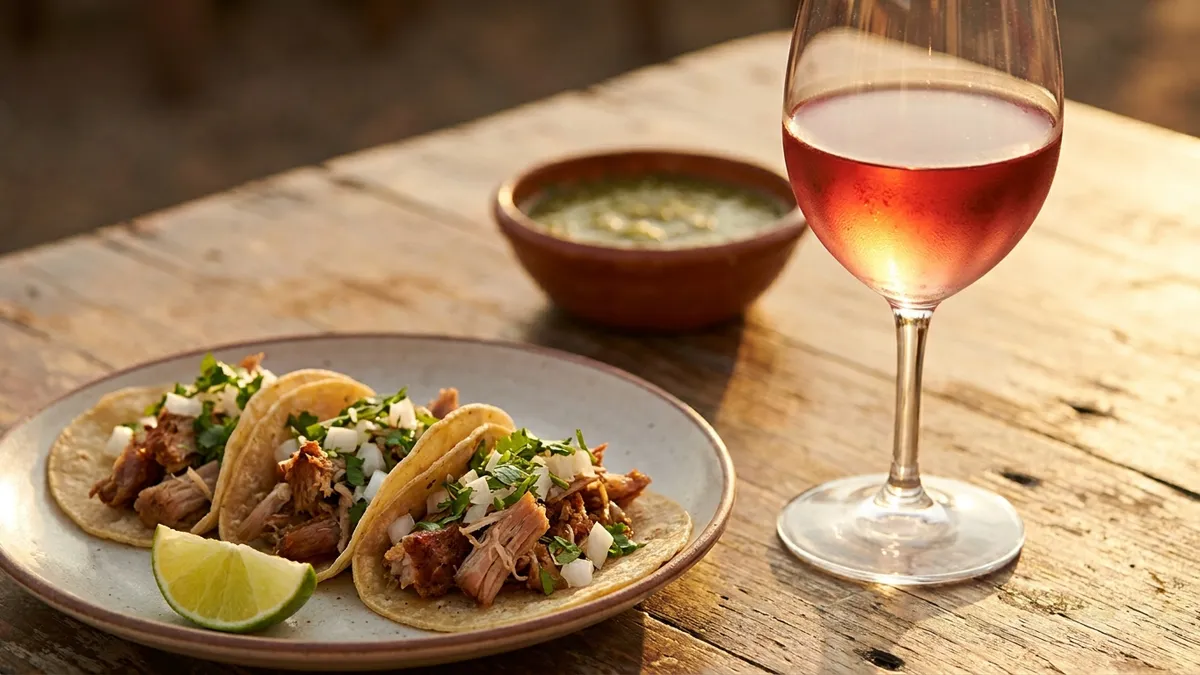
If the pork is crisp and rich but mild, pour dry rosé or Gamay. If it is red with chilli marinade, pour off-dry Riesling.
What Wine Goes with Fish and Shrimp Tacos?
Fish and shrimp tacos go with crisp, dry, high-acid whites like Albariño or Sauvignon Blanc, because the lime needs acid to match. A soft, low-acid white tastes flat beside a squeezed lime. A tart one tastes fresh, and its acid also handles the creamy sauce many fish tacos carry.
Albariño, from the Atlantic coast of Galicia, smells of lemon and white peach and finishes with a salty edge that suits seafood; see the Albariño wine guide. Sauvignon Blanc smells of grapefruit and cut grass, which lines up with cilantro and green salsa; the Sauvignon Blanc wine guide shows its cooler and riper styles.
Batter changes the order. Fried fish in a crisp coat wants dry sparkling wine, whose bubbles and acid lift the oil between bites.
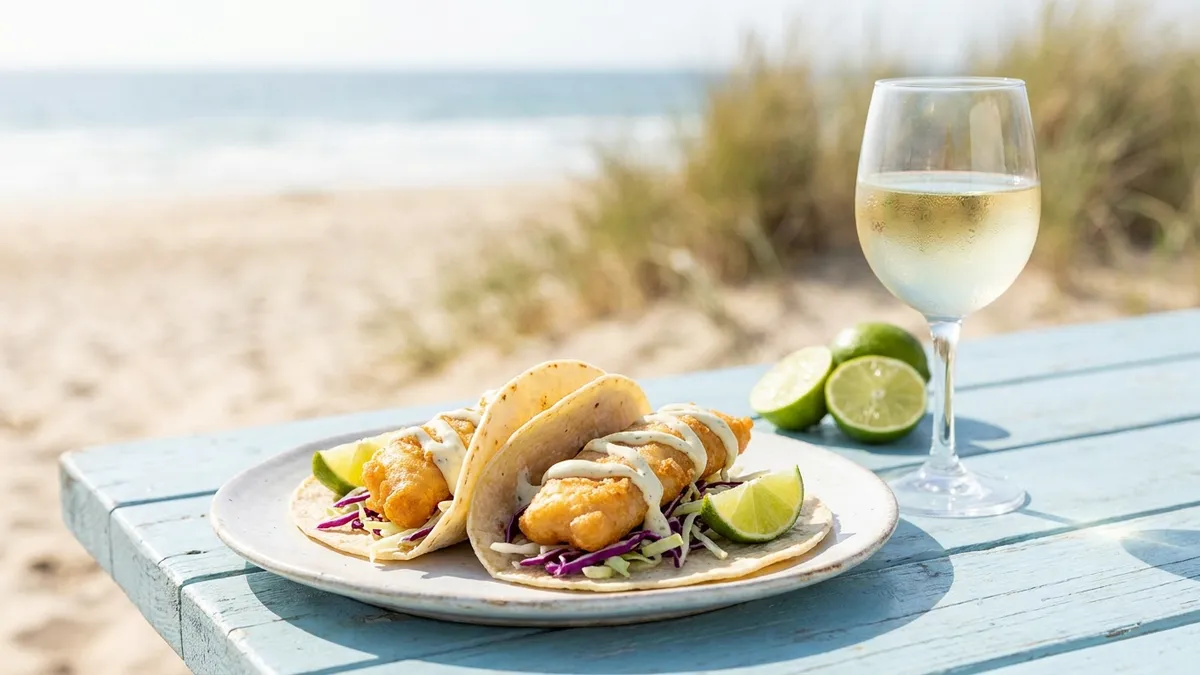
If the fish is grilled with lime, pour Albariño or Sauvignon Blanc. If it is battered and fried, pour dry sparkling wine.
What Wine Goes with Chicken, Veggie and Breakfast Tacos?
Mild fillings let the topping decide: dry rosé or a dry white for most, off-dry Riesling when the salsa is hot. Chicken carries little fat or flavour of its own, so the sauce is the pairing. Read the sauce for heat, smoke or lime, then use the matching row of the table.
Tinga, chicken stewed in tomato and chipotle, has smoke, gentle heat and tomato acid; dry rosé meets all three. Grilled chicken with lime and a green salsa goes with the fish-taco whites. The wine with chicken guide covers the plain bird.
Veggie and bean tacos are earthy and soft. Roast peppers, black beans and corn suit a light, low-tannin red like Gamay or a dry rosé. Mushrooms push toward the red.
Breakfast tacos bring egg, chorizo and often cheese: fat, salt and paprika at brunch. Dry sparkling wine handles that best, because the bubbles and acid clean each bite.
If the chicken or veg taco has a creamy or mild sauce, pour a dry white. If it has a smoky red sauce, pour dry rosé.
Does Rosé or Sparkling Wine Work with Tacos?
Yes. Dry rosé is the safest single bottle for tacos, and dry sparkling wine is the best one for fried fillings. Rosé has the acidity of a white, enough fruit for grilled meat and no tannin to fight the chilli.
Pale, dry styles from Provence or Spain stay fresh beside lime; darker, riper ones carry more weight for beef. The rosé wine guide explains how colour and sweetness differ between styles.
Sparkling wine earns its place with crisp, fried and cheesy tacos. Bubbles and high acidity scrub fat from your tongue. Cava is made by the traditional method and is usually good value (pick brut for a dry one); sparkling wine types sorts it from Prosecco and the rest.
If the table has more than two kinds of taco, open dry rosé. If most of them are fried, open dry sparkling wine.
How Do You Pick a Wine When the Salsa Is Hot?
When the salsa is hot, choose an off-dry wine with low alcohol and serve it cold. Sweetness in wine balances spice and heat, and the low alcohol keeps the burn from building. Cold matters too: a chilled glass tastes less of alcohol than the same wine at room temperature.
Riesling is the reference. It is an aromatic grape with flowery, almost perfumed aromas and high acidity, and it is one of the few wines that can stand up to the strong spice of Thai and Chinese cooking. German Riesling runs from sweet through off-dry to fully dry. The label words to look for are feinherb and halbtrocken, both meaning off-dry. The Riesling wine guide covers the rest of the label, and the wine sweetness scale shows where off-dry sits.
The second myth is that sweet wine always fixes spice. A touch helps; a very sweet dessert wine next to fatty pork tastes cloying. Keep it to off-dry.
What If One Bottle Has to Cover Taco Night?
If one bottle must cover every filling, open a dry rosé or an off-dry Riesling. Rosé is the better choice when the spread leans on grilled meat and fish. Riesling wins when the salsas are hot. Both should be properly cold; if they are not, use the tricks in how to chill wine fast.
Traditional pairing put local food with local wine, and Mexico's own wines from Baja California follow that logic for a taco night. For the rest of the cuisine, from ceviche to mole, see wine with Mexican food, and the full set of pairing guides lives in the food pairing hub. To learn acidity, tannin and sweetness by taste, start with the Wine 101 course in Sommy.
Tonight, set out two glasses, one dry rosé and one off-dry Riesling, and taste each against the hottest salsa and the fattiest taco on the table. Note which glass stays fresh. Sommy walks you through look, smell and taste for each glass and saves the notes in a tasting journal, so the winning pair is there for the next taco night.
Sources
Frequently Asked Questions
What wine goes best with tacos?
A cold, lower-alcohol wine chosen for the salsa. Off-dry Riesling handles hot salsa, a crisp dry white such as Albariño or Sauvignon Blanc handles lime and fish, and a juicy, low-tannin red such as Grenache or Gamay handles grilled beef and pork. If one bottle has to cover every filling, open a dry rosé.
Is red or white wine better with tacos?
White is the safer choice when the salsa is hot, because tannin in red wine tastes harsher next to chilli. Red works with grilled and pork fillings as long as it is light, fruity and low in tannin. Serve it cool, straight from a short spell in the fridge, so the alcohol does not feed the burn.
What wine goes with spicy tacos?
An off-dry white with low alcohol, served cold. A touch of sweetness balances chilli heat, while high alcohol makes it burn harder, because alcohol makes the heat-sensing nerves react more strongly to capsaicin. German Riesling labelled feinherb or halbtrocken is the classic choice. Avoid big, tannic reds and anything that warms your throat on its own.
What wine goes with fish tacos?
A crisp, dry, high-acid white such as Albariño or Sauvignon Blanc. Fish tacos lean on lime, cabbage and fried batter, and the wine needs as much acidity as the lime or it tastes flat. If the fish is battered and fried, dry sparkling wine is just as good, because bubbles and acid scrub the oil.
What wine goes with carne asada tacos?
A juicy, low-tannin red such as Grenache or Gamay, served slightly cool. Carne asada is grilled skirt, flap or flank steak, so the char wants fruit. The salsa on top is what rules out big tannic reds: chilli makes tannin taste dry and bitter. With a very hot salsa, switch to dry rosé.
Does rosé go with tacos?
Yes, and dry rosé is the best single bottle for a mixed taco spread. It has the acidity of a white for lime and fish, enough fruit for grilled meat, and no tannin to clash with chilli. Choose a pale, dry one with moderate alcohol and serve it well chilled.
Why does wine taste worse with spicy food?
Two reasons. Alcohol makes the nerves that sense capsaicin, the burning compound in chillies, react more strongly, so a strong wine makes the burn feel bigger. Spicy food also makes the tannin in red wine taste drier and more bitter. A cold, low-alcohol wine with little or no tannin avoids both problems.
Sommy Team
LinkedInFounder & Wine Educator
The Sommy Team is building the world's most approachable wine education app, helping beginners develop real tasting skills through structured courses and AI-guided practice.