Wine with Lobster: Butter-Poached, Grilled, and More

By the Sommy Team — AI-assisted, human-edited.
Updated Sep 25, 2026
Contents (11)
- Wine With Lobster, in One Paragraph
- Which Wine Goes With Each Way of Cooking Lobster?
- What Wine Goes With Steamed or Boiled Lobster?
- What Wine Goes With Butter-Poached Lobster?
- What Wine Goes With Grilled Lobster?
- Chardonnay or Sauvignon Blanc: Which Is Better With Lobster?
- Does Champagne Go With Lobster?
- Can You Drink Red Wine With Lobster?
- What Wine Goes With a Lobster Roll or Lobster Bisque?
- How Do You Shop and Serve for Lobster Night?
- Tonight: Taste the Butter Test
TL;DR
Pick wine with lobster by how it is cooked. Steamed lobster with lemon wants crisp, unoaked Muscadet or Chablis. Butter-poached lobster wants oaked Chardonnay. Grilled lobster wants a fuller white or dry rosé. Brut Champagne handles almost every version, and tannic reds clash because fish oils make tannin taste metallic.
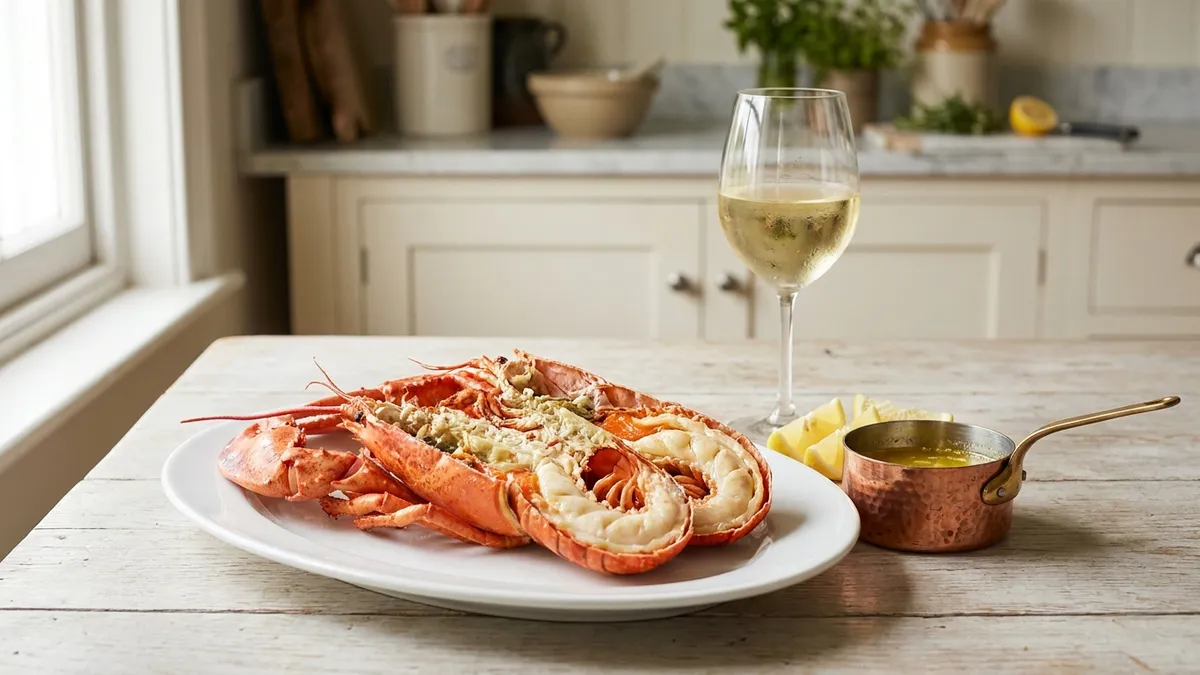
The best wine with lobster is chosen by the cooking, not by the lobster. The sweet white meat itself is mild, so the richest thing on the plate decides the bottle. Lemon on steamed lobster wants a crisp white, a pool of melted butter wants oaked Chardonnay, and char from the grill wants more fruit and body.
Wine With Lobster, in One Paragraph
Pour a crisp, unoaked white such as Muscadet sur lie or Chablis with steamed or boiled lobster and lemon. Pour an oaked Chardonnay with butter-poached lobster or lobster tail dipped in drawn butter. Pour a fuller dry white or a dry rosé with grilled lobster, and a crisp, high-acidity white (the tartness that makes your mouth water) with a mayonnaise lobster roll. Creamy bisque wants a rounder white with enough acidity to cut the cream. Brut Champagne, with less than 12 grams of sugar per litre, works with nearly all of them, so it is the safest single bottle. Avoid tannic reds: fish oils make tannin taste metallic.
Which Wine Goes With Each Way of Cooking Lobster?
Match the wine to the richest thing on the plate. Lemon calls for a crisp unoaked white, butter for oaked Chardonnay, char for a fuller white or dry rosé, and cream for body (a wine's weight, like skimmed versus whole milk) plus acidity. Acidity cuts through fatty, rich food and refreshes your mouth, so every pick below keeps some.
| Preparation | Richest thing on the plate | Pour this | Why it works | Serve at |
|---|---|---|---|---|
| Steamed or boiled, with lemon | Lemon, sea salt | Muscadet sur lie, Chablis, Albariño | High acidity mirrors the lemon; no oak to bury the sweet meat | Well chilled |
| Butter-poached, or tail with drawn butter | Melted butter | Oaked Chardonnay, vintage Champagne | Creamy texture and buttery flavour meet the sauce | Lightly chilled |
| Grilled | Char, smoke | Dry rosé, fuller dry Chenin Blanc, lightly oaked Chardonnay | Riper fruit and more body stand up to smoke | Chilled |
| Lobster roll with mayonnaise | Mayo, celery, herbs | Sauvignon Blanc, Albariño | Sharp acidity cuts the mayo; herbal flavours echo the celery | Well chilled |
| Bisque or cream sauce | Cream | Oaked Chardonnay, dry Chenin Blanc | Full body matches the cream; acidity cleans your mouth | Lightly chilled |
| A mixed spread | All of the above | Brut Champagne | Bubbles and acidity handle lemon and butter alike | 7 to 9°C |
If lemon is the only sauce, go crisp and unoaked. If butter or cream is on the plate, go oaked or fuller. For the reasoning behind those two moves, the wine pairing rules explain weight and acidity in more depth, and the wine with seafood guide covers crab, oysters and white fish.
What Wine Goes With Steamed or Boiled Lobster?
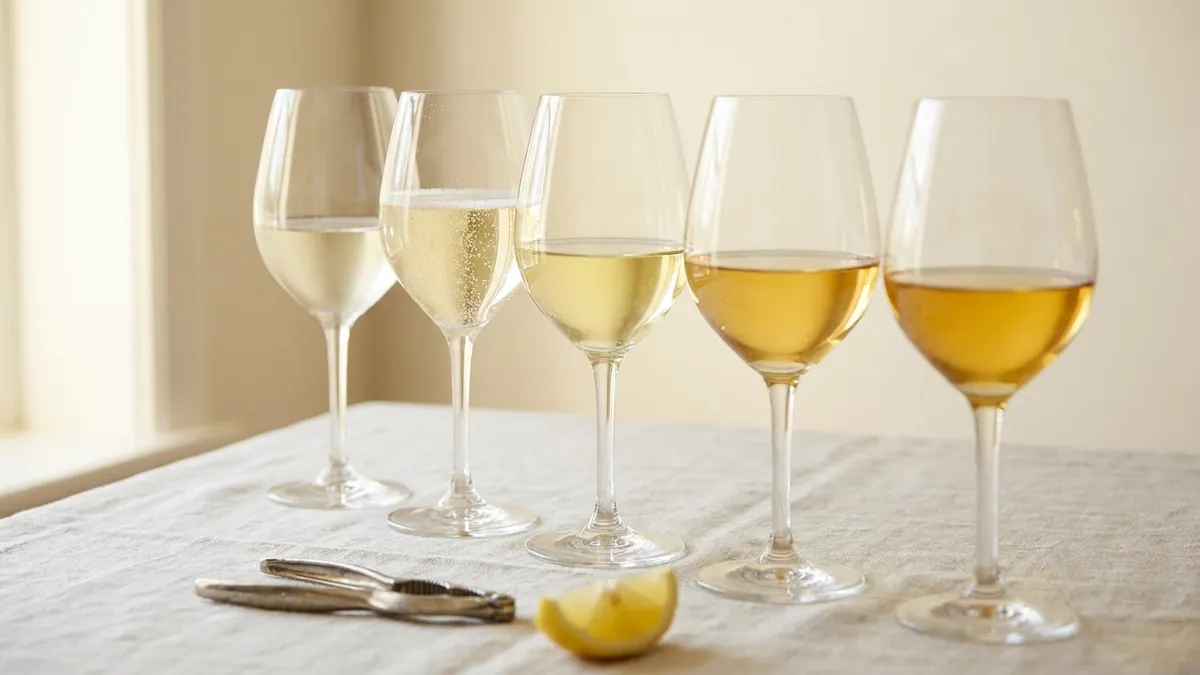
Plain steamed or boiled lobster wants a crisp, unoaked white such as Muscadet sur lie or Chablis. This is the most common way lobster is served, cooked whole in the shell, and it leaves the meat sweet, lightly salty and delicate. A heavy, oaky wine buries it; a lean, tart one makes it taste sweeter.
Muscadet comes from the western end of the Loire Valley, near Nantes, and is made only from the Melon de Bourgogne grape. The best versions say sur lie on the label. That means the wine rested on its lees (spent yeast, which adds bread flavours) through the winter after harvest. It cannot be bottled before March, and the time on the lees gives a light wine a slightly creamy texture.
Muscadet also has an unusual legal alcohol ceiling: if sugar is added before fermentation, the wine may not exceed 12%. That low alcohol keeps it light enough for the most delicate meat. The Muscadet and Melon de Bourgogne guide covers the rest.
Chablis is the other classic. All Chablis is 100% Chardonnay, grown in northern Burgundy, mostly on Kimmeridgian soil of limestone, clay and fossilised oyster shells. It is traditionally made without oak or with very little, so it tastes of green apple and lemon with a flinty, struck-stone smell. The Chablis wine guide explains its four quality levels.
If the label says "sur lie" or "Chablis", the wine will be crisp and unoaked, which is what steamed lobster needs.
What Wine Goes With Butter-Poached Lobster?
Butter-poached lobster is the one preparation that calls for oaked Chardonnay. When the meat is gently cooked in butter, or a lobster tail arrives with a ramekin of drawn butter, the fat coats your mouth. A lean wine tastes thin and sharp against it. A round, creamy Chardonnay meets it at the same weight.
The old rule says lobster means Chardonnay, but the butter is what asks for it. A buttery Chardonnay beside plain steamed lobster with lemon tastes heavy and sweet. Two winemaking steps build that buttery style. Malolactic fermentation turns the wine's sharp malic acid (the apple-like kind) into softer lactic acid, and it makes diacetyl, the compound that smells of butter. Oak (barrels adding vanilla, toast or spice) then layers on caramel, cream, smoke, cinnamon and clove.
Our explainer on what malolactic fermentation is goes further into the chemistry. The Chardonnay wine guide maps where each style comes from, from lean Chablis to full, oaky warm-climate bottles.
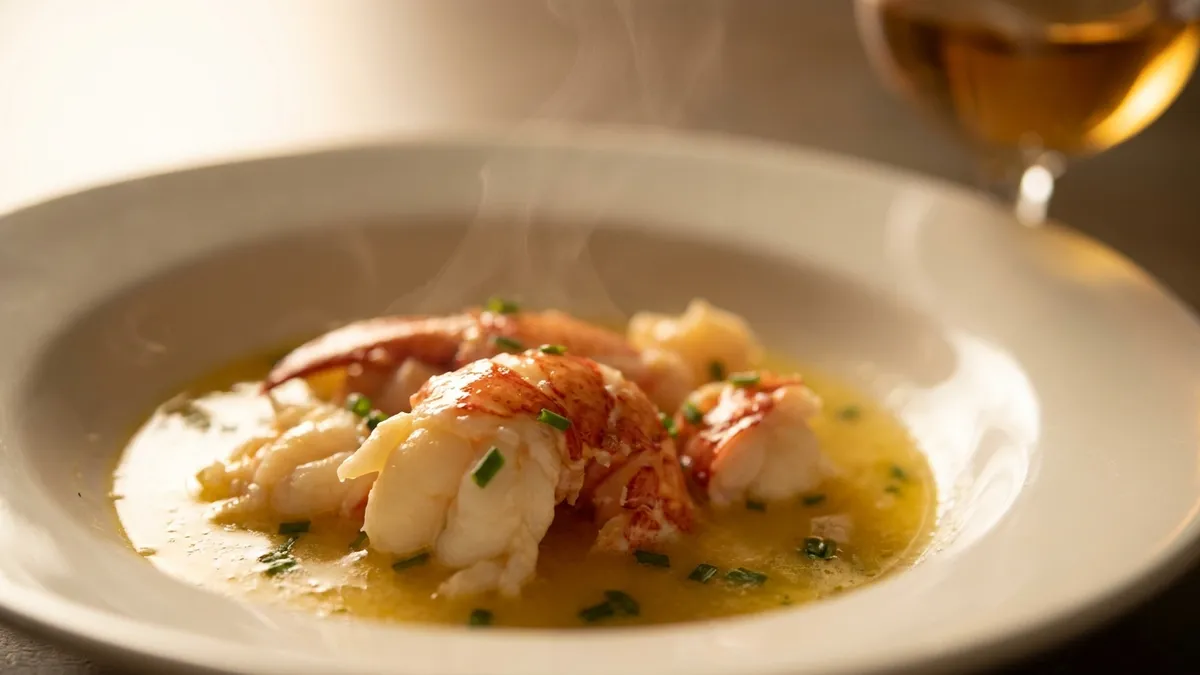
If the back label mentions barrel fermentation, oak aging or a creamy texture, the wine fits butter. If it says unoaked, steel tank or Chablis, save it for lemon. Oaked Chardonnay still needs some acidity to avoid tasting flabby, so a cooler-region oaked Chardonnay handles the richest butter sauces best.
What Wine Goes With Grilled Lobster?
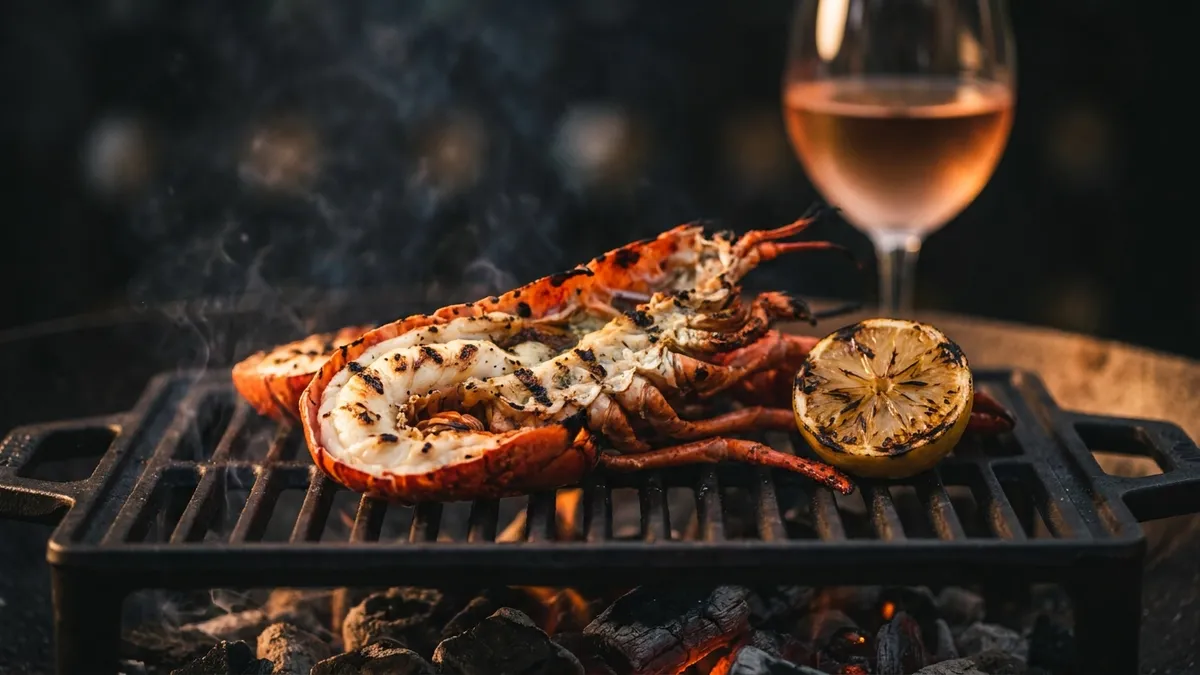
Grilled lobster wants a fuller, fruitier dry white or a dry rosé, because char and smoke flatten a lean wine. The grill adds bitter, smoky flavours and firms the meat. A very light white like Muscadet can taste watery next to that.
Three styles hold up. A dry rosé brings red-fruit flavours like fresh strawberry and enough body for smoke, and our rosé wine guide explains how the colour and weight vary. A dry Chenin Blanc from the Loire is fuller and often tastes of ripe apple and honey. A lightly oaked Chardonnay works too: the smoke that oak can add echoes the char on the shell.
The marinade can override the grill. Chilli makes alcohol feel hotter, so a spicy or chilli-lime lobster wants a lower-alcohol, high-acid white. Albariño, from Rías Baixas in northwest Spain, usually sits at 11.5 to 13.5% alcohol, and its lime and peach flavours sit well with lime and herbs. The Albariño wine guide covers the region and styles.
If the lobster is marinated in chilli or lime, pick a white at or under 12.5%. If it is grilled with just butter and salt, pick rosé or a fuller Chenin Blanc.
Chardonnay or Sauvignon Blanc: Which Is Better With Lobster?
Chardonnay wins whenever butter or cream is on the plate. Sauvignon Blanc wins when the lobster comes with lemon, herbs, a vinaigrette or mayonnaise. Chardonnay can land on either side of that line, because winemakers make it both lean and buttery, so the label tells you more than the grape name does.
In the 2015 global survey, Chardonnay was the second most planted white grape in the world, at about 210,000 hectares, behind only Airén. It is made in every style from steely to buttery, so read the label for oak. Sauvignon Blanc is less flexible. In a cool climate (tarter and lighter wines) it tastes grassy and green, like cut grass and lime. In a warm climate (riper, stronger wines) it moves toward passion fruit and melon. White Sancerre, from the Loire, is 100% Sauvignon Blanc, and its flint-soil vineyards give some of the leanest, sharpest examples.
Occasionally Sauvignon Blanc is aged in oak, which rounds out the flavour and softens its naturally high acidity. That version handles butter better than the usual steel-tank style.
If you can only buy one bottle and both butter and lemon will be on the table, pick a lightly oaked Chardonnay: it sits between the two. The Chardonnay vs Sauvignon Blanc comparison goes grape by grape, and the Sauvignon Blanc wine guide maps its regions.
Does Champagne Go With Lobster?
Yes, and it is the safest single bottle for a lobster dinner with several preparations. Its acidity cuts through melted butter. Its bubbles scrub the palate between bites, and a Brut label keeps it dry enough that it never clashes with the salt and sweetness of the meat.
Dry means no sugar you can taste, and Champagne labels tell you exactly how dry through the dosage, the small dose of sugar added just before corking. Brut must contain less than 12 grams of sugar per litre. Extra Brut must stay under 6 grams. Sweeter words like Sec or Demi-Sec sit much higher and taste too sugary beside lobster; the wine sweetness scale explains the full ladder.
Champagne is made mainly from Pinot Noir, Pinot Meunier and Chardonnay. Non-vintage Champagne ages at least 15 months before release, much of it on its lees, which gives bread and brioche flavours. Vintage Champagne must mature for at least three years, so it tastes rounder and toastier. The Champagne region guide explains how those rules shape each style.
If the lobster is plain or lemony, pick an Extra Brut or a crisp non-vintage Brut. If it is swimming in butter, pick a vintage Champagne for its extra richness. Serve Champagne at 7 to 9°C, colder than an oaked Chardonnay.
Can You Drink Red Wine With Lobster?
Yes, if it is low in tannin. Tannin is the problem, not the colour. Tannin (the drying grip on your gums) reacts badly with the oils in fish and shellfish, and fish oils make tannic wines taste metallic or off. A big Cabernet Sauvignon beside lobster tastes tinny and sour. A 2009 study also tied the fishy aftertaste some wines leave with seafood to iron in the wine, so tannin is not the only culprit.
A red with very little tannin avoids most of that reaction. Pinot Noir is the natural choice: thin-skinned, light in body and high in acidity, it tastes of fresh cherry and raspberry. Serve it cool, straight from the fridge after a short chill, so its fruit reads as fresh rather than jammy. The Pinot Noir guide explains why it stays so light, and what tannins are shows how to feel them on your gums.
Even a good light red is a compromise. For butter, lemon or cream, a white or a sparkling wine does the job better.
What Wine Goes With a Lobster Roll or Lobster Bisque?
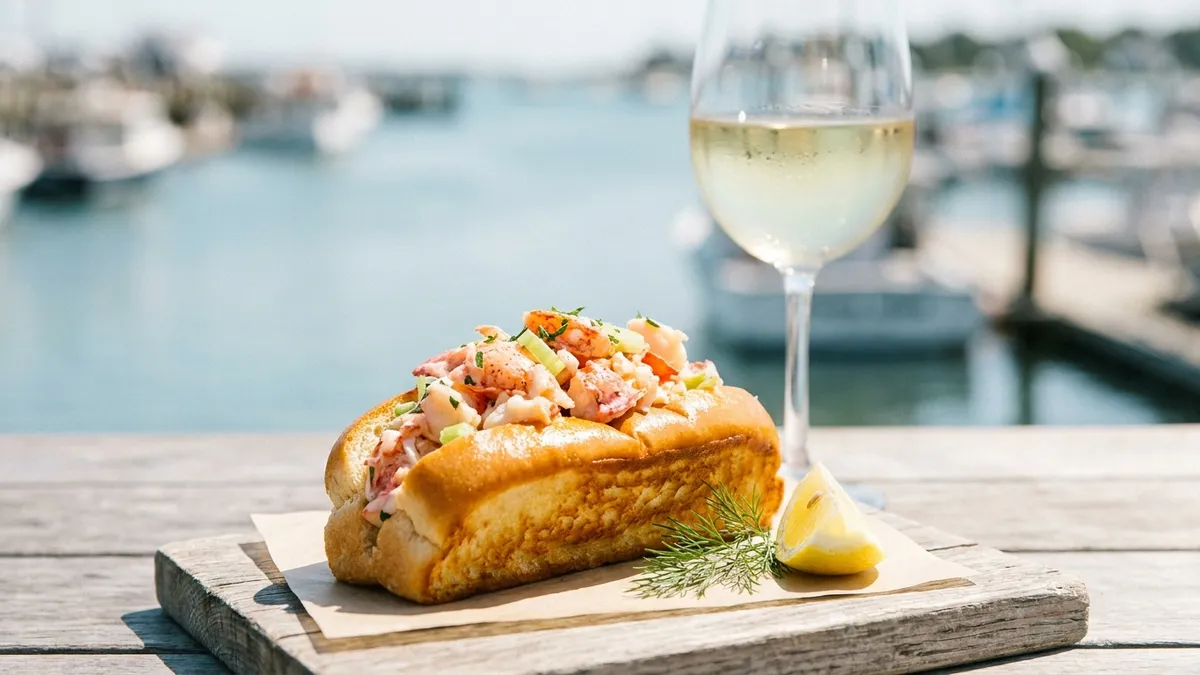
A mayonnaise lobster roll wants a crisp, high-acid white; a warm buttered roll and a creamy bisque want a rounder, fuller white. The two kinds of roll look alike on the plate, yet a cold mayonnaise dressing and a warm butter bath point to opposite wines.
A roll dressed with mayonnaise, celery and herbs is cold, tangy and a little fatty. Sauvignon Blanc cuts through the mayonnaise, and its green, herbal flavours meet the celery. Albariño does the same job with more peach and less grass. A roll served warm, with the meat tossed in melted butter, follows the butter rule: a lightly oaked Chardonnay or a Brut Champagne.
Bisque is the richest lobster dish of all: shells simmered into a stock, then finished with cream. It needs body. An oaked Chardonnay works, and so does a dry Chenin Blanc, which usually reaches around 13.5% alcohol and has the weight to stand up to cream while keeping Chenin's natural acidity. The Chenin Blanc wine guide explains how to find the dry styles, since Chenin is also made sweet.
If the sauce is cold and tangy, go crisp. If it is warm and creamy, go full.
How Do You Shop and Serve for Lobster Night?
Shop by label words, chill hard, and open two contrasting whites rather than one expensive bottle. An average adult lobster weighs about 680 to 910 grams, which is one generous serving, and a dinner often mixes a tail in butter with claws and lemon.
These label words tell you the style before you open the bottle:
- Sur lie on a Muscadet: crisp, low alcohol, lightly creamy.
- Chablis: Chardonnay without the buttery oak.
- Brut or Extra Brut on Champagne: dry enough for savoury food.
- Barrel-fermented or oak-aged on Chardonnay: the butter-poached pick.
- Rías Baixas on an Albariño: high acid, moderate alcohol.
Serve crisp whites and Champagne well chilled, and let an oaked Chardonnay warm a few degrees in the glass so its texture shows. The wine serving temperature chart gives each style its exact range. More pairings by dish sit in the food pairing hub.
If you are cooking lobster two ways, open two bottles: one crisp and unoaked, one oaked or sparkling. Guests can move between them as the plates change.
Tonight: Taste the Butter Test
Buy one unoaked white and one oaked Chardonnay. Cook a lobster tail, split it, and serve half with lemon and half with melted butter. Taste each wine with each half and write down which pair made the lobster taste sweeter.
For a guide at the table, the Sommy app at sommy.wine lets you photograph the label and walks you through each glass. Its Wine 101 and France courses cover Chablis, Muscadet and Champagne in short lessons. Open both bottles tonight and see which one the butter chooses.
Sources
Frequently Asked Questions
What wine goes best with lobster?
The sauce decides, and each version has a clear answer. Steamed lobster with lemon goes best with a crisp, unoaked white such as Muscadet sur lie or Chablis. Lobster with melted butter goes best with an oaked Chardonnay. If you want one bottle for a table with several preparations, choose Brut Champagne, whose acidity and bubbles handle both lemon and butter.
Is Chardonnay or Sauvignon Blanc better with lobster?
Chardonnay is better when butter or cream is on the plate, because oak and malolactic fermentation give it the weight and buttery flavour to meet the sauce. Sauvignon Blanc is better when the lobster comes with lemon, herbs or a vinaigrette, because its sharp acidity and green, citrus flavours echo those ingredients. For a mayonnaise lobster roll, Sauvignon Blanc usually wins.
Can you drink red wine with lobster?
You can, as long as the red is low in tannin. Tannin is the main problem: fish oils make tannic wines taste metallic, which is why a big Cabernet Sauvignon turns sour and tinny next to lobster. A light Pinot Noir, served cool, is the safest red choice. For most lobster dishes a white or a dry rosé is still the better pick.
What wine goes with lobster tail?
Lobster tail is usually served with melted butter, so an oaked Chardonnay is the first choice: its creamy texture and buttery flavour meet the sauce head on. If the tail is grilled with char and smoke, a fuller dry white or a dry rosé works well. If it is steamed and served with only lemon, pour a crisp Chablis or Muscadet instead.
What wine goes with lobster bisque?
Lobster bisque is creamy and rich, so it needs a white with full body and enough acidity to cut the cream. An oaked Chardonnay or a dry Chenin Blanc, which often reaches around 13.5% alcohol, has the weight to stand up to the soup. A vintage Champagne also works, because its bubbles and acidity clear the cream from your mouth between spoonfuls.
Does Champagne go with lobster?
Yes. Champagne is the safest single bottle for lobster night. Its high acidity cuts through butter, its bubbles scrub the palate, and Brut Champagne has less than 12 grams of sugar per litre, so it stays dry beside savoury food. Pick an Extra Brut for plain steamed lobster and a richer vintage Champagne for butter-poached lobster. Serve it at 7 to 9°C.
Sommy Team
LinkedInFounder & Wine Educator
The Sommy Team is building the world's most approachable wine education app, helping beginners develop real tasting skills through structured courses and AI-guided practice.