Tannat Wine Guide: Uruguay's Bold Signature Red

By the Sommy Team — AI-assisted, human-edited.
Updated Apr 29, 2026
Contents (11)
- What Is Tannat Wine?
- Tannat at a Glance, in 100 Words
- The History of Tannat — From Madiran to Montevideo
- Tannat Tasting Notes and Flavor Profile
- Madiran vs Uruguayan Tannat — Two Styles, One Grape
- How Tannat Is Made — Including the Micro-Oxygenation Story
- The Resveratrol Story — Tannat and Wine Health
- How to Pair Tannat Wine with Food
- Serving Tannat — Temperature, Glass, and Decanting
- How Tannat Compares to Other Bold Reds
- Practicing Your Tannat Tasting Skills
TL;DR
Tannat is a thick-skinned, intensely tannic red grape originally from Madiran in southwest France that became Uruguay's signature variety. It produces deep ink-purple wines with very high tannin, full body, and notes of black fruit, leather, and tobacco. Modern Uruguayan styles drink earlier than traditional Madiran, and the grape carries unusually high resveratrol levels.
What Is Tannat Wine?
Tannat is a thick-skinned red wine grape known for producing some of the most deeply colored, intensely tannic wines in the world. The name comes from the French word for tannin, and the grape lives up to it — tannat consistently measures higher in tannin than Cabernet Sauvignon, Nebbiolo, or any other major red variety.
Originally from Madiran, a small appellation in southwest France's Pyrenees foothills, tannat wine found its second home thousands of miles away in Uruguay. Today, Uruguay grows roughly 60% of the world's tannat plantings, and the country has officially claimed the grape as its national variety. If you have ever picked up a Uruguayan red and felt its dense, mouth-coating grip, you were almost certainly drinking tannat.
What makes this grape worth knowing is the contrast it offers. It is rustic and powerful, yet capable of producing surprisingly polished modern wines. It carries a serious health-claim story (more on resveratrol below), and it pairs with the kind of food most wine lovers reach a red wine for in the first place.
Tannat at a Glance, in 100 Words
Tannat is a thick-skinned, intensely tannic red grape from Madiran in southwest France that became Uruguay's signature variety after Basque immigrants planted it in 1870. The wine pours deep ink-purple, almost opaque, and delivers very high tannin, full body, and flavors of black plum, leather, dried fig, tobacco, and cracked pepper. Traditional Madiran tannat needs 10 to 15 years to soften; modern Uruguayan styles are rounder and drink earlier. The grape is famously high in resveratrol, the polyphenol behind much of wine's longevity research. It pairs naturally with grilled meats, aged cheeses, and lentil stews.
The History of Tannat — From Madiran to Montevideo
The Madiran Origins
Tannat's recorded history stretches back to the Madiran AOC, a small appellation in the Gascony region of southwest France. For centuries, growers there cultivated the grape on clay-limestone hillsides facing the Pyrenees. The wines were dark, tannic, and slow to evolve — locally known as a meal-table red built for cured ham, duck confit, and cassoulet.
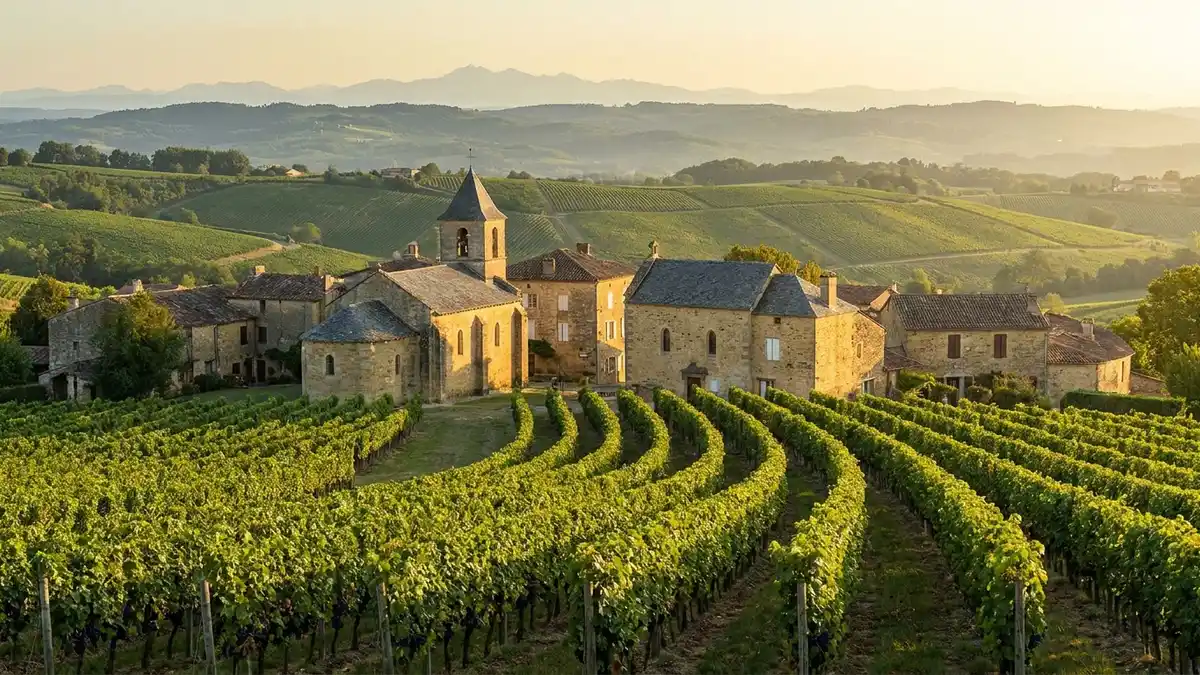
By the late 19th century, tannat plantings extended across Madiran, neighboring Irouleguy in the French Basque Country, and a smattering of vineyards in Cahors and Bergerac. Even today, tannat in France is largely concentrated in this southwest corner — about 3,000 hectares total, with Madiran the heartland.
The Uruguayan Transplant
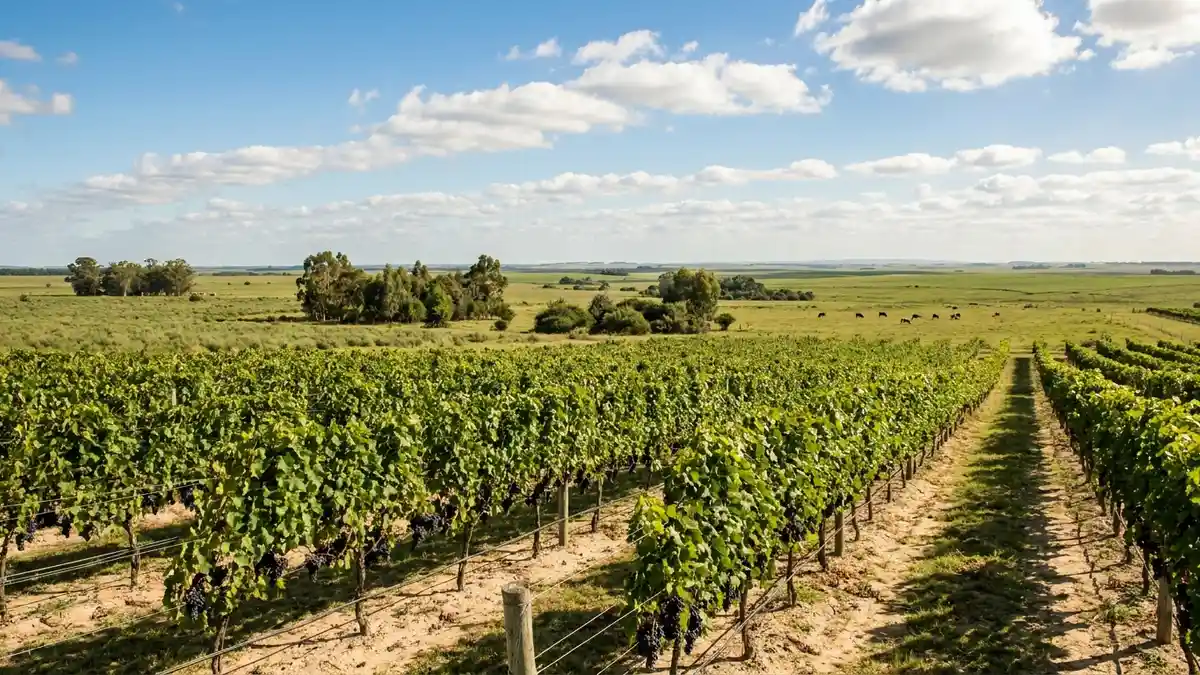
The grape's transformation began with migration. In 1870, a Basque immigrant named Don Pascual Harriague brought tannat cuttings to Uruguay, planting them in the country's coastal-influenced Canelones region just north of Montevideo. The cuttings thrived. Uruguay's mild Atlantic climate, clay-loam soils, and humid summers turned out to be a remarkably good fit for a grape that elsewhere struggled with rusticity.
Within a generation, tannat was the workhorse red of the Uruguayan wine industry. The local name Harriague stuck for decades — many older Uruguayan bottles still use it interchangeably with tannat. Today, Uruguay cultivates more than 1,800 hectares of the grape, and tannat accounts for roughly a quarter of all the country's vineyard area.
For the country that made this grape its own — its maritime climate, key regions, and full lineup beyond tannat — see the Uruguay wine guide. And for more on Uruguay's wine neighbor and Latin American wine culture, see the Argentina wine guide — the contrast between Argentine Malbec and Uruguayan tannat is one of South America's most interesting stylistic stories.
Tannat Tasting Notes and Flavor Profile
What Tannat Tastes Like
Tannat wines vary by region and winemaking, but they share a recognizable core profile:
- Black fruit — black plum, blackberry, blackcurrant, and often dried fig or prune
- Savory and earthy notes — leather, tobacco, dried herbs, sometimes a smoky edge
- Spice — cracked black pepper, clove, occasionally a chocolate note in oaked styles
- Floral undertones — violet and dried rose, especially in cooler vintages
- Mineral grip — wet stone or graphite in the best Madiran bottlings
When aged in oak, the wine picks up vanilla, mocha, and toasted cedar. Unoaked tannat — increasingly common in modern Uruguay — leans more purely toward fresh and dried black fruit.
How Tannat Looks in the Glass
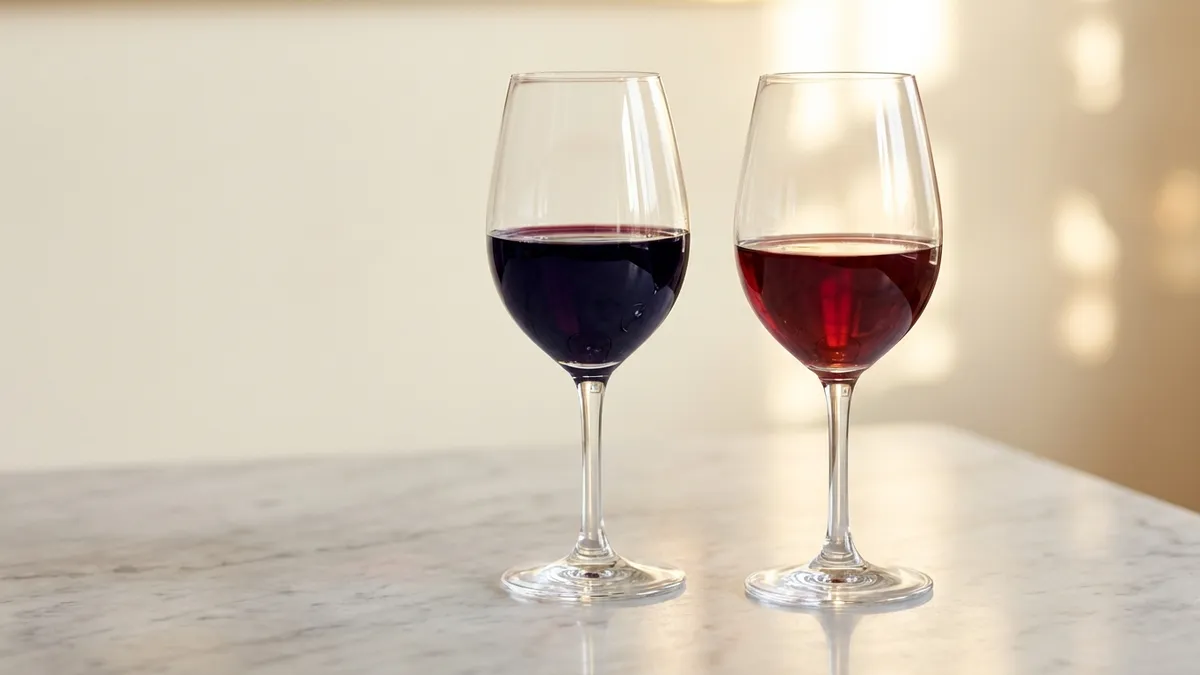
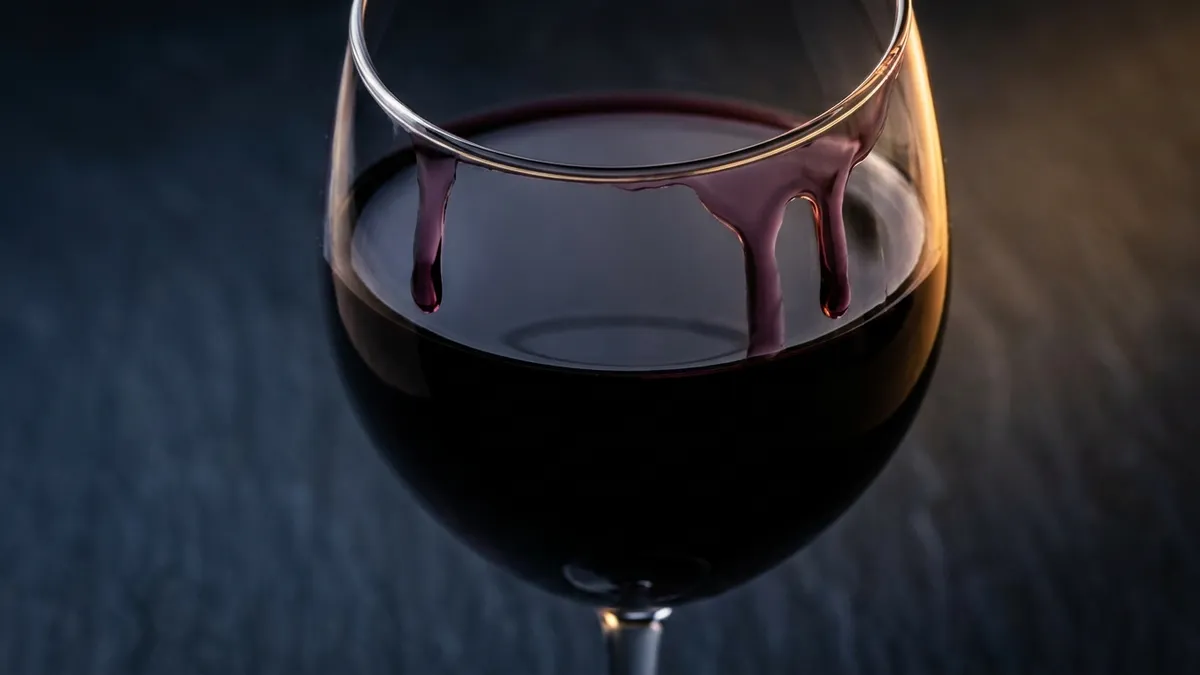
Pour a glass and tilt it to the light. Tannat is one of the darkest red wines you will ever see — an opaque, almost black-purple core with a saturated magenta rim in younger bottles. That intense pigmentation comes from the grape's exceptionally thick skin, which holds enormous concentrations of color compounds called anthocyanins.
The thick skin tells you everything about how the wine will feel, too. Skin contributes color, tannin, and resveratrol — all of which tannat has in abundance. If you are practicing how to read wine color, tannat is a useful training wine because the depth of pigment is so unmistakable.
How Tannat Feels — The Tannin Story
The headline structural feature is tannin — the drying, gripping sensation in your mouth caused by polyphenols binding to your saliva. Tannat is widely considered the most tannic of the major wine grapes. Young Madiran tannat can feel almost chewy, coating your gums and cheeks with a firm grip that some tasters find demanding on first encounter.
Body is full, alcohol typically lands between 13.5% and 14.5%, and acidity is medium to high — enough to keep the wine from feeling flabby despite its weight. If you want to study what makes a structured red work on the palate, understanding tannins, acidity, and body explains exactly how these elements interact.
Madiran vs Uruguayan Tannat — Two Styles, One Grape
Tannat is one of the cleanest examples of how the same grape can express itself differently depending on geography, climate, and winemaking philosophy.
Madiran Tannat — Rustic and Built to Age
Madiran wines must contain at least 60% tannat under AOC rules, often blended with Cabernet Sauvignon, Cabernet Franc, or Fer Servadou to soften the grape's intensity. The result is a traditional style with these characteristics:
- More tannic and structured
- Less fruit-forward, leaning toward dried plum, leather, and earth
- Higher in acidity
- Built for 10 to 15 years of bottle aging
- More savory and rustic in character
Drinking a young Madiran is sometimes compared to chewing on a strong cup of black tea — the structure is real and uncompromising. With time, the tannins polymerize (link together into longer chains) and soften, and the wine's secondary aromas of dried fruit, tobacco, and forest floor emerge.
Uruguayan Tannat — Rounder, Earlier-Drinking
Uruguay's maritime climate is the key. Atlantic humidity, slightly warmer nights, and less extreme summer heat allow for slower, more even ripening than Madiran's continental swing. Modern Uruguayan winemaking adds another layer: shorter maceration, gentler extraction, and earlier oak aging produce wines that feel polished even when young.
A typical Uruguayan tannat shows:
- Plush black fruit with riper plum and blackberry
- Softer, more integrated tannin from day one
- Vanilla and chocolate notes from oak aging
- Approachable at 3 to 5 years, drinking well for a decade
- Sometimes blended with Merlot or Cabernet Franc for added roundness
This is not a lesser version of Madiran — it is a different expression of the grape, suited to a different food culture and a different generation of drinkers. The same way Argentine Malbec is rounder than its Cahors origin, Uruguayan tannat is rounder than its Madiran origin.
Tannat Beyond Madiran and Uruguay
Smaller plantings exist in Argentina (often blended with Malbec), Brazil's Serra Gaucha, and emerging projects in Virginia, Texas, and Italy. None rival Uruguay or Madiran in scale, but they show how adaptable the grape can be when growers commit to it.
How Tannat Is Made — Including the Micro-Oxygenation Story
Traditional tannat winemaking faced a real problem: the grape was so tannic that consumers would not drink the wine without 10 years of cellaring, and most modern wine drinkers do not cellar wine. Two innovations changed that.
Shorter Maceration and Softer Extraction
Maceration is the period when juice sits in contact with skins, seeds, and stems during fermentation. Longer maceration means more tannin extraction. Modern producers in Uruguay (and increasingly in Madiran) shortened the maceration window from three to four weeks down to one to two weeks, pulling out enough color and structure without overloading the wine with bitter seed tannin.
Micro-Oxygenation — Invented for Tannat
The bigger innovation is micro-oxygenation — a technique developed in Madiran in 1991 by winemaker Patrick Ducournau specifically to tame young tannat. The process introduces tiny, controlled doses of oxygen into the wine during or after fermentation, encouraging tannins to polymerize (chain together into larger, smoother molecules) earlier than they otherwise would.
In effect, micro-oxygenation gives a young tannat some of the textural softening that normally requires years of bottle age. The technique is now used worldwide for many tannic red wines, but tannat was the original problem that drove its invention.
The result, in most modern bottles, is a tannat that still shows its signature dark fruit, deep color, and structural backbone — but without the bracing, almost unfinished tannin grip of mid-20th-century Madiran.
The Resveratrol Story — Tannat and Wine Health
Tannat is one of the few grape varieties that consistently appears in wine-and-health research, and the reason is resveratrol — a polyphenol found in grape skins that has been linked in laboratory studies to anti-inflammatory and cardiovascular effects.
Several published studies have measured resveratrol content across grape varieties. Tannat regularly comes out near the top, often showing two to four times the resveratrol concentration of typical Cabernet Sauvignon or Pinot Noir. The reason is structural: resveratrol concentrates in grape skins, and tannat has unusually thick skins. The same trait that gives the wine its color and tannin gives it its polyphenol density.
A note on framing: the science around wine and longevity is far less settled than headlines suggest, and no responsible source recommends drinking wine for health reasons. But within the conversation — and within Uruguay's marketing of its national grape — tannat's high resveratrol content is a genuine point of difference. For a deeper look at the health side of the conversation, see the sulfites in wine explainer, which addresses other compounds people often ask about.
How to Pair Tannat Wine with Food
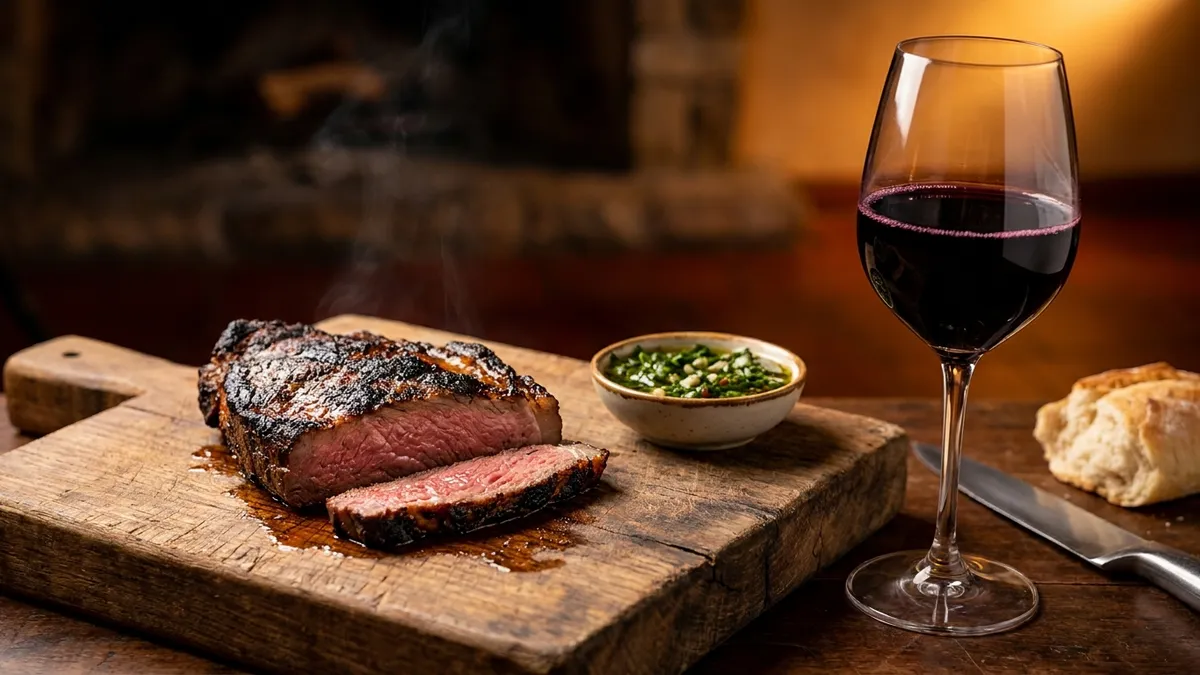
Tannat is one of the most food-driven red wines on the planet. Its high tannin and full body need protein and fat to feel balanced — drink it with the wrong food and it can taste rough; drink it with the right food and it transforms into something seamless.
Classic Pairings
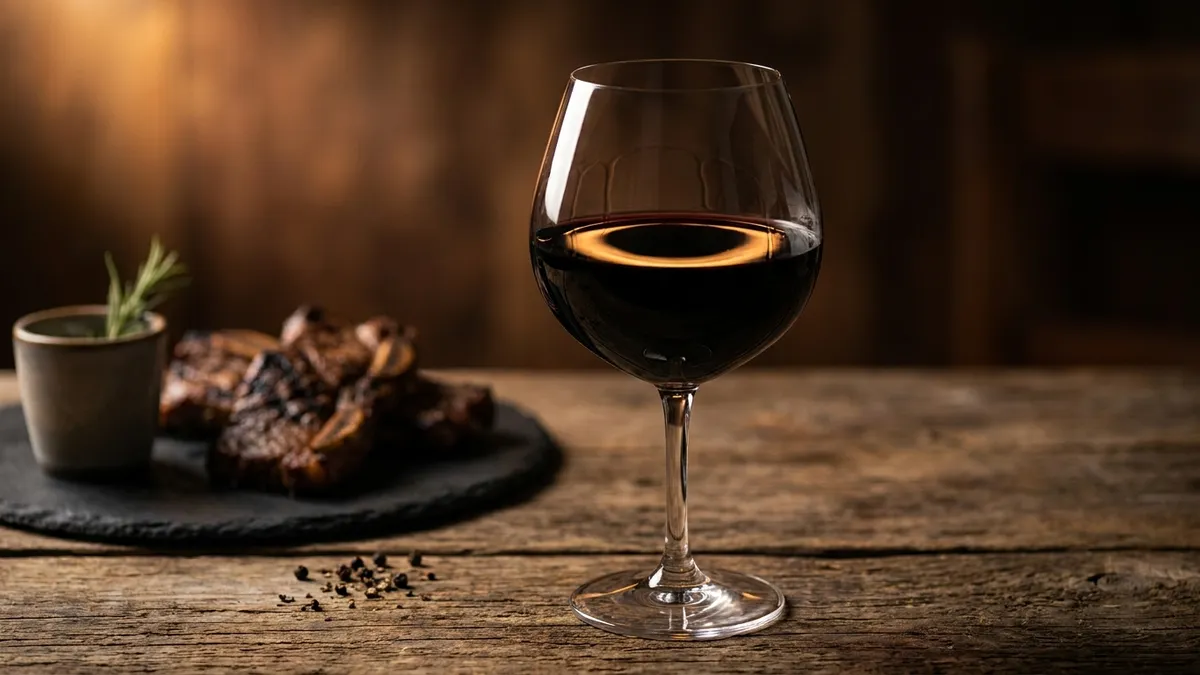
- Asado and grilled red meat — Uruguayan and Argentine asado is the textbook match. The fat and protein in a charred ribeye or short rib bind directly with tannat's tannin, softening the grip and bringing out the wine's dark fruit. This is the pairing tannat was effectively engineered for.
- Lamb — Roasted lamb shoulder, lamb shank, or rosemary-grilled chops match tannat's herbal and savory notes.
- Aged hard cheeses — Mature Manchego, Reserva Gouda, and aged sheep's milk cheeses all stand up to tannat's grip and complement its dried-fruit secondary flavors.
- Cassoulet and confit — The traditional Madiran pairing. Duck confit and slow-cooked white beans cut beautifully against tannat's structure.
Adventurous Pairings
- Lentil and bean stews — Surprisingly excellent. Earthy lentils and dark beans echo tannat's savory side, and the dish's richness buffers the tannin.
- Mushroom dishes — Wild mushroom risotto, roasted portobellos, or beef-and-mushroom stew all work. Earthy umami flavors mirror tannat's secondary notes.
- Dark chocolate desserts — 70%+ dark chocolate or a chocolate-and-fig tart matches oaked tannat's mocha undertones.
- Spicy slow-cooked chili — Fruit-forward Uruguayan tannat handles moderate spice well, especially when the dish carries beef or pork.
What to Avoid
Tannat's tannin and weight overwhelm delicate foods. Skip it with light fish, cream-based sauces, fresh salads, or acidic citrus dishes. For those plates, look at lighter reds like Pinot Noir or a structured white wine. The general principles in the wine and food pairing guide explain why weight-matching matters, and the wine with steak guide goes deeper on the grilled-meat side.
Serving Tannat — Temperature, Glass, and Decanting
A few practical details get the most out of a bottle.
Temperature
Serve tannat at 16 to 18 degrees Celsius (60 to 65 degrees Fahrenheit) — slightly below typical room temperature. Above that range, the wine's alcohol and tannin become more aggressive. Below it, the dark fruit shuts down. If a bottle has been sitting on a warm counter, 15 to 20 minutes in the fridge brings it into the right zone. The full wine serving temperature chart covers other styles in detail.
Glassware
A large-bowled red wine glass works best. The wider opening lets the tannat breathe and softens the tannin perception on the first sip. A standard Bordeaux-style glass is ideal.
Decanting
Young tannat — especially traditional Madiran — benefits enormously from decanting. One to two hours of air softens the tannin and lets the dark fruit and savory notes open up. Even modern Uruguayan tannat under five years old usually improves with 30 to 60 minutes in a decanter. Aged bottles (10 years or more) need gentler handling — a quick decant to remove sediment is enough.
How Tannat Compares to Other Bold Reds
Understanding where tannat sits relative to other structured red grapes helps you decide when to reach for it.
| Feature | Tannat | Cabernet Sauvignon | Malbec | Nebbiolo | |---|---|---|---|---| | Body | Full | Full | Full | Medium-full | | Tannins | Very high | High | Medium-soft | Very high | | Acidity | Medium-high | Medium-high | Medium | High | | Color | Ink-purple | Deep ruby | Inky purple | Pale garnet | | Key flavors | Black plum, leather, fig | Blackcurrant, cedar | Plum, violet | Cherry, tar, rose | | Best with | Asado, cassoulet | Steak, aged cheese | Grilled meats | Truffle, braised meat | | Aging window | 10-15+ years (Madiran) | 10-20 years | 5-10 years | 10-30 years |
If you enjoy tannat's structure but want something with less weight on the palate, Sangiovese and Tempranillo are natural next steps — both share the savory, food-friendly identity without quite the same tannin density. For a side-by-side stylistic contrast, the Cabernet Sauvignon vs Merlot comparison shows how a similarly bold grape can be softened by blending.
Practicing Your Tannat Tasting Skills
Tannat is one of the best teaching grapes for working on tannin recognition. Because the structural grip is so unmistakable, you can use it to calibrate your palate against softer reds and start to feel the spectrum of tannin intensity that exists across the noble grapes and beyond.
A useful practice exercise: pour a small glass of tannat alongside a Pinot Noir and a Cabernet Sauvignon. Take small sips of each and pay attention to where you feel the drying sensation — front of the gums, sides of the tongue, back of the cheeks — and how long it lingers. Tannat will sit at the highest end of every measure, Pinot Noir at the lowest, and Cabernet somewhere in the middle.
The Sommy app walks you through this kind of comparative tasting with structured palate prompts and AI feedback on your descriptions. It is a practical way to build the sensory vocabulary that turns abstract knowledge into intuitive tasting confidence — and tannat is one of the most rewarding grapes to learn this way, precisely because its profile is so vivid.
Tannat may take a few sips to get used to. But once you understand what you are looking for — the deep color, the savory edge, the firm but increasingly polished tannin — it becomes one of the most distinctive and memorable red wines in the world.
Frequently Asked Questions
What does tannat wine taste like?
Tannat tastes of black plum, blackberry, dried fig, leather, and tobacco, often with dark chocolate and cracked pepper notes. The defining feature is its tannin — a firm, mouth-coating grip that can feel chewy in young wines and silky after a decade of aging. Body is full, color is deep ink-purple, and acidity is medium to high.
Is tannat the most tannic wine grape?
Yes, tannat is widely considered the most tannic of the major wine grapes. The name itself comes from the French word for tannin, and the grape's thick skin and abundant seeds give it the highest measured tannin content of any commercial variety. That structure is why tannat ages so well and why winemakers developed micro-oxygenation specifically for this grape.
Why is tannat associated with Uruguay?
Basque immigrants brought tannat from southwest France to Uruguay in 1870, and the grape thrived in the country's maritime climate and clay-loam soils. Uruguay now grows around 60% of the world's tannat plantings, and the country has officially claimed it as its national grape. Most Uruguayan wine production focuses on tannat in some form.
What is the difference between Madiran and Uruguayan tannat?
Madiran tannat from southwest France is traditionally rustic, dense, and built for long aging — often requiring 10 to 15 years to soften. Uruguayan tannat is generally rounder and earlier-drinking, thanks to maritime humidity, slightly higher yields, and modern winemaking that uses gentler extraction. Both styles share the grape's deep color and structural backbone.
Does tannat really have more resveratrol than other red wines?
Yes. Studies have measured tannat with some of the highest resveratrol concentrations of any wine grape — often two to four times the levels found in typical Cabernet Sauvignon or Pinot Noir. Resveratrol is a polyphenol found in grape skins, and tannat's exceptionally thick skins concentrate it. It is one reason tannat became part of conversations about wine and longevity.
How long should you age tannat wine?
Traditional Madiran tannat often needs 8 to 15 years to soften its dense tannins into elegant maturity. Modern Uruguayan tannat is built to drink earlier — many bottles are approachable at 3 to 5 years, though premium examples will continue to evolve for a decade or more. Decanting young tannat for an hour or two also helps tame the grip.
What foods pair best with tannat?
Tannat shines with fatty, protein-rich grilled meats — especially Uruguayan and Argentine asado, ribeye, lamb, and chorizo. The wine's tannin binds with protein and fat, softening the grip while the food gains structure. Aged hard cheeses, lentil stews, mushroom dishes, and dark chocolate desserts all match its dense black fruit and savory edge.
What is micro-oxygenation and why was it invented for tannat?
Micro-oxygenation is a winemaking technique that introduces tiny, controlled doses of oxygen into red wine during or after fermentation. It softens harsh tannins by encouraging them to polymerize earlier than they would in the bottle. The technique was developed in Madiran in the early 1990s specifically to make young tannat more approachable without losing its aging potential.
Sommy Team
LinkedInFounder & Wine Educator
The Sommy Team is building the world's most approachable wine education app, helping beginners develop real tasting skills through structured courses and AI-guided practice.