Bonarda: Argentina's Second Most Planted Red Grape

By the Sommy Team — AI-assisted, human-edited.
Updated Jun 17, 2026
Contents (9)
TL;DR
Bonarda is Argentina's second most planted red grape, behind Malbec. Despite the Italian-sounding name, Argentine Bonarda is actually the French variety Douce Noir, also called Charbono. It makes plush, juicy, dark-fruited reds with soft tannins and medium-plus body, offering serious value and a quiet quality revival.
What Is Bonarda Wine?
Bonarda is Argentina's second most planted red grape, sitting quietly behind the famous Malbec. For anyone exploring bonarda wine argentina for the first time, the headline fact is a surprise: despite the Italian-sounding name, Argentine Bonarda is not Italian at all. DNA testing revealed it is the French variety Douce Noir, also known as Corbeau in France and Charbono in California. The grape produces plush, juicy reds built around ripe plum, blackberry, and dried fig, with soft tannins and medium-plus body. With tens of thousands of hectares planted across Mendoza and San Juan, much of it old vines, Bonarda is both a workhorse and, increasingly, a source of serious quality at gentle prices.
The Bonarda Name Confusion, Explained
Few grapes carry as much identity confusion as Bonarda, so it is worth clearing up before anything else.
The name "Bonarda" sounds Italian, and that is the root of the problem. In Italy, "Bonarda" usually refers to the Croatina grape grown in regions like Oltrepò Pavese and Colli Piacentini in the north. Those wines are often frizzante (lightly sparkling) and bear no relation to what Argentina grows.
In Argentina, the grape sold as Bonarda is genetically Douce Noir, a French variety from the Savoie region. The same grape travelled to California, where it has long been called Charbono. So the same vine answers to four names across three continents:
- Argentina — Bonarda
- France — Douce Noir (and historically Corbeau)
- California — Charbono
- Italy — not the same grape (Italian Bonarda is Croatina)
The mix-up likely happened when Italian immigrants arriving in Argentina in the late 1800s recognised a familiar-looking dark grape and borrowed the name they knew from home. The label stuck, even though the vine in the ground was French.
Sommelier tip: When you see "Bonarda" on a bottle, check the country. Argentine Bonarda is plush and dark-fruited Douce Noir. Italian Bonarda is the lighter, often fizzy Croatina. They are unrelated.
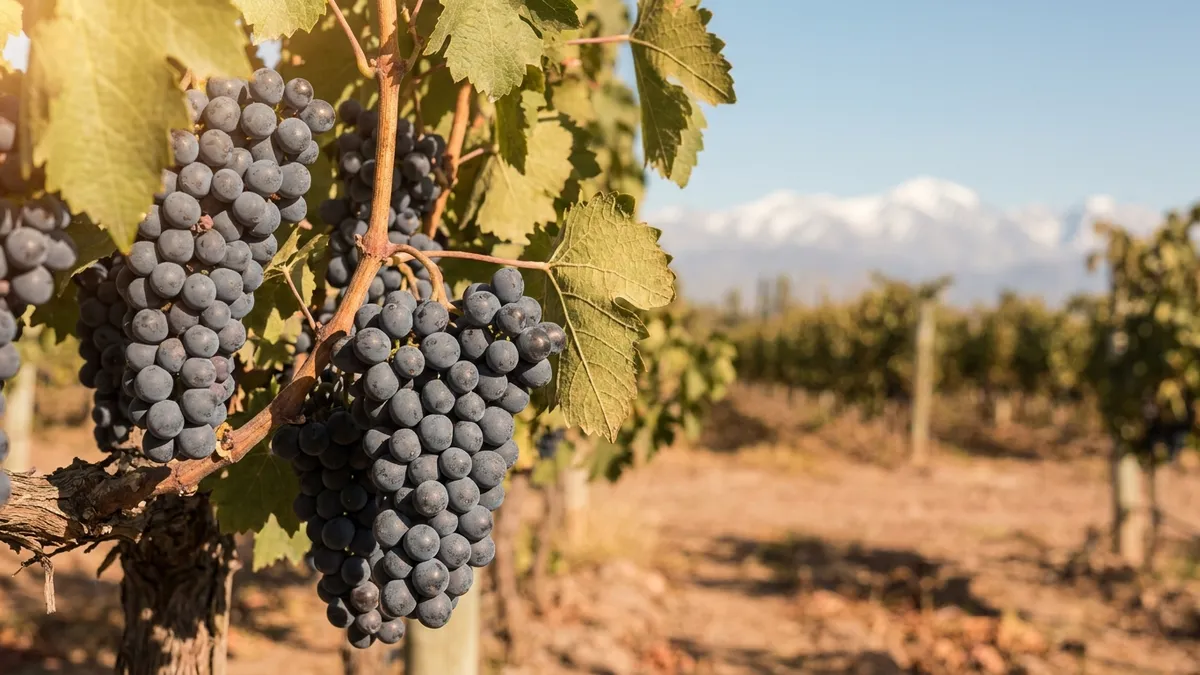
Bonarda Tasting Notes and Flavor Profile
Argentine Bonarda is, above all, plush. Where Malbec can be firm and inky, Bonarda is rounder, juicier, and friendlier on the palate. It is a grape that rewards relaxed drinking rather than serious analysis, though the best examples reward attention too.
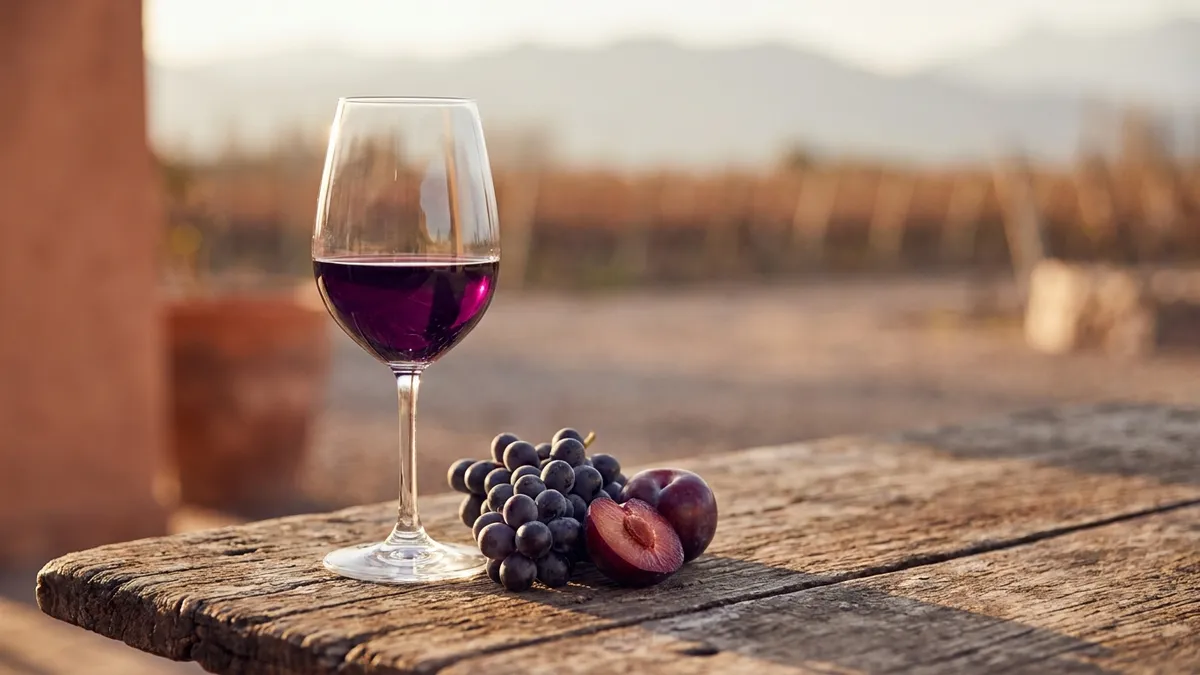
Typical aromas: ripe plum, blackberry, black cherry, dried fig, violet, cocoa, and a touch of sweet baking spice.
On the palate, the fruit carries through with a soft, mouth-filling generosity. Here is how its structure tends to sit:
- Body: medium-plus (4/5)
- Tannins: low to medium, supple (2/5)
- Acidity: medium, fresh but not sharp (3/5)
- Sweetness: dry (1/5) — the ripe fruit reads as sweet, but the wine is dry
The defining sensation is roundness. The tannins are gentle enough that Bonarda almost never feels astringent, which makes it an easy red for drinkers who find big Cabernet or young Malbec too grippy. If you are still building a feel for these structural elements, the guide to understanding tannins, acidity, and body breaks down exactly what each sensation feels like in the glass.
Two Styles of Bonarda
Bonarda appears in two broad styles, and knowing which you are drinking shapes expectations:
- Everyday Bonarda — High-yield fruit from warm, flat vineyards. Soft, fruity, easy, and very affordable. Made for casual drinking within a year or two.
- Old-vine and premium Bonarda — From low-yielding old vines, often with some oak aging. Deeper, more concentrated, with darker fig and cocoa notes and a longer finish. These are the bottles driving the quality revival.
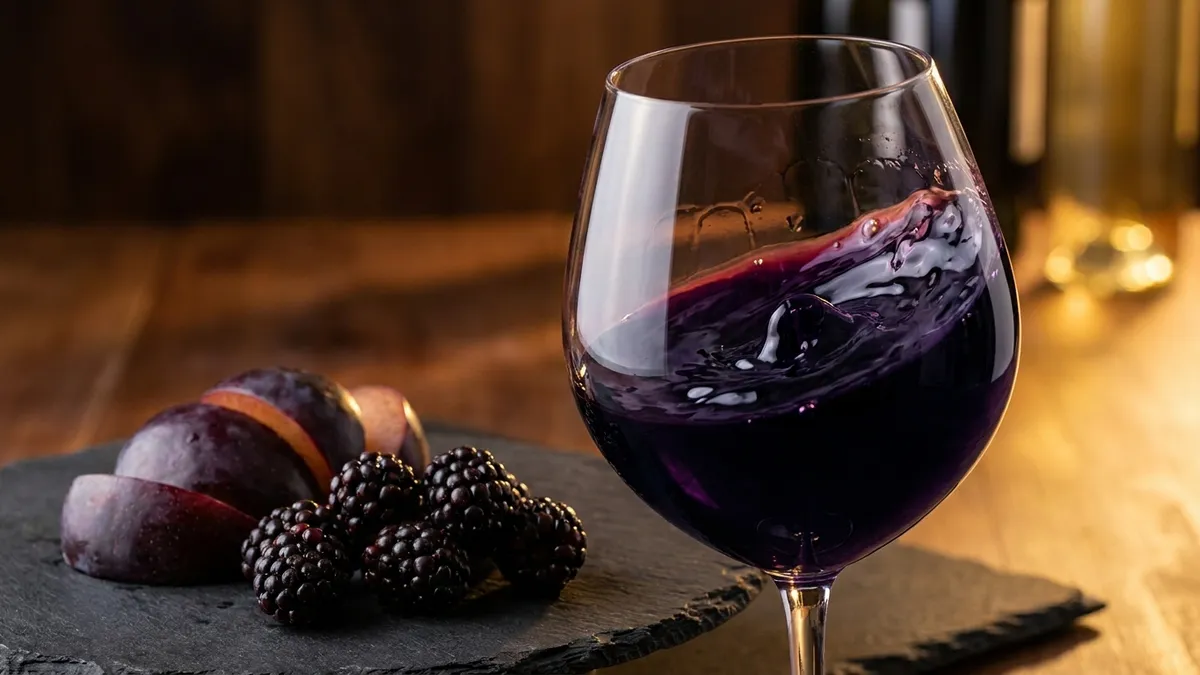
The Sommy app walks you through naming these dark-fruit aromas step by step, so the difference between a plush old-vine Bonarda and a simple everyday one becomes something you can describe, not just sense.
Where Bonarda Grows in Argentina
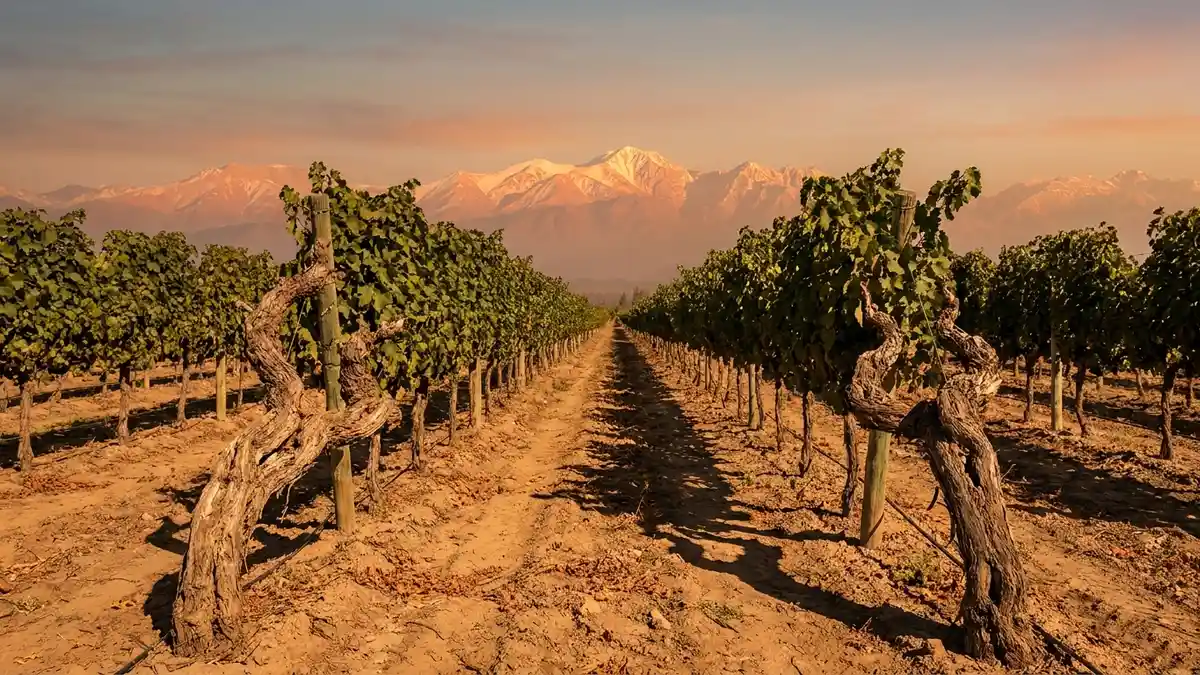
Bonarda is a late-ripening grape, meaning it needs a long, warm season to reach full maturity. That requirement steers it toward Argentina's hotter, sunnier zones rather than the cool high-altitude sites prized for elegant Malbec.
Mendoza
Mendoza is the heartland, home to the vast majority of Argentina's Bonarda. The grape concentrates in the warmer eastern departments — San Martin, Rivadavia, Junin, and Santa Rosa — where flat, sun-baked vineyards and a long growing season suit its late-ripening nature. Many of these vineyards hold genuinely old vines, some planted decades ago when Bonarda was a bulk-wine staple, now repurposed for concentrated single-variety bottlings.
San Juan
To the north, San Juan is the second most important province for Bonarda. Even warmer and drier than Mendoza, San Juan produces ripe, full-bodied versions with generous fruit. The province has become a quiet hotbed for ambitious Bonarda as producers there look beyond their traditional reliance on bulk and table grapes.
The Wider Picture
Bonarda is woven into the broader story of Argentine viticulture. To see where it fits among Malbec, Torrontés, and the country's other signatures, the full Argentina wine guide maps out the regions and grapes in detail.
Bonarda vs Malbec: The Value Alternative
The most useful way to understand Bonarda is by comparison with its famous neighbour. Both are Argentine reds, both lean dark and fruity, but they diverge in structure, purpose, and price. Here is how they stack up feature by feature:
- Body — Malbec: full · Bonarda: medium-plus, rounder
- Tannins — Malbec: medium-high, firmer · Bonarda: low to medium, supple
- Acidity — Malbec: medium · Bonarda: medium, fresh
- Signature flavors — Malbec: violet, blackberry, inky plum · Bonarda: ripe plum, blackberry, dried fig, cocoa
- Oak affinity — Malbec: excellent, often heavily oaked · Bonarda: good in moderation, prized for fruit purity
- Aging potential — Malbec: strong, built to cellar · Bonarda: best in its youthful, juicy prime (old-vine versions age longer)
- Typical price — Malbec: higher, premium-driven · Bonarda: lower, consistent value
- Best occasion — Malbec: special meals, steak nights · Bonarda: weeknight reds, casual gatherings
The takeaway is simple. If you love Argentine reds but want something softer, juicier, and easier on both the palate and the wallet, Bonarda is the answer. It delivers much of Malbec's dark-fruit pleasure without the firmer grip. For the full story on the flagship grape itself, the Malbec wine guide covers its rise from Bordeaux blending grape to Argentine icon.
The Quiet Quality Revival
For most of the twentieth century, Bonarda was Argentina's invisible workhorse. It was planted in enormous volumes, blended anonymously into bulk reds, or sold cheaply to fill bottles. Producers poured their ambition into Malbec, which became the face of Argentine wine on export markets, and Bonarda stayed in the background.
That is changing. A growing wave of winemakers has recognised that Argentina's stocks of old-vine Bonarda are a genuine treasure. Old vines naturally yield less fruit, but what they produce is more concentrated, more complex, and more characterful. By lowering yields, picking at full ripeness, and using oak with restraint, these producers are coaxing serious wines from a grape long dismissed as ordinary.
The result is a quiet revival. Single-variety Bonarda is appearing on more wine lists, earning critical attention, and slowly shedding its bulk-wine reputation. It remains far less hyped than Malbec, which is precisely why it is such good value right now — the quality has climbed faster than the prices.
This arc mirrors what is happening with overlooked grapes elsewhere. Readers drawn to under-the-radar varieties will find more in the roundup of indigenous grapes worth trying and the broader survey of black grapes beyond the famous few.
How to Pair Bonarda with Food
Bonarda's combination of juicy fruit and soft tannins makes it one of the more food-flexible reds you can pour. Without aggressive tannins to manage, it slots easily alongside a wide range of dishes.
Natural Matches
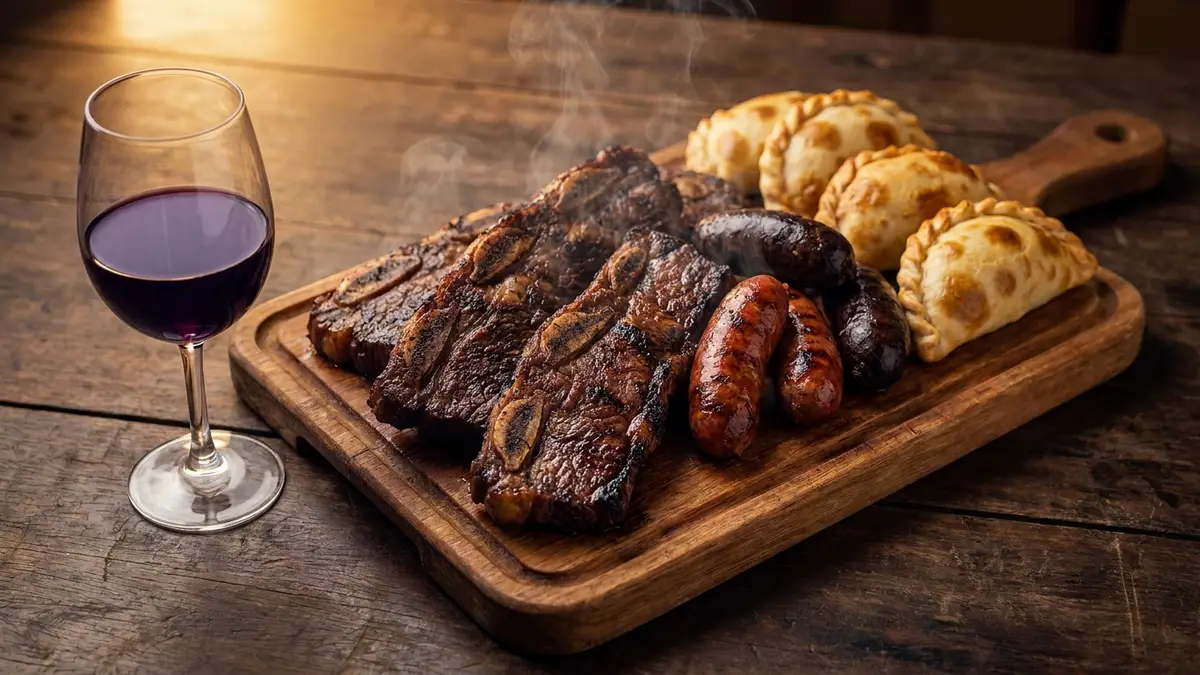
- Argentine asado — Grilled beef, sausages, and short ribs are the homeland pairing. Bonarda's fruit refreshes the palate between rich, charred bites.
- Empanadas — Beef or cheese, baked or fried. The wine's softness wraps around the savory, spiced filling.
- Pizza and tomato-based pasta — The medium acidity harmonises with tomato while the plush fruit balances melted cheese.
- Roast pork and barbecue — Sweet-smoky flavors find a friend in Bonarda's ripe plum and cocoa notes.
Lighter Options
- Roast chicken — Bonarda is gentle enough not to overpower poultry.
- Charcuterie and semi-hard cheeses — Salty cured meats play off the wine's juicy fruit.
What to Skip
Very delicate white fish and raw shellfish are a poor match — Bonarda's generous fruit simply runs them over. Save it for dishes with some richness, char, or savory depth. If you enjoy soft, fruit-forward reds at the table, Grenache makes a similar, equally food-friendly companion worth exploring.
Serving Bonarda
Getting the basics right lets Bonarda show its plush best.
- Temperature — Serve at 15–17°C (59–63°F). Slightly cooler than a full Malbec, which keeps the fruit fresh and lively. Everyday Bonarda can dip toward the cooler end.
- Decanting — Most Bonarda needs none. Old-vine and oak-aged versions benefit from 20–30 minutes of air to open the darker fig and cocoa layers.
- Glassware — A standard red-wine glass is ideal. The bowl gathers the ripe dark-fruit aromatics.
- Drinking window — Everyday styles are best within 1–3 years. Concentrated old-vine bottlings can hold and even improve over 5–8 years.
Building Your Bonarda Tasting Skills
Bonarda is a forgiving grape to learn on. Its soft tannins mean you can focus on the fruit and aromatics without the distraction of grip, which makes it a relaxed way to practice the how to taste wine method — look, swirl, smell, sip, and reflect.
Try a side-by-side tasting of an everyday Bonarda and an old-vine bottling. Pay attention to how concentration changes the experience: the deeper fig and cocoa notes, the longer finish, the way the fruit gains weight without losing its juicy charm. This kind of comparison trains your palate faster than tasting bottles in isolation.
Bonarda also makes a great companion grape for understanding the noble grapes by contrast. Tasting a plush, low-tannin Bonarda next to a structured Cabernet Sauvignon makes the role of tannin click in a way no description can.
The Sommy app guides you through these comparisons with structured tasting exercises, helping you put precise words to plum, fig, and cocoa rather than reaching for vague descriptions. Bonarda may be Argentina's quiet second grape, but learning to read it is one of the most enjoyable ways to deepen your feel for South American reds.
Sources
Frequently Asked Questions
What does Bonarda wine taste like?
Argentine Bonarda tastes of ripe plum, blackberry, black cherry, and dried fig, often with a soft floral lift and a hint of cocoa or sweet spice. It is medium-plus in body with low to moderate, supple tannins and fresh but not sharp acidity. The overall impression is plush, juicy, and easygoing rather than firm or structured.
Is Argentine Bonarda the same as Italian Bonarda?
No, and this is the most common confusion. Argentine Bonarda is genetically the French grape Douce Noir, also known as Corbeau and Charbono in California. Italian Bonarda usually refers to the Croatina grape grown in northern Italy. The two share a name but are entirely different varieties with different flavors and origins.
How is Bonarda different from Malbec?
Malbec is firmer, more structured, and more tannic, with violet and inky black fruit aimed at aging. Bonarda is softer, juicier, and more immediately approachable, leaning into plush plum and blackberry with gentler tannins. Bonarda ripens later and usually costs less, making it a relaxed everyday alternative to Argentina's flagship red.
Is Bonarda a good value wine?
Yes. Because Bonarda has lived in Malbec's shadow for decades, it is consistently priced below Argentine Malbec of similar quality. Old-vine bottlings from Mendoza and San Juan deliver concentration and depth that punch well above their price, which is why Bonarda is often called one of South America's best value reds.
What food pairs well with Bonarda?
Bonarda's juicy fruit and soft tannins make it flexible at the table. It shines with grilled meats and Argentine asado, empanadas, pizza, tomato-based pasta, roast pork, and barbecue. Its gentle structure also works with lighter fare like roast chicken and charcuterie. Avoid pairing it with very delicate fish, where the fruit can overwhelm.
Why is Bonarda less famous than Malbec?
Bonarda was long treated as a workhorse grape, blended away or sold cheaply, while producers staked Argentina's reputation on Malbec. It also ripens late, making it harder to grow well. Only in recent years have winemakers begun crafting serious single-variety Bonarda from old vines, fueling a quiet quality revival that is raising its profile.
Where is Bonarda grown in Argentina?
Most Bonarda grows in Mendoza, especially the warmer eastern zones like Lujan de Cuyo's surrounding areas, San Martin, and Rivadavia, where old vines thrive. San Juan, to the north, is the second key province. These warm, sunny regions give the late-ripening grape the long season it needs to develop its plush, ripe character.
Sommy Team
LinkedInFounder & Wine Educator
The Sommy Team is building the world's most approachable wine education app, helping beginners develop real tasting skills through structured courses and AI-guided practice.