Pinotage: South Africa's Unique Cross Grape

By the Sommy Team — AI-assisted, human-edited.
Updated Apr 29, 2026
Contents (12)
- Pinotage: The Grape That Only Exists in South Africa
- What Is Pinotage Wine, in 100 Words
- The Improbable Creation Story
- Why "Pinotage" — and What Cinsault Actually Contributed
- The "Burnt Rubber" Stigma — and How It Was Solved
- What Pinotage Tastes Like Today
- Regional Profiles: Stellenbosch, Paarl, Swartland
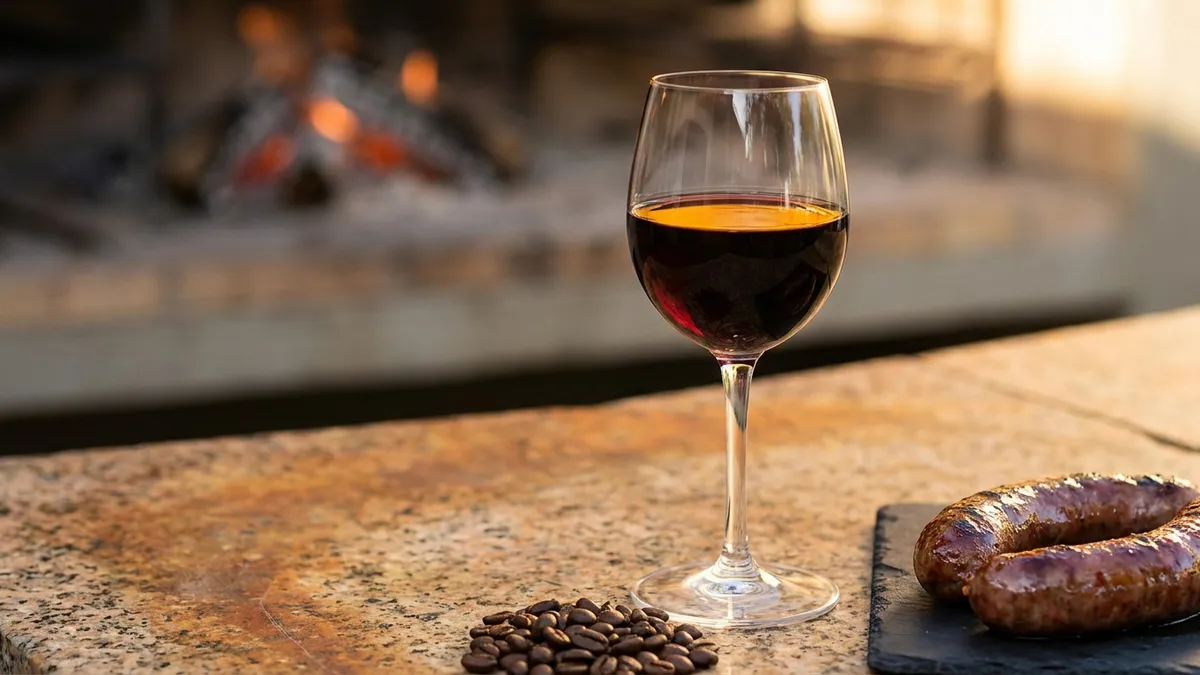
- The Coffee Pinotage Phenomenon
- Food Pairing: Built for the Braai
- Aging Trajectory
- How to Serve and Taste Pinotage
- Why Pinotage Deserves a Fresh Look
TL;DR
Pinotage is South Africa's signature red, created in 1925 by Stellenbosch professor Abraham Perold by crossing Pinot Noir with Cinsault. It produces deep ruby-purple wines with smoky, coffee, banana, and dark berry notes at 14 to 14.5 percent alcohol. Stellenbosch and Swartland lead the modern style, which is far more refined than its 1990s reputation.
Pinotage: The Grape That Only Exists in South Africa
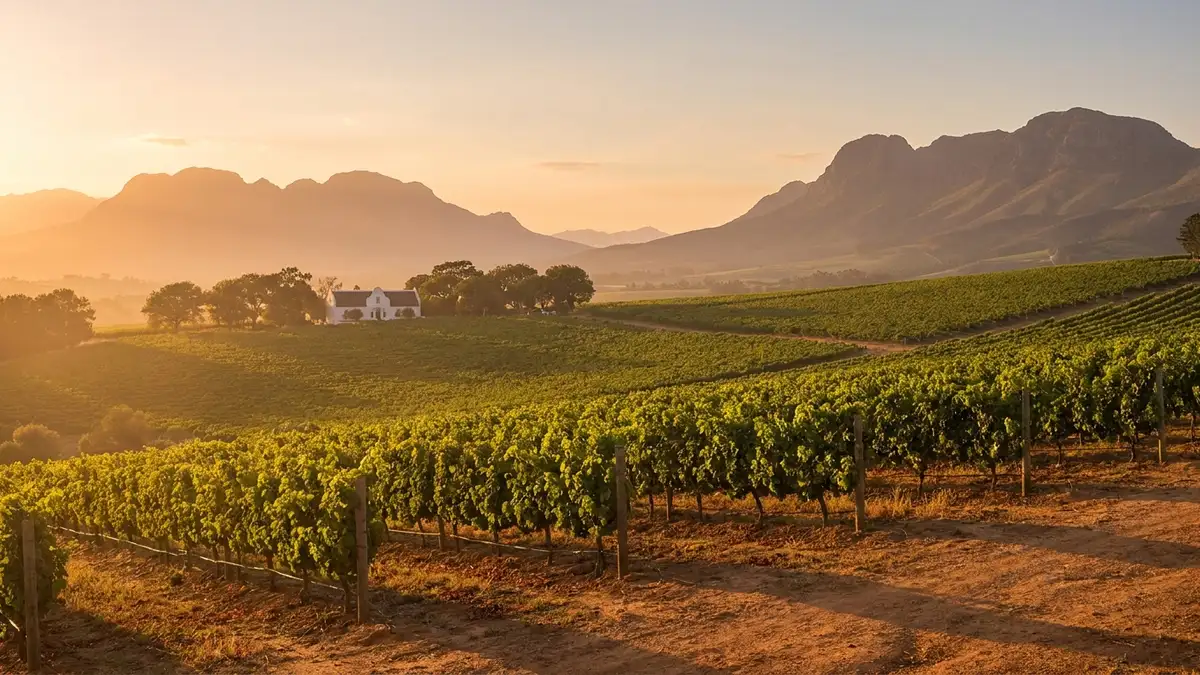
Pinotage is South Africa's most distinctive contribution to the wine world — a grape variety that did not exist before 1925 and that still grows almost exclusively in the Western Cape. If you have ever wanted to taste a wine you cannot really get anywhere else, this is it. Pinotage is a deep, structured, smoky red that bridges the rustic earthiness of southern France with the ripe fruit of New World winemaking, and it does so in a way that nothing else quite matches.
This pinotage wine guide walks through the grape's improbable creation story, what it actually tastes like in a modern glass, why it had a rough reputation in the 1990s and how that reputation has changed, the regional differences across South Africa, the controversial Coffee Pinotage style, and how to pair it at the table. By the end you will know whether the grape that confused so many drinkers a generation ago deserves a place in your rotation today.
What Is Pinotage Wine, in 100 Words
Pinotage is a red wine grape created in 1925 by Professor Abraham Perold at Stellenbosch University by crossing Pinot Noir with Cinsault. It is grown almost exclusively in South Africa, where roughly 7,000 hectares are planted across the Western Cape — Stellenbosch, Paarl, and Swartland lead in quality. Modern pinotage wine shows deep ruby-purple color, medium-to-high tannin, 14 to 14.5 percent alcohol, and a flavor profile built on blackberry, dark plum, smoked meat, coffee, sweet tobacco, and a hint of ripe banana. The old "burnt rubber" stigma has largely been winemakered away. It pairs naturally with grilled meats, boerewors, and lamb curry.
The Improbable Creation Story
The Pinotage origin story sounds like something a winemaker invented over the third bottle of the night. In 1925, Abraham Perold — South Africa's first professor of viticulture and a man clearly interested in solving problems — wanted a grape that combined Pinot Noir's elegance and aromatic complexity with the heat tolerance and reliability of Cinsault, then known locally as Hermitage. He crossed the two and planted four seedlings in his garden at Welgevallen, the experimental farm of Stellenbosch University.
Then he forgot about them. Perold left the university in 1927 to take a job at the KWV cooperative, and the seedlings sat unattended for years. The story goes that a young lecturer named Charlie Niehaus rescued them moments before the garden was cleared, replanting them at the Elsenburg Agricultural College. Two of those four original seedlings became the parent vines of every Pinotage plant alive today.
The first commercial Pinotage was bottled in 1959 — by Lanzerac in Stellenbosch, sold under the name "Lanzerac Pinotage" — and the wine quickly became a curiosity. By the 1970s it was widely planted across South Africa, and by the 1990s it was the country's most controversial grape.
Why "Pinotage" — and What Cinsault Actually Contributed
The name is a portmanteau of Pinot (Noir) and Hermitage (the local name for Cinsault at the time). It is not — despite a common assumption — related to Hermitage in the northern Rhône, which is made from Syrah. The naming choice was a marketing decision, but it has caused decades of confusion among drinkers who expect Pinotage to taste like a hybrid of Pinot Noir and Syrah. It does not.
Genetically, Pinotage inherits its color and structure mostly from Cinsault, which is a sun-loving, productive, southern-Rhône grape that produces light reds when handled gently and beefier reds when pushed. The thin-skinned elegance of Pinot Noir — explored in our Pinot Noir guide — does not really survive the cross. Pinotage is darker, more tannic, and structurally bolder than either parent.
What did carry through is a kind of restless aromatic complexity. Where Cinsault on its own can be one-note, Pinotage layers smoke, coffee, and dark fruit in a way that gives the wine real personality.
The "Burnt Rubber" Stigma — and How It Was Solved
Through the 1980s and especially the 1990s, Pinotage developed a global reputation for an off-putting rubber, acetone, or burnt-paint character. Wine writers were merciless. Some of the most influential British and American critics simply refused to score it seriously for a decade.
The fault was real. It was caused by isoamyl acetate — a fermentation ester that is naturally present in many wines but that became overwhelming in poorly made Pinotage because of three compounding problems:
- Over-ripe fruit harvested too late at very high sugar levels
- Hot, fast fermentations in stainless steel that pushed yeast metabolism into producing more esters
- Poor extraction technique that pulled rough phenolics out of the skins along with color
When all three failures stacked up — which they often did during the era of bulk farming and KWV-controlled pricing — the result was a wine that smelled like fresh tar or old running shoes. Drinkers, understandably, looked elsewhere.
The fix arrived gradually over the late 1990s and 2000s. Producers learned to pick earlier, lower yields in the vineyard, ferment cooler, and handle extraction more gently. By the mid-2000s the rubber character had largely disappeared from quality bottles. Modern Pinotage from a careful producer is a fundamentally different wine from what older drinkers may remember, and it deserves a fresh tasting.
What Pinotage Tastes Like Today
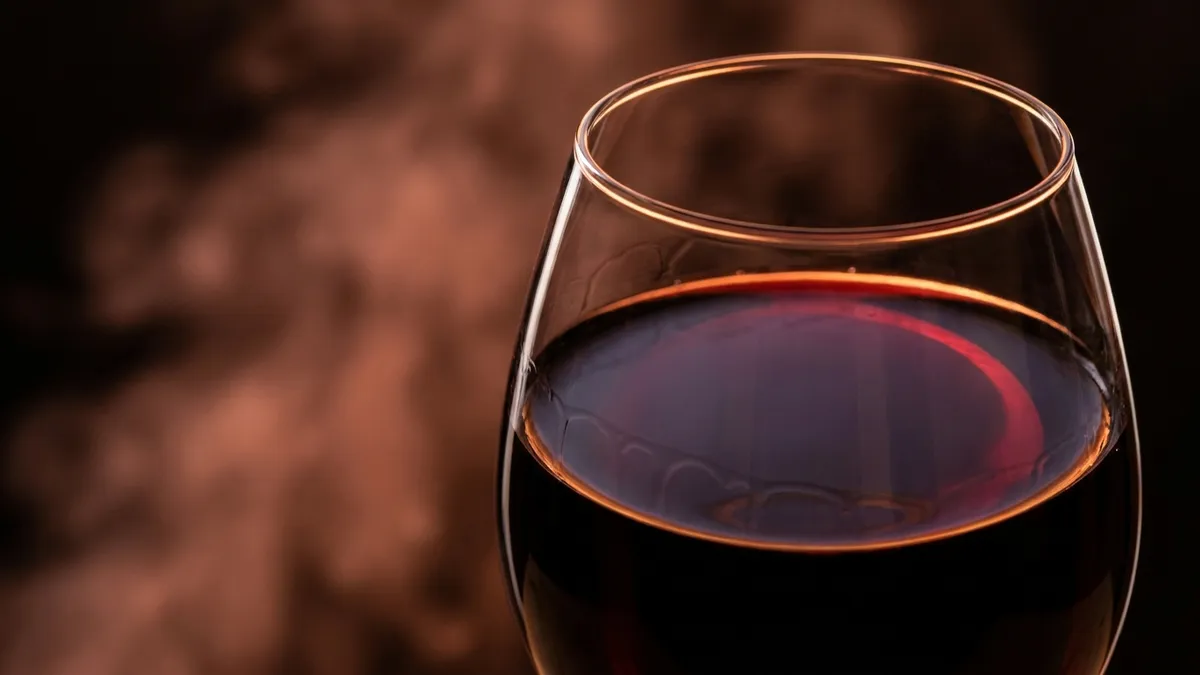
Modern Pinotage has a recognizable signature once you know what to look for. The wine pours deep ruby-purple — closer to Syrah than to its Pinot Noir parent — and the aromatic profile leans into a dark, slightly smoky register.
The Core Flavor Profile
- Dark fruit: blackberry, dark plum, black cherry, sometimes mulberry
- Smoke and meat: charcoal, smoked bacon, leather, sweet tobacco
- Coffee and chocolate: mocha, dark chocolate, espresso (often oak-driven)
- Banana ester: a subtle ripe banana note that comes from the grape's natural fermentation profile
- Earth and spice: cured meat, baking spice, sometimes a hint of dried herbs
The banana note is one of Pinotage's quirks. In moderation it adds an exotic, slightly tropical lift to the dark fruit. Pushed too far — usually a sign of stressed fermentation — it tips into the territory of overripe banana bread, which most drinkers find off-putting.
Structure
Pinotage is full-bodied with medium-high tannin, moderate-to-high alcohol (14 to 14.5 percent is typical), and bright but not racing acidity. The tannin tends to be firmer and grippier than Pinot Noir's silky structure, closer in feel to Syrah or southern Rhône blends. Reading tannin and acidity accurately is what tells you whether the wine will age, and Pinotage has the structural backbone for medium-term cellaring.
For drinkers who want to recognize what tannin actually feels like in the mouth, our what does grippy mean guide breaks down the sensation step by step — Pinotage is a great teaching wine for it.
Regional Profiles: Stellenbosch, Paarl, Swartland
Almost all Pinotage in the world is grown within an hour of Cape Town, but the Western Cape's microclimates produce surprisingly distinct expressions of the grape.
Stellenbosch
Stellenbosch is the historical and quality home of Pinotage. The combination of granite, sandstone, and shale soils, cool nighttime temperatures from False Bay, and a long ripening season produces the most structured, age-worthy versions of the grape. Stellenbosch Pinotage is the textbook style — deep color, firm tannin, dark berry and smoke, with enough acidity to balance the bold fruit.
The best Stellenbosch examples can age fifteen to twenty years, developing leather, tobacco, and forest-floor complexity that resembles aged Bordeaux more than New World Cabernet. For a broader picture of the region, our South African wine guide covers Stellenbosch's other signature reds.
Paarl
A bit warmer and slightly inland, Paarl produces riper, more fruit-forward Pinotage with softer tannin and a generous, plummy character. Paarl wines tend to be more approachable young, and the style works well for drinkers transitioning into the grape. Some of the most successful Coffee Pinotage examples come from this region.
Swartland
The Afrikaans word means "black land," and Swartland has emerged as the most exciting fine-wine region in South Africa over the last twenty years. Swartland Pinotage from old, dry-farmed bushvines — some of them planted in the 1950s — is leaner, more savory, and more complex than the warmer-region examples. Expect smoky red plum, dried herbs, salt, and a distinctly old-world feel.
This is the Pinotage to try if you have written off the grape based on a 1990s bottle. Swartland old-vine examples make a serious case for Pinotage as one of the world's most undervalued red varieties.
The Coffee Pinotage Phenomenon
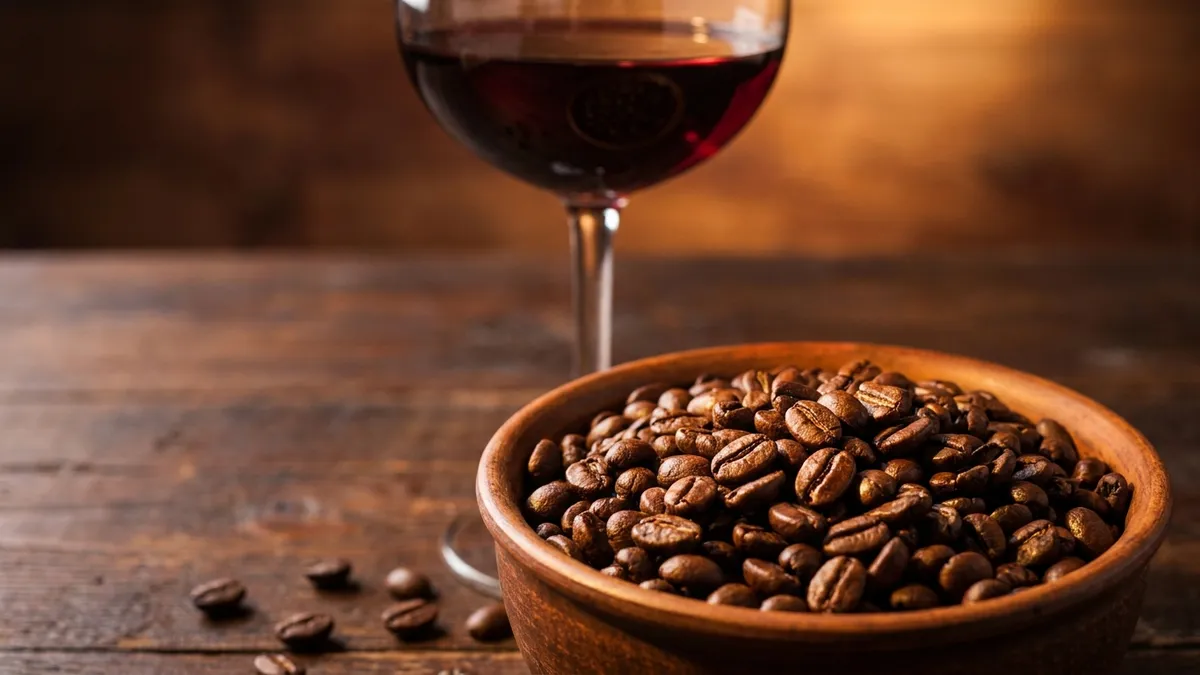
In the early 2000s, a new style of Pinotage emerged that has become both wildly popular and intensely controversial. Coffee Pinotage — also called Mocha Pinotage — is built on three deliberate winemaking choices:
- Light extraction to keep tannins soft and fruit prominent
- Heavy use of toasted oak staves during fermentation, which lays down a pronounced mocha-coffee aroma
- Riper fruit that delivers a generous, plummy, almost sweet finish
The result is a wine that smells unmistakably of fresh coffee and dark chocolate the moment you pour it. The style is instantly recognizable, accessible, and dramatically different from any other Pinotage. It has been a runaway commercial success, especially in the South African domestic market and among supermarket buyers in the UK and Northern Europe.
Critics argue Coffee Pinotage masks the grape's natural identity behind an obvious oak signature — that the wine is more about technique than terroir. Proponents argue that it introduced an entire generation of drinkers to the grape and that the style is no less honest than heavily oaked New World Chardonnay or American Cabernet. Both points are fair.
If you want to taste the grape's natural character, look for examples labeled as single-vineyard, bushvine, or old vine — these are usually made with restrained oak treatment. Reading our guide to oaked wine helps you spot the difference between fruit-driven and oak-driven character in any wine.
Food Pairing: Built for the Braai
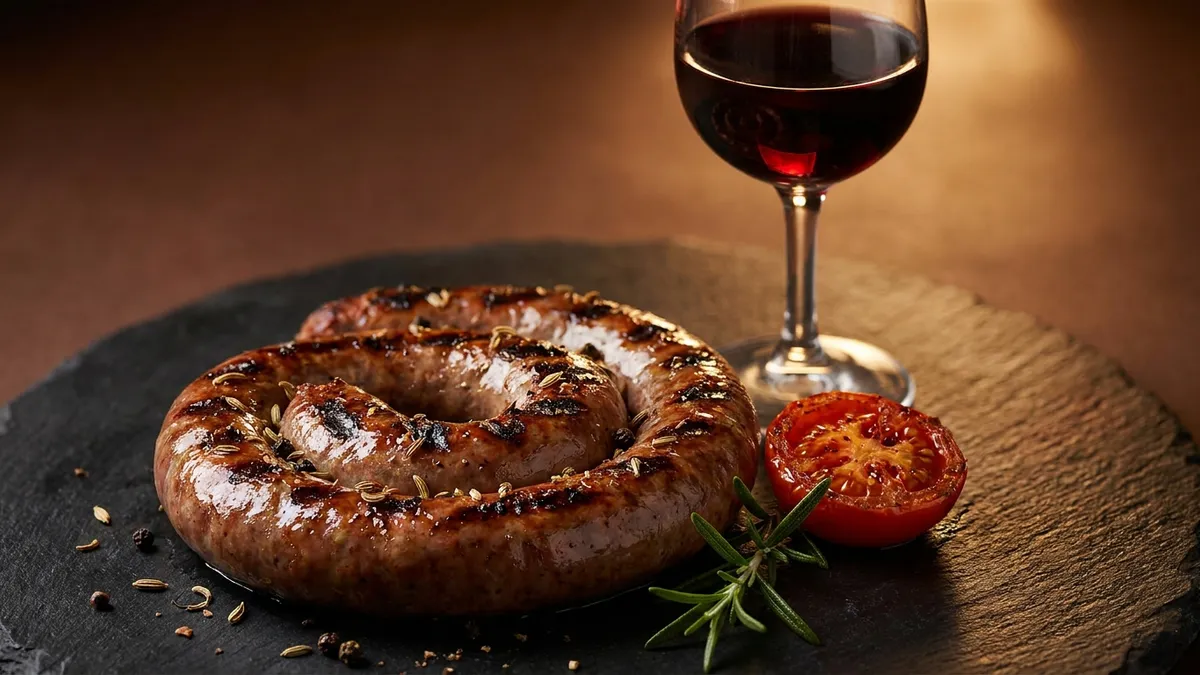
Pinotage was made for grilled food. The grape's smoky character mirrors the char from a charcoal fire, the firm tannin handles fat, and the bold flavor stands up to spice and char. South Africans built an entire culinary tradition around this pairing — the braai, the country's signature outdoor barbecue, is the natural home for Pinotage.
Classic Pairings
- Braai meats — boerewors sausage, lamb chops, beef short ribs, pork ribs
- Game — kudu, springbok, ostrich, venison stew
- Lamb curry — Cape Malay-style or Indian-influenced, with the wine's fruit balancing the spice
- Smoked brisket and pulled pork — the smoky-on-smoky pairing is legendary
- Hard cheeses — aged cheddar, gouda, parmesan
- Sosaties — Cape skewers of marinated lamb and dried apricot
What to Avoid
Pinotage's tannin and high alcohol overwhelm delicate dishes. Skip it with white fish, light salads, and most poultry that is not roasted with strong seasoning. The wine works best when the food has weight, char, fat, or spice. Our broader food pairing guide covers how to think through these structural matches for any red.
Aging Trajectory
Most commercial Pinotage is built for early drinking and shows best within three to five years of vintage. Mid-tier Stellenbosch examples reward six to ten years of cellaring, with the primary blackberry and plum fruit gradually softening into leather, tobacco, and dried-fruit complexity.
Top-tier single-vineyard and old-vine bottlings — especially from Swartland and the cooler Stellenbosch sub-wards — can age fifteen to twenty years. At full maturity these wines develop something genuinely complex: forest floor, dried herbs, leather, sweet tobacco, and a savory edge that has more in common with mature Bordeaux than with young New World reds.
Aging potential depends on tannin structure, acidity, and producer quality. The Sommy app's tasting journal is a useful way to track how a single Pinotage evolves across years if you cellar a case — you start to see how the smoky and earthy notes deepen as primary fruit fades.
How to Serve and Taste Pinotage
A few practical notes:
- Serve at 60 to 65°F (16 to 18°C). Slightly cooler than most full-bodied reds. The grape's high alcohol can taste hot if the wine is too warm — the right temperature lets the smoky and savory notes lead.
- Decant the bigger examples. Stellenbosch and Swartland bottlings benefit from thirty to sixty minutes of air, which softens the tannin and lets the smoke and coffee notes integrate.
- Use a Bordeaux-shaped glass. The narrower bowl focuses the dark fruit and smoke; a Burgundy bowl can let the alcohol dominate.
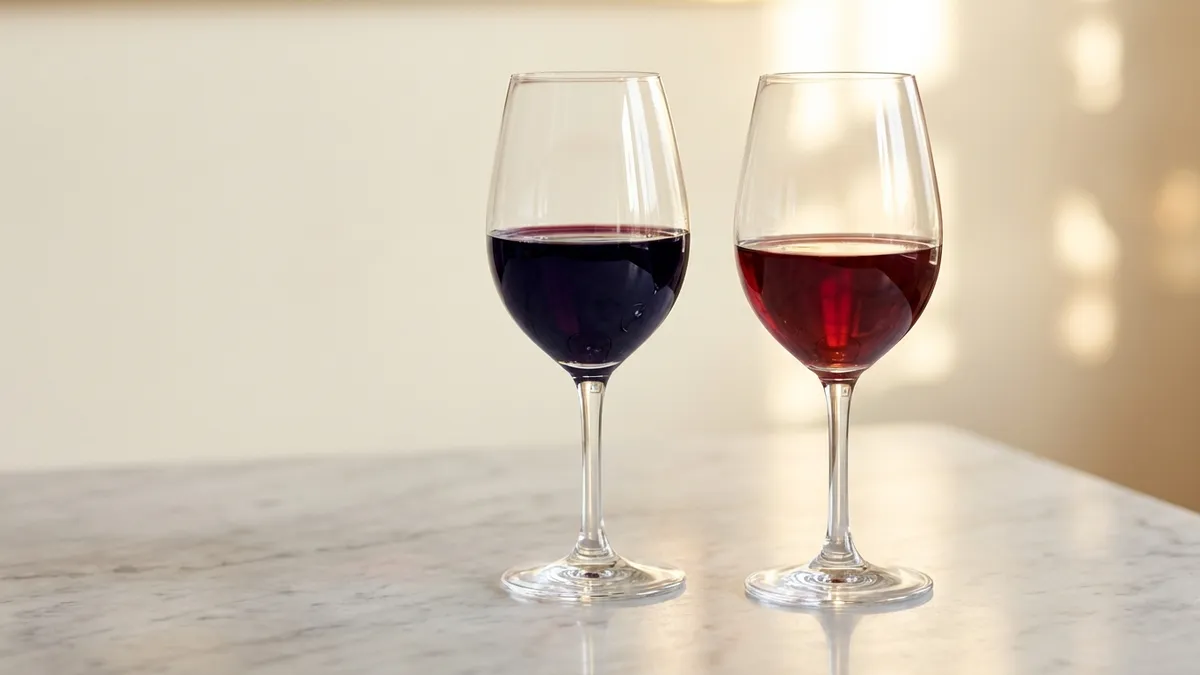
- Pay attention to the color. A vibrant ruby-purple core with a slight pink rim signals a young, fresh bottle. Bricking at the rim signals age and a different drinking window.
- Look for balance, not power. The best Pinotage is not the biggest. Restraint, tannin grain, and aromatic complexity matter more than ripeness or alcohol.
The Sommy app's tasting framework guides you through each of these structural checks step by step, and Pinotage is one of the most useful grapes to study for building your wine flavor library precisely because its smoky and ester-driven aromas are so distinctive.
Why Pinotage Deserves a Fresh Look
Pinotage is the only widely planted grape variety that exists exclusively because of South Africa. Every bottle you pour is a piece of a country's modern winemaking story — from the experimental cross in 1925, through the bulk-wine years of the KWV era, through the rubber-and-acetone reputation of the 1990s, through the quality renaissance that followed apartheid, to the precise, terroir-driven wines coming out of Swartland and old-vine Stellenbosch sites today.
Drinkers who tried Pinotage once and gave up on it almost certainly tried a wine made before the modern style settled in. A Swartland old-vine bottling, a serious Stellenbosch single-vineyard, or even a well-made Coffee Pinotage from a top producer is a different category of wine entirely.
Practicing how you describe what you smell and taste is the fastest way to lock in a grape's signature. The Sommy app's structured tasting framework is built on the same step-by-step approach used in WSET-style tasting, and it works especially well on Pinotage because the grape's smoky, coffee, and dark-fruit profile gives you so many specific aromas to identify. Visit sommy.wine to start training your palate, or browse our South African wine guide to keep exploring the broader Cape wine country.
Frequently Asked Questions
What is Pinotage?
Pinotage is a red wine grape created in 1925 at Stellenbosch University by Professor Abraham Perold, who crossed Pinot Noir with Cinsault. It is South Africa's only widely planted indigenous variety and produces deep ruby-purple wines with medium to high tannin, dark berry fruit, and distinctive smoky and coffee notes. The grape is grown almost exclusively in South Africa, where it remains the country's third-most planted red variety after Cabernet Sauvignon and Shiraz.
What does Pinotage taste like?
Modern Pinotage tastes of blackberry, dark plum, smoked meat, sweet tobacco, and a distinctive coffee or mocha character that comes from oak treatment. Some bottles also show ripe banana from the grape's natural ester profile, plus baking spice and earth. Older or poorly made examples could show rubber and acetone notes, but careful vineyard work and gentler extraction have largely fixed that. Expect a full body, firm tannin, and 14 to 14.5 percent alcohol.
What is Coffee Pinotage?
Coffee Pinotage is a modern South African style built on lighter extraction, ripe fruit, and heavy use of toasted oak staves to deliver a pronounced mocha-coffee aroma. The style emerged in the 2000s and became popular for its instantly recognizable character and approachable, fruity profile. Purists argue it masks the grape's natural identity, but the style sells well in both domestic and export markets and introduced many drinkers to Pinotage for the first time.
Where is Pinotage grown?
Pinotage is grown almost entirely in South Africa, with around 7,000 hectares planted across the Western Cape. Stellenbosch is the historic and quality benchmark, producing structured, age-worthy examples. Paarl supplies riper, fruit-forward styles, while Swartland is increasingly admired for old-vine bushvine Pinotage with savory complexity. Tiny plantings exist in New Zealand, Israel, Brazil, Zimbabwe, and California, but South African Pinotage accounts for more than 99 percent of global production.
What food pairs with Pinotage?
Pinotage is built for grilled and smoked meats. Classic South African pairings include braai (the local barbecue), boerewors sausage, lamb sosaties, and game meats like kudu, springbok, and ostrich. The grape's smoky character mirrors the char from the grill, while firm tannin handles fat and protein. Lamb curry, slow-cooked stews, smoked brisket, hard cheeses, and aged cheddar also work well. The high alcohol and bold flavor pair best with equally bold dishes.
Why did Pinotage have a bad reputation?
Through the 1980s and 1990s, many Pinotage wines showed an off-putting rubber, paint, or acetone character caused by isoamyl acetate from over-ripe fruit and rough fermentation. The grape's natural high yields and thin skins made it vulnerable to poor vineyard decisions and aggressive winemaking. Since around 2000, vineyard management, gentler extraction, and lower yields have transformed quality. Modern Pinotage from a careful producer rarely shows those faults and rewards a fresh look from skeptical drinkers.
How long does Pinotage age?
Entry-level Pinotage is meant to be drunk within three to five years of vintage. Mid-tier Stellenbosch examples can develop nicely over six to ten years, with the smoky and savory notes deepening as primary fruit recedes. Top-tier single-vineyard or old-vine Pinotage from Stellenbosch and Swartland can age fifteen to twenty years, evolving into something genuinely complex with leather, dried plum, tobacco, and forest floor notes. Tannin and acidity are the structural drivers of aging potential.
Is Pinotage similar to Pinot Noir?
Not really, despite the parentage. Pinot Noir is one of Pinotage's parents, but the grape inherits more from Cinsault and from new traits that emerged in the cross. Pinotage is darker, more tannic, and fuller-bodied than Pinot Noir, with smoky and earthy notes rather than the red cherry and rose petal that define classic Pinot. The thin-skinned elegance of Pinot Noir does not carry through to Pinotage, which behaves more like a structured, southern-Rhône-style red.
Sommy Team
LinkedInFounder & Wine Educator
The Sommy Team is building the world's most approachable wine education app, helping beginners develop real tasting skills through structured courses and AI-guided practice.