Garganega: The Grape Behind Soave

By the Sommy Team — AI-assisted, human-edited.
Updated Apr 29, 2026
Contents (11)
- Garganega Wine Soave: One Grape, One Famous Place
- What Is Garganega Wine, in 100 Words
- A Brief History of Garganega
- The Soave Quality Hierarchy
- Why Volcanic Terroir Matters
- Tasting Garganega: What to Look For
- Garganega Versus Other Italian Whites
- Food Pairings for Soave
- How to Buy Soave Well
- Aging Garganega: The Surprise
- The Sommy Take on Garganega
TL;DR
Garganega is the native Italian white grape behind Soave, the most planted Italian native white. It produces pale, medium-acid wines with almond, chamomile, lemon zest, and white peach notes. Volcanic basalt hills near Verona give the best examples real depth, especially Soave Classico and Soave Superiore DOCG.
Garganega Wine Soave: One Grape, One Famous Place
If you have ever poured a glass of Soave, you have already tasted Garganega. The two names travel together so closely that most drinkers do not realize Soave is the wine and Garganega is the grape behind it. This guide pulls them apart so you can understand what is in the bottle, why the Soave hills near Verona produce something so distinct, and how to spot the quality versions worth keeping in your fridge.
Garganega is one of Italy's most planted native white grapes and the heart of Soave DOC, Soave Classico, Soave Superiore DOCG, and the rare sweet Recioto di Soave DOCG. It is also a grape with a reputation problem — decades of high-volume, flatland Soave dragged the name down in export markets, while serious producers in the volcanic hills kept making something genuinely beautiful. Today, quality Soave is one of the best-value Italian whites you can buy.
What Is Garganega Wine, in 100 Words
Garganega is the white grape behind Soave, Italy's most famous Veneto white. It grows on volcanic basalt and limestone soils in the hills east of Verona. Expect pale lemon-green color, medium acidity, medium body, and a flavor signature of white peach, lemon zest, chamomile, almond, and a faint saline-mineral edge. The finish usually carries a bitter-almond twist that is the variety's fingerprint. Styles range from fresh stainless-steel Soave for everyday drinking, to age-worthy Soave Classico from the historic hillside core, to oak-aged Soave Superiore DOCG, to the sweet dried-grape Recioto di Soave DOCG.
A Brief History of Garganega
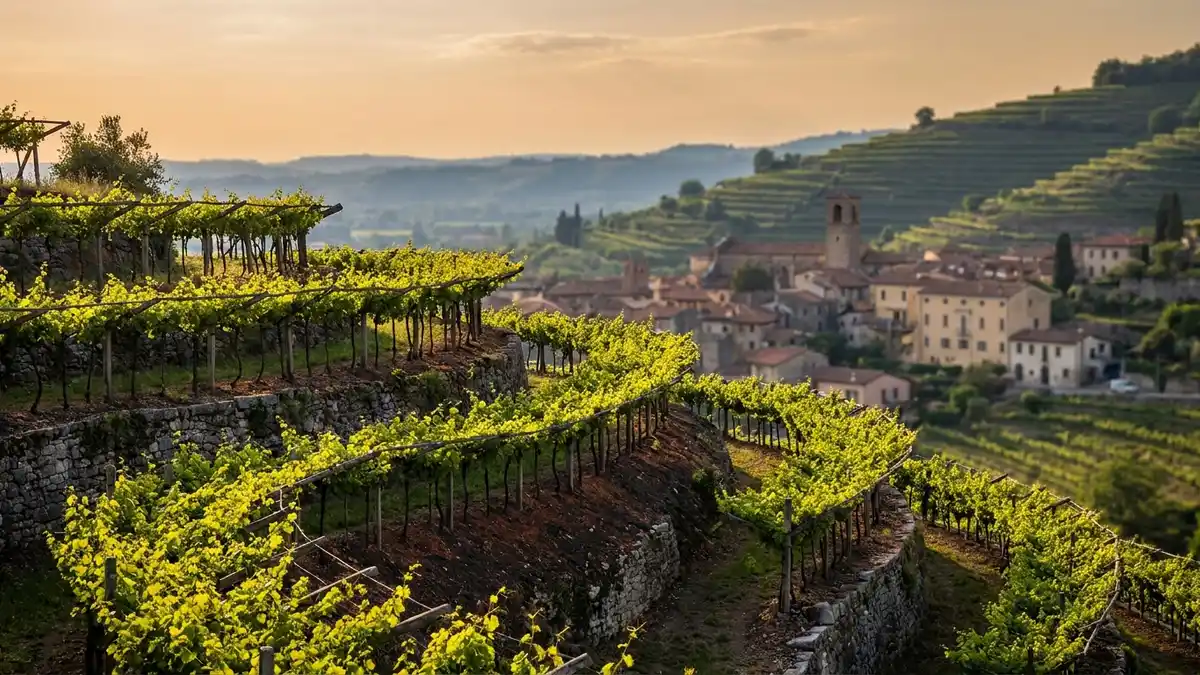
Garganega has been grown in the Verona hills since at least the Middle Ages. Records of vineyards on the volcanic slopes around the medieval town of Soave date back to the 12th century, and the grape itself is mentioned by name in 14th-century texts. DNA studies have linked Garganega to a wider family of southern Italian grapes — it shares parentage with Sicily's Grecanico Dorato — suggesting an ancient migration north along the Adriatic coast.
For most of its history, Garganega was a regional curiosity. That changed in the post-war boom of the 1960s and 1970s, when Soave became one of the first Italian wines to find mass-market success in the United States and the United Kingdom. Demand grew faster than the original hillside vineyards could supply, so the DOC boundaries expanded onto the surrounding plains and producers leaned heavily on the higher-yielding Trebbiano di Soave to stretch the volume. The wine sold, but its reputation paid the price.
The recovery began in the 1990s and is still underway. Quality-driven producers in the Soave Classico zone, working with old vines on volcanic soils, started bottling wines that bore almost no resemblance to the bland export stuff. They proved that Garganega, treated seriously, can produce whites with remarkable depth, length, and aging potential.
The Soave Quality Hierarchy
If you want to drink Garganega well, the most useful thing to learn is the Soave classification. Three tiers matter, plus one sweet outlier.
Soave DOC
The broadest tier, covering both the historic hills and a much larger area of flatland east of Verona. Minimum 70 percent Garganega, with Trebbiano di Soave or Chardonnay filling the gap. Most supermarket Soave sits here. Quality varies enormously — at its best, it is a clean, lemony aperitif; at its worst, it is the thin, neutral wine that gave the name a bad reputation.
Soave Classico
This is the historic core: the original hillside vineyards immediately around the towns of Soave and Monteforte d'Alpone. The soils are volcanic basalt and tufa, with pockets of limestone, and the vines climb steep terraces that have to be worked by hand. Soave Classico is where the grape shows its real character — focused, mineral, with a textured mid-palate that flatland Soave cannot match.
Soave Superiore DOCG
A separate, stricter classification with lower yields, higher minimum alcohol, and longer aging. Many Soave Superiore bottlings see some oak — usually large neutral casks (botti) rather than small new barrels — which adds beeswax, hazelnut, and a creamy texture without overwhelming the variety. The best examples can age ten years or more.
Recioto di Soave DOCG
The sweet style, made from Garganega grapes dried on mats or in well-ventilated lofts for several months after harvest. The drying process, known as appassimento (the same technique used for Amarone in Italian wine's Veneto region), concentrates sugar and flavor. Recioto di Soave is honeyed, apricot-rich, and balanced by the variety's natural acidity. It is one of Italy's great dessert wines.
Why Volcanic Terroir Matters
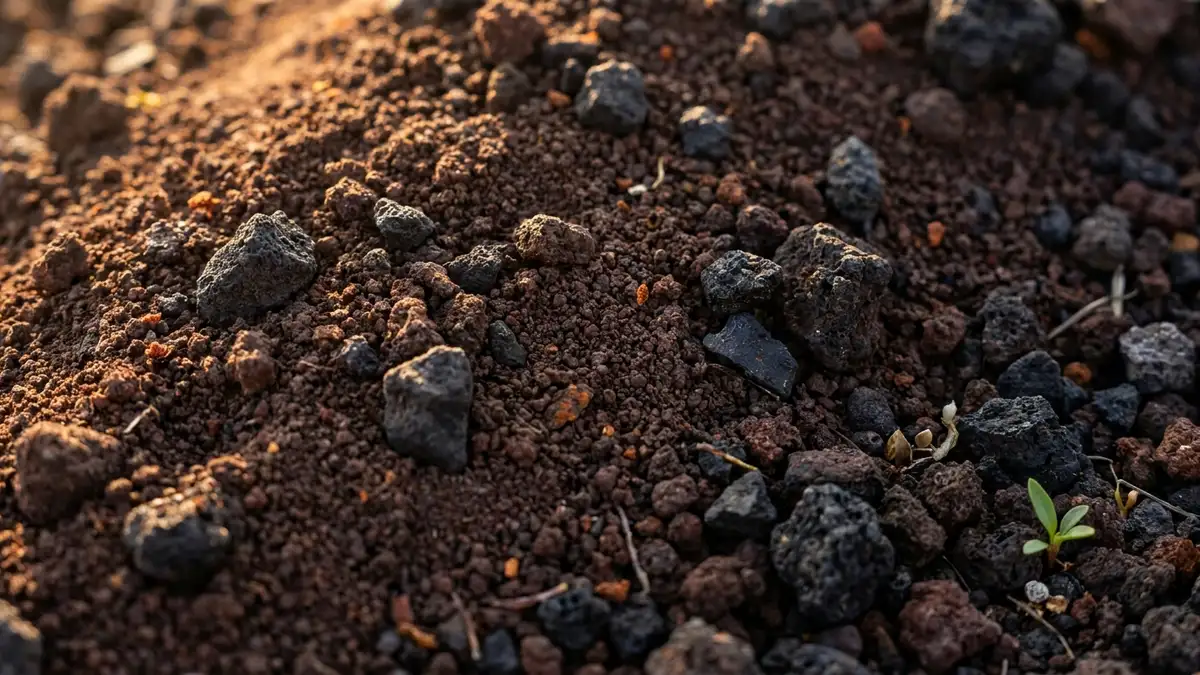
The Soave Classico hills sit on the eroded remains of an ancient underwater volcano. The dominant soil is basalt — dark, mineral-rich volcanic rock — interlayered with limestone and tufa. This is the same family of volcanic soils that produces Etna Rosso in Sicily and Côte de Sézanne wines in Champagne, and it consistently yields whites with a particular kind of saline, almost smoky minerality.
What you taste in a serious Soave Classico — that wet-stone, almost flinty undertone behind the white peach and almond — comes directly from those soils. The vines also dig deep on volcanic slopes because the topsoil is thin, which produces small concentrated grapes rather than large dilute ones. To explore this idea further, see how soil affects wine taste and what terroir actually tastes like.
The hillside aspect matters too. Garganega is a late-ripening variety, and the south-facing slopes give it the long warm autumn it needs to develop full aromatic complexity. On the cooler flatlands, the grape often ripens unevenly, which is one reason flatland Soave can taste flat and one-dimensional.
Tasting Garganega: What to Look For
When you pour a glass of Soave, run through the basics methodically. If you want a refresher on the technique, the step-by-step approach to tasting white wine walks through it in detail.
Sight
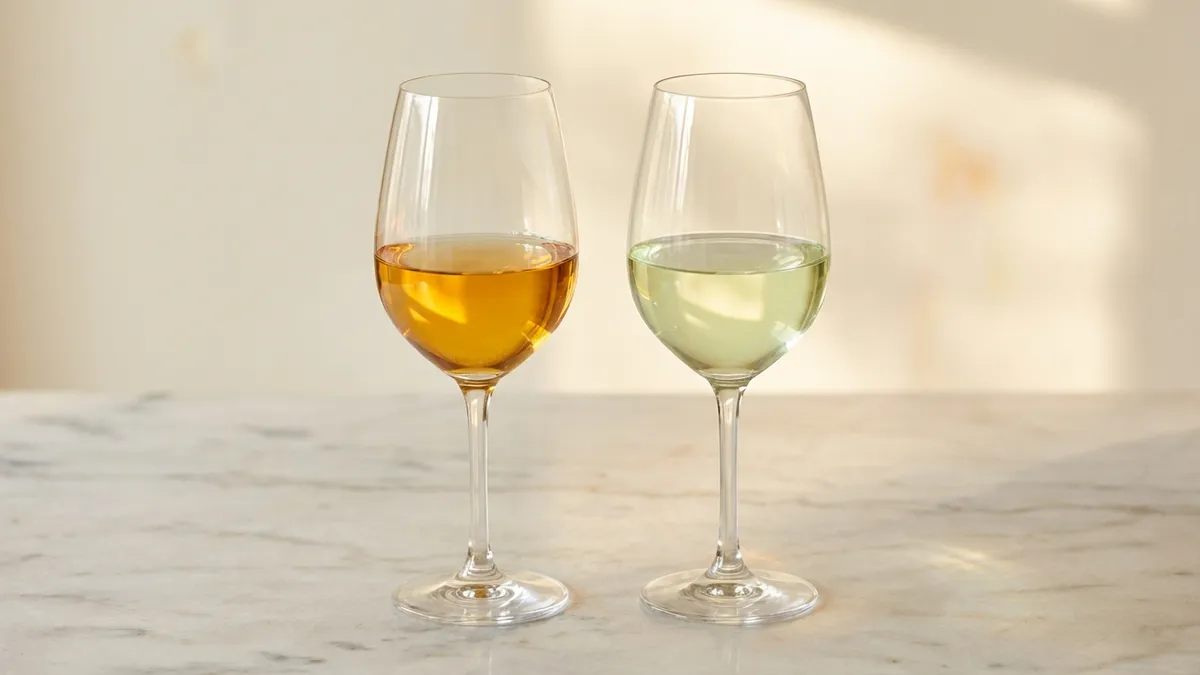
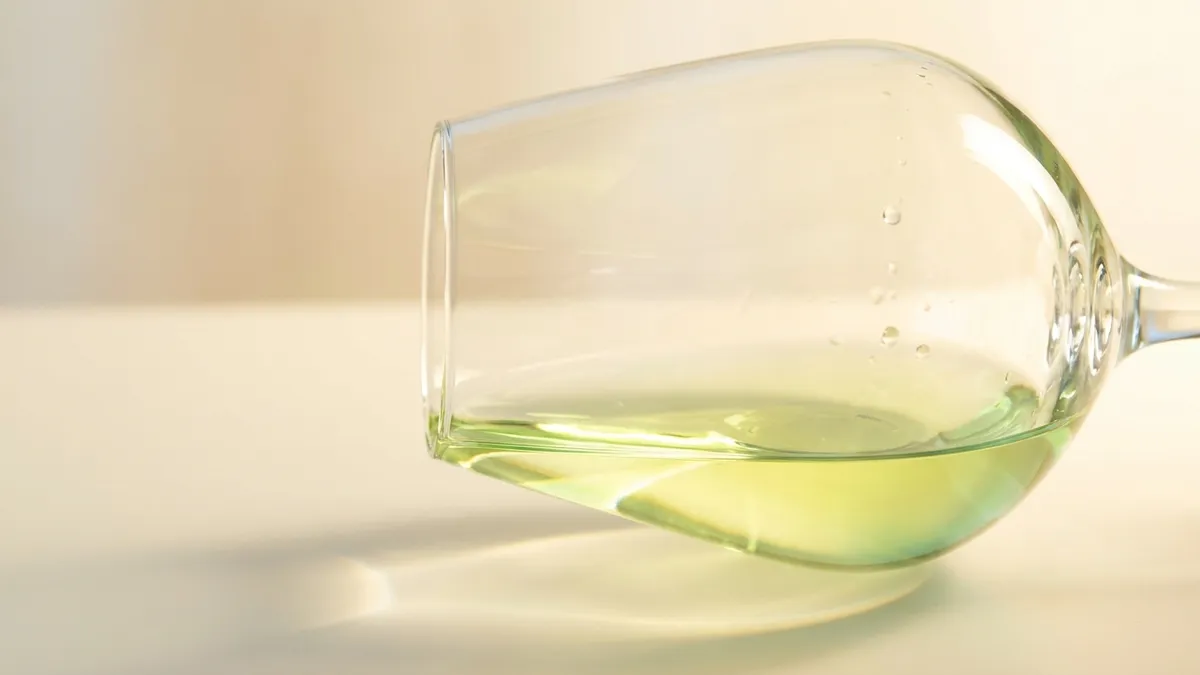
- Pale lemon-green when young
- Deeper straw-gold with bottle age
- Always brilliant and clear — Soave is rarely cloudy
Nose
- White peach and ripe lemon up front
- Chamomile and white flowers
- Almond skin and a faint saline edge
- With age: honey, hazelnut, beeswax, dried apricot
Palate
- Medium acidity — refreshing without being aggressive
- Medium body, sometimes with a faintly waxy texture
- Dry, with a touch of phenolic grip
- The signature finish: a clean bitter-almond twist that says "Garganega"
That bitter-almond fingerprint is the easiest way to identify the grape blind. It is a phenolic character — the same family of compounds you taste in marzipan or amaretto — and once you spot it, you will recognize it in any Garganega-based wine.
Garganega Versus Other Italian Whites
Garganega often gets compared to other Italian whites, but it has its own personality. A quick orientation:
- Pinot Grigio — Lighter, crisper, more citrus-driven. Soave has more body and a longer, nuttier finish. The Pinot Grigio vs Pinot Gris guide covers that grape in detail.
- Verdicchio — Closer in style, with similar almond notes, but Verdicchio tends to be more lemon-and-herb forward, while Garganega leans peach-and-chamomile.
- Trebbiano — Generally more neutral and high-acid. Garganega has noticeably more aromatic intensity and texture.
- Chenin Blanc — Both can show honey and waxy notes with age, but Chenin Blanc is far more acid-driven and made in a wider stylistic range.
Food Pairings for Soave
Garganega evolved alongside Venetian cuisine, which is the quickest clue to what it pairs with best. The wine has enough texture to handle creamy and fried dishes, enough acidity to cut through richness, and a savory almond-mineral finish that works with everything from seafood to cured meat.
Reliable Pairings
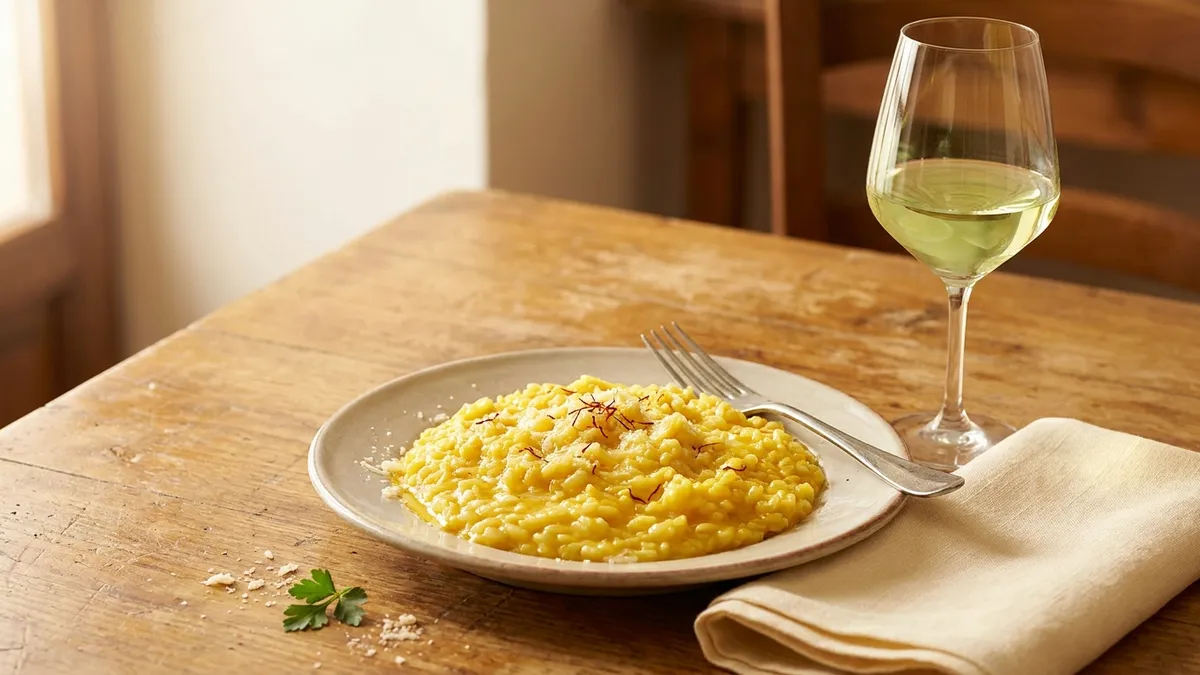
- Risotto — Especially seafood risotto, risi e bisi (rice and peas), or saffron risotto alla Milanese
- Pasta carbonara or cacio e pepe — The wine's body matches the cream and pecorino without getting overwhelmed
- Grilled or pan-fried white fish — Branzino, sole, sea bass, trout
- Fritto misto — Battered fried seafood and vegetables; the wine's acid cuts the oil cleanly
- Prosciutto and melon — The classic Italian aperitivo pairing
- Mild fresh cheeses — Mozzarella, ricotta, burrata, young Asiago
- Pesto — The almond and basil notes echo each other beautifully
For richer dishes, reach for an oak-aged Soave Superiore. For simple sipping or summer aperitivo, a fresh Soave Classico in stainless steel is hard to beat. The wine and food pairing guide has more general principles for matching wine to dishes.
How to Buy Soave Well
A few practical rules turn Soave from a hit-or-miss aisle bet into a reliably good purchase.
- Look for "Classico" on the label. This single word is the clearest quality signal. It guarantees the grapes came from the historic hillside zone.
- Check the producer, not just the name. Soave Classico from a serious producer is dramatically better than the cheapest options at the same price tier. Quality producers tend to put a vineyard name (a "cru") on the label.
- Drink Soave young — usually. Standard Soave is best within two to three years of the vintage. The exception is serious Classico or Superiore, which can improve for five to ten years.
- Do not be afraid of Soave Superiore DOCG. It costs a few dollars more but delivers noticeably more complexity. Many of these bottles are still under 25 USD.
- Try Recioto di Soave at least once. It is a hidden gem of Italian dessert wine, and a half-bottle goes a long way.
If you want to train your palate against these styles deliberately, comparing two wines side by side is the fastest way to cement the differences. The Sommy app builds this kind of comparative tasting into structured exercises.
Aging Garganega: The Surprise
Most people assume Soave is a drink-young wine, and for the entry-level versions that is true. But quality Garganega from old vines on volcanic soils ages remarkably well. Bottles ten or fifteen years old develop honey, dried apricot, hazelnut, and a savory waxy texture that resembles aged Burgundian Chardonnay more than a typical Italian white.
The acidity holds, the bitter-almond fingerprint stays, and a new layer of tertiary aromas appears. If you have only ever drunk Soave young, finding a properly cellared bottle is one of those quiet wine revelations — the kind of moment that often turns casual drinkers into more serious tasters.
The Sommy Take on Garganega
Garganega is the kind of grape that rewards a little knowledge with a lot of pleasure. The variety has been hiding in plain sight for decades behind a famous name and a damaged reputation, and the quality bottles are still priced as if no one has noticed. Learn the difference between Soave and Soave Classico, look for producers in the volcanic hills east of Verona, and you have a white wine that punches well above its price point.
The Sommy app's Italian wine course walks through Garganega and Soave with guided tastings, so you can build the bitter-almond fingerprint into your sensory memory and recognize it across vintages and producers. Once you have that mental anchor, every bottle of Soave becomes more readable, and the next step into Verdicchio, Fiano, or the other great Italian whites comes more naturally.
Pour a glass of Soave Classico tonight, pay attention to the finish, and notice the almond. That single sensation is the door into one of Italy's most underrated grapes.
Frequently Asked Questions
What is Garganega wine?
Garganega is a native Italian white grape grown almost entirely in the Veneto, especially in the hills east of Verona. It is the principal grape behind Soave and Gambellara DOC. The wines are dry, medium-bodied, and known for almond, chamomile, lemon zest, and white peach flavors with a bitter-almond twist on the finish.
Is Garganega the same as Soave?
Garganega is the grape and Soave is the wine. Soave DOC requires a minimum of 70 percent Garganega, with the rest typically Trebbiano di Soave or Chardonnay. Quality Soave from the Classico zone is usually 100 percent Garganega, which is why those bottles taste more focused and structured than supermarket versions.
What does Garganega taste like?
Expect pale lemon-green color, medium acidity, and medium body. The aromatic signature is white peach, ripe lemon, chamomile, almond, and a touch of saline minerality. The finish often has a slightly bitter-almond note that is a fingerprint of the variety. Oak-aged Soave Superiore adds honey, hazelnut, and beeswax with age.
What is the difference between Soave and Soave Classico?
Soave DOC covers a wide flatland area east of Verona. Soave Classico is the historic hillside core, planted on volcanic basalt and limestone soils. The Classico zone produces wines with more concentration, minerality, and structure. If a bottle simply says Soave with no Classico on the label, it is usually from the larger flatland area.
Is Soave a sweet or dry wine?
Standard Soave is dry. The exception is Recioto di Soave DOCG, a sweet style made from Garganega grapes that have been dried for several months on mats or in lofts to concentrate sugar. Recioto di Soave is honeyed, apricot-driven, and pairs beautifully with almond cake, panettone, or aged hard cheeses.
Why does Soave have a bad reputation?
Through the 1970s and 1980s, much of Soave was mass-produced from high-yielding flatland vineyards using Trebbiano-heavy blends. The result was thin, neutral wine that flooded export markets and damaged the name. Quality-focused producers in the Classico hills have spent decades rebuilding the reputation, and the best Soave today is excellent value.
How long does Soave age?
Most Soave is meant to be drunk within two to three years of the vintage, while it is fresh and citrus-driven. Soave Classico from a serious producer can age five to seven years, gaining honey and nutty complexity. The top Soave Superiore DOCG bottlings, especially single-vineyard examples, can age ten years or more.
What food pairs well with Soave?
Soave is a classic match for Venetian cuisine. It pairs well with risotto, seafood pasta, grilled white fish, fried vegetables, prosciutto and melon, and mild fresh cheeses like mozzarella and ricotta. The bitter-almond finish also makes it a strong partner for dishes that finish with toasted nuts or pesto.
Sommy Team
LinkedInFounder & Wine Educator
The Sommy Team is building the world's most approachable wine education app, helping beginners develop real tasting skills through structured courses and AI-guided practice.