Dolcetto Wine Guide: Piedmont's Easygoing Everyday Red

By the Sommy Team — AI-assisted, human-edited.
Updated Apr 29, 2026
Contents (11)
- What Is Dolcetto Wine?
- Dolcetto, in 60 Seconds
- Why Dolcetto Is Inseparable From Piedmont
- The Three Piedmont Reds: A Family Portrait
- The Main Dolcetto DOCs and DOCGs
- Dolcetto vs Barbera: Why Low Acid Matters
- Dolcetto Tasting Notes and Flavor Profile
- How to Pair Dolcetto Wine With Food
- Serving Dolcetto Wine
- Why Dolcetto Is One of Italy's Best Value Reds
- Building Your Dolcetto Tasting Skills
TL;DR
Dolcetto is Piedmont's easygoing everyday red — the third pillar alongside Nebbiolo and Barbera. Expect deep ruby-purple color, soft gentle tannin, low acidity, and juicy black cherry, plum, and licorice fruit ending on a signature bitter-almond finish. Drink young, pair with antipasti and pasta.
What Is Dolcetto Wine?
Dolcetto is the easygoing everyday red grape of Piedmont in northwestern Italy, and the third pillar of the region alongside its more famous neighbors Nebbiolo and Barbera. While Nebbiolo gets the prestige and Barbera gets the volume, dolcetto wine is what many Piedmontese families pour first at dinner — the gentle opener that sets the table before the bigger reds arrive.
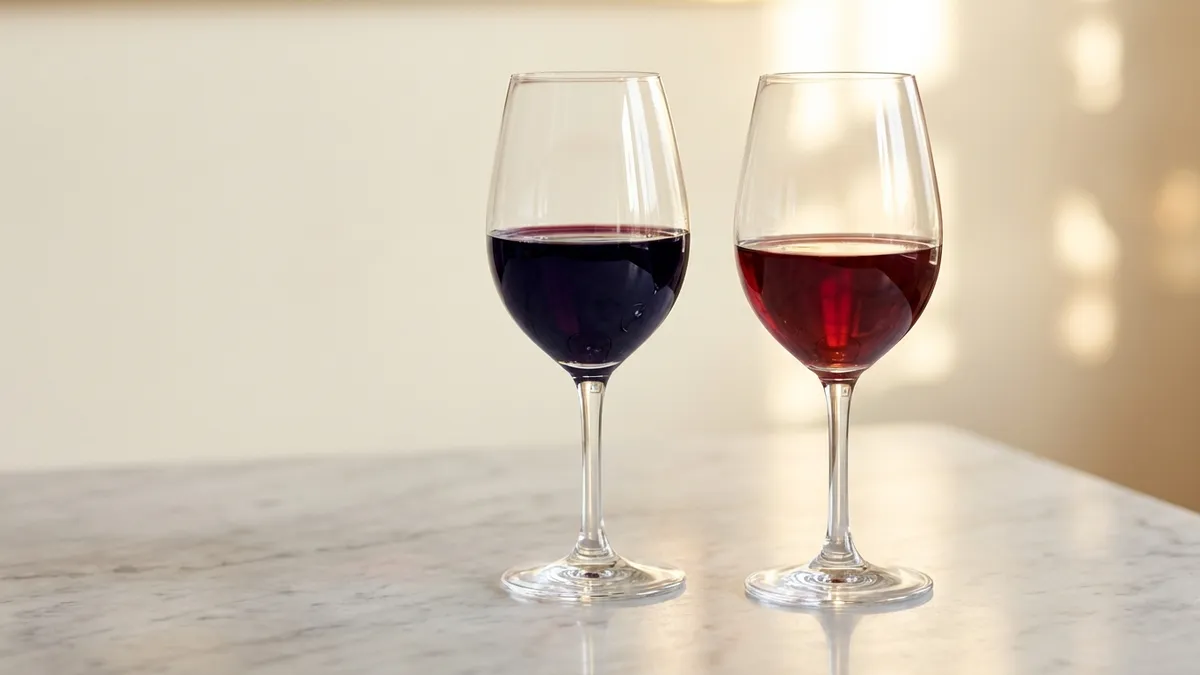
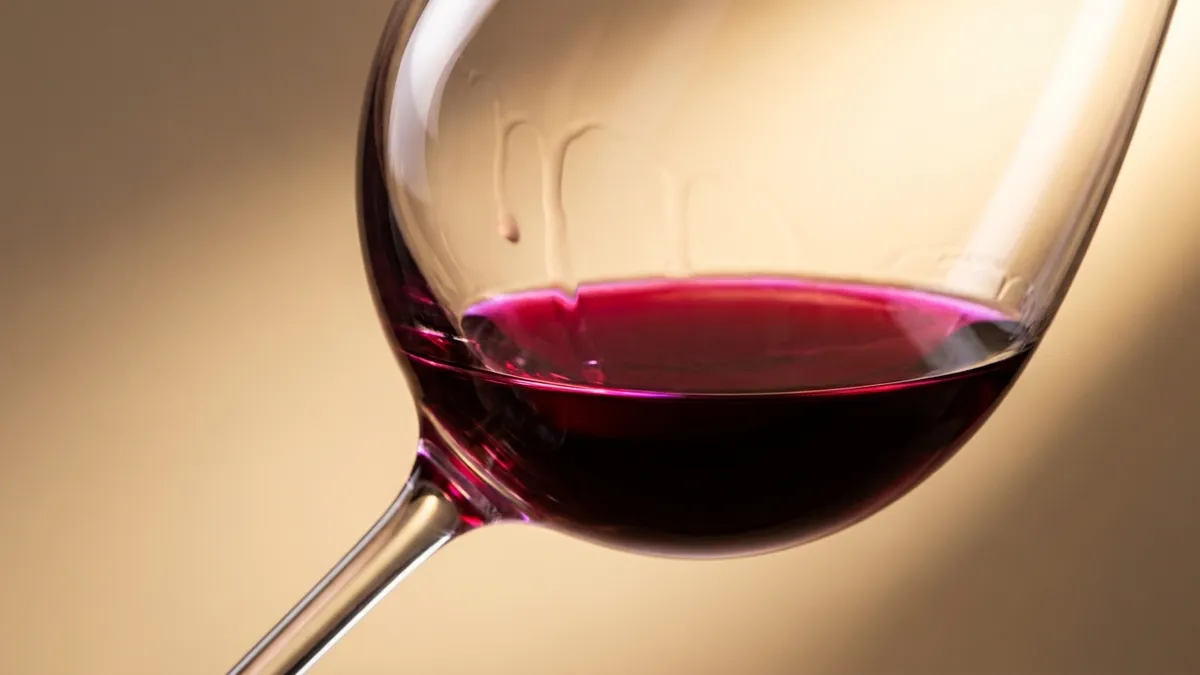
The grape has a clear personality. Deep ruby-purple in the glass, juicy black cherry and plum fruit, soft and rounded tannin, low to medium acidity, and a signature bitter-almond note on the finish that gives the wine its unmistakable Italian fingerprint. Most bottles run between 12.5 and 13.5 percent alcohol. Unusually for Piedmont, acid is not the headline — Dolcetto is the only one of the three local reds where structure leans on tannin and fruit rather than crackling acidity.
The name is a small Italian joke. Dolcetto means "little sweet one," but the wine itself is bone dry. The reference is to the grape, which ripens reliably and tastes sweet on the vine — not to the finished bottle.
Dolcetto, in 60 Seconds
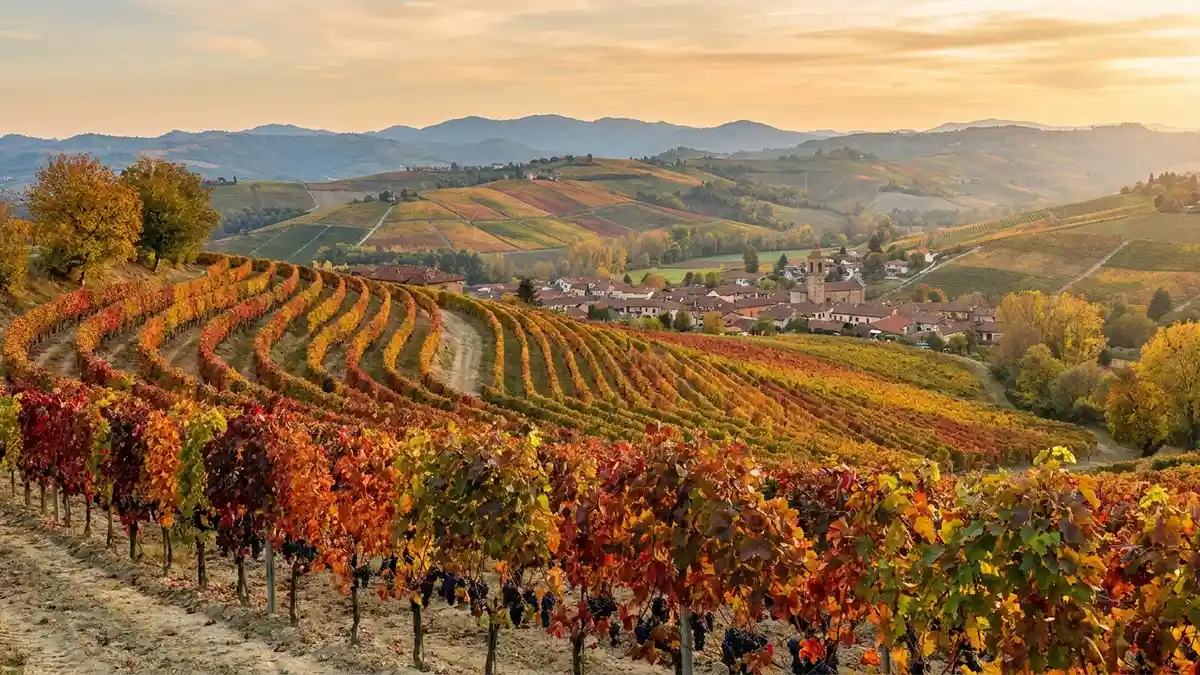
Dolcetto is a thick-skinned red grape native to Piedmont, where it has been documented since at least the 16th century. The flagship zones are Dolcetto d'Alba DOC (the most widely produced, around the town of Alba), Dolcetto di Diano d'Alba DOCG (a smaller hillside-only zone), and Dogliani DOCG (the most serious expression, considered the grape's spiritual home). Aromas reach for ripe black cherry, plum, blackberry, black licorice, and a faint earthy note — with bitter almond consistently present on the finish. The structure is the giveaway: low to medium acidity, medium and gently rounded tannin, medium body, and 12.5 to 13.5 percent alcohol. Most Dolcetto drinks best within one to three years, with top Dogliani bottlings stretching to eight. The combination of deep purple color, soft tannin, and approachable fruit makes it the friendliest red in the Piedmont trio.
Why Dolcetto Is Inseparable From Piedmont
Dolcetto has been documented in Piedmont since at least the 16th century, with early records appearing around Dogliani and Alba. By the 18th century the grape was already a staple of everyday rural drinking — the wine of the kitchen table and the village trattoria. Where Nebbiolo got the south-facing slopes for prestige and Barbera filled in the volume, Dolcetto often took the cooler, slightly higher sites that ripened it without losing freshness.
What makes Dolcetto thrive in Piedmont is its ripening curve. The grape buds early, ripens early, and accumulates sugar quickly — earlier than either Nebbiolo or Barbera. That early harvest matters in the cool Langhe and Monferrato hills, because it lets growers pick Dolcetto before the autumn rains, freeing up labor and cellar space for the longer-ripening varieties that follow.
The grape rarely travels well. Plantings exist in Argentina, California, and Australia, but the results outside Piedmont rarely capture the balance of plush fruit, soft tannin, and bitter-almond signature. As with most great Italian grapes, terroir is doing real work — the calcareous marl soils and cool nights of Alba, Dogliani, and Diano lift Dolcetto in ways the New World struggles to match.
The Three Piedmont Reds: A Family Portrait
Piedmont's three classic red grapes form one of the most useful comparison sets in Italian wine. They grow side by side, are often vinified by the same producers, and answer different questions on the dinner table.
Dolcetto is the everyday opener — soft, plush, low-acid, juicy. It pairs with antipasti and the first dish to arrive at the table.
Barbera is the workhorse — high-acid, low-tannin, food-versatile. It carries the tomato-based pasta course and the heart of dinner.
Nebbiolo is the closer — pale ruby fading to brick, ferociously tannic and acidic, perfumed with rose and tar. It arrives with the main course and the hard cheeses.
Tasted together, the three grapes form a progression of structure: gentle to bright to gripping. Three glasses of Dolcetto, Barbera, and Nebbiolo from the same producer is one of the most instructive flights you can pour — same hands, same dirt, three very different lessons.
The Main Dolcetto DOCs and DOCGs
Dolcetto d'Alba
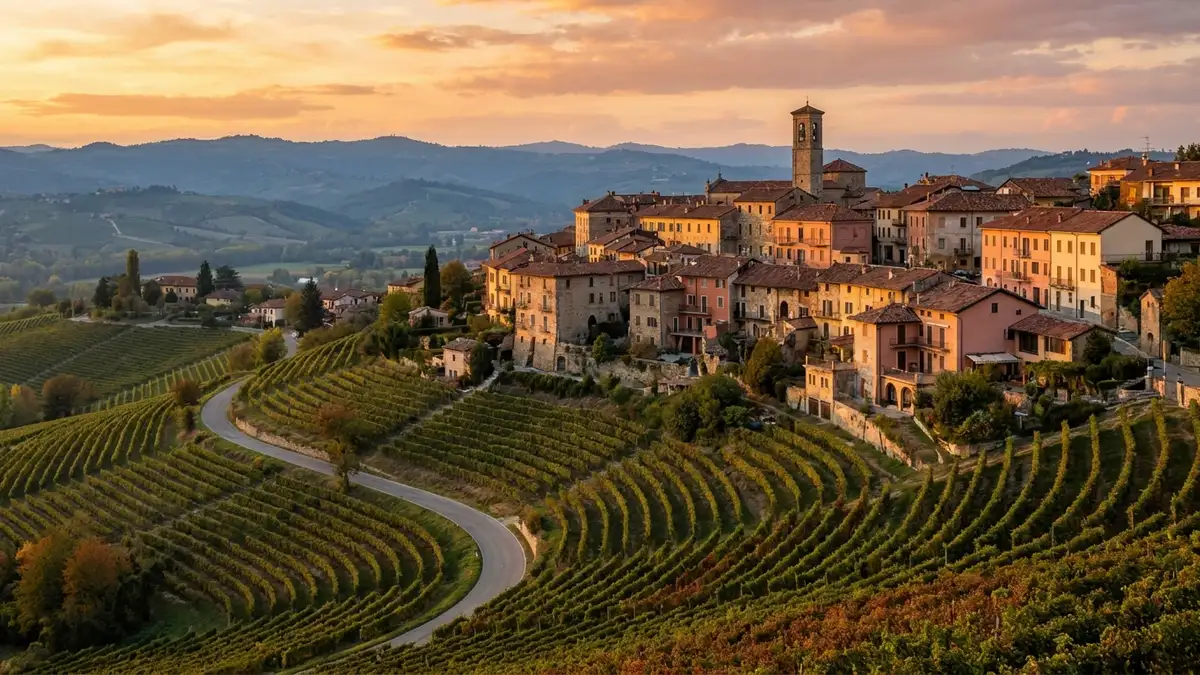
Dolcetto d'Alba DOC is the most widely produced expression and covers the Langhe hills around the town of Alba — the same district that produces Nebbiolo for Barolo and Barbaresco and high-end Barbera. The wines are typically the most balanced version of the grape: medium-bodied, juicy black cherry and plum fruit, rounded tannins, and a clean bitter-almond finish.
- Aging requirements — minimum 4 months from harvest
- Style — medium-bodied, ripe black cherry, plum, almond, gentle tannin
- Aging potential — 1 to 4 years for most bottlings
Because the producers here often craft world-class Nebbiolo from neighboring rows, their Dolcetto benefits from the same vineyard care and cellar craft. Quality at the everyday level is unusually high.
Dolcetto di Diano d'Alba
Dolcetto di Diano d'Alba DOCG is a small hillside-only zone within the Alba area, elevated to DOCG status in 2010. Production is restricted to vineyards above a minimum altitude, and the wines tend to be more concentrated, structured, and age-worthy than basic Alba bottlings.
- Aging requirements — minimum 10 months for Superiore
- Style — fuller-bodied, riper black fruit, firmer tannin, longer finish
- Aging potential — 3 to 6 years, occasionally longer
Diano sits between everyday Dolcetto d'Alba and the more serious Dogliani — a useful stepping-stone bottle when you want to see what concentration adds to the grape.
Dogliani
Dogliani DOCG is considered the most serious expression of Dolcetto and, by tradition, the grape's spiritual home. The town of Dogliani sits south of Alba in the southern Langhe, and the local producers have championed the grape's age-worthy potential for over a century. The DOCG was promoted to its top tier in 2011.
- Aging requirements — minimum 12 months for the basic DOCG, longer for Superiore
- Style — fuller-bodied, deeper color, riper tannin, savory licorice and earth notes
- Aging potential — 5 to 8 years for top bottlings, occasionally a decade
Dogliani is the wine to reach for when you want Dolcetto to surprise you. Top examples drink almost like a cross between Barbera and Sangiovese — denser fruit, real grip, and an earthy savory edge that holds up to serious food.
Other Zones
Two smaller appellations round out the family. Dolcetto di Ovada DOC and the related Ovada DOCG sit east of Alba in the Monferrato hills and produce darker, slightly more rustic versions. Dolcetto d'Acqui DOC lies nearby and tends toward fresh, fragrant styles. Both offer excellent value for tasters exploring the grape's range.
Dolcetto vs Barbera: Why Low Acid Matters
For tasters trying to map Piedmont, the most useful comparison is Dolcetto against Barbera. The two grapes grow on the same hills, often picked weeks apart by the same hands, and produce wines on opposite ends of the structural axis.
| Trait | Dolcetto | Barbera |
|---|---|---|
| Color | Deep ruby-purple | Deep ruby |
| Acidity | Low to medium | Very high |
| Tannin | Medium, soft | Low to medium |
| Aromas | Black cherry, plum, almond, licorice | Red cherry, plum, dried herbs |
| Finish | Bitter-almond signature | Mouth-watering acid lift |
| Aging | 1 to 8 years | 3 to 15 years |
| Role | Everyday opener | Everyday food wine |
The structural difference matters at the dinner table. Barbera's high acid cuts through tomato-based pasta, ragu, and fatty meats. Dolcetto's softer profile leans on plush fruit and gentle tannin, which is why it works better with antipasti, salami, mushroom dishes, and the gentler first courses. Italians intuit this when they pour Dolcetto first and Barbera second.
For more on the science here, see tannins, acidity, and body and what is wine acidity.
Dolcetto Tasting Notes and Flavor Profile
Core Aromas
- Fruit — ripe black cherry, plum, blackberry, sometimes blueberry on warmer-vintage Dogliani
- Floral — violet, dried wildflower (subtle, never the headline)
- Spice and herb — black licorice, anise, dried oregano, faint black pepper
- Earth — gentle forest floor, dusty stone, mushroom in older bottles
- Signature finish — bitter almond, sometimes called "amaro" or almond-skin
Structure on the Palate
- Acidity — low to medium. The wine feels round, never sharp
- Tannins — medium. Soft and gently rounded, present but not gripping
- Body — medium. Some Dogliani bottlings push toward full
- Alcohol — typically 12.5 to 13.5 percent
- Length — medium. The bitter-almond note carries the finish
The signature combination is deep purple color plus soft round tannin plus low acidity plus bitter-almond finish. No other Italian red produces this exact profile. Sangiovese has more acid and grippier tannin. Barbera has higher acid and lower tannin. Nebbiolo has both extreme tannin and acid with pale color. Dolcetto sits in its own corner of the structure map — and the bitter-almond finish is the giveaway when you taste it blind.
For a deeper map of these terms, see understanding tannins, acidity, and body and the wine tasting vocabulary cheat sheet.
How to Pair Dolcetto Wine With Food
Dolcetto's plush fruit and gentle structure make it one of the most forgiving everyday red pairing wines in Italy. The list of dishes it complements is wide, especially around the rhythms of an Italian dinner.
Iconic Piedmont and Italian Pairings
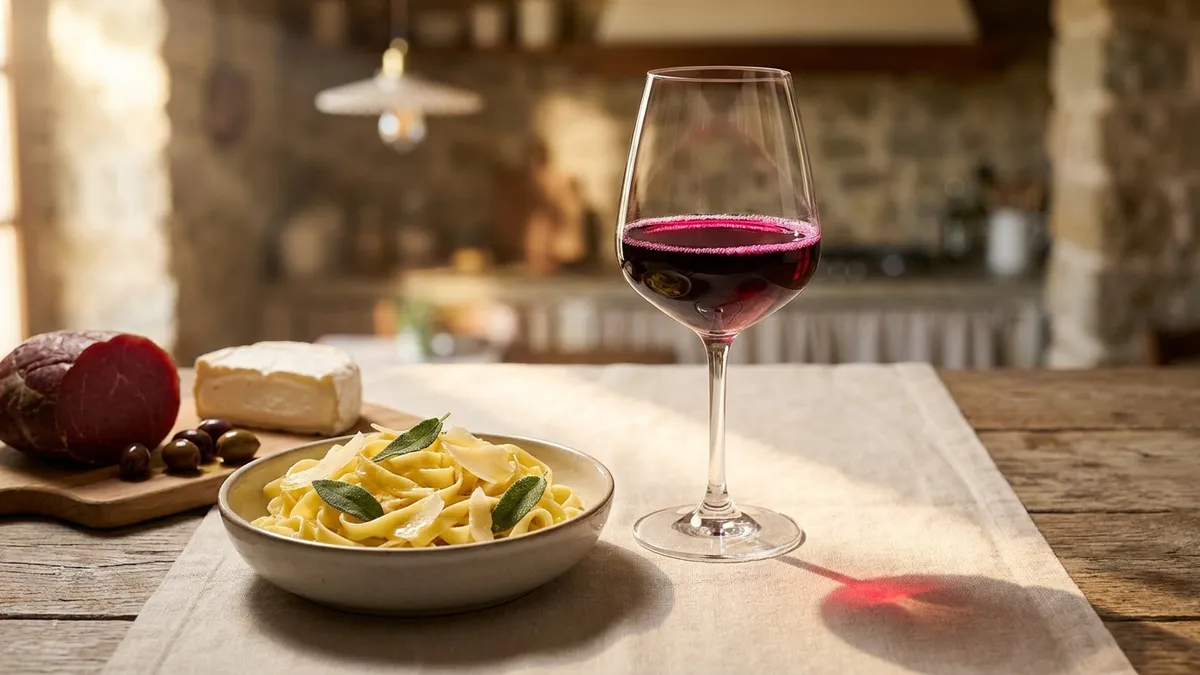
- Antipasti boards — salami, prosciutto, mortadella, bresaola, grilled vegetables. The classic Dolcetto opener
- Pizza — Margherita, sausage and pepper, mushroom. See the wine with pizza guide for more on these matches
- Tomato-based pasta — penne arrabbiata, spaghetti with tomato and basil
- Mushroom dishes — risotto ai funghi, tagliatelle with porcini
- Roasted poultry — chicken with herbs and lemon, roasted duck
- Tajarin with butter and sage — Piedmont's egg-yolk pasta classic
- Hard cheeses — Toma, young Asiago, Castelmagno
- Lentil and bean stews — earthy, savory, slow-cooked
Beyond the Italian Table
- Burgers and casual grilling — Dolcetto's plush fruit handles char without overwhelming
- Vegetable lasagna with mushroom and béchamel
- Roasted root vegetables with rosemary and olive oil
- Eggplant dishes — caponata, eggplant parmigiana
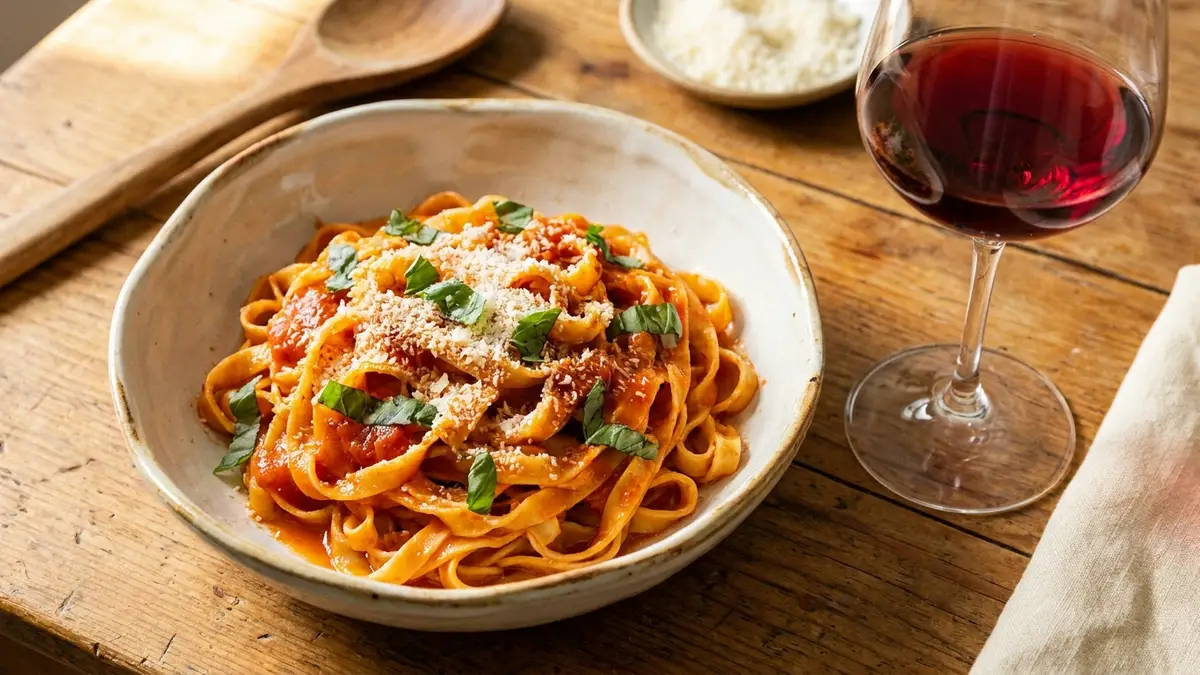
For a broader treatment of why low-tannin reds work with varied food, the wine pairing rules guide covers the underlying logic, and the wine with pasta guide maps tomato, cream, and oil sauces to specific reds.
What to Avoid
Dolcetto's gentleness can be overwhelmed by very intense, long-cooked, heavily spiced dishes. Skip slow-braised game stews, chili-heavy preparations, and very strong blue cheeses. Sweet desserts also clash with the bitter-almond finish.
Serving Dolcetto Wine
Temperature
Serve Dolcetto at 14 to 16°C (57 to 61°F) — slightly cooler than full-bodied reds, similar to Barbera. The cool temperature lifts the fresh fruit and keeps the bitter-almond finish in balance. Warmer than 18°C and the soft tannin can feel flabby. The wine serving temperature chart covers temperature ranges for every style if you want a deeper reference.
Decanting
- Everyday Dolcetto d'Alba — no decanting needed. Pour and drink
- Diano d'Alba and Dogliani — 30 minutes can help the deeper bottlings open
- Older Dogliani (5+ years) — gentle decanting for sediment, taste early
Glassware
A medium tulip-shaped red wine glass works well. Dolcetto does not need the giant Burgundy bowl that Nebbiolo requires, and a standard red glass keeps the fruit lifted and the bitter-almond finish focused. For more on the role of glass shape, see does wine glass shape affect taste.
The Drink-Young Rule
Most Dolcetto is built for early drinking. The grape's naturally low acidity means the fruit fades faster than Barbera or Nebbiolo, and a five-year-old basic Dolcetto often tastes tired rather than complex. The rule of thumb is simple — drink Dolcetto within three years of the vintage, with Dogliani DOCG bottlings as the exception. For more on how wines change with bottle age, see tasting young vs aged wine.
Aging Potential by Style
- Everyday Dolcetto d'Alba: 1 to 3 years
- Dolcetto di Diano d'Alba DOCG: 3 to 6 years
- Dogliani DOCG: 5 to 8 years
- Top Dogliani Superiore: 7 to 10 years
Why Dolcetto Is One of Italy's Best Value Reds
If you have shopped Piedmont before, you already know the math. A serious Barolo can run a hundred euros or more. The same producer's Dolcetto d'Alba — same farm, same cellar, same hands — often costs a fraction of that. Nebbiolo demands the best slopes and the longest aging, while Dolcetto ripens easily and reaches the market within months.
For a wine drinker, this is a gift. You can taste real Piedmont craftsmanship at an everyday price simply by picking up a producer's Dolcetto. Alongside Barbera, it is the most efficient teacher in the country — high quality, low price, deeply tied to one of the world's great wine regions. Among value-driven Italian reds, Dolcetto sits beside Barbera, Sangiovese from Tuscany, and lighter Italian grapes like Gamay, but its softness gives it a unique role — the gentle opener, the friend at the table.
Building Your Dolcetto Tasting Skills
Start with two bottles tasted side by side: a basic Dolcetto d'Alba and a Dogliani DOCG from the same vintage. The first shows the grape's everyday personality — fresh, juicy, friendly. The second shows what concentration, hillside terroir, and longer aging do to it. Tasted together, the contrast trains your palate to recognize what is grape, what is winemaking, and what is place.
Better yet, run a full Piedmont flight: Dolcetto, Barbera, and Nebbiolo from the same producer. This is the single most efficient way to internalize how three grapes from one region produce three completely different wines, and how structure rather than fruit defines a red wine's role at the table.
The Sommy app walks through Italian grape comparisons exactly like this, with structured prompts that train you to feel the soft tannin, the low acid, and the bitter-almond finish that define great dolcetto wine. Pair that with a chapter on Italian wine and the vocabulary in the red vs white wine primer, and you have everything you need to taste Piedmont's friendliest red with confidence.
Dolcetto rewards generosity at the table. Pour it with the first plate of antipasti, pour it often, and let it do what it has done in Piedmont for nearly five hundred years — start dinner the right way.
Frequently Asked Questions
What does Dolcetto wine taste like?
Dolcetto tastes of juicy black cherry, ripe plum, blackberry, and black licorice, with a signature bitter-almond note on the finish. The wine is dry despite the name (dolcetto means little sweet one) and shows soft, rounded tannins, low to medium acidity, and 12.5 to 13.5 percent alcohol. It feels plush and friendly rather than gripping or austere, which is why Italians often pour it as the opener at dinner.
How is Dolcetto different from Barbera?
Both grapes grow side by side in Piedmont but produce nearly opposite wines on the structural axis. Barbera is high in acidity and low in tannin, with bright cherry fruit. Dolcetto is the reverse — low acidity and medium tannin, with deeper purple color and rounder fruit. Italians traditionally drink Dolcetto first because it is gentler on the palate, then move to Barbera and Nebbiolo as the meal progresses.
Is Dolcetto wine sweet?
No. Dolcetto is fully dry. The name comes from the Italian word for little sweet one, but it refers to the grape's reliable ripeness and naturally low acidity, not residual sugar. Some tasters perceive a sweet impression because of the soft tannins and ripe black-fruit profile, but there is no sugar left in the finished wine. A traditional dry Dolcetto from Alba or Dogliani contains essentially zero residual sugar.
What are the main Dolcetto DOCs and DOCGs?
Three appellations lead. Dolcetto d'Alba DOC is the most widely produced and comes from the Langhe hills around Alba. Dolcetto di Diano d'Alba DOCG is a smaller, hillside-only zone with more concentrated wines. Dogliani DOCG is considered the most serious expression — historically the grape's birthplace, with stricter rules, longer aging, and the longest aging potential. Other zones include Dolcetto di Ovada and Dolcetto d'Acqui.
What food pairs best with Dolcetto wine?
Dolcetto's soft tannin and modest acidity make it a natural match for everyday Italian cooking — antipasti boards with salami and prosciutto, pizza, tomato-based pasta, mushroom dishes, and roasted poultry. It also works beautifully with hard cheeses, lentil stews, and grilled vegetables. The wine has enough body for fatty foods but stays gentle enough not to overwhelm lighter plates, which is why it earns its everyday red slot in Piedmont.
How long can Dolcetto wine age?
Most Dolcetto is built for early drinking, ideally within one to three years of the vintage when the fruit is freshest. The grape's naturally low acidity limits long aging for the everyday styles. However, top Dogliani DOCG bottlings, especially from older vines on hillside sites, can age gracefully for five to eight years, with the rare exceptional vintage stretching to ten. The fruit fades faster than Barbera or Nebbiolo, so freshness is the priority.
Why do Italians drink Dolcetto first at dinner?
Tradition in Piedmont is to open dinner with the gentlest red and progress to the most structured. Dolcetto's low acidity and soft tannins make it the easiest opener — friendly with antipasti, salami, and the first courses. Barbera comes next with its higher acid for tomato-based pasta and ragu. Nebbiolo arrives last with the main course, when the palate is ready for serious tannin. Three glasses, three lessons in structure.
Sommy Team
LinkedInFounder & Wine Educator
The Sommy Team is building the world's most approachable wine education app, helping beginners develop real tasting skills through structured courses and AI-guided practice.