Barbera Wine Guide: Piedmont's Everyday Red

By the Sommy Team — AI-assisted, human-edited.
Updated Apr 29, 2026
Contents (12)
- What Is Barbera Wine?
- Barbera, in 60 Seconds
- Why Barbera Is Inseparable From Piedmont
- The Three Main Barbera DOCs
- Why High-Acid, Low-Tannin Equals Food-Versatile
- Modern Stylistic Split: Everyday vs Superiore
- Barbera Tasting Notes and Flavor Profile
- Barbera vs Nebbiolo vs Dolcetto
- How to Pair Barbera Wine With Food
- Serving Barbera Wine
- Why Barbera Is One of Italy's Best Value Reds
- Building Your Barbera Tasting Skills
TL;DR
Barbera is the everyday workhorse red grape of Piedmont and the most-planted variety across Italy's prestigious northwest. Expect deep ruby color, crackling acidity, soft tannins, and juicy red cherry and plum fruit. Three DOCs lead — Barbera d'Asti, Barbera d'Alba, and Barbera del Monferrato — splitting between fresh unoaked styles and serious oak-aged Superiore bottlings.
What Is Barbera Wine?
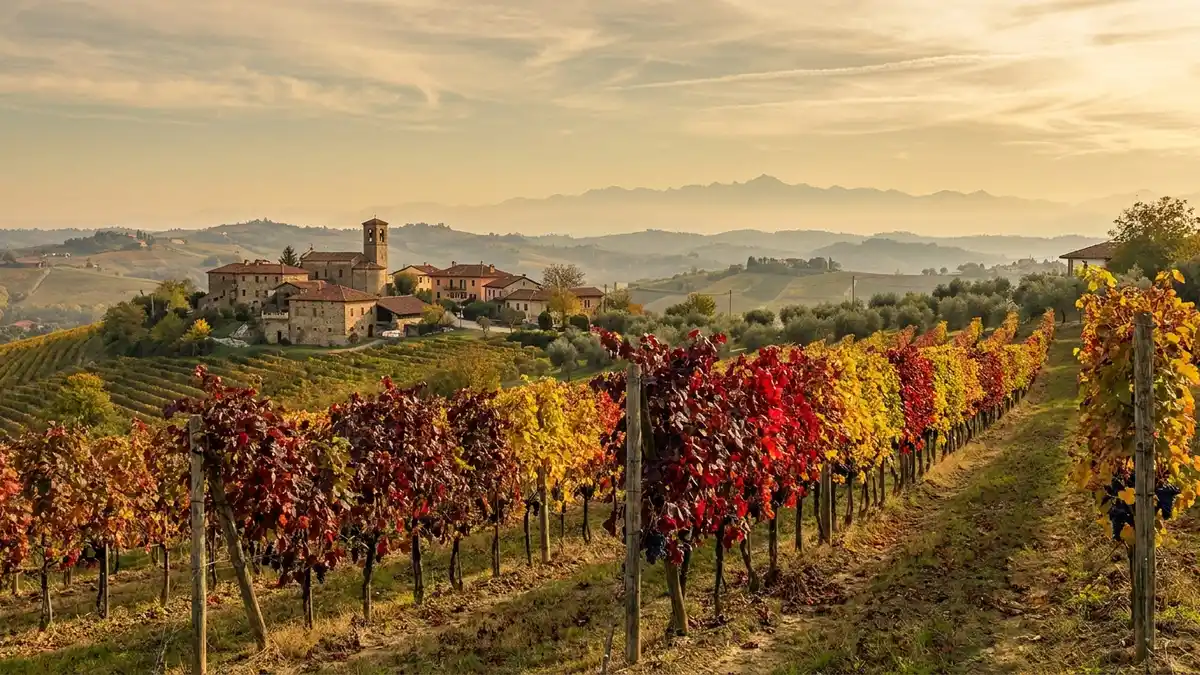
Barbera is the everyday workhorse red grape of Piedmont in northwestern Italy, and the most-planted red variety in the country's prestigious northwest. While its more famous neighbor Nebbiolo produces the legendary aging wines of Barolo and Barbaresco, barbera wine is what Piedmontese families actually pour at dinner — every night, with whatever is on the table.
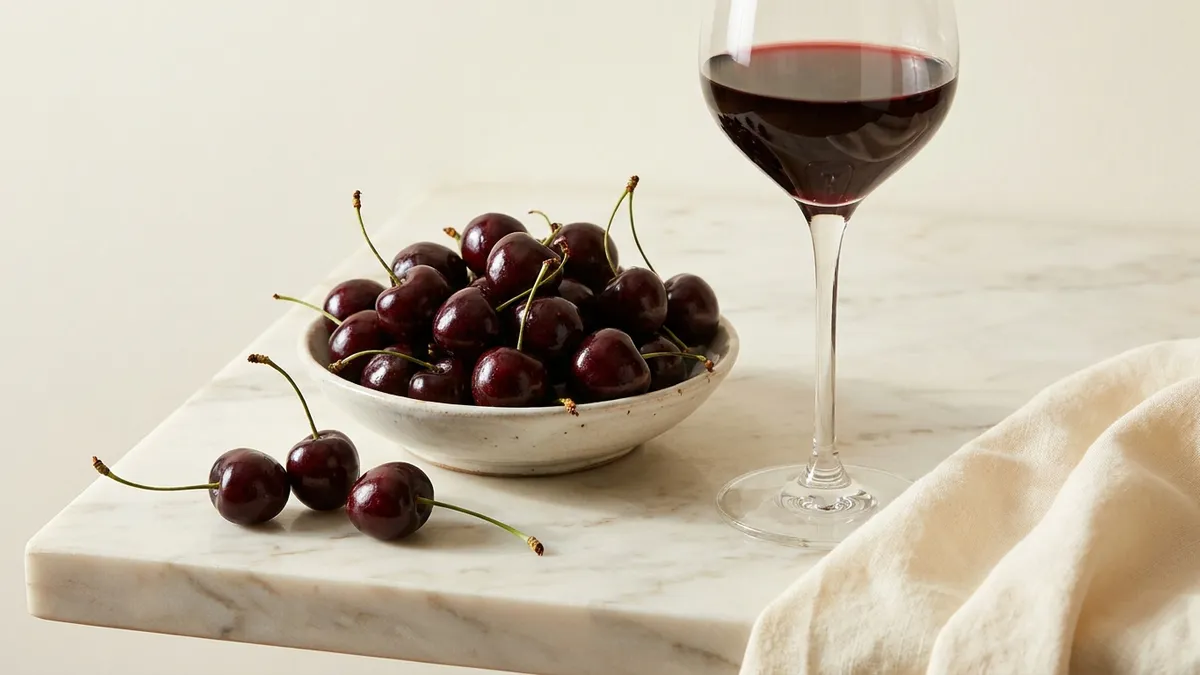
The grape has a clear personality. Deep ruby color, crackling-high acidity that defines its character, soft and gentle tannins, and juicy ripe red cherry, plum, and sour cherry fruit, sometimes with a faint earthy or herbal lift. Most bottles run between 12.5 and 14 percent alcohol. Unlike Nebbiolo, Barbera is approachable young, friendly to beginners, and built around food rather than against it.
Three DOCs lead production: Barbera d'Asti, Barbera d'Alba, and Barbera del Monferrato. The modern split between fresh unoaked everyday styles and serious oak-aged Superiore bottlings means Barbera now spans an enormous range — from a five-euro pizza wine to a twenty-year-cellar candidate from a top Asti hillside.
Barbera, in 60 Seconds
Barbera is a thick-skinned red grape native to Piedmont, where it has been documented since the 13th century. The flagship zones are Barbera d'Asti DOCG (the most famous, around the town of Asti), Barbera d'Alba DOC (from the Langhe vineyards shared with Nebbiolo), and Barbera del Monferrato DOC (the broader, lighter style). Aromas reach for ripe red cherry, sour cherry, plum, dried herbs, and faint earth — with vanilla and cocoa added when oak comes into play. The structure is the giveaway: very high acidity, low to medium tannin, medium body, and 12.5 to 14 percent alcohol. The combination of deep color, juicy fruit, mouth-watering acid, and gentle tannin makes Barbera the most food-versatile red in Italy. Most bottles drink best within five years, while top Superiore examples can age a decade or more.
Why Barbera Is Inseparable From Piedmont
Barbera has been documented in Piedmont since the 13th century, with the earliest written records appearing in cathedral archives near Casale Monferrato. By the 18th century it was already the dominant grape of the region — not in prestige, but in sheer volume. Where Nebbiolo got the steep, sunny, south-facing slopes, Barbera got everything else. That historical split shaped the wine's identity as the everyday pour rather than the cellar trophy.
What makes Barbera thrive in Piedmont is its toughness. The vine is generous, ripens reliably even in cooler vintages, and holds its acidity well in warmer years thanks to its naturally high natural acid baseline. While Nebbiolo demands a perfect site, Barbera produces good wine across a wide range of soils and exposures. The same farms that make Barolo from their best parcels usually plant Barbera on the lower, flatter, or less-favored sites — and still bottle it under the family label.
The grape spread far beyond Piedmont in the 19th and 20th centuries. It is now grown across Italy and has plantings in California, Argentina, and Australia, but the wines outside Piedmont rarely capture the same balance of acid, fruit, and savory edge. As with most grape varieties, terroir is doing real work here — the cool nights and limestone-clay soils of Asti and the Langhe lift Barbera in ways the New World struggles to match.
The Three Main Barbera DOCs
Barbera d'Asti
Barbera d'Asti DOCG is Barbera's most prestigious expression and was elevated to DOCG status in 2008 — the highest tier in Italian wine law. The zone covers a wide area of rolling hills around the town of Asti, in the central part of Piedmont. The wines tend to be the most balanced expression of the grape: vibrant red cherry and plum fruit, lifted acidity, rounded tannins, and a savory, almost herbal core.
Within the DOCG, three sub-zones can appear on labels: Tinella, Colli Astiani, and Nizza. Nizza is now its own separate DOCG (since 2014) and is treated as Barbera's grand cru — strict yields, longer aging, and the most age-worthy bottlings.
- Aging requirements — minimum 4 months for standard, 14 months for Superiore (6 in oak)
- Style — medium to full-bodied, vibrant cherry, plum, dried herbs, savory finish
- Aging potential — 3 to 8 years for standard, 8 to 15 years for top Nizza
Barbera d'Alba
Barbera d'Alba DOC comes from the Langhe hills around the town of Alba — the same district that produces Nebbiolo for Barolo and Barbaresco. Because the producers are often making world-class Nebbiolo from neighboring rows, their Barbera benefits from the same vineyard care, the same cellars, and the same craftsmanship. The wines tend to be richer, deeper, and a touch more concentrated than Asti versions.
- Style — deeper ruby, riper black cherry and plum fruit, often more oak influence
- Aging potential — 3 to 10 years depending on style
- Notable trait — frequently aged in barrique or large old casks alongside the producer's Barolo program
For tasters comparing Italian reds side by side, a Barbera d'Alba next to a Nebbiolo from the same producer is one of the most instructive flights you can pour — same hands, same dirt, very different wines.
Barbera del Monferrato
Barbera del Monferrato DOC spans a much larger area east and north of Asti, including parts of the Alessandria province. The wines are typically lighter, simpler, and meant for everyday drinking. A Superiore version exists with stricter rules and longer aging, but the headline style is fresh and unfussy. This is the Barbera you find in carafes at small Piedmontese trattorias — a workaday wine that does its job beautifully without asking you to think about it.
Why High-Acid, Low-Tannin Equals Food-Versatile
Barbera's structure is the secret to why it works with so much food. Most reds rely on tannin as their backbone — the drying, gripping sensation that gives Cabernet, Nebbiolo, and Syrah their power. Tannin binds beautifully to fat and protein, but it clashes with sugar, spice, vinegar, and many tomato preparations. That is why a young Barolo can ruin a plate of pasta arrabbiata, while a Barbera from the same village makes the same plate sing.
Acidity does the opposite. High acid cuts through fat (think tomato sauce on fried meatballs), refreshes the palate between rich bites, and stays compatible with vinegar, capers, and herb-driven sauces. Pair high acid with low tannin and you get a red wine that behaves more like a versatile white — slipping under almost any dish without fighting back.
This is the engine behind Barbera's popularity. It works with the entire repertoire of Italian cooking: tomato-based sauces, fatty meats, charcuterie, pizza, hard cheese, bean stews. Italians sometimes describe Barbera as "il vino di tutti i giorni" — the wine of every day — for exactly this reason. For more on the science behind these interactions, see the guides to tannins, acidity, and body and wine and food pairing.
Modern Stylistic Split: Everyday vs Superiore
Through the 20th century, Barbera was almost entirely a fresh, unoaked, early-drinking wine. The modern history changes around the 1980s, when a small group of Asti and Alba producers began experimenting with longer aging in French oak barriques. The result was a richer, denser, more international-feeling Barbera that drew critical attention and slowly shifted the category.
Today the two styles coexist. The everyday style is fresh, vibrant, sometimes even slightly fizzy in the cheapest examples, and built for drinking within two to four years. The Superiore style is darker, more structured, often shows vanilla and cocoa from oak, and can age a decade or more. Top Nizza DOCG bottlings sit firmly in the second camp.
A few signals help you read the bottle:
- No oak signals on the label, low price — likely fresh, unoaked, drink soon
- "Superiore" on the label — longer aging, usually some oak influence
- "Nizza DOCG" — top tier, strict rules, often serious oak, designed to age
- Single-vineyard or "vigneto" naming — premium tier, typically oaked
The Sommy app's interactive tasting drills walk you through these stylistic comparisons one bottle at a time, training you to recognize the acidity and fruit profile that link both styles back to the same grape.
Barbera Tasting Notes and Flavor Profile
Core Aromas
- Fruit — ripe red cherry, sour cherry, plum, blackberry, sometimes dried fig
- Floral — violet, dried rose petal (subtle, less prominent than Nebbiolo)
- Earth — faint forest floor, mushroom, dried tobacco in older bottles
- Spice and herb — black pepper, dried oregano, anise, faint licorice
- Oak (when present) — vanilla, cocoa, sweet baking spice, smoke
Structure on the Palate
- Acidity — very high. Saliva floods the mouth almost immediately
- Tannins — low to medium. Soft and rounded, never gripping
- Body — medium. Some Superiore wines push toward full
- Alcohol — typically 12.5 to 14 percent
- Length — medium. The acid carries the finish more than the tannin
The signature combination is deep ruby color plus mouth-watering acidity plus soft tannins. Few other Italian reds offer that exact profile — Sangiovese has more tannin, Nebbiolo has both tannin and pale color, Dolcetto (Barbera's neighbor in Alba) is fruitier but lower in acid. For a deeper map of these terms, see what is wine acidity and the tannins, acidity, and body guide.
Barbera vs Nebbiolo vs Dolcetto
Piedmont's three classic red grapes form a useful comparison set, because they grow side by side and answer different questions on the dinner table.
| Trait | Barbera | Nebbiolo | Dolcetto |
|---|---|---|---|
| Color | Deep ruby | Pale ruby, fading to brick | Deep purple |
| Acidity | Very high | Very high | Medium-low |
| Tannin | Low-medium | Very high | Medium |
| Aromas | Cherry, plum, herbs | Rose, tar, dried cherry | Black plum, almond |
| Aging | 3 to 15 years | 10 to 30+ years | 2 to 5 years |
| Role | Everyday food wine | Cellar-worthy contemplation | Friendly daily pour |
Tasted side by side with Nebbiolo, Barbera looks immediately darker but feels softer and more fruit-forward. Against Sangiovese from Tuscany, the acidity is comparable but Barbera lacks Sangiovese's grippy tannin and bitter cherry-pit edge. The grape sits in its own corner of the structure map.
How to Pair Barbera Wine With Food
Barbera's high acid and low tannin make it the most food-versatile red wine in Italy. The list of dishes it complements is genuinely long.
Iconic Piedmont and Italian Pairings
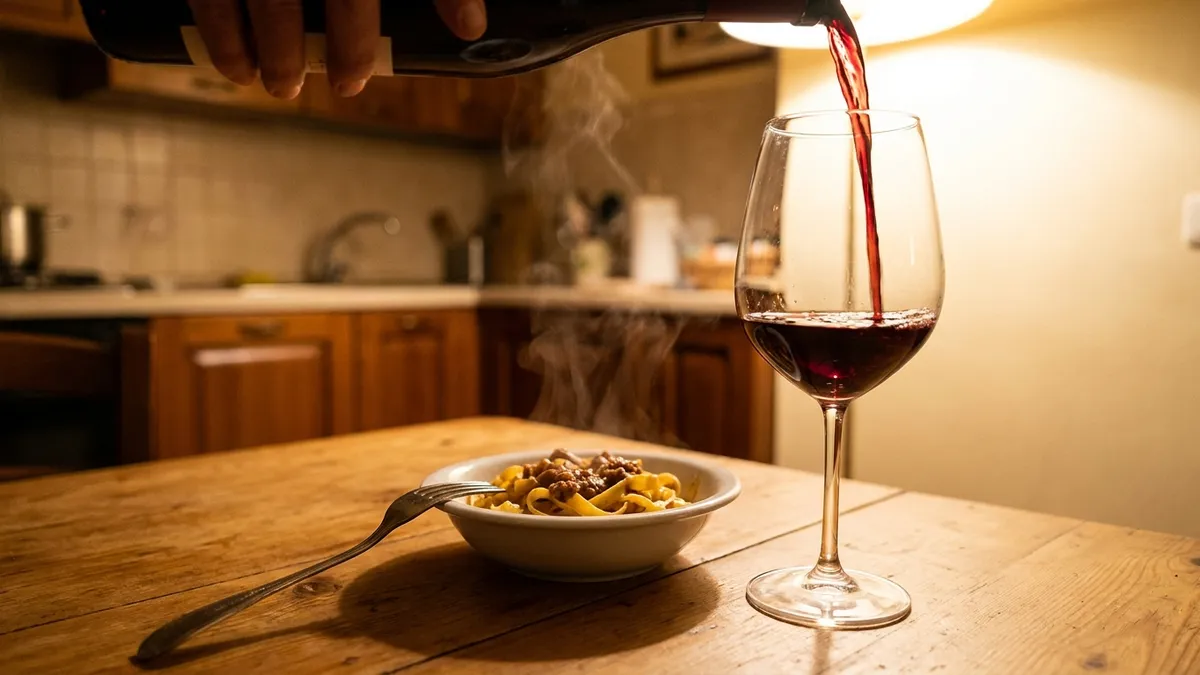
- Tomato-based pasta — tagliatelle al ragù, lasagna, pappardelle alla bolognese. The acid mirrors the tomato's acid, the fruit complements the meat
- Pizza — Margherita, marinara, sausage and pepper. See the dedicated wine with pizza guide for more on the science here
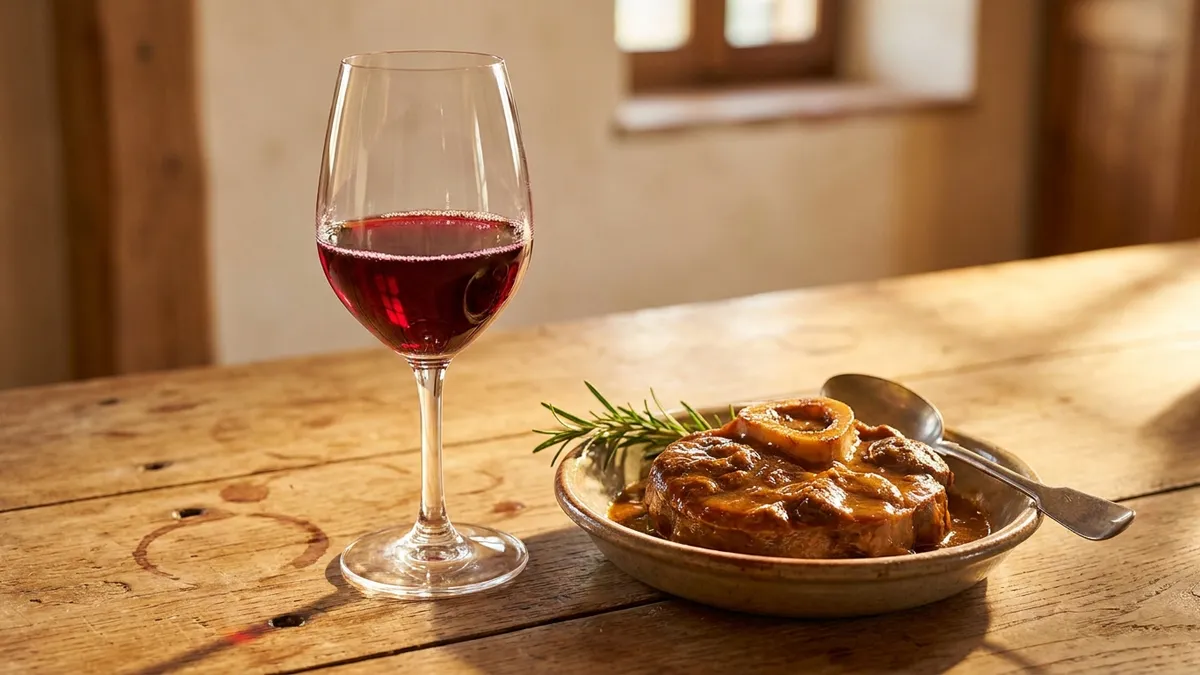
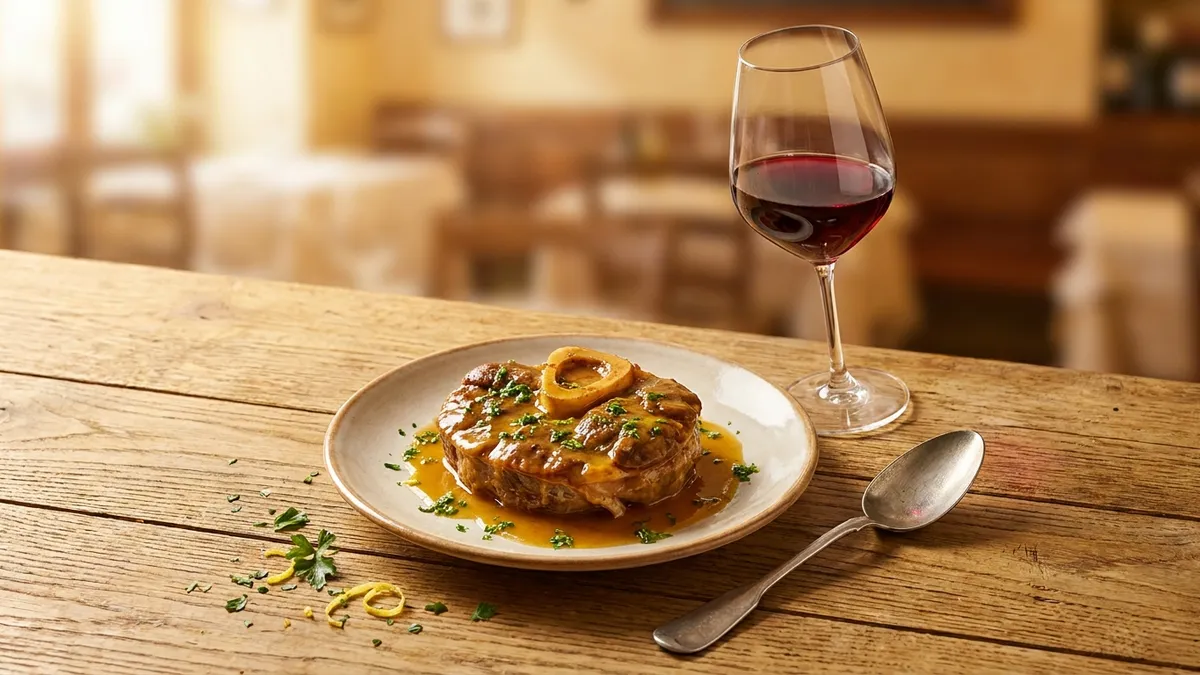
- Osso buco — the slow-braised veal shank classic. Barbera's acid cuts the marrow's fat
- Charcuterie and salami — salame Felino, mortadella, prosciutto, coppa
- Aged hard cheeses — Parmigiano-Reggiano, aged Asiago, Toma, Castelmagno
- Bagna càuda — Piedmont's warm anchovy-garlic dip with vegetables
- Rabbit cacciatore and wild boar ragù — fatty, herbal, slow-cooked
Beyond the Italian Table
- Roasted chicken with rosemary and lemon
- Grilled pork with mustard and herbs (the wine with steak principle on a smaller scale)
- Hamburgers and casual grilling — Superiore Barbera handles char beautifully
- Grain bowls with tomato, beans, and aged cheese
- Eggplant parmigiana — one of Barbera's hidden classic matches
For a broader treatment of acid-driven pairing logic, the wine pairing rules guide covers why high acid keeps a wine compatible with so many dishes, and the wine with pasta guide maps tomato, cream, and oil sauces to specific reds and whites.
What to Avoid
Barbera's acidity overwhelms truly delicate dishes. Skip raw oysters, sashimi, and very lightly seasoned poultry — the wine will dominate. Heavy chocolate desserts also clash with the acid. Stick with savory, fat-driven cooking and you will rarely miss.
Serving Barbera Wine
Temperature
Serve Barbera at 14 to 16°C (57 to 61°F) — slightly cooler than full-bodied reds. Cool helps the fresh fruit and acid show their best. Warmer than 18°C and the alcohol can push forward, dulling the cherry brightness. The wine serving temperature chart covers temperature ranges for every style if you want a deeper reference.
Decanting
- Everyday Barbera — no decanting needed. Pour and drink
- Barbera Superiore or Nizza DOCG — 30 to 60 minutes can help oak-driven examples soften
- Older Superiore bottles (8+ years) — gentle decanting for sediment, taste early
Glassware
A medium tulip-shaped red wine glass works beautifully. Barbera does not need the giant Burgundy bowl that Nebbiolo and Pinot Noir require — a standard red glass keeps the fruit lifted and the acid focused. For a more detailed look at the role of glass shape, see does wine glass shape affect taste.
Aging Potential by Style
- Everyday Barbera d'Asti or Monferrato: 2 to 5 years
- Barbera d'Alba (standard): 3 to 7 years
- Barbera Superiore (Asti or Alba): 5 to 10 years
- Nizza DOCG: 8 to 15 years
- Top single-vineyard Barbera: 10 to 20 years
Why Barbera Is One of Italy's Best Value Reds
If you have shopped Piedmont before, you already know the math. A serious bottle of Barolo can run a hundred euros or more. The same producer's Barbera d'Alba — same farm, same cellar, same hands — often costs a quarter of that price, sometimes less. The reason is structural: Nebbiolo demands the best slopes and the longest aging, while Barbera ripens easily on a wider range of sites and reaches the market quickly.
For a wine drinker, this is a gift. You can taste real Piedmont craftsmanship at an everyday price simply by picking up the producer's Barbera. For tasters trying to learn Italian wine without remortgaging the kitchen, Barbera is the most efficient teacher in the country — high quality, low price, deeply tied to one of the world's great wine regions.
Among value-driven reds, Barbera shares the field with Sangiovese from Tuscany and Tempranillo from Spain, but it has its own niche: lower tannin than either, equally high acid, and an uncomplicated, everyday warmth that earns it a permanent slot on the dinner-table rotation.
Building Your Barbera Tasting Skills
Start with two bottles tasted side by side: a basic Barbera d'Asti and a Barbera Superiore from the same vintage. The first shows the grape's everyday personality — fresh, bright, fruit-forward. The second shows what oak and longer aging do to it. Tasted together, the contrast trains your palate to identify what is grape, what is winemaking, and what is place.
If you can stretch to three bottles, add a Barbera d'Alba from a producer who also makes Barolo. The thread connecting all three wines is the same ringing acid line and ripe cherry fruit — the signature of the grape, regardless of which DOC it comes from.
The Sommy app walks through Italian grape comparisons exactly like this, with structured prompts that train you to feel the high acid, the low tannin, and the cherry-plum fruit profile that define great barbera wine. Pair that with a chapter on Italian wine and the vocabulary in the red vs white wine primer, and you have everything you need to taste Piedmont's everyday red with confidence.
Barbera rewards generosity at the table. Pour it with food, pour it often, and let it do what it has done in Piedmont for nearly eight hundred years — make dinner better.
Frequently Asked Questions
What does Barbera wine taste like?
Barbera tastes of ripe red cherry, sour cherry, plum, and a faint earthy or herbal note, with a bright, mouth-watering acidity and gentle tannins. Most bottles land between 12.5 and 14 percent alcohol. Unoaked styles feel juicy and fresh, while oak-aged Barbera Superiore adds vanilla, cocoa, and a fuller, more savory profile that drinks closer to a serious red.
How is Barbera different from Nebbiolo?
Both grapes grow in Piedmont but produce very different wines. Nebbiolo is pale ruby fading to brick, with very high tannins, very high acidity, and aromas of rose, tar, and dried cherry. Barbera is deeper colored, low in tannin, equally high in acid, and built around fresh red cherry and plum fruit. Nebbiolo is for cellaring, Barbera is for the dinner table.
What are the main Barbera DOCs?
Three Piedmont DOCs lead. Barbera d'Asti DOCG is the most famous, covering the rolling hills around the town of Asti. Barbera d'Alba DOC comes from the same Langhe vineyards that grow Nebbiolo and tends to feel richer. Barbera del Monferrato DOC is broader and lighter. A Superiore designation across all three signals longer aging, often in oak.
What food pairs best with Barbera wine?
Barbera's high acid and low tannin make it one of the most food-versatile reds in Italy. Classic pairings include tomato-based pasta sauces, ragù, lasagna, pizza, osso buco, charcuterie, salami, and aged hard cheeses like Parmigiano-Reggiano. The acidity cuts through fat and tomato sweetness without clashing, which is why Barbera is the everyday red on Piedmontese tables.
Is Barbera wine sweet or dry?
Barbera is dry. Its juicy, ripe cherry fruit can give a first impression of sweetness, but there is no residual sugar in the wine. The high acidity keeps it tasting fresh rather than jammy, and the soft tannins make it feel rounder than other dry reds with similar acid levels. Sweet sparkling Barbera exists in tiny quantities but is rare outside Piedmont.
Can Barbera wine age?
Most everyday Barbera is built for early drinking, ideally within three to five years of the vintage when the fruit is freshest. Oak-aged Barbera Superiore bottlings, especially top examples from Asti and Alba, can age gracefully for ten to fifteen years, developing tertiary notes of dried fruit, leather, and tobacco while keeping their signature bright acidity.
Why is Barbera so affordable compared to Barolo?
Barbera ripens reliably, yields generously, and is grown across far more hectares than Nebbiolo. Producers historically planted it on flatter, less prized sites and reserved their best slopes for Nebbiolo. That economic split persists today, which is why excellent Barbera often costs a fraction of Barolo despite coming from the same farms and the same producers.
Sommy Team
LinkedInFounder & Wine Educator
The Sommy Team is building the world's most approachable wine education app, helping beginners develop real tasting skills through structured courses and AI-guided practice.