Verdejo: Spain's Answer to Sauvignon Blanc

By the Sommy Team — AI-assisted, human-edited.
Updated Apr 29, 2026
Contents (10)
- What Is Verdejo, in 100 Words
- A Short History: Rescued From Near Extinction
- The Rueda DO: Where Verdejo Calls Home
- The Distinctive Bitter-Almond Finish
- Verdejo vs. Sauvignon Blanc: A Practical Comparison
- Styles of Verdejo: From Fresh to Oak-Touched
- Food Pairing: Spain on a Plate
- How to Taste Verdejo Like a Pro
- Why Verdejo Is Underrated Globally
- Getting Started With Verdejo
TL;DR
Verdejo is Spain's flagship white grape, anchored in the Rueda DO of Castilla y León. It shows pale lemon-green color, fennel and green apple, grapefruit, and a signature bitter-almond finish. High-altitude vineyards, cobblestone soils, and stainless-steel winemaking define the modern style. Drink young, pair with seafood and tapas, and discover one of Europe's most underrated whites.
Verdejo wine is the white-grape headline of central Spain — the grape that wakes up Castilla y León's high plateau every spring and ends up in millions of glasses every summer. While Albariño (the saline, seafood-friendly grape of the Atlantic coast) gets much of the international spotlight, Verdejo is quietly Spain's most-planted quality white grape by volume, anchored almost entirely in a single region: the Rueda DO. The wines are fresh, herbal, and high-acid, with an easy versatility that rivals Sauvignon Blanc.
Verdejo is also a comeback story. By the early 1970s the grape had been pushed to the edge of extinction by decades of bulk-wine economics. A group of producers led by Marqués de Riscal and French consultant Émile Peynaud rescued it, introduced cool stainless-steel fermentation, and rebuilt the Rueda DO around it. The modern Verdejo you find on shelves today is, in a real sense, only about fifty years old.
What Is Verdejo, in 100 Words
Verdejo is Spain's flagship white grape from the Rueda DO in Castilla y León, frequently blended with a small percentage of Sauvignon Blanc to amplify its herbaceous profile. Expect pale lemon-green color, high acid, fresh fennel and dried herbs, green apple, grapefruit, and a signature bitter-almond note on the finish that is unique to the grape. Continental climate, high altitude between 700 and 900 meters, and stony cobblestone soils define the terroir. Stainless-steel winemaking dominates, with a growing wave of oak and lees-aged Rueda Superior bottlings emerging. Drink young, ideally within one to three years of the vintage.
A Short History: Rescued From Near Extinction
Verdejo has been grown in central Spain for centuries — most historians trace its arrival to the eleventh century, brought north by Mozarabic settlers from southern Spain. For most of that history it was a rustic grape, often used to make a partially oxidized, sherry-like wine known locally as dorado (gold-colored). When twentieth-century economics pushed Rueda toward bulk production, Verdejo plantings collapsed.
The rescue came in 1972. The historic Rioja house Marqués de Riscal partnered with Bordeaux-trained oenologist Émile Peynaud (one of the most influential wine scientists of the twentieth century). Peynaud championed cool-temperature, stainless-steel fermentation as the way to capture Verdejo's aromatic potential, which the old oxidative methods had been destroying.
The first modern fresh Verdejo from the project was a revelation: bright, aromatic, high-acid, with a sharply defined herbal-citrus profile and a distinctive bitter-almond finish that no other Spanish white delivered. The Rueda DO was officially established in 1980, and Verdejo has been the legal backbone of the appellation ever since.
The Rueda DO: Where Verdejo Calls Home
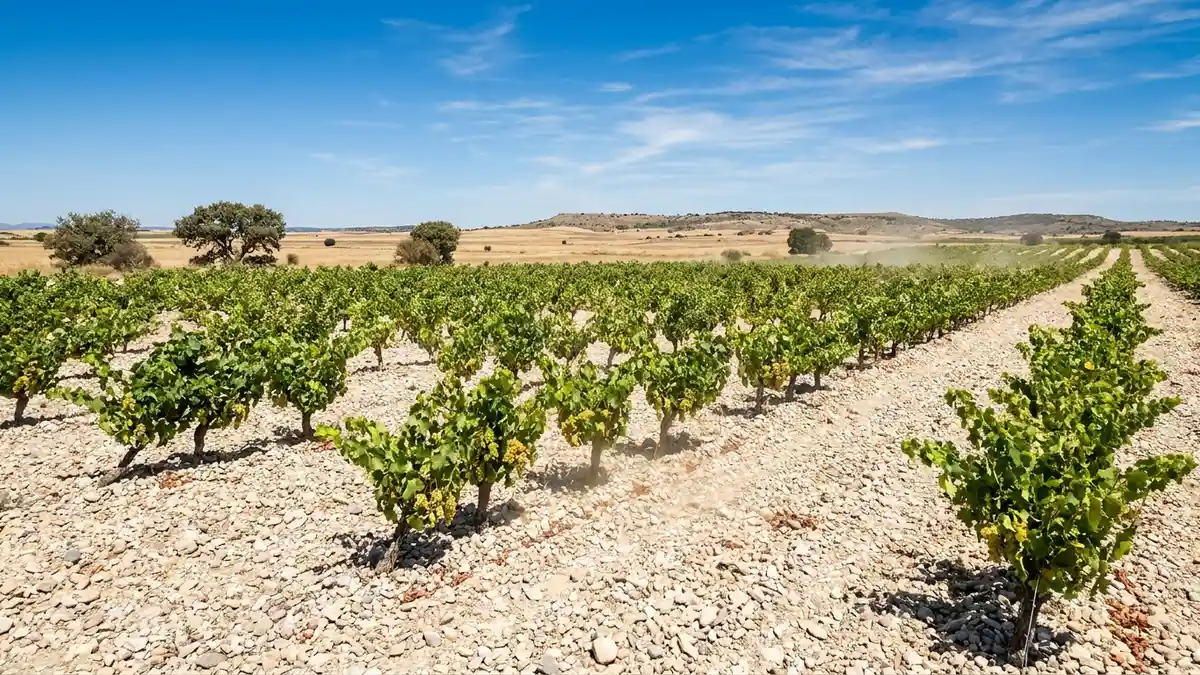
The Rueda DO is Verdejo's heartland — and effectively, its only major source. The appellation covers about 22,000 hectares of vineyards in Castilla y León, just south of the Duero River. To put that geography in context, the broader regional picture sits in our Spanish wine regions guide.
Climate and Soils
Rueda is high, dry, and continental. Three forces shape Verdejo here:
- Altitude. Vineyards sit between 700 and 900 meters above sea level, much higher than most European white-wine regions. That altitude keeps nights cold and acidity locked in the grapes.
- Continental extremes. Summers are hot and bone-dry. Winters are freezing. Rainfall averages about 400 millimeters a year, which keeps yields naturally low and concentration high.
- Cobblestone soils. The region's signature soil is cascajo — a layer of large rounded river stones over sandy clay subsoil. The stones radiate heat back to the vines at night and force the roots deep, both classic markers of high-quality wine terroir. For more on how soil shapes flavor, see how soil affects wine taste.
Rueda DO Categories
Spanish wine law divides Rueda into a few permitted styles. Most labels you will see fall into one of these:
- Rueda Verdejo — minimum 85 percent Verdejo. The standard quality bottling. Crisp, herbal, lemon-green, drink-young.
- Rueda Sauvignon Blanc — minimum 85 percent Sauvignon Blanc. A lesser-seen category that uses the imported French grape on Rueda's terroir.
- Rueda (without grape mention) — at least 50 percent Verdejo, typically blended with Viura, Sauvignon Blanc, or Palomino Fino. Lighter, cheaper, often an entry tier.
- Rueda Espumoso — sparkling Rueda made from Verdejo. A small but growing category.
- Rueda Gran Vino de Rueda — introduced in 2019. The top tier, requiring vines at least 30 years old, lower yields, and a minimum aging period before release. These wines are typically richer, oak-influenced, and built to age.
The blending of small percentages of Sauvignon Blanc into Verdejo is one of Rueda's defining tricks. Even a five-to-ten-percent dollop of Sauvignon Blanc amplifies the green herbal aromas and adds a gooseberry edge that complements Verdejo's natural fennel and grapefruit. Many of the most popular bottlings are this kind of blend rather than 100 percent Verdejo.
The Distinctive Bitter-Almond Finish
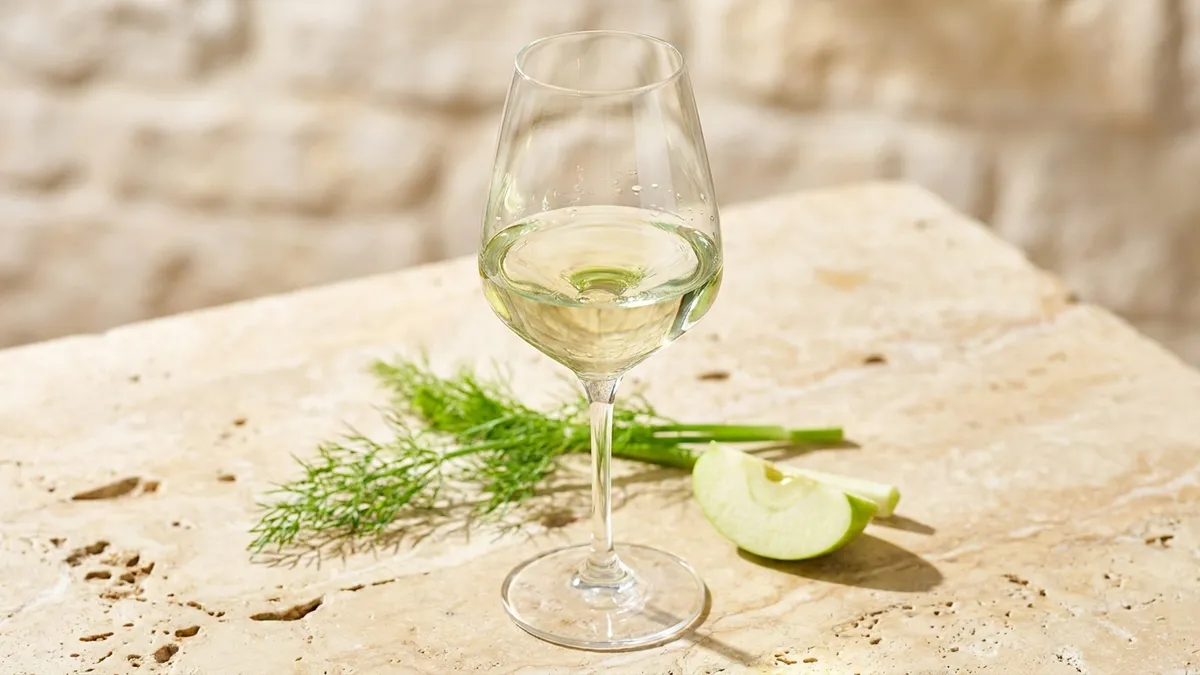
Every grape variety has a calling card. For Grüner Veltliner it is white pepper. For Riesling it is the petrol note in mature wines. For Verdejo, the calling card is a clean, slightly bitter almond flavor on the finish — sometimes described as marzipan, sometimes as the inside of an almond shell, sometimes as fennel-meets-almond.
The bitter-almond note comes from a combination of factors: phenolic compounds in Verdejo's thicker-than-average skins, longer skin contact during pressing, and the moderate-to-low pH that the high-altitude site delivers. Properly made Verdejo will show this signature without crossing into actual bitterness — there should be a clean, refreshing finish, with the almond character providing structure and savor rather than astringency.
Beyond the bitter almond, expect a consistent set of aromas:
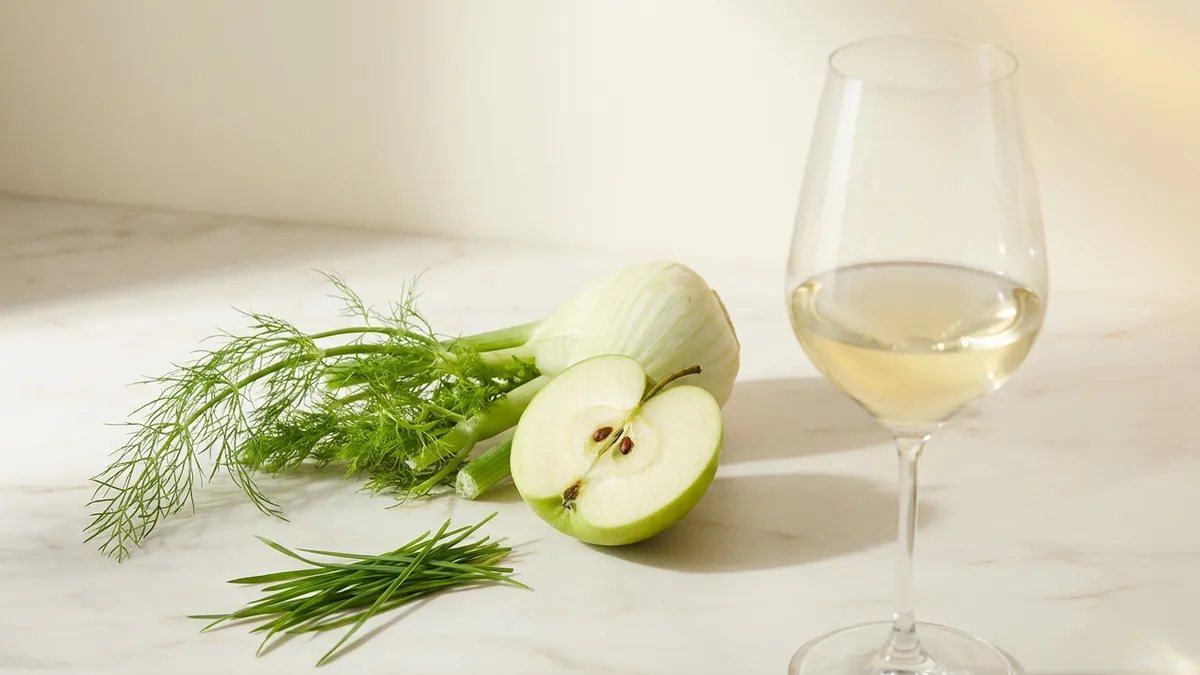
- Fennel and dried herbs — the dominant herbal note, more savory and softer than Sauvignon Blanc's grass
- Grapefruit and lime zest — bright citrus that drives the acidity
- Green apple and pear — clean orchard fruit
- Sometimes a Sauvignon-like grass note — especially in blends or warmer vintages
- White flowers — light blossom on younger wines
If you want to train your nose to recognize the bitter almond and fennel signature, the kind of step-by-step practice in our how to smell wine guide is the fastest way to get there. The Sommy app's aroma module includes a fennel-and-almond reference set that maps directly onto Verdejo.
Verdejo vs. Sauvignon Blanc: A Practical Comparison
The two grapes share enough territory that wine writers often shortcut Verdejo as "Spain's Sauvignon Blanc." That is useful as a first-pass label, but the differences are real and worth knowing — particularly because Rueda is one of the few places that grows both grapes side by side and even blends them.
Where They Overlap
Both Verdejo and Sauvignon Blanc share:
- High natural acidity
- Pale lemon-green color
- A pronounced herbal character
- Citrus-driven fruit
- Stainless-steel winemaking by default
- Best drunk young
For a longer comparison of Sauvignon Blanc against another white-wine giant, see the Chardonnay vs Sauvignon Blanc guide.
Where They Differ
Where the two grapes part ways:
- Texture. Verdejo is rounder and more savory on the palate. Sauvignon Blanc is sharper and more aggressive.
- Herbs. Verdejo's herbal character runs to fennel, dried green herbs, and a softer leafy note. Sauvignon Blanc runs to cut grass, gooseberry, asparagus, and tomato leaf.
- Finish. Verdejo's bitter-almond signature is the single most reliable identifier. Sauvignon Blanc finishes citrusy or grassy but never almond.
- Tropical fruit. Warm-climate Sauvignon Blanc (especially from Marlborough) leans into passionfruit and guava. Verdejo rarely goes there — its fruit stays in the citrus and orchard range.
A good blind-tasting exercise is to pour a Rueda Verdejo against a Sancerre and a Marlborough Sauvignon Blanc side by side. Within two sniffs the Marlborough will jump out for its tropical intensity, the Sancerre for its flinty restraint, and the Verdejo for that fennel-almond signature on the back palate. This kind of comparative work is one of the fastest ways to develop your wine palate.
Styles of Verdejo: From Fresh to Oak-Touched
Most Verdejo is made in one classic style, but two newer approaches are reshaping the category at the top end.
Fresh, Stainless-Steel Verdejo
This is the default — the wine that put Rueda back on the map after the 1970s revival. Grapes are harvested in the cool of night to preserve acidity, often by machine for speed, and pressed gently. Fermentation happens in temperature-controlled stainless-steel tanks at around 14 to 16 degrees Celsius, which preserves the volatile aromas that heat would burn off. The wine is bottled within a few months of fermentation and released the following spring.
The result is what most drinkers picture when they hear "Verdejo": pale, herbal, high-acid, with a clear bitter-almond finish. Drink at 8 to 10 degrees Celsius, ideally within two to three years of the vintage.
Lees-Aged Verdejo
A growing group of producers is now making richer Verdejos that spend extended time on the lees (the dead yeast cells left over after fermentation). Lees aging adds creaminess, a savory bread-dough note, and additional texture without obscuring the herbal-citrus character. These wines are often labeled with terms like "sobre lías" (on lees) or "fermentado en barrica" (barrel-fermented). They occupy a middle ground between classic fresh Verdejo and the new oak-touched style below.
Oaked and Aged Verdejo (Rueda Superior / Gran Vino)
The newest Verdejo style sees fermentation or aging in French oak, often paired with low yields from old vines and longer time in bottle before release. The category was formalized in 2019 with the Gran Vino de Rueda designation, which requires vines at least 30 years old, manual harvesting, lower maximum yields, and a minimum aging period before release.
These wines are richer, more concentrated, and structured to age five to ten years. Expect honey, beeswax, and a savory toasted note layered over the fennel and almond signature. They tend to cost more, but they expand what Verdejo can do beyond the drink-young everyday white.
Food Pairing: Spain on a Plate
Verdejo's high acidity, herbal-savory edge, and bitter-almond finish make it one of the most food-versatile whites on the Iberian peninsula. The grape was effectively designed for the Spanish table, and you can build a complete tapas menu around it.
Classic Spanish Pairings
- Gazpacho — the chilled tomato-and-vegetable soup is one of the all-time-great Verdejo matches. Acid meets acid, herbs meet herbs.
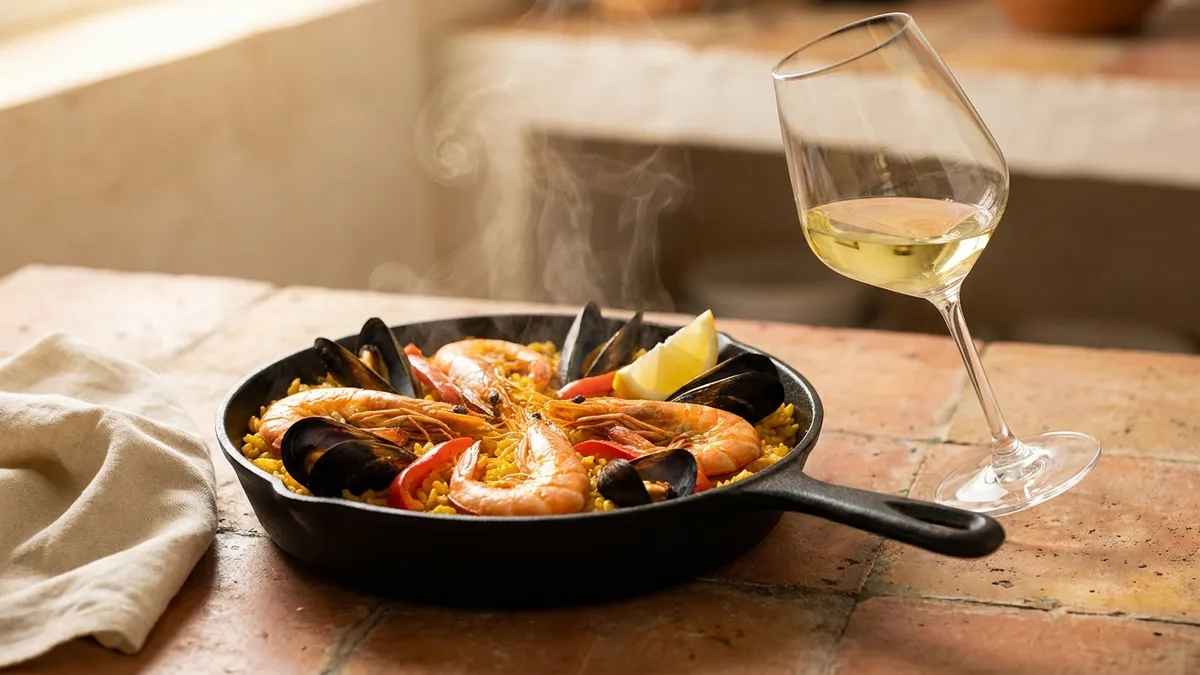
- Paella — particularly seafood paella or mixed paella with chicken and shellfish. The wine handles the saffron, the rice's umami, and the seafood without flinching.
- Grilled white fish — sea bass, hake, dorada. Verdejo is a brilliant alternative to Albariño here.
- Fried calamari and croquetas — high acidity cuts fried fat better than almost any other white.
- Manchego cheese — the salty, nutty sheep's-milk cheese sings with Verdejo's bitter-almond edge.
- Marcona almonds, jamón, olives — the standard Spanish bar snack lineup. Verdejo is the wine the bar pours for a reason.
Beyond Spain
Verdejo is increasingly recognized as a great match for cuisines built around fresh herbs and citrus:
- Sushi and sashimi — a clean oak-free white with high acidity is ideal
- Thai-style salads — the fennel and herbal notes echo coriander and lemongrass
- Ceviche — citrus on citrus
- Goat cheese and feta — acidity matches acidity
- Salads with strong dressings — Verdejo refuses to be flattened by vinegar
For a broader framework on matching wines to dishes across cuisines, see the wine and food pairing guide and the dedicated wine with seafood piece. The Sommy app's pairing modules walk through these principles step by step, with practice exercises that help you taste how acidity interacts with different ingredients. You can find the courses at sommy.wine.
How to Taste Verdejo Like a Pro
The classic Spanish service temperature for Verdejo is around 8 to 10 degrees Celsius — chilled but not ice-cold. Below 6 degrees the aromatics shut down, and the bitter-almond note disappears entirely. Above 12 the wine starts to feel flabby.
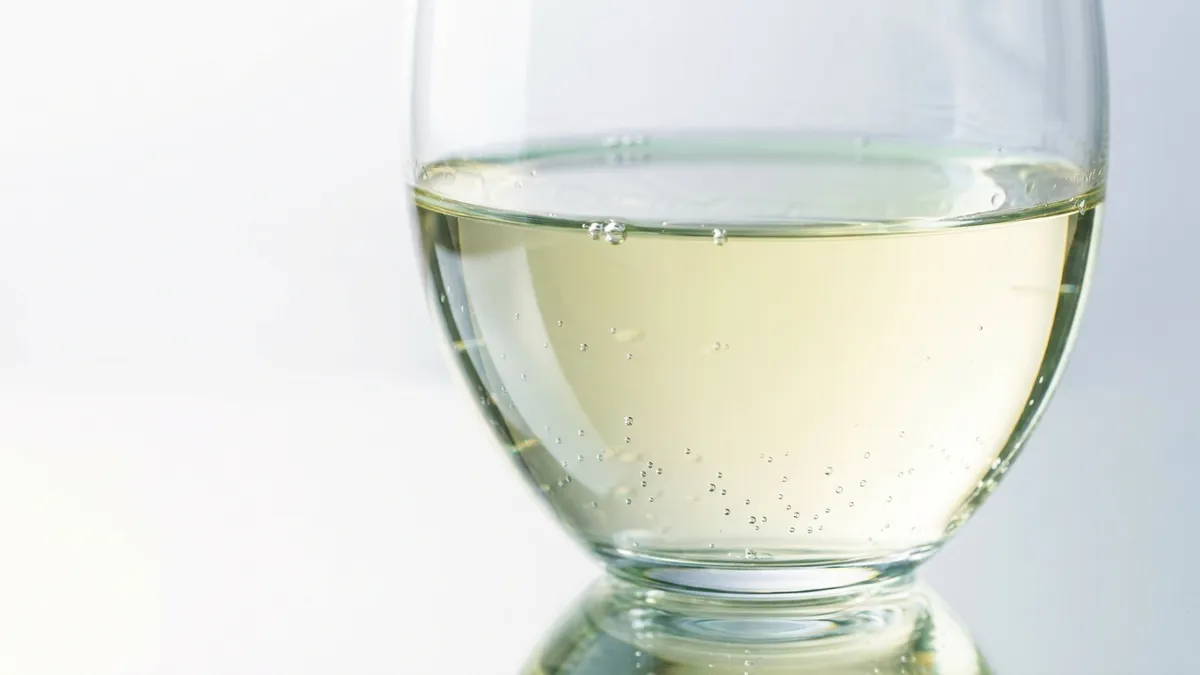
Pour into a standard white wine glass. Look at the color first — a properly fresh Verdejo should be pale lemon-green with a faint silvery rim. Bring the glass to your nose without swirling and look for the herbal-citrus core. Swirl gently and re-smell. The fennel and bitter-almond notes often emerge most clearly on the second pass.
On the palate, focus on three things: the acidity (should be mouth-watering), the texture (light to medium body, often with a faint creamy edge from short lees contact), and the finish. The bitter-almond signature should arrive in the last second of the finish — clean, refreshing, with a savory linger that pulls you back for another sip.
For a structured walkthrough of white-wine evaluation, see the how to taste white wine guide. The same framework applies directly to Verdejo, with the bitter almond as the marquee identifier.
Why Verdejo Is Underrated Globally
Verdejo punches above its weight internationally for three reasons. First, the grape is geographically concentrated — almost all quality Verdejo comes from one region, which limits global exposure compared to widely planted grapes like Sauvignon Blanc. Second, Spanish wine has historically been underexported in white-wine markets. Third, the bitter-almond signature is unfamiliar enough that some drinkers initially mistake it for a flaw rather than a feature.
All three are dissolving. Rueda DO exports have grown steadily for two decades. The Gran Vino de Rueda category formalized in 2019 gives the region a top tier that competes with premium white Burgundy. As more drinkers learn the bitter-almond signature, Verdejo's reputation has shifted from "cheap supermarket Spanish white" to one of Europe's most distinctive value whites. It sits in the same flavor neighborhood as Sauvignon Blanc and Grüner Veltliner — but with a finish no other grape produces.
Getting Started With Verdejo
For a first taste, choose a standard Rueda Verdejo from a recent vintage. These bottles are typically affordable, dry, and clearly show the fennel and bitter-almond signature. Open cold, pour into a white-wine glass, and pair with anything from a green salad to a plate of jamón and manchego.
From there, the natural progression is to taste a basic Rueda Verdejo against a Rueda Verdejo–Sauvignon Blanc blend from the same producer. The blend is greener and grassier, the pure Verdejo is more savory and almond-driven. The Gran Vino de Rueda tier is the next step up: an oaked, aged, structured Verdejo that rewires what you thought the grape could do.
Verdejo rewards curiosity. Once you have learned the bitter-almond finish, you will spot it on wine lists everywhere — and you will have found a Spanish white that goes with everything from Tuesday-night sushi to a full paella spread.
Frequently Asked Questions
What does Verdejo taste like?
Verdejo wine shows pale lemon-green color, lively grapefruit and green apple, fresh fennel and dried herbs, and a distinctive bitter-almond note on the finish. Acidity is high and the body is light to medium, with alcohol typically around 12 to 13 percent. The bitter-almond signature is what most clearly separates Verdejo from Sauvignon Blanc and Albariño.
Where does Verdejo come from?
Verdejo is the flagship grape of the Rueda DO in Castilla y León, on Spain's central plateau roughly 170 kilometers northwest of Madrid. Vineyards sit at high altitude between 700 and 900 meters, planted on stony cobblestone and sandy soils. The continental climate brings hot summers, cold winters, and dramatic day-night temperature swings that preserve acidity.
How is Verdejo different from Sauvignon Blanc?
Both grapes share a herbal, citrus profile and high acidity, which is why the two are often blended in Rueda. The differences are texture and finish. Sauvignon Blanc tends to be sharper and more aggressive, with cut-grass and passionfruit notes. Verdejo is rounder on the palate, more savory and herbal, and finishes with a signature bitter almond that Sauvignon Blanc never produces.
Should Verdejo be drunk young or aged?
Most Verdejo is at its best within one to three years of the vintage. The grape's appeal is freshness — bright fruit, vibrant herbs, and zippy acidity. A small group of producers now make oak-aged or extended-lees-aged Rueda Superior bottlings designed to age five to ten years, but standard Verdejo should be opened young while the aromatics are alive.
What food pairs best with Verdejo?
Verdejo handles cuisines that defeat heavier whites. Try it with gazpacho, paella, grilled white fish, fried calamari, oysters, ceviche, and Manchego cheese. The bitter-almond note bridges to salty marcona almonds, jamón, and olives. The high acidity and herbal edge also work brilliantly with sushi, Thai-style salads, and dishes built around fresh herbs and citrus.
Why was Verdejo nearly extinct in the 1970s?
By the 1970s, decades of bulk-wine production and a shift toward fortified wines had reduced quality Verdejo plantings to a small fraction of Rueda's vineyard area. The turning point came in 1972 when the Marqués de Riscal team from Rioja partnered with French winemaker Émile Peynaud to introduce stainless-steel cool-fermentation techniques. Modern Rueda was effectively rebuilt around the rescued grape from that point forward.
Is Verdejo a good value wine?
Verdejo is one of the strongest value categories in white wine. Quality entry-level Rueda DO bottles deliver structure, aromatics, and a clear sense of place at prices that consistently undercut comparable Sauvignon Blanc from the Loire or Marlborough. Premium Rueda Superior wines remain reasonable as well, which makes Verdejo an easy recommendation for anyone exploring Spanish whites on a budget.
Sommy Team
LinkedInFounder & Wine Educator
The Sommy Team is building the world's most approachable wine education app, helping beginners develop real tasting skills through structured courses and AI-guided practice.