Fiano Wine Guide: Southern Italy's Aromatic White

By the Sommy Team — AI-assisted, human-edited.
Updated Apr 29, 2026
Contents (11)
- What Is Fiano, in 100 Words
- Why Fiano Wine Deserves Your Attention
- A Grape With Roman Roots
- The Sensory Profile
- Fiano di Avellino DOCG: The Flagship
- Fiano vs Greco di Tufo vs Vermentino
- Drink Young or Cellar: Two Approaches
- Food Pairings: Built for the Campanian Table
- Where Else Fiano Grows
- How to Build Fiano Confidence
- Southern Italy's Most Serious White
TL;DR
Fiano is an ancient Southern Italian white grape native to Campania, producing medium gold wines with medium-high acid, ripe pear, hazelnut, honey, and smoke. Famously age-worthy for a southern white, top examples cellar 10 years. The flagship is Fiano di Avellino DOCG, grown on volcanic soils, praised by Roman writers two millennia ago.
What Is Fiano, in 100 Words
Fiano wine is an ancient Southern Italian aromatic white from the Fiano grape, native to Campania, the region south of Naples. The grape produces medium gold wines with medium-high acidity, 13 to 13.5 percent alcohol, and a signature aromatic profile of ripe pear, hazelnut, honey, dried herbs, and smoke. Its flagship appellation is Fiano di Avellino DOCG, grown on volcanic-influenced soils in the hills around the town of Avellino. Roman writers praised it 2,000 years ago. Famously age-worthy for a southern white — the best examples cellar 10 years or more, a rare trait for the region.
Why Fiano Wine Deserves Your Attention
Most Southern Italian whites are built for one job — drink them young, drink them cold, drink them with seafood. Fiano wine breaks that pattern. It is one of the few whites from the Italian south with serious aging potential, and the only Campanian white routinely compared to age-worthy classics like Riesling and white Burgundy.
That alone would make it interesting. What makes it remarkable is the history. The grape has been growing on the slopes around Avellino for at least two millennia, and the wines made from it have been praised in writing since Roman times. Pliny the Elder, writing in the first century, mentioned the wines of the area with approval. The grape's Latin name, Apianum, translates roughly to "beloved by bees" — a nod to how heavily insects fed on its ripe, honeyed berries.
Today, Fiano sits alongside Greco di Tufo at the top of Southern Italy's white-wine hierarchy, and it offers something neither Vermentino nor Pinot Grigio can match — a textured, nutty, age-worthy white that tastes unmistakably of its volcanic home. For drinkers working through Italian wine systematically, Fiano is the bottle that proves Southern Italy is not just a place for sun-soaked everyday drinkers.
A Grape With Roman Roots
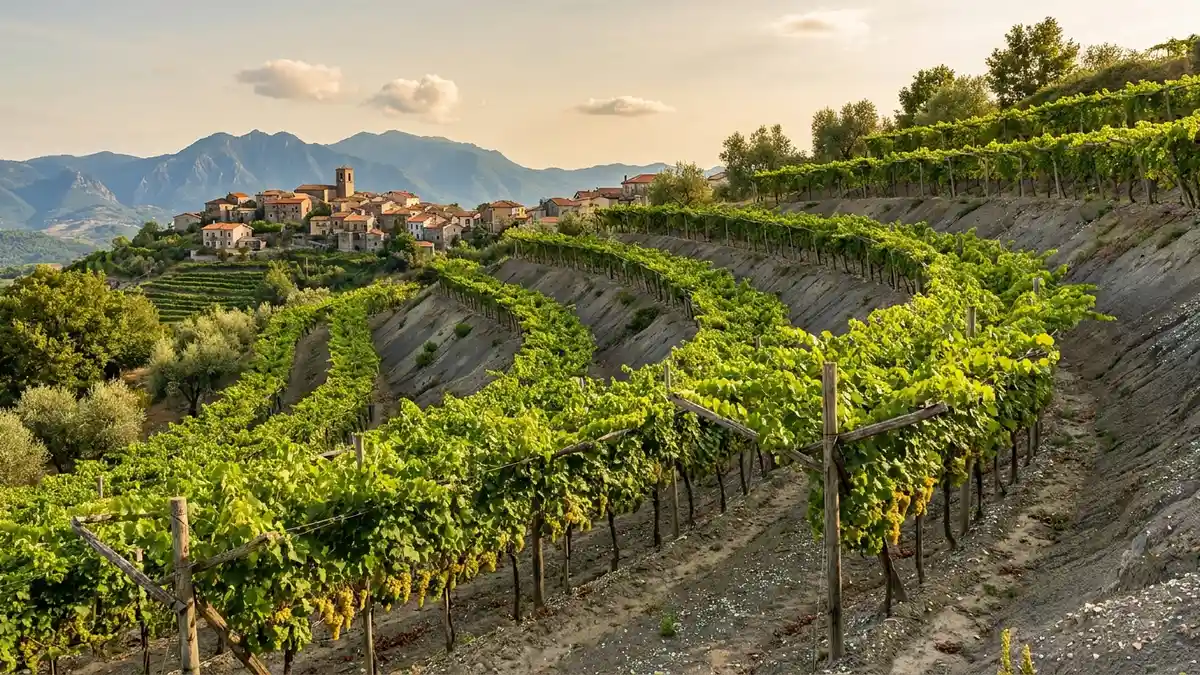
The origin story is unusually well documented. Fiano was one of the principal grapes of Apianum, an ancient wine that Roman writers praised for its honeyed character and ability to improve with age. Vines have been cultivated continuously in the hills around Avellino since at least the Roman period, with the grape's identity preserved through centuries of local farming.
By the Middle Ages, Fiano had become associated specifically with the Irpinia zone — the inland hill country east of Naples that includes Avellino. The grape thrived on the area's mix of volcanic ash, clay, and limestone soils, and the cool nights preserved acidity even in warm summers. Local monasteries and noble estates kept the variety alive through phylloxera and the upheavals of the 20th century.
The grape's modern revival began in earnest in the 1970s and 1980s, when a small group of Campanian producers focused on rebuilding quality reputation for the region's native varieties. Fiano di Avellino DOCG was created in 2003, sealing the grape's status as one of Southern Italy's most serious whites.
The Sensory Profile
Knowing what to look for in the glass turns a casual sip into useful tasting practice. Fiano has a clear, repeatable profile, with style shifts depending on age and producer choices.
Color
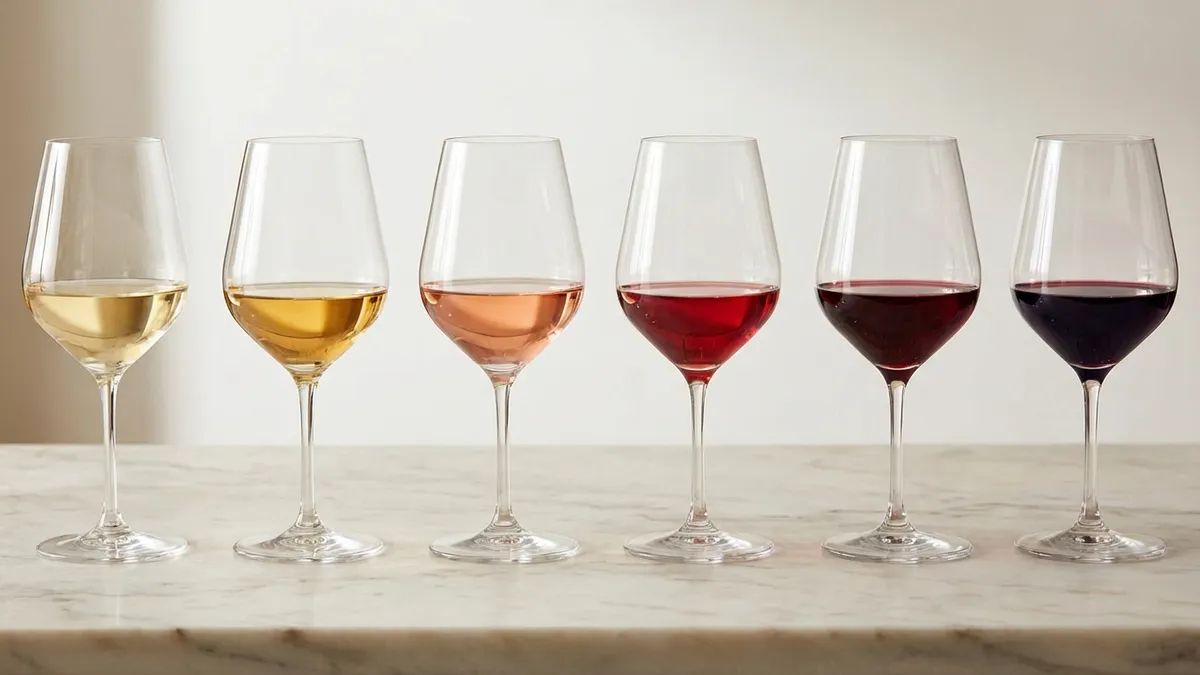
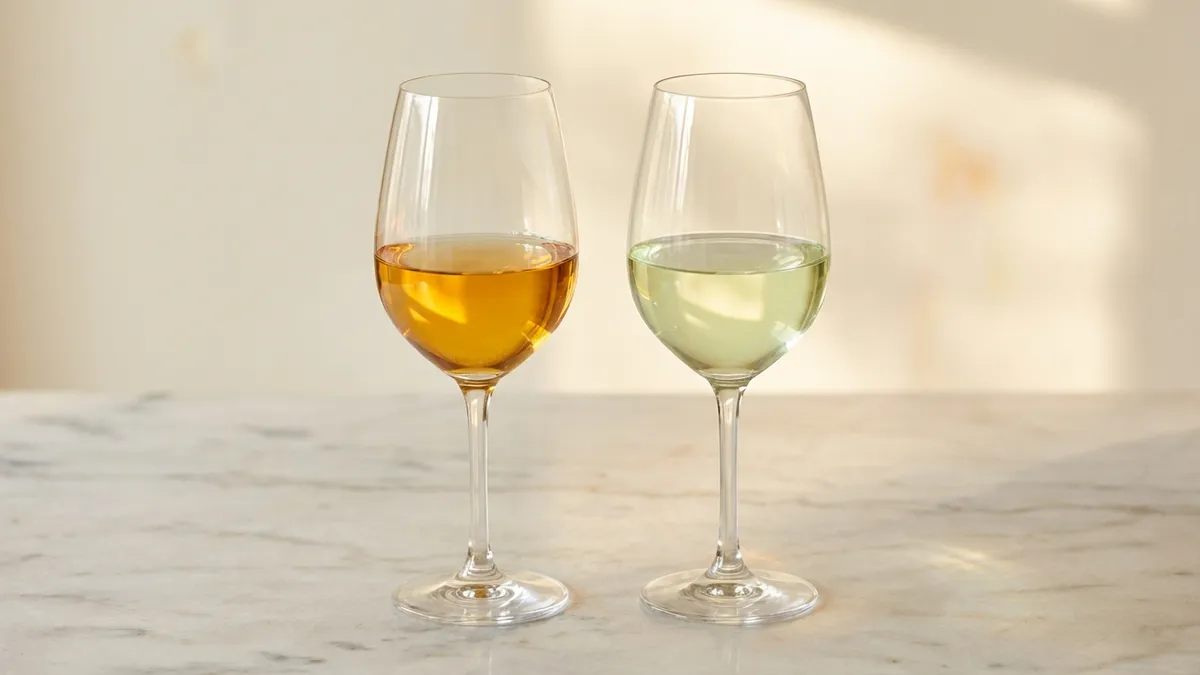
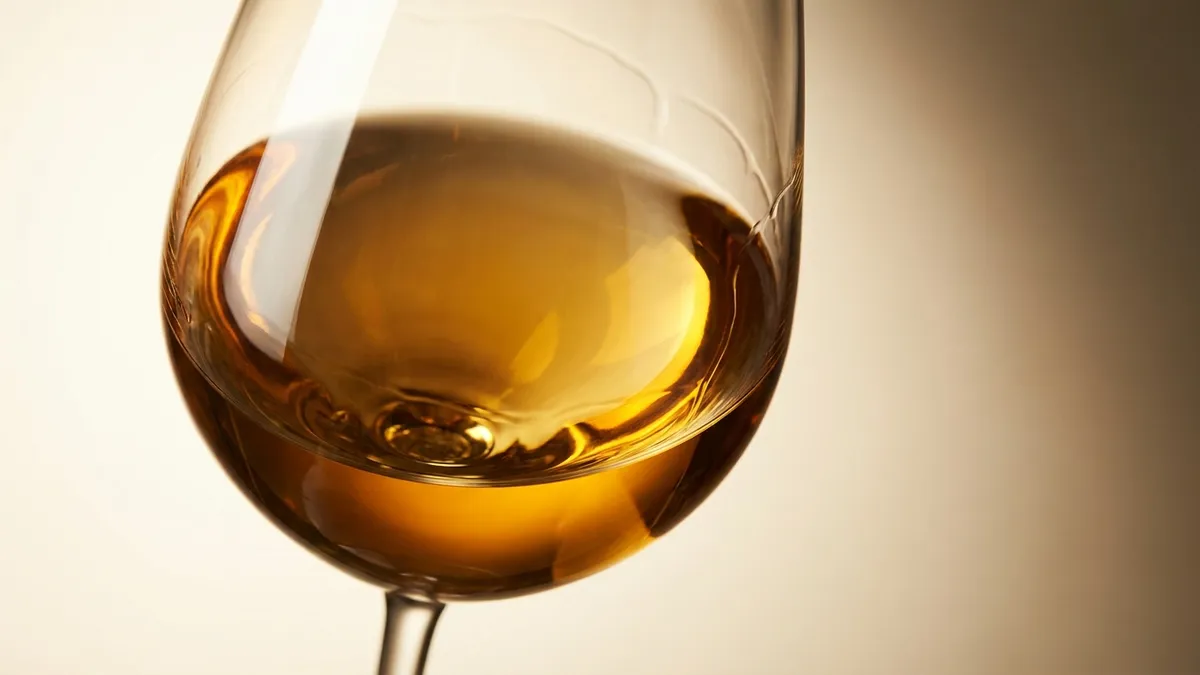
Medium gold, often with a faint greenish edge in young examples and a deeper amber tone with age. Fiano is darker than most Italian whites at release — that extra pigment comes from the grape's thick skins and the wine's natural texture. If you are unsure how to read color, our wine color and age guide explains why young whites are pale and what changes with bottle age.
Aroma
Three aromatic layers tend to surface:
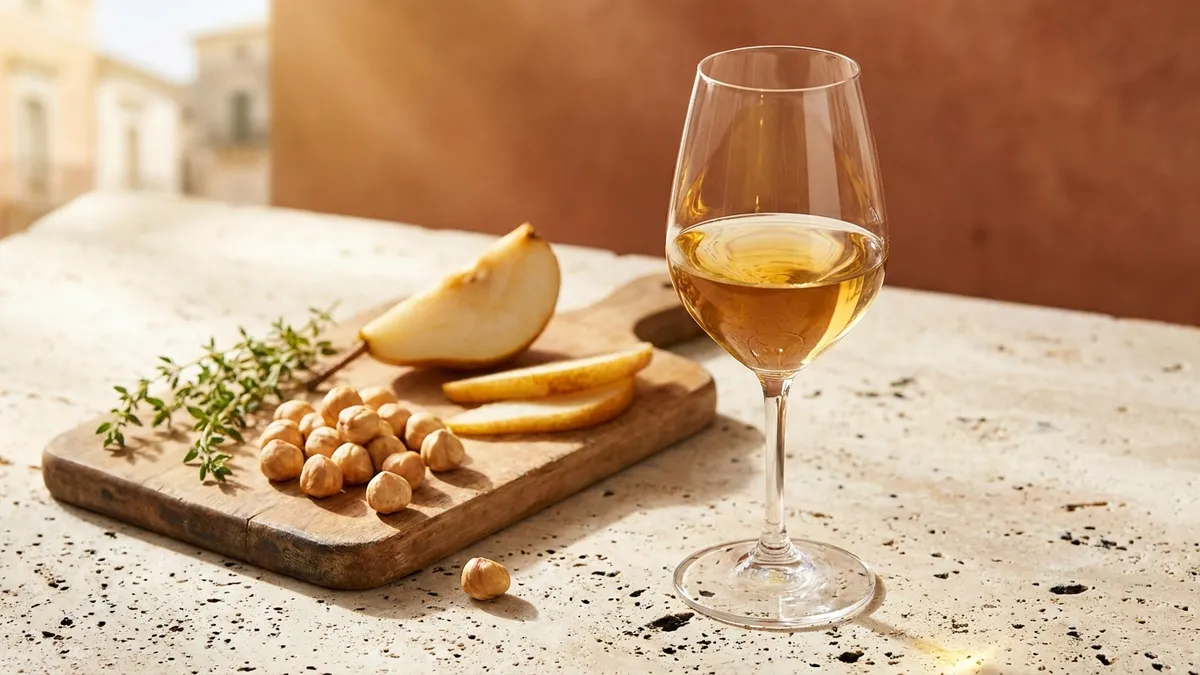
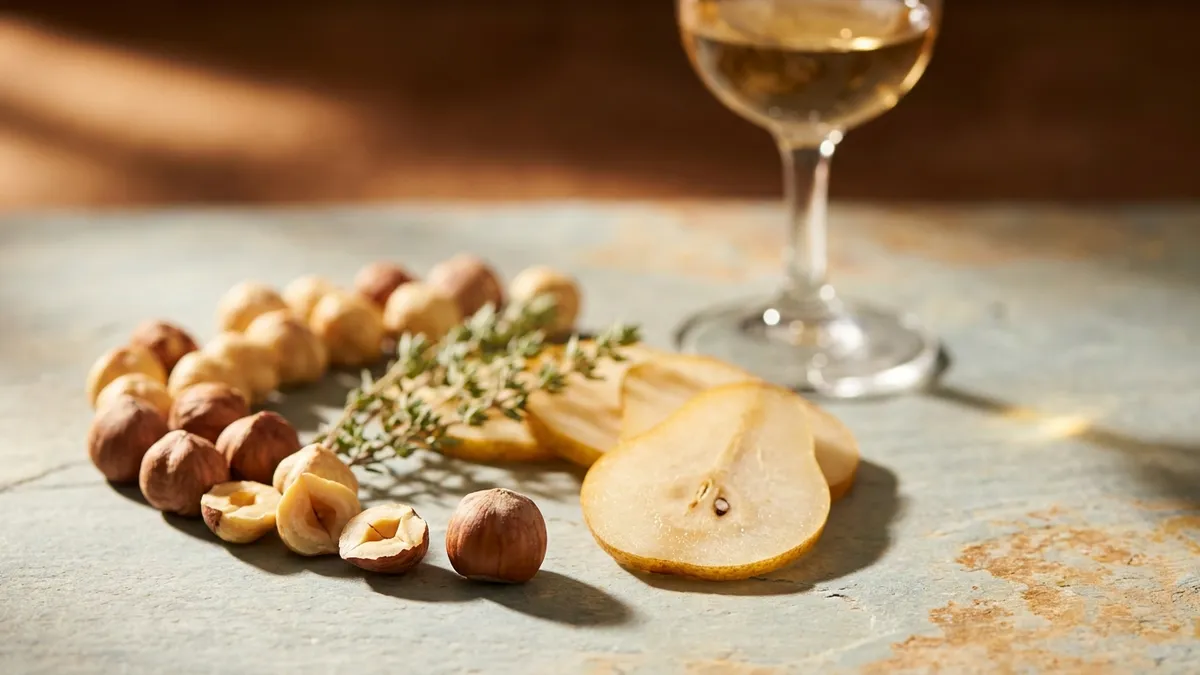
- Orchard fruit and nuts — ripe pear, baked apple, hazelnut, sometimes a faint walnut note in older bottles
- Honey and floral — orange blossom, honeysuckle, beeswax, pronounced in warm vintages
- Smoke and herbs — dried thyme, fennel seed, a faint smoky or flinty lift from volcanic soil influence
With age, Fiano develops kerosene, toasted hazelnut, and beeswax notes that recall fine aged Riesling. The transformation is one of the grape's signatures — and one of the reasons Fiano rewards a few years of patience in the cellar.
Palate
Dry. Medium to full body. Medium-high acidity. Alcohol typically lands between 13 and 13.5 percent, with riper vintages reaching 14. The texture is the giveaway — Fiano carries more weight and roundness than the lean coastal whites of Sicily or Sardinia, and that mid-palate fullness is what distinguishes the grape on first sip.
The finish is long, slightly bitter, and almost always carries a nutty echo. That bitter twist on the finish is a signature of the grape, not a flaw. For more on how to read these structural cues, our explainer on understanding tannins, acidity, body walks through the framework professional tasters use.
Fiano di Avellino DOCG: The Flagship
The reference point for the grape is Fiano di Avellino DOCG, granted top-tier status in 2003. The appellation covers vineyards in 26 communes in the province of Avellino, in the Irpinia zone of inland Campania. The terroir does most of the work — vineyards sit at 300 to 700 meters of elevation, on a mix of volcanic ash, clay, and limestone, with cool nights that preserve acidity through the long ripening season.
The volcanic influence comes from nearby Mount Vesuvius and the broader Campanian Plain, which spread layers of ash across the surrounding hills over millions of years. That mineral-rich soil is part of what gives the wine its smoky, slightly flinty character. To understand why volcanic vineyards taste different from limestone or clay sites, see our guide to how soil affects wine taste.
DOCG rules require minimum 85 percent Fiano in the blend, with a small allowance for other approved Campanian whites. Most producers bottle 100 percent Fiano. Aging requirements are minimal — the wines are typically released the spring after harvest — but some estates hold their top bottlings for an extra year on the lees.
Fiano vs Greco di Tufo vs Vermentino
If you have already worked through Southern Italian whites, the three grapes worth comparing side by side are Fiano, Greco di Tufo, and Vermentino.
- Fiano — medium gold, rounder, nuttier, smokier, with honey and orchard fruit. Ages 5 to 10 years.
- Greco di Tufo — paler, sharper, more citrus and white peach, with cutting acid. Drinks young to medium term.
- Vermentino — pale lemon, leaner, more saline and herbaceous, with bitter almond on the finish. Drink within three years.
All three are dry, all three pair with Mediterranean seafood, and all three reward attentive drinkers. Where they differ is in weight, aging trajectory, and aromatic emphasis. For a deeper look at the closest cousin, our vermentino wine guide walks through the coastal Mediterranean alternative in detail.
A simple way to learn the distinctions is to open all three on the same evening. The Sommy app builds this kind of comparative tasting into its Italian wine course, with guided sessions designed to train your palate to spot regional signatures across native grape varieties.
Drink Young or Cellar: Two Approaches
Fiano is unusual because both approaches work, depending on the bottle.
Young Fiano (1 to 3 years from vintage)
Most everyday Fiano di Sardegna, Fiano di Puglia, and entry-level Avellino bottlings are built to drink young. Expect bright pear, fresh hazelnut, citrus lift, and a clean smoky finish. These wines pair effortlessly with summer seafood, antipasti, and Mediterranean cooking. Drink within three to five years of the vintage.
Aged Fiano (5 to 10+ years from vintage)
Top Fiano di Avellino, especially from cooler vintages and lees-aged bottlings, can develop for a decade or more. With age, the wine deepens to amber gold, the fruit shifts from fresh pear to baked apple and quince, and tertiary notes of kerosene, beeswax, dried apricot, and toasted nuts emerge. The texture becomes denser and more honeyed.
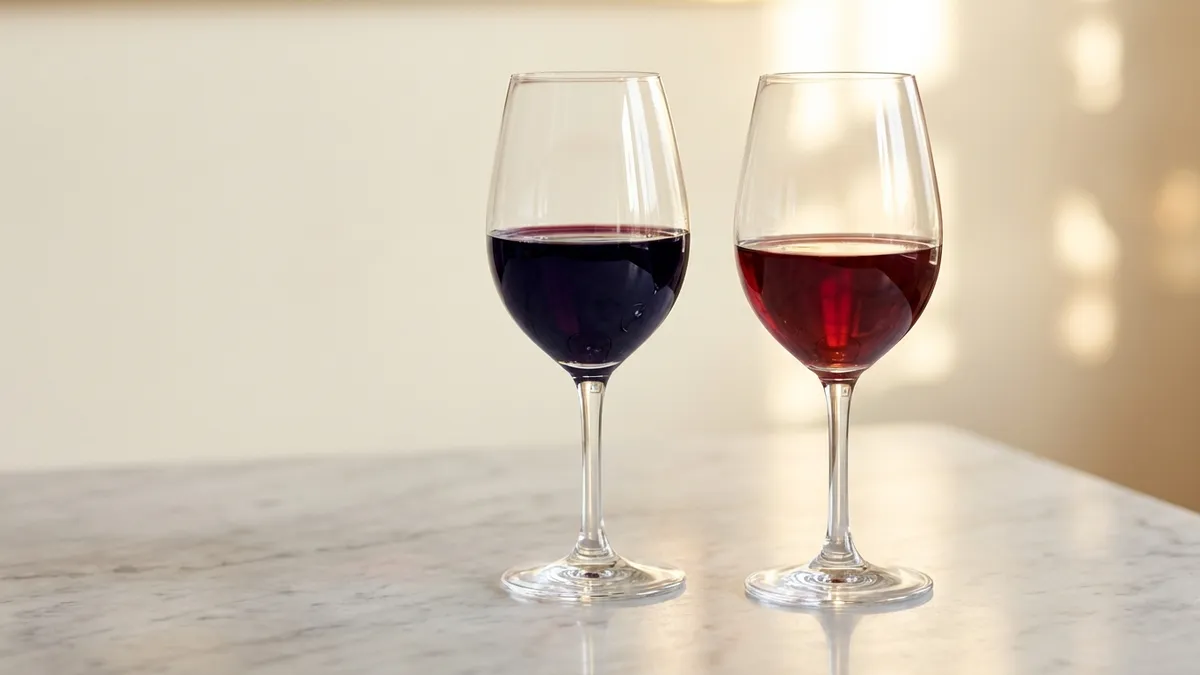
This aging trajectory is rare for Southern Italian whites and rare for Italian whites generally. To understand how the experience of an aged white differs from a young one, our guide to tasting young versus aged wine covers the underlying principles.
If you are starting out, do not stress about the cellar. Buy a couple of bottles of a single producer's Avellino across two or three vintages, drink one young, and tuck the others away for five years. The change between bottles is the lesson.
Food Pairings: Built for the Campanian Table
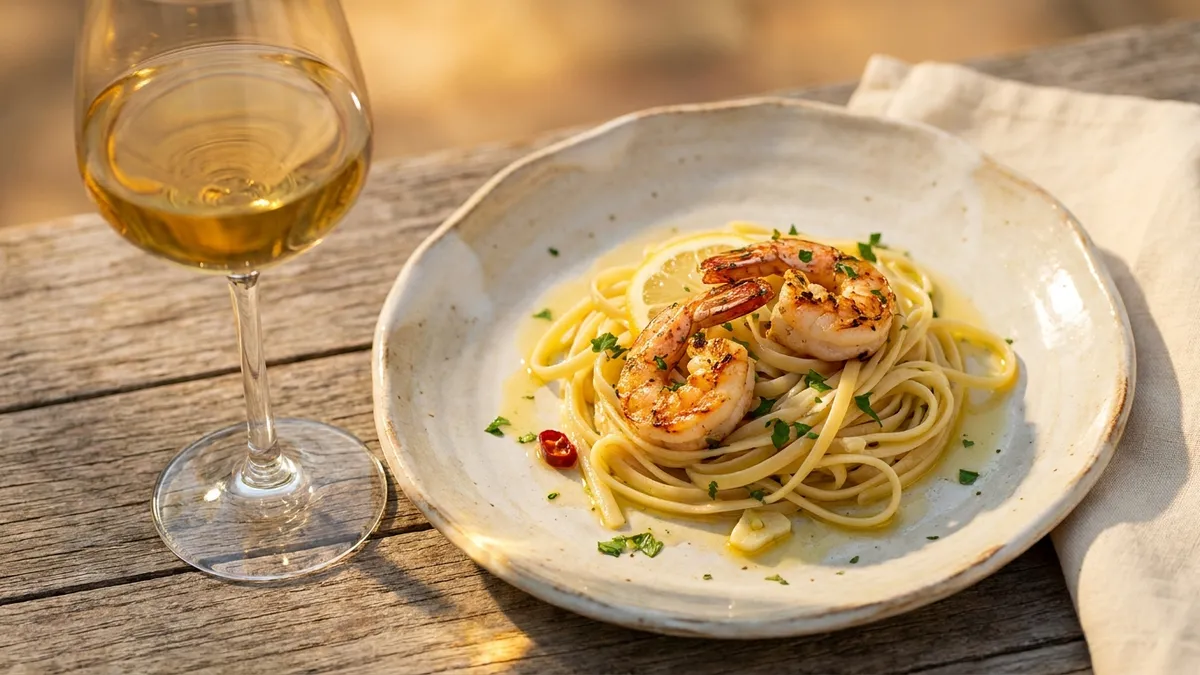
Fiano is a grown-up white. It has the weight to handle dishes that would crush Pinot Grigio, and the acid to cut through cream and butter without going flabby. That makes it a strong choice for wine with carbonara made with cream.
Strong Pairings
- Seafood pasta — spaghetti alle vongole, linguine with lobster, seafood risotto
- Grilled fish — branzino, sea bass, swordfish, tuna
- Mozzarella di bufala — the Campanian classic, ideal alongside its native white
- Cured meats and antipasti — prosciutto di Parma, mortadella, marinated artichokes
- Hard aged cheeses — pecorino, aged provolone, parmigiano
- Roast chicken or turkey — Fiano's body and nuttiness shine with poultry
- Hazelnut-driven dishes — pasta with hazelnut pesto, hazelnut-crusted fish, chestnut soup
The principle echoes what we cover in wine with seafood — coastal whites pair beautifully with marine proteins, but Fiano's extra weight and texture also opens up creamier and richer preparations that lean coastal whites cannot match.
Weaker Pairings
Fiano is not built for very spicy dishes, intensely sweet preparations, or red meat. Its bitter finish amplifies heat rather than cooling it. For fiery food, an off-dry Riesling or Gewurztraminer is a more forgiving option.
Where Else Fiano Grows
While Campania is the heartland, Fiano has spread to other warm-climate Italian regions and a handful of New World experiments.
- Sicily — produces a riper, fuller Fiano with more tropical fruit and softer acid, often blended with native Sicilian whites
- Puglia — warmer climate gives generous, fruit-forward Fiano with less of the smoky volcanic edge
- Australia — small plantings in McLaren Vale and similar warm-climate zones produce intriguing examples that emphasize the grape's pear and honey notes
- California — a handful of producers in Lodi and Paso Robles experiment with the grape, with promising early results
None of these match the structure or aging potential of Fiano di Avellino, but they are worth tasting to see how the same grape responds to different climates and soils. The pattern is consistent across grape varieties — read climate and wine flavor for the broader framework.
How to Build Fiano Confidence
A simple three-bottle plan teaches the grape efficiently:
- One Fiano di Avellino DOCG — the volcanic flagship, ideally a recent vintage
- One Sicilian or Pugliese Fiano — the warmer, fruitier mainland version
- One Fiano di Avellino with 5 to 8 years of bottle age — the proof of why this grape ages
Open them on the same evening with a Campanian-leaning spread — mozzarella di bufala, prosciutto, lemon-and-herb pasta, grilled fish. The differences between regions and ages become obvious side by side, and you start to recognize the common thread — that nutty, smoky, honeyed signature that runs through every glass.
The Sommy app walks you through structured comparative tastings of this kind, training your palate to spot recurring regional signatures across native varieties. The Italian wine course in particular includes exercises focused on Campanian whites, helping you build pattern recognition the way a sommelier learns it.
Southern Italy's Most Serious White
Fiano is not the loudest grape in Southern Italy, and it does not carry the everyday accessibility of Pinot Grigio or the coastal charm of Vermentino. What it offers is something rarer — a Southern Italian white with real weight, real complexity, and a real cellar trajectory, grown on volcanic soils that have been making wine since Roman times.
For drinkers ready to move past the lighter, simpler Italian whites and discover what the south can do at its most serious, Fiano is the obvious next bottle. Whether you find it labeled Fiano di Avellino DOCG, Fiano di Sicilia, or under one of its New World experiments, you are reaching for the same ancient grape and the same idea — a white that tastes of where it grew, that pairs effortlessly with the food of those same hills, and that improves with the kind of patience usually reserved for red wine.
Drink it with mozzarella, drink it with hazelnuts, drink it with grilled fish and lemon. And if you find a producer you love, buy two bottles and tuck one away for five years. The grape will do the rest.
Frequently Asked Questions
What does Fiano wine taste like?
Fiano tastes like ripe pear, hazelnut, honey, and dried herbs, with smoky volcanic minerality and medium-high acidity. The body is medium to full, alcohol typically 13 to 13.5 percent, and the finish carries a distinctive nutty bitterness. With age, Fiano develops kerosene, beeswax, and toasted nut notes that recall fine aged Riesling.
Where is Fiano wine from?
Fiano is native to Campania in Southern Italy, the region south of Naples. Its flagship appellation is Fiano di Avellino DOCG, grown on volcanic and clay soils in the hills around Avellino. The grape is also planted in Sicily, Puglia, and a small number of warm-climate experiments in Australia and California.
Can Fiano wine age?
Yes, and that is what makes Fiano unusual. Most Southern Italian whites are built to drink young, but top Fiano di Avellino can cellar for 10 years or longer. With bottle age the wine deepens in color, gains kerosene and beeswax notes, and develops a complexity comparable to aged Riesling. Drink everyday Fiano within three to five years.
What food pairs with Fiano wine?
Fiano pairs beautifully with Mediterranean seafood, antipasti, hard cheeses, and richer white-wine dishes. Strong matches include grilled fish, seafood pasta, mozzarella di bufala, prosciutto, aged pecorino, roast chicken, and dishes with hazelnuts or chestnuts. Its weight and nuttiness handle creamier preparations that would overwhelm a lighter Italian white.
How is Fiano different from Greco di Tufo?
Both are Campanian whites grown on volcanic soils, but Fiano is rounder, nuttier, and more textured, with honey and ripe pear notes. Greco di Tufo is leaner, sharper, and more mineral-driven, with citrus and white peach. Fiano ages better. Greco shows more immediate cut and brightness. Many Campanian wine drinkers keep both at the table.
Is Fiano dry or sweet?
Fiano is almost always dry. The grape produces wines with low to no residual sugar, medium-high acidity, and a slightly nutty, herbal finish that reinforces the dry impression. Sweet styles exist but are rare and usually labeled as passito or late harvest. If a bottle does not specify, assume it is fully dry.
How old is Fiano wine?
Fiano is one of the oldest documented grape varieties in Italy. Roman writers including Pliny the Elder praised wines from the Avellino area roughly 2,000 years ago, and the grape's name is thought to derive from the Latin Apianum, meaning beloved by bees, a reference to how heavily insects fed on the ripe berries.
Sommy Team
LinkedInFounder & Wine Educator
The Sommy Team is building the world's most approachable wine education app, helping beginners develop real tasting skills through structured courses and AI-guided practice.