Trousseau: The Delicate Jura Red Making a Comeback

By the Sommy Team — AI-assisted, human-edited.
Updated Jun 17, 2026
Contents (9)
TL;DR
Trousseau is a pale, perfumed, light-bodied red grape from France's Jura region in the east. It delivers red cherry, cranberry, rosehip, and savory earth on a frame of high acidity and light tannin. A natural-wine favorite, it is best served slightly chilled and is often compared to Pinot Noir.
What Is Trousseau Wine?
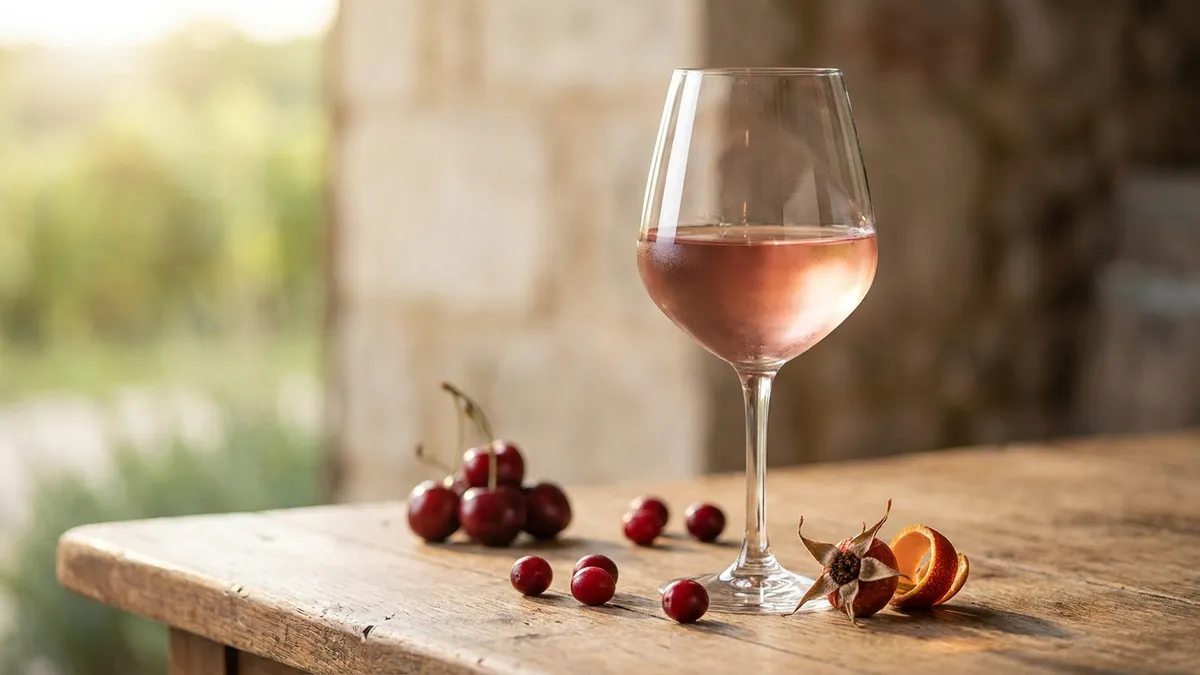
Trousseau is a pale-skinned red grape from the Jura, a small, cool wine region in eastern France tucked between Burgundy and the Swiss Alps. It produces a trousseau wine Jura drinkers prize for being light-bodied, intensely perfumed, and built on high acidity rather than weight — think red cherry, cranberry, rosehip, and a savory, earthy edge in a glass so pale you can read a label through it.
For most of the last century, Trousseau was a regional curiosity, planted on a few hundred hectares and rarely seen outside France. That changed as the natural-wine movement put the Jura on the map. Today Trousseau is one of the most sought-after light reds among adventurous drinkers, a grape that proves a red wine can be delicate, food-friendly, and refreshing rather than big and brooding.
The grape travels under other names abroad. In Portugal it is Bastardo, a traditional component of Port and Douro reds. In northwest Spain it is Merenzao (also Verdejo Negro), grown in Galicia and Bierzo. Same grape, three identities — a quiet reminder that one of the world's most pursued indigenous grapes worth trying hid in plain sight for generations.
Trousseau Wine in 100 Words
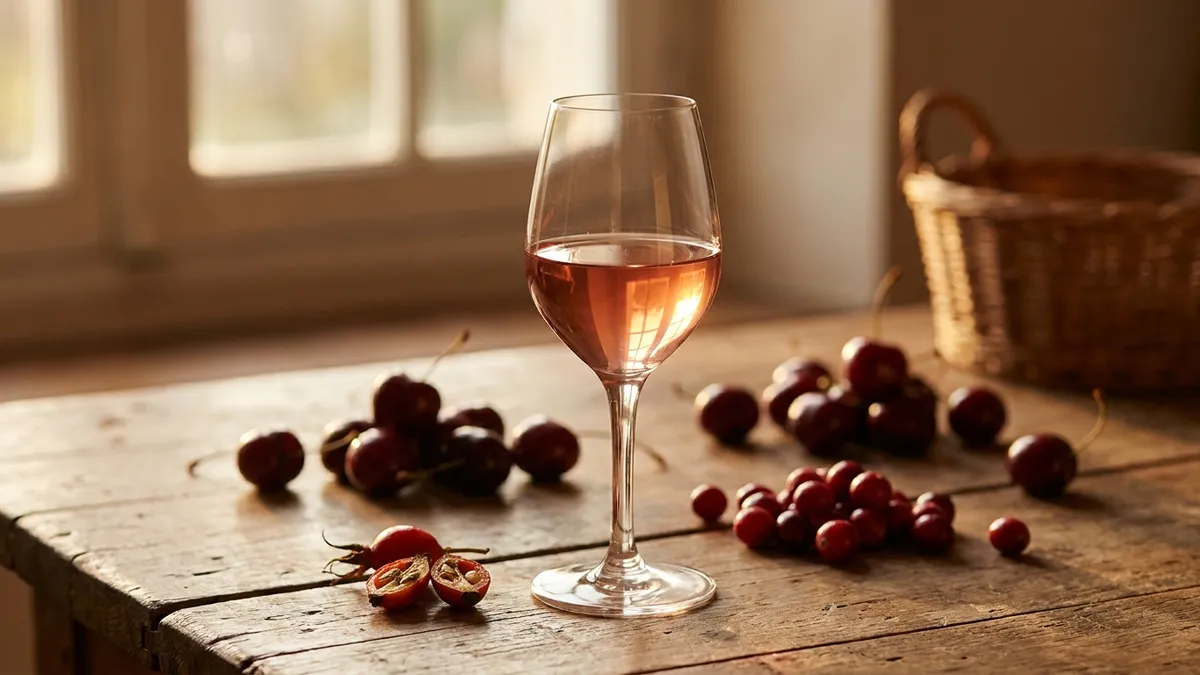
Trousseau wine is a pale, light-bodied dry red built on red cherry, cranberry, rosehip, blood orange, and a savory, earthy, sometimes smoky undertone. It carries high acidity and light, fine-grained tannins, giving a bright, almost weightless feel best enjoyed slightly chilled. Grown mainly in France's Jura on roughly a few hundred hectares — plus Portugal as Bastardo and Spain as Merenzao — it ripens late and needs warm, gravelly sites. A natural-wine icon, it favors low-intervention winemaking that protects its perfume. Tasters often compare it to a lighter, more savory Pinot Noir. Alcohol typically sits around 12 to 13.5 percent.
Trousseau Tasting Notes and Flavor Profile
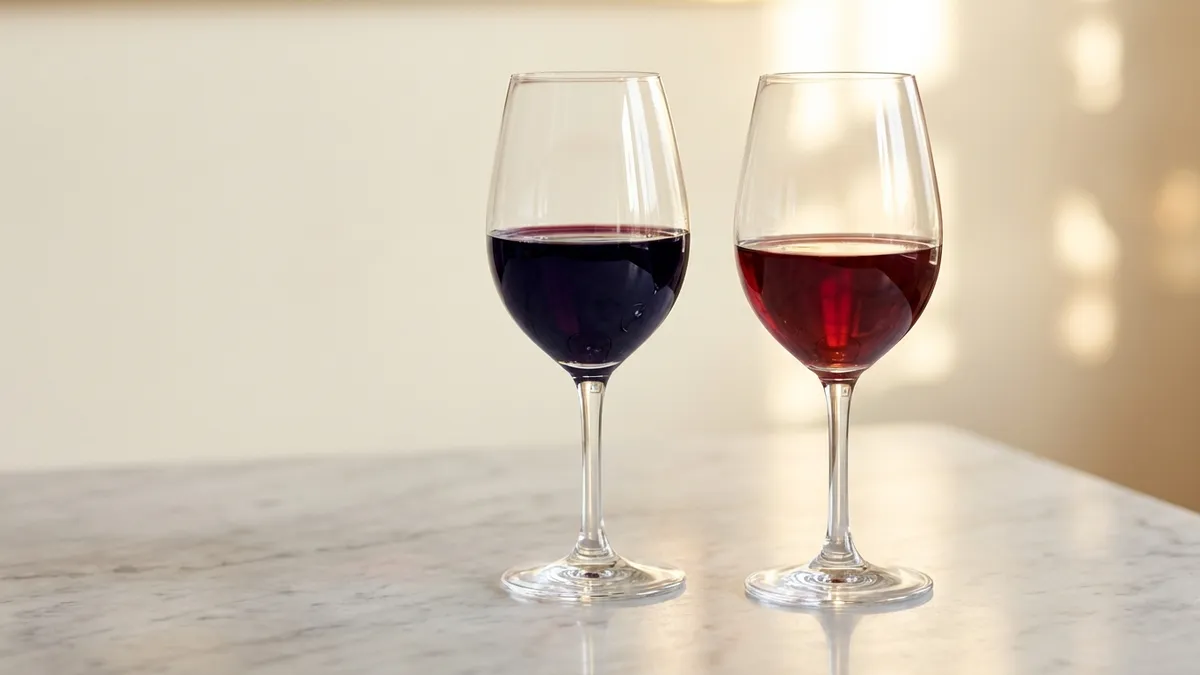
Trousseau is the rare red that asks you to think in terms of fragrance and brightness rather than power. The first thing most people notice is the color — a translucent, light ruby that looks more like a dark rosé than a conventional red. The second is the perfume, which is high-toned, floral, and lifted.
The Core Flavors
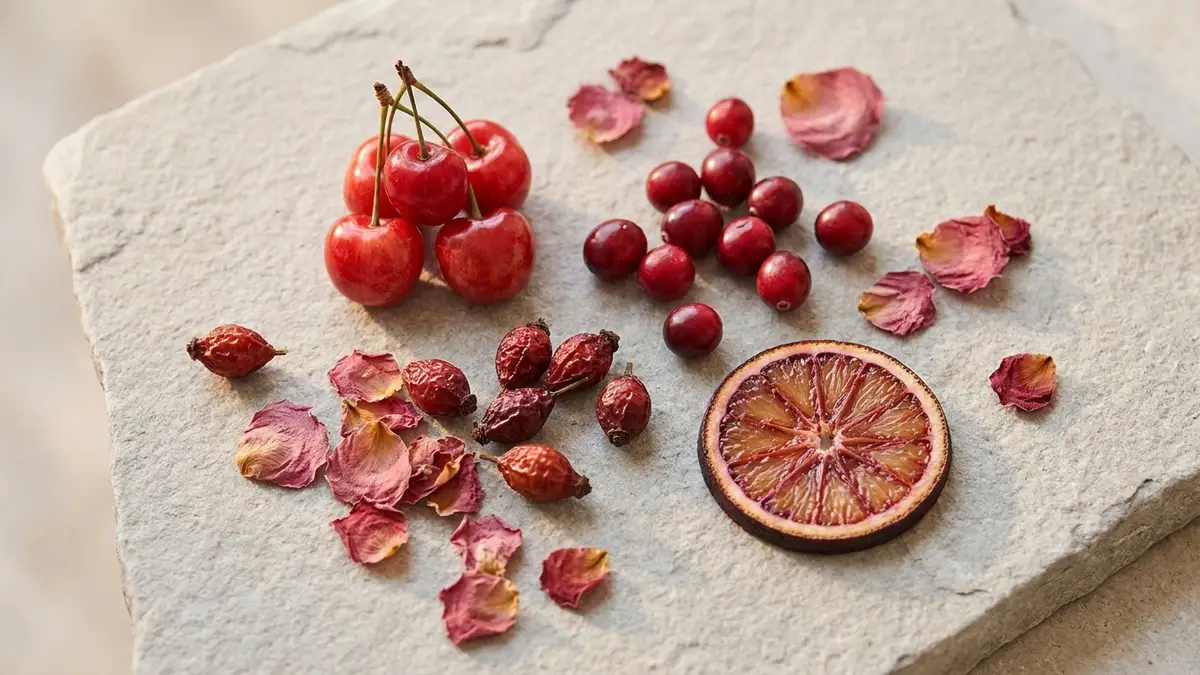
- Red fruit — red cherry, cranberry, redcurrant, and wild strawberry
- Floral and citrus — rosehip, dried rose petal, and a distinctive blood-orange or orange-peel lift
- Savory and earthy — forest floor, dried herbs, a whiff of smoke or game on more rustic bottlings
- Spice (when oak is used) — gentle cedar and a dusting of sweet spice, never dominant
Typical aromas: red cherry, cranberry, rosehip, blood orange, dried rose, forest floor, light smoke.
The grape's pale skins mean very little color and very little tannin extract into the wine. What you get instead is transparency: the fruit and florals sit right on the surface, with nothing heavy to hide behind. That openness is exactly why Trousseau rewards careful tasting and punishes careless winemaking.
Structure at a Glance
Reading a wine across three axes — body, acidity, and tannin — is the fastest way to understand it. If those terms are new, the guide to tannins, acidity, and body breaks them down with examples.
Body: light (2/5) · Acidity: high (4/5) · Tannin: low (2/5)
That profile — light frame, high acid, soft tannin — is what makes Trousseau so drinkable and so food-friendly. The acidity keeps every sip fresh, while the light tannin means there is no drying grip to fatigue your palate. It is a red you can drink a full glass of in summer without feeling weighed down.
Why Trousseau Is Compared to Pinot Noir
The Pinot comparison is the first one most people reach for, and it is useful — but only up to a point. Understanding where the two grapes overlap and where they part ways tells you a lot about Trousseau's personality.
What They Share
Both Trousseau and Pinot Noir are pale, translucent, high-acid reds driven by red-cherry fruit and an earthy, savory undertone rather than dark fruit and heavy tannin. Both reward cooler serving temperatures, both pair beautifully with a wide range of food, and both grow side by side in the Jura. If you already enjoy Pinot Noir, Trousseau will feel like familiar territory.
Where They Differ
Trousseau is usually lighter in body, brighter in acidity, and more overtly rustic and savory than Pinot Noir. Where Pinot leans silky, round, and velvety, Trousseau is leaner and more cutting, with that rosehip-and-orange-peel lift Pinot rarely shows. Trousseau also ripens later and needs warmer, well-drained sites, which is why it is the rarer of the two grapes even in its home region.
Trousseau is Pinot Noir's wilder cousin — paler, brighter, and more savory, with a high-toned perfume all its own.
This is a textbook case of how two pale reds can look nearly identical in the glass yet taste like different wines. If that idea interests you, the piece on how grapes that look the same can taste different explores it further, and the broader survey of the noble grapes gives you the benchmark varieties to measure rarer grapes like Trousseau against.
A Word on Poulsard
Within the Jura itself, Trousseau's closest neighbor is not Pinot Noir but Poulsard (sometimes spelled Ploussard), an even paler, even more delicate local red. Both are light and translucent, but Poulsard is softer and more ethereal, with cranberry and dried-flower notes, while Trousseau brings slightly more structure, deeper red fruit, and a savory grip. Tasting the two side by side is one of the best ways to calibrate your sense of "light red."
The Jura: How Place Shapes Trousseau
Few grapes are as tied to a single region as Trousseau is to the Jura. To understand the grape, it helps to understand this small, quietly remarkable corner of French wine regions.
A Cool, Demanding Climate
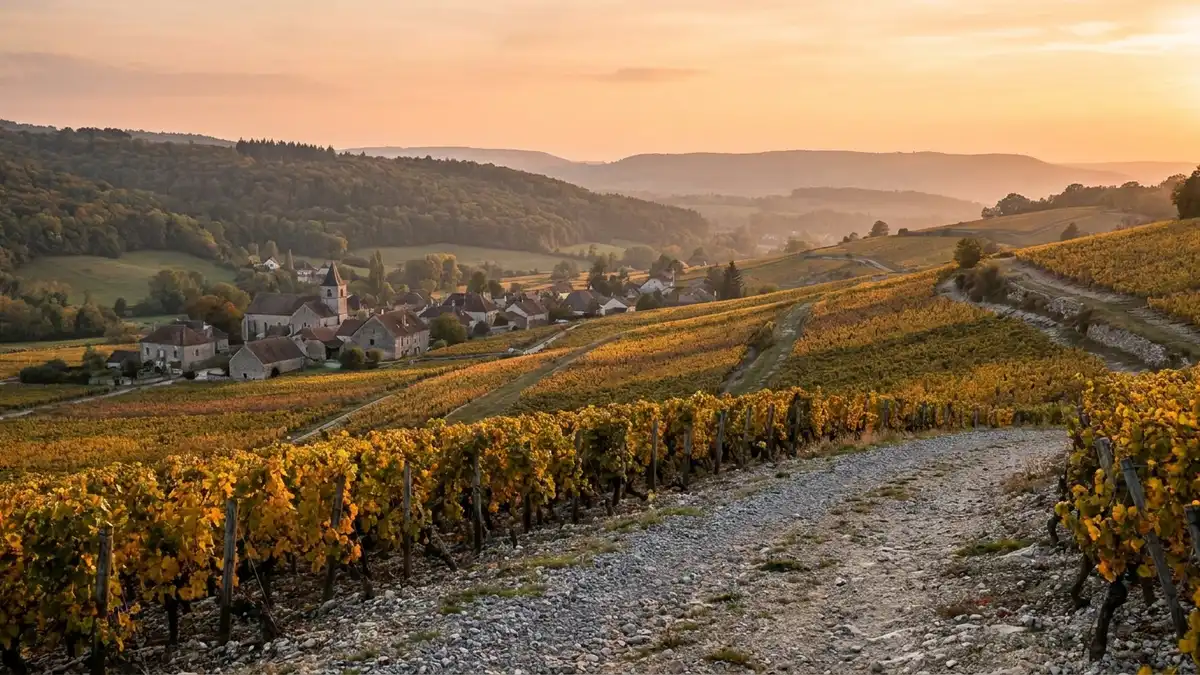
The Jura sits at altitude in eastern France, with a cool continental climate, plenty of rain, and a short growing season. Most grapes struggle to ripen here, and Trousseau struggles more than most — it is a late ripener that needs the warmest, best-drained sites to reach full flavor. As a result, growers reserve their finest gravel and limestone-marl slopes for it.
Arbois and the Best Sites
The spiritual home of Trousseau is the area around Arbois, the Jura's most famous wine village. Here, on warm gravel terraces, the grape ripens reliably enough to show its full perfume and savory depth. Because the plantings are small and the good sites are limited, top Trousseau remains genuinely scarce — part of its appeal among collectors and natural-wine fans alike.
Thin Skins, Pale Wine
Trousseau is a thin-skinned grape, which explains almost everything about the wine: the pale color, the light tannin, the delicate aromatics, and the grape's sensitivity to disease and weather. Thin skins also mean winemakers must work gently — over-extract and you get harsh, bitter tannin from the seeds with little fruit to balance it. The grape demands a light touch.
Trousseau and the Natural Wine Movement
Trousseau's modern fame is inseparable from the rise of natural wine. The Jura became one of the movement's spiritual homes, and Trousseau one of its emblematic grapes.
Why the Two Fit Together
The match is almost too neat. Natural wine broadly means wine made with minimal intervention — organic or biodynamic farming, native-yeast fermentation, little or no added sulfur, and no industrial additives. The Jura had a deep tradition of small, hands-off producers long before the term existed. The full picture of what the label does and does not promise is laid out in the guide to natural wine explained.
Trousseau suits this approach for three concrete reasons:
- It is rare and indigenous. Natural-wine drinkers prize grapes with a sense of place over international varieties, and few grapes are as tied to one small region as Trousseau.
- Its perfume rewards a light touch. Heavy extraction, new oak, or aggressive filtration would bury the grape's delicate florals. Low-intervention winemaking preserves them.
- Its style fits the mood. Light, savory, and chillable, Trousseau is built for unfussy, food-first drinking rather than formal tasting — exactly the spirit of the movement.
How to Serve Trousseau
Serving temperature matters more for Trousseau than for almost any other red, because the wine lives and dies on its aromatics and acidity.
Serve It Slightly Chilled
Pour Trousseau at 12 to 14 degrees Celsius (about 54 to 57 Fahrenheit) — roughly 30 minutes in the fridge before serving, or pulled from a cool cellar. The chill tightens the high acidity, sharpens the red-fruit and rosehip perfume, and keeps the wine refreshing. Served at warm room temperature, Trousseau goes flabby: the aromatics blur and the light tannins can read as slightly bitter.
Glassware and Air
A standard wine glass with a decent bowl is plenty — there is no need for a heavy decanter. A gentle swirl releases the perfume, and most Trousseau is best drunk young and fresh, within a few years of the vintage, though structured Arbois bottlings can age gracefully for a decade.
What to Eat with It
Trousseau's light body, high acidity, and savory edge make it one of the most versatile reds at the table. The acidity cuts through fat, the low tannin avoids clashing with delicate dishes, and the savory profile bridges to a surprising range of food.
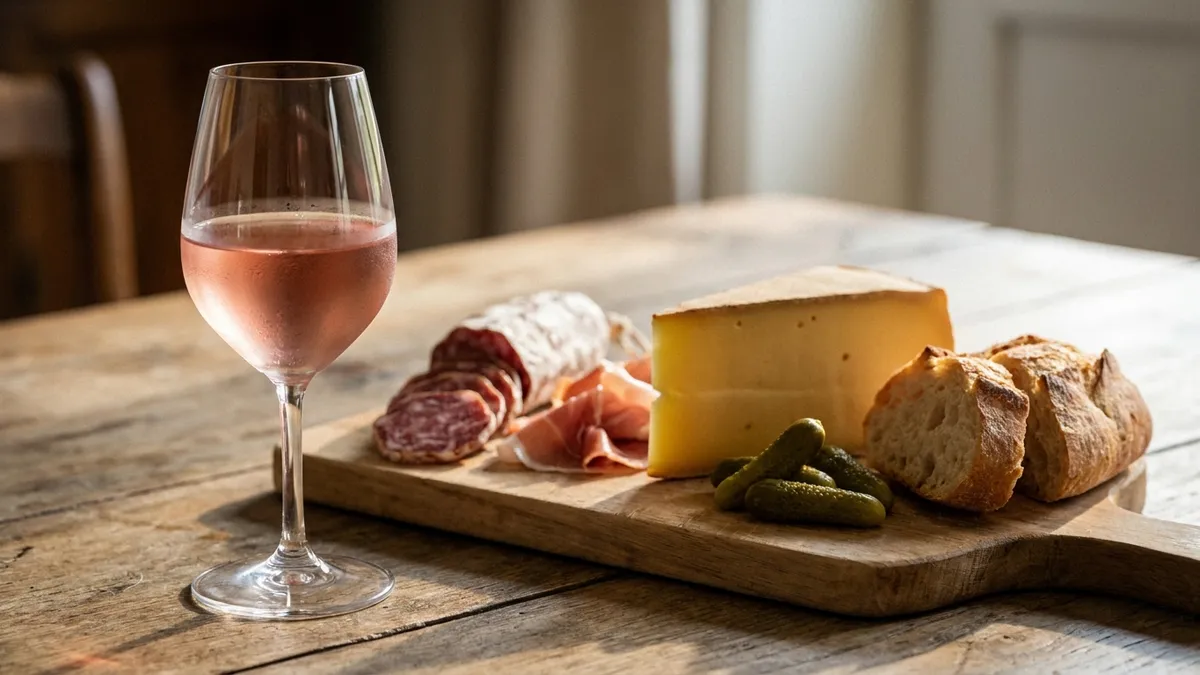
- Charcuterie and cured meats — saucisson, prosciutto, and pâté echo the wine's savory side
- Roast chicken and pork — light enough not to overwhelm, savory enough to complement
- Mushroom and earthy dishes — risotto, tarts, and sautéed mushrooms mirror the forest-floor note
- Comté and other Alpine cheeses — the Jura's local cheeses are a regional classic for good reason
- Salmon and tuna — the acidity and light body make Trousseau one of the few reds that flatters meaty fish
Trousseau vs Other Light Reds
Placing Trousseau next to a few familiar reference points makes its profile easier to remember.
How Trousseau compares to three other pale, high-acid reds.
- Body: Trousseau light; Pinot Noir light to medium; Poulsard very light; Gamay light to medium
- Acidity: Trousseau high; Pinot Noir high; Poulsard high; Gamay medium to high
- Tannin: Trousseau low; Pinot Noir low to medium; Poulsard very low; Gamay low
- Color: Trousseau pale ruby; Pinot Noir pale to medium ruby; Poulsard very pale; Gamay light purple-ruby
- Key flavors: Trousseau red cherry, rosehip, blood orange, earth; Pinot Noir cherry, earth, rose; Poulsard cranberry, dried flowers; Gamay raspberry, banana, violet
- Serve: Trousseau chilled; Pinot Noir cool; Poulsard chilled; Gamay chilled
If this light, savory, chillable style appeals, the wider survey of indigenous grapes worth trying points you toward more rare reds in a similar spirit, while the Pinot Noir guide covers the benchmark pale red in depth.
How a Beginner Should Approach Trousseau
The smartest way to learn any grape is to taste it with intention, and Trousseau is an unusually generous teacher because its structure is so easy to feel.
- Chill it first. Give the bottle 30 minutes in the fridge so the acidity and perfume show at their best.
- Look before you sniff. Hold the glass to the light and notice how pale it is — that translucency is the grape telling you to expect delicacy, not power.
- Separate the sensations. Trousseau makes it easy to feel high acidity (the mouthwatering tartness) apart from light tannin (a faint, fine grip). Learning to distinguish the two is a core tasting skill.
- Hunt for the lift. Search for the rosehip and blood-orange note that sits above the cherry fruit — the grape's signature.
The point of tasting this way is to give your senses something specific to react to. A grape this transparent makes every component legible, which is why it is such a good wine to build a vocabulary on. That habit of systematic tasting is the single fastest way to develop a real palate.
The Sommy app walks you through exactly these structured steps — guiding you to gauge the color, name the perfume, and separate acidity from tannin glass by glass. Trousseau, with its clear signature and gentle, savory frame, is an ideal grape to practice on: a delicate, comeback-story red that teaches you to taste with attention rather than force.
Sources
- Trousseau — Wikipedia
- Trousseau: The Jura's Savory Red Grape — Wine Folly
- Jura Wine Region Guide — Jancis Robinson
Frequently Asked Questions
What does Trousseau wine taste like?
Trousseau tastes of red cherry, cranberry, rosehip, and blood orange, often layered with a savory, earthy, almost smoky edge. It is pale in color and light-bodied, with high acidity and light, fine tannins. The result is a bright, perfumed, refreshing red that feels closer to a serious rosé in weight than to a bold, dark wine.
Where is Trousseau wine from?
Trousseau comes from the Jura, a small wine region in eastern France between Burgundy and the Swiss border. It is one of the Jura's three main red grapes alongside Poulsard and Pinot Noir. The grape needs warm, well-drained sites to ripen fully, so it is planted on the region's best gravel and marl slopes, especially around the village of Arbois.
Is Trousseau the same as Bastardo and Merenzao?
Yes. Trousseau is the French Jura name for the grape. In Portugal it is called Bastardo, where it is a traditional blending variety in Port and Douro reds. In northwest Spain, especially Galicia and Bierzo, it is known as Merenzao or Verdejo Negro. All three names refer to the same pale-skinned red variety, though regional styles differ.
How is Trousseau different from Pinot Noir?
Both are pale, high-acid, cherry-scented reds, but Trousseau is usually lighter in body and more overtly savory and rustic, with rosehip and orange-peel lift. Pinot Noir tends to be a touch rounder and silkier, with darker red fruit and a velvety texture. Trousseau also ripens later and needs warmer sites, which is why it is rarer than Jura Pinot Noir.
Should you serve Trousseau chilled?
Yes. Trousseau shines with a light chill, around 12 to 14 degrees Celsius, roughly 30 minutes in the fridge. The cooler temperature tightens its high acidity, sharpens the red-fruit perfume, and keeps the wine refreshing. Serving it at warm room temperature flattens the aromatics and can make the light tannins taste slightly bitter. Treat it like a lighter red built for summer.
Why is Trousseau popular in natural wine?
Trousseau fits the natural-wine ethos almost perfectly. It is a rare indigenous grape from a small region, it favors low-intervention winemaking that preserves its delicate perfume, and its light, savory, chillable style suits the unfussy, food-first drinking many natural-wine fans prefer. The Jura's tradition of minimal-sulfur, organic and biodynamic farming made it an early icon of the movement.
Is Trousseau a good wine for beginners?
Yes, especially if you find big, tannic reds tiring. Trousseau is light, bright, and easy to enjoy slightly chilled, which makes it approachable. It is also a great teaching grape because its high acidity and light tannin are easy to feel, helping new tasters learn to separate those two sensations. Start with a fresh, unoaked Arbois bottling to meet the grape at its purest.
Sommy Team
LinkedInFounder & Wine Educator
The Sommy Team is building the world's most approachable wine education app, helping beginners develop real tasting skills through structured courses and AI-guided practice.