Viognier Wine Guide: The Aromatic White You Should Know

By the Sommy Team — AI-assisted, human-edited.
Updated Apr 29, 2026
Contents (11)
- What Is Viognier Wine, in 100 Words
- A Grape That Almost Disappeared
- What Viognier Tastes Like
- The Aromatic Chemistry Behind the Perfume
- Key Viognier Regions
- How Viognier Differs from Chardonnay
- Food Pairing — Where Viognier Wins
- Drink It Young — The Aging Question
- Oaked Versus Unoaked Viognier
- How to Taste Viognier
- Why Viognier Belongs on Your Tasting List
TL;DR
Viognier is a perfumed, full-bodied white grape from northern Rhône France. Expect aromatic explosions of apricot, peach, honeysuckle, jasmine, and ginger spice, with higher alcohol, low-medium acid, and an oily glycerolic body. Star regions are Condrieu, Côte-Rôtie, California Central Coast, and Australia. Best young, within one to three years.
Viognier wine is the most perfumed full-bodied white grape in the world, and for a few decades in the mid-twentieth century it was almost lost forever. This is a grape with a story — saved from near-extinction in the steep granite hillsides of the northern Rhône, then rebuilt into a global variety that now grows from California to McLaren Vale. If you have never tasted it, the easiest way to describe Viognier is to imagine a wine that smells like a basket of apricots and honeysuckle but drinks like a serious dry white.
This guide covers what Viognier actually is, where the best examples come from, why it gets co-fermented with Syrah, how to pair it at the table, and how to taste it without confusing it with Chardonnay. By the end you will know what to expect from a glass of Condrieu, why Australia and California fell in love with the grape, and how to spot a great Viognier on any wine list.
What Is Viognier Wine, in 100 Words
Viognier (pronounced vee-on-yay) is an aromatic white grape from the northern Rhône Valley of France. It produces full-bodied dry white wines with low to medium acidity, alcohol between 13 and 14.5 percent, and an unmistakable nose of apricot, peach, honeysuckle, jasmine, and ginger spice. The texture is oily and glycerolic — almost luxurious. The spiritual home is Condrieu, but Viognier is now planted across California's Central Coast, Australia's Eden Valley and McLaren Vale, South Africa, and Argentina. Drink it young, within one to three years, while the floral perfume is at its peak intensity.
A Grape That Almost Disappeared
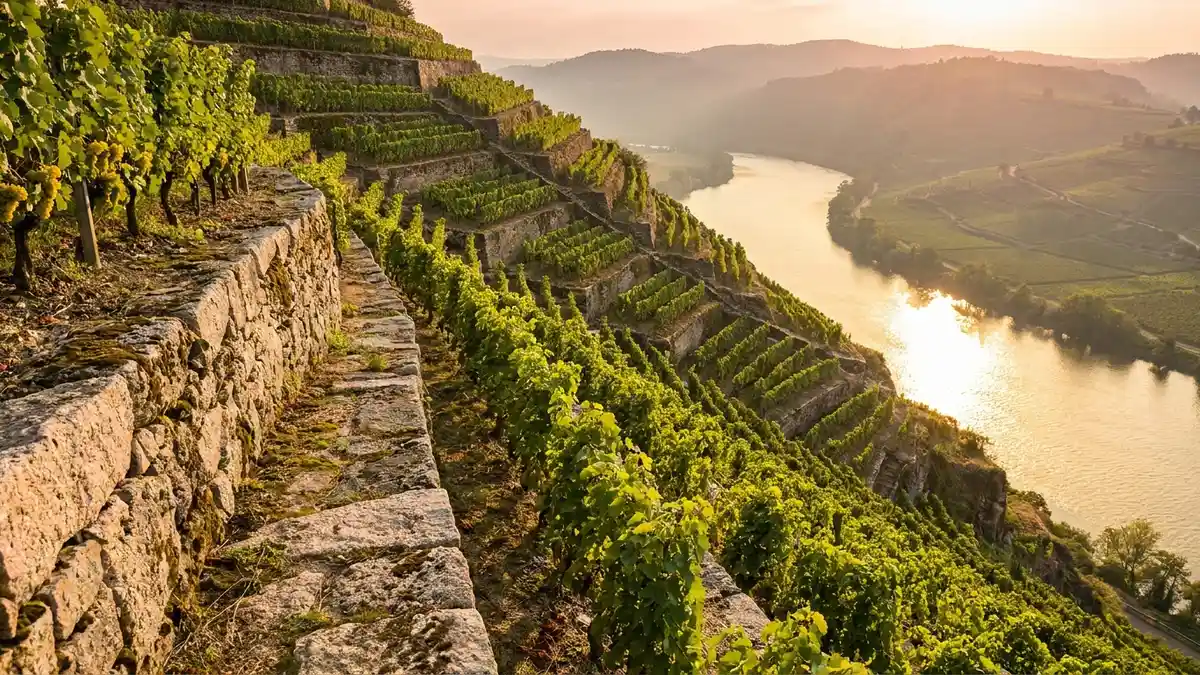
By the late 1960s, Viognier was on the brink of extinction. Phylloxera, two world wars, and decades of rural depopulation in the northern Rhône had reduced total plantings to fewer than 14 hectares — barely 35 acres — almost all of it clinging to the steep granite terraces above the village of Condrieu. The grape was difficult to grow, prone to poor yields, and unfashionable. A handful of stubborn growers refused to pull their vines.
What followed is one of wine's great revivals. As global interest in aromatic white wines grew through the 1980s, a new generation of vignerons replanted Condrieu and the neighbouring appellation of Château-Grillet. By the 1990s, plantings worldwide had passed 1,000 hectares. Today Viognier is grown in roughly twenty countries and total plantings exceed 14,000 hectares — a thousandfold increase in fifty years. Few grapes have come back from the edge so dramatically.
The lesson worth remembering is that the modern style of Viognier — ripe, perfumed, gently oaked or unoaked — was largely shaped during this revival. The wines you find on shelves today are the result of a deliberate effort to make Viognier accessible, fragrant, and consistent.
What Viognier Tastes Like
Viognier is one of the most distinctive grapes a beginner can learn to recognize. The fingerprint is so consistent that once you know it, blind-identifying a Viognier is rarely difficult.
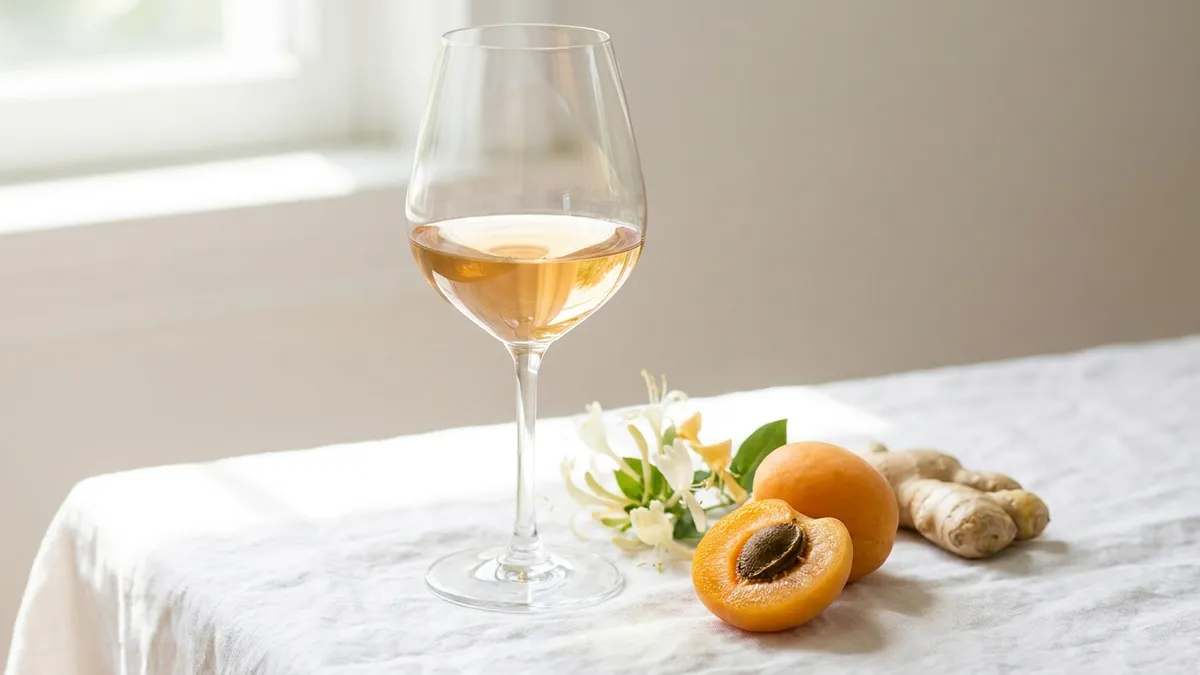
On the nose, expect:
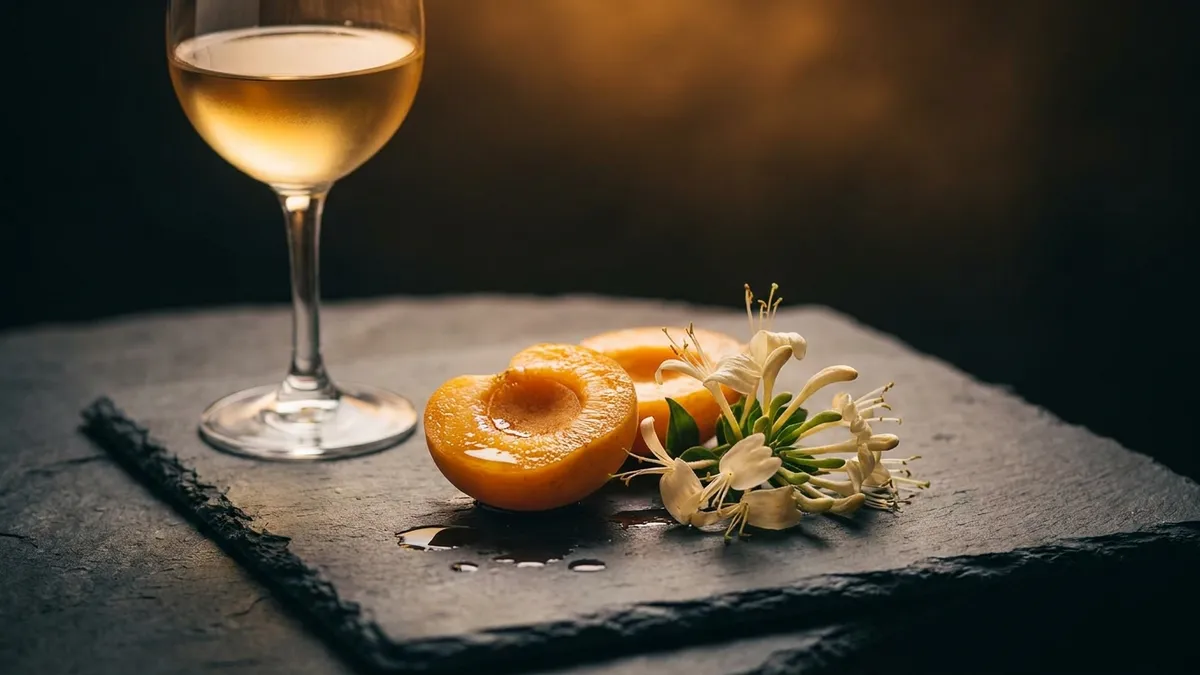
- Stone fruit — fresh and dried apricot, ripe peach, sometimes nectarine
- Floral — honeysuckle, jasmine, orange blossom, occasionally acacia
- Spice — warm ginger, candied orange peel, faint white pepper
- Texture cues — a perfumed, almost oily quality that announces itself before you even sip
On the palate, Viognier is full-bodied and round. Acidity is low to medium — clearly less than Riesling, Sauvignon Blanc, or Chenin Blanc. Alcohol typically lands between 13 and 14.5 percent, contributing to the wine's weight and warmth. The texture is glycerolic (the slightly oily, mouth-coating sensation produced by glycerol, a natural by-product of fermentation that is especially pronounced in ripe, low-acid grapes). The finish is long and faintly waxy.
One key point — almost every great Viognier is fermented fully dry. The impression of sweetness comes from ripe aromatics and high alcohol, not residual sugar. If you are still calibrating dry versus sweet by smell alone, our guide on what does dry wine mean walks through the difference between perceived and measured sweetness.
The Aromatic Chemistry Behind the Perfume
Viognier's floral and stone-fruit signature comes from a class of grape compounds called terpenes — aromatic molecules produced in the grape skin during ripening. The two most important in Viognier are alpha-terpineol (which contributes to the lilac-and-pine-needle quality) and geraniol (the same compound that makes geraniums and roses smell the way they do).
Aromatic grapes like Viognier, Muscat, Gewürztraminer, and Riesling produce these terpenes at much higher concentrations than neutral varieties such as Chardonnay or Pinot Grigio. That is why a glass of Viognier hits the nose with such immediate intensity. For a deeper look at how these compounds work across grape varieties, our breakdown of floral notes in wine maps the chemistry against the descriptors you actually use at the table.
The practical implication for tasters: Viognier rewards careful temperature management. Serve it too cold and the terpenes never volatilize — you lose the aromatic show that is the entire point of the grape.
Key Viognier Regions
Condrieu, Northern Rhône
Condrieu is the spiritual home of Viognier and the appellation by which all other examples are measured. The vineyards sit on impossibly steep granite terraces along the right bank of the Rhône, just south of the city of Vienne. Total area is small — around 200 hectares — and yields are famously low.
Condrieu is the full-throttle expression of Viognier: rich, viscous, deeply perfumed with apricot, honeysuckle, and a mineral lift from the granite soils. Most are dry, though a small number of late-harvest sweet wines exist. Some producers age in older oak; others use steel only. Either way, the wines are built for early drinking, ideally within five years of the vintage.
For a fuller tour of the Rhône and its surrounding appellations, our French wine regions guide places Condrieu in context with Côte-Rôtie, Hermitage, and Châteauneuf-du-Pape.
Côte-Rôtie — Where Viognier Meets Syrah
Just upriver from Condrieu sits Côte-Rôtie, a red-wine appellation built on Syrah. Yet Viognier plays a quiet but essential role here. Tradition allows up to 20 percent Viognier to be co-fermented with Syrah — meaning the white and red grapes are crushed and fermented together rather than blended after fermentation. Our guide to co-fermentation wine explains how that differs from a field blend.
The reason is twofold. First, Viognier skins contribute to copigmentation — a chemical process where the white grape's compounds bond with Syrah's anthocyanins, locking in deeper, more stable color. Second, the floral apricot and jasmine aromatics from Viognier lift the perfume of the finished red. Most modern Côte-Rôtie producers use 5 to 10 percent Viognier rather than the maximum, but the practice has become a hallmark of the region. The technique has since spread to Australian Shiraz and California Syrah, where small Viognier additions are now common.
California Central Coast
California planted its first commercial Viognier in the 1980s, and the grape found a natural home along the Central Coast — Paso Robles, Santa Ynez, Edna Valley, and Santa Barbara. The warm-climate California style is fully ripe, with bigger fruit and slightly higher alcohol than the Rhône original. Aromatics tend toward ripe peach, mango, and white pepper rather than the lean apricot of Condrieu.
The best California Viognier balances generous fruit with enough acidity to stay refreshing. Cooler-climate sites near the Pacific produce the most age-worthy examples; warmer inland sites produce wines best drunk in their first two years.
Australia — Eden Valley, McLaren Vale, and the Yarra
Australia took to Viognier in the 1990s, and the grape now thrives in three main regions. Eden Valley in South Australia produces structured, mineral examples with apricot and white pepper. McLaren Vale delivers fuller, riper wines with lush stone fruit. The cool Yarra Valley in Victoria makes lighter, more aromatic Viognier — sometimes co-fermented with Shiraz in the Rhône style.
The Australian Viognier-Shiraz blend, often labelled simply Shiraz Viognier, has become a benchmark style of its own. The Viognier portion adds lift, perfume, and a softer mid-palate to the dense, blackberry-driven Shiraz.
Other Notable Regions
Viognier has spread widely. South Africa produces excellent examples in Stellenbosch and Swartland, often blended with Chenin Blanc or Roussanne. Argentina's Mendoza region grows Viognier at altitude with surprising freshness. The Languedoc and Provence in southern France produce affordable, fruit-forward Viognier outside the strict Rhône hierarchy. Each region tilts the balance between perfume, body, and freshness slightly differently.
How Viognier Differs from Chardonnay
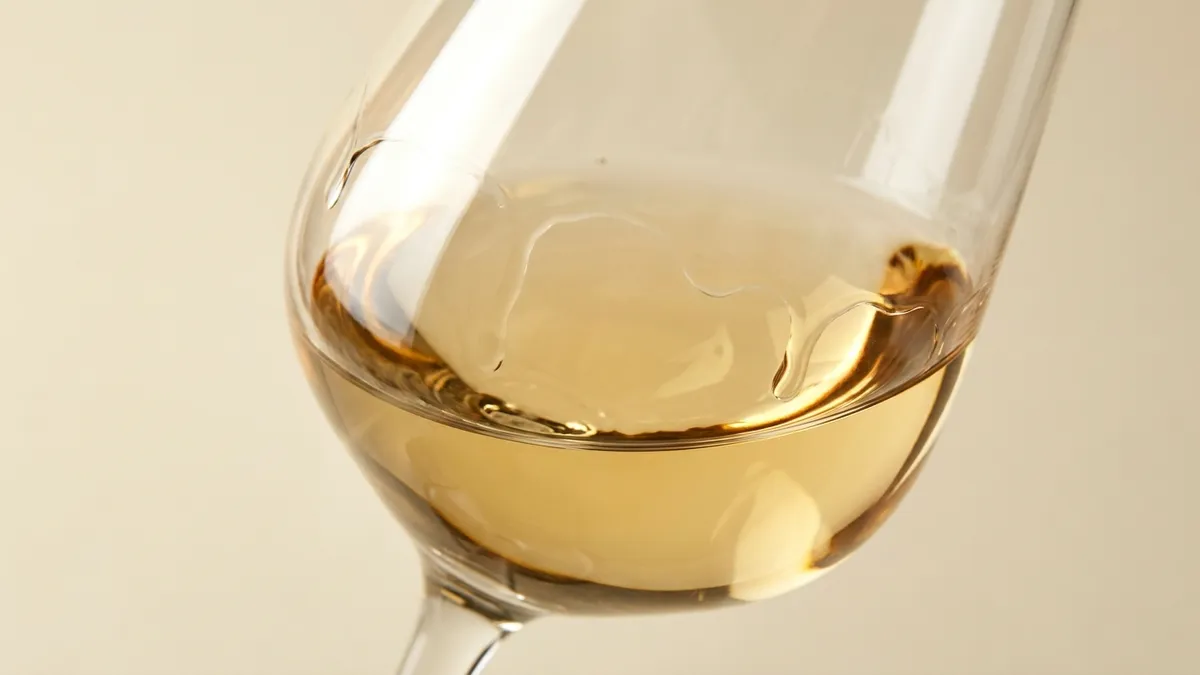
Beginners often confuse Viognier with Chardonnay because both are full-bodied white wines that can show some viscosity and weight. Side by side, the two are unmistakable.
Viognier is a true aromatic grape. Its character comes from the terpenes in the skin — apricot, honeysuckle, jasmine, ginger spice. Take Viognier through any winemaking process you like and the floral fingerprint will still announce itself.
Chardonnay is a near-neutral grape. Its character comes largely from winemaking choices — oak aging, malolactic fermentation (which converts sharp malic acid into softer lactic acid), lees stirring, and time in barrel. A Chardonnay from Chablis tastes nothing like one from California precisely because the grape itself is a blank canvas.
If you are still building intuition around full-bodied whites, our comparison of Chardonnay vs Sauvignon Blanc explains how varietal character versus winemaking shapes the final wine.
Food Pairing — Where Viognier Wins
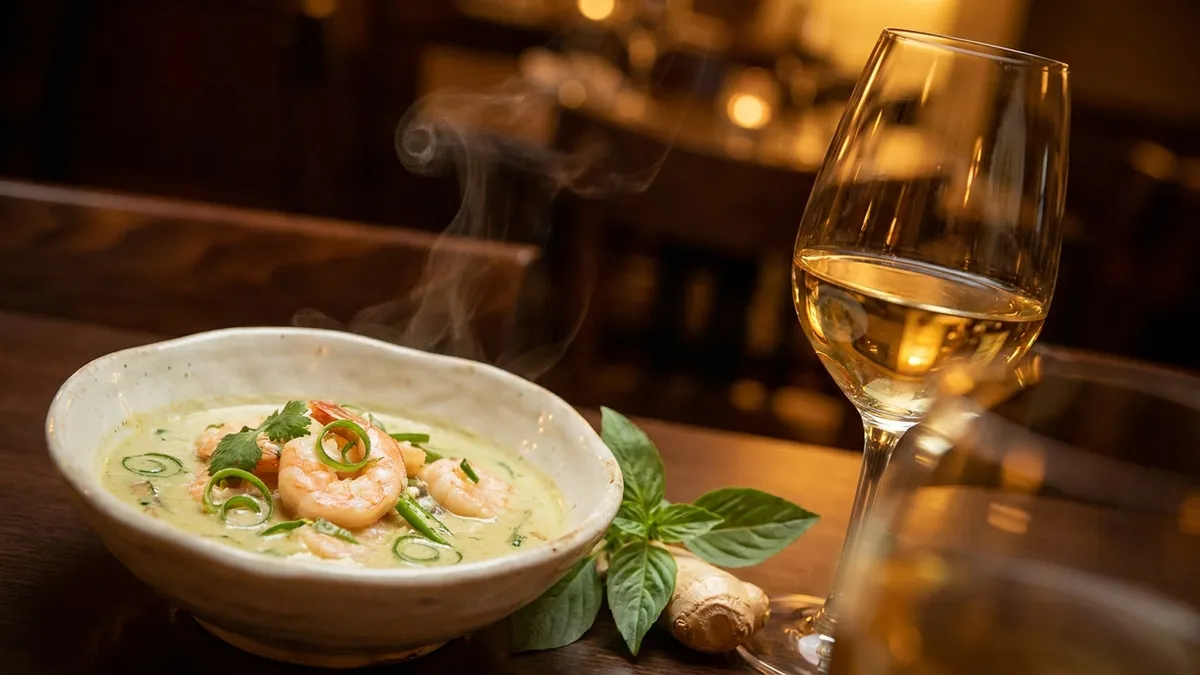
Viognier's combination of full body, low acidity, and aromatic intensity makes it an unusually good match for fragrant, mildly spiced cuisine. The classic pairings are not French — they are Asian and North African.
Strong Viognier pairings include:
- Thai green curry with chicken or prawns — coriander, lemongrass, and coconut find a perfect echo in the wine's apricot perfume
- Moroccan tagines with apricot, raisin, and saffron — the dried-fruit aromatics align directly
- Vietnamese pho and lighter broths with ginger and star anise
- Indian butter chicken or korma — the wine's body matches the cream and the aromatics lift the spice
- Roast chicken with peach or apricot chutney — a near-perfect classic pairing
- Pork tenderloin with stone-fruit glaze
- Soft-rind cheeses like Brie, Camembert, and triple-crèmes
Two pairings to avoid: bracingly acidic dishes (a sharp vinaigrette will make Viognier taste flat) and heavily smoked or charred meats (which overwhelm the floral aromatics).
The general principle is to match Viognier's aromatic palette rather than its acidity. For a deeper look at pairing logic, our wine pairing rules breakdown explains how acidity, sweetness, and body interact with food.
Drink It Young — The Aging Question
Most Viognier is at its best within one to three years of the vintage. The grape's relatively low acidity means it lacks the natural preservative structure that lets Riesling, Chenin Blanc, or top Chardonnay age for decades. As Viognier ages, the bright apricot and jasmine begin to fade and the wine can take on heavier honey and beeswax notes — pleasant for some palates, but the loss of the floral perfume is real.
Top-tier Condrieu from an exceptional vintage can develop beautifully for five to ten years, gaining complexity in dried apricot, candied citrus, and a subtle nutty quality. But these are exceptions. The everyday rule is to buy Viognier as close to release as possible, store it cool, and drink it within two years. Chilling and serving at the right temperature matters more than cellaring — too cold and the perfume disappears, too warm and the alcohol dominates. Our wine serving temperature chart recommends 10 to 12°C as the sweet spot for Viognier.
Oaked Versus Unoaked Viognier
Two stylistic schools exist. Unoaked or steel-fermented Viognier preserves the pure floral and stone-fruit aromatics. This is the dominant style in California, Australia, and most of the New World, and it is the easiest expression for beginners to recognize. The wine arrives in the glass with no winemaking interference between you and the grape.
Lightly oaked Viognier — typically aged in older neutral barrels rather than new oak — is the traditional Condrieu approach. The barrel adds a creamy texture and a faint nutty character without obscuring the floral perfume. Heavy new oak, by contrast, tends to crush Viognier's delicate aromatics under vanilla and toast, and is increasingly rare among quality producers.
If you are unsure which you prefer, taste the same vintage from a steel-only producer and a barrel-aged producer side by side. The contrast is one of the clearest illustrations of how winemaking choices shape a single grape variety. The Sommy app's structured tasting modules walk through this kind of comparative tasting with guided prompts and aroma references.
How to Taste Viognier
Viognier is a forgiving grape to learn on because its aromatics are so generous. A few tips for getting the most from a glass:
- Serve cool, not cold — 10 to 12°C is ideal. Below that, the terpenes never volatilize and the perfume disappears
- Use a medium-sized white wine glass — too narrow a bowl traps the alcohol, too wide a bowl loses the aromatics
- Swirl gently and sniff in short bursts — Viognier's full bodied alcohol can fatigue your nose quickly
- Look for the apricot first — it is almost always the most prominent aroma. Honeysuckle and jasmine usually follow
- Note the texture — the oily, glycerolic mouthfeel is part of the variety's signature
For a complete framework on building a tasting practice from scratch, our how to taste wine guide walks through the systematic approach used by professionals. You can also work through the same exercises inside the Sommy app, which uses guided aroma references to train your nose on real varietal markers including the terpenes that drive Viognier.
Why Viognier Belongs on Your Tasting List
For anyone building a serious tasting vocabulary, Viognier is an essential grape to know. It is one of the clearest examples of an aromatic variety — meaning the perfume comes from the grape itself, not from winemaking choices — and it teaches your nose to recognize terpene-driven aromatics that show up across Muscat, Gewürztraminer, Riesling, and Torrontés. Once you have tasted three or four Viogniers, the apricot-and-honeysuckle signature becomes one of the most reliable blind-tasting markers in the white wine world.
Viognier also rewards exploration across regions. Compare a steep, granite-soil Condrieu against a ripe Paso Robles bottling and an Eden Valley Australian — three wines from one grape, three completely different stories. That kind of comparative tasting is where real palate development happens, and Viognier offers it in a more accessible package than most other premium varieties.
Drink it young. Serve it cool. Pair it with something fragrant. And let the perfume do the talking.
Frequently Asked Questions
What does Viognier taste like?
Viognier delivers an aromatic explosion of apricot, ripe peach, honeysuckle, jasmine, and a warm ginger or candied-orange spice note. The palate is full-bodied and oily, with low to medium acidity, alcohol typically between 13 and 14.5 percent, and a long, slightly waxy finish. Even when fully dry, the ripe stone-fruit aromatics make many beginners assume there is residual sugar.
Is Viognier a sweet wine?
No. Most Viognier is fermented fully dry, with very little residual sugar. The impression of sweetness comes from its ripe apricot and honeysuckle aromatics combined with higher alcohol and a glycerolic, oily texture. A dry Viognier from Condrieu or California will measure under 4 grams per liter of residual sugar yet smell like ripe summer fruit.
Where does Viognier come from?
Viognier originated in the northern Rhône Valley of France, almost certainly in or near the village of Condrieu. By the 1960s, fewer than 14 hectares of Viognier remained on Earth and the grape was nearly extinct. A passionate group of Condrieu growers rescued the variety, and today Viognier is planted across France, California, Australia, South Africa, Argentina, and beyond.
Why is Viognier sometimes blended into Syrah?
In Côte-Rôtie, growers traditionally co-ferment up to 20 percent Viognier with Syrah. The Viognier skins lock in Syrah's color through a chemical process called copigmentation, while the floral apricot aromatics lift the wine's perfume. The technique has spread to Australian Shiraz and California Syrah blends, where small additions of Viognier add aromatic top notes.
Should you age Viognier?
Most Viognier is best within one to three years of release. The grape's lower acidity means it lacks the structure of Riesling or Chenin Blanc for long-term aging. Top-tier Condrieu from a great vintage can develop for five to ten years, gaining honey, beeswax, and dried-apricot complexity, but the everyday rule is to drink Viognier young while the perfume is at full intensity.
What food pairs best with Viognier?
Viognier shines with fragrant, mildly spiced cuisine — Thai green curry, Moroccan tagines, Vietnamese pho, and Indian butter chicken. It also handles roast chicken, pork tenderloin with stone-fruit chutney, and soft-rind cheeses like Brie or Camembert. The combination of full body, low acid, and apricot aromatics makes Viognier a near-perfect match for ginger, coriander, lemongrass, and saffron.
What is the difference between Viognier and Chardonnay?
Both are full-bodied white grapes, but their aromatic fingerprints are completely different. Viognier is a true aromatic variety, leading with apricot, honeysuckle, and jasmine driven by terpenes in the grape skin. Chardonnay is neutral by nature and takes much of its character from winemaking — oak, lees, and malolactic fermentation. Viognier announces itself on the nose; Chardonnay is shaped in the cellar.
Should Viognier be aged in oak?
Both styles exist. Unoaked or steel-fermented Viognier preserves the pure floral and stone-fruit aromatics — this is the modern norm in many California and Australian bottlings. Traditional Condrieu often sees a small portion of older oak, which adds texture and a subtle creamy character without masking the perfume. Heavy new oak tends to overwhelm Viognier's delicate aromatics and is increasingly rare.
Sommy Team
LinkedInFounder & Wine Educator
The Sommy Team is building the world's most approachable wine education app, helping beginners develop real tasting skills through structured courses and AI-guided practice.