What Are Grape Clones? How the Same Variety Can Taste Different

By the Sommy Team — AI-assisted, human-edited.
Updated Jun 16, 2026
Contents (9)
- What Are Grape Clones?
- Grape Clones, in 60 Words
- How Grape Clones Form: Vines Copy Themselves
- Clonal Selection vs Massal Selection
- Why Clones Differ: Yield, Size, Ripening, Disease, Flavor
- Famous Grape Clones Worth Knowing
- Clone Is Not Rootstock: A Key Distinction
- What Grape Clones Mean for the Wine in Your Glass
- Sources
TL;DR
Grape clones are copies of a single grape variety propagated from one selected mother vine. Because tiny natural mutations build up over time, clones of the same variety differ in yield, berry size, ripening, and flavor. Famous Pinot Noir Dijon clones like 115, 777, and 667 show how one grape can taste different.
What Are Grape Clones?
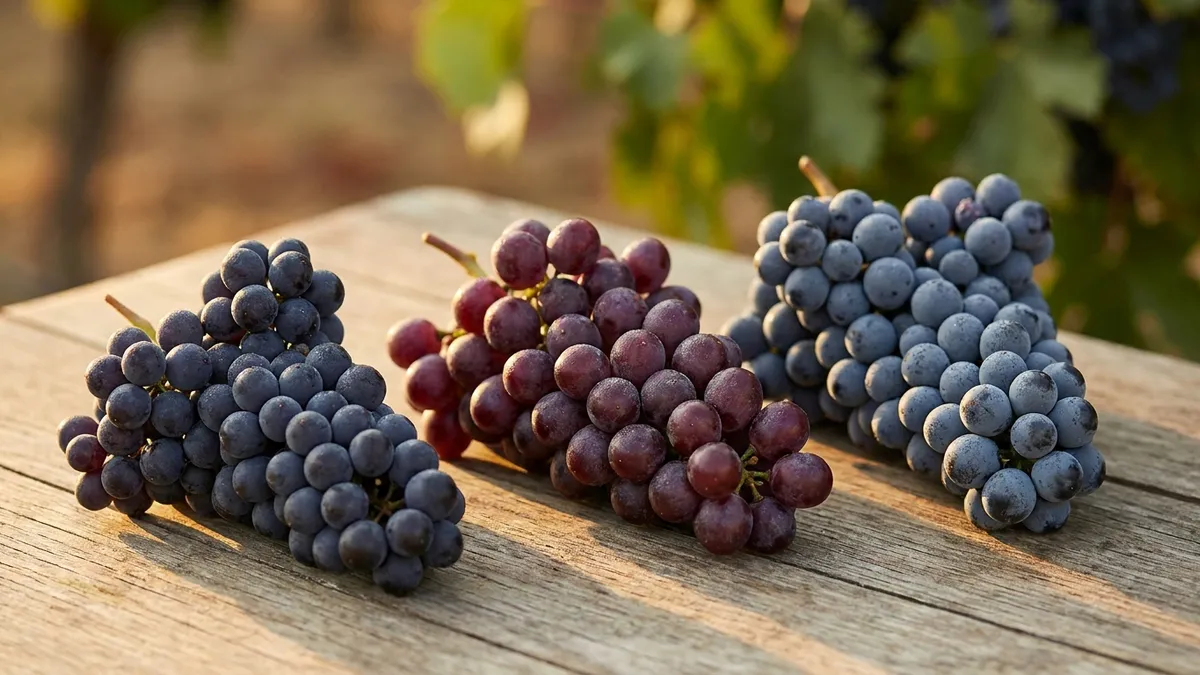
Grape clones are versions of a single grape variety, each grown from cuttings of one carefully chosen mother vine rather than from seeds. Every Pinot Noir vine is still Pinot Noir, yet a vineyard might be planted with five or six different Pinot Noir clones — and those clones can ripen at different times, carry different-sized berries, and lean toward different flavors in the glass.
If you have ever wondered why two wines made from the exact same grape, in the same region, can taste noticeably different, grape clones wine science is part of the answer. Clones sit alongside climate, soil, and winemaking as one of the quiet levers that shape what ends up in your glass.
This guide explains what clones are, how they form, the difference between clonal and massal selection, why a clone is not the same as a rootstock, and what all of it means for the wine you actually drink.
Grape Clones, in 60 Words
A grape clone is a genetically near-identical copy of one grape variety, propagated from cuttings of a single mother vine. Over decades, small natural mutations accumulate, so growers select and multiply the vines with desirable traits. Famous examples include Pinot Noir Dijon clones 115, 777, and 667. Clones change yield, berry size, ripening, disease resistance, and flavor — but a clone is still the same variety, and never a rootstock.
How Grape Clones Form: Vines Copy Themselves
Most fruit-bearing plants reproduce through seeds, mixing the genes of two parents. Wine grapes work differently. Because growers want every vine in a vineyard to produce the same fruit, they almost never plant from seed. Instead, they take a cutting from an existing vine and root it, creating a new plant that is a copy of the original.
That copying is what makes clones possible. A vine reproduced from a cutting carries essentially the same genetic material as its parent. Plant a cutting, let it grow, take cuttings from that vine, and repeat for a century, and you have a long line of near-identical descendants — a clone.
Tiny Mutations Add Up
No copy is ever perfect. As a vine grows and is propagated again and again, it picks up small spontaneous changes in its DNA. These are sometimes called somatic mutations (genetic changes that happen in the plant's body cells as it grows, rather than being inherited through seeds). One bud might mutate to produce slightly smaller berries. Another might ripen a few days earlier or shrug off a particular disease.
Most mutations do nothing noticeable. A few are useful. Over many decades, a single variety like Pinot Noir accumulates dozens of these subtle variations across the vines growing in different vineyards and countries. When a grower spots a vine with a trait worth keeping — better color, looser bunches that resist rot, more reliable ripening — they take cuttings from that vine alone and multiply it. That deliberate choice turns a happy accident into a named clone.
For a deeper look at how these accidental changes can even create whole new grapes, see our guide to grape mutations and sports.

Clonal Selection vs Massal Selection
There are two main ways growers choose which vine material to plant, and the difference shapes the style of the resulting wine.
Clonal Selection: One Vine, Multiplied
Clonal selection means identifying a single outstanding vine and propagating it on a large scale. Research stations test thousands of candidate vines for traits like yield, ripening, disease resistance, and quality, then certify the best ones as official clones. A grower can buy certified, virus-free cuttings of a specific numbered clone and plant an entire vineyard block from it.
The big advantages are consistency and plant health. Every vine behaves the same way, ripens together, and is free of the viruses that can cripple a vineyard. The trade-off is uniformity — a block of a single clone can produce wine that feels a little one-note compared with a more varied planting.
Massal Selection: Many Vines, Diversity Preserved
Massal selection (from the French sélection massale) takes the opposite approach. Instead of one vine, the grower collects cuttings from many high-performing vines across an old, established vineyard, then plants that mixed material together. The new vineyard inherits the genetic diversity of its parent site.
The payoff is complexity. A field of subtly different vines ripens unevenly and contributes a wider range of flavors, which many growers believe builds more layered, characterful wine. The trade-off is less predictability and a higher risk of carrying virus from older vines.
Many of the most respected producers do not choose one method over the other. They blend both — planting certified clones for reliability and security, while preserving massal material from old vines for diversity and depth.
Why Clones Differ: Yield, Size, Ripening, Disease, Flavor
Clones of the same variety are not interchangeable. Growers select among them based on a handful of practical traits, and each of those traits eventually shows up in the glass.
- Yield — how much fruit a vine produces. Lower-yielding clones tend to give more concentrated flavor; high-yielding clones favor volume over intensity.
- Berry size — smaller berries mean a higher skin-to-juice ratio, which raises color, tannins (the drying, gripping sensation in red wine that comes mostly from grape skins and seeds), and flavor concentration.
- Ripening time — some clones ripen earlier, a real advantage in cool climates or regions with autumn rain. Others ripen late and suit warm sites.
- Disease resistance — clones with looser bunches dry faster after rain and resist rot, while tighter-bunched clones can trap moisture.
- Flavor emphasis — even within one variety, some clones lean toward bright red fruit, others toward darker fruit, deeper color, or firmer structure.
Acidity, color, and tannin balance all trace back partly to clone choice. If you want to understand how those structural elements shape a wine, our guide to tannins, acidity, and body breaks them down for beginners.
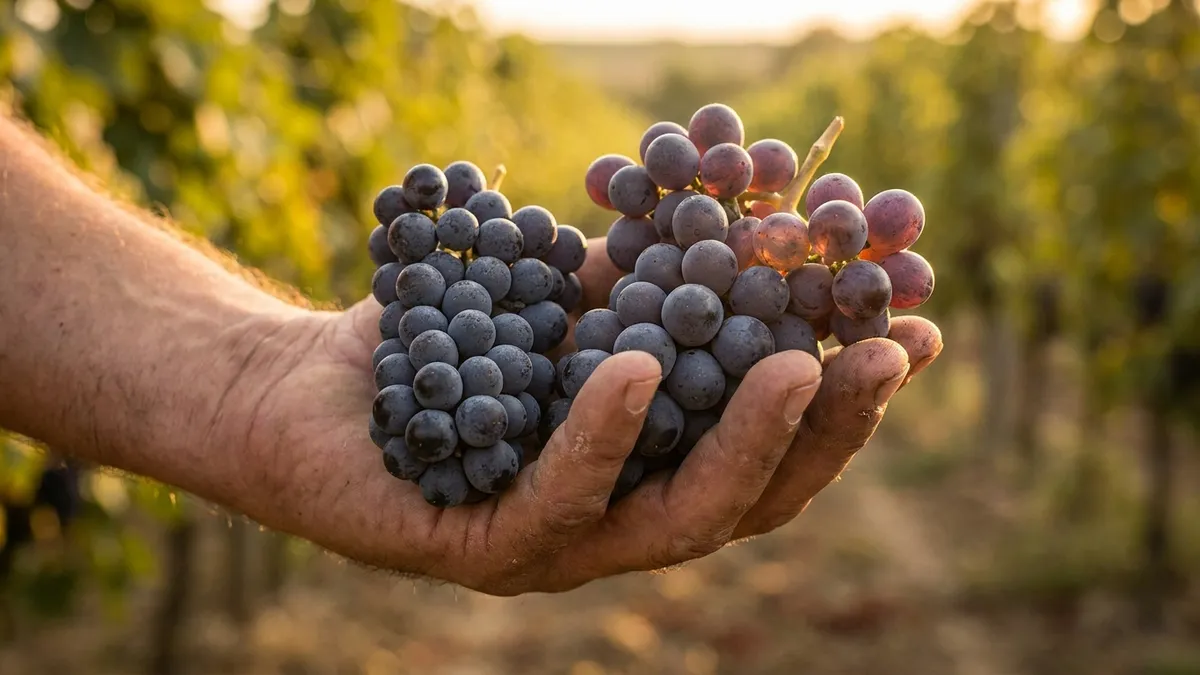
Famous Grape Clones Worth Knowing
Clones become famous when a particular set of them reliably raises wine quality. A few have shaped entire regions.
Pinot Noir: The Dijon Clones
Pinot Noir is the poster child for clonal variation. It is genetically unstable and mutates readily, so it has produced an unusually large family of clones. The most influential are the Dijon clones, a numbered series selected at the University of Burgundy and now planted around the world.
A few of the best-known Pinot Noir clones:
- Clone 115 — prized for elegant red-cherry fruit, balance, and reliability; a workhorse in Burgundy and Oregon.
- Clone 777 — darker fruit, deeper color, and richer texture, often blended in for structure.
- Clone 667 — aromatic and perfumed, contributing floral lift and finesse.
- Clone 828 — small berries, intense color, and bold flavor concentration.
- Clone 114 — moderate yield with elegant, well-balanced fruit, similar in spirit to 115.
Most serious Pinot Noir vineyards plant several of these together so the finished wine combines red-fruit brightness, dark-fruit depth, and aromatic lift. To explore the grape itself in depth, see our Pinot Noir guide.
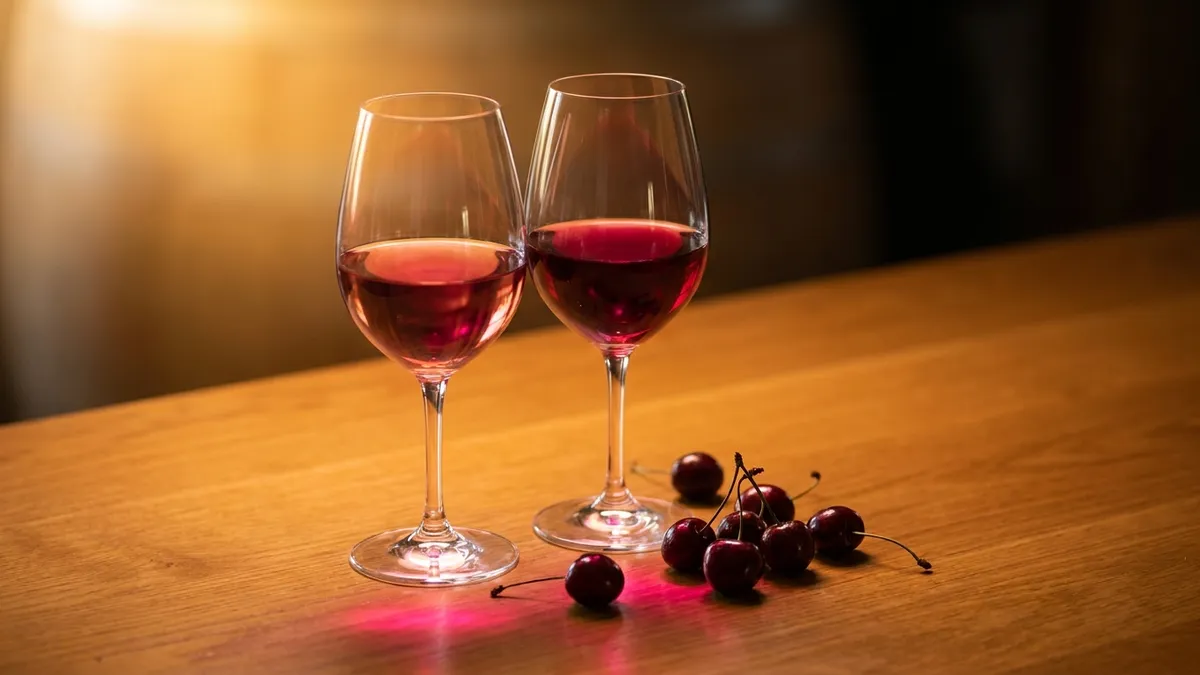
Common Pinot Noir clones and what each tends to contribute. Real expression also depends heavily on site and winemaking.
- Clone 115 — Flavor emphasis: bright red cherry, balanced · Typical role in the blend: reliable backbone
- Clone 777 — Flavor emphasis: dark fruit, deeper color · Typical role in the blend: adds structure and richness
- Clone 667 — Flavor emphasis: floral, perfumed, fine · Typical role in the blend: adds aromatic lift and finesse
- Clone 828 — Flavor emphasis: concentrated, bold · Typical role in the blend: adds color and intensity
Chardonnay: Dijon Clones Again
The same Dijon research program produced influential Chardonnay clones, including numbers 76, 95, and 96. These were selected for aromatic intensity and balanced ripening, and they helped lift Chardonnay quality far beyond Burgundy. Different Chardonnay clones tilt toward citrus and minerality or toward riper stone fruit, which winemakers blend to taste. Our Chardonnay wine guide covers how style and oak shape the grape further.
Cabernet Sauvignon and Sangiovese
Cabernet Sauvignon has its own set of selected clones, including the well-traveled "Clone 337" and "Clone 169," chosen for color, structure, and consistent ripening in warm regions.
Sangiovese clones matter enormously in Tuscany. For decades, much Sangiovese was planted with high-yielding clones that produced thin, pale wine. The push to identify better clones — selections like those gathered under the Chianti Classico "Chianti 2000" project and the small-berried clones favored for Brunello di Montalcino — was central to the dramatic rise in Tuscan wine quality. Our Sangiovese wine guide digs into the grape and its great regions.
Clone Is Not Rootstock: A Key Distinction
This is the single most common point of confusion, so it is worth being precise.
A clone is about the fruiting variety — the part of the vine that grows leaves, flowers, and grapes, and that determines whether you are growing Pinot Noir or Chardonnay and which version of it.
A rootstock is something else entirely: the root system the vine is grafted onto. Nearly all the world's vineyards graft their chosen variety onto roots from American grape species, a practice that became universal after the phylloxera (a root-feeding aphid that devastated European vineyards in the late 1800s) crisis, because American roots resist the pest.
So a single vine is usually two plants joined together: the variety and clone above the graft, and the rootstock below it. The rootstock influences vigor, drought tolerance, soil adaptation, and how the vine handles different conditions — but it does not change which variety grows above.
- Clone — decides the variety and its fine character (yield, berry size, flavor emphasis).
- Rootstock — decides how the roots cope with soil, water, and pests.
Mixing these up is a classic beginner trap. Saying "this wine is made from a hardy rootstock clone" muddles two separate concepts. The grape above the graft is the clone; the roots below are the rootstock. Both are chosen deliberately, but they answer different questions.
What Grape Clones Mean for the Wine in Your Glass
Here is the honest scale of it: clone is a real influence, but it is not the loudest voice in the room. Climate, vineyard site, vintage, and winemaking choices usually shape a wine more than clone does. Where clones matter most is at the margins — in fine-tuning the color, structure, ripening, and aromatic emphasis of a wine that a skilled grower is trying to perfect.
For you as a drinker, a few practical takeaways:
- The same variety legitimately varies. When two bottles of the same grape taste different, clone is one of several valid reasons — not a flaw. This is the same lesson that explains why grapes that look the same can taste different.
- Blended clones build complexity. A wine drawn from several clones often has more layers than one from a single clone, because each clone contributes its own note.
- You can taste the concept without the jargon. You do not need to know clone 777 from clone 667 to notice that a wine leans red-fruited or dark-fruited. That observation is the clone effect, felt rather than named.
This is also a reminder that variety is just one layer of identity. The same grape grown in two places expresses two different terroirs (the full environment a vine grows in — soil, climate, slope, and aspect). To see how place reshapes a single variety, read our explainer on what terroir is. And if you are curious which grapes you are most likely to meet on a shelf, our roundup of the most planted grapes in the world is a useful map.
How to Practice Noticing Clone-Driven Differences
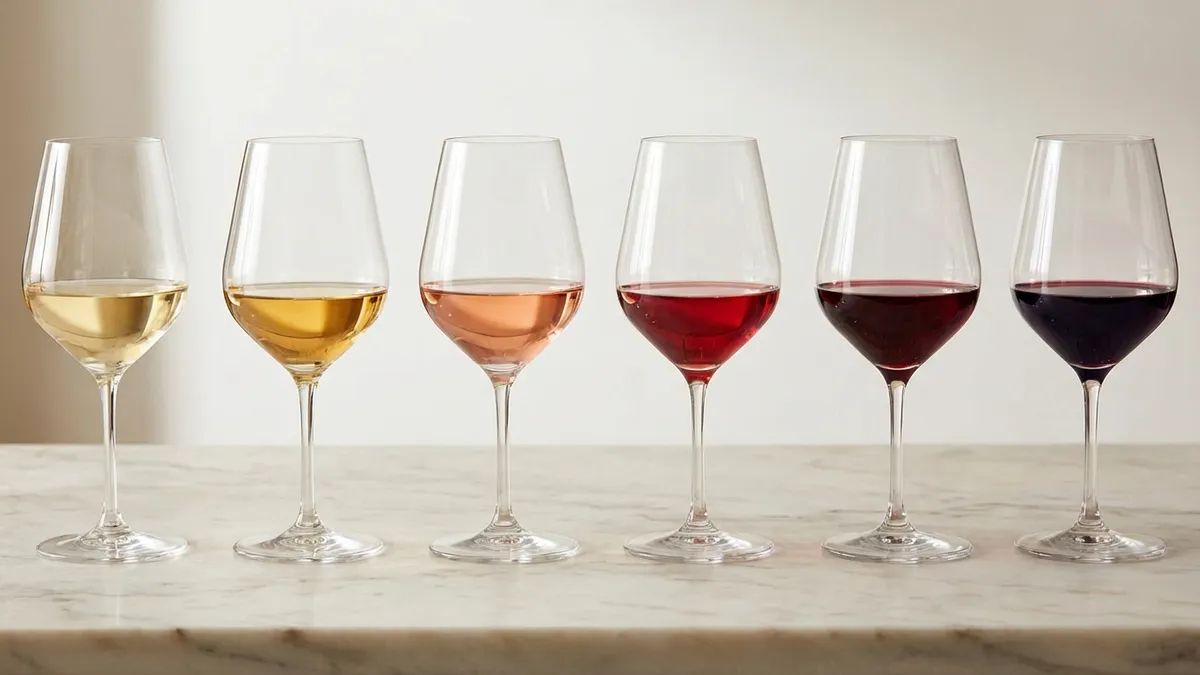
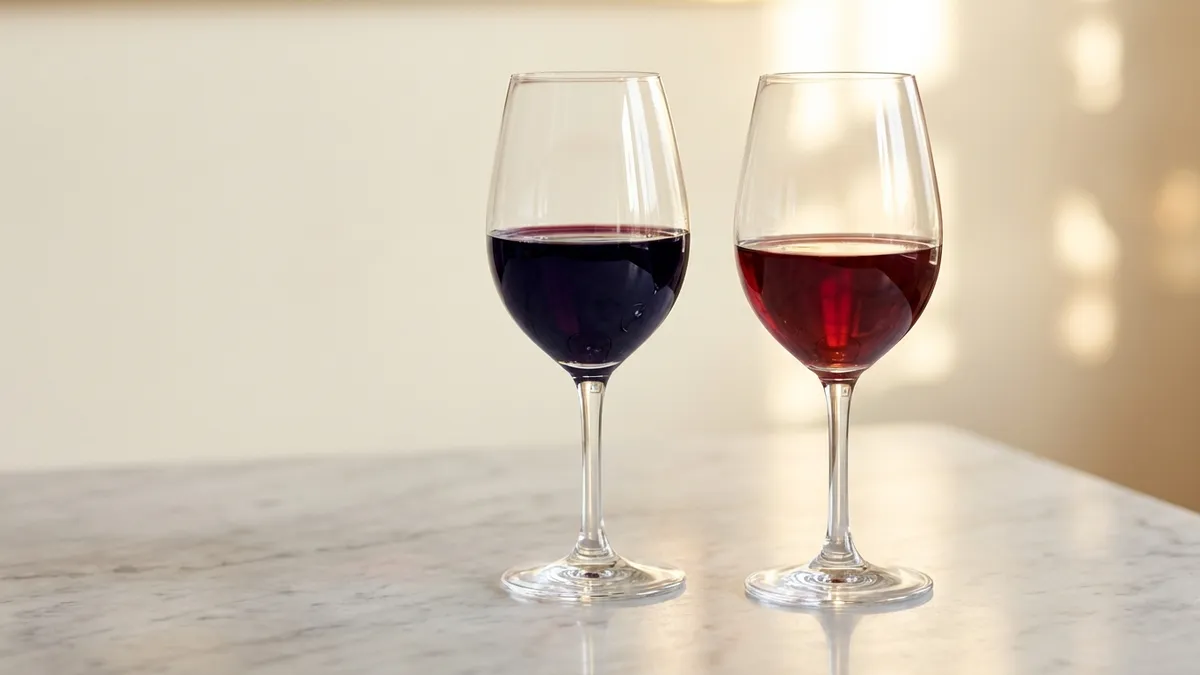
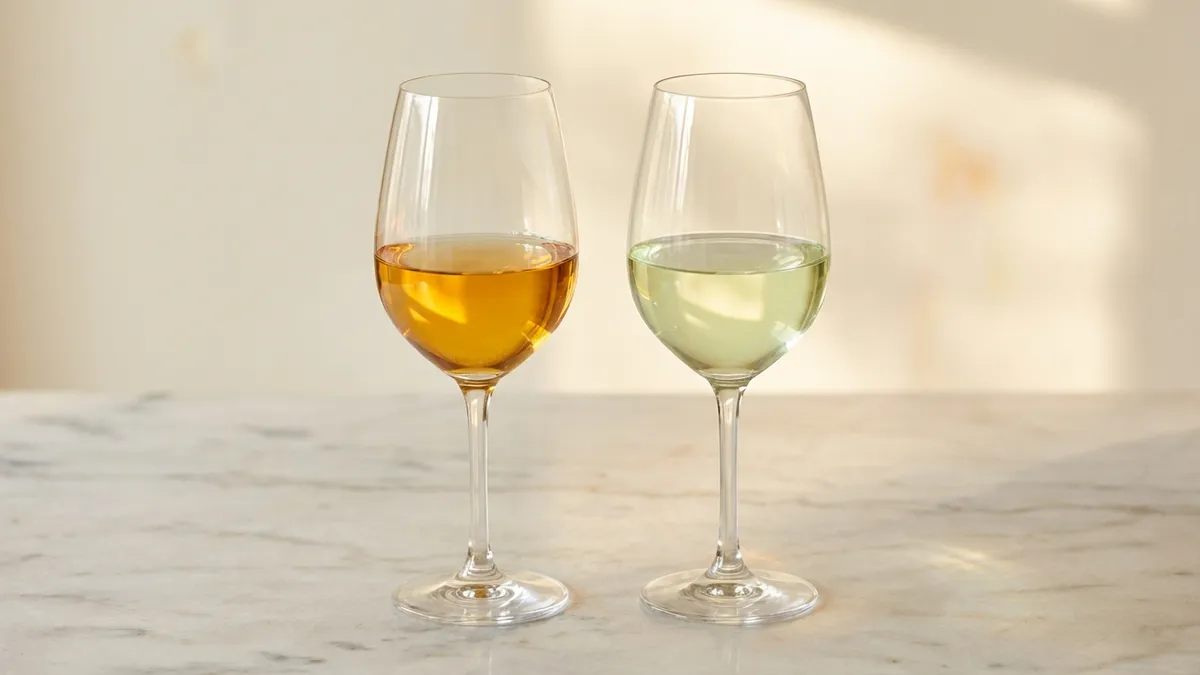
The skill to build is comparison. Set two glasses of the same variety side by side and look for the small, consistent differences — brighter versus darker fruit, lighter versus deeper color, softer versus firmer texture. Those gaps are where clone, site, and winemaking all show up together.
To get the most from a comparison, work through a wine methodically: look, smell, then taste, naming what you find at each step. Our walkthrough on how to taste wine gives you a beginner-friendly framework, and the six noble grapes guide is a good place to start building reference points.
Putting words to those differences is the part most beginners find hard, and it is exactly what Sommy is built to coach — guided tasting exercises that help you name what you sense, one glass at a time, so the next time a wine tastes "different from the last one," you will have a vocabulary for why.
Sources
Sources
Frequently Asked Questions
What are grape clones in wine?
Grape clones are genetically near-identical copies of one grape variety, grown by taking cuttings from a single selected mother vine rather than from seeds. Over decades, small natural mutations accumulate in different vines, so growers select and propagate the versions with traits they want. The result is many distinct clones of the same variety, each with slightly different flavor.
Is a grape clone the same as a different grape variety?
No. A clone is a version of one variety, not a separate variety. Pinot Noir clones 115, 777, and 667 are all still Pinot Noir, sharing the same core identity. A different variety, like Pinot Gris, has a distinct genetic makeup. Clones differ in small details such as yield, berry size, and flavor emphasis, not in fundamental identity.
What is the difference between a clone and a rootstock?
A clone is the fruiting part of the vine that determines the variety and its character. A rootstock is a separate root system, usually from American grape species, that the chosen variety is grafted onto. Rootstock affects vigor, drought tolerance, and pest resistance, but it does not change which grape variety grows above the graft.
What are Dijon clones?
Dijon clones are a numbered series of Pinot Noir and Chardonnay clones selected at the University of Burgundy in Dijon, France. For Pinot Noir, clones 115, 777, 667, 828, and 114 are widely planted worldwide. They were chosen for reliable ripening, good color, and aromatic intensity, and they helped raise quality in cool-climate regions like Oregon.
What is the difference between clonal selection and massal selection?
Clonal selection propagates one chosen vine to create a uniform, certified clone, prized for consistency and disease-free material. Massal selection takes cuttings from many strong vines across an old vineyard, preserving genetic diversity within a single variety. Many top growers blend both approaches, using certified clones for reliability and massal material for complexity.
Do grape clones really change how wine tastes?
Yes, but the effect is subtle compared with climate, soil, and winemaking. Clones can shift berry size, tannin level, color, and aromatic emphasis. For example, some Pinot Noir clones lean toward bright red cherry while others add darker fruit and structure. Growers often blend several clones in one vineyard to build a more complete, layered wine.
Why do producers plant multiple clones in one vineyard?
Planting several clones spreads risk and adds complexity. Different clones ripen at slightly different times, so a spring frost or harvest rain is less likely to wipe out the whole crop. Each clone also contributes a different note, color, or texture, so blending them gives the finished wine more depth than a single clone usually can.
Sommy Team
LinkedInFounder & Wine Educator
The Sommy Team is building the world's most approachable wine education app, helping beginners develop real tasting skills through structured courses and AI-guided practice.