Carménère: Chile's Lost Bordeaux Grape, Rediscovered

By the Sommy Team — AI-assisted, human-edited.
Updated Apr 29, 2026
Contents (13)
- What Is Carménère Wine?
- What Carménère Wine Is, in 100 Words
- The Lost Grape: Carménère's Bordeaux Origins
- The Rediscovery — 1994 and a Frenchman's Sharp Eye
- Carménère's Sensory Profile — Sight, Smell, Palate
- The Bell Pepper Question — When Is It a Fault, When Is It Virtue?
- Carménère in Chile — The Regional Map
- Carménère vs Merlot vs Cabernet Sauvignon
- Food Pairings — Where Carménère Shines
- Serving Carménère — Temperature, Glass, and Decanting
- Aging — How Long Does Carménère Last?
- Practicing Your Carménère Tasting Skills
- A Grape Worth Knowing
TL;DR
Carménère is a Bordeaux-native grape thought extinct after the 1860s phylloxera plague, then rediscovered in Chile in 1994 after being mistaken for Merlot for 150 years. Today it is Chile's signature red — medium-bodied with ripe black plum, bell pepper, and green peppercorn notes. Best regions are Colchagua, Apalta, and Maipo.
What Is Carménère Wine?
Carménère is a deep ruby-purple red grape with a story unlike any other in wine. Native to Bordeaux and once a pillar of the great châteaux, the grape was declared all but extinct after the phylloxera plague of the 1860s. For over a century, no one knew it survived. Then, in 1994, French ampelographer Jean-Michel Boursiquot walked through a vineyard in Chile and recognized leaves that the locals had been calling Merlot for 150 years. They were not Merlot. They were the lost Carménère.
That single moment of recognition rewrote a country's wine identity. Chile had been quietly producing the world's largest collection of a grape it did not know it had. Today, Carménère is Chile's signature red — and one of the most fascinating tasting experiences a curious wine drinker can have.
What Carménère Wine Is, in 100 Words
Carménère wine is a medium-bodied red made from a Bordeaux-origin grape rediscovered in Chile in 1994 after being misidentified as Merlot for roughly 150 years. The wine pours a deep ruby-purple, opens with ripe black plum and blackberry, and carries a distinctive savory layer of bell pepper, green peppercorn, and dried herb — the pyrazine signature of the grape. Tannins are softer than Cabernet Sauvignon, acidity is moderate, and the finish often shows cocoa or smoked paprika. Best from Chile's Colchagua, Apalta, and Maipo valleys. Drink most bottles within 5–8 years; top examples age 10–15.
The Lost Grape: Carménère's Bordeaux Origins
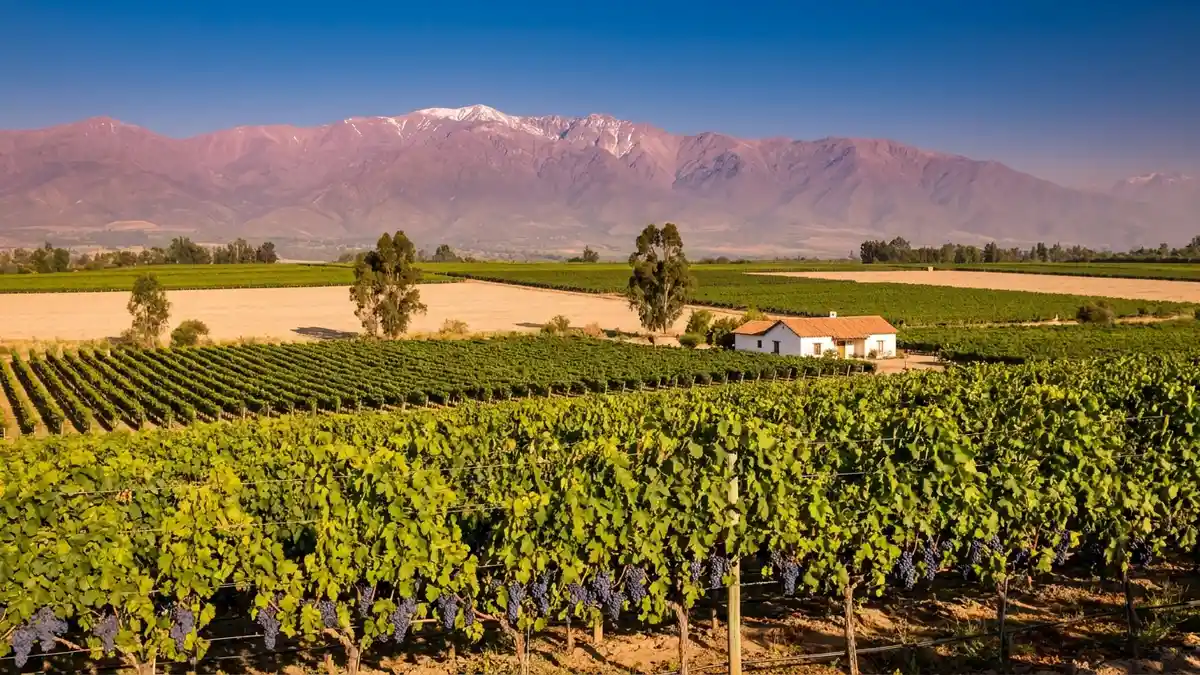
Before the 1860s, Carménère was one of the six classic grapes of Bordeaux, alongside Cabernet Sauvignon, Cabernet Franc, Merlot, Petit Verdot, and Malbec. It was prized for the deep crimson color of its wines — the name itself comes from the Latin carminis, meaning crimson. The grape filled in the structural middle of the great Médoc blends, adding richness, color, and a subtle herbal lift.
Then came phylloxera, a microscopic vine-killing louse that swept through Europe starting in 1863. Within two decades, French vineyards were devastated. Growers replanted with hardier rootstocks, but Carménère proved fussy, late-ripening, and prone to coulure (poor fruit set in cool springs). Faced with a difficult grape and easier alternatives, Bordeaux growers largely abandoned it. By the early 1900s, Carménère was considered functionally extinct in its homeland.
What no one realized at the time was that Carménère cuttings had been shipped to Chile in the mid-1800s, before the phylloxera catastrophe. They had been planted in Chilean vineyards alongside Merlot — and because the leaves and clusters look superficially similar, generations of Chilean growers harvested them together, vinified them together, and sold the wine as Merlot.
The Rediscovery — 1994 and a Frenchman's Sharp Eye
The Chilean Merlot of the early 1990s puzzled tasters. Some bottles were soft, plummy, and recognizably Merlot. Others were darker, more peppery, with a distinctive green-herb signature that was nothing like Bordeaux Merlot. The wines varied so much that critics struggled to describe a consistent Chilean Merlot style.
In November 1994, Jean-Michel Boursiquot, a professor of viticulture from Montpellier, walked through a vineyard owned by Domaine Paul Bruno in Maipo. He noticed that some vines budded later, ripened later, and had subtly different leaf shapes than true Merlot. He suspected he was looking at Carménère.
DNA analysis at the University of Montpellier confirmed it. Roughly half of what Chile had been calling Merlot was actually Carménère — the supposedly extinct Bordeaux grape, alive and thriving for 150 years in a country on the other side of the world. Chile's wine authority officially recognized Carménère as a distinct variety in 1998, and growers began isolating, replanting, and bottling it on its own.
The rediscovery was the largest reclassification of a grape variety in modern wine history. For more on how DNA testing has rewritten our understanding of grape lineages, see the noble grapes guide.
Carménère's Sensory Profile — Sight, Smell, Palate
Knowing the story is fun. Knowing what to look for in the glass is what builds your tasting skills. Carménère has a distinctive enough signature that, with practice, you can recognize it blind.
Appearance
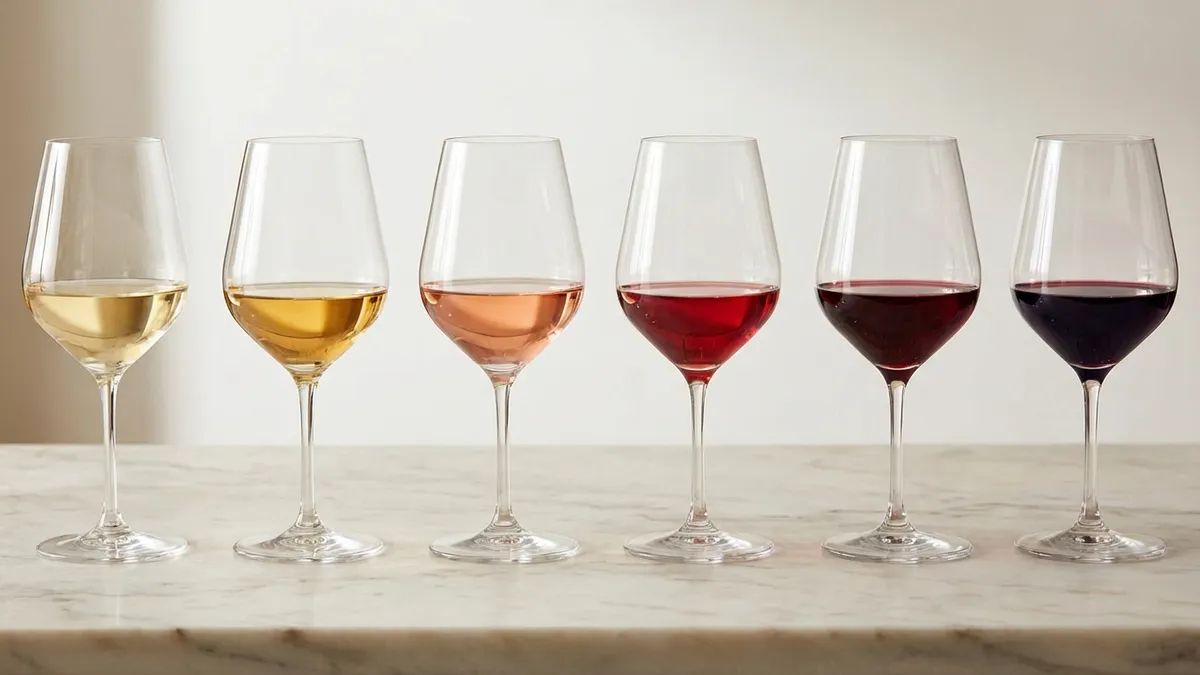
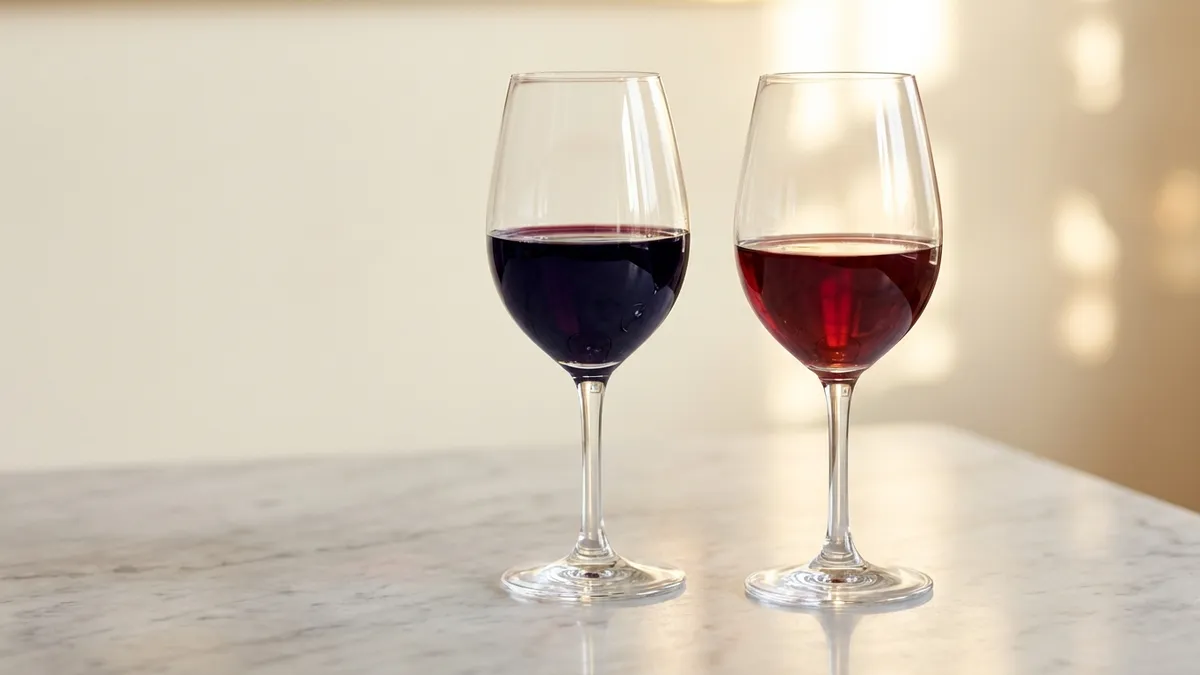
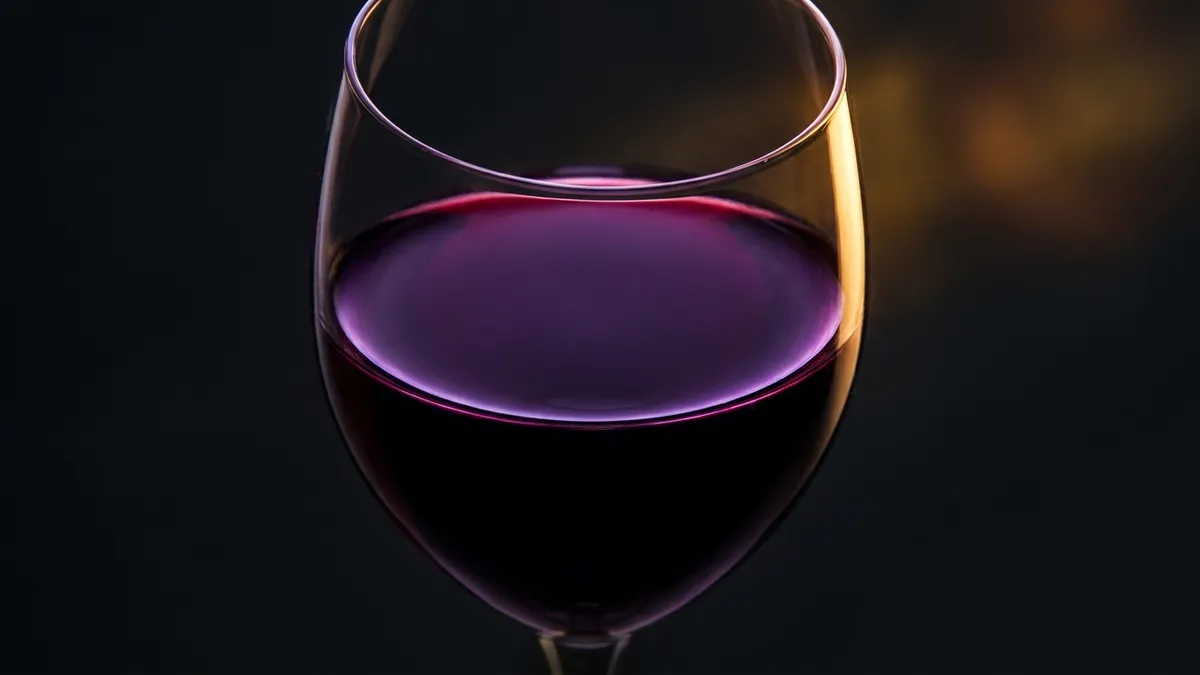
Carménère pours a deep ruby-purple, often nearly opaque at the core with a vibrant violet rim in young bottles. The color is one of the grape's calling cards — that crimson intensity is what gave it its name. As the wine ages, the rim shifts toward garnet and brick. Beginners practicing the wine appearance guide will find Carménère a generous example for studying color depth and rim variation.
Aroma
The nose is where Carménère declares itself. Expect:
- Ripe dark fruit — black plum, blackberry, black cherry
- Pyrazine signature — bell pepper, green peppercorn, fresh tobacco leaf, dried herb
- Spice and earth — cocoa, smoked paprika, soy sauce, leather
- Oak markers — vanilla, mocha, sweet baking spice when aged in barrel
The bell pepper / green peppercorn note is the most diagnostic aroma of the grape. Cabernet Sauvignon shares some of that pyrazine character in cooler vintages, but Carménère carries it more consistently and at a softer, riper level. If you smell ripe plum layered with a savory bell pepper lift, the odds favor Carménère.
For training your nose to identify these aromas, the primary, secondary, and tertiary aromas guide breaks down where each note comes from in the winemaking process.
Palate
On the palate, Carménère is medium-bodied with softer tannins than Cabernet Sauvignon, moderate acidity, and a typical alcohol level of 13.5 to 14.5 percent. The fruit feels ripe and generous, the texture is round without being plush, and the finish carries a peppery, herbal lift that pulls the wine back from sweetness. Where Merlot finishes round and chocolatey, Carménère finishes savory and spiced.
For a deeper look at how tannin, acidity, and body interact, see understanding tannins, acidity, and body.
The Bell Pepper Question — When Is It a Fault, When Is It Virtue?
Few grapes split tasters as cleanly as Carménère does on the bell-pepper question. Some drinkers find the green pepper note charming and savory. Others find it aggressive and unripe. Both reactions are correct — it depends on how ripe the fruit was at harvest.
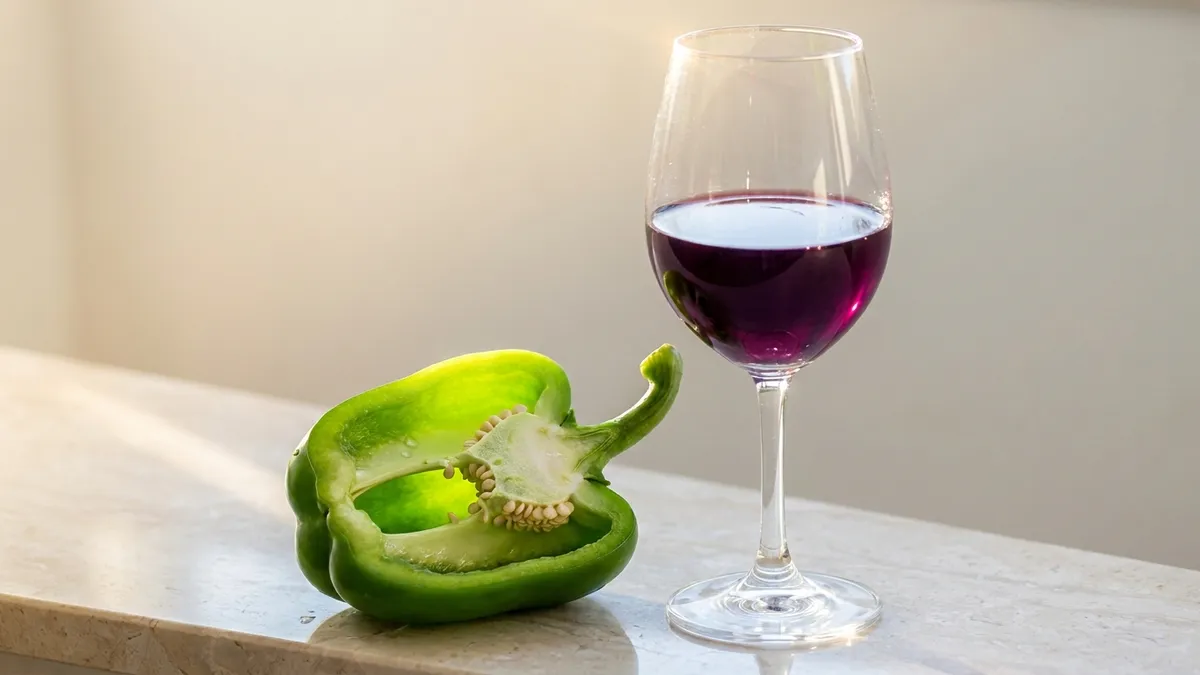
The bell pepper aroma comes from a family of compounds called pyrazines. Pyrazine concentration drops as grapes ripen, so under-ripe Carménère is dominated by green pepper while fully ripe Carménère shows pyrazines as a subtle savory background. Climate, vineyard altitude, harvest timing, and yields all influence where on that spectrum a bottle lands.
A faint bell pepper hint is the grape's natural fingerprint and a feature of the style. A dominant, vegetal green note suggests fruit was picked too early — usually because the late-ripening grape ran out of season. The best Chilean producers solved this problem by moving Carménère to warmer sites and harvesting later than they would Merlot.
For more on how ripeness shapes a wine's character, see wine fruit character — ripe vs green.
Carménère in Chile — The Regional Map
Chile produces roughly 90 percent of the world's Carménère, with most of the best fruit coming from the Central Valley between the Andes and the Pacific. Each sub-region puts its own stamp on the grape.
Colchagua Valley
Colchagua is widely regarded as Carménère's spiritual home in Chile. Warm days, cool nights, and Mediterranean climate let the grape ripen fully without losing acidity. Wines tend to show ripe plum, sweet spice, and a polished bell-pepper note that integrates rather than dominates. Many of Chile's most celebrated single-vineyard Carménères come from Colchagua.
Apalta
A horseshoe-shaped sub-zone within Colchagua, Apalta is one of the most prestigious vineyard areas in South America. The natural amphitheater of granite hills creates a unique microclimate — warm afternoons, cool nights, well-drained soils. Apalta Carménère typically shows the deepest color, most concentrated fruit, and most age-worthy structure of any Chilean version.
Maipo Valley
Closer to Santiago, Maipo is hotter, drier, and lower in altitude than Colchagua. Carménère here leans richer and more powerful, with darker fruit and firmer tannin. This is where the original 1994 rediscovery happened, and Maipo remains a key producer of premium examples.
Cachapoal and Rapel
Just north of Colchagua, Cachapoal produces softer, more approachable Carménère with juicier fruit and lower tannin — generally aimed at the everyday drinking market. Rapel, the broader regional umbrella that includes both Cachapoal and Colchagua, accounts for the bulk of Chilean Carménère production.
For a wider look at South American wine geography, the Argentina wine guide covers Chile's neighbor across the Andes — and the contrast between Chilean Carménère and Argentine Malbec is one of the most rewarding side-by-side tastings a beginner can run.
Carménère vs Merlot vs Cabernet Sauvignon
The most useful way to understand Carménère is to set it next to its two closest cousins. All three share Bordeaux roots, all three produce dark, dry red wine, and all three are widely planted in the same regions. But once you taste them side by side, the differences are sharp.
| Feature | Carménère | Merlot | Cabernet Sauvignon |
|---|---|---|---|
| Body | Medium | Medium-full | Full |
| Tannins | Medium-soft | Soft | Firm |
| Acidity | Moderate | Moderate | Moderate-high |
| Fruit | Black plum, blackberry | Plum, black cherry | Cassis, blackberry |
| Signature note | Bell pepper, peppercorn | Chocolate, dried herb | Cedar, tobacco |
| Aging window | 5–15 years | 5–15 years | 10–30+ years |
The shortcut: Merlot is the friendly one, Carménère is the savory one, Cabernet is the structured one. If you have already worked through the Cabernet Sauvignon vs Merlot comparison, adding Carménère to the mental map is the natural next step. The Sommy app's guided tasting exercises walk you through exactly this kind of three-way structural comparison, so you can build the muscle memory of recognizing each grape blind.
Food Pairings — Where Carménère Shines
The savory, herbal lift that defines Carménère makes it one of the most food-friendly red wines you can pour. Its medium body and softer tannins mean it does not need a heavy meat dish to feel balanced — though it will absolutely hold its own with one.
Classic Pairings
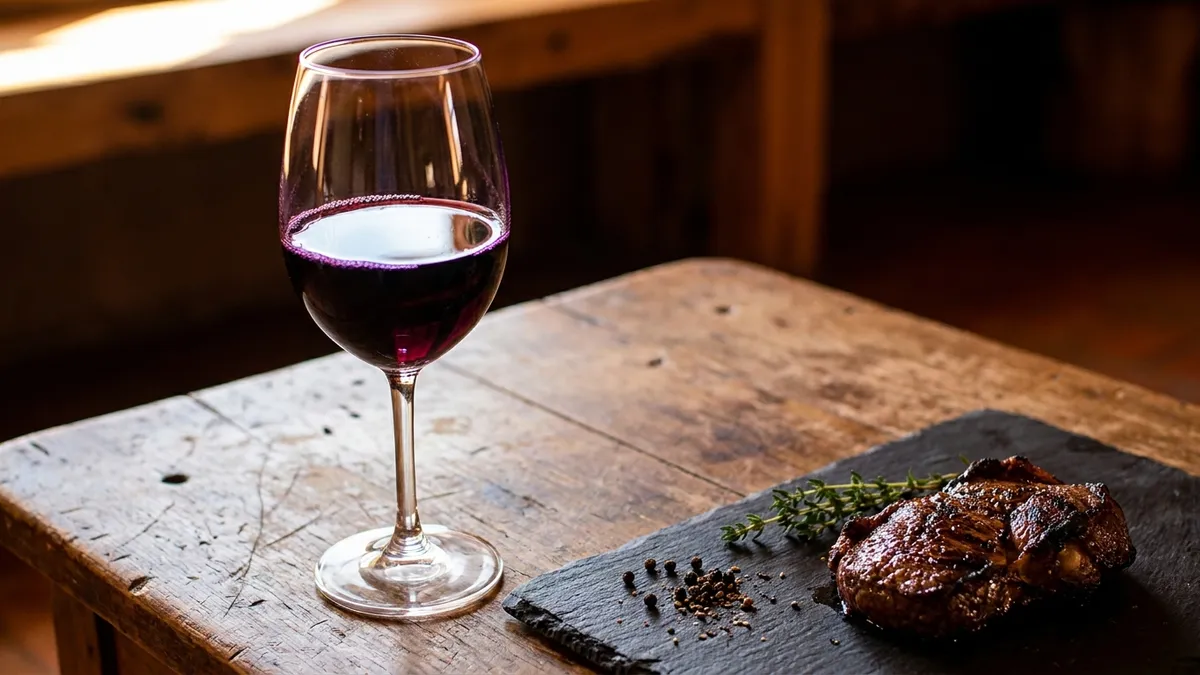
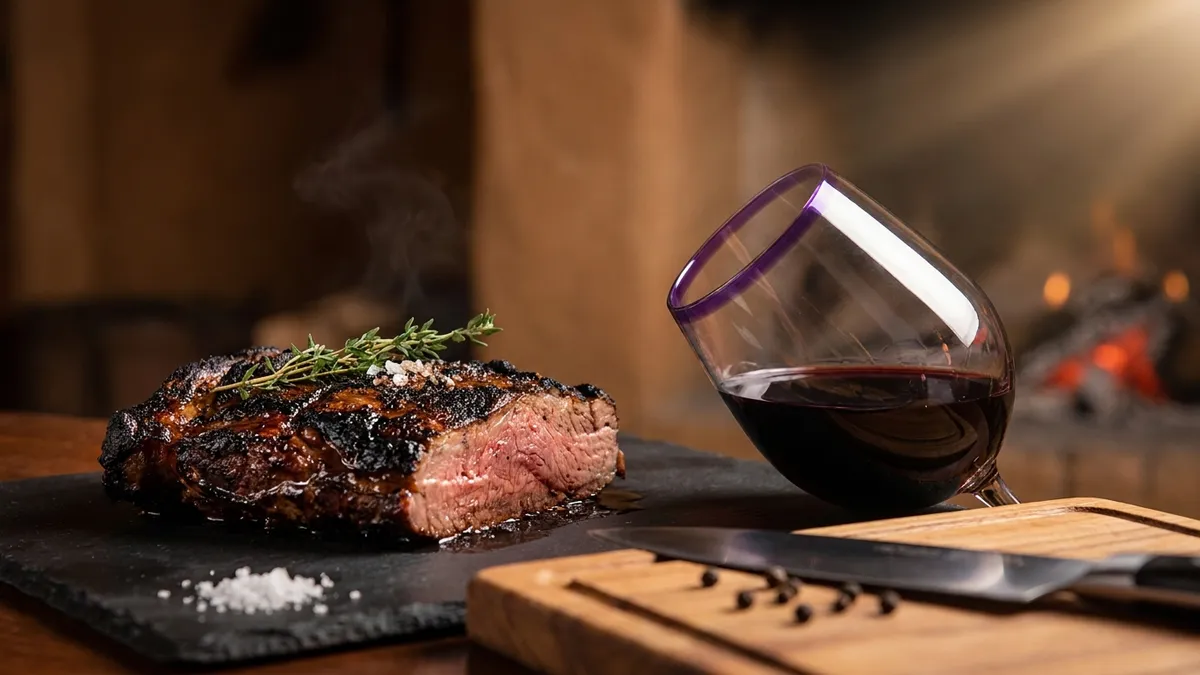
- Asado and grilled red meats — Chilean and Argentine asado is the home pairing. Smoke, char, and chimichurri play directly into the grape's herbal-peppery signature.
- Grilled steak — ribeye, flank, or skirt steak. The savory note echoes the grilled crust.
- Lamb chops with herbs — rosemary and thyme amplify the wine's dried-herb undertones.
- Roasted bell peppers and grilled vegetables — one of the rare pairings where a vegetable side actively enhances a red wine.
Adventurous Pairings
- Mushroom dishes — portobello burgers, mushroom risotto, beef-and-mushroom stew. The earthy notes mirror the grape's savory side.
- Spicy and smoky dishes — chorizo, smoked paprika stews, mole sauces. Carménère's pepper note holds up where Merlot would feel washed out.
- Hard aged cheeses — Manchego, Gruyère, aged Gouda. The wine's softer tannin works well against firm, salty cheese.
- Eggplant, ratatouille, and roasted root vegetables — a strong vegetarian pairing for those who want red wine without meat.
What to Avoid
Skip Carménère with delicate white fish, raw seafood, and subtle cream sauces — its body and savory edge will steamroll the dish. For lighter food, reach for Pinot Noir or a crisp white instead. For a fuller framework on matching weight to weight, see the wine food pairing guide.
Serving Carménère — Temperature, Glass, and Decanting
A few practical details get the most out of any bottle of Carménère.
Temperature
Serve at 16–18°C (60–65°F) — slightly cooler than room temperature. Too warm and the alcohol pushes forward; too cold and the savory aromatics shut down. Fifteen minutes in the fridge for a room-temperature bottle brings it into range. The full breakdown of serving temperatures by wine type lives in the wine serving temperature chart.
Glassware
A standard red wine glass with a generous bowl works well. Carménère's complex aromatics — fruit, pepper, herb, oak — benefit from the wider opening that lets each layer separate.
Decanting
Entry-level Carménère is ready out of the bottle. Premium single-vineyard examples from Apalta or Colchagua reward 30 to 60 minutes in a decanter — the savory and herbal layers integrate, the tannin softens, and the dark fruit comes forward.
Aging — How Long Does Carménère Last?
Carménère is more age-worthy than Merlot but less so than Cabernet Sauvignon. The grape's softer tannin and moderate acidity mean it reaches a comfortable drinking window earlier and holds it for a shorter span than the great Cabernets of Bordeaux or Napa.
- Entry-level Carménère ($10–$15) — drink within 3 to 5 years of the vintage
- Mid-range Carménère ($15–$30) — drinkable on release, peak at 5 to 8 years
- Premium single-vineyard Carménère ($30+) — built for 10 to 15 years, with the very best examples evolving for 20+
As Carménère ages, the green peppercorn note softens into dried herb and tobacco, the dark fruit shifts toward dried fig and prune, and notes of leather and forest floor emerge. For a guide to spotting the difference between a young and mature wine, see tasting young vs aged wine.
Practicing Your Carménère Tasting Skills
Carménère is one of the most rewarding grapes for building your wine vocabulary. Its bell-pepper signature is distinctive enough to anchor in memory after just a few tastings, and the contrast against Merlot teaches you to distinguish two grapes that look identical in the glass but taste worlds apart.
A productive home exercise: open a bottle of Chilean Carménère and a bottle of Chilean Merlot from the same vintage and price range. Taste blind using the framework from how to taste wine and pay attention to color depth, the savory third aroma past the fruit, and whether the finish ends chocolatey or peppery.
The Sommy app's structured tasting exercises walk you through exactly this kind of comparative analysis. Visit sommy.wine to start working through grape varieties in a repeatable way, and the building a wine flavor library guide covers how to anchor specific aromas in memory.
A Grape Worth Knowing
Carménère is one of the great wine stories of the modern era — a grape declared dead, rediscovered alive, and rebuilt as the signature variety of an entire country. Tasting it is tasting that history. For beginners building a grape vocabulary, Carménère is a perfect addition after the structural lessons of Cabernet Sauvignon and the friendliness of Merlot. Pair it with grilled meat and pay attention to the finish — that bell-pepper lift on the back palate is the sound of a grape that almost did not make it to your glass.
Frequently Asked Questions
What does carmenere wine taste like?
Carménère tastes of ripe black plum, blackberry, and dark cherry, layered with a distinctive savory note of bell pepper, green peppercorn, and dried herbs. Tannins are softer than Cabernet Sauvignon, the body is medium, and the finish often shows cocoa, smoked paprika, or tobacco when aged in oak.
How is Carménère different from Merlot?
Carménère is darker, more savory, and noticeably herbal compared to Merlot. Merlot leans plummy and round with chocolate notes; Carménère shares the plum but adds bell pepper, dried herb, and a longer, more peppery finish. The two grapes were confused for over a century in Chile, but their flavor signatures are distinct once tasted side by side.
Where is Carménère grown today?
Chile grows roughly 90% of the world's Carménère, mainly in the Colchagua Valley, Apalta, Maipo, and Cachapoal. Small plantings exist in Bordeaux, northeast Italy, China, and California, but Chile remains the global benchmark — the grape's late-ripening cycle is uniquely suited to the country's long, dry growing season.
Why does Carménère sometimes taste like bell pepper?
The bell pepper note comes from pyrazines — naturally occurring compounds in under-ripe grapes. Carménère ripens late, so harvested early it can taste aggressively green. When fully ripe, the pyrazines integrate into a more pleasant savory, herbal layer. A faint bell pepper hint is part of the grape's signature; a dominant green note suggests under-ripe fruit.
Is Carménère a dry wine?
Yes. Almost all Carménère is fermented dry, meaning the sugar from the grapes has been fully converted to alcohol. The ripe plum and blackberry fruit can give an impression of sweetness, but there is little to no residual sugar in the finished wine. Most bottles also fall in the 13.5–14.5% alcohol range.
How long does Carménère age?
Most everyday Carménère is built to drink within 5 to 8 years of the vintage. Top single-vineyard examples from Apalta or Colchagua can age 10 to 15 years, developing tertiary notes of leather, tobacco, and dried fruit. The grape's softer tannin and moderate acidity make it less age-worthy than Cabernet Sauvignon but more flexible at the dinner table.
What food pairs best with Carménère?
Grilled red meats are the classic match — Argentine and Chilean asado, ribeye steak, lamb chops. The grape's herbal lift also makes it brilliant with grilled vegetables, roasted bell peppers, mushroom dishes, and stews seasoned with smoked paprika or dried herbs. Avoid delicate fish; Carménère's body and savory edge will overwhelm them.
Is Carménère good for beginners?
Yes, with one caveat. Its softer tannins and ripe fruit make it more approachable than Cabernet Sauvignon, and it is widely available at value prices. The bell-pepper note can surprise drinkers expecting pure dark fruit, but recognizing that signature is one of the most rewarding things a beginner can train their nose to do.
Sommy Team
LinkedInFounder & Wine Educator
The Sommy Team is building the world's most approachable wine education app, helping beginners develop real tasting skills through structured courses and AI-guided practice.