Xinomavro: Greece's Answer to Nebbiolo

By the Sommy Team — AI-assisted, human-edited.
Updated Apr 29, 2026
Contents (12)
- What Is Xinomavro Wine?
- Xinomavro in 100 Words
- A Northern Greek Grape With a Long Memory
- The Three Zones of Xinomavro
- The Nebbiolo Comparison, Examined
- Tasting Xinomavro: Aroma, Palate, and Color
- How to Pair Xinomavro With Food
- Modern Style Trends
- Serving and Aging Xinomavro
- Comparing Xinomavro to Other Tannic-Light Reds
- Building Your Xinomavro Tasting Skills
- The Bottom Line
TL;DR
Xinomavro is the flagship red grape of northern Greece, grown mainly in Naoussa, Amyndeo, and Goumenissa. The wine pours deceptively pale ruby yet hits with very high tannin and acidity, layered with dried tomato, sun-dried fig, olive, leather, and tar. Naoussa Reserve must age four years before release, and top bottles age 20 years.
What Is Xinomavro Wine?
Xinomavro is the flagship red grape of northern Greece and one of the country's two great noble varieties alongside Assyrtiko. The name literally means "sour-black" — xino (sour) plus mavro (black) — a precise description of how the wine feels in the mouth. Xinomavro wine is high in acidity, very high in tannin, and almost unmistakable once you have tasted it carefully two or three times.
The variety is grown mainly in three protected zones in northern Greece: Naoussa, Amyndeo, and Goumenissa. Naoussa, sitting on the eastern slopes of Mount Vermio in Macedonia, is the benchmark. The other two add their own twists — Amyndeo at altitude on sandy soils, Goumenissa blended with the local Negoska grape.
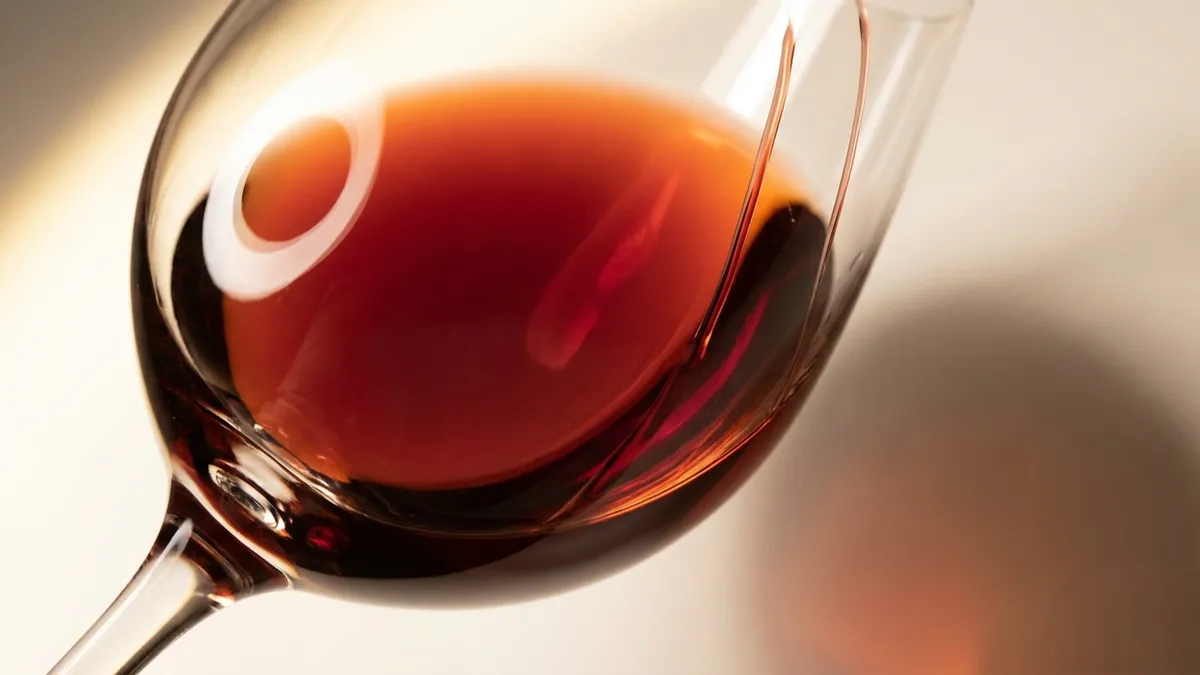
What makes xinomavro wine so distinctive is the contradiction in the glass. The wine pours pale ruby, often shading toward garnet at the rim within only a few years, and then arrives on the palate with the gripping structure of a young Barolo. Sommeliers worldwide use a simple shorthand: Xinomavro is Greece's Nebbiolo.
Xinomavro in 100 Words
Xinomavro is Greece's flagship red grape, grown in northern Greece on the slopes of Mount Vermio (Naoussa) and the high plateau of Amyndeo. The variety pours deceptively pale ruby yet delivers very high tannin, very high acidity, and a savory profile led by dried tomato, sun-dried fig, kalamata olive, dried oregano, leather, and tar. Alcohol sits at 13 to 13.5 percent. Naoussa PDO requires 100 percent Xinomavro and at least 12 months of oak; Naoussa Reserve must age 4 years before release. Top cellars age 20 years or more. The closest comparison is Piedmont's Nebbiolo.
A Northern Greek Grape With a Long Memory
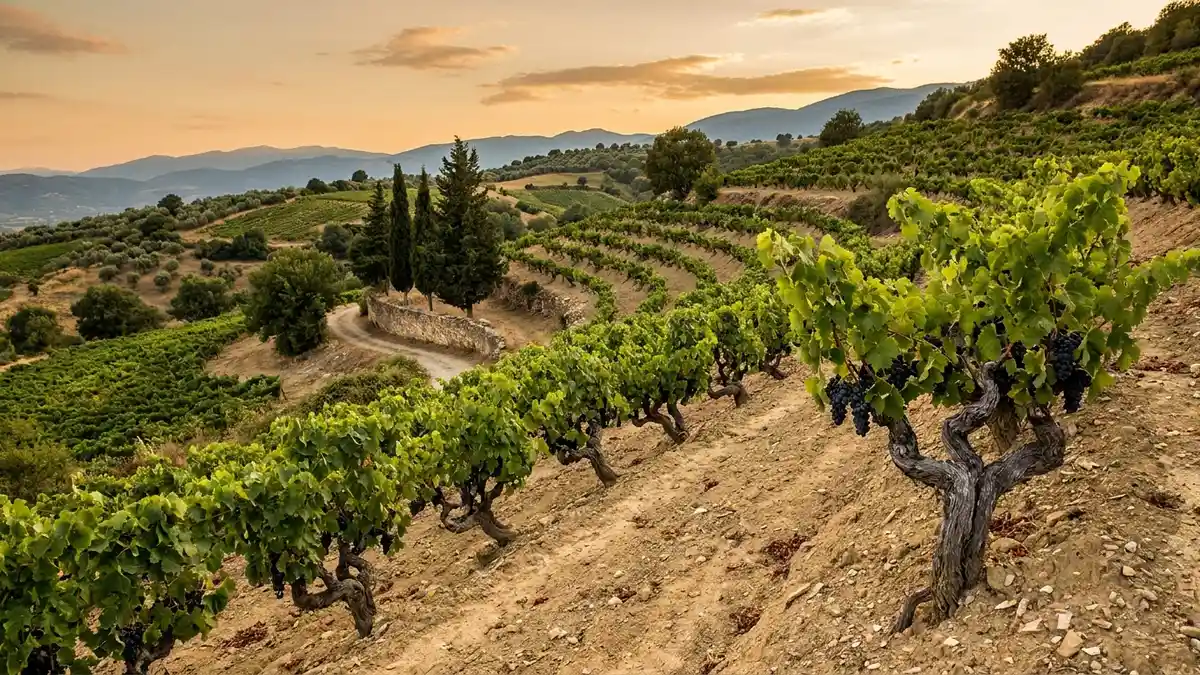
Xinomavro has been documented in Macedonia for centuries. The vineyards on the slopes of Mount Vermio above Naoussa have produced wine for at least 500 years. The local culture is built around the grape — every village near Naoussa has a winery, and the spring Genitsaroi and Boules carnival celebrates the year's first bottle from the previous vintage.
DNA analysis has confirmed Xinomavro is native to northern Greece rather than imported from Italy or France, despite the structural similarities to Nebbiolo. What ties the grape to its native ground is the combination of continental climate, sandy and limestone-rich soils, and the late autumn ripening window. Move it south to the warmer Peloponnese and it loses its perfume. Plant it at lower altitude and it loses its acidity. The variety is famously place-specific — a trait it shares with Nebbiolo and with great terroir wines generally.
The Three Zones of Xinomavro
Naoussa
Naoussa PDO is the most famous and most rigorous expression. The zone covers the eastern foothills of Mount Vermio in central Macedonia, between roughly 150 and 400 meters of altitude. Naoussa is the only Greek PDO that requires 100 percent Xinomavro, and the rules around aging are some of the strictest in the country.
- Aging requirements — minimum 12 months in oak before release; Naoussa Reserve requires 24 months in oak and at least 4 years total from harvest before sale
- Style — full-bodied for the variety, dried tomato, fig, olive, tar, leather, very firm tannins
- Aging potential — 10 to 20 years for typical vintages, 25 years or more for Reserve in great years
Naoussa is to Xinomavro what Barolo is to Nebbiolo — the grape pushed to its maximum expression of structure and longevity.
Amyndeo
Amyndeo PDO sits on a high plateau in western Macedonia at 600 to 750 meters of altitude, surrounded by four lakes. The cooler microclimate and sandy, free-draining soils produce a fresher, more lifted style of Xinomavro. The zone is also Greece's only PDO that allows rosé and sparkling wine from the variety.
- Aging requirements — 12 months for the red, Reserve requires 24 months
- Style — medium-bodied, brighter red fruit, finer tannins, more elegant
- Aging potential — 5 to 12 years
Amyndeo is the entry point for many drinkers who find Naoussa too austere on first encounter. The sparkling rosés are also worth tasting on their own — they show the grape's freshness and acidity in a softer frame.
Goumenissa
Goumenissa PDO lies west of Naoussa, around the small town of the same name. The wines are required to be at least 80 percent Xinomavro, blended with up to 20 percent Negoska, a local grape that adds softer tannin and more accessible fruit. The blend produces wines that are fragrant, friendlier, and ready to drink earlier than Naoussa.
This is the gentlest entry to the variety — the rose-and-cherry side of Xinomavro with the rough edges polished by Negoska. Goumenissa rarely earns the same critical attention as Naoussa, but it offers some of the best value in the category.
The Nebbiolo Comparison, Examined
Calling Xinomavro "Greece's Nebbiolo" is shorthand, not equivalence. The comparison is useful because it primes expectations — if you already know Barolo, you have a head start with Naoussa.
What the Two Grapes Share
- Pale color paired with extreme tannin — both pour translucent ruby and fade to brick-orange within a few years, while delivering the tannin of a heavyweight Cabernet
- Tar and dried rose aromatics — both develop a smoky, floral top note that no other widely planted red produces
- Late ripening, long aging — both demand cool autumn weather and decades in the cellar
- Single great region — both build their reputations on one zone (Piedmont for Nebbiolo, Naoussa for Xinomavro)
What Sets Them Apart
- Aroma profile — Nebbiolo leans toward dried cherry, rose petal, and white truffle; Xinomavro leads with dried tomato, sun-dried fig, kalamata olive, and dried oregano. Unmistakably Mediterranean rather than alpine
- Alcohol — Naoussa typically lands at 13 to 13.5 percent, slightly lower than Barolo's 13.5 to 14.5
- Price — a serious Naoussa costs 25 to 50 dollars; equivalent Barolo runs 60 to 200
- Recognition — Nebbiolo is on every fine-dining list; Xinomavro is still earning its global reputation
For a deeper read on the shared structural backbone, see tannins, acidity, and body and wine structure, which cover why the pale-color-plus-grippy-tannin combination is so unusual.
Tasting Xinomavro: Aroma, Palate, and Color
Once you have tasted Xinomavro carefully, the signature is hard to miss in a blind setting.
Core Aromas
- Fruit — dried tomato, sun-dried fig, dried red cherry, pomegranate, sometimes prune in older bottles
- Herbs — dried oregano, thyme, bay leaf, fennel
- Earth — kalamata olive, leather, tar, forest floor, dried tobacco
- Spice — anise, dried clove, sweet baking spice from oak
- Floral — dried rose, dried violet, potpourri
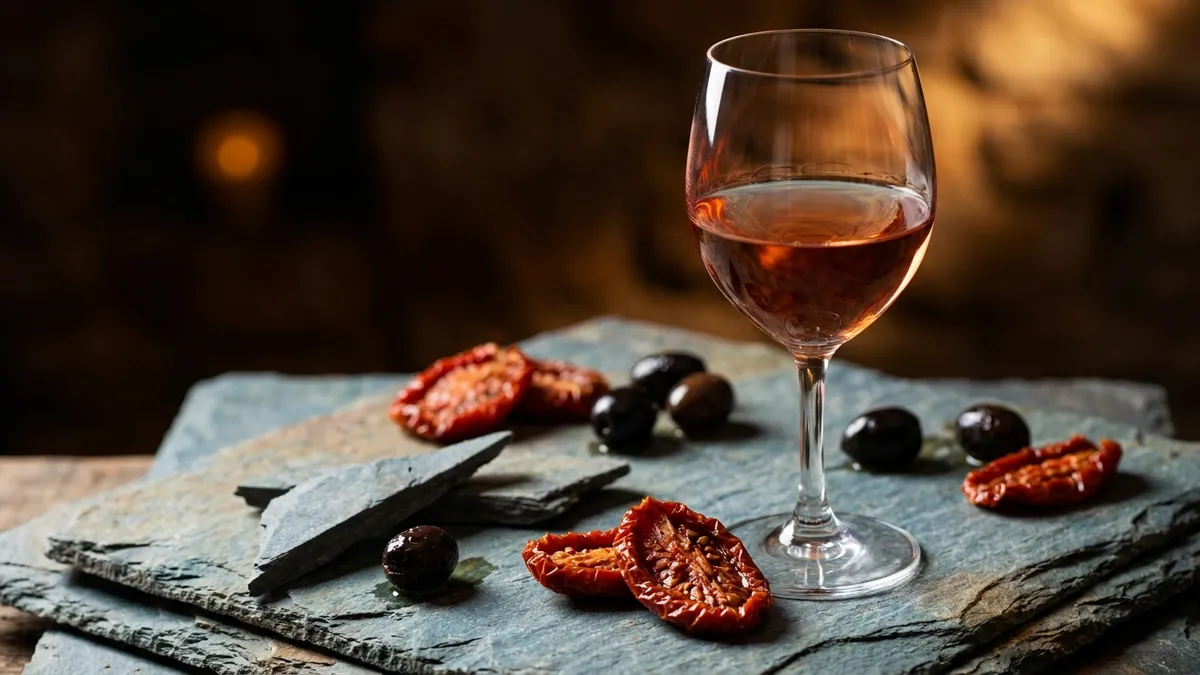
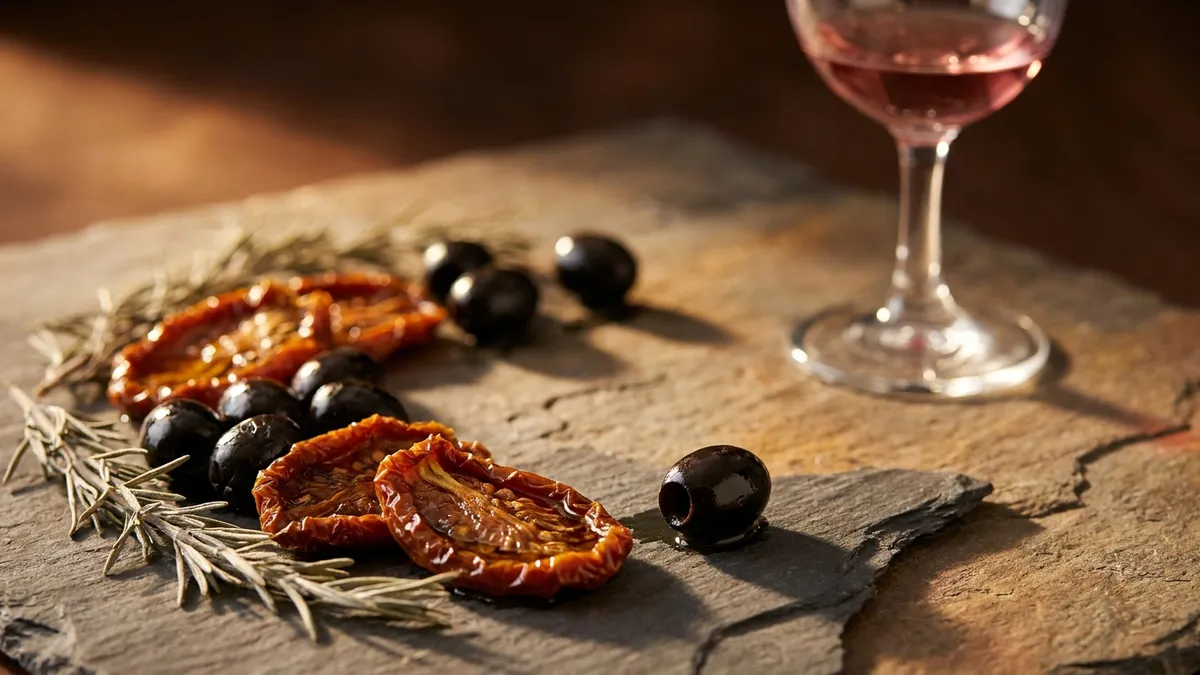
The pairing of dried tomato and olive is the giveaway combination. Few other red grapes produce both at the same time, and the savory, sun-baked Mediterranean profile is unmistakable once you have it locked in.
Structure on the Palate
- Acidity — very high. The wine feels electric, mouth-watering, almost bright
- Tannins — very high. Drying, gripping, sometimes chewy in young bottles
- Body — medium to medium-plus. The grape rarely tastes heavy despite its power
- Alcohol — typically 13 to 13.5 percent
- Length — long. A great Naoussa Reserve can echo for 30 seconds or more
The palate impression is structural rather than fruity. New tasters often find young Naoussa austere on the first sip; the wine softens dramatically with food and with air. Decanting a young bottle for 60 minutes is standard practice.
How Xinomavro Looks in the Glass
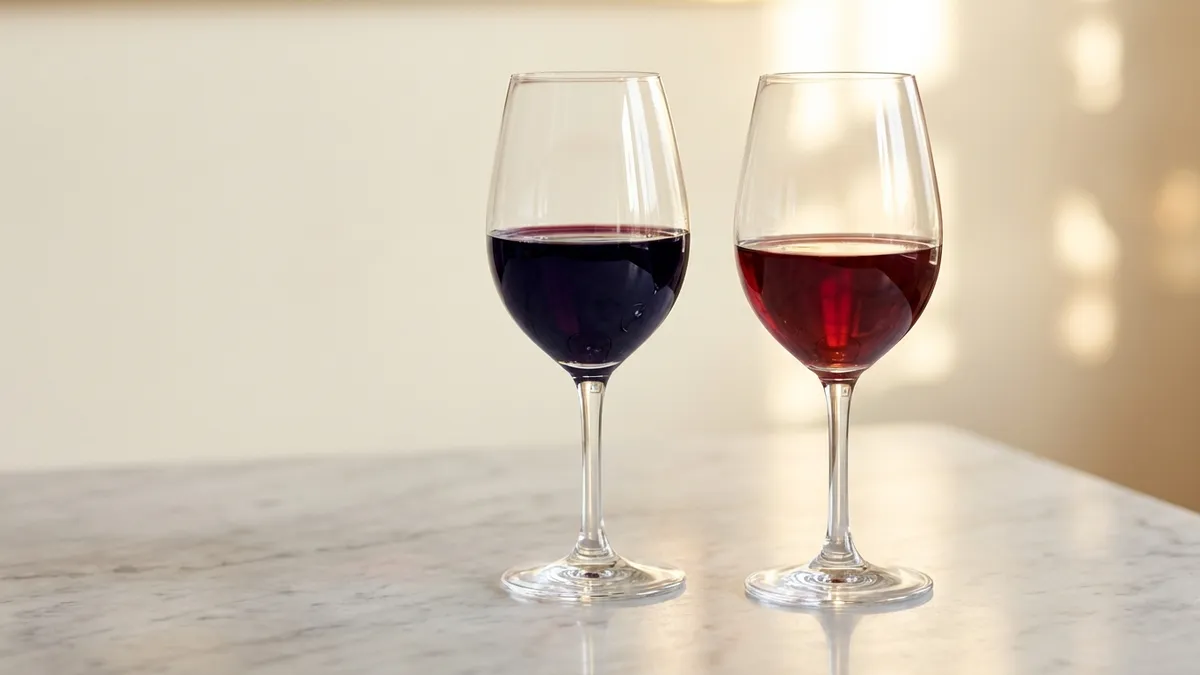
This is where the surprise lives. A 5-year-old Naoussa often looks almost garnet across the entire glass, with a pronounced brick-orange rim. A 10-year-old can be nearly the color of an aged Pinot Noir. The color-and-age relationship in Xinomavro is unusually fast — much quicker than in Cabernet or Syrah, similar to Nebbiolo.
Inexperienced tasters often guess Pinot Noir or aged Sangiovese from the color and miss the gripping tannin entirely until the first sip. The visual deception is part of the grape's charm — and a useful drill for training color-versus-structure recognition.
How to Pair Xinomavro With Food
The local cuisine of Macedonia evolved alongside the grape, which is why classic pairings still feel inevitable. Xinomavro's tannin and acidity demand richness, salt, and savory depth.
Iconic Greek Pairings
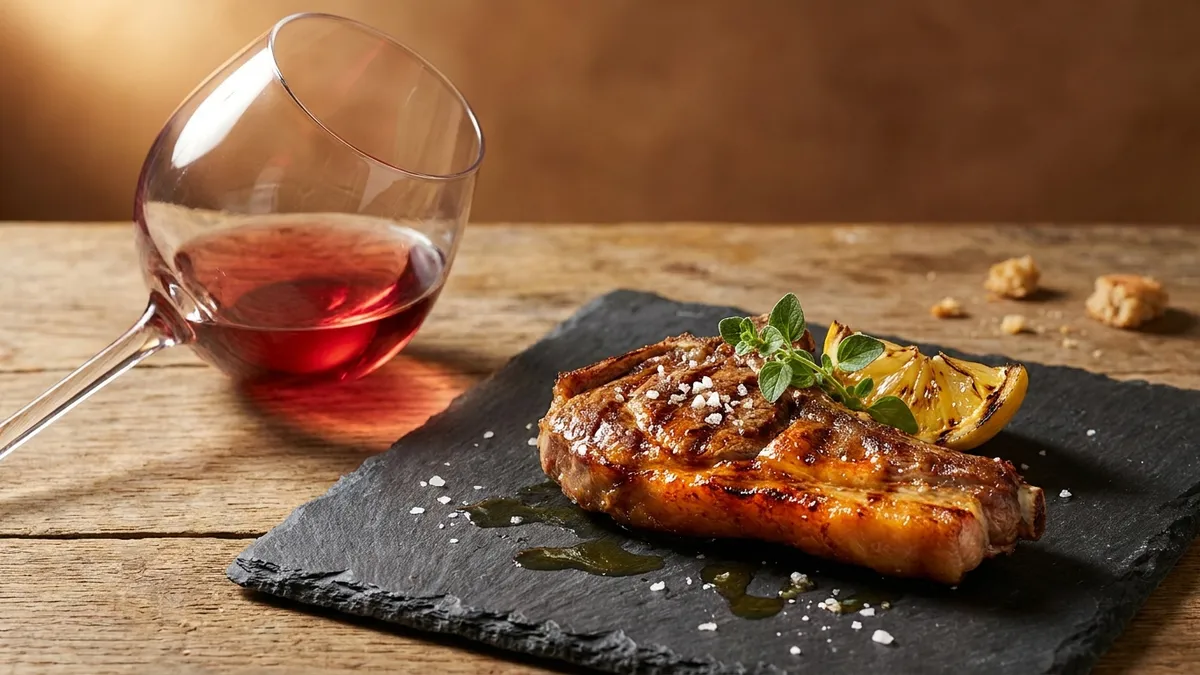
- Slow-roasted lamb — leg of lamb with garlic, lemon, rosemary, and oregano. The fat coats the tannins, the herbs echo the wine
- Moussaka — eggplant, ground lamb, béchamel, and tomato. The tomato matches the wine's dried-tomato profile directly
- Beef stifado — beef braised in red wine with pearl onions, cinnamon, and bay leaf
- Grilled pork with oregano, lemon, and a generous pour of olive oil
- Aged hard cheeses — kefalotyri, kasseri, graviera, and aged feta. The salt and umami amplify the savory side of the wine
Beyond Greek Cuisine
- Osso buco with gremolata
- Mushroom risotto with porcini or mixed forest mushrooms
- Hard sheep's-milk cheeses with honey and walnuts
- Slow-braised short ribs in red wine and stock
- Grilled portobello with herbs and aged balsamic
The same logic that makes Nebbiolo work with white truffle and braised beef makes Xinomavro work with lamb and aged cheese — see our wine pairing rules and wine and food pairing guides for the underlying framework on tannin, fat, and umami.
What to Avoid
Xinomavro's structure overwhelms light, delicate dishes. Skip raw fish, light salads, and anything sweet — the tannins clash badly with sugar. Spicy heat amplifies the bitterness, so save the harissa for a softer wine.
Modern Style Trends
Naoussa went through its own quiet evolution in the 1990s and 2000s, similar in shape to Piedmont's Barolo Wars at a smaller scale. The traditional style favored long fermentations and large neutral oak casks, demanding a decade in the cellar. The modern style used shorter macerations and smaller French oak barriques for richer, earlier-drinking wines.
By the 2020s, the two camps had largely converged. Most top producers blend the lessons — careful tannin extraction, mostly large-format aging, restrained new oak, and a focus on site-driven character. A parallel trend has been the rise of single-vineyard Naoussa, with top producers bottling individual hillside parcels separately. Side-by-side tastings of two single-vineyard bottlings reveal how much the slope, soil, and altitude shape the final wine.
Serving and Aging Xinomavro
Temperature
Serve Xinomavro at 16 to 18°C (60 to 65°F). Slightly cooler dulls the perfume; warmer pushes the alcohol forward and softens the structure too much. Our wine serving temperature chart covers temperature ranges for every red style.
Decanting
- Young Naoussa — 60 to 120 minutes in a decanter. The wine genuinely opens up
- Mature Naoussa Reserve (12 years and older) — decant gently for sediment, but taste early. Old Xinomavro can fade fast in the glass after 90 minutes
- Goumenissa, Amyndeo — 30 minutes is usually enough
Glassware
A large, tulip-shaped Burgundy bowl works well. The wide bowl gives Xinomavro's perfume room to develop. A narrow glass mutes the aromatics, which is the single most common reason new tasters miss what makes the grape special.
Aging Potential by Style
- Goumenissa: 4 to 10 years
- Amyndeo: 5 to 12 years
- Naoussa: 10 to 20 years
- Naoussa Reserve: 15 to 25 years (great vintages longer)
Comparing Xinomavro to Other Tannic-Light Reds
Xinomavro is one of the most rewarding grapes to learn because the signature is so specific. The telltale combination is pale color plus huge tannin — a contrast that almost no other red grape produces.
- Pinot Noir — similar color, but light, silky body and red-fruit aromas. No tar, no dried tomato, no gripping tannin
- Sangiovese — similar acidity, but more fruit-forward red cherry, less tar and olive, softer tannin
- Nebbiolo — the closest match in structure and color. The differentiator is aroma — Nebbiolo leans rose, cherry, and truffle; Xinomavro leans tomato, fig, and olive
- Cabernet Sauvignon — same gripping tannin, but pours opaque purple-black with fresh black currant and cedar
Tasted alongside an aged Naoussa, a Sangiovese of similar age looks slightly fresher and tastes more red-fruited; a Pinot Noir of the same color feels weightless; a Cabernet Sauvignon gives itself away at first glance.
The Sommy app's blind-tasting drills are built around exactly these comparisons — the deductive tasting method trains you to use color, structure, and aroma together rather than guessing from one signal. For a broader map of how Greek wine fits into the global picture, the Italian wine guide is the natural sibling, and our piece on Assyrtiko covers the white side of the same Greek revival.
Building Your Xinomavro Tasting Skills
Start with two bottles tasted side by side: a Goumenissa and a young Naoussa from the same vintage. The Goumenissa is the friendly, fragrant version of the grape; the Naoussa is the same grape pushed to full structural intensity. If you can stretch to three bottles, add an Amyndeo to feel the altitude-driven freshness against Naoussa's gravity.
The Sommy app walks through Greek grape comparisons exactly like this, with structured prompts that train you to notice the dried-tomato-and-olive signature, the brick-rim color shift, and the gripping tannin profile that define great xinomavro wine. Pair that with building a wine flavor library and the vocabulary in the wine tasting cheat sheet for everything you need to taste northern Greece with confidence.
Sommelier note: Try Naoussa Reserve with slow-roasted lamb shoulder rubbed with oregano, lemon, and garlic. The herbs in the rub mirror the wine's dried-oregano profile, and the lamb fat softens the tannin into something almost silky.
The Bottom Line
Xinomavro is one of the most distinctive tannic reds you will ever taste. Pale ruby color. Dried tomato and olive on the nose. Electric acidity, gripping tannin, and a savory finish that echoes for half a minute. A wine built for slow lamb, aged cheese, and patient cellaring.
It rewards beginners ready to read structure rather than fruit, and it rewards experienced drinkers who want the grandeur of Barolo without the Barolo price tag. Once you have tasted a real Naoussa Reserve at 10 years of age, you understand why people call Xinomavro "Greece's Nebbiolo" — and why that comparison sells the grape short of its own personality.
Track your Xinomavro impressions in the Sommy tasting journal — tag dried-tomato, olive, and tar notes and search across your history to turn every bottle into data you can build on.
Frequently Asked Questions
What does xinomavro wine taste like?
Xinomavro shows a pale ruby color that fades to brick-orange with age, deceiving tasters who expect a light, simple red. The palate is electric and savory — very high acidity, gripping tannin, dried tomato, sun-dried fig, kalamata olive, dried oregano, leather, and tar. Alcohol sits around 13 to 13.5 percent. Aged bottles add forest floor, dried rose, and warm spice.
Why is xinomavro called Greece's Nebbiolo?
The two grapes share a very specific contradiction — pale, translucent color paired with extreme tannin and acidity. Both develop tar, dried rose, and earthy aromatic complexity, both demand long aging, and both build their reputations on a single defining region (Piedmont for Nebbiolo, Naoussa for Xinomavro). Sommeliers use the comparison as shorthand because no other widely planted red shows the same color-versus-structure trick.
Where is xinomavro grown?
Xinomavro is concentrated in northern Greece, with the three serious zones being Naoussa, Amyndeo, and Goumenissa. Naoussa, on the slopes of Mount Vermio in Macedonia, is the benchmark and the only Greek PDO that requires 100 percent Xinomavro. Amyndeo sits at higher altitude on sandy soils and produces lighter, fresher styles. Goumenissa blends Xinomavro with Negoska for a softer, more approachable wine.
How long does xinomavro age?
Xinomavro is one of the longest-aging reds in the Mediterranean. Naoussa PDO must age at least 12 months in oak before release, while Naoussa Reserve requires 24 months in oak and a minimum of 4 years total before sale. Top cellars regularly drink beautifully at 10 to 20 years from vintage, with the best examples holding 25 years. Amyndeo styles are usually ready earlier, between 5 and 12 years.
What food pairs with xinomavro?
Xinomavro's tannin and acidity demand savory, fatty, salt-rich food. Classic Greek pairings include slow-roasted lamb with herbs, moussaka, beef stifado, kokoretsi, and grilled pork with oregano. Hard cheeses like aged kefalotyri, kasseri, and graviera work brilliantly. Beyond Greek cuisine, the wine pairs with osso buco, mushroom risotto, hard sheep's-milk cheeses, and slow-braised game. Skip raw fish and sweet sauces — both clash with the structure.
How is xinomavro different from other tannic reds?
Most tannic reds are also dark and full-bodied — Cabernet Sauvignon, Tannat, and Mourvedre all pour inky purple. Xinomavro looks like a Pinot Noir in the glass yet tastes like a young Barolo on the palate. It is also unusually savory rather than fruit-forward, leading with dried tomato, olive, and dried herbs rather than fresh berry. The combination of pale color, savory profile, and gripping tannin makes it almost impossible to mistake for anything else.
Is xinomavro a good wine for beginners?
Xinomavro is a more advanced grape because the tannin and acidity can feel overwhelming on first sip, especially in young bottles. Beginners often enjoy Goumenissa or younger Amyndeo styles first, since both are softer and fruitier. Once you have learned to read tannin and acidity together — the same structural pairing covered in our wine structure guide — Naoussa Reserve becomes one of the most rewarding red wines you can drink.
Sommy Team
LinkedInFounder & Wine Educator
The Sommy Team is building the world's most approachable wine education app, helping beginners develop real tasting skills through structured courses and AI-guided practice.