Wine and Histamine Intolerance: What to Know Before You Drink

By the Sommy Team — AI-assisted, human-edited.
Updated Apr 29, 2026
Contents (17)
- When a Glass of Red Turns Your Face Pink
- Wine and Histamine Intolerance, in 90 Seconds
- What Histamine Actually Is
- Why Some People React and Others Do Not
- The Symptoms to Recognise
- How Much Histamine Is in Your Glass
- Wines That Are Often Worst for Histamine-Sensitive Drinkers
- The Lower-Histamine Choices
- The Common Myths That Make Things Worse
- Histamine vs Wine Allergy
- A Practical Five-Question Checklist
- High-Histamine Foods to Avoid Combining With Wine
- Prevention Strategies That Work
- A Two-Week Elimination Strategy
- How to Recognise These Styles in the Shop
- What a Diagnosis Actually Looks Like
- The Honest Takeaway
TL;DR
Wine histamine intolerance shows up as flushing, congestion, headache, or hives within an hour of drinking. The cause is usually a deficient DAO enzyme that cannot keep up with histamine in fermented foods and drinks. Aged reds carry the most histamine; young dry whites and fresh sparkling wines carry the least. Style choice matters more than chasing organic labels.
When a Glass of Red Turns Your Face Pink
You finish your first glass of red, and a few minutes later your cheeks are warm, your nose is congested, and a slow headache is building behind your eyes. Your friend at the same table is on their third glass and looks fine. Something is off, and the usual suspects — sulfites, dehydration, "cheap wine" — do not quite fit the pattern.
For a meaningful share of drinkers, the answer is wine histamine intolerance. It is not an allergy and it is not psychosomatic. It is a dose-dependent reaction to a compound your body produces naturally and breaks down with an enzyme that some people simply do not make enough of.
This is a beginner-friendly guide, not medical advice. If your reactions are severe or recurrent, talk to your doctor before changing anything about how you drink or eat.
Wine and Histamine Intolerance, in 90 Seconds
Wine histamine intolerance is what happens when your body cannot keep up with the histamine in your glass. Histamine is a small biogenic amine produced during fermentation and aging — the same compound your immune system releases during allergic reactions. Most people break it down with an enzyme called diamine oxidase, or DAO. Some people are low in DAO genetically, hormonally, or because of medication, and a glass or two of red can flood the system. The classic symptoms are flushing, nasal congestion, headache, and hives within an hour. The fix is rarely "no wine" — it is choosing young, light, fresh styles, eating sensibly first, and pacing the pours. Sulfites and "organic" labels are red herrings here.
What Histamine Actually Is
Histamine is a small molecule your immune system releases during allergic reactions — it is the compound antihistamines block. It also turns up in food and drink any time fermentation, aging, or microbial activity is involved.
Inside a wine bottle, histamine forms in two main ways. Yeasts and bacteria convert the amino acid histidine (present in grape juice and skins) into histamine during fermentation. Then the wine ages, and that bacterial activity continues at a slower pace, especially during malolactic fermentation — a secondary fermentation that softens acidity and is standard in most reds.
The result is that almost every wine contains some histamine. The question is how much, and how well your body can handle it.
Why Some People React and Others Do Not
The body breaks histamine down using an enzyme called diamine oxidase (DAO), produced mainly in the gut. When DAO works well, you can drink a glass of red and eat a wedge of aged cheese without thinking about it. When DAO is low or impaired, histamine accumulates, and the symptoms start. Because so much of this work happens in your digestive tract, wine and gut health are more connected than they look.
DAO can run low for several reasons. Some people are genetically lower producers. Hormonal shifts matter — many women report worse reactions during the perimenopausal years and around their cycle. Several medications, including some antidepressants, blood pressure drugs, and antibiotics, interfere with DAO. Gut issues like inflammation or SIBO (small intestinal bacterial overgrowth) can also drag DAO levels down.
Estimates suggest histamine intolerance affects roughly one percent of the general population, with women — especially in the perimenopausal years — represented at higher rates. Many specialists believe the real number is higher because it is routinely under-diagnosed and confused with other conditions.
The Symptoms to Recognise
The histamine reaction is reasonably consistent across drinkers. If several of these show up within 60 minutes of your first glass, histamine is a strong suspect.
- Flushing of the face, neck, and chest
- Nasal congestion or a sudden runny nose
- Dull headache that builds within 30 to 60 minutes (sometimes a full migraine)
- Hives, itchy skin, or eczema flare
- Stomach upset, bloating, or diarrhea
- Racing heart or palpitations
- Anxiety or a vague sense of unease
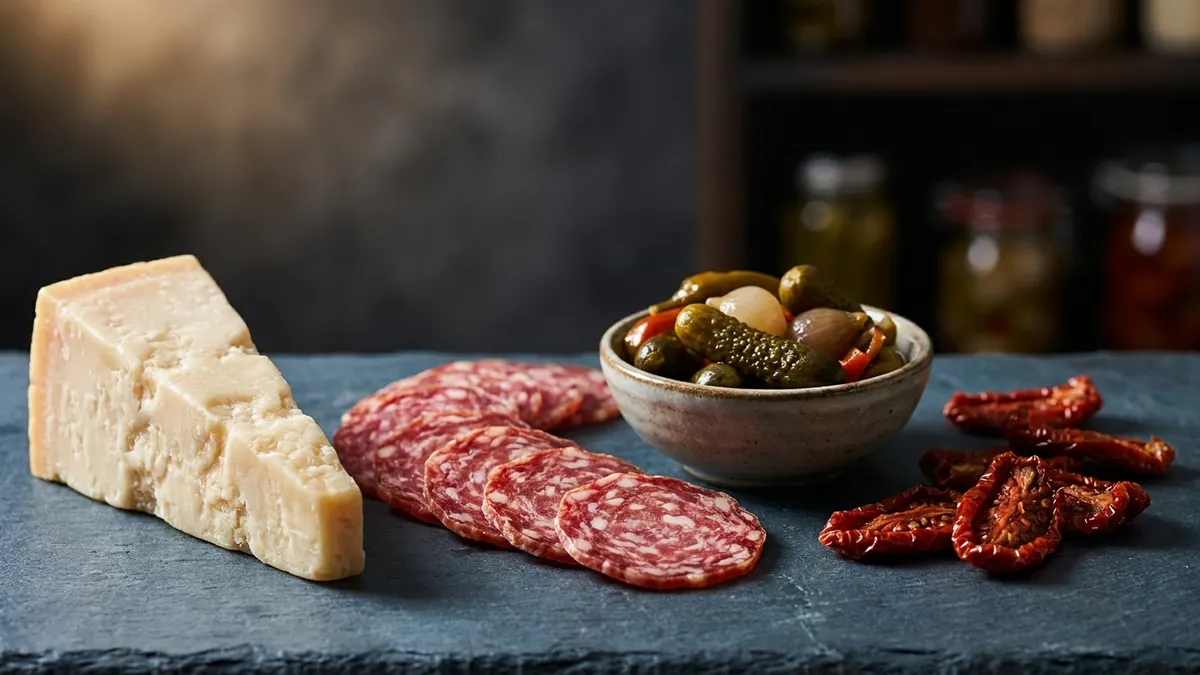
The specific cluster varies between people, and the same person can react differently on different days depending on baseline histamine load. A meal of aged cheese and cured meat raises that baseline before the wine even arrives, which is why charcuterie pairings often hit harder than the wine alone would suggest.
How Much Histamine Is in Your Glass
Numbers vary widely between bottles, but the broad ranges are well-documented in food chemistry literature.
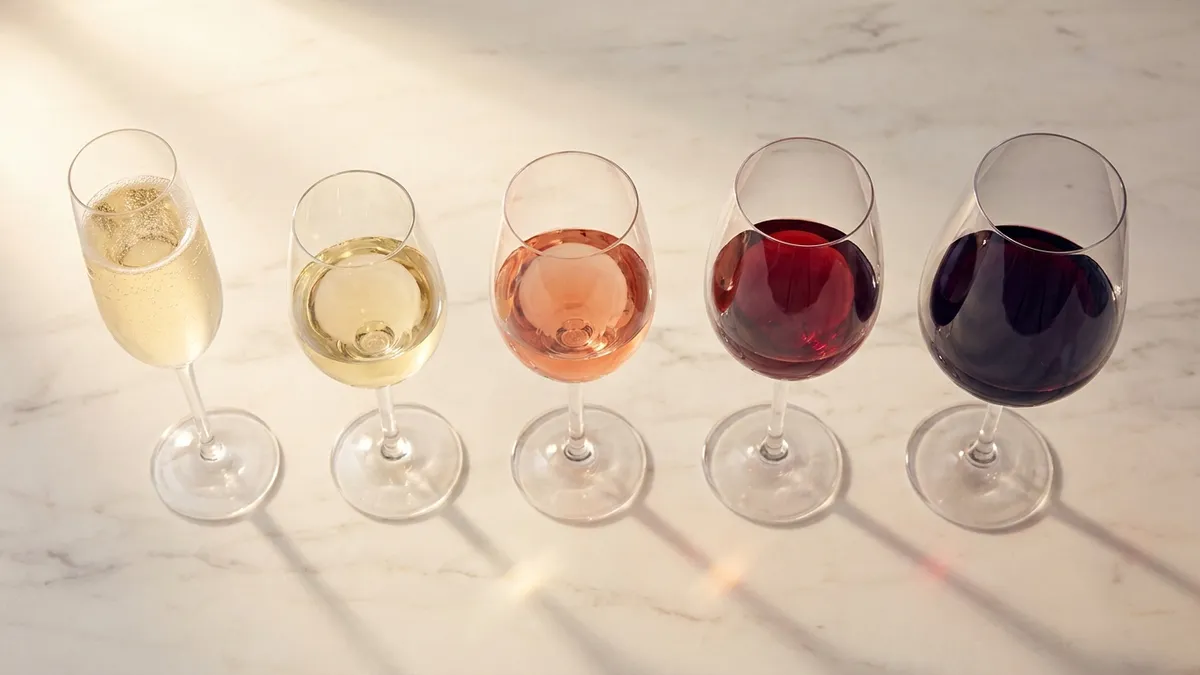
- White wine: roughly 0.5 to 10 mg/L
- Sparkling wine: roughly 0.5 to 5 mg/L (young, brut styles at the low end)
- Red wine: roughly 1 to 20+ mg/L
- Aged red Bordeaux or Burgundy: roughly 8 to 25 mg/L
- Old vintages, cellared 10+ years: often considerably higher
The headline is that red wine carries five to ten times more histamine than white at comparable price points. The mechanism is not subtle.
Why Red Wine Has More
Red wine is fermented with the grape skins, which contain the histidine that yeasts and bacteria convert into histamine. White wine is pressed off the skins before fermentation, so the same conversion happens with much less raw material to work with.
On top of that, almost all red wine goes through malolactic fermentation, where lactic acid bacteria convert sharp malic acid into softer lactic acid. Those same bacteria produce histamine as a byproduct. Whites that skip malolactic — most aromatic Riesling, Sauvignon Blanc, and Pinot Grigio — sidestep this second wave entirely. The chardonnay vs sauvignon blanc comparison shows how big the malolactic gap can be even between two whites.
Tannins make this worse by locking histidine into a form that is more available to fermentation microbes. And oxidative aging — long stints in oak or bottle — concentrates the histamine that is already there. The longer a red sits, the more histamine load it accumulates. The tasting young vs aged wine guide shows what extended aging does to the wine in your glass; histamine is one piece of that picture.
Wines That Are Often Worst for Histamine-Sensitive Drinkers
If your reactions are reliable and unpleasant, treat these styles with caution.
- Aged red wines — older Bordeaux, Barolo, vintage Champagne, anything cellared for a decade or more
- Heavily oaked reds — long oak aging concentrates the histamine already present
- Natural or biodynamic wines — lower sulfite dosing means more bacterial activity, which often means more histamine, not less
- Sweet wines — both extra sugar and often longer aging or skin contact
- Vintage Champagne and other aged sparklings — fizzy is not a get-out-of-jail card if the wine has been on lees or in bottle for years
This list will surprise people who reach for "natural" or "organic" wine specifically to avoid headaches. The certification governs farming and additives, not biogenic amines. A natural wine made with extended skin contact and no sulfite protection can carry a higher histamine load than a conventional young red made with careful temperature control.
The Lower-Histamine Choices
The good news is that plenty of wine styles are gentle on a histamine-sensitive system.
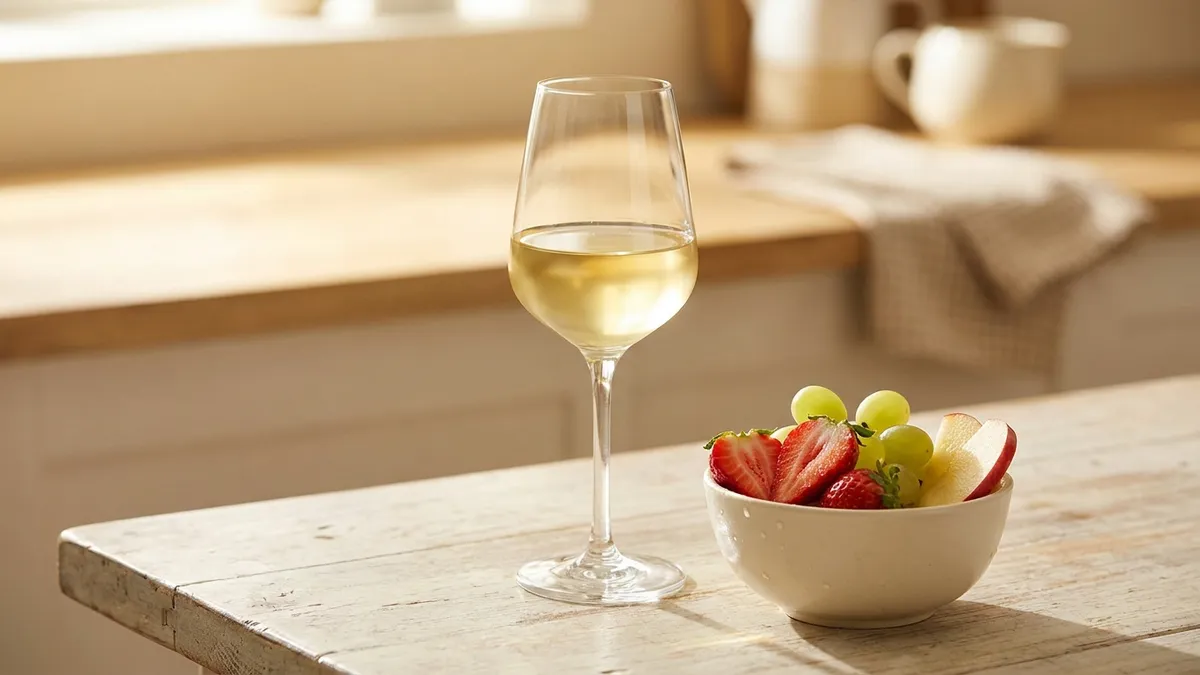
- Young dry whites — Sauvignon Blanc, Pinot Grigio, dry Riesling, Albariño
- Aromatic whites without malolactic — most Riesling, despite its expressive aromas, carries low histamine
- Light young rosés — short skin contact and no extended aging
- Fresh sparkling wines — brut Cava, fresh Prosecco, non-vintage young Champagne
- Light young reds — Beaujolais Nouveau, Gamay-based reds, Pinot Noir under two years old
- Cool-climate reds with shorter skin contact — lighter Burgundian-style Pinot, fresher Loire reds
If you love whites, the riesling wine guide walks through styles from bone-dry to sweet, and the champagne vs prosecco vs cava guide breaks down sparkling categories — useful when you are choosing a fresh, lower-histamine bottle for a celebration. For lighter reds, the cabernet sauvignon vs merlot comparison helps you orient on the tannin and aging spectrum within reds.
The Common Myths That Make Things Worse
Three beliefs reliably send histamine-sensitive drinkers in the wrong direction.
"Sulfites cause my histamine headache." Sulfites and histamine are different compounds with different mechanisms. Sulfite sensitivity affects roughly one percent of the population and shows up as wheezing or chest tightness in asthmatics, not as a flush-and-headache pattern. The wine headache causes guide unpacks this in detail.
"Organic wine has no histamines." Often the opposite. Lower-intervention winemaking allows more bacterial activity during fermentation, which produces more histamine, not less. If your trigger is histamine, the certification on the front label tells you nothing useful.
"Decanting reduces histamines." Decanting introduces oxygen, softens tannins, and lets aromas open up. It does not break down histamine. The does decanting change wine flavor guide covers what decanting actually does and does not do.
There is a fourth myth worth flagging: many people convinced they get "really bad hangovers from wine" are actually experiencing a delayed histamine reaction. The wine hangover prevention guide can help separate alcohol-driven misery from histamine-driven misery — they overlap but they need different prevention.
Histamine vs Wine Allergy
A true wine allergy is rare. It usually involves a specific protein — sometimes from a fining agent like egg or fish — and shows up as classic allergic symptoms: hives spreading well beyond the face, swelling, or trouble breathing.
Histamine intolerance is different. It is dose-dependent rather than immune-mediated. Small pours may go fine; bigger pours or high-histamine styles flood the system. There is no IgE allergic response, no anaphylaxis risk, and no "you can never drink wine again" verdict. The reaction can be managed by managing the dose and the style.
If your symptoms include facial swelling, wheezing, or anything that feels more dramatic than flushing and a headache, treat it as potential allergy and see a doctor. Do not self-diagnose your way into a real allergic reaction.
A Practical Five-Question Checklist
If you are wondering whether histamine is your trigger, walk through these.
- Do you flush, congest, or headache within an hour of one or two glasses?
- Do aged reds, vintage Champagne, or natural wines hit you harder than fresh young whites?
- Do you also react to aged cheese, cured meat, sauerkraut, vinegar, or soy sauce?
- Are reactions worse around your menstrual cycle, perimenopause, or after antibiotics?
- Do antihistamines (taken under medical guidance) reduce your symptoms?
Three or more "yes" answers strongly suggest histamine is involved. Two or fewer makes it less likely — the wine headache causes guide can help you sort through other possibilities.
High-Histamine Foods to Avoid Combining With Wine
Histamine is cumulative. Your body adds the wine to whatever else is on the table and reacts to the total. If you are sensitive, watch for this list at dinner.
- Aged cheese — parmesan, cheddar, blue, anything cellared
- Cured and fermented meats — prosciutto, salami, dry-aged steaks
- Fermented vegetables — sauerkraut, kimchi, pickles in vinegar
- Soy sauce, miso, fish sauce, vinegar
- Tomatoes, spinach, eggplant, avocado
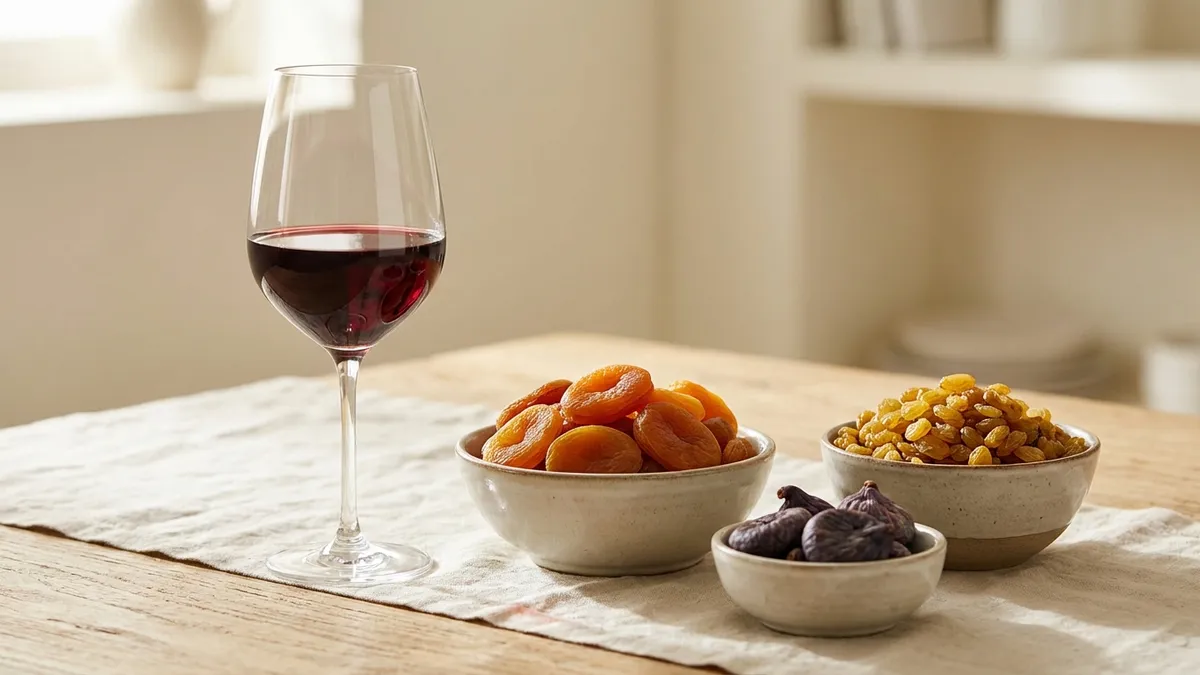
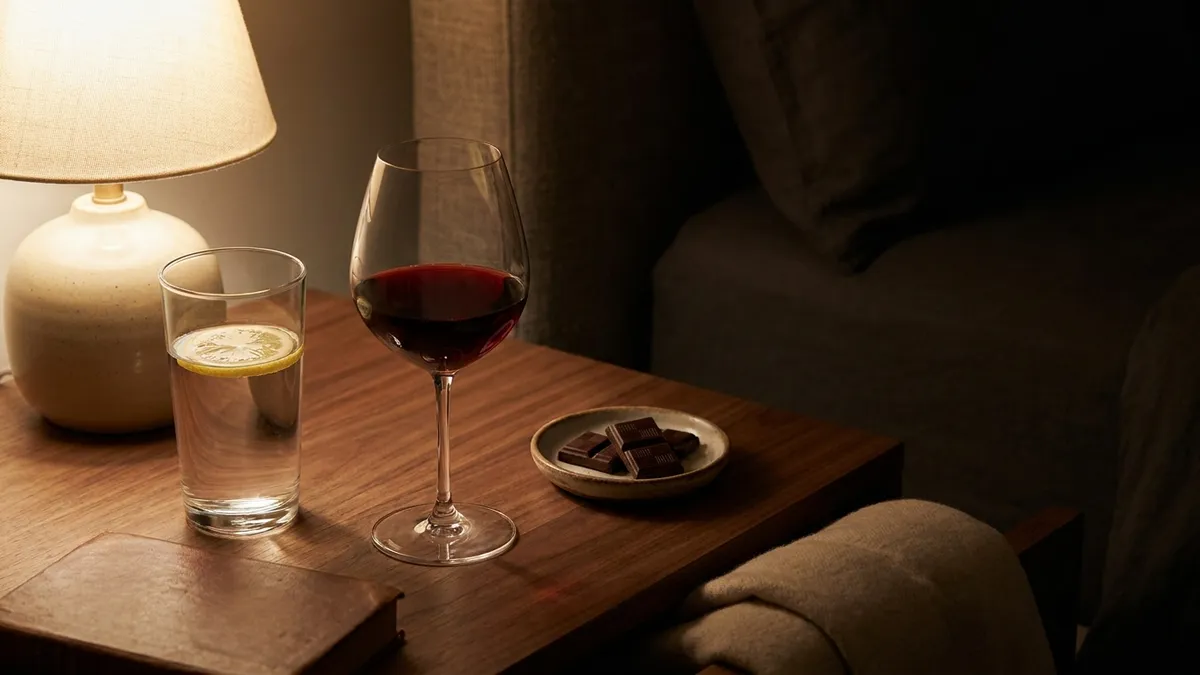
- Chocolate, citrus fruits
- Smoked or canned fish
The classic wine-bar pairing — aged cheese, cured meat, a glass of vintage red — is essentially a histamine cocktail. If you are sensitive, the same wine with grilled chicken and rice will land very differently. The wine and cheese pairing guide can help you build pairings that respect your tolerance.
Prevention Strategies That Work
If you suspect histamine is your issue, layered habits prevent most reactions without giving up wine.
Choose Young, Light, Fresh Styles
Default to young dry whites, fresh sparkling, light young rosés, or light young reds for everyday drinking. Save aged reds for occasions, and pace them carefully. Building a sense of what "young, fresh, light" tastes like is a real skill — the develop your wine palate guide walks through how to recognise these styles in the glass.
Eat Sensibly First
A meal with protein and fat (and without the high-histamine landmines above) slows alcohol absorption and stabilises your gut. Eggs, rice, poultry, fish, and most vegetables are safe bases. Aged cheese before the wine is a setup for the worst reaction of the night.
Pace One Glass Per Hour
Histamine intolerance is dose-dependent. Faster pours mean a bigger spike before your DAO can catch up. One glass per hour, water in between, is usually enough to keep most sensitive drinkers below the reaction threshold.
Track Your Reactions
Keep a short log: wine style, food, symptoms within two hours, how you slept. Patterns emerge within a month or two. The Sommy app's tasting journal pulls double duty here — you record what you tasted, and the same notes track how your body responded.
Consider Medical Options With Your Doctor
Some sensitive drinkers take an antihistamine before drinking, others trial DAO supplements that aim to top up the deficient enzyme. The evidence on DAO supplements is mixed, and antihistamines interact with alcohol in ways that need a doctor's input. Do not improvise this — make a call.
A Two-Week Elimination Strategy
If you suspect histamine but are not sure, a structured trial is more useful than guesswork.
Week one: drop alcohol entirely and avoid all the high-histamine foods listed above. Note how you feel, how you sleep, and whether any chronic symptoms (congestion, hives, low-grade headaches) clear up.
Week two: keep alcohol off, then slowly reintroduce one high-histamine food at a time, every two days. Watch for reactions.
End of week two: introduce a single glass of a low-histamine wine — a young dry Sauvignon Blanc or Pinot Grigio, with a low-histamine meal. Then a glass of a young light red, a few days later. Then, if all is well, a small glass of an aged red.
The pattern of where reactions resume tells you most of what you need to know. Talk to your doctor before doing this if you take regular medications or have any chronic condition — elimination diets are not always appropriate.
How to Recognise These Styles in the Shop
Reading wine labels with a histamine lens takes a bit of practice. Look for vintage year as your first clue: the more recent the year, the lower the histamine load is likely to be. Look for terms like "unoaked", "stainless steel", or "early release" on white wines. Avoid "reserve", "gran reserva", "riserva", "vintage", and any descriptor implying long aging if you are sensitive. The how to read wine label guide breaks down the terminology so you can decode a back label in under a minute. The Sommy app's deductive tasting flow includes age and style cues that train this kind of recognition over time.
What a Diagnosis Actually Looks Like
If reactions are frequent or severe, a doctor can help confirm the picture. A blood DAO test measures the enzyme directly, though availability varies and results are not always conclusive. An elimination diet, like the two-week version above but supervised, is often the most informative tool. A symptom diary tracking food, drink, sleep, and reactions is invaluable raw material for that conversation.
In rarer cases, severe symptoms can point to mast cell activation syndrome (MCAS) — a condition where mast cells release histamine inappropriately, sometimes triggered by foods, drinks, or stress. This is a medical diagnosis, not something to self-label. If your reactions feel out of proportion to the wine, escalating, or accompanied by symptoms beyond flushing and congestion, see a doctor.
The Honest Takeaway
Most people are not histamine-intolerant. If you can drink a glass of aged red with a slab of parmesan and feel fine an hour later, you are not in this group. Stop worrying about it.
If you are in the smaller group whose body cannot keep up — and the symptoms above describe your typical evening — the answer is rarely "no wine." It is choosing wine styles carefully. Young dry whites, fresh sparkling, light young rosés, and lighter young reds open up almost the entire wine world to you. The styles you skip — aged reds, vintage Champagne, heavily oaked reds, sweet wines — are a small slice of what is on the shelf.
Two or three Sommy app sessions with the deductive tasting flow will teach you more about recognising young vs aged, light vs heavy, oaked vs unoaked than any label-reading guide. Visit sommy.wine to start building grounded wine knowledge that takes your body's signals seriously. For more on hydration, food, and lifestyle around drinking, the wine health pillar collects every Sommy guide on the topic. The Sommy tasting journal also doubles as the kind of personal log a doctor will thank you for at your next appointment.
Once you stop blaming the wrong compound and start choosing the right styles, wine stops being a gamble. It goes back to being one of the small pleasures of a good evening.
Frequently Asked Questions
What is histamine intolerance and how does it relate to wine?
Histamine intolerance is a condition where your body cannot break down histamine fast enough, usually because the enzyme diamine oxidase (DAO) is low or impaired. Wine is one of the most histamine-rich drinks on the table. Reds, aged wines, and fermented styles can flood a sensitive system within minutes. The reaction is dose-dependent rather than allergic, so one glass may be fine while three triggers symptoms.
What are the symptoms of a histamine reaction to wine?
The classic pattern is flushing of the face and neck, nasal congestion or a runny nose, a dull headache that arrives within 30 to 60 minutes, hives or itchy skin, stomach upset, racing heart, and occasionally diarrhea. Severity ranges from mildly annoying to genuinely disruptive. The same person can have very different reactions depending on baseline histamine load, which is why an aged cheese platter often makes wine feel worse.
Which wines have the most histamine?
Aged red wines top the list — older Bordeaux, Barolo, vintage Champagne, and any red cellared for ten years or more can carry significantly more histamine than a young wine. Heavily oaked reds, sweet wines, and many natural or biodynamic wines also land on the higher end because lower sulfite use allows more bacterial activity during fermentation. Young, fresh, and lighter styles consistently carry less.
Which wines are lowest in histamine?
Young dry whites — Sauvignon Blanc, Pinot Grigio, dry Riesling — sit at the bottom of the histamine range. Light young rosés, fresh Prosecco, brut Cava, and Pinot Noir under two years old are usually well-tolerated. The pattern is short skin contact, no extended aging, and a clean fermentation. If a wine has spent years in oak or in bottle, assume the histamine load is higher.
Are sulfites the cause of my histamine reaction?
No — sulfites and histamine are separate compounds with different mechanisms. Sulfite sensitivity affects roughly one percent of the population and shows up as wheezing or chest tightness, mostly in asthmatics. Histamine reactions show up as flushing, congestion, and headache. Confusing the two is one of the most common mistakes in wine health discussions.
Can I take an antihistamine before drinking wine?
Some people do, but this is a question for your doctor, not the internet. Over-the-counter antihistamines change how alcohol affects you, can amplify drowsiness, and may interact with other medications. The safer first move is choosing lower-histamine wine styles, eating before drinking, and pacing yourself. If those steps fail and you still want to drink occasionally, ask your physician what is appropriate for your medical history.
Does decanting or choosing organic wine reduce histamine?
Neither. Decanting introduces oxygen and can soften tannins, but it does nothing to histamine levels. Organic and biodynamic certifications govern farming practices and additives, not biogenic amines. In fact, many low-intervention wines have higher histamine because the lower sulfite dose allows more bacteria to thrive during fermentation. The label terms are a separate question from how your body will react.
When should I see a doctor about wine reactions?
See a doctor if your reactions are severe, frequent, or escalating, if you have hives that spread or trouble breathing, if you suspect a mast cell disorder, or if symptoms hit even from very small amounts of fermented food. A blood DAO test, an elimination diet, and a symptom diary can help confirm whether histamine is the issue. This article is a beginner's guide, not medical advice — talk to your doctor before changing how you drink or eat.
Sommy Team
LinkedInFounder & Wine Educator
The Sommy Team is building the world's most approachable wine education app, helping beginners develop real tasting skills through structured courses and AI-guided practice.