Which Wines Age Well? The Four Traits That Decide It

By the Sommy Team — AI-assisted, human-edited.
Updated Sep 25, 2026
Contents (10)
- Which Wines Age Well, in One Paragraph
- Does All Wine Get Better With Age?
- What Makes a Wine Age Well?
- Which Wines Age Well? A Shelf Chart
- How Can You Spot an Age-Worthy Bottle in a Shop?
- Which White and Sparkling Wines Can Age?
- Why Do Sweet and Fortified Wines Last for Decades?
- Does Cork or Screw Cap Change How Wine Ages?
- How Should You Store a Wine You Plan to Age?
- How Do You Know When an Aged Wine Is Ready?
TL;DR
Which wines age well comes down to four preservatives: tannin, acidity, sugar and alcohol. About 99% of wine is made to drink within five years. The ones that improve for decades are tannic reds like Cabernet Sauvignon and Nebbiolo, high-acid Riesling, sweet Sauternes and fortified vintage Port, kept cool at around 13°C.
Which wines age well is decided before the cork goes in. A wine improves in the bottle only if it carries a preservative in quantity: tannin, acidity, sugar or alcohol. Most wine carries none of them in quantity, because most wine is made to be opened within a few years.
Which Wines Age Well, in One Paragraph
The wines that age well are built with at least one of four preservatives: tannin, acidity, sugar or alcohol. Among reds, that means tannic Cabernet Sauvignon, Nebbiolo and Syrah, plus high-acid Sangiovese and Pinot Noir. Among the rest, it means Riesling from dry to sweet, Sauternes, vintage Port at 19 to 22% alcohol, and vintage Champagne. Everything else, about 90% of all wine, is made to drink within a year of production. Aging also needs care: a steady 13°C (55°F), darkness, and never above 20°C (68°F).
Does All Wine Get Better With Age?
No. About 90% of wine is meant to be drunk within a year of production, and 99% within five years. Only an estimated 5 to 10% of wine improves after one year, and just 1% keeps improving after five to ten years.
Those figures overturn the most common myth in wine. Age is not a quality score. A light Pinot Grigio or a fruity rosé is at its best the season it is released. Given five years in a cupboard, it loses its fresh fruit and gains nothing to replace it.
The rare bottles that do improve share a structure that can be tasted in a sip or read from the grape and place on the label.
What Makes a Wine Age Well?
Four preservatives do the work: tannin, acidity, sugar and alcohol. An age-worthy wine carries at least one of them in quantity. It also needs enough concentrated fruit to still taste of something after the years have softened its grip and faded its first fresh flavours.
Tannin (the drying grip on your gums) comes from grape skins and seeds, and from oak. Tannin molecules are large, and over years in the bottle they bind together into bigger clusters. Once those clusters grow too large to stay in the liquid, they drop out as sediment. The wine left behind feels softer, which is why a harsh young red can turn silky with time.
Acidity (the tartness that makes your mouth water) plays the same protective role in white wine that tannin plays in red. It keeps the wine fresh while everything else changes. Sugar and alcohol both slow spoilage too, which is why sweet and fortified wines are the longest-lived of all.
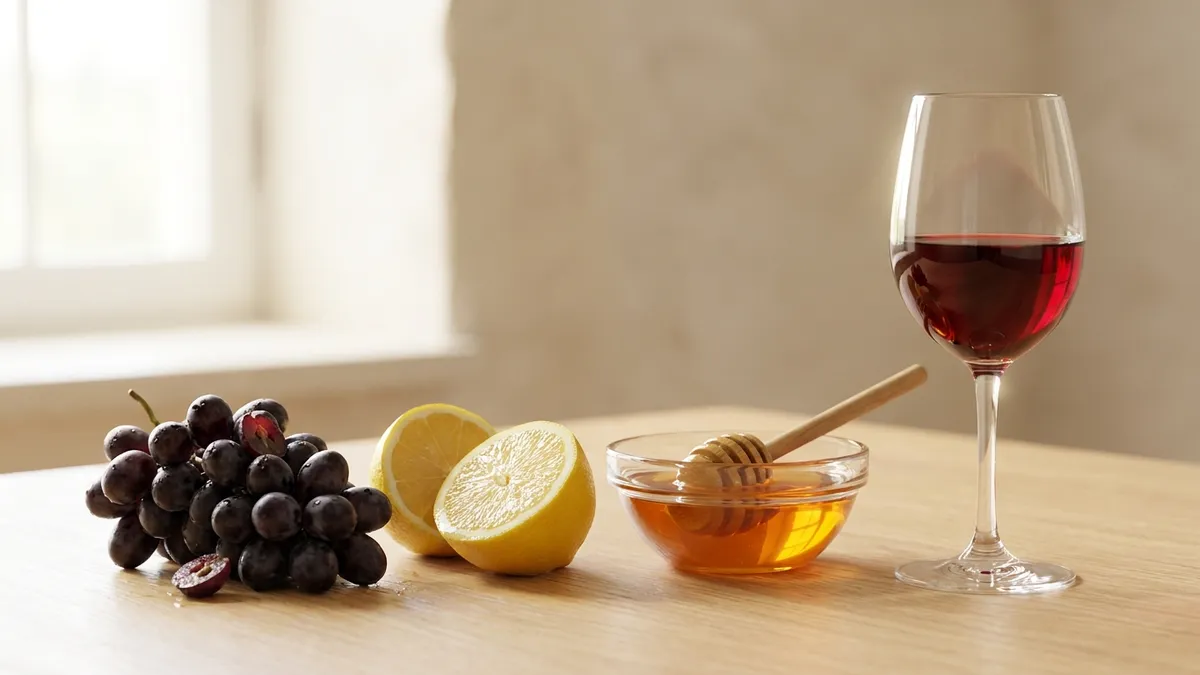
While the structure softens, new smells form. Acids slowly combine with alcohol to make esters, a family of aroma compounds. Together with other slow reactions, they give tertiary aromas (flavours that develop only with age): leather, dried fig, mushroom, honey. For a sip-by-sip account of how those changes feel, see tasting young vs aged wine, and for the structural terms, understanding tannins, acidity and body.
Which Wines Age Well? A Shelf Chart
The styles that age best are tannic reds (Cabernet Sauvignon, Nebbiolo, Syrah), high-acid reds (Sangiovese, Pinot Noir), Riesling, Sauternes, vintage Port and vintage Champagne. Each relies on a different preservative, so each needs different handling: some want years in a cool, dark spot, while others are ready the day they reach the shelf.
| Style | What protects it | How long it can go | What to do |
|---|---|---|---|
| Left Bank Bordeaux (Cabernet Sauvignon-led) | High tannin | Made to be cellared before drinking | Store it; open the first bottle after several years |
| Barolo (Nebbiolo) | High tannin, high acidity | Traditional styles took 10+ years to soften | Store it; decant a young one for an hour |
| Syrah | High tannin | Years in a concentrated style | Store the concentrated ones; drink light ones young |
| Sangiovese, Pinot Noir | High acidity | Years for the best examples | Store only the concentrated ones |
| Right Bank Bordeaux (Merlot-led) | Softer tannin | Long-lived, but approachable young | Drink now or store; both work |
| Riesling | High acidity (plus sugar) | 5–15 years dry, 10–20 semi-sweet, 10–30+ sweet | Store it; expect a petrol aroma with age |
| Sauternes | Sugar and acidity | Top vintages beyond 100 years | Store it; serve chilled with blue cheese |
| Vintage Port | Alcohol and sugar | 10 to 40+ years in bottle | Store it on its side; decant off the sediment |
| Fresh whites, rosé, light fruity reds | Little of any | Best within a year of release | Drink it this year |
The Bordeaux split is the most useful line on the chart. Left Bank wines, led by Cabernet Sauvignon, are concentrated and tannic, and most are meant to be cellared before drinking. Right Bank wines, led by Merlot, have softer tannins and taste good sooner. Our Cabernet Sauvignon guide and Nebbiolo guide cover the two classic tannic grapes in depth.
How Can You Spot an Age-Worthy Bottle in a Shop?
Read the grape and the style before the price. If the label names a grape from the chart and the wine is made in a concentrated style, it can wait. If it is a light, soft, fruity everyday wine, drink it within the year.
Three shelf clues help. First, the grape or place: Barolo, Left Bank Bordeaux, Riesling, Sauternes and vintage Port head the list. Second, the vintage (the harvest year on the label). An age-worthy style that is only a year or two old is at the start of its life. A light rosé from three years ago is already past its best. Third, the words "Riserva" or "Reserva", which usually mean longer aging before release, or "Vintage" on a Port, which means it is built to age in bottle.
Cheap wine is the trap. Most inexpensive bottles are built soft and fruity for drinking soon, so waiting only flattens them. Price is only a rough clue. An affordable dry Riesling with sharp acidity can improve for years, while an expensive but soft, oaky red may not. Our explainers on vintage vs non-vintage wine and what the vintage year means show how to read that number.
Which White and Sparkling Wines Can Age?
Whites age on acidity, and Riesling is the benchmark. Its naturally high acidity gives it unusually long aging potential for a white. Typical windows are 5 to 15 years for dry styles, 10 to 20 for semi-sweet and 10 to 30 or more for sweet ones.
With age, Riesling picks up a smell of petrol, caused by a compound called TDN that builds up in the bottle. Many fans seek it out. Its fresh lime and green apple fade toward honey and toast at the same time. The Riesling guide explains how dry and sweet styles are labelled.
Sparkling wine gets much of its aging before release. Non-vintage Champagne must spend at least 15 months maturing, and vintage Champagne at least three years. Vintage Champagne, made only from one year's harvest, has the most structure for further bottle age. A non-vintage bottle is ready when sold and is best opened within a year or two. The Champagne region guide covers how those styles are made.
Why Do Sweet and Fortified Wines Last for Decades?
Because sugar and alcohol both protect wine. Sauternes combines high sugar with high acidity, and its best vintages can age well beyond 100 years. Port is fortified (spirit added, raising the alcohol), usually to 19 to 22%, which lets vintage Port rest 10 to 40 or more years in bottle.
Sauternes comes from Bordeaux and is made from Sémillon, Sauvignon Blanc and Muscadelle grapes attacked by noble rot (a mould, Botrytis cinerea, that shrivels the grapes and concentrates their sugar). That mix of sugar, acidity and alcohol is why a golden young Sauternes can turn deep amber over decades and still taste of dried apricot and honey. The Sauternes guide has the details.
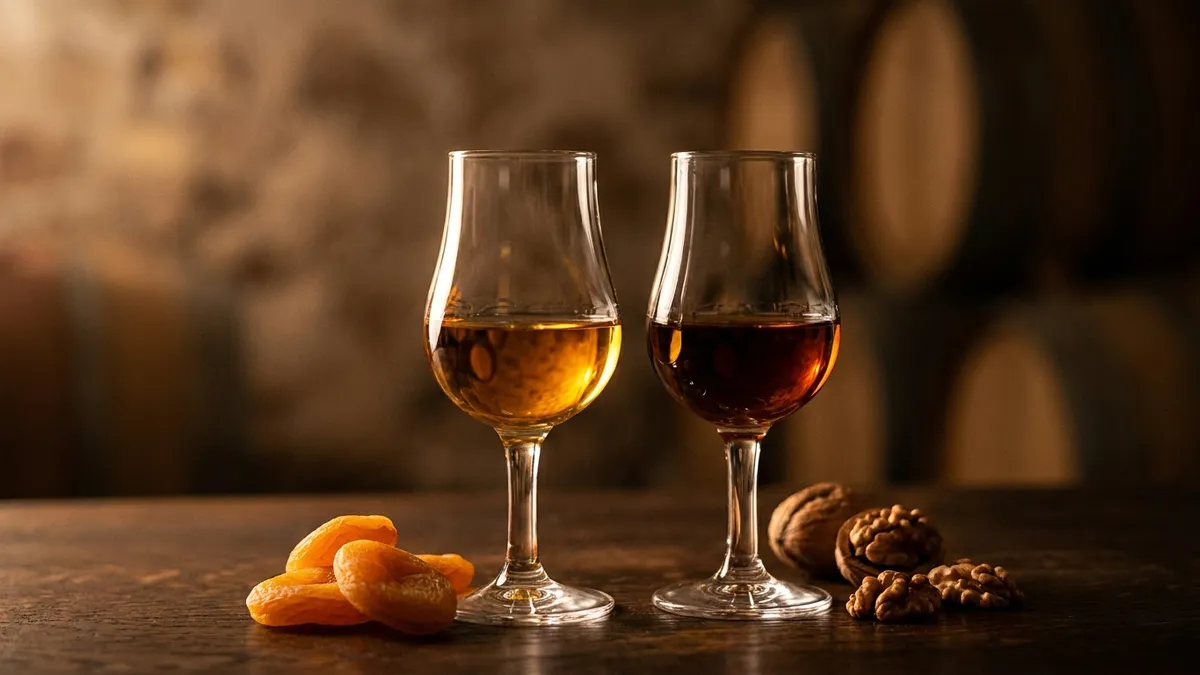
Port shows how style decides the aging route. Vintage Port spends at most two and a half years in barrel or tank, then ages in bottle, and 19th-century bottles are still found in good condition. Other styles age in wood and are ready to drink when sold. Late Bottled Vintage is bottled four to six years after the harvest. Tawny Port carries age statements of 10, 20, 30, 40 or 50 years, and Colheita, a single-vintage tawny, spends at least seven years in wood. If the label shows an age statement or Colheita, the aging is done; open it. Our Port wine guide and dessert wine guide go further.
Does Cork or Screw Cap Change How Wine Ages?
Yes, through oxygen. A screw cap lets almost no oxygen into the bottle, so the wine develops more slowly and keeps its fresh fruit longer. Natural cork lets in a little, and the amount varies from one cork to the next, which changes the pace bottle by bottle.
The old belief that screw-capped wine cannot age is wrong. Screw caps change the speed of aging, not whether it happens, and some producers choose them for age-worthy Riesling. They are also generally free of TCA (the compound behind most musty "corked" wine). The downside is that almost no oxygen can sometimes dull a wine's quality.
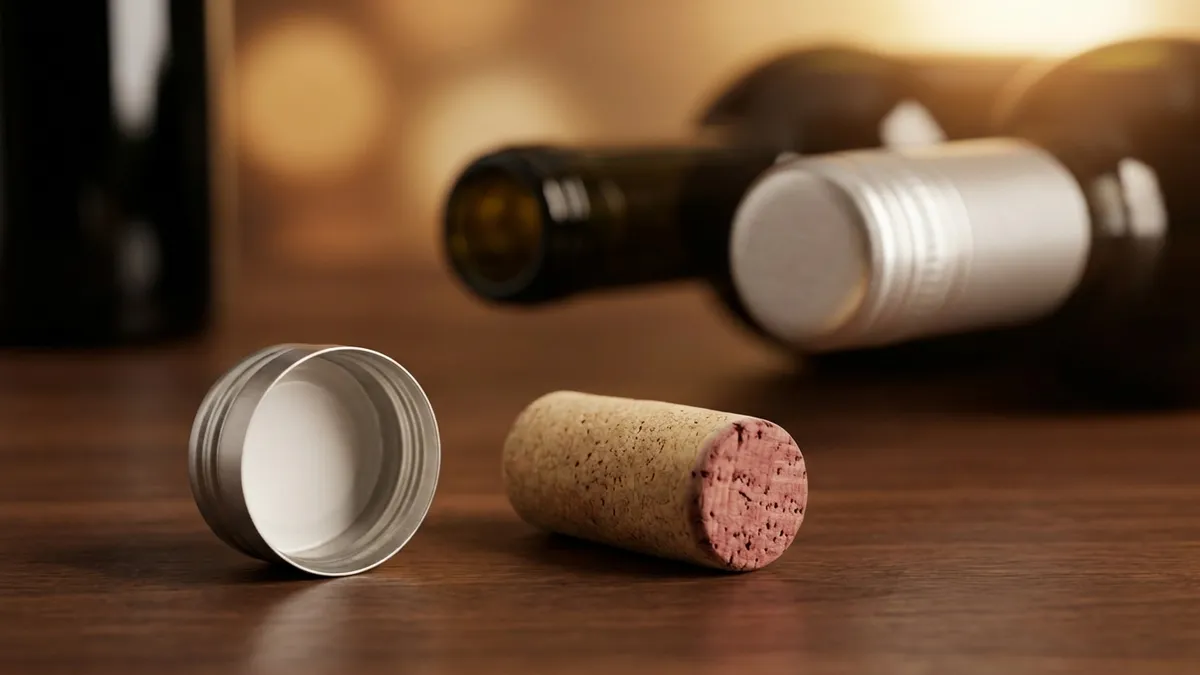
Cork is still the main closure, used on somewhere between 60 and 80% of the world's wine depending on the year counted. It is inconsistent: in a 2005 closure study, 45% of corks leaked gas under pressure testing. That variation is one reason two bottles of the same old wine can taste different. If you plan to age a white for its fresh fruit, a screw cap is no drawback. The screw cap vs cork comparison and how to tell if wine is corked cover both sides.
How Should You Store a Wine You Plan to Age?
Keep it cool, steady and dark: around 13°C (55°F), and never above 20°C (68°F). Chemical reactions in wine roughly double in speed with every 10°C (18°F) rise, so a bottle kept at 23°C ages about twice as fast as one at 13°C, and less evenly.
You do not need a cellar room. A closet on an inside wall, away from the oven, radiators and sunny windows, often stays within range. Lay cork-sealed bottles on their side so the cork stays moist. Screw-capped bottles can stand. If your warmest room passes 20°C in summer, drink the bottle within months rather than cellaring it for years. For the full setup, see how to store wine at home and the targets in wine cellar temperature and humidity.
How Do You Know When an Aged Wine Is Ready?
A wine is ready when its tannin feels soft, its colour has started to change and some fresh fruit still sits beside the new savoury aromas. Once the fruit is gone and only dried leaves, sherry or vinegar remain, it is past its peak.
Some rules on release timing help. Barolo must age at least 38 months, counted from 1 November of the harvest year, 18 of them in wood, before it is sold, and a Barolo Riserva at least five years. Those minimums only make the wine legal to sell. A young Barolo usually still has firm tannin when it reaches the shelf.
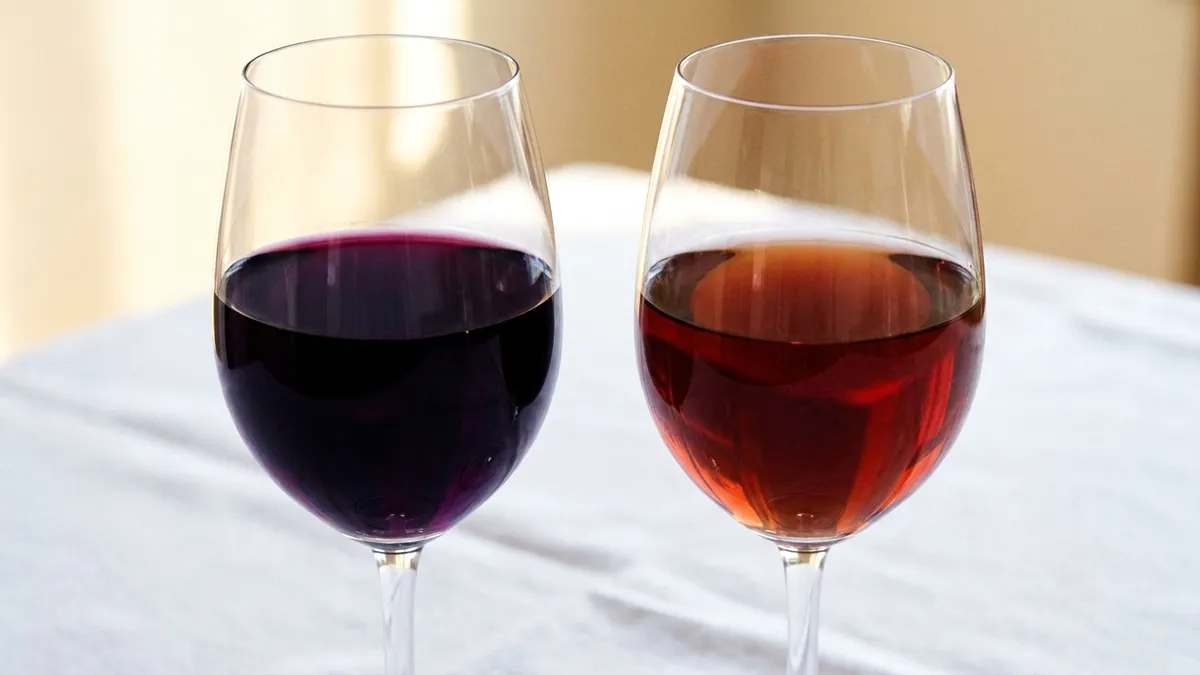
The glass gives two visual clues. A red's rim moves from purple to garnet to brick with age, as the wine colour and age guide explains. Sediment appears as tannin drops out, so stand an old red upright for a day and pour it off the deposit, using the steps in how to decant wine. If you own several bottles of one wine, open one early, write down how it tastes, and wait a year or two before the next.
Tonight, sort the bottles on hand against the chart, and use the wine styles hub for any style it does not list. Drink the light, fruity ones this month. Move the tannic reds, Rieslings and sweet wines to the coolest, darkest spot in the home. Then open one structured bottle, taste it, and log it in Sommy to compare with the next bottle in a year.
Sources
- Wikipedia: Aging of wine (aging potential, storage and chemistry)
- Wikipedia: Port wine (styles, alcohol and aging)
- Wikipedia: Sauternes (grapes, noble rot and longevity)
- Wikipedia: Barolo (tannin and time to soften)
- Wikipedia (Italian): Barolo (disciplinare aging minimums)
- Wikipedia: Cork (closures, TCA and oxygen transfer)
Frequently Asked Questions
Which wines age well?
Wines with plenty of tannin, acidity, sugar or alcohol. The classic examples are tannic reds such as Cabernet Sauvignon, Nebbiolo (Barolo) and Syrah, high-acid reds such as Sangiovese and Pinot Noir, Riesling at every sweetness level, sweet Sauternes, fortified vintage Port and vintage Champagne. Light, soft, fruity everyday wines lack that structure and are best drunk within a year or two of release.
Does all wine get better with age?
No. About 90% of wine is made to be drunk within a year of production and 99% within five years. Only an estimated 5 to 10% of wine improves after one year, and roughly 1% keeps improving past five to ten years. Most bottles lose fresh fruit with time instead of gaining anything, so older is not a sign of better.
Does cheap wine age well?
Rarely. Most inexpensive wine is made light, soft and fruity for drinking soon, so it lacks the tannin, acidity or sugar that protects a wine over years. Held too long, it goes flat and tired. Price is only a rough clue, though: an affordable dry Riesling or a firm young red from a high-tannin grape can still improve for a few years in cool storage.
What is the best temperature to age wine?
A steady temperature around 13°C (55°F) is the standard target for wine you plan to age. Avoid anything above about 20°C (68°F), where the risk of damage rises. Chemical reactions in wine roughly double in speed with every 10°C rise, so a warm cupboard ages a bottle much faster and less evenly. Steadiness matters as much as the exact number.
Can wine with a screw cap age?
Yes. Screw caps cut oxygen transfer to almost zero, so a screw-capped wine ages more slowly and stays fresher than the same wine under cork. They also avoid cork taint from the compound TCA. Some producers bottle age-worthy whites such as Riesling under screw cap for exactly this reason. The trade-off is that very low oxygen can sometimes dull a wine.
How do you know if an aged wine is past its peak?
A wine past its peak has lost its fruit. It smells mostly of dried leaves, sherry or vinegar, tastes thin, and a red may have turned fully brown. A wine at its peak still has some fruit alongside savoury aged aromas such as leather, mushroom or honey, with soft tannin and fresh acidity. Taste one bottle early if you own several.
Sommy Team
LinkedInFounder & Wine Educator
The Sommy Team is building the world's most approachable wine education app, helping beginners develop real tasting skills through structured courses and AI-guided practice.