Reserve Wine Meaning: What the Word Promises on a Label

By the Sommy Team — AI-assisted, human-edited.
Updated Oct 1, 2026
Contents (8)
- What Does Reserve Mean on a Wine Label, in One Paragraph?
- Where Does "Reserve" Have a Legal Meaning?
- How Should You Read a Reserve Label When Buying?
- What Is the Difference Between Crianza, Reserva and Gran Reserva?
- What Does Riserva Mean on Italian Wine?
- Is Reserve Wine Better Than Regular Wine?
- Should You Age Reserve Wine Longer at Home?
- How Can You Taste What the Extra Years Did?
TL;DR
Reserve means a legal ageing minimum in some places and nothing in others. Rioja Reserva reds age at least three years, one in oak; Barolo Riserva five years; Chianti Classico Riserva 24 months. US federal wine label rules never define Reserve, so there it is the producer's own tier.
The country printed on the label sets the reserve wine meaning. In Rioja, Barolo and Chianti Classico, the word is a legal minimum of ageing time measured in months. On a bottle from the United States, the same word carries no legal promise at all, because federal label rules never define it.
What Does Reserve Mean on a Wine Label, in One Paragraph?
On a wine label, reserve means either a legal ageing minimum or nothing at all, and the place on the label tells you which. Rioja Reserva reds must age at least 36 months, at least 12 of them in oak. Rioja Gran Reserva needs five years, at least 24 months in barrel and 24 in bottle. Barolo Riserva ages at least five years, and Chianti Classico Riserva at least 24 months with 12.5% alcohol. In the United States, 27 CFR Part 4, the federal wine labelling rules, never uses the word. In Chile, Reserva asks for a little extra alcohol, not a length of ageing.
Where it is regulated, reserve promises time, which shapes taste. If the label names one of those places, expect older, softer wine; if it does not, expect nothing in particular.
Where Does "Reserve" Have a Legal Meaning?
Reserve has a legal meaning only where a regional rulebook writes one down. That is why the same word can mean five years of ageing or none. The rule lives with the appellation (a protected place name with its own production rules), so read the place first.
| Label word | Where | Legal minimum | How to read it |
|---|---|---|---|
| Reserve, Private Reserve | United States | None in federal wine label rules | The producer's own tier: compare its price with the same producer's regular bottling |
| Reserva, Gran Reserva | Chile | Extra alcohol (0.5 to 1 degree over the legal minimum), no ageing time | Close to a US Reserve: judge the producer |
| Crianza (red) | Rioja | 2 years, at least 1 in oak | Fruit first with some vanilla; weeknight red |
| Reserva (red) | Rioja | 3 years, at least 1 in oak | Softer tannin, dried cherry; roast lamb or a hard cheese |
| Gran Reserva (red) | Rioja | 5 years, at least 2 in barrel and 2 in bottle | Leather, dried fruit, paler rim; slow-cooked meat |
| Riserva | Chianti Classico | 24 months at the winery, 12.5% alcohol | More savoury than regular Chianti Classico; grilled steak |
| Riserva | Barolo | 5 years before release (regular Barolo: 3) | Firm but rounder tannin; braised beef, truffle, mushrooms |
The US gap is literal. The full text of 27 CFR Part 4, which sets what American wine labels may say, contains the word reserve nowhere. It defines terms such as "Estate bottled" and the alcohol tolerance, and leaves "Reserve", "Private Reserve" and "Special Selection" to the producer. The back label guide sorts the defined US label lines from the undefined ones.
Chile sits in between: its rules tie Reserva and Gran Reserva to a slightly higher alcohol level, and Gran Reserva to some time in wood, but set no ageing period. Outside the regions in the table, assume nothing until the region's own rules say otherwise.
How Should You Read a Reserve Label When Buying?
If the label names a regulated place such as Rioja, Barolo or Chianti Classico, read Reserva or Riserva as a promise of time. Without such a place, read Reserve as the producer's own tier and judge it by price, since nothing else on the bottle backs the word.
The full order for reading the front of a bottle is in how to read a wine label.
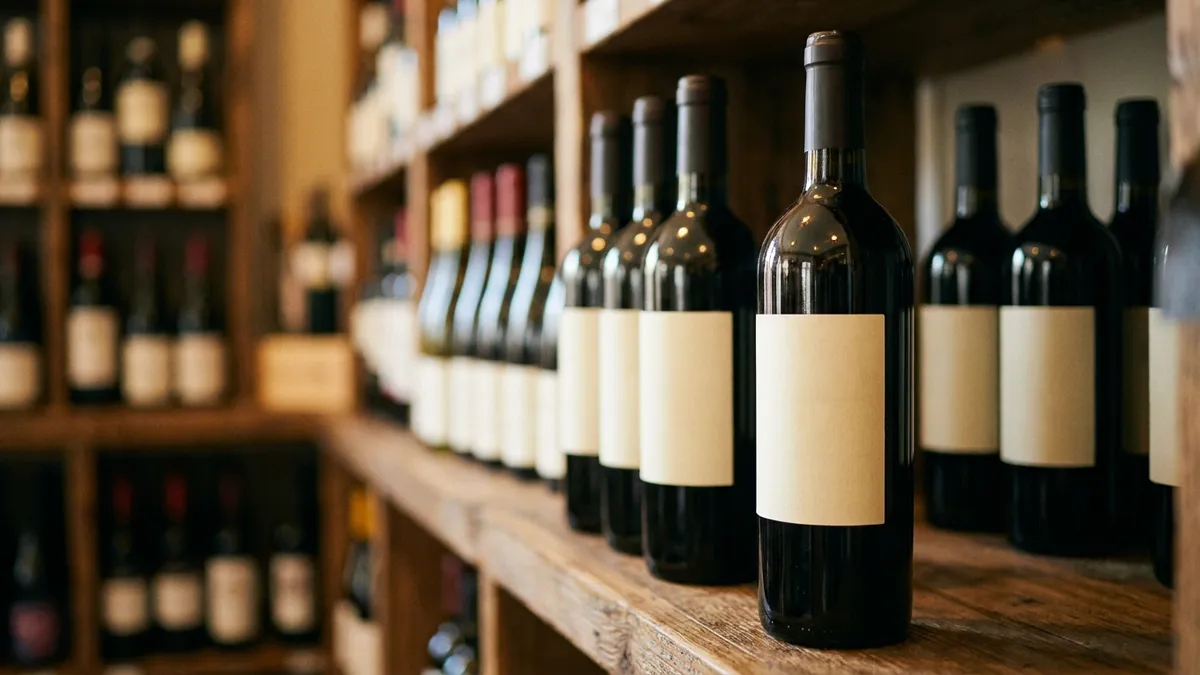
For a producer's tier, the price gap is the useful signal. A Reserve that costs twice the same winery's regular bottling usually comes from selected barrels or a better plot. A Reserve priced the same as everything else on the shelf is a name on a label. The price vs quality guide covers where extra money stops buying a better glass.
The vintage (the harvest year) matters more on a regulated reserve. A Rioja Reserva from a year three or four back is fresh from the cellar; a Gran Reserva will usually show a vintage at least five years old, because the law holds it that long.
What Is the Difference Between Crianza, Reserva and Gran Reserva?
In Rioja the three words are steps on an ageing ladder. Crianza reds age at least two years from 1 October of the harvest year, a year or more in barrel. Reserva reds age at least 36 months, at least 12 in oak. Gran Reserva reds age at least 60 months, at least 24 in barrel and 24 in bottle.
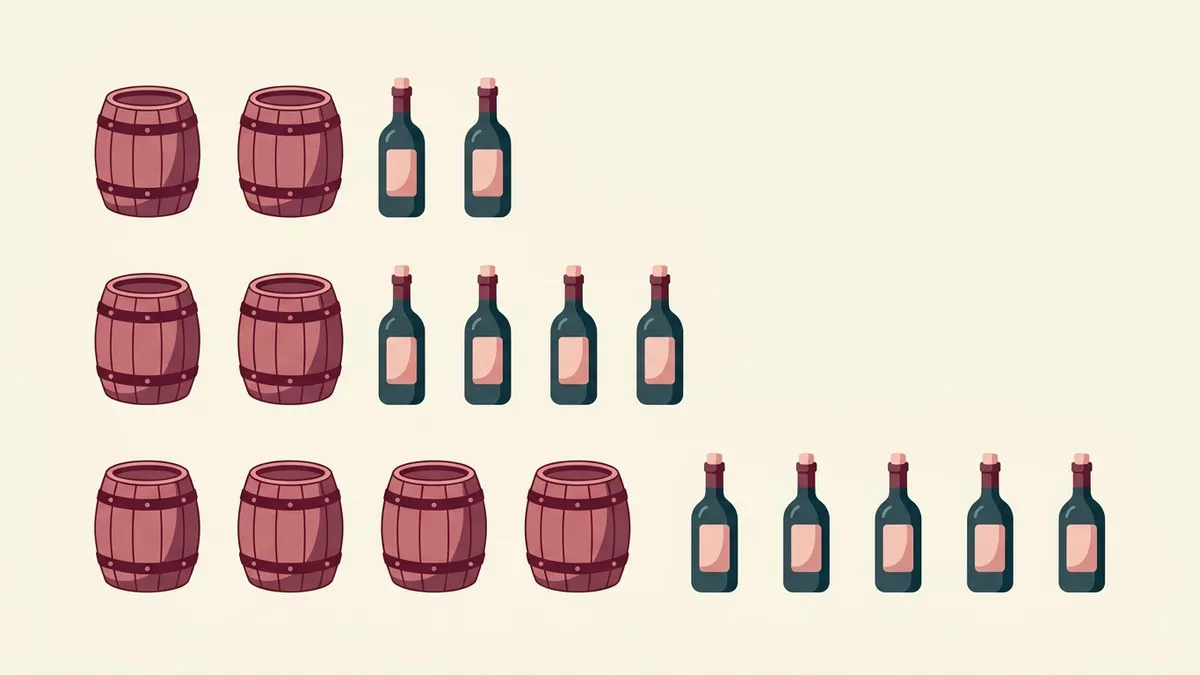
The common trap is reading Reserva as three years in barrel. The 36 months are total time. Only 12 must be in oak (barrels that add vanilla, toast or spice), and the producer can spend the rest in bottle. Two Reservas from the same vintage can taste very different: one with 12 months in new barrels, another with two years in old ones.
Whites and rosés follow a shorter ladder. A Rioja white Reserva needs 24 months in total with six in oak, and a white Gran Reserva 48 months with six in oak. These wines are rarer, and they taste of nuts, dried apple and toast rather than fresh citrus.
The Rioja wine guide covers the zones and grapes behind the ladder, and the Tempranillo guide the grape that leads it.
What Does Riserva Mean on Italian Wine?
Riserva on an Italian label means the wine aged longer than the regular version of the same appellation, by a minimum each appellation sets. There is no single national number, so the place on the label decides how long the extra wait lasts and what else the rule demands.
Barolo shows the gap clearly. Regular Barolo must age at least 36 months after the harvest, 18 of them in wood. Barolo Riserva must age at least five years before release, so a Riserva reaches the shop about two years after the regular wine from the same harvest. Those two extra years soften Nebbiolo's famously firm tannin.
Chianti Classico adds a strength rule to the clock. Its Riserva must age at least 24 months at the winery and reach at least 12.5% alcohol, so the grapes behind it have to be riper as well as the wine older.
If you want the fresh sour-cherry side of Sangiovese, buy the regular Chianti Classico. If you want dried cherry, leather and softer grip, buy the Riserva. The grapes behind both wines are covered in the Nebbiolo guide and the Sangiovese guide, and the wider map sits in the Italian wine guide.
Is Reserve Wine Better Than Regular Wine?
Reserve wine is older on release, not automatically better. Where the word is regulated, it guarantees more months in barrel and bottle. Those months change the taste in a predictable direction, and the direction suits some meals and drinkers more than others.
Time in barrel lets a little oxygen in, so tannin (the drying grip on your gums) softens and feels finer. Time in bottle shifts fresh fruit toward dried fruit, and tertiary aromas (flavours from age) appear: leather, tobacco, dried mushroom. The colour moves too, from purple-ruby toward garnet with a brick edge.
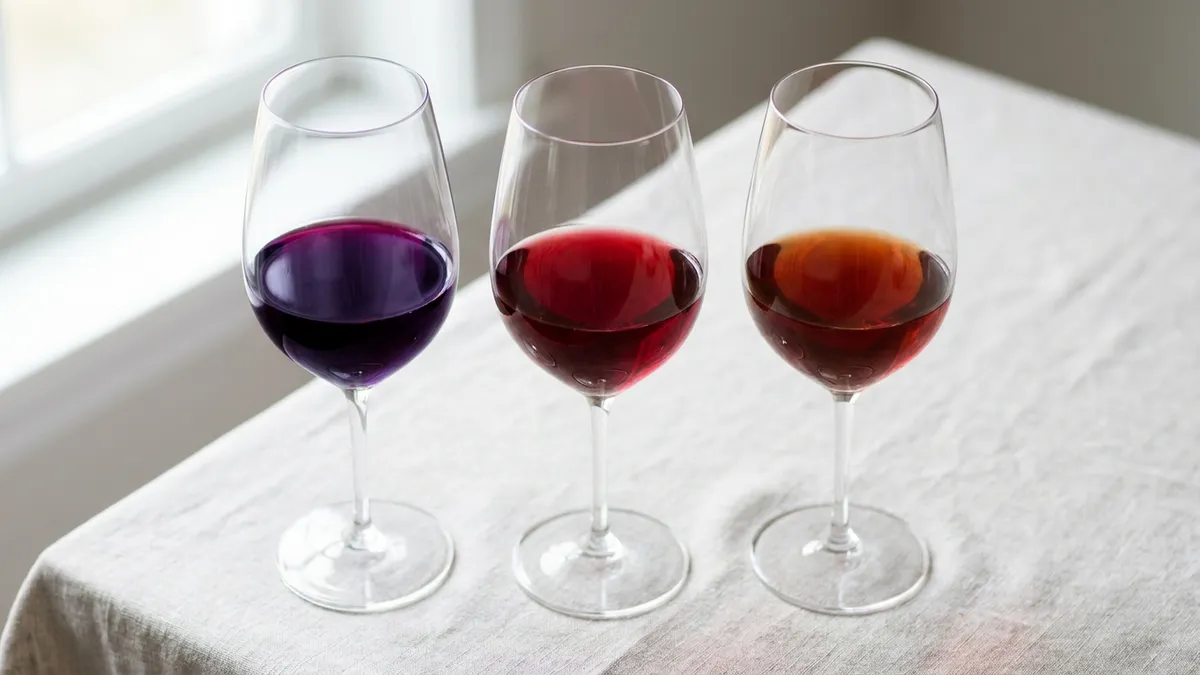
Ageing cannot add fruit that was never there. A thin wine held for five years becomes a thin, tired wine. The wine aging guide explains which structures survive time, and what makes wine expensive explains why years in a cellar raise the price whatever the result.
Should You Age Reserve Wine Longer at Home?
No, most reserve wines are released ready to drink, because the producer has already done the waiting. A Rioja Gran Reserva or Barolo Riserva arrives at least five years after harvest. It can keep developing in a cool, dark place, but it does not need to.
If you bought a regulated Gran Reserva or Riserva, open it within the next few years, or store it at a steady 13°C if you want more leather and less fruit. If you bought a US Reserve Cabernet with firm tannin and a vintage only two or three years old, it may need the cellar time the law never required. The cellar temperature guide gives the storage conditions.
How Can You Taste What the Extra Years Did?
Put a young and a reserve version of the same wine side by side. The same producer and grape keep everything constant except time, so whatever differs in the glass is the ageing. Rioja makes this easy, since many producers sell both a Crianza and a Reserva.
The ageing styles behind reserve, from oak-aged reds to fortified wines, sit together in the wine styles hub. The Sommy app has a bite-sized Spain course and an AI-guided tasting mode. Buy a Crianza and a Reserva from the same Rioja producer tonight, then taste them side by side.
Sources
Frequently Asked Questions
What does reserve mean on a wine bottle?
The place named on the label decides. In Rioja, Reserva means a red aged at least three years with one in oak. In Barolo and Chianti Classico, Riserva means a set minimum of extra ageing. In the United States, Reserve has no legal definition in federal wine label rules, so it means whatever that producer decided it means.
Is reserve wine better than regular wine?
Not automatically. Where the word is regulated, it guarantees more time in barrel and bottle before release, which softens tannin and adds savoury, dried-fruit flavours. That is a difference in style. A poorly made wine aged longer is still a poorly made wine, and a fresh young wine from a strong producer can beat a tired reserve.
What is the difference between Reserva and Gran Reserva?
Time. In Rioja, a red Reserva needs at least 36 months of ageing, with at least 12 months in oak barrels. A red Gran Reserva needs at least five years in total, with at least 24 months in barrel and 24 in bottle. Gran Reserva wines taste older: more leather, dried fruit and a paler, brick-tinted rim.
What does Riserva mean on Italian wine?
Riserva means the wine aged longer than the regular version of the same appellation, by a minimum that appellation sets. Barolo must age 36 months and Barolo Riserva at least five years. Chianti Classico Riserva must age at least 24 months at the winery and reach at least 12.5% alcohol. Each region writes its own numbers.
Is Reserve legally defined in the United States?
No. The federal wine labelling rules in 27 CFR Part 4 never use the word reserve, private reserve or special selection. Any winery can print Reserve on any wine. Some use it for their best barrels and some for an entry-level line, so judge a US Reserve by the producer and by the price gap to their regular bottling.
Do reserve wines need more ageing at home?
Usually not. Regulated reserve wines spend years in the producer's cellar before release, so they reach the shop ready to drink. A Rioja Gran Reserva or Barolo Riserva can keep developing for years if stored cool, but it does not need to. A US Reserve is often a young wine that has had no extra ageing at all.
Sommy Team
LinkedInFounder & Wine Educator
The Sommy Team is building the world's most approachable wine education app, helping beginners develop real tasting skills through structured courses and AI-guided practice.