Straw Wine and Passito: Dried Grape Wines Explained

By the Sommy Team — AI-assisted, human-edited.
Updated Sep 24, 2026
Contents (9)
- What Is Straw Wine or Passito, in One Paragraph?
- How Is Straw Wine Made?
- How Is Passito Different From Noble Rot, Ice Wine and Late Harvest?
- Is Passito Always Sweet?
- Which Straw Wines and Passiti Should You Know?
- How Should You Serve and Pair Straw Wine?
- Why Are Dried-Grape Wines Expensive?
- How Old Is the Straw Wine Method?
- How to Taste Your First Straw Wine Tonight
TL;DR
Straw wine and passito are one method under two names: ripe grapes cut from the vine and dried until they lose up to half their weight. Drying concentrates sugar; fermentation decides sweetness, so Vin Santo and Recioto are sweet while Amarone is dry. Unlike noble rot, the change is mostly physical, not fungal.
Straw wine and passito are one winemaking method under two names. Ripe grapes are cut from the vine, then dried until they lose up to half their weight, and only then pressed. The drying concentrates sugar and flavour. What happens in the fermentation tank afterwards decides whether the finished wine is sweet or dry.
What Is Straw Wine or Passito, in One Paragraph?
Straw wine is wine made from ripe grapes that are cut from the vine and dried before pressing, and passito is the Italian name for the same wine. The grapes dry on straw mats, racks or in airy lofts, for about a week in hot sun or for months indoors. They can lose up to 50% of their weight, so the juice left inside is far more concentrated. Most straw wines keep plenty of residual sugar (grape sugar the yeast did not ferment): French vin de paille typically finishes with 10 to 20%. The best-known exception is Amarone, a dry red made from dried grapes.
How Is Straw Wine Made?
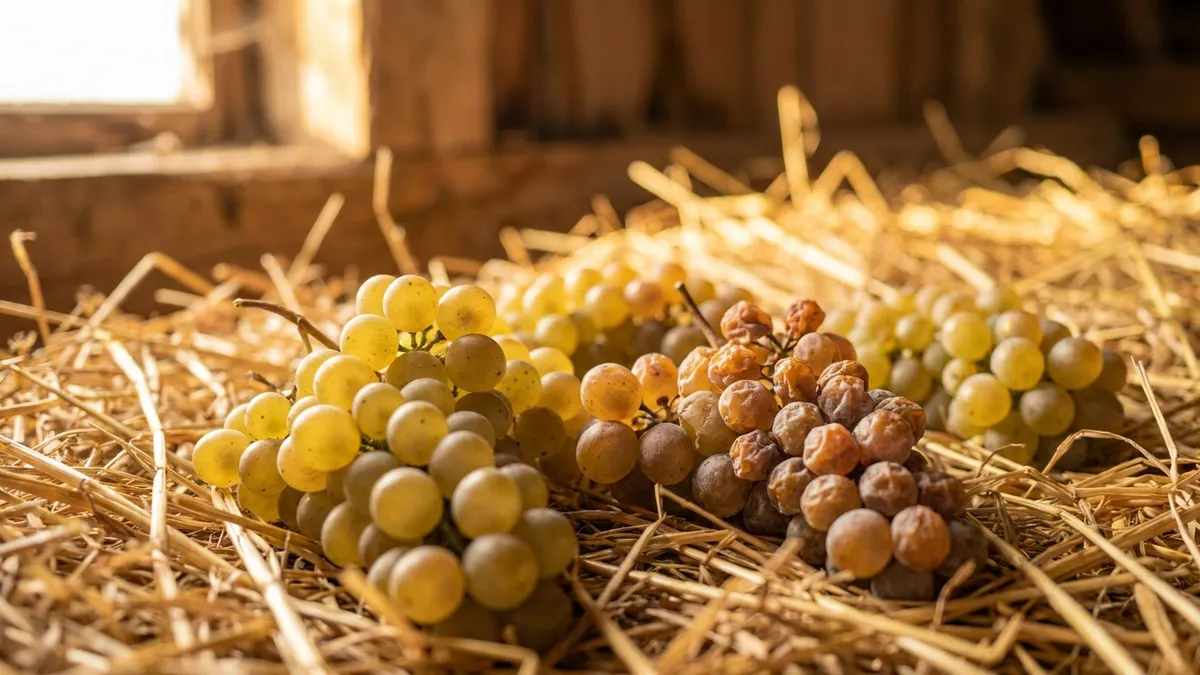
Pickers cut ripe, healthy bunches by hand and lay them out to dry before any juice is pressed. In hot, sunny places the bunches rest on mats in full sun for about a week or longer. In cooler places the drying happens indoors, in huts, attics or greenhouses with good air circulation, and it takes much longer.
The Italian word for this drying step is appassimento. It works like making raisins. Water evaporates through the skin, the berry shrinks and wrinkles, and the sugar, acid and flavour stay inside. A grape can lose up to half its weight this way, and the juice left behind is concentrated in the same proportion.
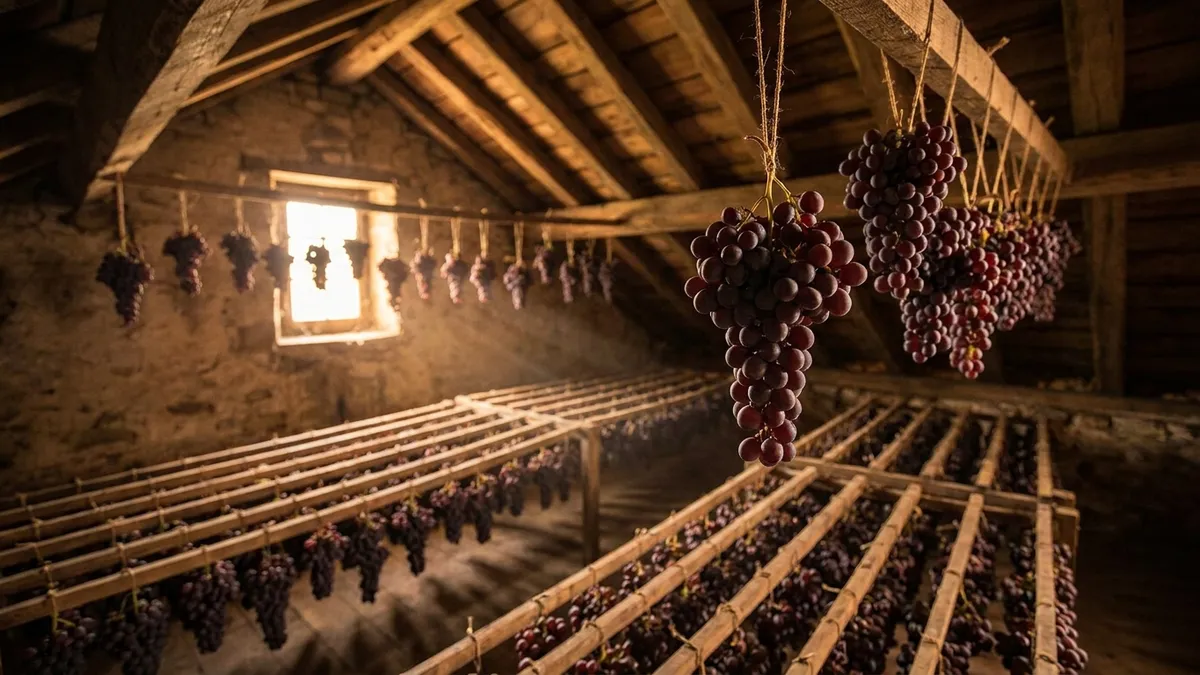
Air is the key ingredient. Grapes packed tightly or kept in still, damp air go mouldy instead of shrivelling. So drying rooms are built for airflow: bunches hang from rafters, lie one layer deep on racks, or rest on the straw that gave the style its name.
The grapes must be cut from the vine first. Grapes left hanging to over-ripen, even until they turn into raisins, make a late-harvest wine instead.
How Is Passito Different From Noble Rot, Ice Wine and Late Harvest?
All four styles concentrate sugar by removing water from the grape. Straw wine is the only one that does it after picking, with no fungus or frost required. Noble rot uses a fungus on the vine, ice wine uses frost, and late harvest leaves the grapes hanging longer before picking.
The most common mix-up is with noble rot, a fungus called Botrytis cinerea that attacks ripe grapes on the vine. It needs warm, humid conditions, typically about 20°C and above 80% humidity. The fungus pierces the skins so water escapes, and berries can lose up to 60% of their mass. Straw wine and noble-rot wine are not the same thing: the fungus also eats tartaric acid, turns some compounds into glycerol and creates apricot and peach aromas. Drying is mostly physical, so a passito usually tastes of dried grapes, fig and honey without that fungal layer.
Ice wine takes a third route. The grapes stay on the vine until they freeze, then are pressed while still frozen. The water stays behind as ice and only the concentrated juice runs out.
| Style | How water is removed | When | What it adds to the taste | Pour it with |
|---|---|---|---|---|
| Straw wine / passito | Drying on mats, racks or in lofts | After picking | Raisin, dried fig, honey; sweet or dry | Hard cheese, almond biscuits, or braised meat for dry Amarone |
| Noble rot (Sauternes, Tokaji) | Fungus pierces the skin | On the vine | Apricot, peach, marmalade; high sugar with lift | Blue cheese, foie gras, fruit tarts |
| Ice wine | Water freezes; frozen grapes are pressed | On the vine, then pressed frozen | Pure fresh fruit, sharp acidity | Fruit desserts, creamy cheese |
| Late harvest | Grapes over-ripen and shrivel | On the vine, picked late | Ripe fruit, moderate sweetness | Spiced dishes, fruit-based desserts |
The noble-rot route is covered in depth in the Sauternes wine guide, and the frozen route in the ice wine guide.
Is Passito Always Sweet?
No. Drying sets how much sugar is in the grape, and the fermentation decides how much stays in the glass. Amarone is the clearest example: it is made from dried grapes, yet it is a dry red, meaning no sugar you can taste.
Amarone comes from Valpolicella in northern Italy, mainly from the Corvina grape. The bunches usually dry for around 120 days, though the time varies with the producer and the harvest, and Corvina loses 35 to 45% of its weight. The yeast then ferments nearly all of that concentrated sugar into alcohol. The legal minimum is 14%, and many bottles pass 15%. The alcohol is what gives Amarone its warmth and weight, while the drying gives it dried-cherry and raisin aromas.
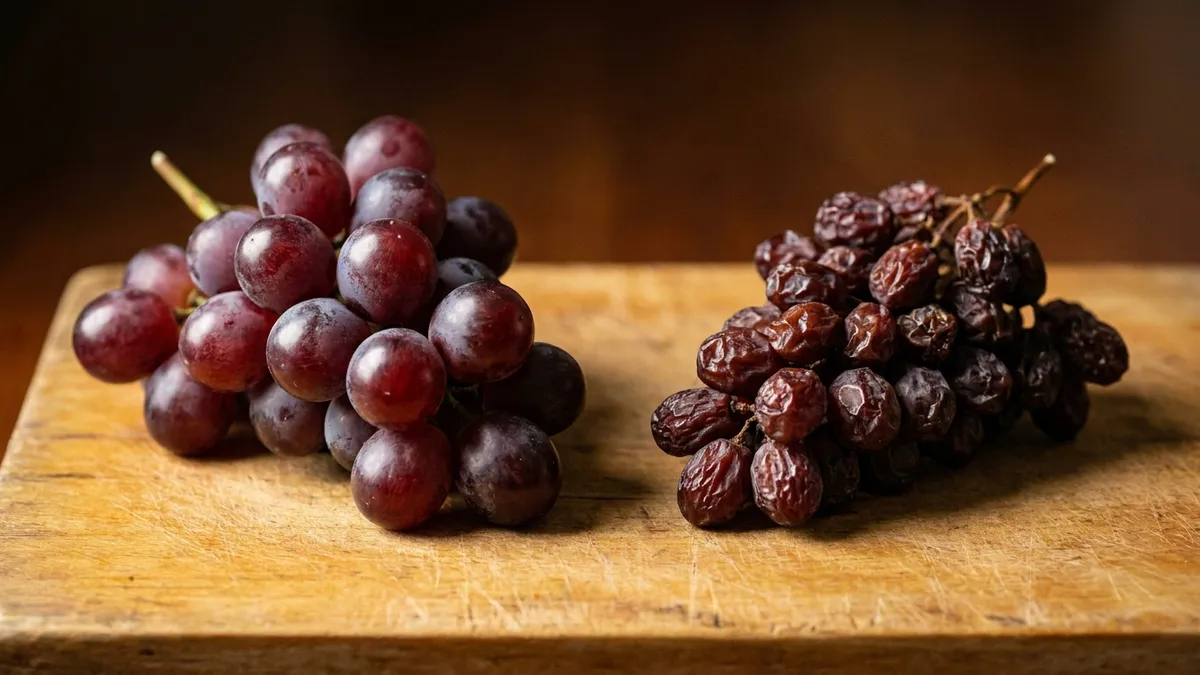
Recioto della Valpolicella uses the same grapes and the same drying method. The difference is the fermentation, which stops early and leaves a sweet red wine behind. Taste the two side by side and you meet one set of dried grapes turned into two opposite wines. The Corvina wine guide and the Veneto wine guide cover the full Valpolicella ladder, and the sweet vs dry wine explainer shows how fermentation sets sweetness in any wine.
Which Straw Wines and Passiti Should You Know?
Five names cover most of what you will find on a shelf or a wine list. They are Vin de Paille from the Jura, Vin Santo from Tuscany, Amarone and Recioto from the Veneto, and Passito di Pantelleria from Sicily, plus the straw wines of Cyprus and Greece.
How each one is made:
- Vin de Paille (Jura, France): a blend of Chardonnay, Savagnin and the red grape Poulsard, dried indoors on straw mats for up to three months. It finishes sweet, with 10 to 20% residual sugar, and can age in bottle for decades. The Jura wine guide places it beside the region's other oddities.
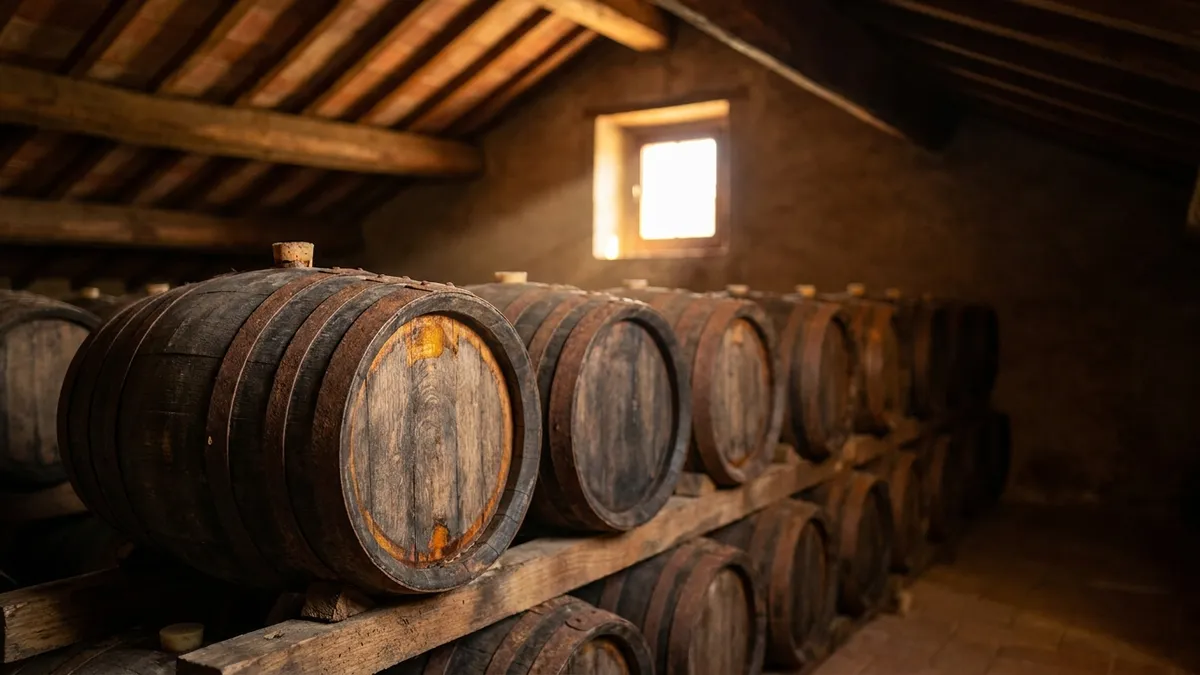
- Vin Santo (Tuscany, Italy): usually Trebbiano and Malvasia, laid on straw mats under rafters or stairs. It then ages in small barrels for at least 3 years under the local rules, and 5 to 10 years is common. Some producers add a madre, a little finished Vin Santo from earlier years, to start the new batch. A rosé version from red grapes such as Sangiovese is called Occhio di Pernice, "eye of the partridge".
- Amarone and Recioto (Veneto, Italy): the dry and sweet pair from dried Corvina, covered above.
- Passito di Pantelleria (Sicily, Italy): made on a small island from Zibibbo, the local name for Muscat of Alexandria. The vine is prone to powdery mildew, so it grows reliably only in very dry places like Pantelleria. Expect the floral, grapey smell of Muscat, concentrated.
- Eastern Mediterranean straw wines: Commandaria from Cyprus, and the Vinsanto of Santorini and the some sweet wines of Samos in Greece.
Other Passiti and Label Words
Italy has more passiti than these. Recioto di Soave is a sweet white from dried Garganega grapes, and Caluso Passito from Piedmont is made from Erbaluce. Austria sells straw wine as Strohwein or Schilfwein, dried on straw or on reeds.
If the label says Vin Santo, Recioto, Vin de Paille, Strohwein or passito, expect a sweet wine; if it says Amarone, expect a dry red of 14% or more. The Italian wine guide maps where each Italian style comes from, and the Tuscany wine guide covers Vin Santo's home.
How Should You Serve and Pair Straw Wine?
Serve sweet straw wines cool, in small pours, with food that is less sweet than the wine. Serve Amarone like any full-bodied dry red, with braised meat or a hard aged cheese. The sweet styles are concentrated, so a small glass goes a long way.
The rule that matters most is sweetness. If the dessert is sweeter than the wine, the wine tastes sour and thin, because your palate compares the two sugars. Pick a dessert with less sugar than the wine, or skip dessert and pour it with cheese. Salt and sugar work well together, which is why sweet straw wines go with hard cheeses and blue cheeses. The acidity (the tartness that makes your mouth water) in a good passito keeps that sweetness from feeling heavy.
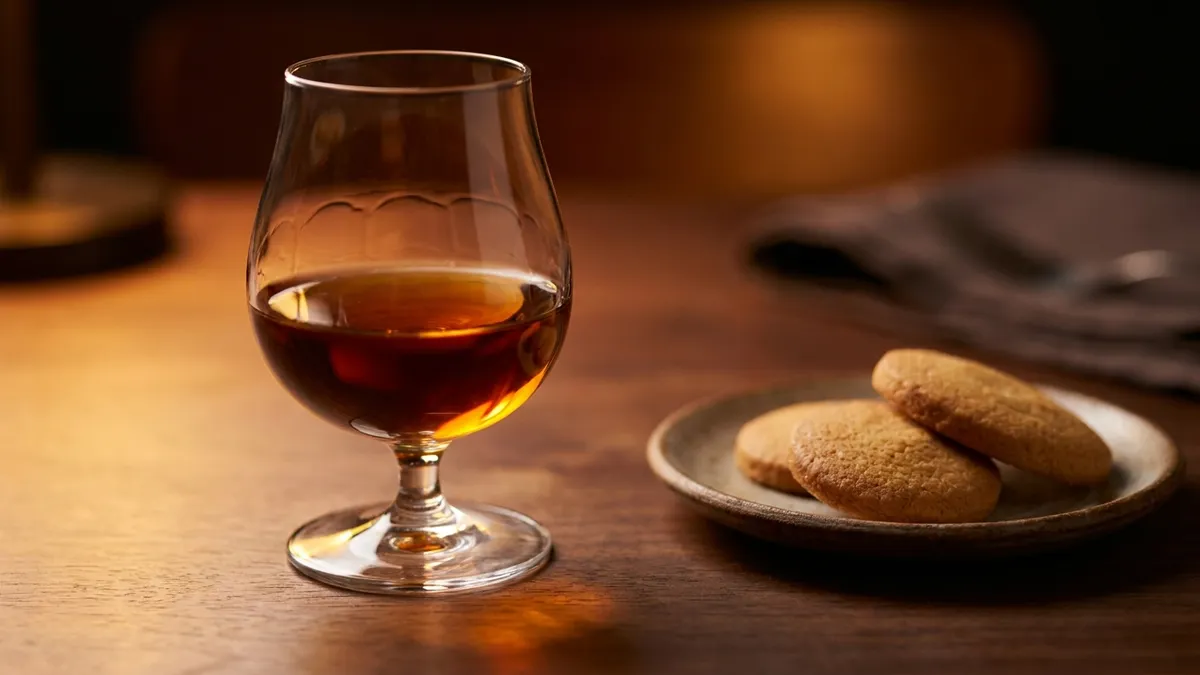
Tradition offers two reliable matches. Jura vin de paille is a classic accompaniment to foie gras, where the fat softens the sugar. Tuscan Vin Santo is poured with dry almond biscuits for dipping, because a barely sweet biscuit keeps the wine tasting sweet. More detail sits in the wine and cheese pairing guide and in tasting dessert wines properly.
Why Are Dried-Grape Wines Expensive?
Because up to half the juice evaporates before pressing, a winemaker gets far less wine from the same vineyard. The work is slow too. Bunches are picked by hand and selected one by one, laid out in single layers, and watched for mould for weeks or months.
Some styles add years of cellar time on top. Vin Santo spends at least 3 years in barrel under the rules, and Amarone must age at least 2 years, usually in wood, counted from 1 January after the harvest. Each year in barrel is a year the producer waits for payment. If a straw wine has spent years in barrel, it will cost more than a young one from the same place. For how cost and quality connect in general, see wine price vs quality.
How Old Is the Straw Wine Method?
Drying grapes for wine is one of the oldest winemaking techniques. It dates to pre-Classical times, and digs in Cyprus have found evidence of sweet wine made about 6,000 years ago. The Greek poet Hesiod described it around 700 BC, and Pliny the Elder gave detailed accounts in the 1st century AD.
That age still shows on labels. The word passito echoes passum, a Roman dried-grape wine, and Passito di Pantelleria is sometimes called its closest modern equivalent. Cyprus still makes Commandaria from dried grapes.
Modern law defines the style by the drying, and each appellation (a protected place name with its own rules) sets the details. In Austria, Strohwein or Schilfwein must dry for at least three months, or two if the juice reaches 30°KMW, the Austrian measure of must sugar. That rule is what keeps it apart from late harvest on the label. Amarone became a DOCG, Italy's top appellation tier, by a decree of March 2010. The wine styles hub shows where dried-grape wines sit next to fortified and sparkling styles, and the dessert wine guide compares them with every other sweet wine.
How to Taste Your First Straw Wine Tonight
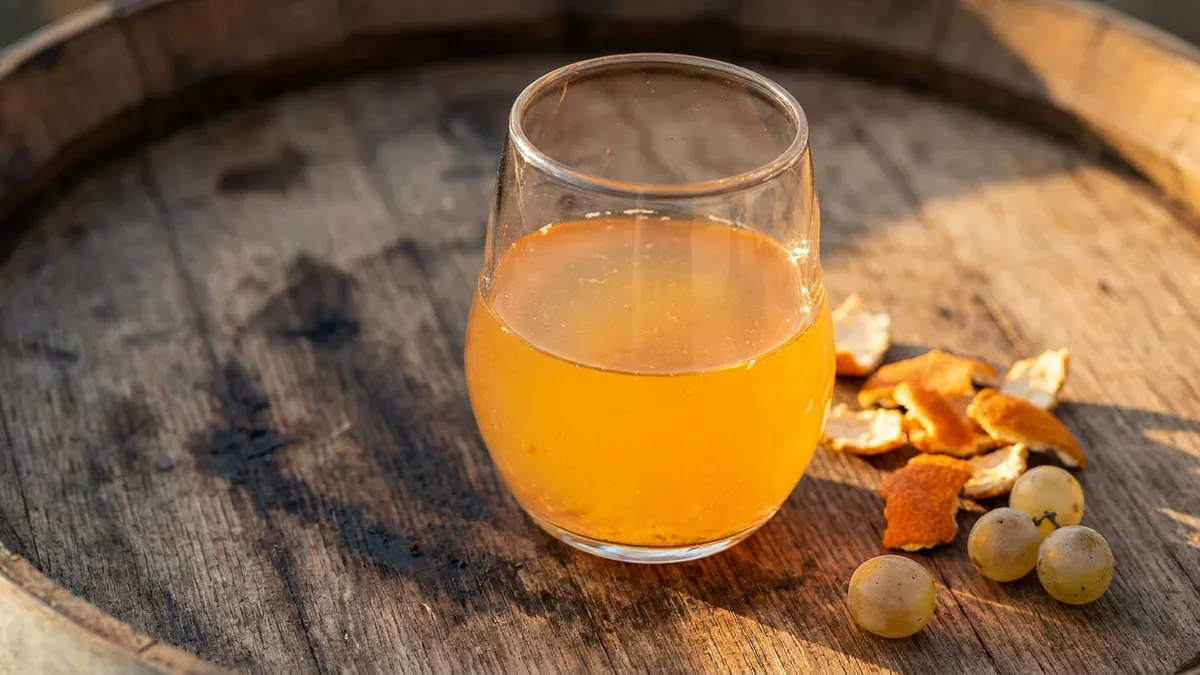
Start with one sweet straw wine and one piece of hard cheese. Pour a small glass, look at the colour, which ranges from gold to deep amber in the white styles, then smell for raisin, dried fig and honey. Sip, and find the acidity at the sides of your tongue under the sugar. The residual sugar tasting guide has a simple drill for judging how sweet a wine really is.
The Sommy app at sommy.wine includes a bite-sized Italy course and an AI-guided tasting mode: photograph the label and it walks you through each step. Tonight, pour your straw wine next to a slice of hard cheese, then take a sip, a bite and a second sip, and note how the salt changes the sweetness.
Sources
- Wikipedia: Straw wine
- Wikipedia: Passito (vin de paille, Pantelleria, Recioto di Soave, Caluso)
- Wikipedia: Amarone (drying time, weight loss, alcohol and ageing rules)
- Wikipedia: Vin Santo (grapes, madre, barrel ageing)
- Wikipedia: Noble rot (conditions, weight loss, acid and aroma changes)
- Quattrocalici: Amarone della Valpolicella DOCG (2010 decree, ageing rules)
Frequently Asked Questions
What is straw wine?
Straw wine is wine made from ripe grapes that are cut from the vine and dried before pressing. Bunches are laid on straw mats, racks or in airy lofts until they shrivel and lose water, sometimes up to half their weight. The juice left behind is far sweeter and more concentrated, which is why most straw wines are rich dessert wines.
Is passito the same as straw wine?
Yes, in practice. Passito is the Italian word for wine made from grapes dried after harvest, and straw wine, vin de paille and Strohwein are the English, French and German names for the same method. The Italian drying process itself is called appassimento. Regional rules differ on how long the grapes dry and which grapes are used.
Is Amarone a sweet wine?
No. Amarone della Valpolicella is made from dried grapes, but the fermentation runs until almost all the sugar has turned into alcohol, so it is a dry red. The legal minimum is 14% alcohol and many bottles pass 15%. Its sweet sibling, Recioto della Valpolicella, uses the same dried grapes with the fermentation stopped early.
What is the difference between straw wine and ice wine?
Both concentrate sugar by removing water, but in different ways. Straw wine grapes are picked ripe and dried for weeks or months after harvest, so water evaporates. Ice wine grapes stay on the vine until they freeze, then are pressed while frozen, so the water stays behind as ice and only the sweet juice runs out.
What is the difference between passito and Sauternes?
Sauternes is a noble-rot wine. A fungus called Botrytis cinerea pierces the grape skins on the vine, which lets water escape, consumes some acid and creates apricot and peach aromas. Passito grapes are healthy grapes dried after picking, so the change is mostly physical: less water, more concentrated sugar and flavour, and usually no fungal aromas.
How long are grapes dried for straw wine?
It depends on climate and the local rules. In hot, sunny places, bunches can dry on mats outdoors for about a week. Amarone grapes usually dry for around 120 days. Jura vin de paille dries indoors for up to three months, and Austrian Strohwein must dry for at least three months, or two if the juice reaches a set sugar level.
Sommy Team
LinkedInFounder & Wine Educator
The Sommy Team is building the world's most approachable wine education app, helping beginners develop real tasting skills through structured courses and AI-guided practice.