Blanc de Blancs Champagne: What It Means, How It Tastes

By the Sommy Team — AI-assisted, human-edited.
Updated Oct 9, 2026
Contents (9)
- What Is Blanc de Blancs, in One Paragraph?
- What Does Blanc de Blancs Taste Like?
- Blanc de Blancs vs Blanc de Noirs: Which Should You Pick?
- Is Blanc de Blancs Dry or Sweet?
- How Should You Buy and Serve Blanc de Blancs?
- What Food Goes With Blanc de Blancs?
- Why Does It Taste Lean Young and Toasty Later?
- Is Blanc de Blancs Always Chardonnay?
- Where Does the Best Blanc de Blancs Grow?
TL;DR
Blanc de blancs means white from whites: a sparkling wine made only from white grapes, almost always Chardonnay. It tastes leaner and more lemony than a Champagne blend, gains toast with time on its lees, and its sweetness is set by a separate label word such as Brut or Extra Brut.
Blanc de blancs is sparkling wine made only from white grapes, and in Champagne that almost always means Chardonnay. Leaving the black grapes out makes the wine leaner, paler and more lemony than a classic blend. One thing it does not decide is sweetness: that comes from a separate word on the label.
What Is Blanc de Blancs, in One Paragraph?
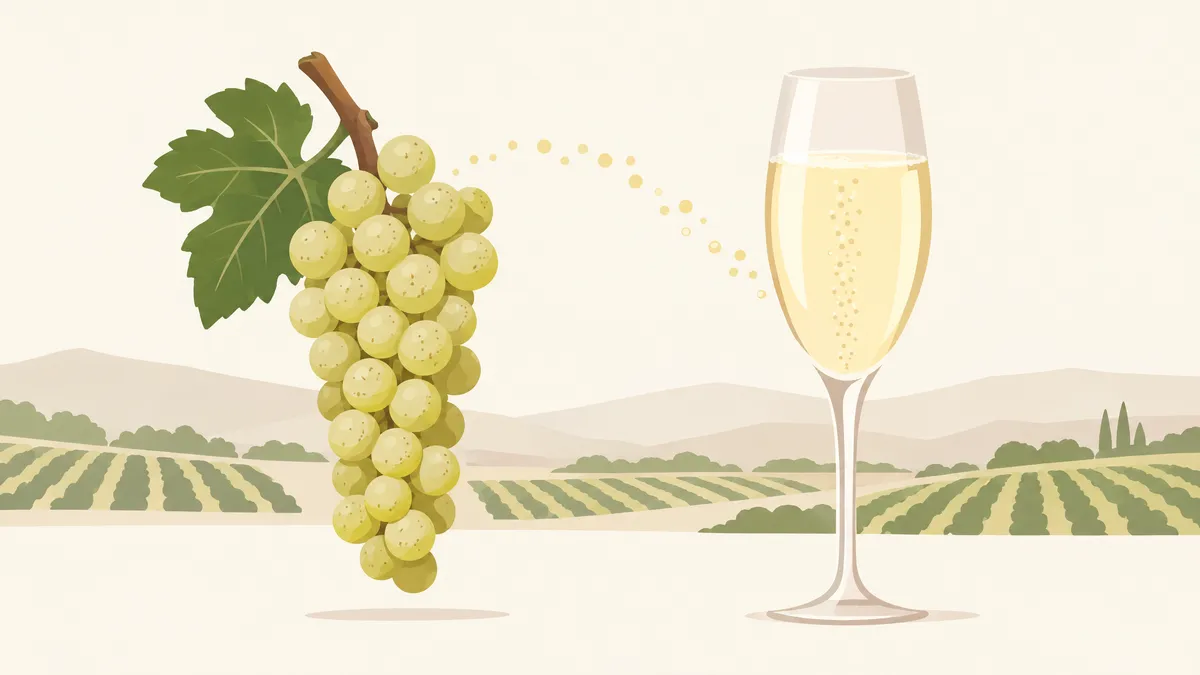
Blanc de blancs is French for "white from whites": a sparkling wine made only from white grapes. In Champagne the grape is Chardonnay, or in rare cases Pinot blanc. Most Champagne blends Chardonnay with the black grapes Pinot Noir and Meunier; a blanc de blancs drops them. The wine gets its bubbles from a second fermentation in the bottle, the traditional method explained in our guide to méthode champenoise. The pressure inside reaches about six bar. Non-vintage bottles age at least 15 months before sale, vintage bottles at least three years.
What Does Blanc de Blancs Taste Like?
Lean and tart, with a light body and fine bubbles. Acidity (the tartness that makes your mouth water) is the first thing you feel, along the sides of the tongue. Body (the weight of the wine, like skimmed versus whole milk) is light, because no black grapes add their rounder fruit.
Young bottles smell of lemon zest and crunchy green apple, because Chardonnay picked early in a cool region keeps its sharp acids. Many also smell faintly of fresh bread or toast, the mark of the yeast the wine aged on. Tasters often call the finish "chalky": a dry, slightly dusty feel on the gums. Acidity and bubbles likely create that feel in the mouth; no chalk ends up in the wine.
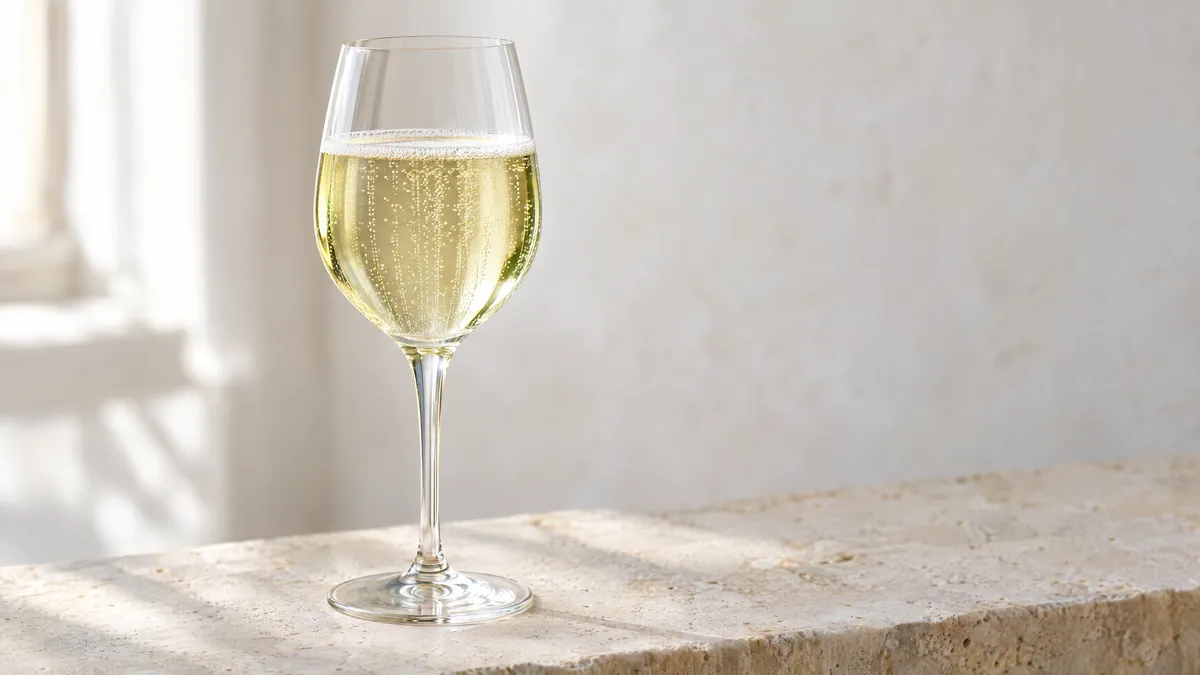
The colour is pale straw with a green tint when young, deepening to gold with age. For a step-by-step on reading bubbles, smell and finish, see how to taste sparkling wine.
Blanc de Blancs vs Blanc de Noirs: Which Should You Pick?
Pick blanc de blancs for a lighter, more lemony glass, and blanc de noirs for a rounder one with red berry fruit. Blanc de noirs means "white from blacks": a white wine made only from black grapes, pressed gently so the coloured skins barely touch the juice. Most Champagne sits between the two as a blend.
| Style | Grapes | Taste | With age | Pick it when |
|---|---|---|---|---|
| Blanc de blancs | White only, almost always Chardonnay | Lemon, green apple, high acidity, light body | Toast, hazelnut, honey | Aperitif, oysters, sushi, fried food |
| Blanc de noirs | Black only: Pinot Noir and Meunier | Red apple, strawberry, rounder and fuller | Baked apple, brioche, earthier | Roast chicken, mushrooms, pork |
| Classic blend | Chardonnay, Pinot Noir and Meunier | Between the two: citrus plus red fruit | Depends on the blend | Mixed party food, when unsure |
| Rosé | Usually a blend with some red wine added | Strawberry, raspberry, firmer grip | Dried red fruit | Salmon, tuna, duck |
If the food is light, raw, salty or fried, or the wine is for the start of the evening, pick blanc de blancs. If dinner is roast poultry, mushrooms or pork, pick blanc de noirs. If you cannot tell what people will eat, a classic blend covers both. The grapes behind each style are compared in our sparkling wine grapes guide, and the wider family in sparkling wine types.
Is Blanc de Blancs Dry or Sweet?
Usually dry. Many people assume blanc de blancs is drier than other Champagne, but the dosage sets the sweetness, not the grape. Dosage is a small dose of sugar, dissolved in wine, added just before the final cork goes in. EU law ties each label word to a sugar range:
- Brut Nature: under 3 grams per litre, with no sugar added after the second fermentation
- Extra Brut: 0 to 6 g/L
- Brut: under 12 g/L, the most common word on the shelf
- Extra Dry: 12 to 17 g/L, despite the name a touch sweeter than Brut
- Sec: 17 to 32 g/L
- Demi-sec: 32 to 50 g/L, sweet enough for dessert
Chardonnay's high acidity makes a given dose taste less sweet than it would in a softer wine, so many Brut blanc de blancs taste bone dry. If you want the sharpest, driest glass, look for Extra Brut or Brut Nature. If the label says Extra Dry, expect a touch of sugar you can taste, 12 to 17 g/L. The full scale across still and sparkling wines is in our wine sweetness scale.
How Should You Buy and Serve Blanc de Blancs?
Read two label words: the style (blanc de blancs) and the sweetness (Brut, Extra Brut and so on). Then choose between non-vintage and vintage. Non-vintage wine blends several harvests for a steady house style. Vintage wine comes from a single year's harvest and ages longer before release.
If the bottle is for tonight, buy a non-vintage Brut: it is ready on release and costs less. If you want to keep it for a few years, buy a vintage bottle, which has the acidity and lees age to develop. The trade-offs are set out in vintage vs non-vintage wine. Outside Champagne, look for the same words on Crémant (French traditional-method sparkling from regions such as Burgundy) and on English sparkling wine, both covered in our Crémant guide and English wine guide.
Serve it fridge-cold. A few hours in the fridge, or 20 minutes in a bucket of ice and water, does the job; target ranges are in our serving temperature chart. Open it by holding the cork and turning the bottle, as shown in how to open sparkling wine.
What Food Goes With Blanc de Blancs?
Salty, fried and raw seafood. High acidity and bubbles cut through fat and scrub the palate between bites, and salt makes the lemony fruit taste riper. Raw oysters are the classic match, because their brine meets the wine's tartness; more in wine with oysters.
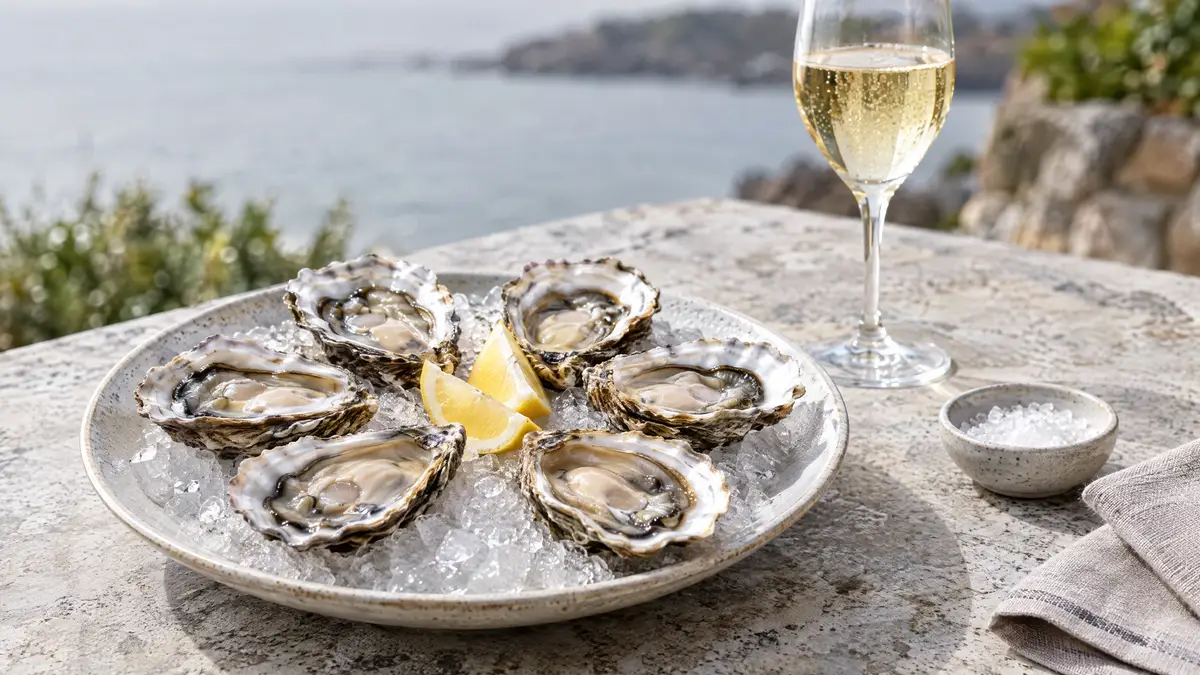
- Sushi and sashimi: the acidity works like the vinegar in the rice. More ideas are in wine with Japanese food.
- Fried food: tempura, fish and chips and salty crisps lose their greasy weight beside the bubbles, as shown in wine with fried food.
- Soft fresh cheeses: goat cheese and fresh ricotta have tang that matches the wine's acid.
- Aged blanc de blancs: its toast and hazelnut suit buttery dishes such as scallops or roast chicken in cream.
If the dish is salty, fried or raw seafood, pour blanc de blancs. If it is a sweet dessert, choose a Demi-sec instead, because sugar in the food makes a Brut wine taste thin and sour.
Why Does It Taste Lean Young and Toasty Later?
Chardonnay grown in a cool region keeps high acidity, and months on the lees add the bread and toast. Lees are the spent yeast cells left in the bottle after the second fermentation. As they break down, a process called autolysis, they release compounds that smell of brioche, biscuit and toast.
By law, non-vintage Champagne ages at least 15 months, with at least 12 of those on the lees. Vintage Champagne ages at least three years. Many producers age well beyond both minimums.
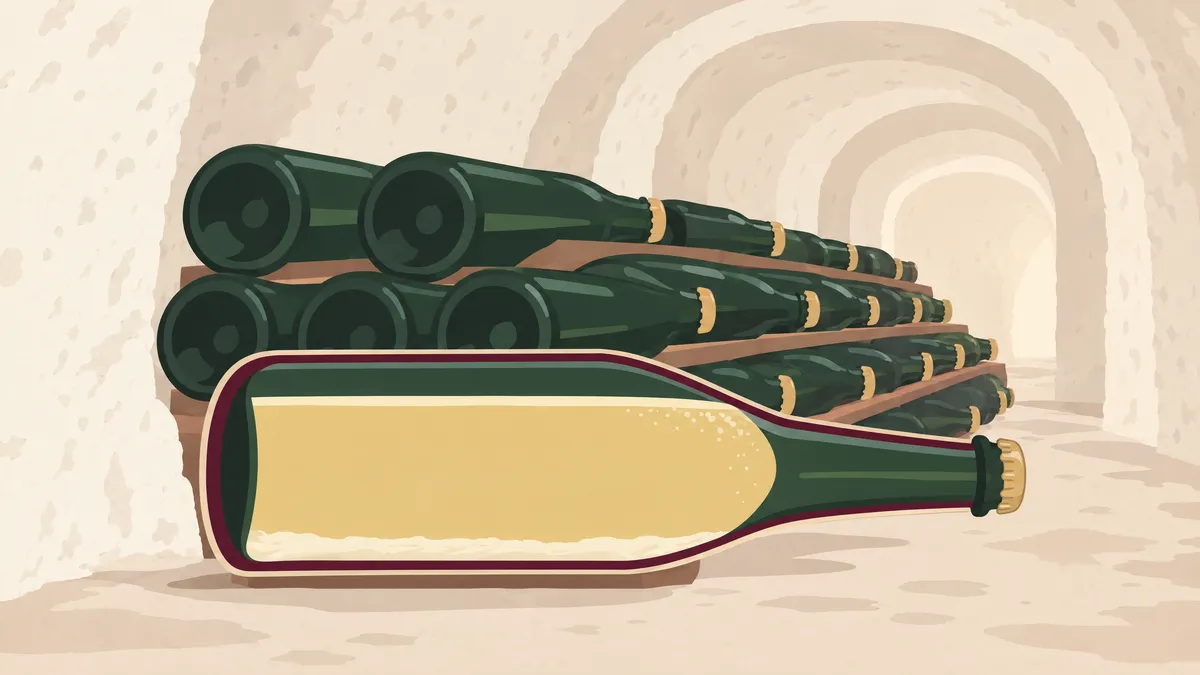
After release, the wine keeps changing slowly in the bottle. Lemon and green apple fade toward baked apple, then hazelnut, honey and toast. Those are tertiary aromas (flavours from age rather than from the grape), and our guide to tasting young vs aged wine shows how to spot them. If you want those flavours, buy a vintage bottle and keep it lying down somewhere cool and dark.
Is Blanc de Blancs Always Chardonnay?
Almost always, but not by law. Champagne's rules allow Chardonnay, Pinot Noir and Meunier plus a handful of rare grapes: Pinot blanc, Pinot gris, Arbane, Petit Meslier and, since 2025, Chardonnay rosé. Pinot blanc, Arbane and Petit Meslier are white, so a blanc de blancs may legally include them. Those grapes survive only in tiny plots, so in practice the grape is Chardonnay.
The term is not reserved for Champagne either. Sparkling wine producers elsewhere use it for any white-grape sparkling wine, and Chardonnay is again the usual grape. Outside Champagne, the label tells you the grape colour but not the method, so check for "traditional method" if you want the bottle-fermented style. Chardonnay's still and sparkling styles sit side by side in our Chardonnay wine guide.
Where Does the Best Blanc de Blancs Grow?
The Côte des Blancs, a chalk slope south of Épernay planted mostly to Chardonnay. It runs about 20 kilometres and faces mostly east, so the vines catch the morning sun. The vineyards covered about 3,300 hectares in 2006. Sources disagree on the exact Chardonnay share, but it is the large majority.
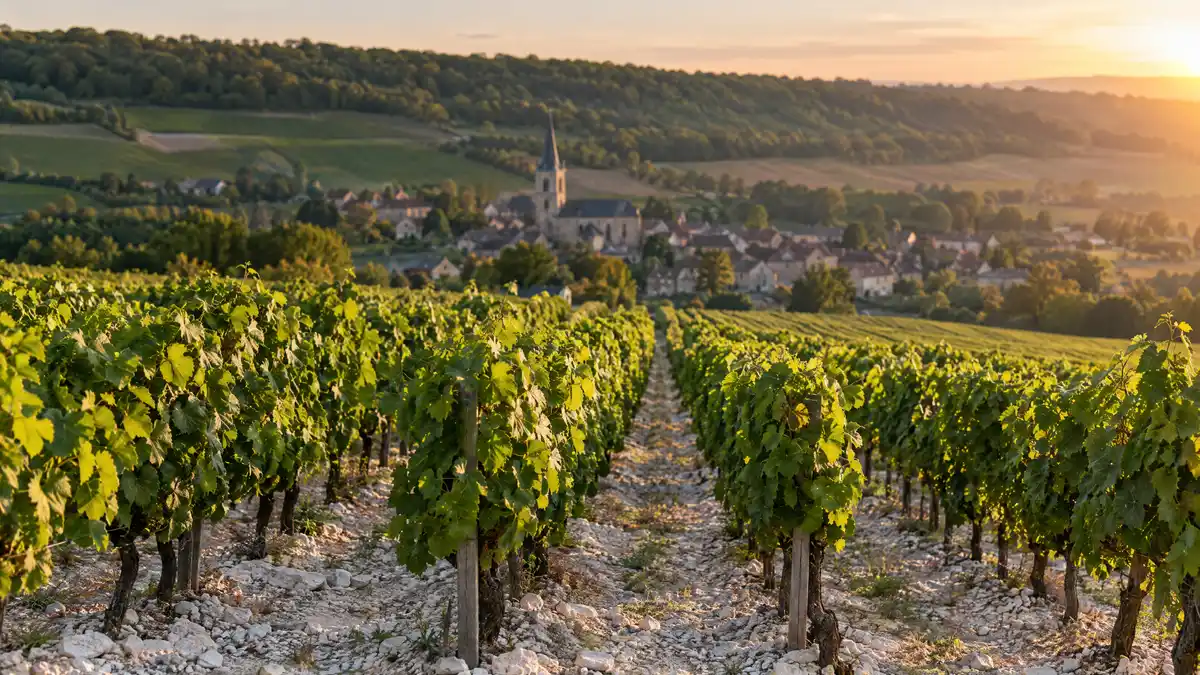
Six villages there hold grand cru status (the top village rating in Champagne): Avize, Chouilly, Cramant, Le Mesnil-sur-Oger, Oger and Oiry. One of these village names on a blanc de blancs label points to the Côte des Blancs.
Chardonnay is only about 31 to 32% of all Champagne vines, roughly level with Meunier and behind Pinot Noir, according to figures from the Comité Champagne. Most of that Chardonnay goes into blends, so single-grape bottles are a small slice of the shelf. The rest of the region's map is in our Champagne region guide, and other sparkling styles are in the wine styles hub.
The Sommy app has a bite-sized France course and an AI-guided tasting mode. Pour a glass of blanc de blancs tonight next to a bowl of salted crisps, photograph the label, and taste it through the look, smell and taste steps.
Sources
Frequently Asked Questions
What does blanc de blancs mean?
Blanc de blancs is French for white from whites. It names a white sparkling wine made only from white grapes. In Champagne that almost always means Chardonnay, with Pinot blanc used in rare cases. The term describes the grapes only. It says nothing about sweetness, vintage or quality, which come from other words on the label.
Is blanc de blancs always Chardonnay?
Almost always, but not by law. Besides Chardonnay, Champagne's rules permit three rare white grapes: Pinot blanc, Arbane and Petit Meslier. A blanc de blancs may use any of them. In practice Chardonnay dominates because it is the white grape actually planted across the region, and the other white varieties survive only in tiny plots.
Is blanc de blancs Champagne sweet or dry?
Most blanc de blancs is dry, but the grape does not decide that. Sweetness comes from the dosage, a small dose of sugar added just before corking, and the label must say how much. Brut means under 12 grams of sugar per litre, Extra Brut 0 to 6 grams, and Brut Nature under 3 grams with no sugar added.
What is the difference between blanc de blancs and blanc de noirs?
Blanc de blancs is made only from white grapes, usually Chardonnay, and tastes lean, lemony and light. Blanc de noirs is a white wine made only from black grapes, Pinot Noir and Meunier in Champagne, pressed gently so the juice stays pale. It tastes rounder and fuller, with red berry fruit. Most Champagne is a blend of both.
What food goes with blanc de blancs?
Salty, fried and raw seafood suit it best. Its high acidity and bubbles cut through fat, and salt makes its lemony fruit taste riper. Raw oysters, sushi, fried fish, tempura, salty crisps and soft fresh cheeses all work. Skip sweet desserts with a Brut blanc de blancs, because the sugar makes the wine taste thin and sour.
How long can you keep blanc de blancs?
A non-vintage blanc de blancs is ready to drink when it is sold, since it has already aged at least 15 months in the cellar. Vintage blanc de blancs has aged at least three years and is often built to keep. Stored cool and dark, it trades lemon and green apple for toast, hazelnut and honey as it ages.
Where does the best blanc de blancs come from?
In Champagne, the Côte des Blancs is the classic source. It is an east-facing chalk slope running about 20 kilometres south of Épernay, planted mostly to Chardonnay. Six of its villages hold grand cru status: Avize, Chouilly, Cramant, Le Mesnil-sur-Oger, Oger and Oiry. Blanc de blancs is also made in other sparkling regions.
Sommy Team
LinkedInFounder & Wine Educator
The Sommy Team is building the world's most approachable wine education app, helping beginners develop real tasting skills through structured courses and AI-guided practice.