Bottle Variation in Wine: Why Two Bottles Taste Different

By the Sommy Team — AI-assisted, human-edited.
Updated Oct 1, 2026
Contents (8)
- What Is Bottle Variation in Wine, in One Paragraph?
- Is It One Bottle or the Batch?
- Why Do Two Bottles From the Same Case Taste Different?
- How Common Is Cork Taint?
- Do Screw Caps Stop Bottle Variation?
- How Does Storage Change a Single Bottle?
- Could the Difference Be How You Served It?
- What Should You Do With a Bottle That Tastes Off?
TL;DR
Bottles of the same wine drift apart because each natural cork lets in a different amount of air, each bottle travels and sits differently, and each night is served differently. Cork taint estimates run from under 1% to 7% of cork-sealed bottles. Opening a second bottle shows whether the problem is one bottle or the batch.
Bottle variation in wine is real, and it has causes you can test. Two bottles of the same wine drift apart because each cork lets in a different amount of air and each bottle had its own trip from the winery. A second bottle shows whether the problem lives in one bottle, in the batch, or in the way the wine was served that night.
What Is Bottle Variation in Wine, in One Paragraph?
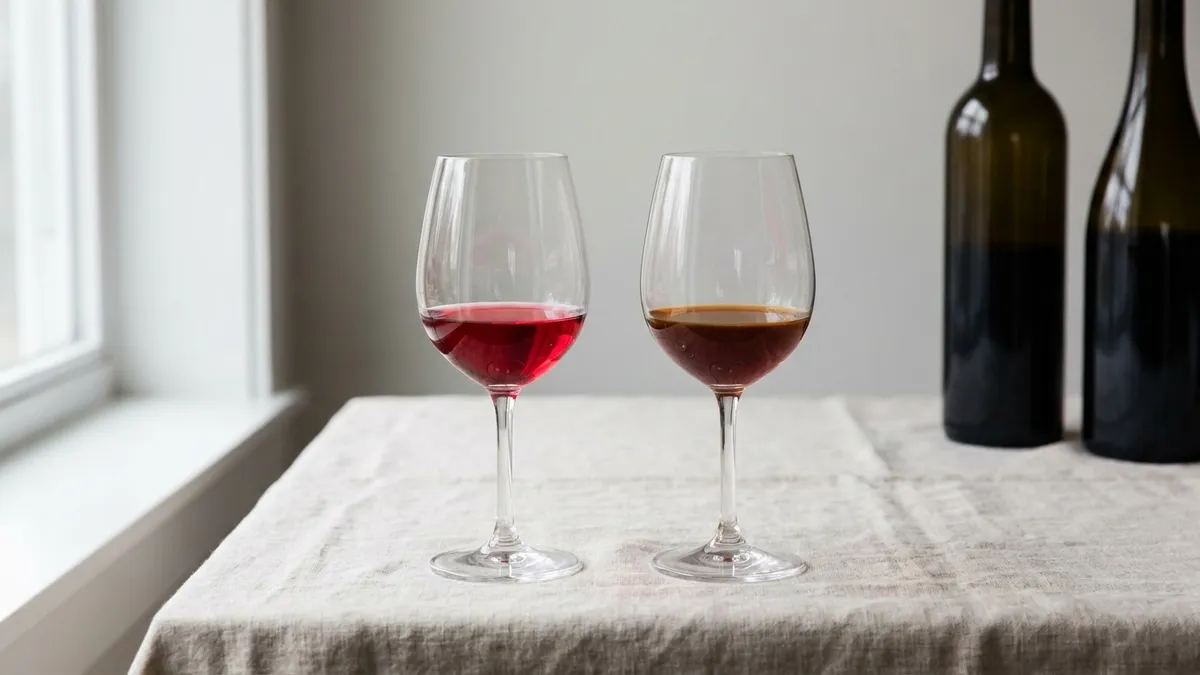
Bottle variation is the difference in smell and taste between bottles of the same wine, the same vintage and the same producer. It has three sources. The closure: natural cork is bark, and no two pieces let in the same amount of air. The bottle's history: heat, light and time in a warm shop age one bottle faster than its twin. The serving: temperature, glass and food change the same wine from night to night. On top of those sit real faults such as cork taint, which hit single bottles, and winery problems, which hit a whole batch. Cork taint estimates run from 0.7% to 7% of cork-sealed bottles.
Is It One Bottle or the Batch?
Open a second bottle from the same purchase to find out. If it tastes fine, the fault lived in one bottle. If it tastes the same as the first, the cause is shared: the batch, the wine's style, or the conditions you tasted it in.
| What you notice | Likely cause | One bottle or whole batch | What to do |
|---|---|---|---|
| Damp cellar, wet cardboard, fruit muted | Cork taint (TCA from the cork) | One bottle | Recork and return it; open a second bottle |
| Same musty smell in every bottle | Systemic taint from the winery | Whole batch | Return the lot and tell the shop |
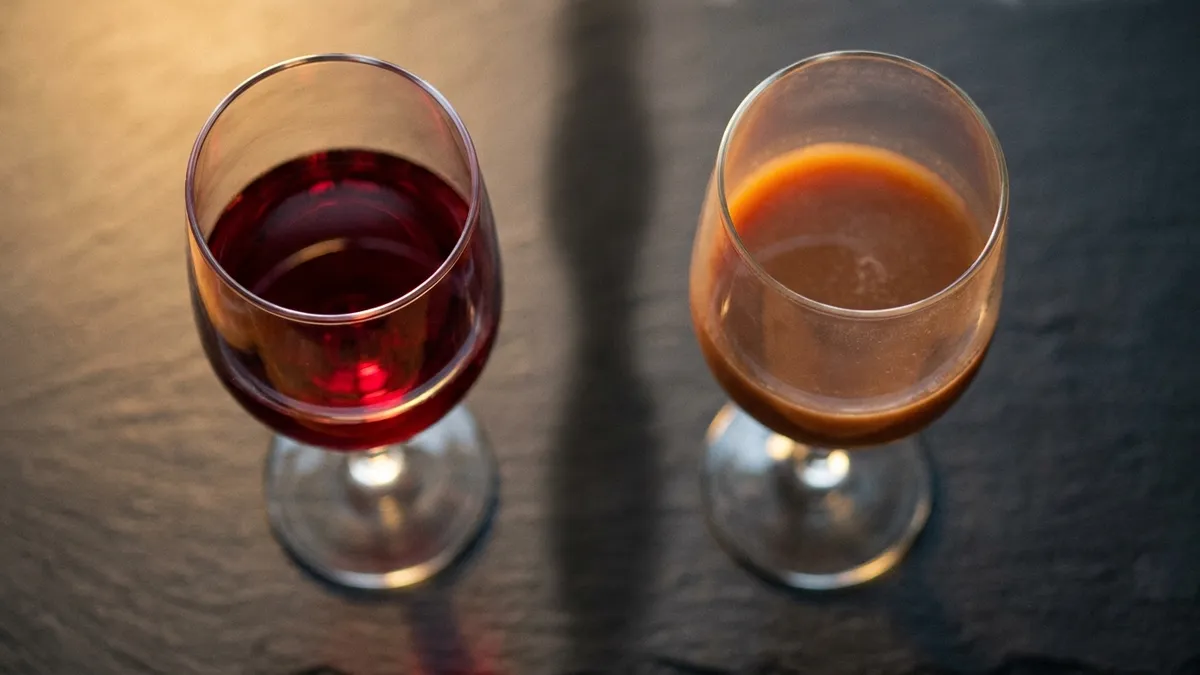
| Walnut, cooked fruit, brown edge | Oxidation from a leaky cork or old age | Usually one bottle | Check the fill level and cork, compare a second bottle |
| Stewed jam, cork pushed up, sticky capsule | Heat damage in transit or storage | One bottle or one shipment | Return it and buy from a cooler shop |
| Wet cardboard in a pale white or sparkling wine in clear glass | Lightstrike from sun or shop lights | Bottles near the light | Buy bottles from the back of the shelf |
| Slight fizz and haze in a still wine | Refermentation in the bottle | Usually whole batch | Return it; do not cellar the rest |
| Barnyard, sticking plaster, horse | Brettanomyces yeast | Usually whole batch | Decide if you like it: a little is a style, a lot is a fault |
| Vinegar, nail polish remover | Volatile acidity | Usually whole batch | Return it |
| Struck match on opening | Reduction under a tight seal | One bottle or batch | Swirl or decant for a few minutes |
Some faults start before the cork goes in. Systemic taint means TCA got into the winery itself, through barrels, drain pipes, wooden beams or rubber hoses, and it can taint everything the winery bottles. Malolactic fermentation (bacteria turning sharp malic acid into softer lactic acid) is normal in the tank, but if it starts in the bottle it counts as a fault. Wineries prevent it with sterile filtration at bottling through 0.45-micron filters, so a fizzy still wine points to the batch. Our guide to faults versus style covers the smells that sit on the border.
Why Do Two Bottles From the Same Case Taste Different?
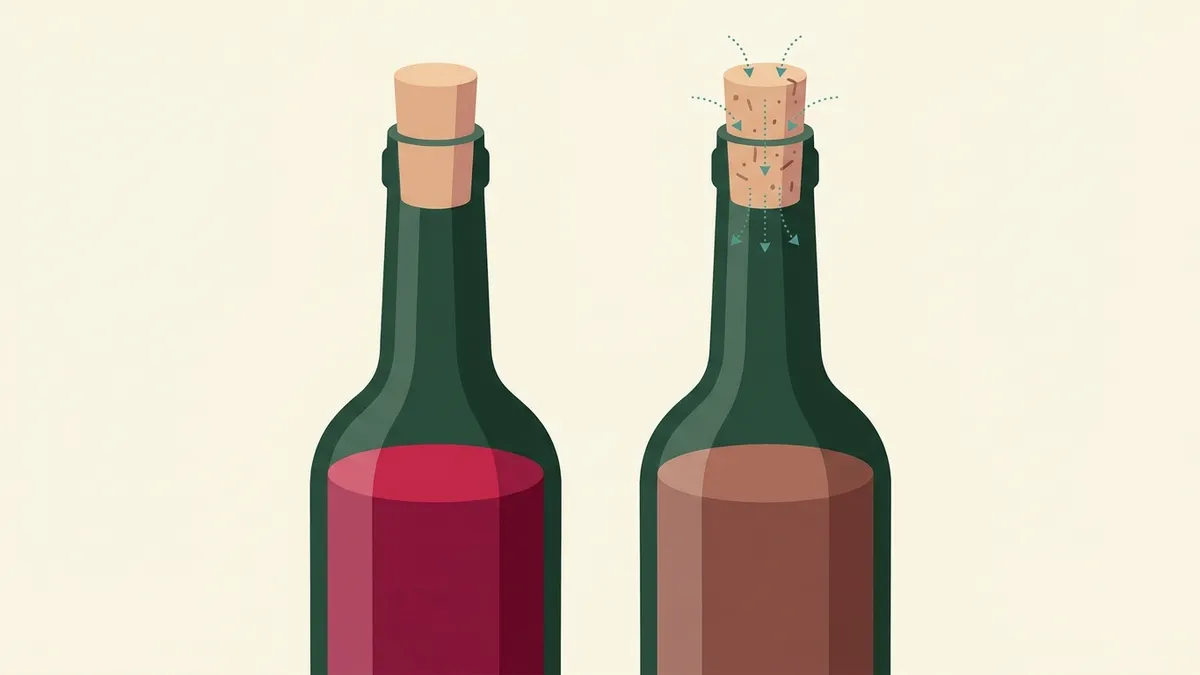
Because each natural cork is a slightly different piece of bark, so each bottle gets its own dose of oxygen. Cork comes from the bark of the cork oak, and its natural flaws, channels and cracks make every stopper slightly different. One lets in a little more air than the next.
That difference is tiny in a single year. Over five or ten years it compounds. A bottle under a tighter cork keeps more fresh fruit. A bottle under a looser one moves faster toward tertiary aromas (flavours from age, such as leather, dried fruit and mushroom). The two wines left the winery identical and now sit at different points of their life.
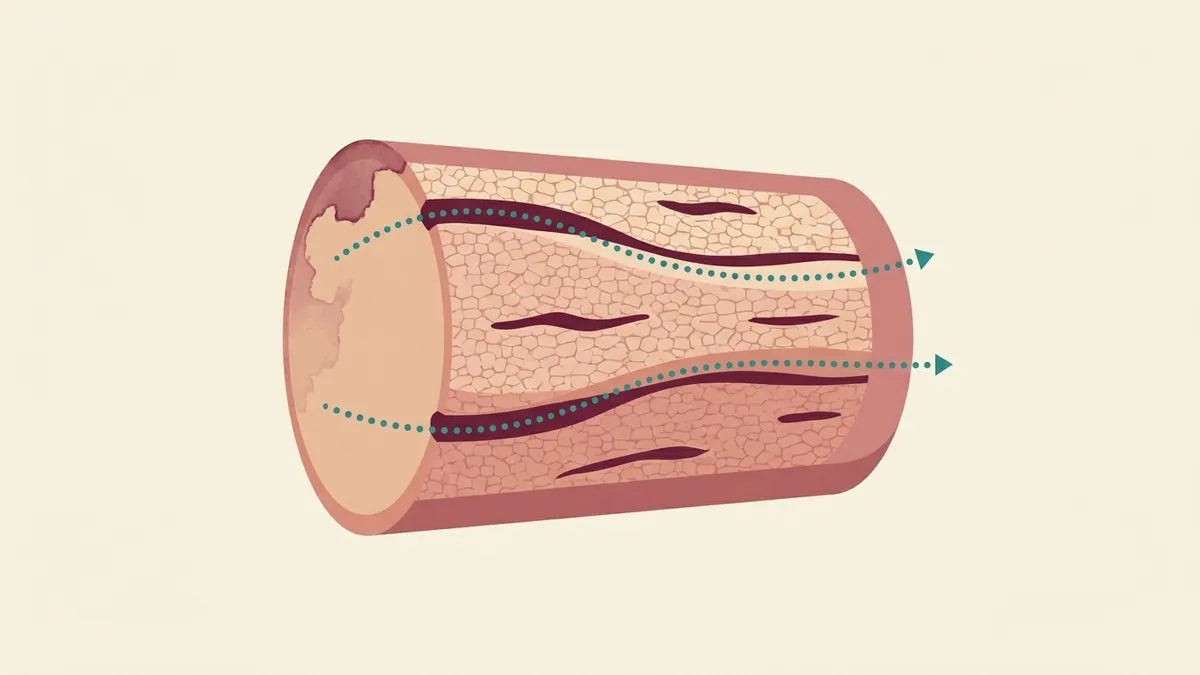
So the spread between bottles grows with age. In a two-year-old wine, variation is mostly about faults and storage. In a twenty-year-old one, sound bottles also differ simply because they aged at different speeds. Our guide to tasting young versus aged wine shows which aromas mark each stage, and why the same wine tastes different every time covers the rest of the variables on the tasting side.
How Common Is Cork Taint?
Estimates run from under 1% to 7% of cork-sealed bottles, depending on who counted and when. The cork industry group APCOR cites 0.7 to 1.2%. A 2005 Wine Spectator blind-tasting study of 2,800 bottles found 7% tainted. Either way, a regular drinker will meet a corked bottle now and then.
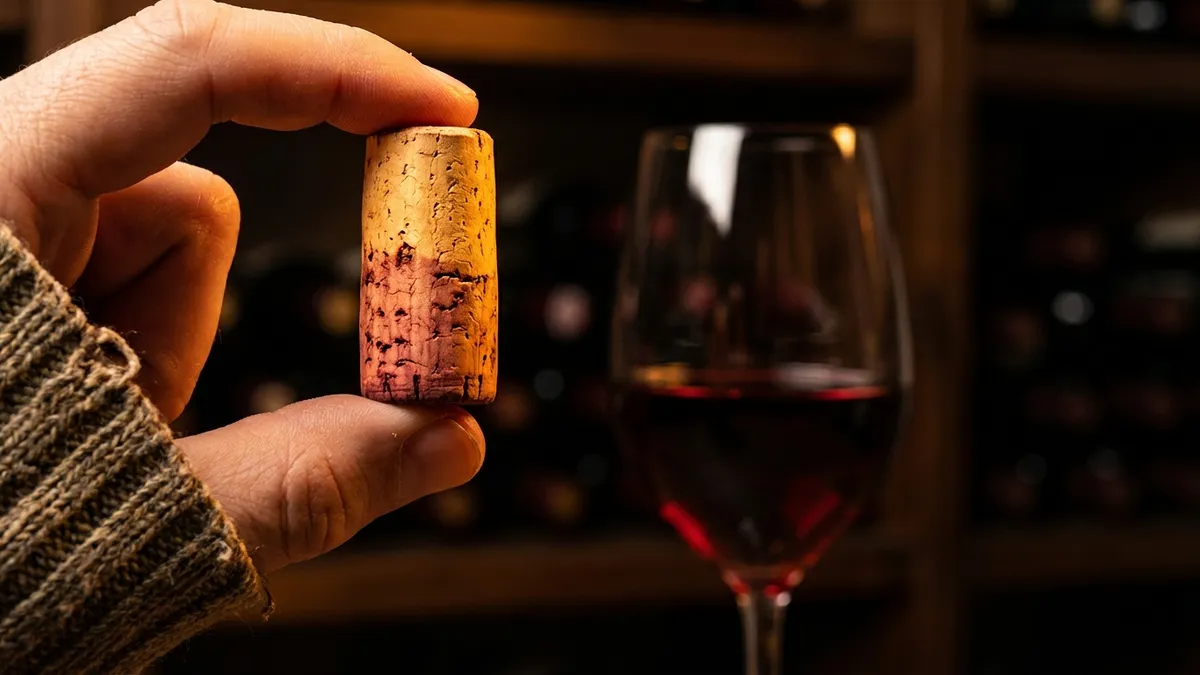
The main culprit is TCA (2,4,6-trichloroanisole, a musty compound), behind an estimated 80 to 85% of cork taints. It forms when fungi in the environment react with compounds used in making corks. You cannot see it. A tainted cork looks exactly like a clean one, so the smell of the wine is the only test.
People differ hugely in how much TCA they notice. Sensitive experts pick it up at 1 to 2 nanograms per litre, while some people need far more. In one study, consumers began rejecting white wine at about 3 nanograms per litre. Below that, a lightly tainted bottle may not smell of wet cardboard. It can simply taste flat, with less fruit and a short finish, and many people blame the wine. The chemistry of why TCA dulls smell is set out in our TCA and cork taint science guide.
Do Screw Caps Stop Bottle Variation?
They cut the variation that comes from the closure, but not the variation from storage or serving. Screw caps seal each bottle the same way and carry no cork taint of their own, which in theory means a minimum of bottle variation.
New Zealand switched fast: screw caps went from 1% of the country's bottles in 2001 to 70% in 2004.
The trade-off is reduction (a struck-match or rotten-egg smell from too little air). A wine that is prone to sulfur smells keeps them under a tight cap. At low levels some drinkers like the flinty edge; at high levels it is unpleasant. Our guide to how to smell reduction in wine shows how to tell it from cork taint.
If you want several bottles to taste alike years from now, buy screw cap. If a screw-capped white smells of struck match when you open it, swirl it hard or pour it into a jug and wait five minutes before judging. The full closure comparison is in screw cap vs cork.
How Does Storage Change a Single Bottle?
Heat and light change one bottle fast, and you rarely know its history. A bottle that sat on a warm loading dock ages faster than its twin in a cool warehouse. Temperature swings speed up oxidation and can push wine past the cork.
That is why a heat-damaged bottle often shows a raised cork or a sticky capsule. The other signs are set out in our guide to cooked wine and heat damage.
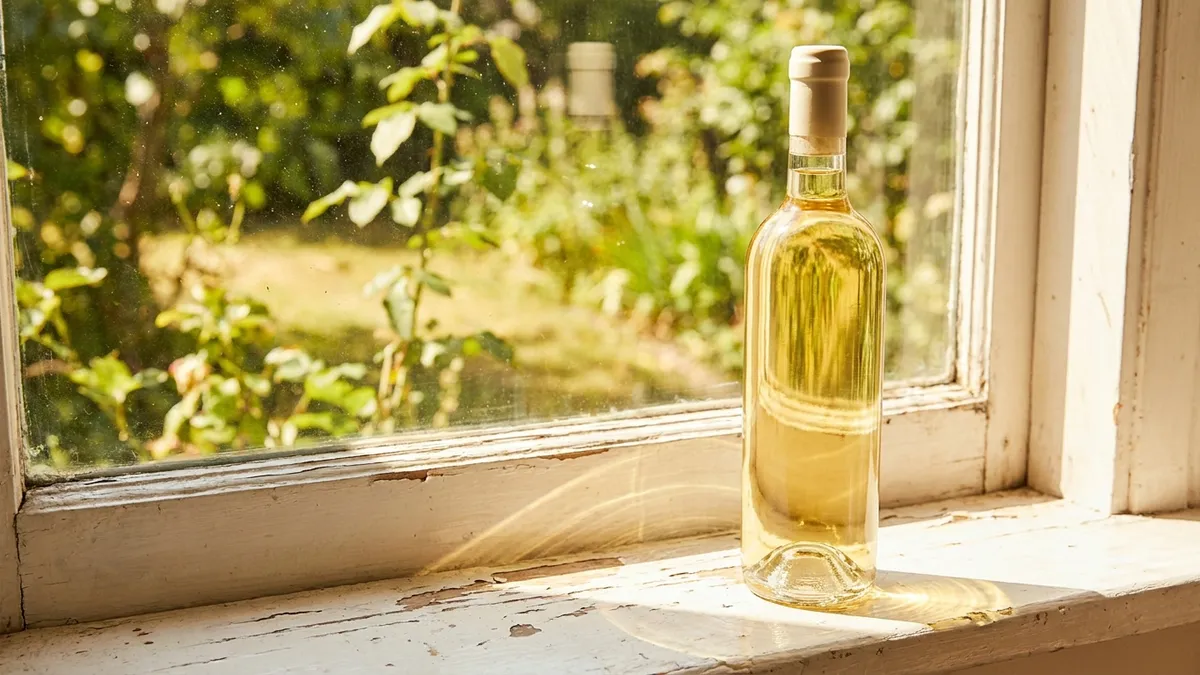
Light works faster than heat. Lightstrike (a wet-cardboard smell caused by light reacting with the wine) hits delicate whites and sparkling wine hardest, especially in clear glass. If a shop keeps bottles in a sunny window or under bright lights, buy the ones from the back of the shelf or from a closed box.
At home, the target is a steady 10 to 15°C. The steadiness matters as much as the number. Humidity of about 75% is often quoted, but there is little research to set an exact range. Vibration is usually listed as something to keep low, though the evidence is weak. Our guide to storing wine at home turns this into a cupboard-by-cupboard plan.
Could the Difference Be How You Served It?
Often, yes. Temperature, glass and food all change the same wine from one night to the next. A red served warm smells of alcohol that the same wine a few degrees cooler hides, and a white straight from the fridge loses most of its smell. Our guide to how temperature affects wine taste gives the ranges.
The glass shapes how much smell reaches you, as covered in does wine glass shape affect taste. Food matters too: salty cheese makes a red taste softer, while a sweet dessert makes a dry wine taste sour.
If you are comparing a bottle with one you remember from another night, match the conditions first. Use the same glass, cool both wines to the same temperature and taste them before food.
What Should You Do With a Bottle That Tastes Off?
Smell it again after ten minutes, then compare it with a second bottle. Return a faulty one with most of the wine still in it. Work through the steps in this order and stop at the first one that gives a clear answer:
- Wait and swirl. Reduction and a cold-closed wine both change within minutes. Cork taint, oxidation and vinegar do not.
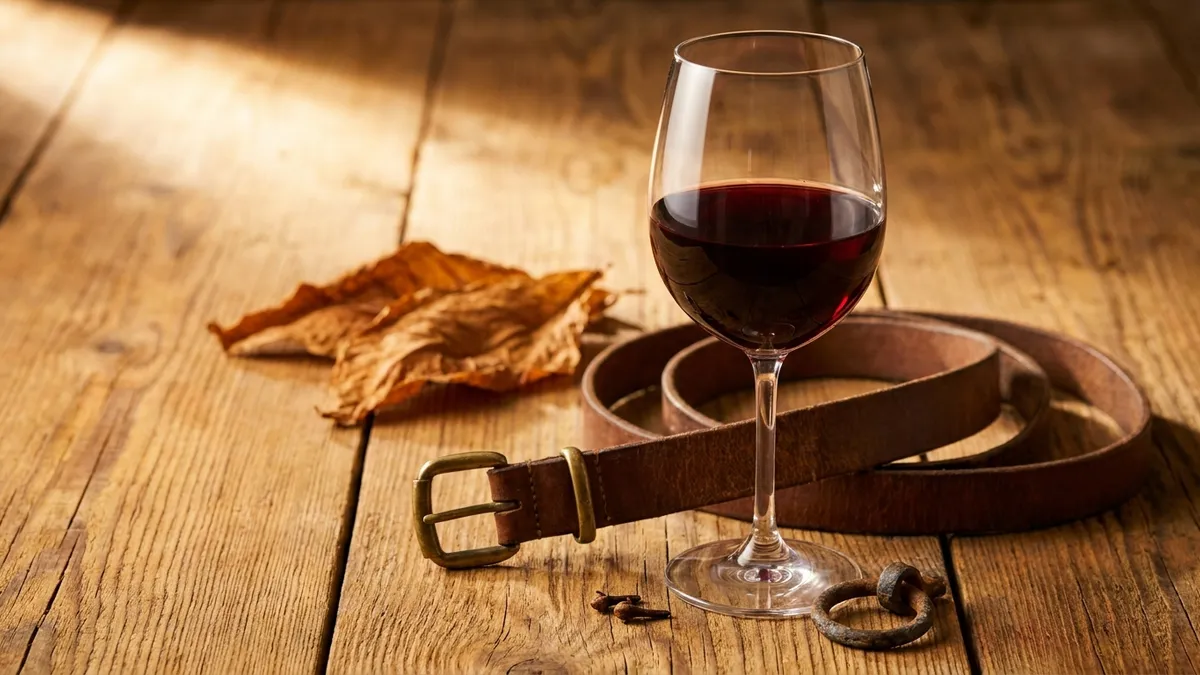
- Name the smell. Use the table above. If you cannot name a fault, the wine may be a style you dislike. Our guide to identifying wine faults by smell covers each one.
- Open a second bottle. A clean second bottle means one bad cork or one bad trip. A matching one points to the batch or the style.
- Return it. Recork the bottle at once, keep the cork and receipt, and take it back with most of the wine inside. Many shops replace a faulty bottle.
- At a restaurant, speak at the tasting pour. Say what you smell, such as "this smells musty". The steps for that moment are in how to tell if wine is corked.
If both bottles taste the same and you still do not like them, you have learned something about your taste rather than found a fault. Retasting on another day, as in how to retaste a wine, confirms it.
More faults, from Brett to oxidation, sit together in the wine faults hub. The Sommy app at sommy.wine has a Wine 101 course that teaches the look, smell and taste steps. Pour two bottles of the same wine side by side tonight and note which one smells fresher.
Sources
Frequently Asked Questions
Why does the same wine taste different from bottle to bottle?
Three things change between bottles. Each natural cork is a slightly different piece of bark, so each bottle takes in its own amount of air. Each bottle has its own storage history of heat and light. And each night you serve it at a different temperature, in a different glass, next to different food. Small differences in air add up over years.
Can two bottles from the same case taste different?
Yes. They came from the same tank, but each was sealed with its own cork, and natural cork has flaws, channels and cracks that let in different amounts of air. After a few years in the bottle, two wines from one case can sit at different stages of age. One bottle can also be corked while its neighbours are clean.
How common is cork taint?
Estimates disagree. The cork industry group APCOR cites 0.7 to 1.2% of bottles. A 2005 Wine Spectator blind tasting of 2,800 bottles found 7% tainted. The compound TCA causes an estimated 80 to 85% of cork taints. Screw-capped wine avoids taint from the cork itself, though a winery contaminated with TCA can still taint a whole batch.
Do screw caps reduce bottle variation?
They reduce the part that comes from the closure, because every cap seals the same way and none carries cork taint. They do nothing about heat, light or serving conditions. Their one quirk is reduction: with so little air, some wines smell of struck match on opening. Swirling the glass for a few minutes usually clears it.
How do I know if a bottle is faulty or just not to my taste?
Smell for a named fault: wet cardboard or a damp cellar for cork taint, walnut and cooked fruit for oxidation, vinegar or nail polish remover for volatile acidity. If none of those is there, swirl and wait ten minutes, then compare with a second bottle. If both taste the same and you still dislike it, the wine is a style you do not enjoy.
Should I return a bottle that tastes off?
Yes, if it shows a real fault such as cork taint, oxidation or vinegar. Recork it straight away with most of the wine still inside, keep the cork and the receipt, and take it back to the shop. At a restaurant, say what you smell when the server pours the taste. A wine you simply do not like is not a fault.
Why do older wines vary more between bottles?
Because the differences in air through each cork keep adding up every year the wine sits in the bottle. A young wine has had little time to drift. After a decade, one bottle from a case may still taste of fresh fruit while another has moved on to leather and dried fruit. That spread is normal ageing.
Sommy Team
LinkedInFounder & Wine Educator
The Sommy Team is building the world's most approachable wine education app, helping beginners develop real tasting skills through structured courses and AI-guided practice.