Wine Fault vs Style: How to Tell Funk From a Bad Bottle

By the Sommy Team — AI-assisted, human-edited.
Updated Sep 24, 2026
Contents (8)
TL;DR
A wine smell is a style when a winemaker chose it and kept it below the dose where it takes over, and a fault when nobody would choose it at any dose. Brett, volatile acidity, reduction and diacetyl all cross that line at measurable levels. Cork taint has no style defense at all.
Wine Fault vs Style, in One Paragraph
The line in wine fault vs style comes down to choice and dose. A smell is a style when a winemaker put it there on purpose and kept it below the point where it takes over the glass. It is a fault when nobody would choose it at any level.
A wine fault is a smell or taste from spoilage, contamination or bad storage that hides what the grapes and place should taste of. A wine style is a repeatable choice: Sherry and Madeira are oxidised on purpose, and some traditional reds keep a trace of barnyard. Most "faults" are measurable compounds with a threshold. Diacetyl is buttery and pleasant below 5 mg/L and cloying above it. Volatile acidity turns unpleasant above 1.2 to 1.3 g/L, and US law caps red wine at 1.4 g/L. Cork taint, detectable at 1 to 2 ng/L, is the clearest smell with no fans.
Where Does Style End and a Fault Begin?
Usually at a number. The same compound reads as character at a low dose and as a fault above its threshold (the concentration where most trained tasters start to notice it). Below the line, it adds a layer to the wine. Above it, that one smell is all the glass offers.
The table puts the common borderline smells side by side. Use it as a lookup when a glass smells odd: find the smell, check which side of the line it sits on, and read the last column.
| Character | Smells like | Still style when | Fault when | What to do |
|---|---|---|---|---|
| Brett (4-ethylphenol) | Barnyard, Band-Aid, horse stable | A faint savoury edge under clear fruit | Well past its 140 µg/L threshold, burying the fruit | Keep if fruit leads; return if all you smell is stable |
| Volatile acidity (acetic acid) | Vinegar, nail polish | A faint lift, well under 1.2 g/L | Above 1.2 to 1.3 g/L | Return if vinegar comes before fruit |
| Reduction (sulfides) | Struck match, rotten egg, rubber | A faint match smell in a young wine | Rotten egg or rubber that stays after air | Pour into a jug and wait 15 minutes |
| Diacetyl | Butter, butterscotch | Nutty or caramel in the background | Above 5 mg/L, like movie-theatre butter | Keep; a style call, rarely a return |
| Dimethyl sulfide | Truffle; or cooked cabbage, canned corn | A faint truffle note | Past its threshold: 30 µg/L in white, 50 µg/L in red | Return if it smells of boiled vegetables |
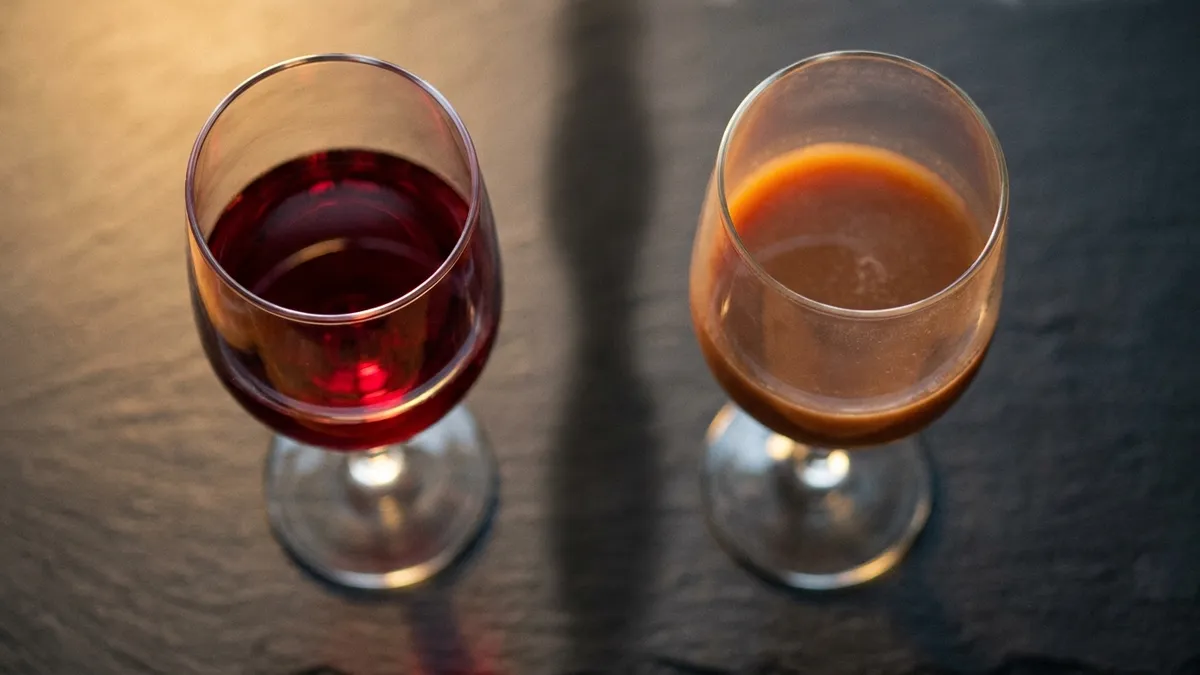
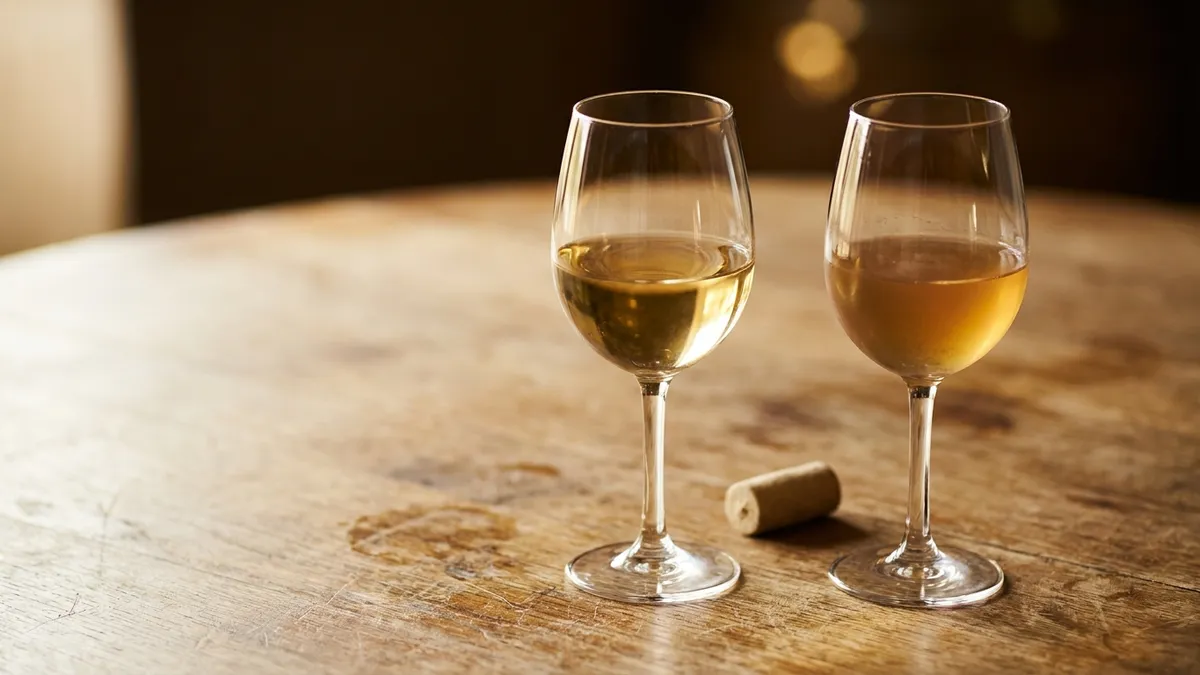
| Oxidation | Bruised apple, walnut, caramel | In Sherry, Madeira and some Jura whites | In a young wine meant to taste fresh | Check the style first, then decide |
Two of these rows need a word of explanation. Diacetyl is the buttery compound made during malolactic fermentation (a second, bacterial fermentation that softens sharp acid), which is why so many oaked Chardonnays taste of butter on purpose. Dimethyl sulfide is the swing case: a trace smells of truffle, and more smells of canned corn. For the vocabulary of small imperfections versus outright defects, see wine flaws vs faults, and the malolactic fermentation explainer covers where the butter comes from.
The quickest rule from the table: if the fruit is still the loudest thing in the glass, you are in style territory.
Is Brettanomyces a Fault or a Style?
Both, and the dose decides. Brettanomyces, or brett, is a wild yeast that lives in cellars and old barrels. Two of its smell compounds matter most. At low levels some winemakers treat them as a plus, because they give young reds a savoury, aged character.
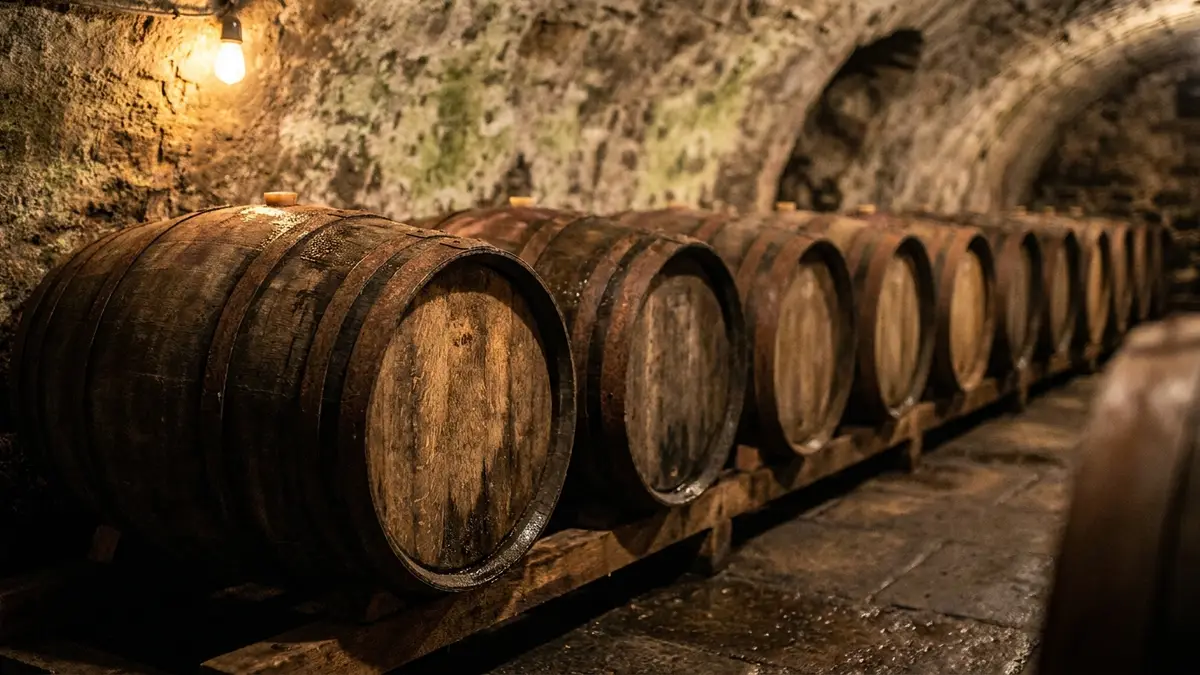
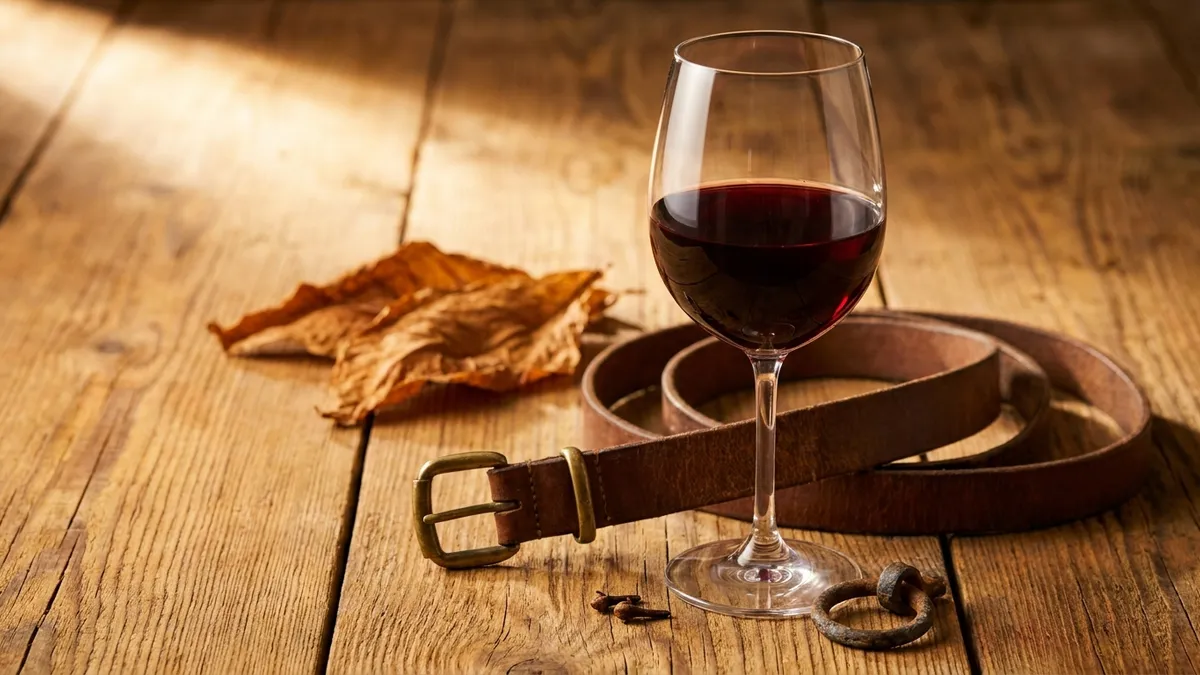
The two compounds smell nothing alike. 4-ethylguaiacol smells of bacon, clove and smoke, and it only becomes noticeable above about 600 µg/L. 4-ethylphenol smells of Band-Aid, barnyard and horse stable, and it shows up above about 140 µg/L. A wine with more of the first reads as smoky and spiced. A wine where the second dominates reads as a farmyard.
Some wineries build their signature on brett. Other winemakers treat any trace as a failure. Tasters differ too: the same glass can seem pleasantly savoury to one person and medicinal to the next, because sensitivity to these compounds varies between individuals.
If you smell smoke and clove with ripe plum still underneath, it is style; if Band-Aid and stable smells are all you get, it is a fault. Our brett guide covers the grapes and regions where it turns up most.
Is Volatile Acidity Ever Intentional?
Yes, in small amounts. Volatile acidity, or VA, is acid you can smell as well as taste, mostly acetic acid, the acid in vinegar. A little lifts the aroma and makes a ripe red smell fresher. Too much makes the wine smell of vinegar or nail polish.
The numbers are unusually clear here. Tasters begin to pick up acetic acid above about 700 mg/L (0.7 g/L), and it turns unpleasant above 1.2 to 1.3 g/L. US federal rules cap volatile acidity at 0.14 g per 100 mL for red wine and 0.12 g per 100 mL for most other grape wine. That works out to 1.4 g/L and 1.2 g/L, right where tasters start to object.
The rules make one exception that supports the style argument. Wine from the ripest, sweetest grapes gets a looser limit. Unameliorated juice at 28 degrees Brix or more may carry up to 0.17 g per 100 mL for red and 0.15 g for white.
If vinegar or nail polish reaches your nose before any fruit, the VA is over the line. If it only brightens the top of the aroma, it is style. Volatile acidity in wine goes further into how winemakers control it.
Is Reduction Always a Bad Sign?
No. A faint reduced smell (struck match or flint, from too little air during winemaking) is often part of a deliberate style. Rotten egg, rubber or burnt onion that is still there after 15 minutes of air is a fault.
Reduction comes from sulfur compounds, and they are potent. Hydrogen sulfide, the rotten-egg one, is detectable at 8 to 10 µg/L or less. Mercaptans, which smell of onion, rubber or skunk, register at around 1.5 µg/L. At those tiny doses, a trace of sulfide adds a pleasant pungency; a little more and it becomes distasteful.
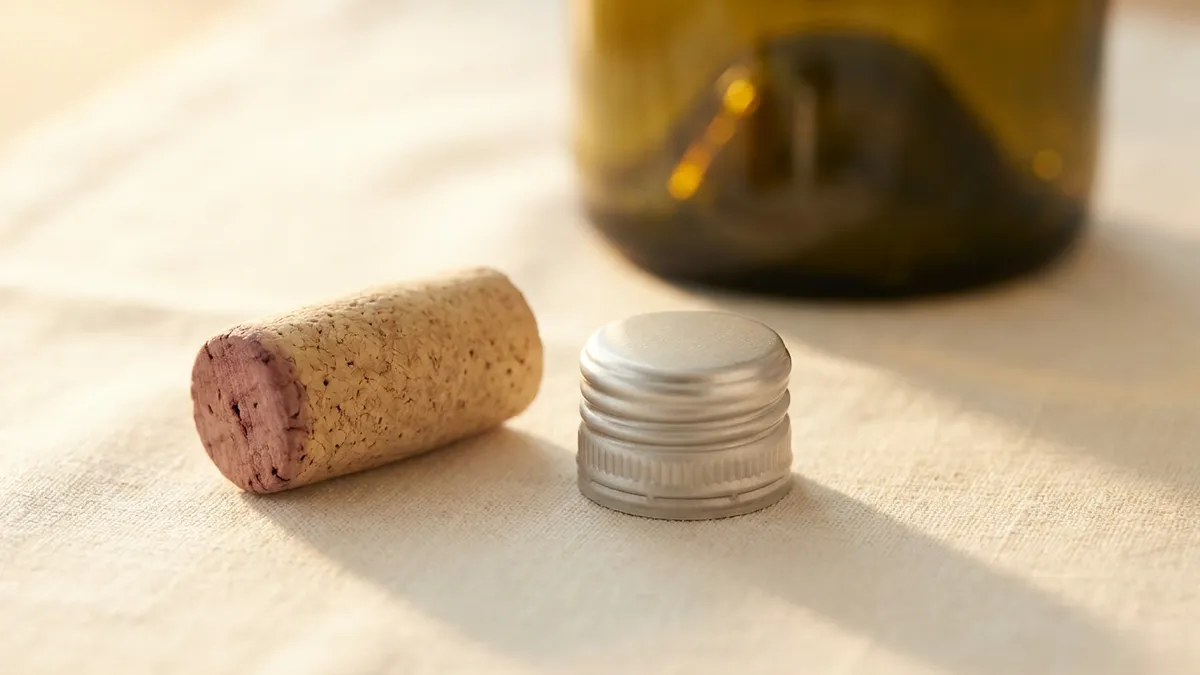
Closures play a part. A screw cap lets in less oxygen than cork, so a wine that was already leaning reductive can show more of that smell under screw cap. The cap does not create reduction on its own. Screw cap vs cork explains the oxygen trade-off in more detail.
The fix is simple: pour the wine into a jug or decanter and wait 15 minutes. If the match smell fades and fruit appears, keep drinking. If rotten egg or rubber stays the same, the bottle has a fault. For a step-by-step sniff test, see how to smell reduction in wine.
Is Natural Wine Just Wine With Faults?
No, though its method makes the question come up more often. Natural wine is low-intervention wine, usually fermented with wild yeast and made with little or no added sulfites (sulfur dioxide, which protects wine from air and microbes). Some bottles are spotless; some carry VA or brett as house style; some are spoiled.
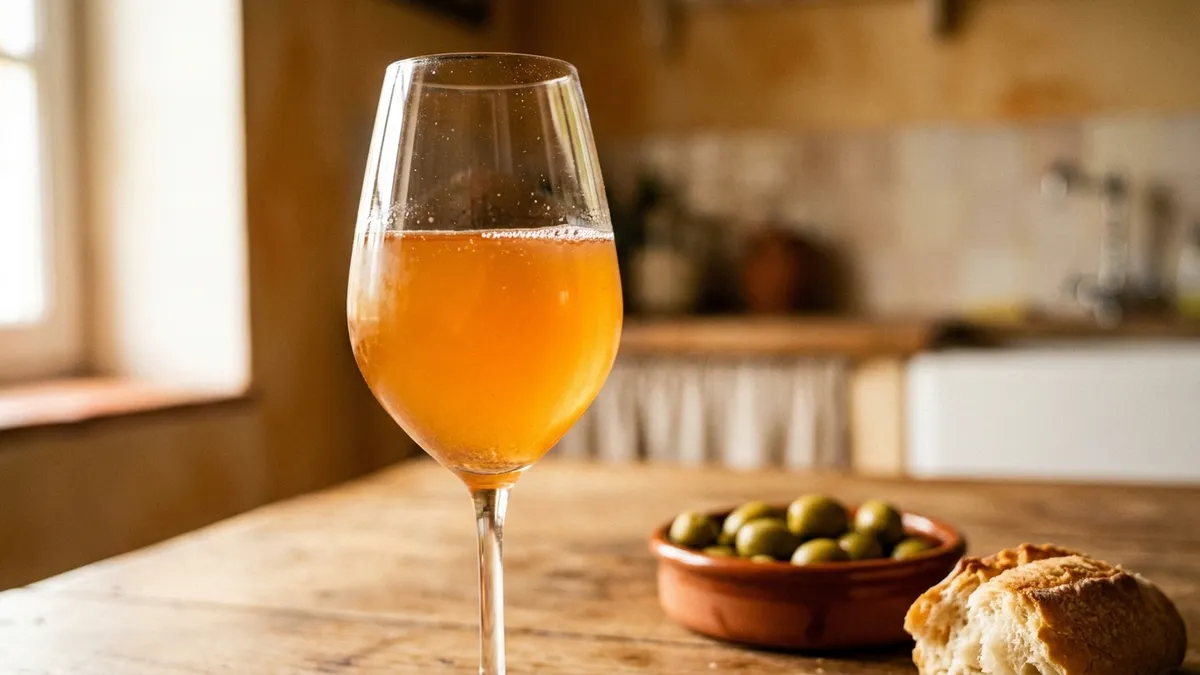
The debate is out in the open. Critics point to high volatile acidity and other traits that conventional winemaking would call faults. Supporters see the same traits as the diversity and authenticity of low-intervention wine.
The link to faults is mechanical. Sulfur dioxide keeps spoilage bacteria in check, and that also keeps volatile acidity down. Less sulfur means more room for microbes, so a low-sulfite wine carries more risk of VA and brett.
The law is still catching up, and the label words matter when you shop. France introduced a voluntary "Vin Méthode Nature" label in 2020, without a legal definition of natural wine. In 2026, Georgia's parliament defined natural wine as spontaneously fermented, organically grown grape must, with sulfur dioxide capped at 40 mg/L.
If a label says no added sulfites, drink it young and keep it cool before opening. Natural wine explained covers how these bottles are made, and sulfites in wine explains what the preservative does.
Which Faults Have No Style Defense?
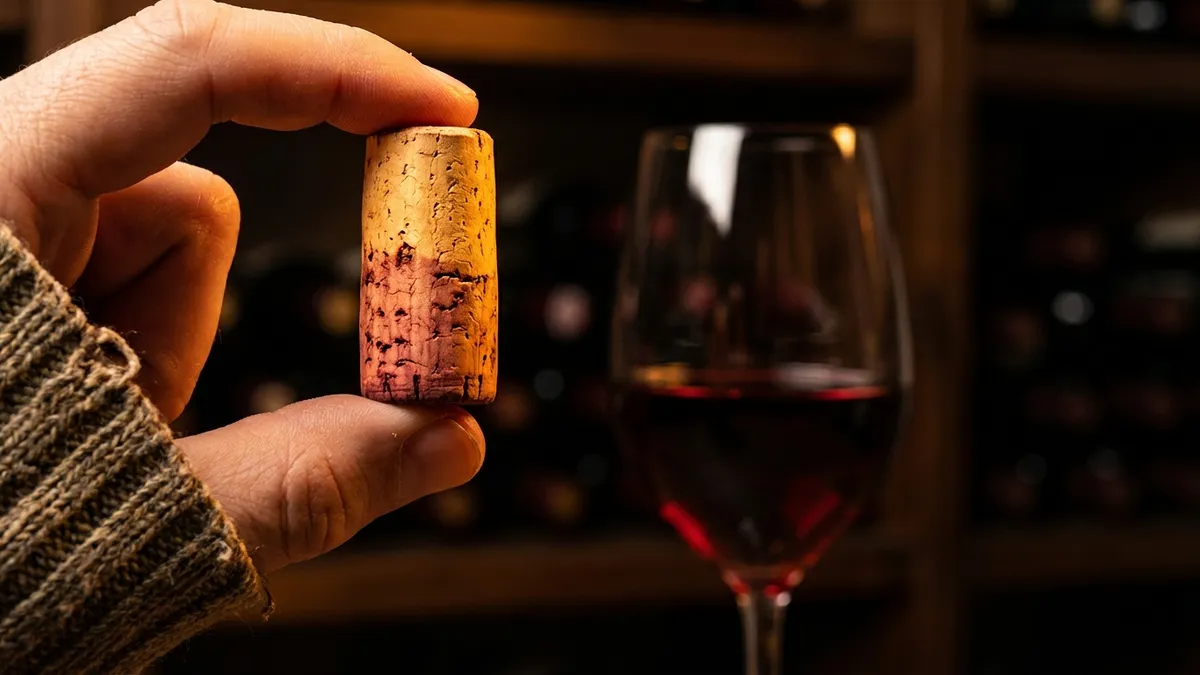
A handful of smells are never deliberate at any level. Cork taint is the clearest, and it breaks the "one person's fault is another's style" argument, since no style uses it. It comes from TCA (2,4,6-trichloroanisole), which smells of wet cardboard and damp basement and mutes the fruit.
Human noses pick up TCA at tiny doses. Some experts detect it at 1 to 2 ng/L, and one specially trained panel reached 0.3 ng/L. In one study, consumers began rejecting white wine at 3.1 to 3.7 ng/L. How often it happens is disputed. The cork industry cites a taint rate of 0.7 to 1.2%. A 2005 blind tasting of 2,800 bottles in Napa found 7% tainted. General industry estimates sit between 1% and 5%.
Other faults nobody defends
Four more faults have no style defense:
- Heat damage cooks the fruit into jam and stewed prunes. Wine keeps best at about 13°C (55°F).
- Light strike happens when light at roughly 325 to 450 nm reaches the wine. Reds are partly protected by their phenolic compounds, so whites and rosés suffer most.
- Geranium taint smells of crushed geranium leaves. It forms when lactic bacteria break down the preservative potassium sorbate, and tasters detect it at about 1 ng/L.
- Geosmin smells of beetroot, turnip and damp earth. It comes from mould and is detectable down to about 10 parts per trillion.
If you smell wet cardboard, send the bottle back. For the sniff test, see how to tell if wine is corked, and for the storage side, cooked wine and heat damage.
How Do You Decide at the Table?
Ask three questions in order: whether the smell was meant to be there, whether the fruit is still the loudest thing in the glass, and whether 15 minutes of air helps. Two yeses make the smell a style. A no on the first two means a fault.
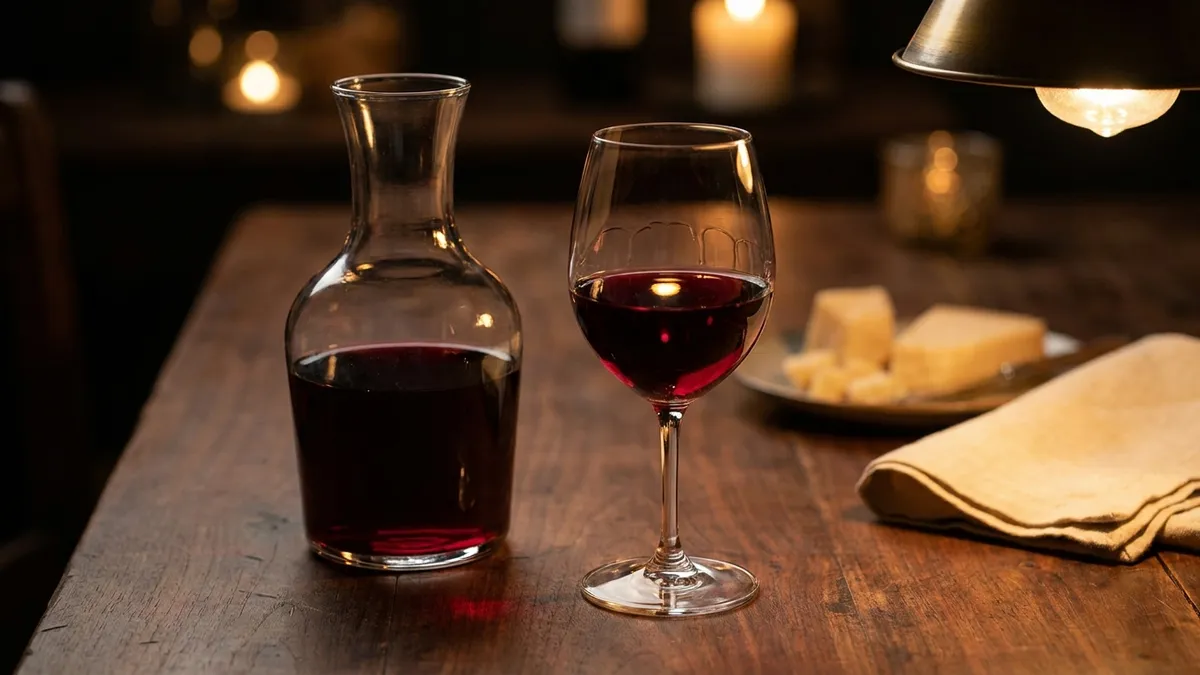
Was it meant to be there?
Check the label words. Oloroso Sherry, Madeira and many Jura whites are oxidative by design, so walnut and bruised apple are correct there; the Sherry wine guide shows how that works. In a young Sauvignon Blanc the same smell means a fault, and oxidized wine explained describes what went wrong. Traditional reds and natural wines sit in the middle, where a trace of brett or VA may be intended.
Is the fruit still the loudest thing?
This is the dose test from the table, done by nose. A savoury edge under ripe cherry is style. A glass where you can only find vinegar, stable or rubber is over the threshold.
Does air help?
Reduction usually fades within 15 minutes. Brett, VA, TCA and heat damage do not, since they are part of the wine.
In a restaurant, a fault is a fair reason to return a bottle; a style you dislike is a reason to order differently next time. Wet cardboard, vinegar or cooked jam in a wine that should be fresh are all fair reasons. When to send wine back covers the etiquette, and the wine faults hub lists every fault by smell.
Sommy's AI-guided tasting mode walks you through look, smell and taste after a photo of the label. The notes go into a tasting journal, so a funky bottle from today can be compared with the next one from the same style. The Sommy app also has a Wine 101 course that trains the basic smell vocabulary.
Tonight, open any bottle, pour one glass straight away and one into a jug, and smell both after 15 minutes. Write down which smells faded and which stayed.
Sources
Frequently Asked Questions
What is the difference between a wine fault and a wine style?
A wine fault is a smell or taste nobody would put in a wine on purpose, or one that has grown past the level where it helps. A style is a deliberate choice, such as oxidation in Sherry or a touch of barnyard in a traditional red, kept below that level. The same compound can be either one, and the dose usually decides.
Is Brettanomyces always a fault in wine?
No. Brettanomyces is a yeast that makes smoky, clove and leathery compounds, and some winemakers welcome a little of it in red wine. Its barnyard compound, 4-ethylphenol, becomes noticeable above about 140 micrograms per litre. When Band-Aid and horse-stable smells bury the fruit, most tasters call it a fault. People also differ in how strongly they react to it.
How much volatile acidity is too much in wine?
Tasters start to notice acetic acid, the main volatile acid, above about 0.7 grams per litre, and it becomes unpleasant above 1.2 to 1.3 grams per litre. US federal rules cap volatile acidity at 1.4 grams per litre for red wine and 1.2 for most other grape wine. If the glass smells of vinegar or nail polish before fruit, it is over the line.
Is natural wine just faulty wine?
No. Natural wine means low-intervention winemaking, usually with wild yeast and little or no added sulfur. Some bottles are perfectly clean, some carry volatile acidity or brett as a deliberate house style, and some are simply spoiled. Low sulfur makes microbial problems more likely, which is why the fault question comes up more often with natural wine than with conventional bottles.
Can cork taint ever be part of a wine's style?
No. Cork taint comes from a compound called TCA, which smells of wet cardboard and damp basement and flattens the fruit. No wine style, region or winemaker uses it on purpose, and trained tasters can pick it up at one to two nanograms per litre. A corked bottle should be returned or replaced, since it will not improve with air or time.
Will a funky smell in wine go away with air?
Sometimes. Reduction, the struck-match or rotten-egg smell from too little oxygen, often fades after 15 minutes in a jug or decanter. Brett, volatile acidity and cork taint do not blow off, because they are part of the wine itself. If the smell is weaker after 15 minutes of air, keep drinking; if it is the same or stronger, judge it as it is.
Sommy Team
LinkedInFounder & Wine Educator
The Sommy Team is building the world's most approachable wine education app, helping beginners develop real tasting skills through structured courses and AI-guided practice.