Premature Oxidation in Wine: Why Young Whites Turn Brown

By the Sommy Team — AI-assisted, human-edited.
Updated Sep 24, 2026
Contents (9)
- Premature Oxidation in Wine, in One Paragraph
- How Can You Tell If a Wine Is Prematurely Oxidized?
- Normal Aging or Premature Oxidation: How Do You Tell Them Apart?
- What Should You Do With a Prematurely Oxidized Bottle?
- Which Wines Are Most at Risk, and How Should You Store Them?
- What Causes Premature Oxidation?
- Does Cork Cause Premature Oxidation?
- What Was the White Burgundy Premox Crisis?
- How Do You Train Your Eye and Nose for It?
TL;DR
Premature oxidation is a fault where a white wine made to age turns brown, flat and Sherry-like years early. Read colour against the vintage: deep gold in a young wine is a warning. White Burgundy from 1996 to 2002 made it famous. Cork, low sulfur dioxide, lees stirring and vine stress are all suspects.
A white wine made to age should still taste fresh in its first few years. When a young bottle pours deep gold or brown and smells of bruised apple, it has aged years too early. That fault is premature oxidation in wine, and the trade shortens it to premox. The vintage on the label, the colour in the glass and one sniff are enough to spot it.
Premature Oxidation in Wine, in One Paragraph
Premature oxidation is a flaw in white wines that should be in good condition and able to age, yet are found oxidised and often undrinkable. Oxidation is the reaction of the wine with oxygen, which browns its colour and flattens its fruit. The fault became famous through white Burgundy from the late 1990s, especially the 1996, 1997 and 1998 vintages, with cases running until 2002. It has also been reported in Australia, Alsace, Germany and Bordeaux. Experts still disagree on the cause. Corks, low sulfur dioxide, heavy lees stirring, overripe fruit and stressed vines have all been blamed.
How Can You Tell If a Wine Is Prematurely Oxidized?
Three clues together give it away: a colour too deep for the wine's age, a smell of bruised apple or Sherry where fresh fruit should be, and a flat, dull taste. Any one clue alone can mislead. All three in a young white mean the bottle is faulty.
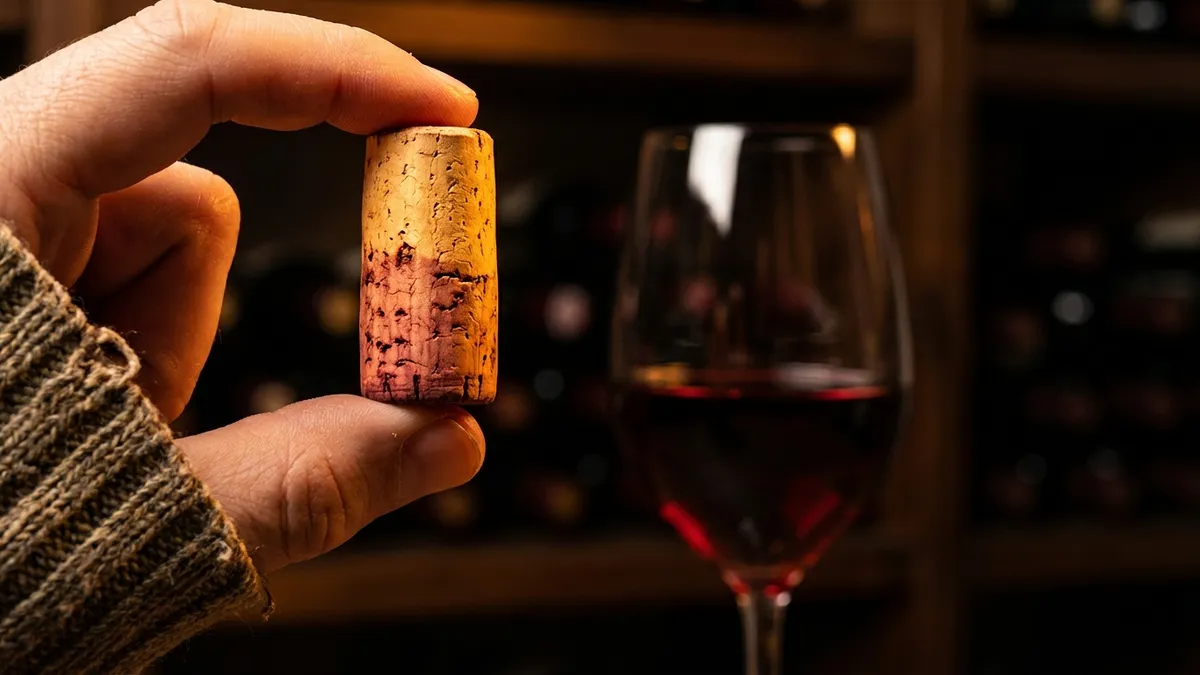
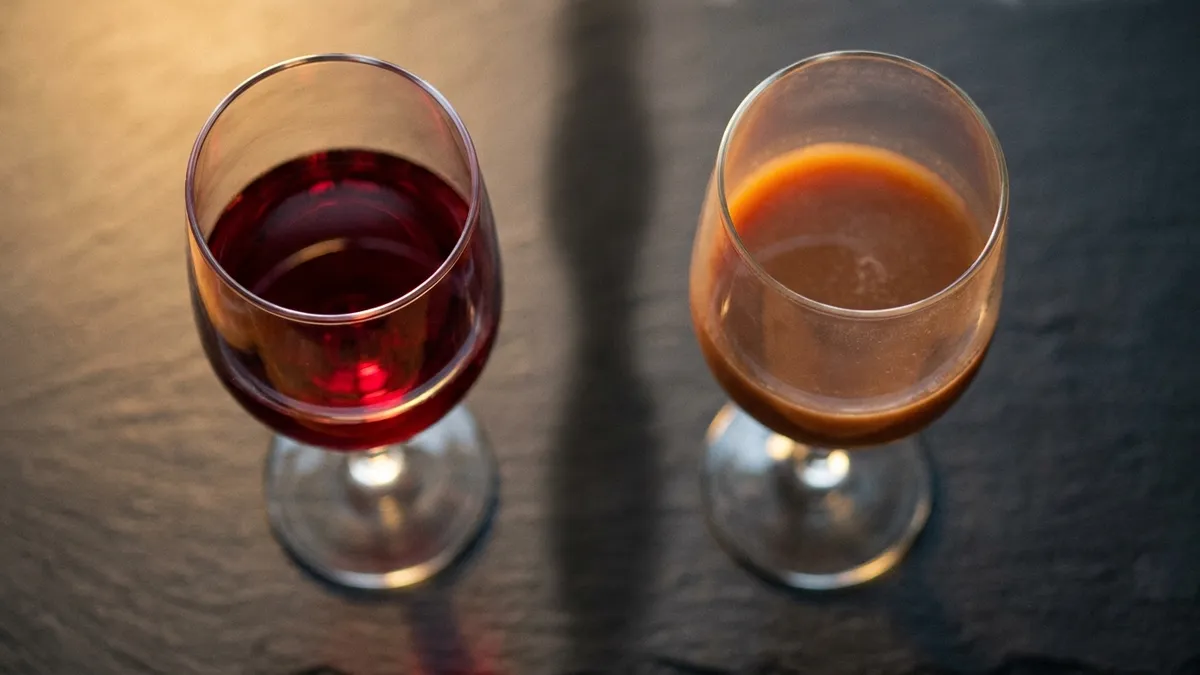
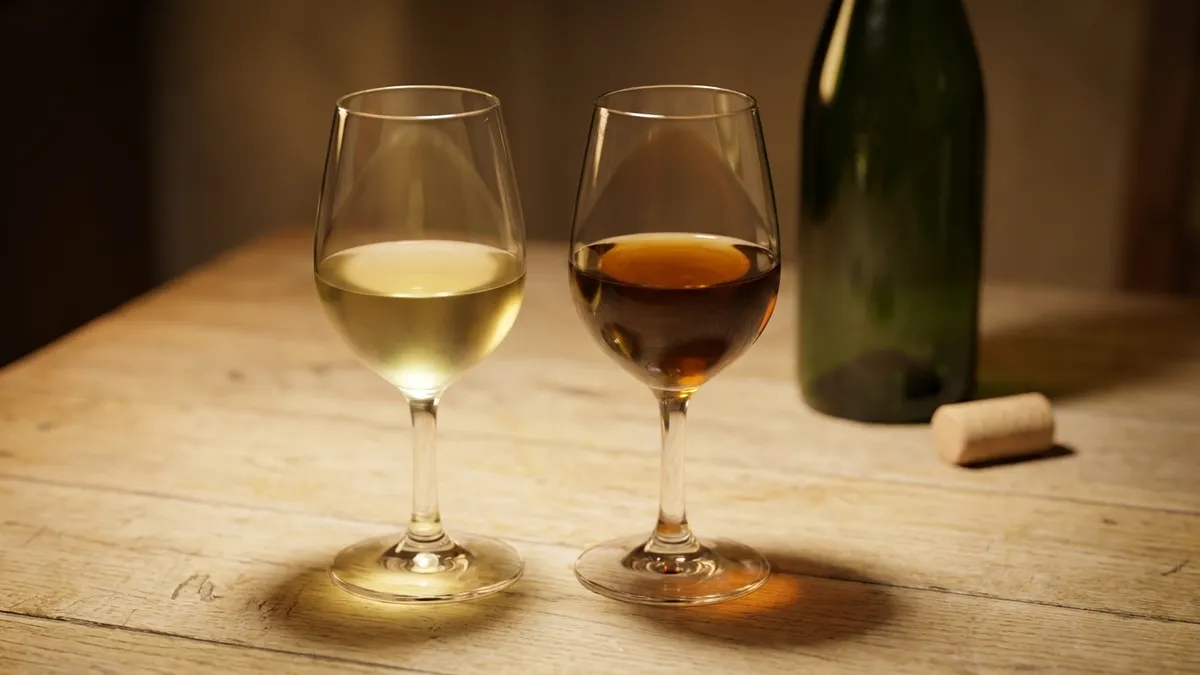
Oxidation is perhaps the most common wine fault, because it needs only oxygen and a catalyst to start. The first sign is visual: premature browning or yellowing of the wine. A white that should look pale lemon or light straw looks deep gold, amber or even tea-brown instead.
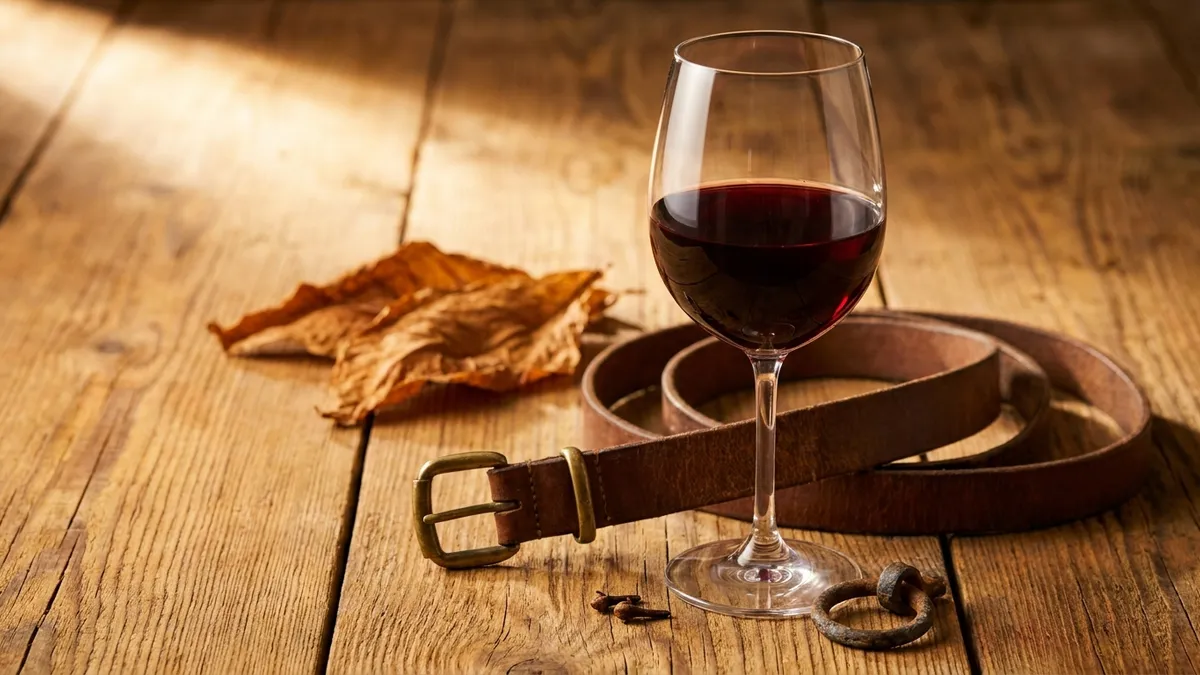
The smell comes next. Oxygen turns some of the alcohol into acetaldehyde (the compound behind the bruised-apple and Sherry smell). It gives a Sherry-type character that tasters also describe as green apple, sour and metallic. People start to notice it at around 100 to 125 milligrams per litre.
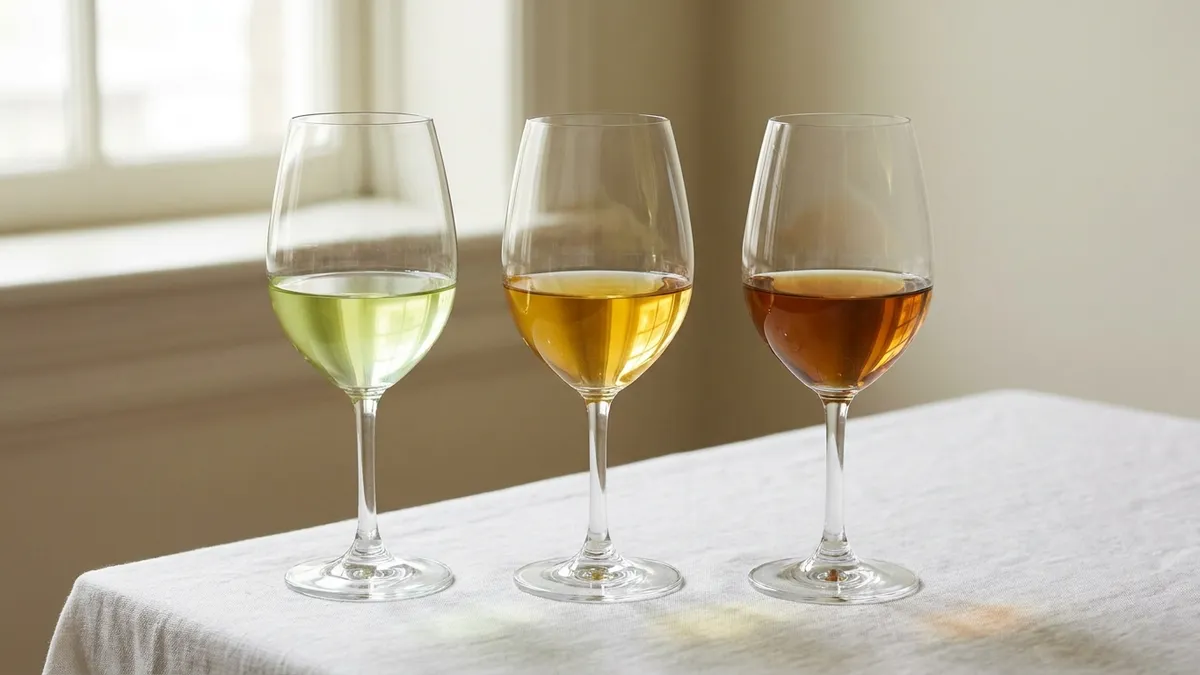
Then taste it. The compounds that oxidise first in wine are its phenols, the colour and flavour molecules from grape skins and seeds. When they go, the wine loses colour, flavour and aroma, a change tasters call flattening. The acidity may still be there, but the fresh citrus, pear or peach has gone. What is left tastes of walnut and dried apple, and the finish drops away fast. The oxidized wine explainer maps how those smells worsen from bruised apple to vinegar as the fault advances.
Normal Aging or Premature Oxidation: How Do You Tell Them Apart?
Check the vintage (the harvest year on the label) first, because the same gold colour is normal in a fifteen-year-old white and a warning in a three-year-old one. Normal aging is slow and adds honey, toast and nut while the fruit stays. Premature oxidation gets to the same colour in a fraction of the time and takes the fruit away.
Every white darkens with time, because reactions between molecules in the wine generally brown it as it ages. Oxygen in limited amounts can even help. A well-kept white Burgundy or Riesling at fifteen years can look deep gold and still smell of fresh fruit under the honey. The guide to wine colour and age shows the normal pace year by year.
| Clue | Normal bottle age | Premature oxidation | What to do |
|---|---|---|---|
| Colour vs vintage | Deepens slowly over many years | Deep gold or brown within a few years of harvest | Compare the colour with the vintage before you sip |
| Smell | Honey, toast, nuts, with fruit still present | Bruised apple, Sherry, walnut; fruit missing | If fruit is absent, treat the bottle as faulty |
| Palate | Acidity alive, layered finish | Flat, dull or slightly sour; short finish | Stop drinking and re-cork the bottle |
| With air in the glass | Holds or gains aroma | Gets flatter and more Sherry-like | Do not decant hoping it will improve |
| Style context | Expected in aged whites and Sherry-style wines | Unexpected in a white made to age | Return it to the shop with the receipt |
Oak can fool the eye: a young white aged in barrels looks more golden than an unoaked one of the same year. So the smell and the palate have to agree before you call a fault. For the full ladder of white wine hues, see what wine colour means.
What Should You Do With a Prematurely Oxidized Bottle?
Nothing brings it back, so stop drinking it, re-cork it and take it back to the shop with the receipt. Oxidation changes the wine's colour and aroma compounds for good. Chilling cannot mask it, and more air or a decanter only push it further.
Most wine shops replace a faulty bottle, especially when it comes back mostly full and with the cork. In a restaurant, say what you found in plain words: the wine is brown for its age and smells of Sherry instead of fruit. That is a precise description, and it is different from calling the wine corked, which means a musty, wet-cardboard smell. The cork taint guide covers that one.
Be sure of the fault first, because two other problems can pass for it. If a white under five years old is brown and smells of Sherry, return it. If it smells of struck match or rotten egg instead, swirl it and wait ten minutes, since that is reduction and it often fades with air. If it smells stewed and jammy and the cork has pushed up, heat damage is more likely, as explained in cooked wine and heat damage.
Which Wines Are Most at Risk, and How Should You Store Them?
Oak-aged whites made to age for years carry the most risk, above all white Burgundy, and warm or swinging storage raises it for any wine. The fault was reported mainly in Burgundy, with cases in Australia, Alsace, Germany and Bordeaux too.
White Burgundy is almost always Chardonnay, so the Chardonnay guide and the Burgundy wine guide explain the style most often hit. Organic wines face a particular risk, because their rules require lower sulfite levels, and sulfite is one of the main shields against oxygen.
Storage matters for any white. The generally accepted ideal is 13 °C (55 °F). Stability matters as much as the number. Temperature swings change the pressure difference between the inside and outside of the bottle, which pumps air past the closure. A kitchen that is warm by day and cool by night does exactly that.
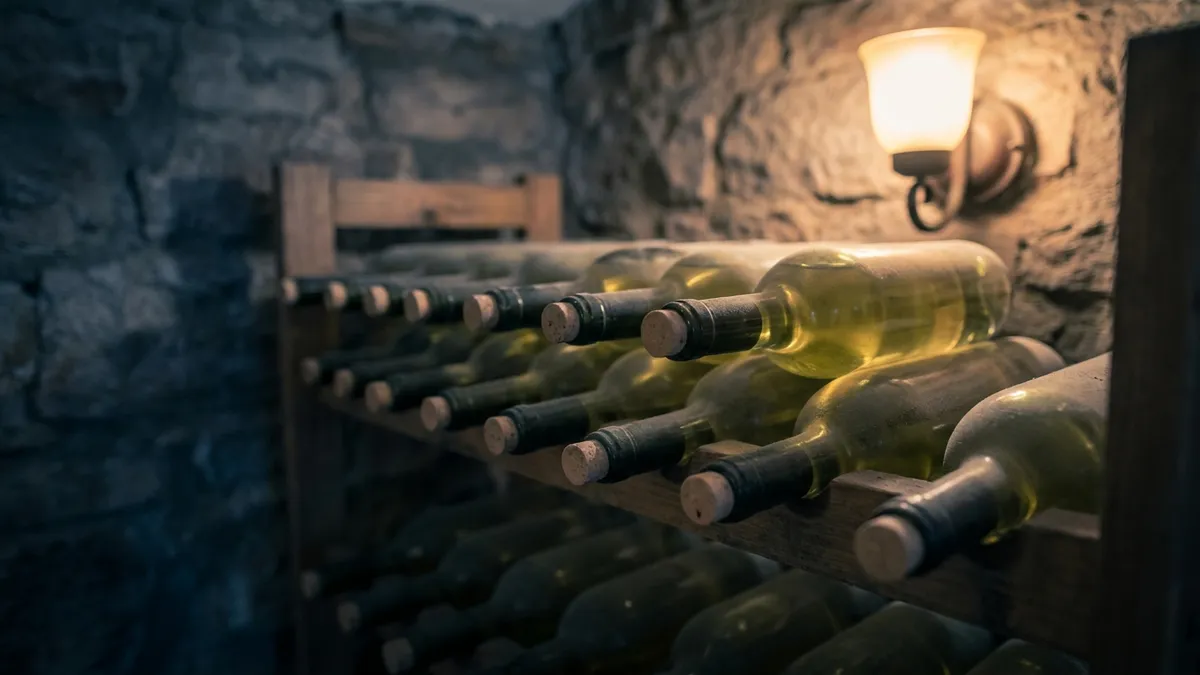
If you plan to keep an oaked white for more than a couple of years, store it on its side in a spot that holds a steady 13 °C. If you have no steady cool spot, buy that style to drink within a year or two. The guide to storing wine at home covers cheap ways to get close to cellar conditions.
What Causes Premature Oxidation?
No single cause has been proven: oxygen gets the upper hand when a wine's defences are thin, and several winemaking and vineyard choices can thin them. The main suspects are closures, sulfur dioxide, lees stirring, ripeness and the grape's own natural protection.
Sulfur dioxide (SO2, the preservative behind "contains sulfites") is the first line of defence. It protects wine from spoilage bacteria and from oxidation, the process that browns wine and strips its grape-specific flavours. It also binds some of the products of oxidation so they smell less. Legal ceilings for total SO2 are 150 parts per million (ppm) for dry red wine in the EU, 200 ppm for dry white and rosé, and 350 ppm in the US.
More is not simply better. Free SO2 above about 50 ppm starts to show in the smell and taste of the wine. Winemakers have to dose enough to protect it without making it smell of struck matches. The guide to sulfites in wine explains the labelling side, including the 10 ppm threshold below which no "contains sulfites" warning is needed.
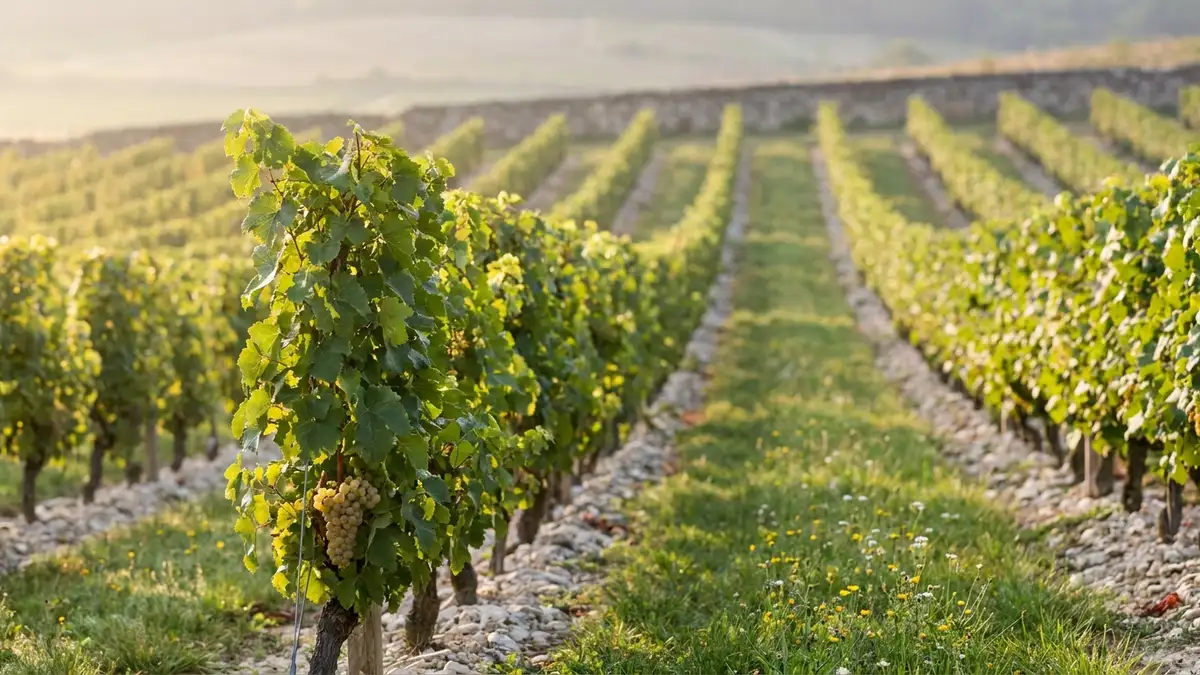
The second suspect is bâtonnage, stirring the lees (spent yeast cells that settle after fermentation) back through the wine in barrel. It adds a creamy, bready texture, and it is also known to raise the risk of premature oxidation. The risk is higher still in low-sulfite organic wines.
The wine critic Steve Tanzer argued that several causes combined: corks, warmer seasons giving overripe fruit, too much lees stirring and too little sulfur dioxide. The researchers Denis Dubourdieu and Valérie Lavigne-Cruège pointed to the vineyard instead. When growers stopped using weedkillers, grass competed with the vines and stressed them. Stressed vines may make too little glutathione, a compound in grape juice that traps browning molecules before they can darken the must. Less glutathione means less built-in protection from the first day of fermentation.
Does Cork Cause Premature Oxidation?
Sometimes, but cork alone does not explain the crisis, and the experts who studied it never agreed. The wine writer Clive Coates said that "poorly-performing corks are the main culprits behind prematurely aged white Burgundy." The critic Pierre Rovani replied that "corks are not the issue."
A third view split the difference. The Burgundy specialist Allen Meadows suggested that cork problems were made worse by generally lower levels of sulfur dioxide. That fits the rest of the evidence: a closure that lets in a little extra oxygen only does damage when the wine has too few defences to absorb it.
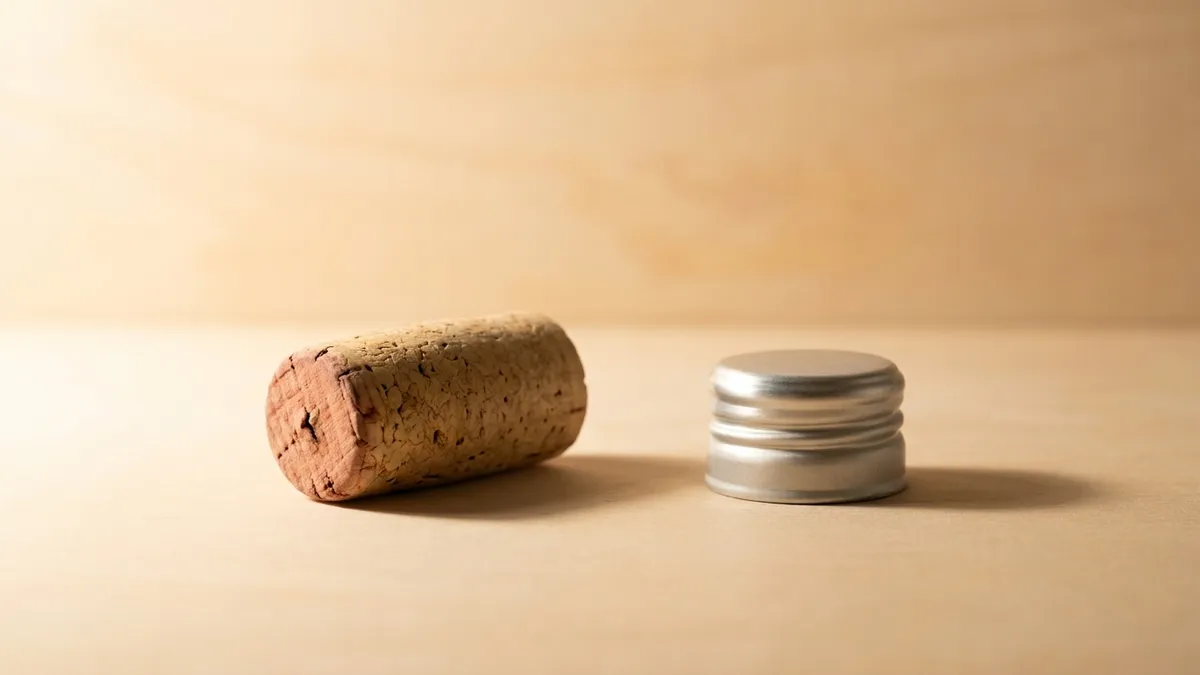
The debate reached closures in general. Some argue that the slow entry of oxygen through cork plays a vital role in aging a wine. Others say a sound cork lets in almost none, and that any oxygen admitted is harmful. New Zealand voted with its bottling lines, moving from about 1% of wines under screw cap in 2001 to about 70% in 2004.
Screw caps have a trade-off of their own. With less oxygen coming in, a wine whose chemistry already leans that way can turn reduced (a struck-match or sulfide smell from too little air). If you want low risk for a white you plan to keep, choose a screw cap or an engineered cork. If a screw-capped wine smells of struck match, swirl it before judging. The full comparison is in screw cap vs cork, and how to smell reduction trains the opposite fault.
What Was the White Burgundy Premox Crisis?
It was a run of white Burgundy vintages from the late 1990s, above all 1996, 1997 and 1998, found oxidised long before their time, with cases continuing until 2002. These were wines bought to age, so collectors opened them expecting fresh fruit and found brown, Sherry-like wine instead.
The answer from producers was to change several things at once. They inspected cork quality more closely, paid more attention to sulfur dioxide levels and cut back on bâtonnage. The faults hub lists the other faults to rule out, and the flaws vs faults guide explains why oxidation in a young white counts as a fault.
How Do You Train Your Eye and Nose for It?
Compare colour against the vintage every time you open a white, and the fault becomes easy to catch. After a handful of bottles, the normal shade for a two-year-old white sticks in memory, and a brown one stands out at once.
The smell trains the same way. Cut an apple, leave one half on the counter for an hour until it browns, and sniff it beside a fresh white. The browned half smells close to an oxidised white: bruised apple, with the fresh juice gone. The white wine tasting guide gives the look, smell and taste routine to run on both.
Sommy is a wine-education app with bite-sized courses, including Wine 101, and an AI-guided tasting mode that saves your notes to a tasting journal. Start at sommy.wine. Tonight, open any white you have, check the harvest year on the label, and tilt the glass over a sheet of white paper before you take the first sip.
Sources
Frequently Asked Questions
What is premature oxidation in wine?
Premature oxidation, often shortened to premox, is a fault in white wines that should still be fresh and able to age. Oxygen gets the upper hand too early, so the wine turns deep gold or brown, loses its fruit and smells of bruised apple or Sherry. White Burgundy made the fault famous, but it has also been reported in Australia, Alsace, Germany and Bordeaux.
How can you tell if a white wine is prematurely oxidized?
Look for three clues together. The colour is deeper than the vintage on the label suggests, the smell is bruised apple, walnut or Sherry instead of fresh fruit, and the taste is flat, dull or slightly sour. Colour alone is not enough, because oak and long bottle age also darken whites. A young wine showing all three is faulty.
Can a prematurely oxidized wine be fixed?
No. Oxidation changes the wine's colour and aroma compounds for good. Chilling cannot hide it, and air or decanting only make it worse. Re-cork the bottle and return it to the shop with the receipt, since most shops replace faulty wine. A mildly oxidized white can still go into a stew or a pan sauce, where the missing freshness matters less.
Does cork cause premature oxidation?
Cork is one suspect, not a proven sole cause. The wine writer Clive Coates blamed poorly performing corks for prematurely aged white Burgundy, while critic Pierre Rovani said corks were not the issue. Other explanations point to lower sulfur dioxide, heavy lees stirring, overripe fruit and vine stress. Most producers responded by changing several of these at once.
Are screw cap wines less likely to oxidize prematurely?
A sound screw cap lets in very little oxygen, which cuts the risk of oxidation and removes cork-to-cork variation. The trade-off is a higher chance of reduced smells, such as struck match, in wines whose chemistry already leans that way. New Zealand switched fast, from about 1% of wines under screw cap in 2001 to about 70% in 2004.
Is premature oxidation the same as normal wine aging?
No. Normal aging darkens a white slowly over many years while it gains honey, nut and dried-fruit flavours and keeps its acidity. Premature oxidation reaches the same colour in a fraction of the time and strips the fruit instead of adding layers. The vintage on the label is the deciding clue: gold at fifteen years is expected, gold at three is a warning.
Sommy Team
LinkedInFounder & Wine Educator
The Sommy Team is building the world's most approachable wine education app, helping beginners develop real tasting skills through structured courses and AI-guided practice.