Unfiltered Wine: What It Is and Why Winemakers Skip It

By the Sommy Team — AI-assisted, human-edited.
Updated Oct 1, 2026
Contents (9)
- What Is Unfiltered Wine, in One Paragraph?
- How Is Filtering Different From Fining and Settling?
- Why Do Winemakers Filter at All?
- Why Do Some Winemakers Skip Filtering?
- How Can You Tell If a Wine Is Unfiltered?
- Is Cloudy Unfiltered Wine Safe to Drink?
- How Should You Serve Unfiltered Wine?
- Is Unfiltered Wine Natural, Vegan or Better?
- Does Unfiltered Wine Age Well?
TL;DR
Unfiltered wine is bottled without passing through a filter, so it can carry a light haze or throw sediment. Filtering mainly guards against yeast and bacteria working in the bottle. Skipping it is one cellar choice: it does not make a wine natural, vegan or better, and the label often stays silent.
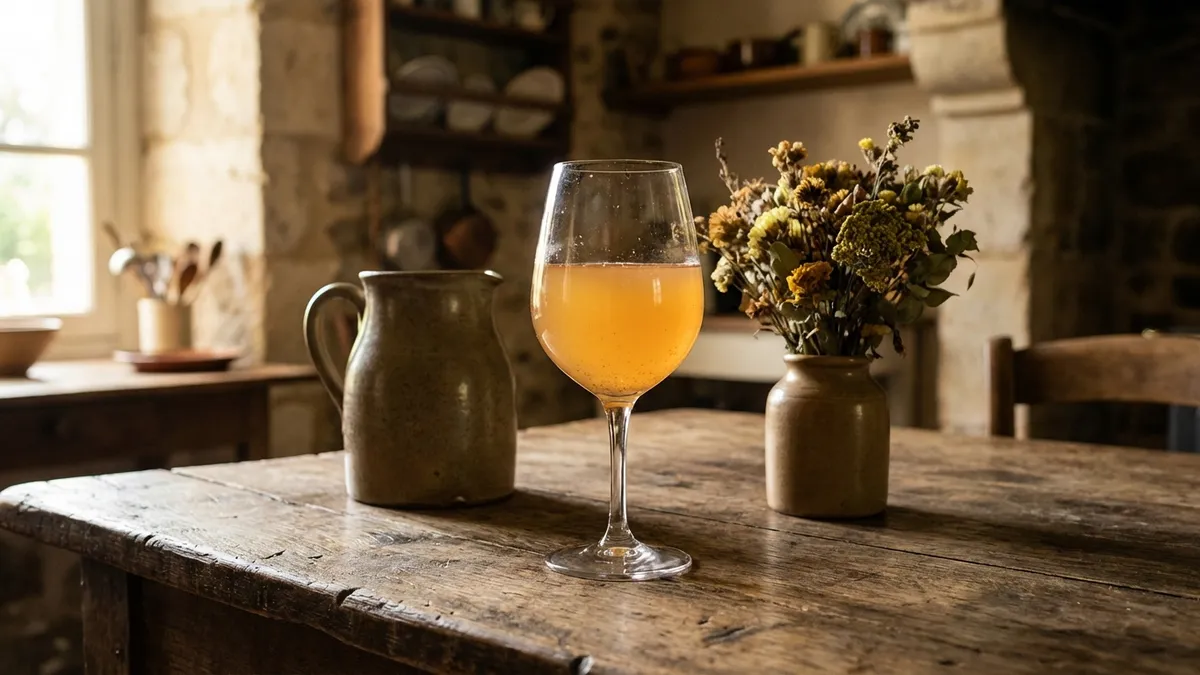
Unfiltered wine went into the bottle without passing through a filter, so it can carry a faint haze or drop sediment over time. That tells you about one choice in the cellar. It does not tell you whether the wine is natural, vegan, organic or better than the filtered bottle next to it, and the label often does not mention it at all.
What Is Unfiltered Wine, in One Paragraph?
Unfiltered wine is wine bottled without filtration, the step that pushes wine through a physical barrier to strip out yeast, bacteria and fine solids. Instead the winemaker lets gravity do the work over weeks or months, then moves the clear wine off its deposit. The finished wine may look slightly hazy, and reds in particular can throw sediment in the bottle. Filtering mainly guards against microbes: a filter with 0.45-micron pores is the usual standard for a microbially stable wine. Skipping it is common among makers of red wine and of low-intervention styles. The term has no legal definition, and many unfiltered bottles never say so on the label.
How Is Filtering Different From Fining and Settling?
Settling uses gravity, fining uses an added agent that grabs particles, and filtering pushes wine through a barrier. Most wines get at least one of the three, and many get all three in that order. An unfiltered wine has had the first, sometimes the second, and never the third.
Settling is the oldest method. Solids sink to the bottom of the tank or barrel, and the winemaker pumps or siphons the clear wine off the top, a move called racking. Given enough time, settling can make a wine look nearly as clear as a filtered one.
Fining adds a substance that bonds with suspended particles, forming clumps heavy enough to sink. Egg whites, milk casein, gelatin and isinglass from fish are traditional agents. Bentonite clay pulls out proteins, and activated carbon removes browning compounds. Fining reaches dissolved substances too: it can take out some tannin and colour, which softens a harsh red. A filter does not target dissolved compounds; it catches particles by size.
| Step | How it works | What it removes | What it means in your glass |
|---|---|---|---|
| Settling and racking | Gravity, then the clear wine is moved off the deposit | Heavy solids: dead yeast, grape fragments | Can look nearly clear; may still drop sediment in the bottle |
| Fining | An added agent binds particles and sinks | Haze-forming proteins, some tannin and colour | Clearer, sometimes softer; not vegan if egg, milk, gelatin or fish was used |
| Coarse (depth) filtration | Wine passes through thick pads of fibre or mineral powder | Fine solids and most yeast | Bright and clear, with little or no deposit later |
| Sterile (surface) filtration | A membrane with pores around 0.45 microns | Yeast and most bacteria | Microbially stable in the bottle; no refermentation |
| Unfiltered | Settling only, sometimes with fining | Whatever gravity removes | Possible light haze or sediment; stand the bottle upright and pour slowly |
Why Do Winemakers Filter at All?
To stop live yeast and bacteria from working in the bottle. A wine with a little leftover sugar and a few living cells can start fermenting again after bottling, turning fizzy and cloudy. Filtering is the most direct guarantee against that.
Winery filters come in two families. Depth filters are thick pads or beds of cellulose fibres, diatomaceous earth or perlite, which trap particles inside their structure. Surface filters are thin membranes that catch anything larger than their pores.
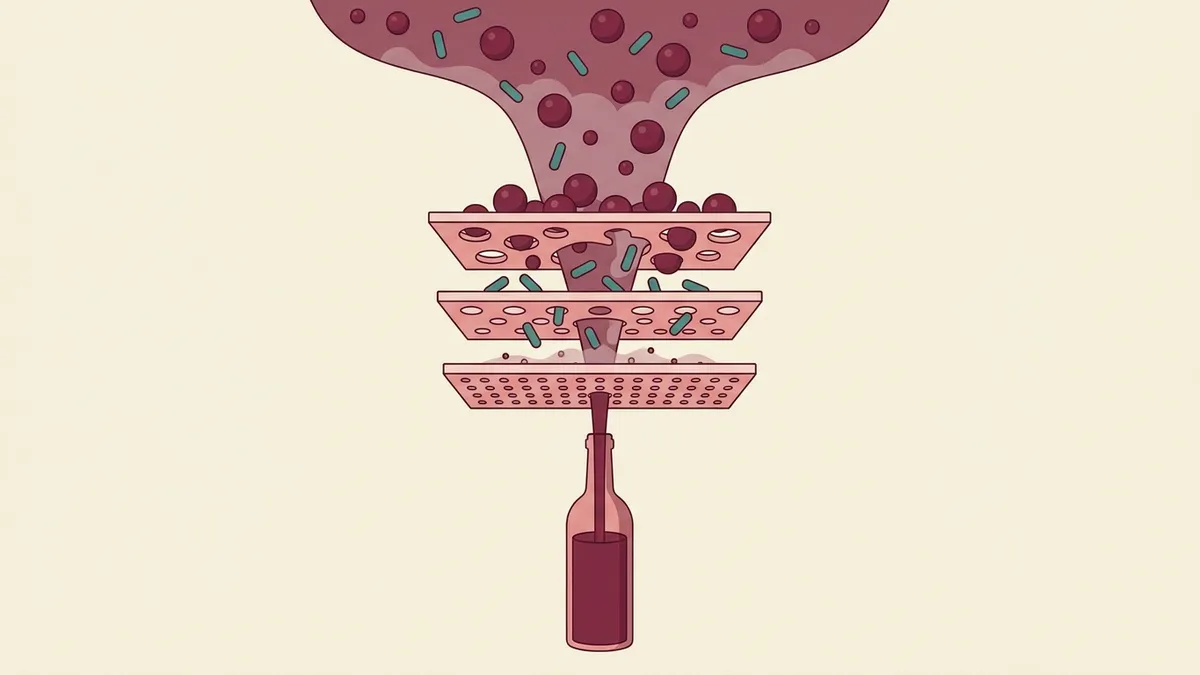
Size is the logic. A micron is a thousandth of a millimetre. Yeast cells are around 5 to 7 microns across, and bacteria range from 0.5 to 5 microns. A membrane rated at 0.45 microns is generally considered to give a microbially stable wine, which is why that pass is called sterile filtration.
White and sweet wines lean on it most. Many whites need every potentially active yeast and lactic bacterium removed to stay stable in bottle. Sweet wines carry sugar a stray yeast could ferment. Sterile filtration only protects a wine that is bottled straight afterwards: a few days' wait gives microbes time to get back in.
Why Do Some Winemakers Skip Filtering?
Because a filter can catch more than haze. As the wine is pushed through pads and membranes, valuable aroma molecules can be pulled out along with the unwanted solids. Some producers believe filtering can thin aroma, flavour, texture, colour or ageing potential, so they leave it out.
The evidence is less settled than the belief. An experienced winemaking columnist sums up the only consensus as this: filtering "can certainly change a wine's character." Red wines seem to change the most.
Practical reasons count as well. Filtering is fiddly cellar work, and every pump and pad is another chance to expose the wine to air. A tannic red that has settled for a year in barrel is usually stable without it. Buyers of some aged reds even expect the deposit: drinkers of red Bordeaux, for example, are used to finding tartrates and sediment in old bottles.
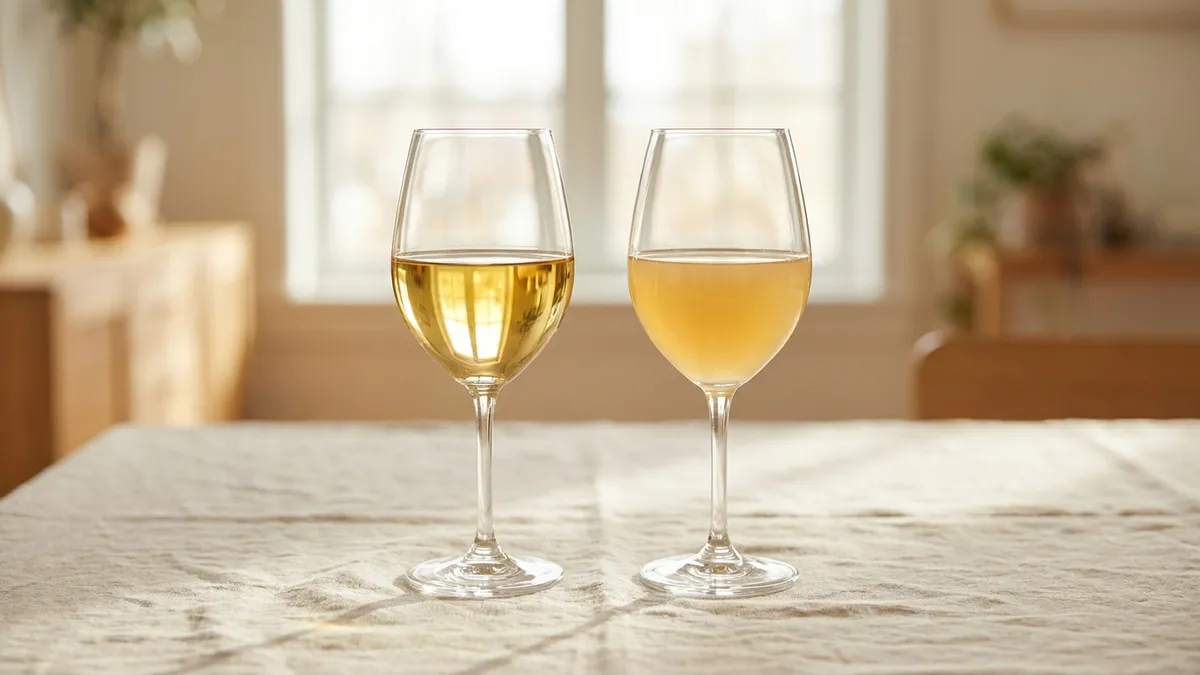
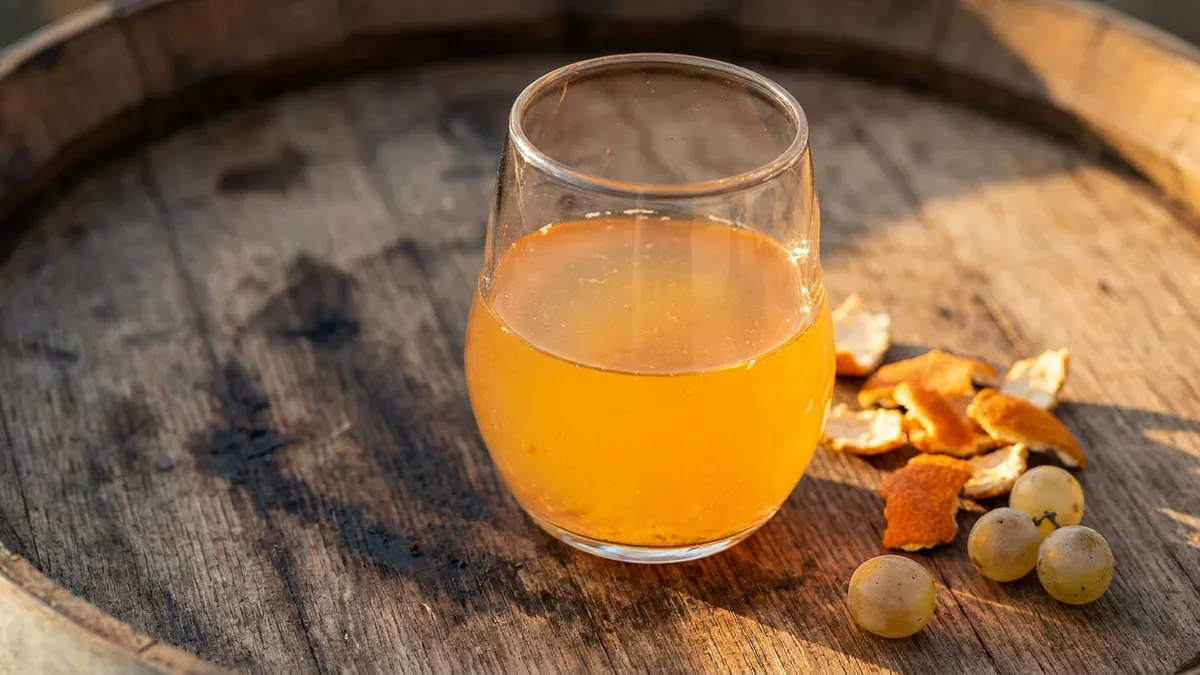
Skipping the filter shows most clearly in whites and in sparkling wines bottled before fermentation ends. Those can be openly cloudy, which is a style choice rather than a mistake. The deposit in sparkling wine is covered in refermentation in the bottle.
How Can You Tell If a Wine Is Unfiltered?
Usually not from the front label. The word is not legally defined, and many unfiltered wines never print it, partly because labels are often printed before the winemaker makes the final call on filtering. The back label, the shop and the bottle itself tell you more.
If the back label, the importer's note or the shop card says "unfiltered" or "unfined and unfiltered", expect a deposit and treat the bottle gently. If nothing is written, hold the bottle up to a light and tilt it: a dark film or grit along the lower side of a young wine suggests it was not filtered tightly. Old reds throw a deposit either way. The back label guide shows where producers put this kind of detail, and how to read a wine label covers the front.
Is Cloudy Unfiltered Wine Safe to Drink?
Yes, if it smells clean. Crystals, dark grit in an older red and a fine, even haze are all harmless. A still wine that clearly fizzes, or a wine that smells of vinegar, is showing a fault.
Read the bottle in this order:
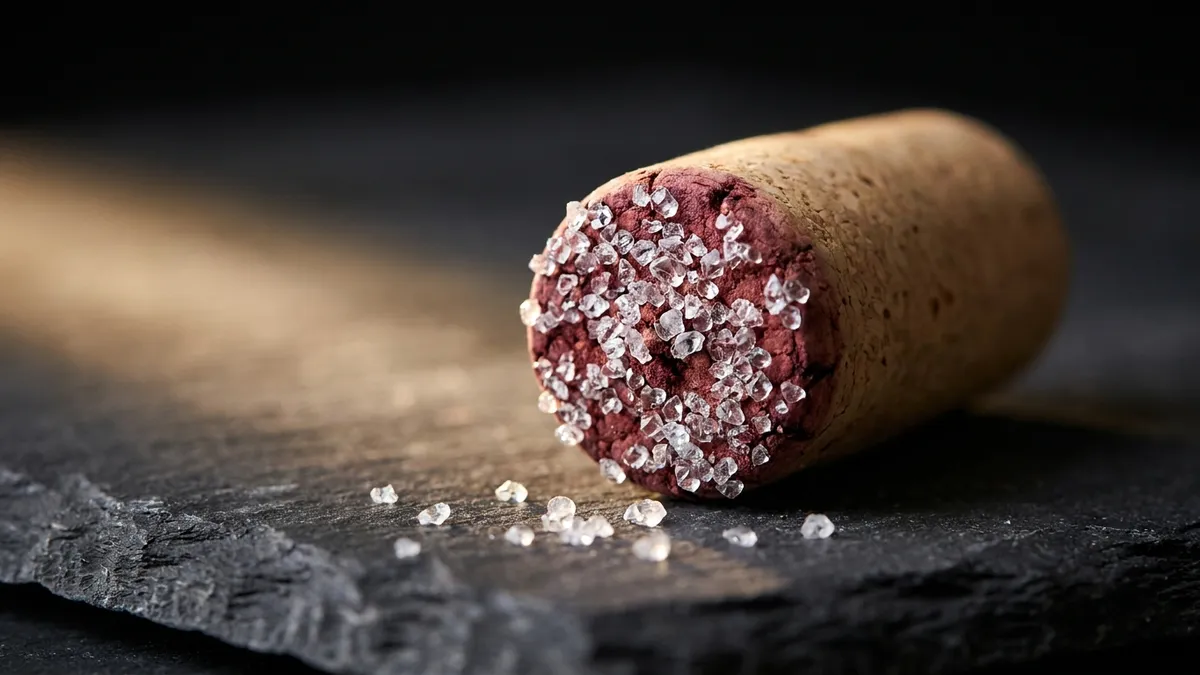
- Glassy crystals on the cork or at the bottom of the bottle are tartrates: harmless crystals of potassium bitartrate, sometimes called wine diamonds. Drink the wine; tartrate crystals in wine explains why cold makes them form.
- Fine dark grit in a red is tannin and colour that dropped out with age. Drink it, decanted; the wine sediment guide separates the two deposits.
- An even haze with a clean smell of fruit is unsettled particles. Drink it. A haze in a clean white can also be protein; wine protein haze explains that one.
- Real fizz in a still wine (beyond a faint prickle), or a sharp smell of vinegar, nail polish remover or a farmyard, points to microbes that kept working. Return the bottle.
How Should You Serve Unfiltered Wine?
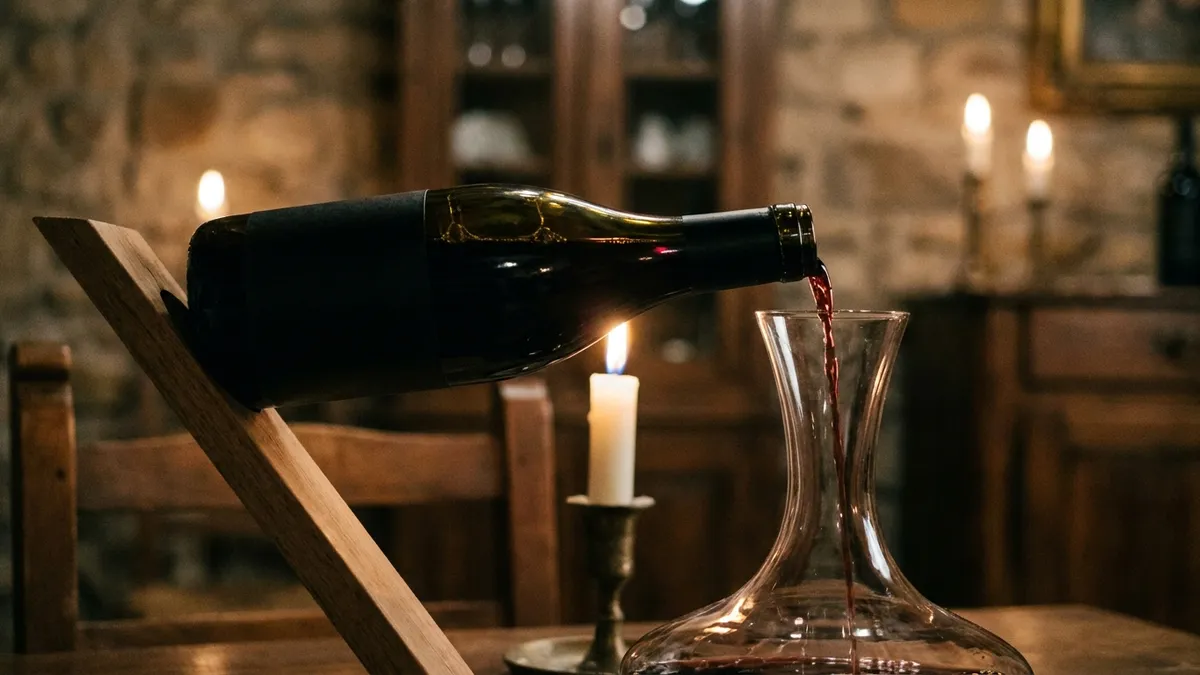
Stand the bottle upright for a day before opening, then pour slowly in one steady movement. If you can see a deposit, decant it. If the wine only has a haze and no grit, pour it straight into the glass, because a decanter will not clear a haze.
Decanting off sediment takes a light under the neck. Pour into a decanter with a candle or torch below the bottle's shoulder, and stop when a dark thread reaches the neck. The last inch stays in the bottle.
Haze shows most in a white, so an unfiltered white can look slightly matte in the glass even when it is sound.
Is Unfiltered Wine Natural, Vegan or Better?
No on all three, by default. Unfiltered is a cellar step, not a philosophy, and each of the three words needs its own check on the label or in the glass. The word unfiltered tells you how the wine was cleared before bottling, and nothing about how the grapes were grown or the wine was fermented.
Natural. Natural wine has no legal definition. It usually implies native yeast, few additives and little or no added sulfur on top of skipping the filter. A conventional red made with cultured yeast and normal sulfur can be unfiltered too.
Vegan. Filtering and fining are separate decisions, so a wine can skip the filter and still be cleared with egg white, casein, gelatin or isinglass. If you need a vegan bottle, look for "unfined" or a vegan mark rather than "unfiltered"; vegan wine lists the agents.
Better. Filtering can change a wine's character, as covered above, but a gently filtered wine can taste excellent and an unfiltered one can spoil. Judge what is in the glass. When a cloudy wine smells odd, wine fault vs style helps you decide which you are facing.
Does Unfiltered Wine Age Well?
It can, if the wine was stable when it was bottled and is kept cool. Without a sterile filter, an unfiltered wine needs three things: a fully finished fermentation, the right level of free sulfur dioxide (the preservative winemakers add in small amounts), and cool storage.
Miss one, and the bottle can develop volatile acidity (a vinegar or nail-polish smell from acetic acid bacteria) or Brettanomyces (a yeast that brings barnyard, plaster and leather smells). Both are covered in volatile acidity in wine and Brett in wine.
If you plan to keep an unfiltered bottle for years, store it on its side somewhere cool and steady, around cellar temperature. The wine aging guide sets out which styles reward the wait.
Unfiltered wine sits with orange, sparkling and fortified styles in the wine styles hub. The Sommy app at sommy.wine has a bite-sized Wine 101 course and an AI-guided tasting mode that logs every glass. Tonight: open an unfiltered red, pour it slowly, and keep the last inch in a separate glass to taste against the first.
Sources
Frequently Asked Questions
What does unfiltered wine mean?
Unfiltered wine was bottled without being pushed through a filter, the physical barrier that removes yeast, bacteria and fine solids. The winemaker relied on time and gravity to clear it instead. It may show a slight haze or drop sediment in the bottle. The word describes one cellar step only, and many unfiltered wines do not print it on the label.
Is unfiltered wine better than filtered wine?
Not automatically. Filtering can strip some aroma molecules along with the haze, and red wines seem to change most, but the evidence that it ruins wine is thin. Wine educators mostly agree only that filtering can change a wine's character. A carefully filtered wine can taste excellent, and a careless unfiltered one can spoil. Judge the wine in the glass, not the word.
Is unfiltered wine the same as natural wine?
No. Natural wine has no legal definition, and it usually implies native yeast, few or no additives and little added sulfur, as well as skipping filtration. Unfiltered describes only the last clarifying step. A conventional red made with cultured yeast and normal sulfur levels can be unfiltered, and some low-intervention wines are lightly filtered before bottling to keep them stable.
Is unfiltered wine vegan?
Not necessarily. Filtering and fining are separate steps. Fining adds an agent that binds haze particles, and traditional agents include egg whites, milk casein, gelatin and isinglass from fish. A wine can skip the filter and still be fined with one of those. If you need a vegan wine, look for the word unfined or a vegan mark, not the word unfiltered.
Is cloudy unfiltered wine safe to drink?
Usually, yes. Clear crystals are tartrates, harmless salts of grape acid. A soft, even haze in a wine that smells clean is fine particles that were never filtered out. Send the bottle back or pour it away if a still wine clearly fizzes, or if it smells of vinegar, nail polish remover or a barnyard, which point to spoilage.
Do you need to decant unfiltered wine?
Only when there is visible sediment. Stand the bottle upright for a day so the deposit sinks, then pour it slowly into a decanter and stop when dark grit reaches the neck. If the wine only has a fine haze and no deposit, pour it straight into the glass, since decanting will not remove a haze.
Why do some winemakers not filter their wine?
Many believe filtering can thin aroma, flavour, texture or colour, and that it can shorten a wine's ageing potential. Filtering is also extra work, and every pass exposes the wine to air and equipment. Winemakers who skip it let the wine settle for months instead, then rack it off the deposit. Reds go unfiltered most often, since many whites need a sterile filter to stay stable.
Sommy Team
LinkedInFounder & Wine Educator
The Sommy Team is building the world's most approachable wine education app, helping beginners develop real tasting skills through structured courses and AI-guided practice.