Cap Classique vs Champagne, Cava, Crémant: Side by Side

By the Sommy Team — AI-assisted, human-edited.
Updated Oct 29, 2026
Contents (9)
- What Is Cap Classique, in One Paragraph?
- How Does Cap Classique Compare With Champagne, Cava and Crémant?
- How Do You Read a Cap Classique Label?
- What Does Cap Classique Taste Like?
- How Should You Serve Cap Classique, and With What Food?
- How Is Cap Classique Made?
- What Grapes Go Into Cap Classique?
- Why Is It Called Cap Classique and Not Champagne?
- Where in South Africa Is Cap Classique Made?
TL;DR
Cap Classique is South African sparkling wine made by the traditional method, with its bubbles from a second fermentation in the bottle. It must rest at least 12 months on its yeast, three more than Cava and the same as non-vintage Champagne. Most is Chardonnay and Pinot Noir, though the first, from 1971, was Chenin Blanc.
Cap Classique is South Africa's sparkling wine made the Champagne way, with a second fermentation inside the bottle you buy. By law it rests at least 12 months on its own yeast before release. That is three months more than Cava and the same as non-vintage Champagne, and the number on the back label tells you how toasty the glass will taste.
What Is Cap Classique, in One Paragraph?
Cap Classique is the legal name for South African sparkling wine whose bubbles come from a second fermentation in the bottle. That is the traditional method (the process used for Champagne, Cava and crémant). The wine must rest at least 12 months on its lees (the spent yeast, which gives bread and toast smells) before the yeast is removed. Any grape is allowed, but most bottles use Chardonnay, Pinot Noir and Pinot Meunier. More than 250 producers make it across the Cape winelands, and the long label name, Méthode Cap Classique, is shortened to MCC.
How Does Cap Classique Compare With Champagne, Cava and Crémant?
All four use the same method, and the clearest legal difference is time on the yeast. Cap Classique needs 12 months on the lees, Cava and crémant 9, and non-vintage Champagne 12, inside 15 months in the cellar before release. Grapes and place do the rest, so a Cap Classique tastes closest to Champagne when it shares Champagne's grapes.
| Wine | Made in | Minimum on the lees | Main grapes | Pick it when |
|---|---|---|---|---|
| Cap Classique | South Africa, mostly the Western Cape | 12 months (was 9) | Chardonnay, Pinot Noir, Pinot Meunier; Chenin Blanc in some | You want Champagne's method and bread notes at a lower price |
| Champagne, non-vintage | Champagne, France | 12 months (15 in the cellar) | Chardonnay, Pinot Noir, Pinot Meunier | The occasion calls for the name, or you want the longest legal ageing |
| Cava (Cava de Guarda) | Spain, mostly Penedès | 9 months | Macabeo, Xarel·lo, Parellada | You want a dry, citrusy fizz for a crowd |
| Crémant | French regions outside Champagne, such as the Loire and Alsace | 9 months | Local grapes: Chenin Blanc in the Loire, Pinot Blanc in Alsace | You want French traditional method from outside Champagne |
The minimum only sets the floor. A Cap Classique rested 36 months can smell more of toast than a Champagne released at 15. If you want Champagne-style richness for less money, buy a Cap Classique whose back label gives the most months on the lees. If you are pouring for a crowd, a bottle near the 12-month minimum keeps the fruit fresh and the price low. The wider family, from Prosecco to pét-nat, is laid out in the types of sparkling wine, and the French option is covered in the crémant guide.

Quick check
One question on what you just read
You want a Cap Classique with lots of toast and bread notes. What should you check on the back label?
Tap an answer to see how you did.
How Do You Read a Cap Classique Label?
Read three things: the sweetness word, the months on the lees, and the grape words. South African producers use the same sugar terms as Champagne, set by the amount of dosage (the wine and sugar added just before the cork goes in).
- Brut nature: under 3 grams of sugar per litre, bone-dry.
- Extra brut: under 6 grams per litre.
- Brut: under 12 grams per litre, the everyday style.
- Demi-sec: 32 to 50 grams per litre, plainly sweet.
Most bottles sit in the brut range. In one 2021 tasting of Cap Classique, dosage ran from just over 3 to 10 grams per litre. The wine sweetness scale places those numbers against still wines.
The back label often gives months on the lees or a disgorgement date. A vintage year on the front means the grapes came mainly from that one harvest.
Two grape phrases tell you the style before the cork comes out. Blanc de blancs means white grapes only, usually Chardonnay, which gives the leanest, most lemony wine. Blanc de noirs is white wine from black grapes, Pinot Noir and Pinot Meunier, which gives more body and a red-apple edge.
If the label says brut nature or extra brut, expect bone-dry and serve it with oysters or salty snacks. If it says demi-sec, save it for dessert.
What Does Cap Classique Taste Like?
Dry, fresh and fine-bubbled, with lemon and green apple when young and bread or toast as time on the lees grows. High acidity (the tartness that makes your mouth water) runs down the sides of the tongue, which is why a brut with a few grams of sugar still tastes dry. The bubbles feel small and creamy.
The aromas follow the cellar time. Wines released near the 12-month minimum smell of lemon and crisp apple, because the yeast has had little time to break down. Wines kept 60 months or more on the lees move toward brioche, toasted almond and biscuit, because dead yeast slowly releases flavour into the wine. Chardonnay-led bottles lean to lemon. Pinot Noir-led ones add red apple and a rounder middle.
For a full method on reading bubbles, colour and lees notes, see how to taste sparkling wine.
How Should You Serve Cap Classique, and With What Food?
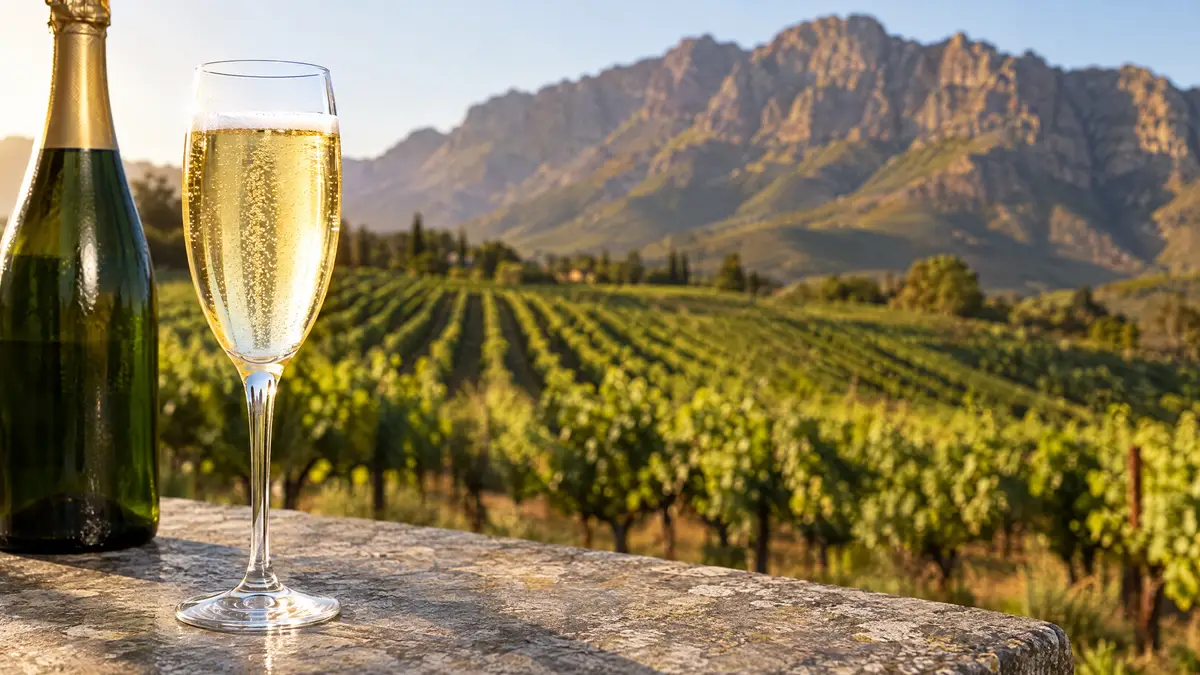
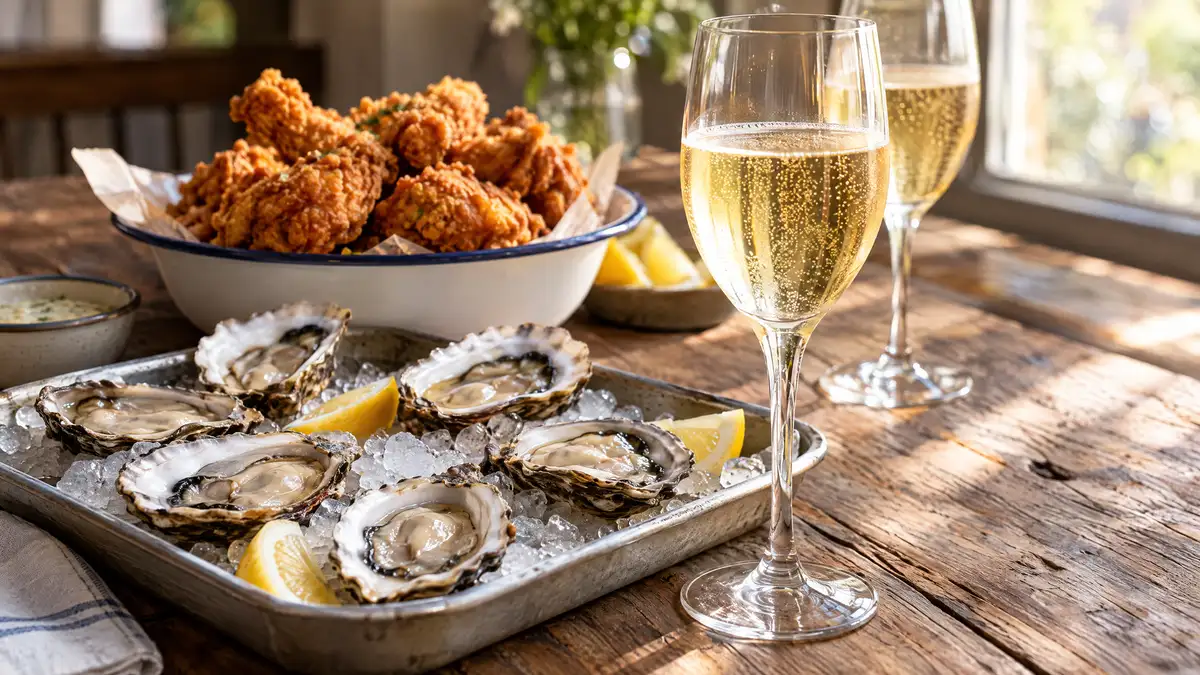
Serve it at 8 to 10°C in a tulip-shaped glass, and put it with salty or fried food. That temperature is what the Champagne trade body recommends for its own wine, which is made the same way. A bucket of ice and water gets a bottle there in 20 to 30 minutes.
The wine serving temperature chart has the fridge times. A tulip glass, wider in the bowl than a flute, leaves room for the bread notes to gather. The wine glass guide explains the shapes. Hold the cork still under a cloth and turn the bottle slowly so the cork eases out with a sigh; how to open sparkling wine walks through each step.
The food rules follow the acidity and the bubbles:
- Fried food. Bubbles and acidity scrub fat off the tongue, so fried chicken and fish and chips taste lighter. More on this in wine with fried food.
- Oysters and salty snacks. Salt makes a dry sparkling taste rounder, so brut nature and extra brut work best here; see wine with oysters.
- Creamy cheese and mushroom dishes. A long-lees bottle with toast notes stands up to butter and cream.
- Fruit desserts. Only demi-sec, because a dessert sweeter than the wine makes it taste sour.
If the food is fried or salty, pour brut or drier. If the food is sweet, the wine must be at least as sweet, so reach for demi-sec.
How Is Cap Classique Made?
The bubbles are made inside the bottle. A still base wine gets yeast and sugar, ferments again under a crown cap, rests on the dead yeast, then has that yeast removed. The steps match Champagne's, explained in detail in méthode champenoise explained.
- Base wine. Grapes are pressed gently and fermented into a dry, tart still wine.
- Tirage. The wine is bottled with a little yeast and sugar and sealed with a crown cap.
- Second fermentation. The yeast eats the sugar and the gas cannot escape, so it dissolves into the wine. Fully sparkling wines reach 5 to 6 atmospheres of pressure.
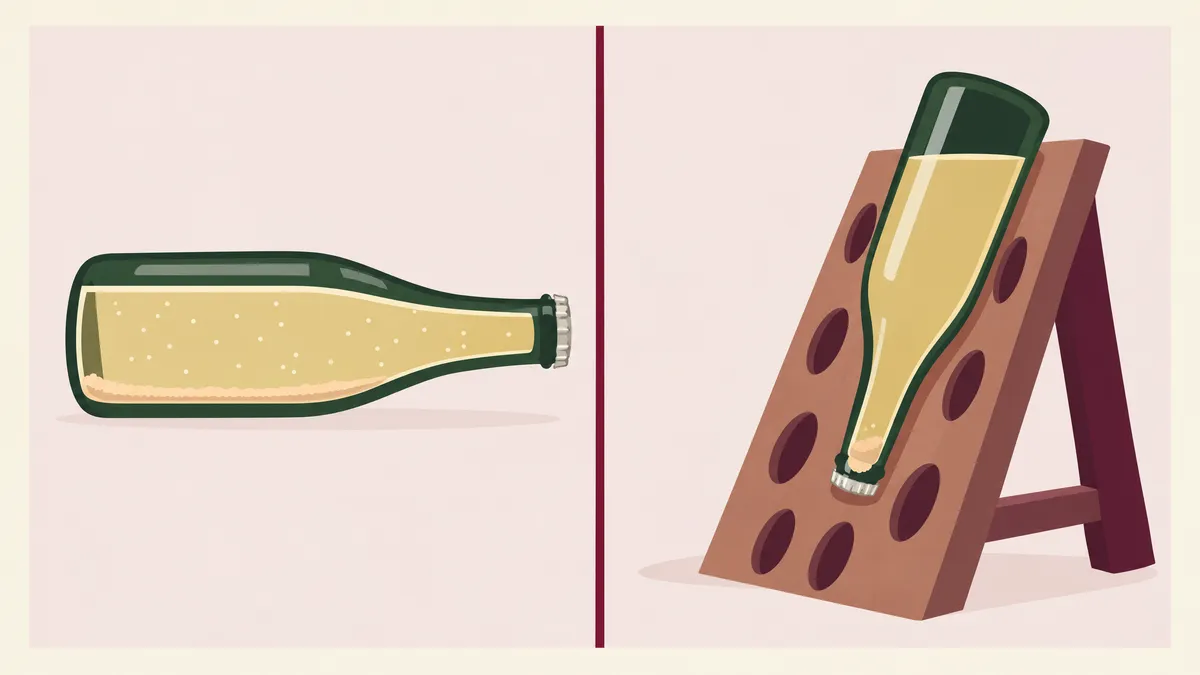
- Rest on the lees. The bottles lie on their sides for at least 12 months while the dead yeast gives off bread and toast flavours.
- Riddling. The bottles are tilted neck-down and turned until the yeast slides into the neck.
- Disgorgement and dosage. The neck is frozen, the cap comes off, the plug of yeast shoots out, and the dosage tops the bottle up before the cork goes in.
What Grapes Go Into Cap Classique?
Any grape is allowed, but most Cap Classique today is Chardonnay, Pinot Noir and Pinot Meunier, the same three that lead in Champagne. Chardonnay brings lemon and high acidity, Pinot Noir body and red apple, and Pinot Meunier soft, early fruit.
The grapes used for sparkling wine compares them with Glera and the Cava grapes.
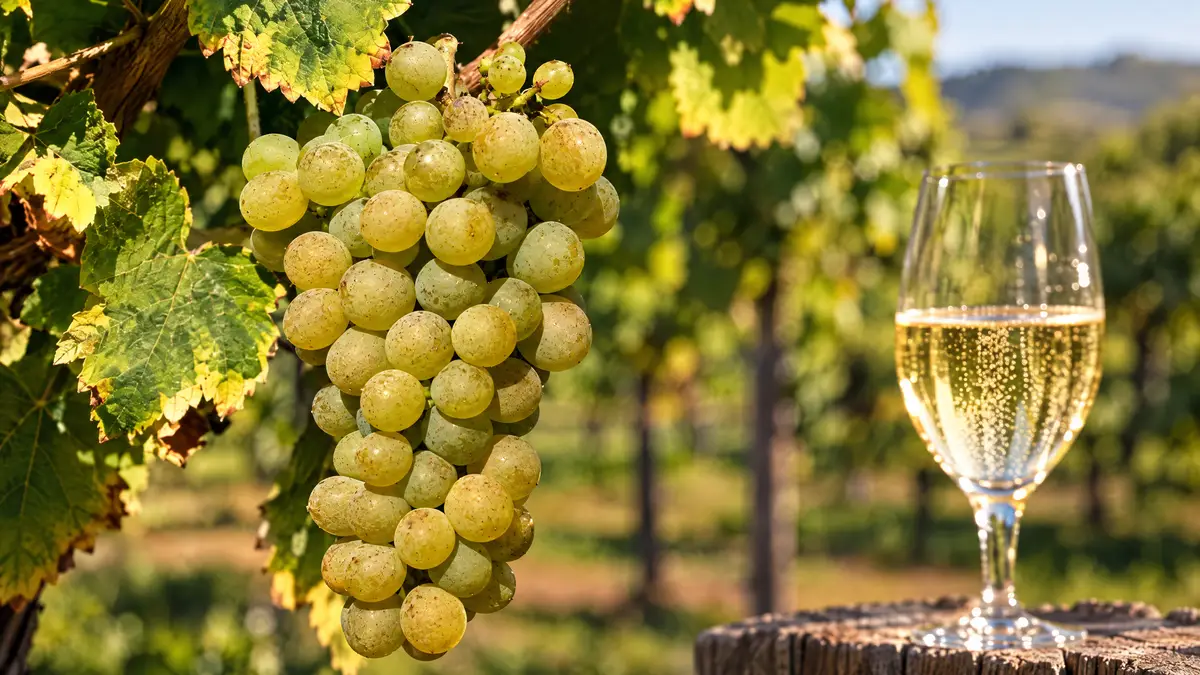
Chenin Blanc came first. The first South African bottle-fermented sparkling wine was made from Chenin Blanc of the 1971 harvest by Frans Malan, a Stellenbosch winemaker. A common belief says Cap Classique must be Chardonnay or Pinot Noir, yet the category began with Chenin. The grape suits sparkling wine because it keeps high acidity even in warm sun, and it is also a main grape of Crémant de Loire. Its full range, from dry to sweet, is in the Chenin Blanc wine guide.
If a Cap Classique names Chenin Blanc, expect riper yellow apple next to the usual lemon.
Why Is It Called Cap Classique and Not Champagne?
Because Champagne is a protected French place name, and European rules reserve even the phrase méthode champenoise for wine from Champagne. Every other region uses its own term for the same process, and South Africa's is Cap Classique: "Cap" for the Cape, "Classique" for the classic method.
The name came after the wine. That first 1971 bottling was released in 1973 under an Afrikaans name meaning "Cape Sparkle". The term Cap Classique has been used since 1992, the year the Cap Classique Producers' Association was founded, and it names the finished wine.
So Cap Classique is not a cheaper copy of Champagne; it is the same method under South Africa's own legal name. On a label, Cap Classique, Méthode Cap Classique and MCC all mean the same thing: the bubbles were made in that bottle. A South African sparkling wine without one of those words may have had its bubbles made in a tank or added as gas.
Where in South Africa Is Cap Classique Made?
Across the Cape winelands of the Western Cape, from Stellenbosch to hot, inland Robertson. More than 250 producers make it, and output is above ten million bottles a year. Stellenbosch, where the first bottle was made, is the best-known area.
The Stellenbosch wine guide maps its wards. Robertson is hotter and lies inland, on limestone-rich soils. The country's other styles, from Pinotage to Chenin Blanc, sit in the South African wine guide, and more styles built on method, from fortified to sparkling, are in the wine styles hub.
Tonight, pick up a brut Cap Classique, read the back label for its months on the lees, and chill it to 8 to 10°C. Smell it for apple first, then toast. In the Sommy app, photograph the label and the AI-guided tasting walks you through look, smell and taste, then saves your notes to your tasting journal.
Sources
- Cap Classique Producers' Association: About Cap Classique (1971, 1992, producers, volume)
- Wine Pages: Fifty Years of Cap Classique (grapes, lees ageing, sweetness, regions)
- Wikipedia: Sparkling wine (sweetness scale, bottle pressure)
- Wine with Seth: Cap Classique (12-month lees minimum, up from 9; grapes)
- D.O. Cava: Glossary of ageing categories
- Comité Champagne: AOC Champagne fact sheet (15 months minimum in the cellar for non-vintage)
- The Buyer: Cap Classique lees minimum raised from 9 to 12 months from 2023
Frequently Asked Questions
Is Cap Classique the same as Champagne?
It is made the same way but it is not Champagne. Both get their bubbles from a second fermentation inside the bottle and rest on the dead yeast before it is removed. Champagne is a protected French place name, so South Africa's version has its own legal name. Its minimum time on the yeast is 12 months, the same as non-vintage Champagne, which must also spend 15 months in the cellar.
What does MCC stand for on a wine label?
MCC stands for Méthode Cap Classique, the longer form of the name. Both mean the same thing: a South African sparkling wine whose bubbles were made by a second fermentation in the bottle, the traditional method used in Champagne. The term Cap Classique has been in use since 1992 and names the finished wine, and producers print whichever form they prefer.
How long does Cap Classique age on the lees?
At least 12 months on its lees, the dead yeast left after the second fermentation, before the yeast is removed. The minimum used to be 9 months. Many bottles go well past it, and some rest 60 months or more. The longer the time on the lees, the more bread, brioche and toast you smell, so check the back label for the number of months.
What grapes are used in Cap Classique?
There is no restriction on grape variety. Most Cap Classique today is made from Chardonnay, Pinot Noir and Pinot Meunier, the three main grapes of Champagne. The very first South African bottle-fermented sparkling wine, from the 1971 harvest, was made from Chenin Blanc, and Chenin still appears in some bottles. Blanc de blancs on the label means white grapes only, usually Chardonnay.
Is Cap Classique sweet or dry?
Most is dry. The sweetness words on the label match Champagne's: brut nature has less than 3 grams of sugar per litre, extra brut less than 6 and brut less than 12. Demi-sec, at 32 to 50 grams, is clearly sweet and suits dessert. High acidity makes a brut with a few grams of sugar still taste dry.
How should you serve Cap Classique?
Chill it to about 8 to 10°C, the range the Champagne trade body recommends for its own wine, which is made the same way. A bucket of ice and water does it in about 20 to 30 minutes. Pour into a tulip-shaped glass so the bubbles and the bread notes have room, and open the bottle slowly with the cork held under a cloth.
Is Cap Classique better than Prosecco?
It is a different style rather than a better one. Prosecco gets its bubbles in a large tank and is bottled young to keep its pear and peach fruit fresh. Cap Classique gets its bubbles in the bottle and rests at least a year on the yeast, which adds bread and toast notes and finer bubbles. Pick Prosecco for fruit, Cap Classique for depth.
Sommy Team
LinkedInFounder & Wine Educator
The Sommy Team is building the world's most approachable wine education app, helping beginners develop real tasting skills through structured courses and AI-guided practice.