Brachetto d'Acqui: Which Style to Pick for Chocolate

By the Sommy Team — AI-assisted, human-edited.
Updated Nov 3, 2026
Contents (9)
- Brachetto d'Acqui, in One Paragraph
- Which Brachetto d'Acqui Should You Buy?
- What Does Brachetto d'Acqui Taste Like?
- Why Is Brachetto d'Acqui So Low in Alcohol?
- How Cold Should You Serve Brachetto d'Acqui?
- What Chocolate Goes With Brachetto d'Acqui?
- Is Brachetto d'Acqui a Good Valentine's Day Wine?
- How Is Brachetto Different From Moscato d'Asti and Lambrusco?
- Where Does Brachetto d'Acqui Come From?
TL;DR
Brachetto d'Acqui is a Piedmont red made from at least 97% Brachetto grapes, usually sweet, fizzy and 5 to 7% alcohol. The standard wine is gently fizzy, the spumante fully sparkling, the passito a 16% dessert wine. Serve it at 6 to 10°C with creamy, milky or berry chocolate desserts.
Brachetto d'Acqui is a red wine from Piedmont that is usually sweet, lightly fizzy and only 5 to 7% alcohol. That combination makes it one of the few reds that goes with chocolate. Buy the right one of its three styles, serve it as cold as white wine, and keep it for creamy or berry desserts.
Brachetto d'Acqui, in One Paragraph
Brachetto d'Acqui is a DOCG (Italy's top tier of protected wine names, with the strictest rules) red from the Alto Monferrato hills of Piedmont. It must be made from at least 97% Brachetto grapes. The law allows three types: the standard wine, which may be gently fizzy; a fully sparkling spumante; and a still passito dessert wine. The sweet versions carry 5 to 7% alcohol because fermentation stops early, leaving grape sugar behind. The wine smells of candied strawberry and flowers and has almost no tannin. Serve it at 6 to 10°C and pour it with chocolate mousse, ganache or berry desserts.
Which Brachetto d'Acqui Should You Buy?
Buy the standard Brachetto d'Acqui for a gently fizzy, sweet red, the spumante for full bubbles, and the passito for a still dessert wine at 16% or more. The three share a grape and a zone. They differ in pressure, strength and sugar.
| Style | Bubbles | Alcohol (legal minimum) | Sweetness allowed | Pick it for |
|---|---|---|---|---|
| Brachetto d'Acqui (standard) | Still or gently fizzy, at most 2.5 bar | 5% actual, 11.5% total | Dry to sweet; shop bottles are sweet | Chocolate mousse, berry tarts, a light glass after dinner |
| Brachetto d'Acqui Spumante | Fully sparkling, fine and lasting foam | 6% actual, 12% total | Extra brut to sweet; most are sweet | A toast, a dessert table, strawberries |
| Brachetto d'Acqui Passito | Still | 11% actual, 16% total | Sweet, at least 50 g/L sugar | Ganache, chocolate cake, a small glass instead of dessert |
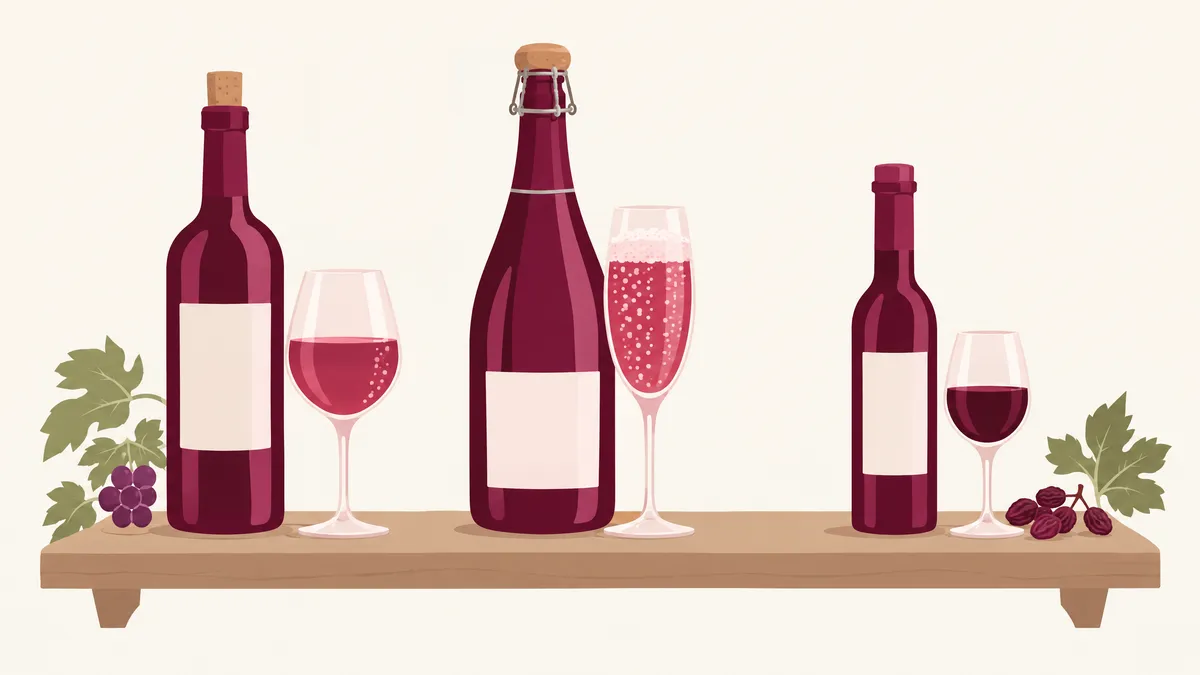
The standard wine may be frizzante (gently fizzy, at most 2.5 bar of pressure at 20°C). It is the bottle most shops carry, and the one the rest of this page describes unless it says otherwise. The spumante (fully sparkling) is the one that pops when opened.
The cork identifies the style before the label does. The rules ban the mushroom cork and wire cage on every type except the spumante. If the cork is caged, it is the spumante. If the label says passito (made from dried grapes), expect a still, syrupy dessert wine, released no earlier than 1 October of the year after harvest.

Quick check
One question on what you just read
In a shop, how can you spot the fully sparkling Brachetto spumante before reading the label?
Tap an answer to see how you did.
What Does Brachetto d'Acqui Taste Like?
It smells of candied strawberry and flowers, and it tastes sweet, light and fresh, with almost no tannin. The official description of the spumante and passito calls the aroma "muschiato", musky in the way Muscat grapes are: grapey and perfumed. Wine Folly adds orange zest, blackcurrant and apricot.
Structure comes first. Tannin (the drying grip on your gums) is close to none, because the grape gives little of it. Acidity (the tartness that makes your mouth water) is medium, which keeps the sugar from feeling sticky. The bubbles do the same job. Body is light, closer to a rosé than to a dry red.
The colour runs from medium ruby toward light garnet or pink, so many glasses look like a dark rosé. The less sweet versions, the rules note, can turn fruity and slightly spicy. A passito keeps the musky aroma but feels velvety and heavier because of its 16%, sometimes with a trace of wood.
Why Is Brachetto d'Acqui So Low in Alcohol?
Because fermentation is stopped early, leaving grape sugar in the wine instead of turning it into alcohol. The law shows it in two numbers. Actual alcohol is what the yeast has made. Potential alcohol is what the leftover sugar would still make if fermentation ran on. Together they give the total.
For the standard wine, the rules demand at least 11.5% in total but only 5% actual. A bottle at 5% therefore holds at least 6.5% worth of alcohol as residual sugar (grape sugar left unfermented). The low number on the label is a sign of sugar left in, not of weak grapes. Wine Folly puts the sweet styles under 10%; the alcohol in wine by type chart places them among the lightest wines made.
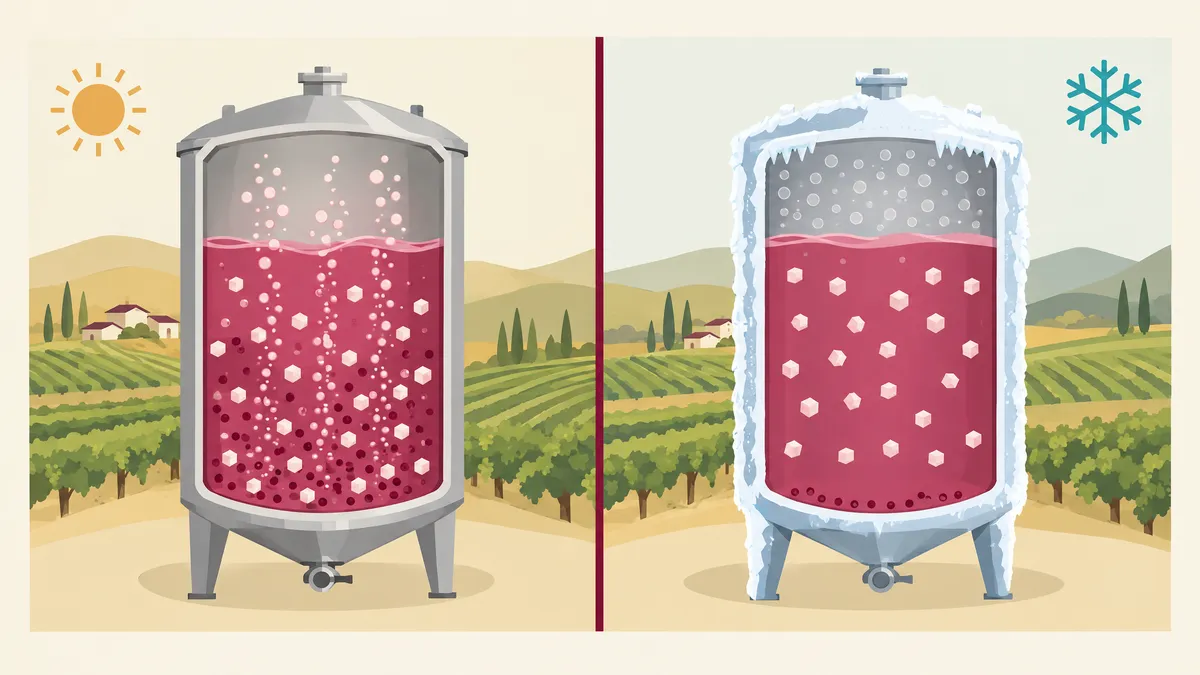
The bubbles come from the same fermentation. The rules forbid adding carbon dioxide, so the fizz is the gas the yeast made, trapped in a closed tank or bottle. Stopping early keeps sugar and bubbles together. Low-alcohol wines compares Brachetto with Moscato d'Asti and Kabinett Riesling, which keep their sugar the same way.
How Cold Should You Serve Brachetto d'Acqui?
Serve it cold, at 6 to 10°C, straight from the fridge. Producers in the zone pour it at 6 to 8°C. Wine Folly suggests 12 to 15°C, but that is warmer than the region serves it, and at that warmth the sugar takes over and the bubbles fade faster.
If the bottle has been on the counter, give it a few hours in the fridge or a spell in an ice bucket with water and salt; how to chill wine fast has the timings. The wine serving temperature chart puts it in the same cold band as sparkling and sweet whites.
Use a tulip-shaped white-wine glass or a goblet, which leaves room to smell the flowers; a flute works for the spumante. Open the spumante as you would any sparkling wine, holding the cork and turning the bottle, as in how to open sparkling wine. Pour small glasses: a dessert serving is a few sips. Reseal leftovers with a stopper and keep them cold; how long wine lasts after opening covers sparkling bottles.
What Chocolate Goes With Brachetto d'Acqui?
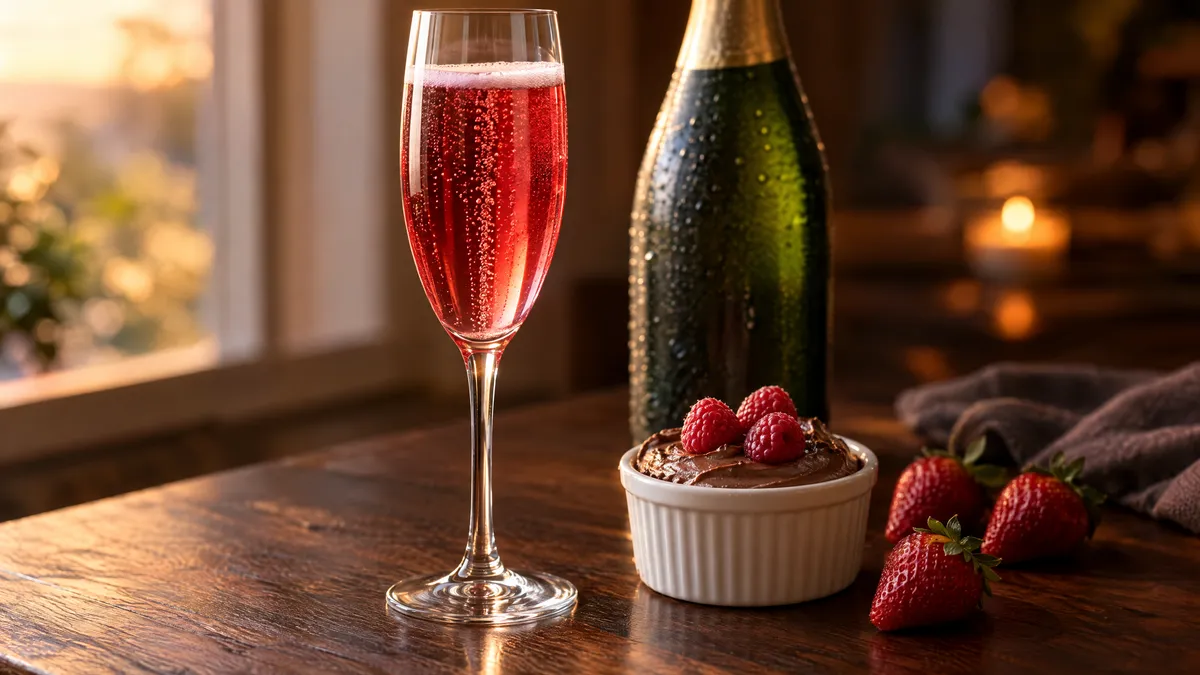
Creamy, milky and berry chocolate desserts, as long as the dessert is no sweeter than the wine. Wine Folly calls creamy chocolate desserts such as ganache and mousse a perfect match, with berry tarts and strawberry ice cream for something lighter. Very dark chocolate is the one to skip.
"Red wine with chocolate" is the myth that sends people wrong. A dry red has no sugar to meet the dessert, so its tannin turns bitter and its fruit vanishes. Brachetto works for the opposite reasons: it is sweet, it has almost no tannin, and its bubbles and acidity rinse the cocoa butter off the tongue between bites.
| Dessert | Why it works or fails | Pour |
|---|---|---|
| Chocolate mousse | Airy, creamy, moderately sweet; the bubbles lift the cream | Brachetto d'Acqui, standard or spumante |
| Milk chocolate | Sweet and milky with little bitterness | Brachetto d'Acqui, standard |
| Chocolate-dipped strawberries or raspberry tart | The berries echo the wine's strawberry smell | Brachetto d'Acqui spumante |
| Ganache tart or flourless chocolate cake | Dense and sweet; needs more weight and sugar | Brachetto d'Acqui Passito |
| Dark chocolate above about 70% cocoa | Too bitter for a light, sweet red; the wine tastes thin and sour | Ruby Port or Banyuls instead |
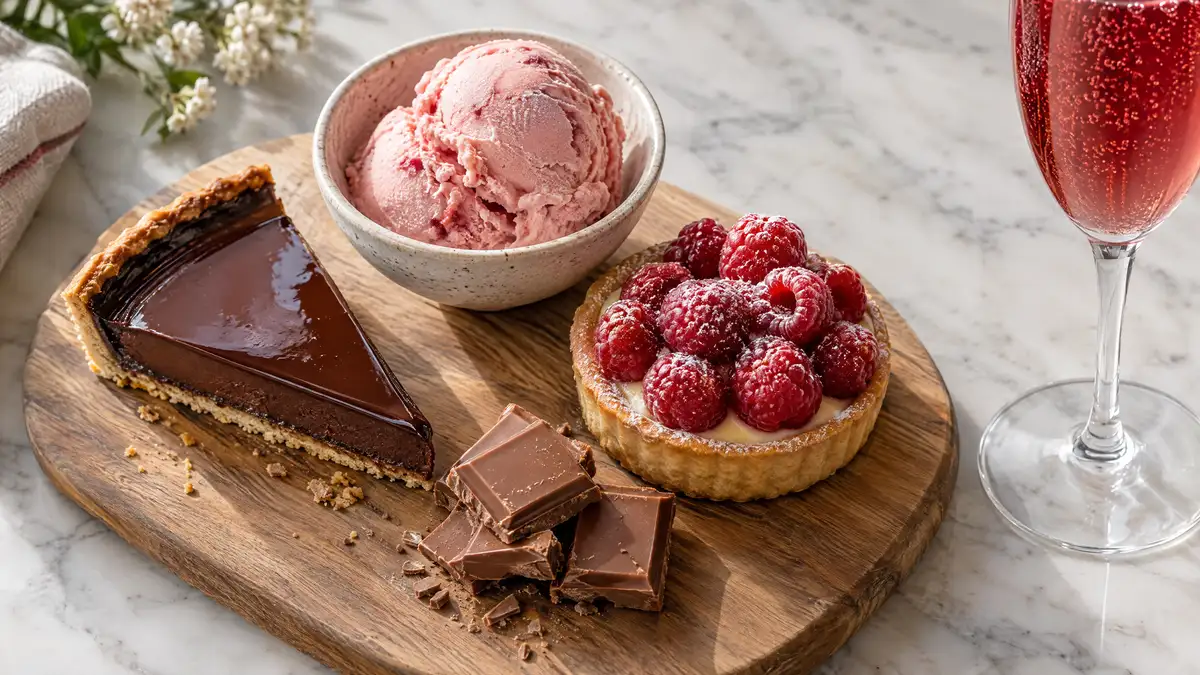
If the dessert is sweeter than the wine, the wine tastes sour; pick the passito or a less sugary dessert. If the chocolate is very dark, switch to a fortified red. Cocoa percentages and fillings each get a row in wine and chocolate pairing, and bars and truffles in wine with chocolate. Cakes are matched in wine with cake.
Is Brachetto d'Acqui a Good Valentine's Day Wine?
Yes, for the dessert course. It is pink-red, cold and gently fizzy, and at 5 to 7% a glass after a long dinner feels light. It goes with the chocolate and strawberry desserts that fill Valentine's menus, and a 375 ml or 200 ml spumante (the rules allow both sizes) is enough for two.
Keep it away from the main course. Its sugar clashes with steak, pasta sauces and salty food. If dinner is steak, open a dry red for the main and save the Brachetto for dessert. Every course of the evening, from the first glass to the last, gets its wine in wine for date night.
How Is Brachetto Different From Moscato d'Asti and Lambrusco?
All three are sweet-leaning Italian fizz, but Moscato d'Asti is white, Lambrusco is a different red grape that is usually dry, and Brachetto is the sweet, aromatic red. On a dessert menu, pick Brachetto for chocolate and red berries and Moscato d'Asti for peach and pastry.
| Wine | Grape | Colour | Usual sweetness | Pick it if |
|---|---|---|---|---|
| Brachetto d'Acqui | Brachetto (at least 97%) | Light ruby to pink | Sweet | The dessert has chocolate or red berries |
| Moscato d'Asti | Moscato Bianco | Pale gold | Sweet | The dessert is peach, pastry or fruit salad |
| Lambrusco | Several Lambrusco grapes | Deep purple-red | Mostly dry or off-dry; dolce exists | The food is salami, pizza or rich pasta |
Moscato d'Asti shares Brachetto's grapey Muscat smell and its low alcohol, and comes from the same corner of Piedmont; the Moscato wine guide covers it. Lambrusco is darker, more tannic and usually made for the dinner table; its sweetness words are in the Lambrusco wine guide.
Two more mix-ups: the Brachetto grape is now thought to be distinct from the French grape Braquet, and it also appears, at up to 10% of the blend, in the Piedmont red Ruchè di Castagnole Monferrato. Brachetto grown outside the Acqui zone is sold under other names, so look for "d'Acqui" or "Acqui" on the label.
Where Does Brachetto d'Acqui Come From?
From 26 communes in the provinces of Asti and Alessandria, around the spa town of Acqui Terme, in the Alto Monferrato. Strevi, Alice Bel Colle and Ricaldone sit on the Acqui side; Nizza Monferrato and Vesime on the Asti side. The rules credit the soils for differences in aroma: clay near Nizza Monferrato, sand and silt around Acqui.
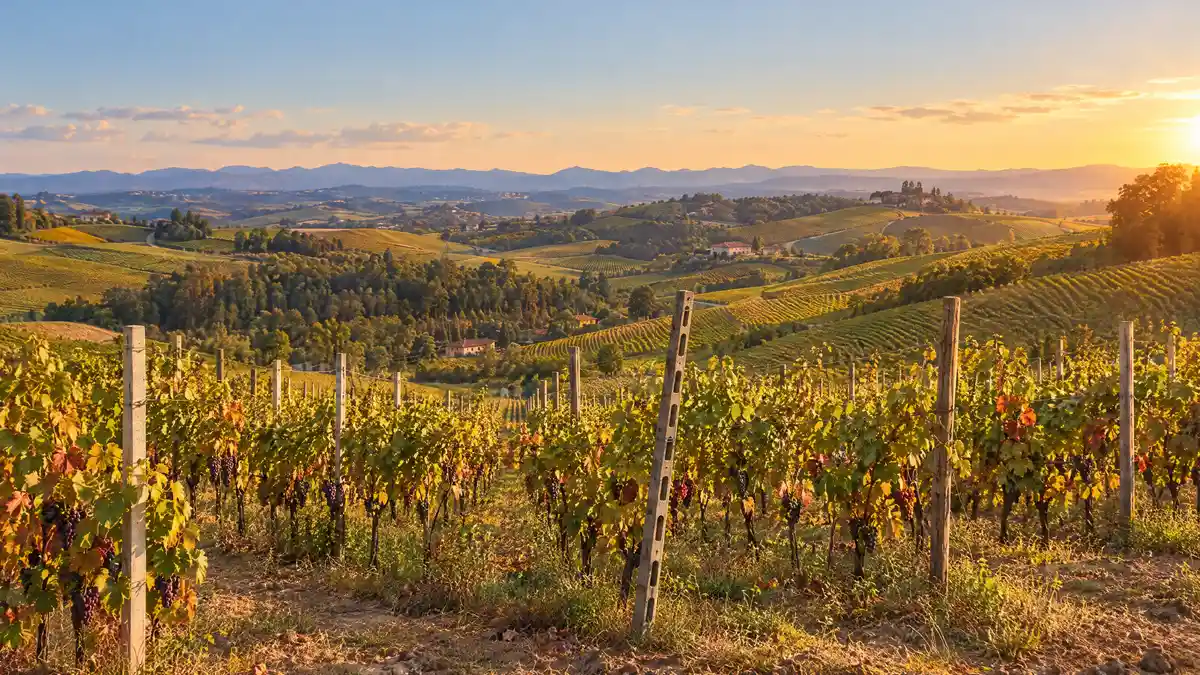
The zone is small. Italian Wine Central counts 781 hectares of vineyard in 2021, and the rules cap the base yield at 8 tonnes of grapes per hectare. Brachetto d'Acqui became a DOC in 1969 and a DOCG in 1996. "Acqui" alone on the label is the same protected name, and every type except the spumante must show its vintage, so a dated bottle of the standard wine tells you how fresh it is. Drink the youngest you can find. Its bigger Piedmont neighbours, from Barolo to Barbera, are mapped in the Piedmont wine guide.
The modern sparkling style is recent: the rules record that a local producer developed a tank-made spumante in the 1950s. Older stories link the wine to the Roman vinum acquense and to Cleopatra, who is said to have been given it by Julius Caesar and Mark Antony. That is a legend, and no record supports it.
Brachetto sits with Port, passito and the other sweet and sparkling wines in the wine styles hub, and its Italian neighbours are placed in the Italian wine guide. The Sommy app at sommy.wine has a bite-sized Italy course and an AI-guided tasting mode. Chill a Brachetto d'Acqui tonight, pour it next to a chocolate mousse, and photograph the label before the first sip.
Sources
Frequently Asked Questions
Is Brachetto d'Acqui sweet?
Most bottles are. The rules allow the standard wine to run from dry to sweet and the spumante from extra brut to sweet, but the bottles you find in shops are almost always sweet. A low alcohol figure on the label, around 5 to 7%, is the giveaway, because the missing alcohol is grape sugar left in the wine. The passito is always sweet, with at least 50 grams of sugar per litre.
How much alcohol is in Brachetto d'Acqui?
The law sets a floor of 5% actual alcohol for the standard wine and 6% for the spumante, and most sweet bottles sit between about 5 and 7%. The passito is a different wine: a dessert red made from dried grapes, with at least 11% actual alcohol and 16% in total once its leftover sugar is counted.
Is Brachetto d'Acqui a red or a rosé?
It is a red wine made from the red Brachetto grape. The official description gives its colour as ruby of medium intensity, leaning toward light garnet or pink. Because the skins give little colour and almost no tannin, many bottles look like a deep rosé in the glass. The rules class it as a red, and the taste is that of a light, sweet red.
Should Brachetto d'Acqui be served cold?
Yes. Producers in the region serve it at 6 to 8°C, and up to 10°C is fine. Straight from the fridge is right. Some guides suggest 12 to 15°C, but at that warmth the sugar takes over and the bubbles fade faster. Keep the bottle in an ice bucket between pours on a warm evening.
What chocolate goes with Brachetto d'Acqui?
Creamy and milky chocolate desserts and anything with berries: chocolate mousse, ganache tart, milk chocolate, chocolate-dipped strawberries and berry tarts. The rule is that the dessert should be no sweeter than the wine. Very dark chocolate, above about 70% cocoa, is too bitter for a light, sweet red; pour Port or Banyuls with it instead.
Is Brachetto d'Acqui the same as Lambrusco?
No. Lambrusco is a family of different red grapes from Emilia-Romagna, and most Lambrusco on shelves is made dry or off-dry. Brachetto d'Acqui comes from Piedmont, is made from the aromatic Brachetto grape, and is usually sweet. Both are red and fizzy, which is why they get confused, but Brachetto smells of strawberry and flowers rather than of dark cherry.
Is Brachetto d'Acqui a good Valentine's Day wine?
Yes, for the dessert course. It is pink-red, cold, gently fizzy and low in alcohol, so a glass at the end of a long dinner feels light. It goes with the chocolate and strawberry desserts that fill Valentine's menus. For the main course, open a dry wine that suits the food, and save the Brachetto for dessert.
Sommy Team
LinkedInFounder & Wine Educator
The Sommy Team is building the world's most approachable wine education app, helping beginners develop real tasting skills through structured courses and AI-guided practice.