What Is Decanting? Wine Term Explained for Beginners

By the Sommy Team — AI-assisted, human-edited.
Updated Jul 26, 2026
Contents (8)
TL;DR
Decanting means pouring wine from its bottle into a wide vessel called a decanter, for two reasons: to leave sediment behind in older reds, and to expose young wine to air so tannins soften and aromas open. It is not the same as aeration, and not every wine needs it.
Order a good bottle at a restaurant and you might see the server pour it, not into your glass, but into a tall glass carafe first. That ritual is decanting — and it can look like pure theatre until you understand what it is for. So what is decanting, in plain terms? It is the simple act of transferring wine from its bottle into a separate vessel before you drink it, and it quietly does two useful jobs at once. This guide gives you the clean definition, explains the two things decanting actually achieves, and shows how it differs from the words it gets confused with — aeration and breathing.
What Is Decanting, in One Paragraph
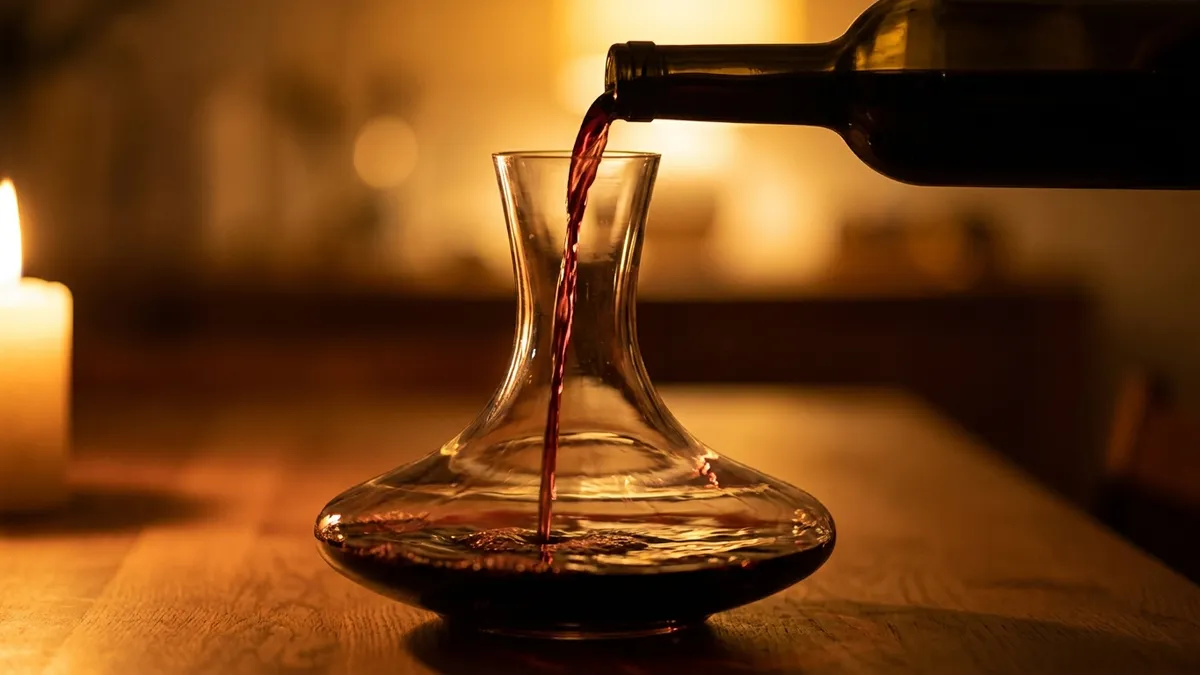
Decanting is the practice of slowly pouring wine out of its bottle into a wide, open-topped glass vessel called a decanter. It serves two purposes. First, it separates clear wine from any sediment — the harmless grit that settles at the bottom of many older red wines. Second, it exposes the wine to air across a large surface, which can soften firm tannins (the drying, gripping texture in young reds) and help tightly wound aromas open up. A young, tannic red is usually decanted for air; a fragile old wine is decanted mainly to leave its sediment behind. Not every bottle needs it, but for the right wine, decanting is a two-minute step that makes the glass taste noticeably better.
What Does Decanting Actually Do?
The word describes one action — pouring wine from one container into another — but that single action solves two very different problems. Understanding both is the key to knowing when decanting is worth the effort.
Separating wine from sediment
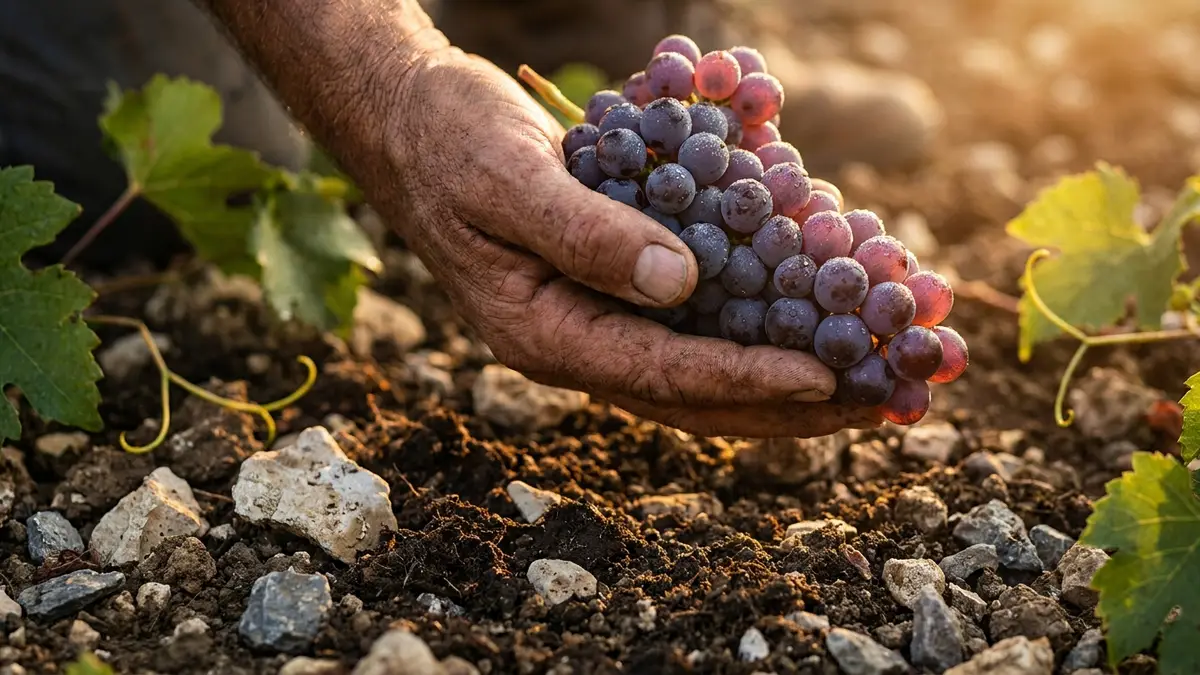
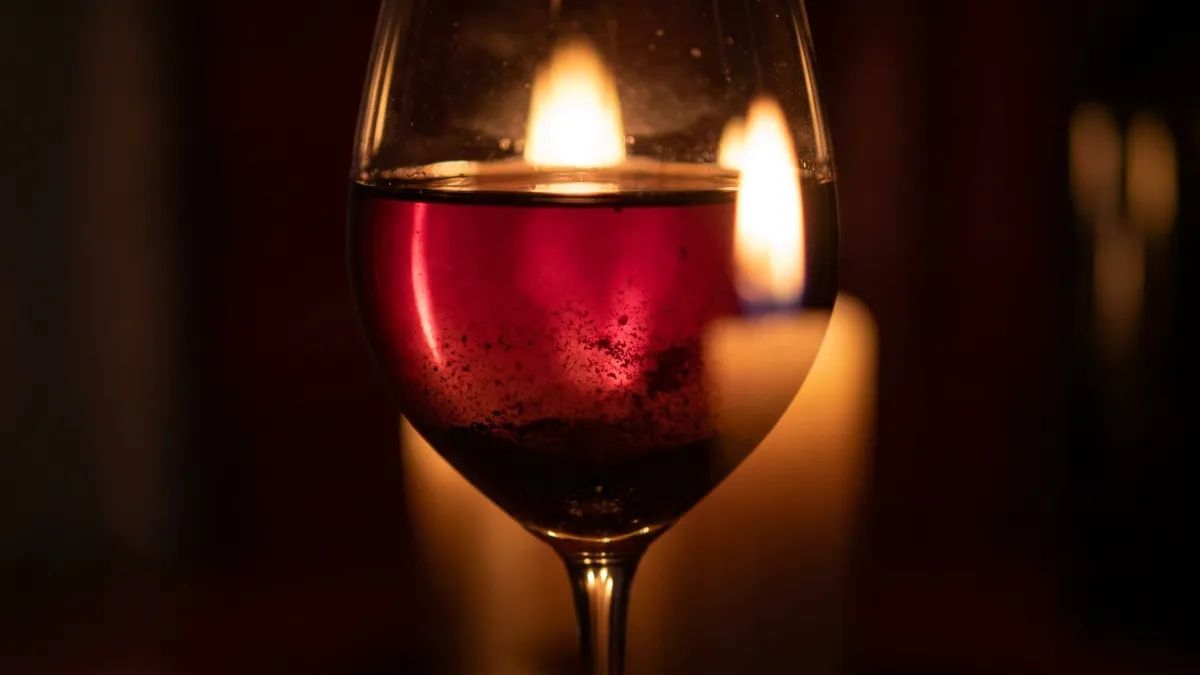
As red wine ages, colour pigments and tannins bind together and slowly drop out of the liquid, forming a fine, dark deposit at the bottom of the bottle. This is sediment, and it is a natural sign of an older, unfiltered wine rather than a fault. It is not harmful, but it tastes gritty and bitter, and it clouds the glass.
Decanting solves this cleanly. You stand the bottle upright for a day so the sediment gathers at the base, then pour steadily into the decanter, stopping the moment you see the murky last portion reach the neck. The clear wine ends up in the decanter and the sediment stays in the bottle. Our guide to wine sediment explains why some wines throw a lot of it and others none at all.
Exposing wine to air
The second job is aeration — bringing the wine into contact with oxygen. When a young red is bottled, its flavours can be tight and its tannins harsh, because it has spent its whole life sealed away from air. Pouring it into a wide decanter exposes a large surface to oxygen, which can soften those hard edges and let aromas unfurl.
This is the same effect you get, on a smaller scale, when you swirl wine in your glass or use a pour-through wine aerator. Whether the change is dramatic or subtle depends on the wine, and it is a genuinely debated topic — our closer look at whether decanting changes wine flavor weighs the evidence on both sides.
How much air a wine needs is not fixed. A firm young red might take a full hour in the decanter before its tannins relax, while a medium-bodied red could open in twenty minutes. The safest approach is to taste as you go: pour a small sample when the wine goes into the decanter, then taste again every fifteen minutes until it smells and feels at its best. That tasting habit teaches you more about a wine than any timing rule ever could.
Decanting vs Aeration vs Breathing: What Is the Difference?
These three words get used as if they mean the same thing, and the overlap causes real confusion. Here is the clean distinction.
Aeration is the broad idea: adding oxygen to wine by any method at all. Decanting is one specific way to aerate — pouring into a vessel — that also happens to separate sediment. Breathing is the loosest term, usually meaning "letting a wine sit open for a while." Pulling the cork and leaving the bottle standing barely aerates anything, because only the thin circle of wine at the neck touches air. That is why "letting a bottle breathe" on the counter does very little on its own.
| Term | What it means | Removes sediment? | How much air contact |
|---|---|---|---|
| Aeration | Adding oxygen to wine by any method | No | Varies by method |
| Decanting | Pouring wine into a separate wide vessel | Yes | High — large surface area |
| Breathing | Leaving an opened bottle to stand | No | Very low — only the neck |
The practical takeaway: if you want to add air, decant or use an aerator — do not just pull the cork and wait. If you want to remove sediment, only decanting does that. A dedicated decanter versus aerator comparison covers which tool suits which situation.
You may also hear about double decanting, which is a neat trick that combines both goals. You decant the wine to leave sediment behind, rinse the empty bottle, then pour the clear wine back in to serve from the familiar bottle. It gives young wine a burst of air on both pours while keeping the grit out of the glass — a tidy answer for anyone who wants the benefits without a decanter sitting on the table all evening.
Which Wines Benefit From Decanting?
Decanting is a tool, not a rule, and the wines that reward it fall into two clear groups. Reaching for a decanter with the wrong bottle wastes effort — and can even harm a delicate wine.
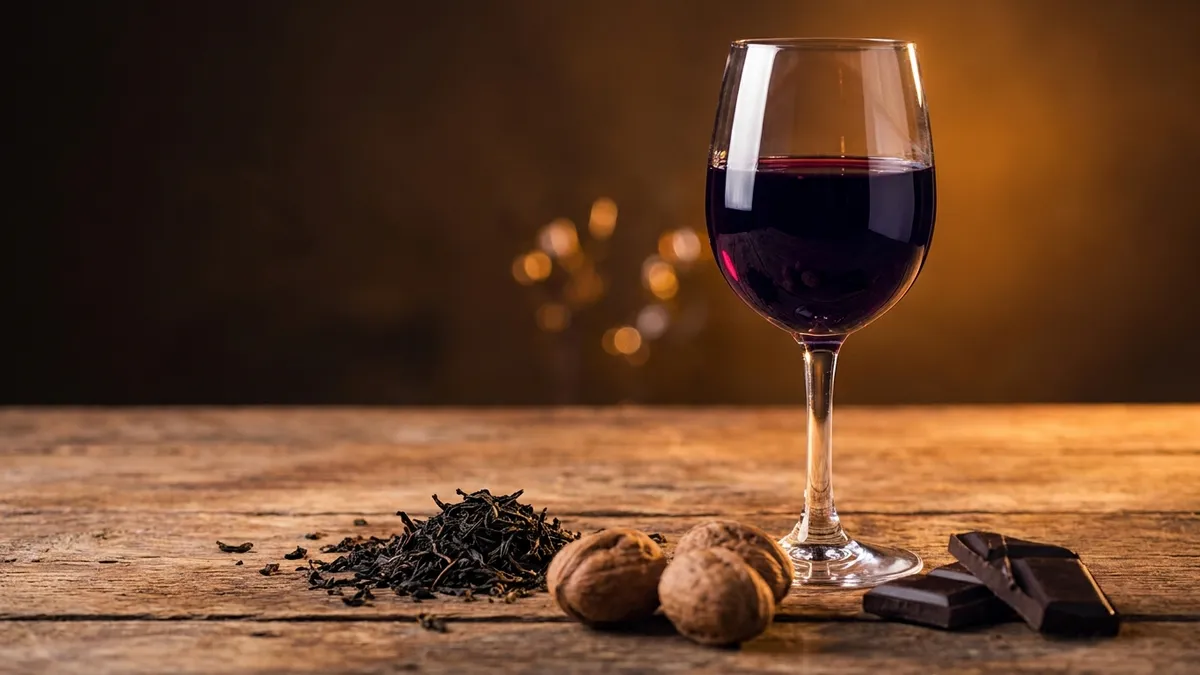
- Young, tannic reds — Firm, structured styles like Cabernet Sauvignon, Syrah, Nebbiolo, and young Bordeaux blends often taste tight straight from the bottle. An hour of air softens the tannins and lets the fruit come forward.
- Older reds with sediment — Mature reds that have thrown a deposit need decanting to leave the grit behind. Here the goal is clarity, not air, so the pour happens close to serving time.
- Vintage-style fortified wines — Some unfiltered ports throw heavy sediment and are traditionally decanted for the same reason.
Most other wines gain little. Crisp whites, rosés, sparkling wines, and simple everyday reds are made to drink fresh, and a good swirl in the glass gives them all the air they need. Chilling and pouring matters far more for those styles — our wine serving temperature chart is the more useful tool there.
What Is a Decanter?
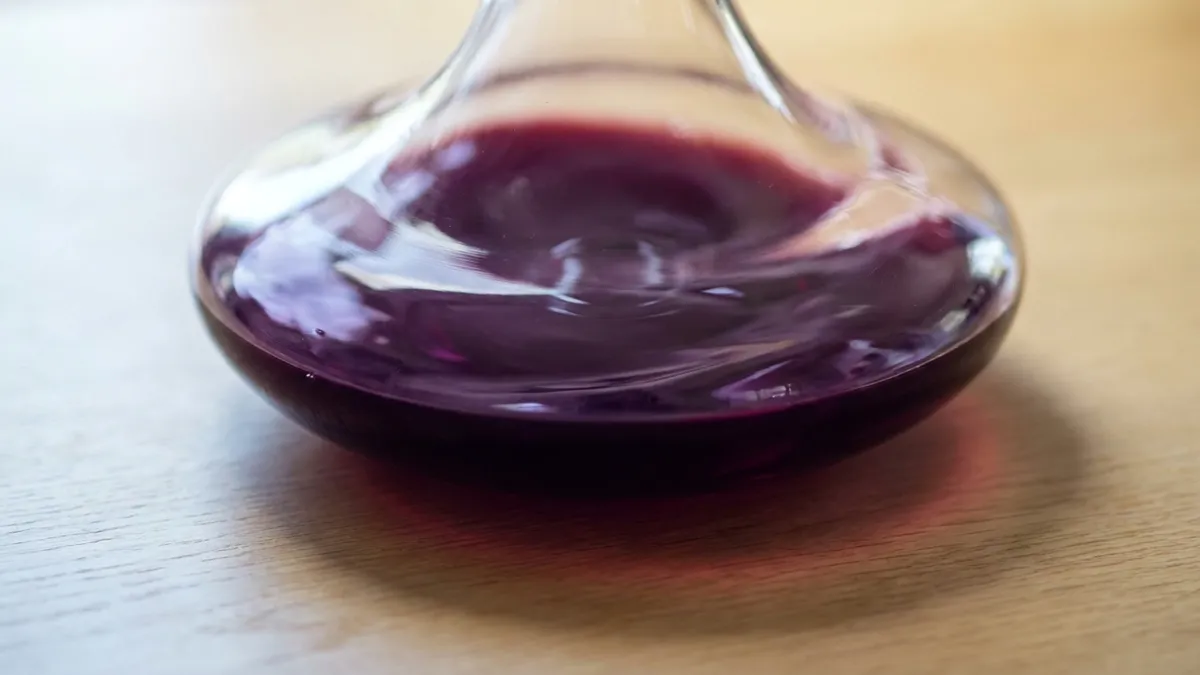
The decanter is the vessel decanting is named after, and its shape is engineered for the job rather than just for looks. A classic decanter has a wide, rounded base that tapers to a narrower neck. That broad bottom is the point: it spreads the wine into a thin, wide pool, maximising the surface in contact with air so aeration happens faster.
The clear, uncoloured glass matters too. Because you can see the wine as it flows, you can watch for the dark shadow of sediment approaching the neck and stop pouring at exactly the right moment. A tinted or opaque vessel would make that impossible.
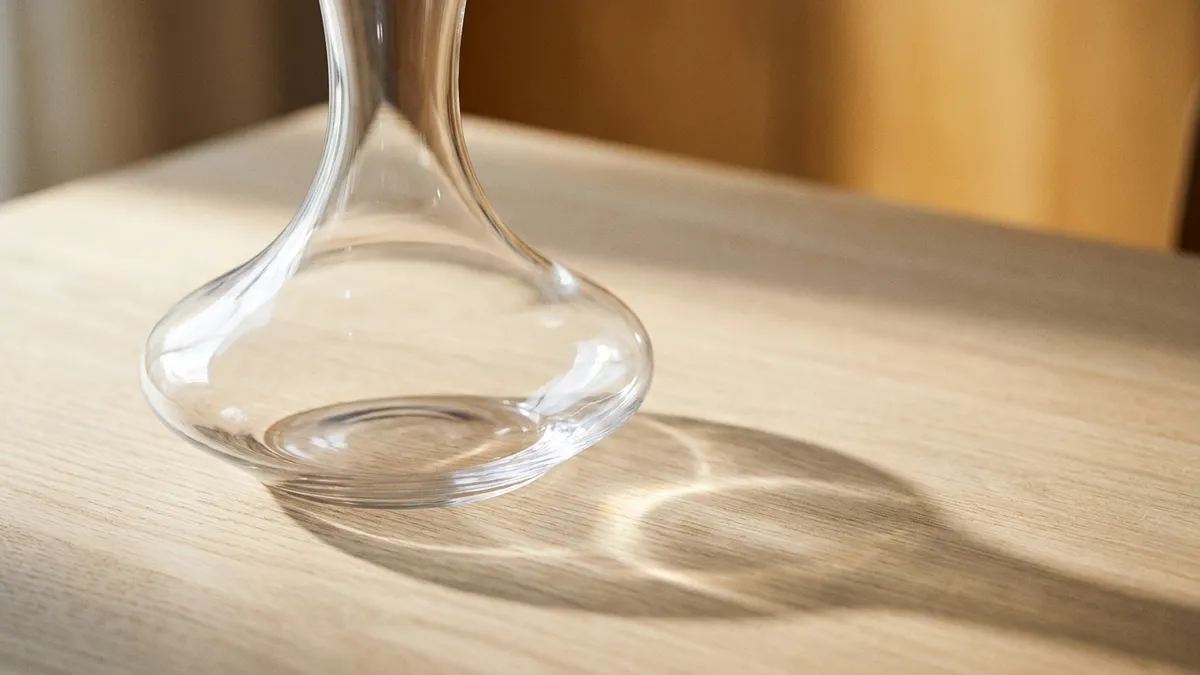
Shapes range from simple carafes to dramatic long-necked designs, but the function is always the same — air and clarity. You do not need an expensive one to start; any clean, wide-based clear glass vessel does the essential work.
Where Does Decanting Come From?
Decanting is one of the oldest habits in wine service, and it existed long before anyone understood the chemistry behind it. For centuries, wine was cloudy and full of deposit, so pouring it off the sediment into a clean jug before serving was simply a matter of getting a drinkable glass.
Glass decanters became a fixture on European tables from the eighteenth century onward, prized both for their practicality and their beauty. The tradition stuck even as filtering improved and many wines became sediment-free, because the second benefit — air contact — remained genuinely useful for young, structured reds.
Decanting began as a practical fix for cloudy wine, and survived because the air it lets in still improves the right bottle centuries later.
Today the ritual carries a whiff of formality, which is part of why it can feel intimidating. Strip away the ceremony, though, and it is just careful pouring. The Sommy app treats every wine term this way — as a plain, learnable idea rather than a members-only password.
Do You Need to Decant Every Wine?
Short answer: no, and trying to would waste your time and occasionally spoil a good bottle. Decanting is worth reaching for when a wine is either young and firm or old and cloudy. For everything else, the difference is usually too small to notice.
The risk with over-decanting is real for fragile wines. A delicate, mature red can lose its most beautiful aromas within twenty or thirty minutes of heavy air exposure, going from vivid to flat while it sits. That is why old wines are decanted for sediment and served promptly, not left to breathe for hours.
When you are ready to try it for real, our step-by-step guide to how to decant wine walks through the whole process, from standing the bottle upright to spotting the sediment in the pour.
Putting Decanting Into Practice
Knowing the definition is the first step; feeling the difference in the glass is where it clicks. The best way to learn what decanting does is to taste the same wine before and after — the change from tight to open is far easier to understand than to describe.
That kind of side-by-side attention is exactly the tasting habit that turns wine words into real skills. Building it is a matter of practising a repeatable method, the same look-swirl-smell-sip approach behind how to taste wine — and it is what the Sommy app is designed to coach you through, one glass at a time.
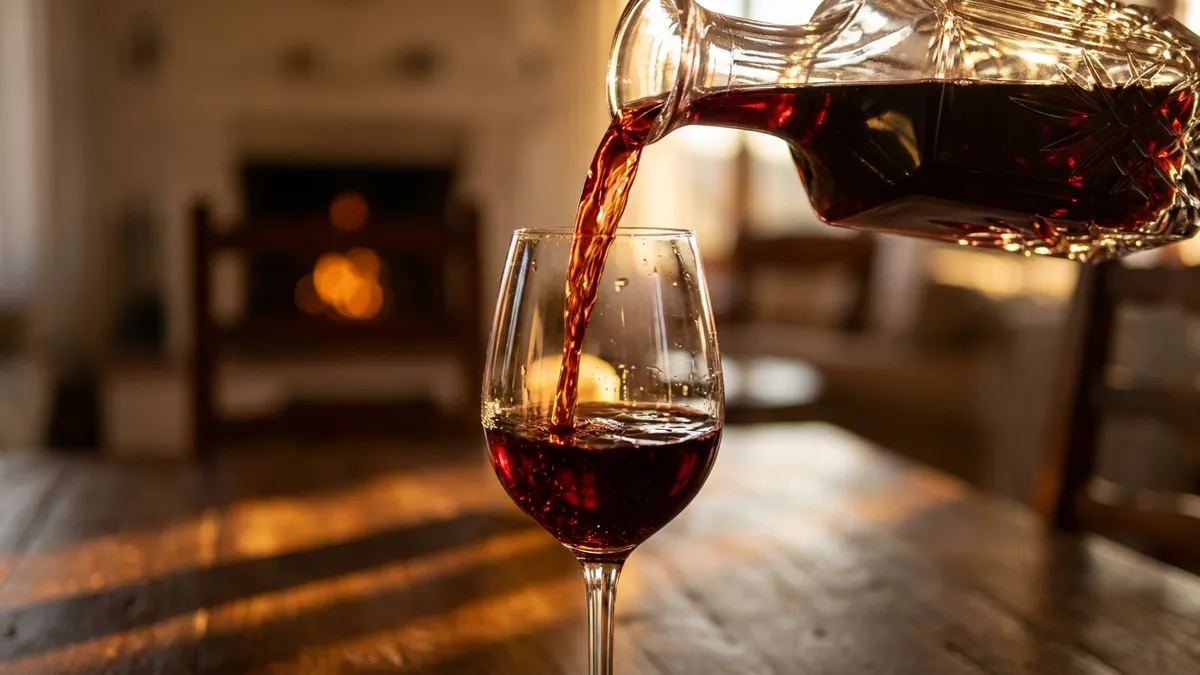
Decanting, in the end, is not a secret handshake or a test you can fail. It is a simple, centuries-old way of getting the best from a bottle — separating the clear wine from the grit, and letting a little air do its quiet work.
Sources
- Decanting wine: everything you need to know — Decanter
- Decanting — Jancis Robinson — The Oxford Companion to Wine
- How and Why to Decant Wine — Wine Spectator
Frequently Asked Questions
What is decanting wine?
Decanting is the act of slowly pouring wine out of its bottle into a separate wide-bottomed vessel called a decanter. It does two jobs at once: it leaves behind any gritty sediment that has settled in older red wines, and it exposes the wine to air, which can soften firm tannins and coax out aromas. It is one of the oldest rituals in wine service.
What is the difference between decanting and aerating wine?
Aerating simply means adding air to wine, by any method — swirling a glass, using a pour-through aerator, or decanting. Decanting is one specific way to aerate, and it has a second purpose aerators do not: separating clear wine from sediment. So all decanting aerates, but not all aeration is decanting. Decanting is the broader ritual; aeration is one effect of it.
How long should you decant wine?
It depends on the wine. Young, tannic reds can sit in a decanter for one to two hours to soften. Fragile old wines are decanted mainly to remove sediment and should be poured close to serving, since long air exposure can flatten their delicate aromas. When unsure, taste the wine every fifteen minutes and serve it when it smells and feels most open.
Do you have to decant wine?
No. Decanting is optional and only helps certain wines — chiefly young tannic reds that are still tight, and older reds that have thrown sediment. Most everyday wines, crisp whites, and rosés gain little from it. A good swirl in the glass adds enough air for casual drinking. Think of decanting as a tool for specific bottles, not a rule for every one.
What is the point of a decanter?
A decanter is a wide, clear glass vessel that gives wine a large surface area in contact with air and a still base where sediment can be left behind. Its shape is functional: the broad bottom speeds aeration, and the clear glass lets you watch the pour so you can stop before sediment slides out. It also simply looks elegant on a table.
Can you decant white wine?
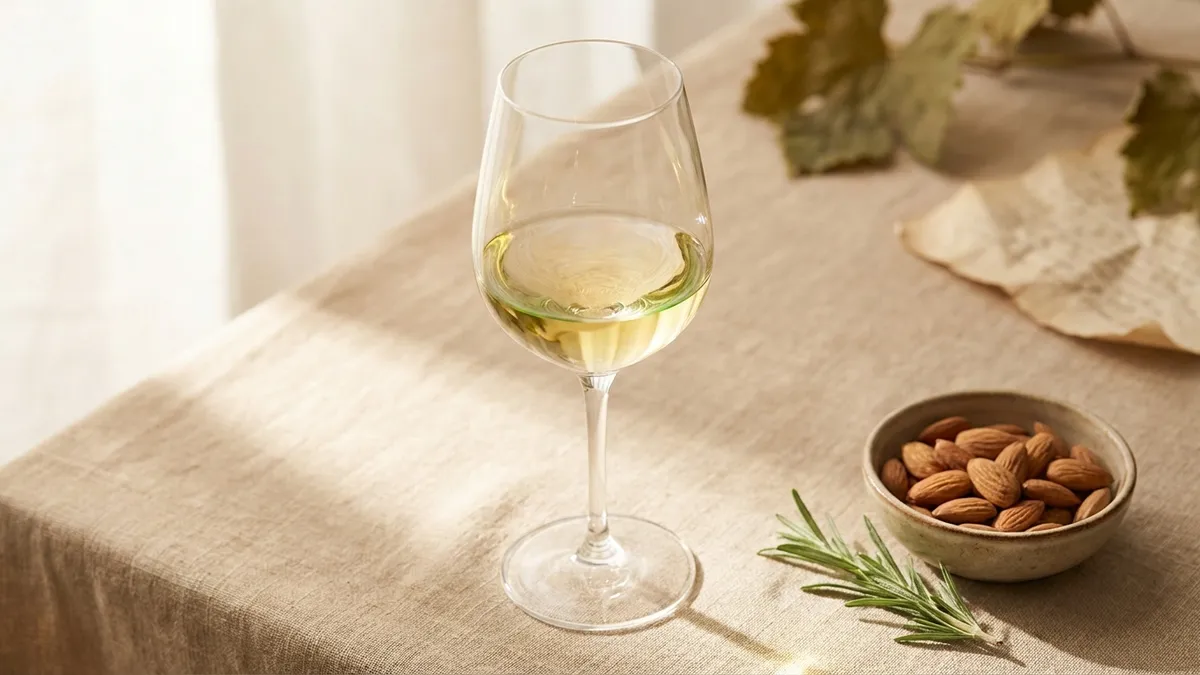
You can, though it is far less common. A few rich, full-bodied whites and orange wines can open up with a short spell of air, much like a young red. Most crisp, aromatic whites are served cold and fresh, where air offers little benefit and can dull their bright fruit. If you decant a white, keep it brief and watch the temperature.
Sommy Team
LinkedInFounder & Wine Educator
The Sommy Team is building the world's most approachable wine education app, helping beginners develop real tasting skills through structured courses and AI-guided practice.