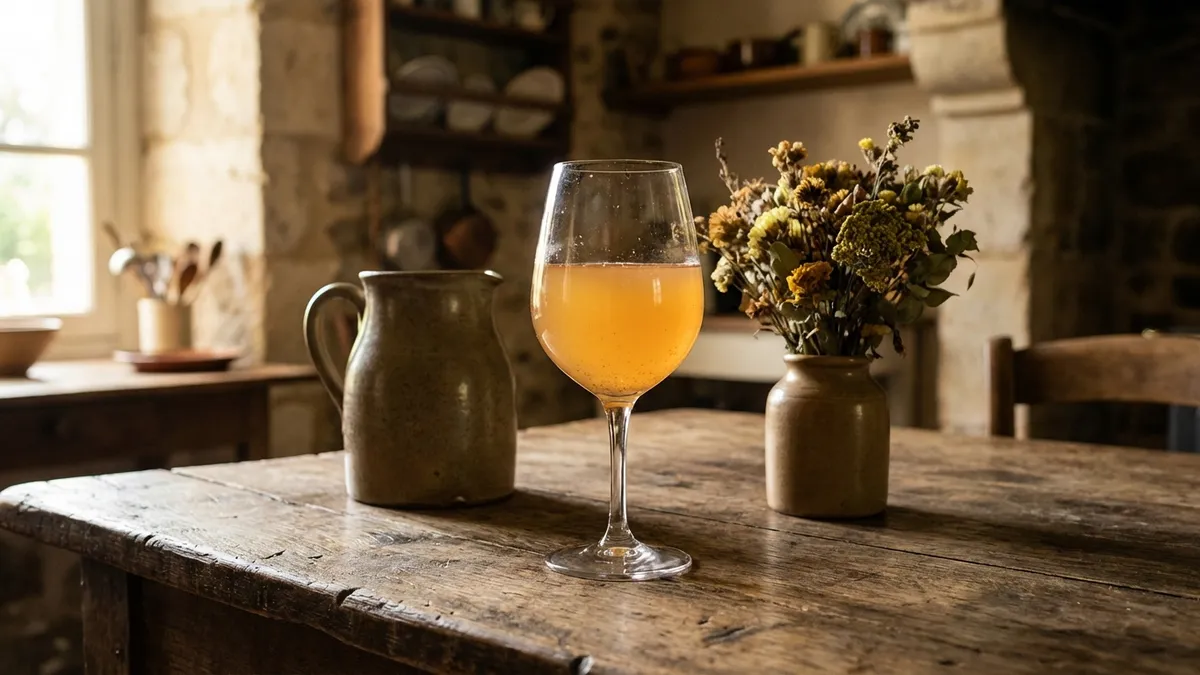
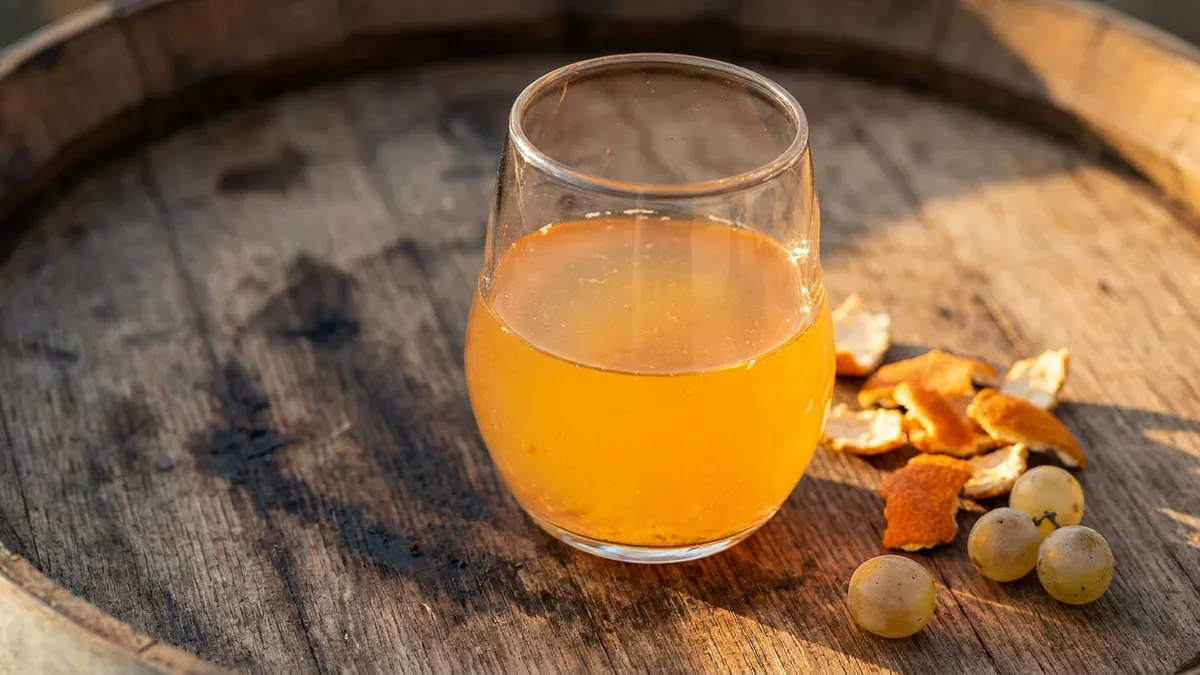
Marsala Wine Guide: The Real Sicilian Fortified Wine

By the Sommy Team — AI-assisted, human-edited.
Updated Sep 24, 2026
Contents (9)
- What Is Marsala Wine, in One Paragraph
- Why Does Supermarket "Marsala Cooking Wine" Taste So Different From Real Marsala?
- How Is Marsala Classified by Color, Sweetness, and Age?
- How Is Marsala Actually Made?
- How Did Marsala Become Famous Outside Sicily?
- How Does Marsala Compare to Sherry, Port, and Madeira?
- Which Marsala Should You Buy for Sipping vs. Cooking?
- How Should You Serve and Store Marsala?
- What Foods Pair Well With Marsala?
TL;DR
Marsala is a fortified DOC wine from western Sicily, classified along three independent axes: color, sweetness, and aging. Supermarket 'cooking wine' is a different, salted product, not DOC Marsala at all. To buy a bottle worth sipping, look for DOC status and a tier like Superiore on the label, and pour dry styles lightly chilled.
Marsala wine deserves better than its reputation. Ask most home cooks and they picture a cheap bottle by the vinegar, poured straight into a sauce pan. That bottle exists, but it usually is not the real thing. Genuine Marsala is a fortified wine (a wine with grape spirit added to raise its alcohol) from western Sicily. It comes in a range of colors, sweetness levels, and ages. Some of it is serious enough to sip slowly after dinner rather than cook away in a pan.
What Is Marsala Wine, in One Paragraph
Marsala wine is a fortified wine from the area around the port town of Marsala in western Sicily, granted DOC status (Denominazione di Origine Controllata, Italy's controlled-origin wine law) in 1969. It is classified along three independent scales: color (Oro, Ambra, or Rubino), sweetness (Secco, Semisecco, or Dolce), and aging tier (Fine through Vergine Stravecchio, which means at least ten years of aging). The DOC zone covers about 1,462 hectares and averages roughly 72,100 hectoliters a year. Legal minimum alcohol is 17.5% for the youngest Fine tier and 18% for everything above it. The cheap, salted product sold as "Marsala cooking wine" sits entirely outside this DOC system.
Why Does Supermarket "Marsala Cooking Wine" Taste So Different From Real Marsala?
Because it is not DOC Marsala at all. It is a separate, non-DOC product built to sit on a grocery shelf without an alcohol license. That job explains the taste: thin, salty, and one-note, with none of the aged character that the legal barrel time gives DOC Marsala.
The giveaway is on the ingredient label. Real Marsala lists wine and grape spirit, and sometimes mosto cotto or mistella. Supermarket cooking wine lists salt, often high up the list, along with preservatives. That salt serves a second purpose beyond flavor. In the US, federal rules treat wine salted to at least 1.5 grams per 100 milliliters as unfit for drinking, so it can leave the winery free of alcohol tax. The practical result is a lower-quality, salted product marketed to shoppers who never see the wine aisle.
| DOC Marsala | Supermarket cooking wine | |
|---|---|---|
| What it is | A regulated wine with legal color, sweetness, and aging tiers | A separate, non-DOC cooking product |
| Label check | Says "Marsala DOC" plus a Sicilian producer name | Usually just says "Marsala cooking wine" |
| Alcohol | Minimum 17.5% (Fine) or 18% (all higher tiers) | Often lower, sometimes diluted with water |
| Ingredients | Wine and grape spirit, sometimes mosto cotto or mistella | Wine, added salt, and often preservatives |
| Good for | Sipping and cooking | Cooking only |
If a bottle is under a few dollars and says only "cooking wine" with no DOC mention, put it back. A basic DOC Fine costs only a little more and works just as well in a pan, with the option to sip what is left.
How Is Marsala Classified by Color, Sweetness, and Age?
Marsala is three separate scales layered on top of each other: color, sweetness, and age. To know what a bottle holds, you need its position on all three. Almost any combination is legal. A dry Rubino Superiore and a sweet Oro Fine are both Marsala, and they taste nothing alike.
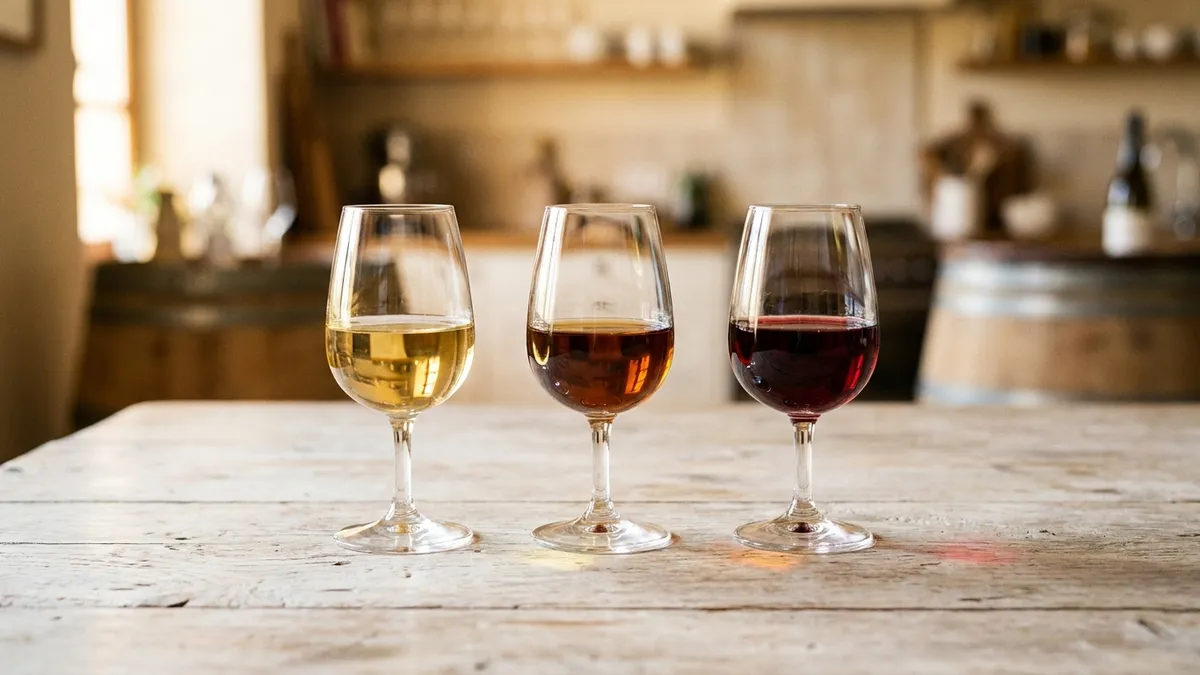
Color has three categories. Oro (gold) and Ambra (amber) come from the permitted white grapes: Ansonica, Catarratto, Damaschino, and Grillo. Ambra gets its deeper amber shade from added mosto cotto. Rubino (ruby) comes from red grapes: Nerello Mascalese, Nero d'Avola, and Perricone.
Sweetness also has three tiers, set by residual sugar per liter: Secco (dry, up to 40 g/L), Semisecco (off-dry, 40 to 100 g/L), and Dolce (sweet, over 100 g/L).
Aging is the axis with the most range, and it is what separates an everyday bottle from a serious one:
| Aging tier | Minimum total aging | Minimum time in barrel | Minimum ABV |
|---|---|---|---|
| Fine | 1 year | 8 months | 17.5% |
| Superiore | 2 years | 20 months | 18% |
| Superiore Riserva | 4 years | 44 months | 18% |
| Vergine | 5 years | 56 months | 18% |
| Vergine Stravecchio | 10 years | 116 months | 18% |
By rule, Vergine and Vergine Stravecchio are dry and made without mosto cotto or mistella. If the label says Vergine, expect a dry wine, and never an Ambra. Most are Oro, closer in style to an aged sherry than to the sweet Fine most people know from tiramisu.
How Is Marsala Actually Made?
Every Marsala starts as a base wine. It is then fortified with grape spirit to raise the alcohol and stabilize it, the same first step used for port, sherry, and madeira. From there, three techniques set the style apart: mosto cotto, mistella, and in perpetuum blending.
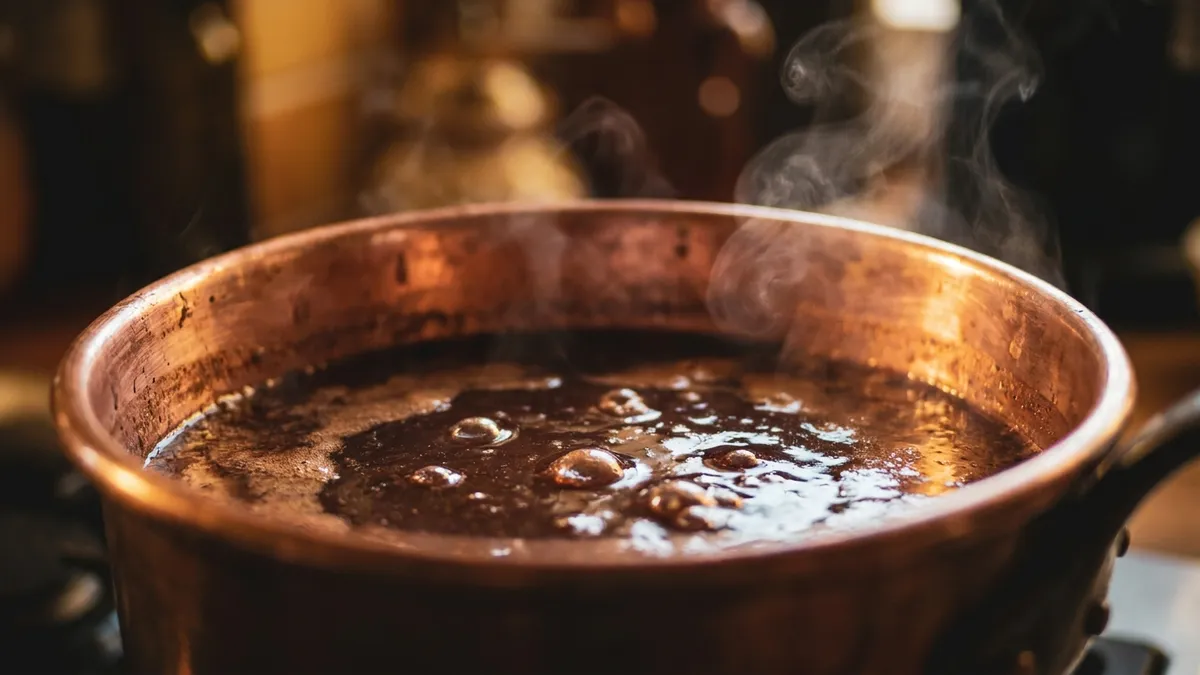
Mosto cotto is grape must (unfermented juice) cooked down until it darkens and concentrates, giving Ambra its color and much of Marsala's signature caramel flavor. Mistella is a separate sweet blending wine, made from Grillo grapes, whose fermentation is stopped early with spirit so it keeps its natural sugar; producers blend it in to build sweetness without simply adding sugar. Both tools are optional.
The blending itself follows a method called in perpetuum, in which younger wine tops up older wine across vintages inside the same barrels, a fractional system related to, though not identical to, sherry's solera method. The result carries a little of every past vintage forward into the glass, and it is one reason a well-aged Marsala can taste layered in a way a simple, single-vintage wine cannot. Sip an older Marsala slowly and look for that layering: caramel from the mosto cotto, then toasted nuts and dried citrus peel. How to taste fortified wine walks through fortification across styles.
How Did Marsala Become Famous Outside Sicily?
An English merchant, John Woodhouse, gets the credit. He landed at the port of Marsala in 1773 and found a local wine that reminded him of sherry and port. Production stayed small and local for over two decades. Mass production and export only began in 1796, after Woodhouse had built supply and shipping.
The wine's international reach grew from there. Benjamin Ingham arrived from Leeds in 1806 and opened new markets across Europe and the Americas. Later, the Sicilian entrepreneur Vincenzo Florio began buying up vineyard land in 1833. He eventually purchased Woodhouse's own firm in the late nineteenth century, folding the English pioneer's business into a Sicilian one. Within a century, Marsala had gone from a local Sicilian wine to a name recognized across two continents, on the strength of the aged, dry bottling most drinkers today have never tried.
How Does Marsala Compare to Sherry, Port, and Madeira?
All four are fortified wines, and what sets them apart is when the spirit goes in and what happens next. Port, from Portugal's Douro Valley, is fortified partway through fermentation, which stops the yeast early and locks in natural sweetness.
Most sherry, from Jerez in southern Spain, is fortified after fermentation finishes, which is why classic Fino and Manzanilla taste bone dry. The port wine guide and the sherry wine guide cover those two in full. Madeira is fortified like the others but then deliberately heated and oxidized for months or years, a step unique to that style, detailed in the madeira wine guide.
Marsala shares fortification with all three. Its distinguishing tools are mosto cotto and mistella, rather than heat or a single fixed fermentation timing. Its color, sweetness, and age can also combine far more freely than in the other three. One bottle labeled "Marsala" can taste like a dry, nutty aperitif, and another like liquid dessert.
Which Marsala Should You Buy for Sipping vs. Cooking?
For cooking, buy the least expensive DOC bottle you can find labeled Fine, dry or semisecco. It gets reduced with butter, stock, or mushrooms, so subtlety is wasted on it. A basic Fine has the alcohol and caramel a recipe needs. If the recipe asks for sweet Marsala, buy a Dolce Fine; if it asks for dry, buy a Secco.
For sipping, spend a little more. If the label says Superiore, Superiore Riserva, or Vergine, the wine carries real barrel time; ideally pick one from a named Sicilian producer over an unlabeled generic bottling. A dry, older Marsala poured in a small glass after dinner is closer in spirit to a fine sherry than to anything from a sauce pan. Sommy's regional courses, including its Italian wine course, teach the same skill: reading a label and knowing what it promises before you buy.
How Should You Serve and Store Marsala?
If the label says Secco, serve it lightly chilled, the way you would a dry sherry, so its nutty, savory side stays sharp. If it says Semisecco or Dolce, pour it a little warmer, close to room temperature, so the caramel and dried fruit come forward.
Use a small glass either way; Marsala's flavors are concentrated, and a small pour goes a long way. Once a bottle is open, keep it corked or capped, standing upright, and stored somewhere cool and dark, away from the stove. It will hold its character for weeks. That is shorter than the many months a heavily aged Madeira can survive after opening, because Madeira's production deliberately builds in extra oxidative stability. Marsala is still far more forgiving than a table wine, which starts fading within days.
For table wines and other styles, how long wine lasts after opening covers the general rules. The wine serving temperature chart helps if you keep more than one fortified wine on hand.
What Foods Pair Well With Marsala?
Sweetness decides the pairing, the same rule that governs most dessert and fortified wine. Dry Rubino or Oro Secco works as a savory aperitif, alongside salted almonds, aged cheese, or cured meats, much like a dry sherry. Semisecco sits comfortably next to richer appetizers or a mild cheese course.
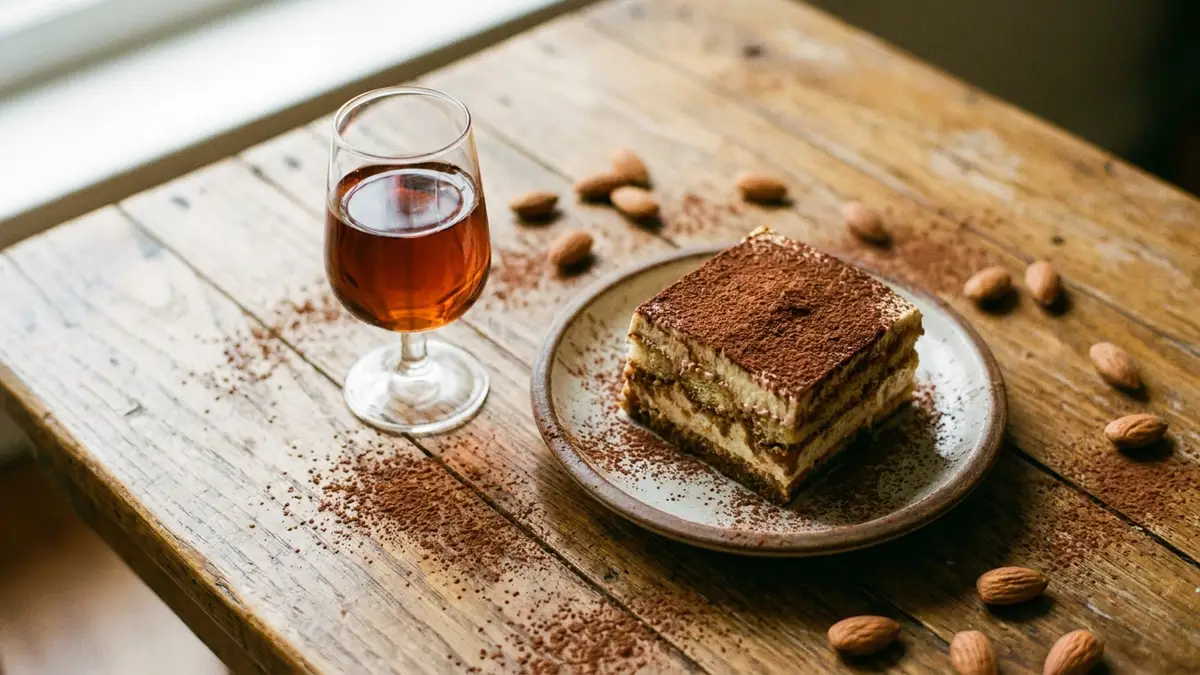
If the label says Secco, serve it with the salty snacks; if it says Dolce, save it for dessert. Dolce styles are the ones home cooks already know, since Marsala is the traditional wine in the classic dessert zabaglione and pairs naturally with tiramisu, almond biscotti, or dark chocolate. If dessert wine pairing is new territory, the dessert wine guide and the wine sweetness scale both explain how to match a wine's sugar level to a dish without guessing.
Marsala's reputation as "just a cooking wine" comes from supermarket labeling. The Sicily wine guide and the Italian wine guide place Marsala alongside Sicily's other grapes and styles. Buy a DOC Superiore tonight and read its label for color and sweetness. If it says Secco, pour a small glass lightly chilled next to a few salted almonds; if it says Dolce, pour it a little warmer beside almond biscotti. Then log what you taste in the Sommy app at sommy.wine.
Sources
Frequently Asked Questions
What is Marsala wine made from?
Marsala DOC wine is made from white grapes (mainly Ansonica, Catarratto, Damaschino, and Grillo) for the Oro and Ambra styles, or red grapes (Nerello Mascalese, Nero d'Avola, and Perricone) for Rubino. The base wine is fortified with grape spirit, and some styles add mosto cotto, a cooked grape must, for color and caramel flavor, or a sweet blending wine called mistella.
Is Marsala wine the same as Marsala cooking wine?
No. DOC Marsala is a regulated wine with legal minimums for alcohol, sweetness, and aging. The cheap bottle labeled 'Marsala cooking wine' at the supermarket is a different, non-DOC product, salted so that, under US rules, it counts as non-beverage wine and skips the taxes that apply to drinkable alcohol. Check the label for DOC status and for salt in the ingredients.
Is Marsala wine sweet or dry?
Both, independently of its color or age. DOC rules set three sweetness tiers: Secco, dry, up to 40 grams of sugar per liter; Semisecco, off-dry, 40 to 100 grams per liter; and Dolce, sweet, over 100 grams per liter. Most aging tiers allow any sweetness, though Vergine is always dry, so read the label rather than assume.
What does Marsala wine taste like?
Young, dry Marsala tastes of toasted nuts, dried citrus peel, and a savory tang. Sweeter and older styles add caramel, dried fig, raisin, and toffee from mosto cotto and extended barrel time. The oldest Vergine and Vergine Stravecchio bottlings develop a nutty, oxidative depth not unlike a fine aged sherry or tawny port.
How is Marsala different from sherry, port, and madeira?
All four are fortified wines, but each gets its character a different way. Port is fortified partway through fermentation to keep it sweet. Most sherry is fortified after fermentation finishes, for a dry style. Madeira is deliberately heat-aged. Marsala is fortified and, in some styles, blended with cooked must or mistella, giving it caramel notes without Madeira's heating step.
What temperature should Marsala be served at, and how long does an opened bottle last?
Serve dry Marsala lightly chilled, close to how you would serve a dry sherry, and pour sweeter styles a little warmer so the caramel and dried fruit come forward. Once opened, keep the bottle corked, upright, and in a cool, dark spot. It stays pleasant for weeks, though not for the many months a heavily aged fortified wine like Madeira can manage.
Which Marsala should you buy for cooking versus sipping?
For a sauce like chicken or veal Marsala, a basic dry or semisecco Fine does the job and costs little. For sipping, look for Superiore or older on the label, ideally from a named Sicilian producer, since these tiers carry more barrel time and more depth of flavor, closer to a fine sherry than to a kitchen staple.
Sommy Team
LinkedInFounder & Wine Educator
The Sommy Team is building the world's most approachable wine education app, helping beginners develop real tasting skills through structured courses and AI-guided practice.