Cooking With Wine Guide: Which Wine to Use and When

By the Sommy Team — AI-assisted, human-edited.
Updated Oct 1, 2026
Contents (9)
- Cooking With Wine Guide: What Does Wine Do in the Pan?
- Which Wine Should You Use for Cooking?
- Red or White: Which Wine Goes in Which Dish?
- Is "Cooking Wine" the Same as Regular Wine?
- When in the Recipe Do You Add the Wine?
- Does the Alcohol Really Cook Out?
- Do You Need an Expensive Bottle?
- What Can You Use Instead of Wine?
- How Do You Keep Leftover Wine for Cooking?
TL;DR
Cook with a dry wine you would happily drink a glass of, never salted cooking wine. Add it early and reduce it so the acid and fruit concentrate. Simmering time decides how much alcohol stays: about 35% after 30 minutes, 25% after an hour, 5% after two and a half hours.
Cooking with wine works when the bottle is dry, sound and cheap enough to pour freely, and when it goes into the pan early enough to reduce. Most of the alcohol does not vanish on contact with heat: it leaves slowly, over hours. That one fact changes when you add the wine, how long you cook it and which bottle you pick.
Cooking With Wine Guide: What Does Wine Do in the Pan?
Wine adds acid, fruit and savoury depth to a dish, and it dissolves the browned crust that sticks to a pan. Its acidity (the tartness that makes your mouth water) cuts through fat and salt. A rich stew tastes lighter with it, and a cream sauce less cloying.
As the wine simmers, it reduces: water and alcohol evaporate while the acid, fruit and grape sugars stay behind and concentrate. Anything in the wine, good or bad, gets stronger in the pot. That is why the choice of bottle and the timing both matter. The wine also carries flavour from the browned bits into the sauce, which water alone does poorly.
Which Wine Should You Use for Cooking?
Use a dry, unoaked wine of moderate alcohol that tastes clean when you sip it cold from the bottle. Dry matters because sugar concentrates as the sauce reduces, and a sweet wine can push a savoury dish toward jam. Moderate alcohol, roughly 12 to 13.5%, keeps the sauce from tasting hot.
Two structural features cause most kitchen failures. Tannin (the drying grip on your gums from grape skins) concentrates as a red reduces, so a firm young Cabernet can turn a quick pan sauce bitter and astringent. Heavy oak (barrels adding vanilla, toast or spice) concentrates too, and a buttery, toasty Chardonnay can leave a sweet-woody edge on fish or chicken.
The safe picks are the plain workhorses:
- Dry whites: Sauvignon Blanc, Pinot Grigio, unoaked Chardonnay, dry Spanish or French whites sold by region.
- Soft reds: Merlot, Grenache (Garnacha), a young Rhône-style blend, Tempranillo without long oak ageing.
- Fortified wines: dry sherry, Marsala and Madeira for pan sauces that want a nutty, caramel note.
Before the wine goes in, taste it. If it smells of vinegar, wet cardboard or nothing at all, keep it out of the pot. Vinegar means the wine has turned; wet cardboard is cork taint, explained in how to tell if wine is corked; a flat, nutty smell in a young white means it has oxidised. Each one gets louder as the sauce reduces. The other common off-smells are mapped in how to identify wine faults by smell.
Red or White: Which Wine Goes in Which Dish?
Match the wine to the colour and weight of the sauce, because the sauce is what the wine becomes. A dry white keeps a pale sauce pale and lifts herbs and cream. A soft red gives dark sauces colour and a deeper, savoury base. When a recipe names no wine, follow the table.
| Dish | Reach for | Why it works |
|---|---|---|
| Risotto | Dry white, unoaked | Acid cuts the butter and cheese; a red turns the rice grey-purple |
| Mussels and clams | Crisp dry white such as Sauvignon Blanc or Muscadet | Steams fast, so the wine's freshness survives into the broth |
| Chicken in cream or mustard sauce | Dry white or dry sherry | Acid balances the cream; sherry adds a nutty depth |
| Fish in butter sauce | Dry white, light body | Heavy oak or tannin would overpower the fish and turn bitter |
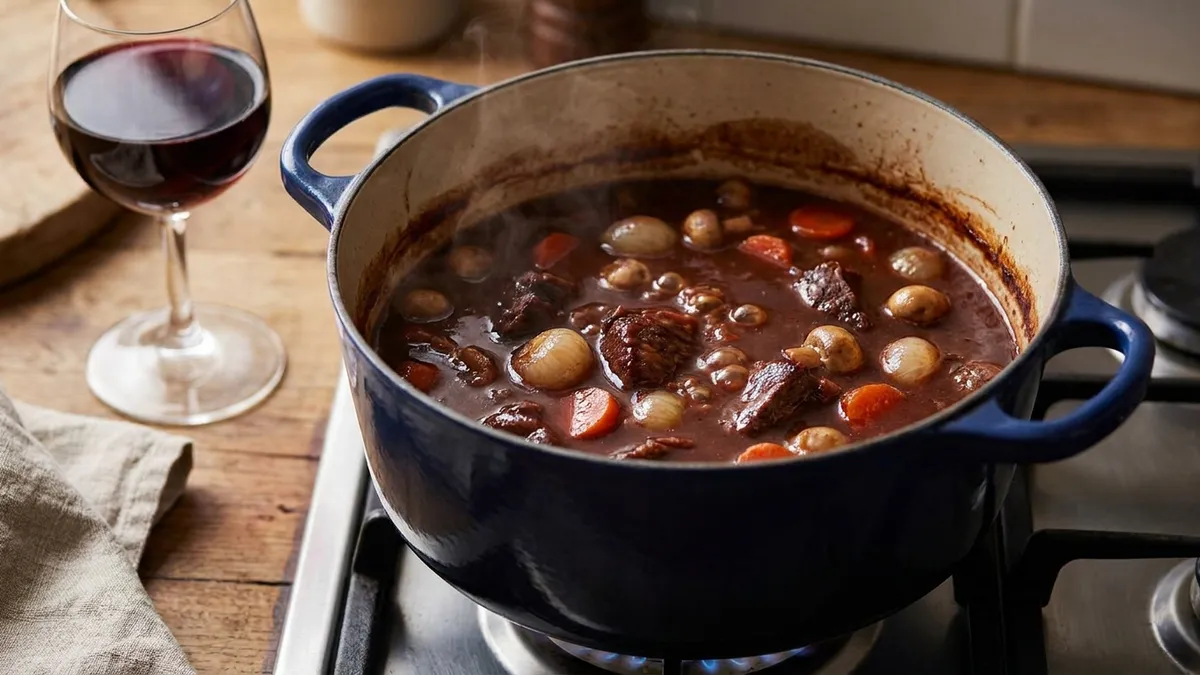
| Beef stew, short ribs, ragù | Soft medium-bodied red such as Merlot or Grenache | Long cooking softens it into colour and savoury depth |
| Mushroom pan sauce | Dry Marsala, dry Madeira or a soft red | Caramel and nutty notes echo browned mushrooms |
| Tomato sauce | Dry red or dry white | Wine's acid joins the tomato's; keep the splash small |
If the sauce is pale, creamy or built on fish, use a dry white. If it is dark, tomato-based or braised for hours, use a red with soft tannin. Dry sherry, Marsala and Madeira are fortified (spirit added, about 15 to 22% alcohol), so a little goes further than table wine. The Marsala wine guide and sherry wine guide explain which dry styles to buy for the kitchen.
Is "Cooking Wine" the Same as Regular Wine?
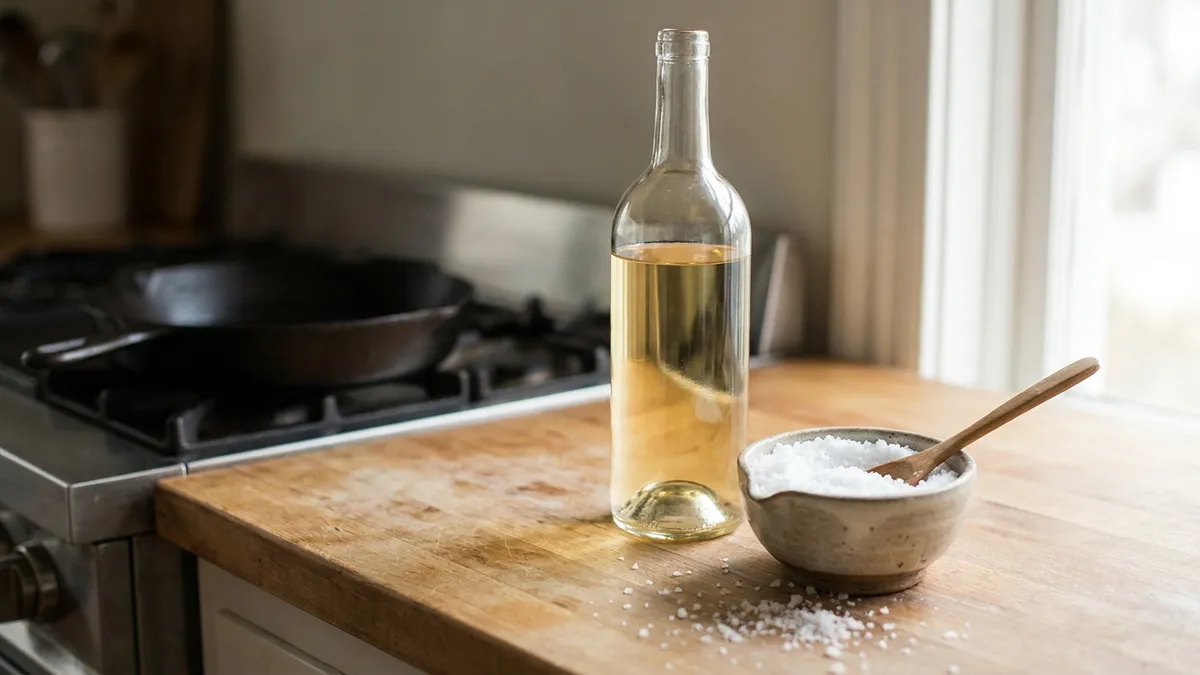
No. Supermarket cooking wine is salted wine, and the salt goes into your dish whether you want it or not. It is not a bargain drinking wine. The salt is there as a preservative: it stops the bacteria that turn wine into vinegar, so an open bottle can sit in a warm cupboard for months without souring.
In some places, such as New York State, cooking wines are made at under 5% alcohol so they can be sold in grocery stores. In many jurisdictions cooking wine is not legally treated as a drink at all. Some versions add seasonings on top of the salt, so the label reads like a sauce.
Chinese cooking wines are a separate category. Most are rice wines such as Shaoxing, usually stronger than table wine, and the cooking grades sold in supermarkets often contain added salt. A recipe that calls for one expects that strength and saltiness, so do not swap in a Western cooking wine or a table wine without adjusting.
If the label lists salt, leave the bottle on the shelf and buy a cheap dry table wine instead. If you already own one, cut the recipe's added salt and taste before seasoning.
When in the Recipe Do You Add the Wine?
Add wine early for a long braise, after browning for a pan sauce, and as a splash at the end only when you want its raw aroma. The earlier it goes in, the more it fades into background depth and the more alcohol leaves. The later it goes in, the more it tastes like wine.
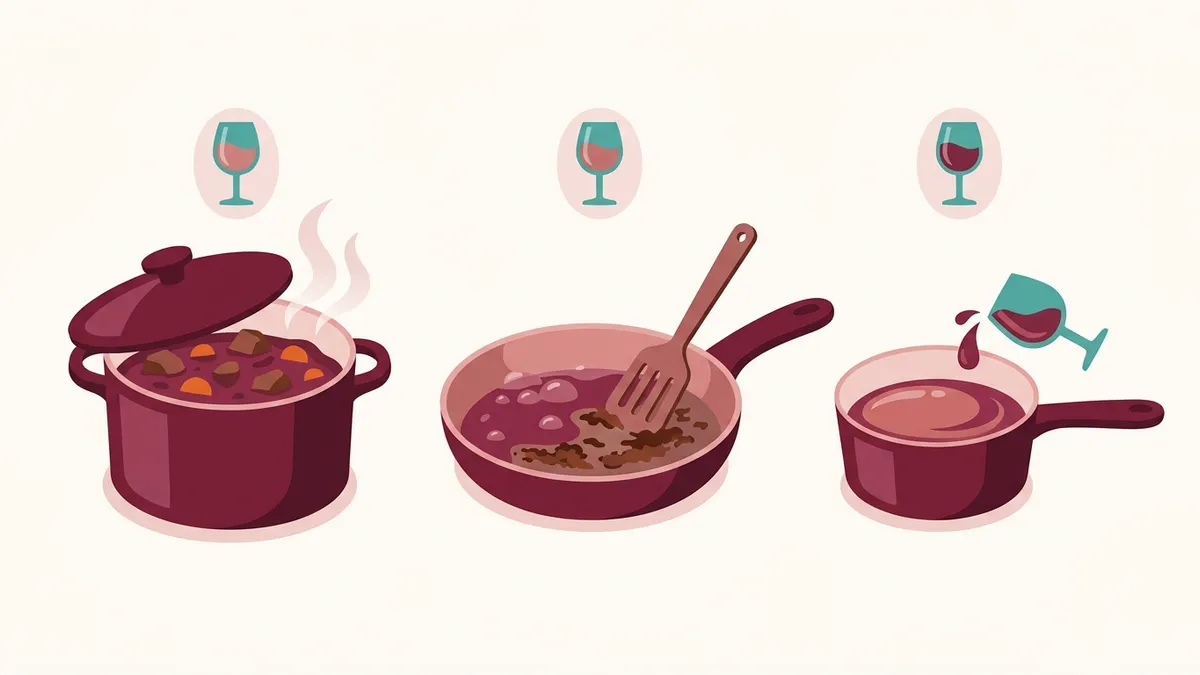
- Early, for braises and stews. Pour the wine in after browning the meat and onions, then let it cook with everything for hours. It turns into background depth and colour, and most of the alcohol leaves.
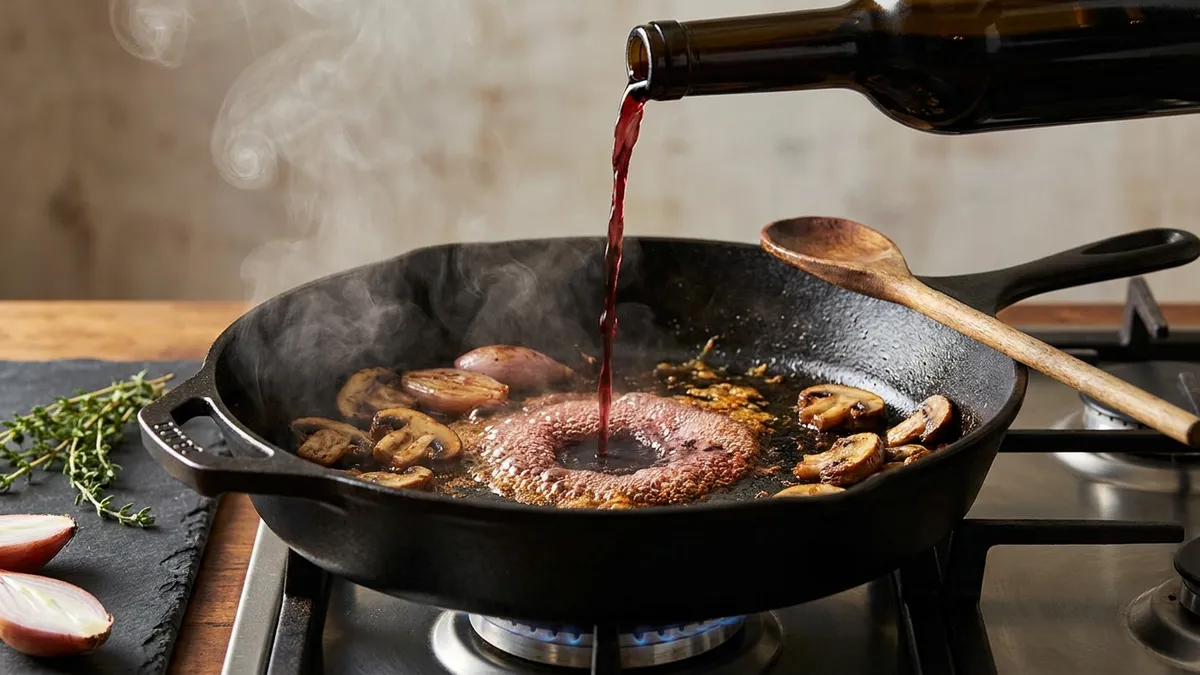
- Mid-way, to deglaze. Deglazing means pouring liquid into a hot pan to dissolve the browned residue left from searing. That residue is the fond (French for "base"), and it carries most of the pan's flavour. Pour in half a glass, scrape with a wooden spoon, then reduce it by about half before adding stock or cream.
- Late, as a finishing splash. A spoonful of dry sherry or Madeira stirred into a soup just before serving keeps its aroma. It also keeps most of its alcohol and a sharper edge, so use it sparingly.
If the dish cooks for less than 15 minutes, reduce the wine by half before anything else goes in. Unreduced wine in a fast sauce tastes raw and sour. The same reduction step is behind the pan sauces and risottos in leftover wine uses.
Does the Alcohol Really Cook Out?
Not all of it. Time decides how much leaves: about 40% of the alcohol remains after 15 minutes of simmering and about 5% after two and a half hours. These figures come from USDA nutrient retention data, built on a 1992 study in the Journal of the American Dietetic Association.
| Method | Alcohol left | Use it for |
|---|---|---|
| Added to boiling liquid, then taken off the heat | 85% | Finishing splashes; expect a boozy edge |
| Flamed (flambé) | 75% | Show and caramel notes, not alcohol removal |
| No heat, left overnight (marinade) | 70% | Marinades, soaked fruit |
| Baked 25 minutes, not stirred in | 45% | Wine brushed on or poured over a bake |
| Simmered or baked, stirred in: 15 minutes | 40% | Quick pan sauces |
| Stirred in: 30 minutes | 35% | Risotto, short sauces |
| Stirred in: 1 hour | 25% | Ragù, quick stews |
| Stirred in: 1.5 hours | 20% | Medium braises |
| Stirred in: 2 hours | 10% | Long braises |
| Stirred in: 2.5 hours | 5% | Slow stews and daubes |
The flambé is the biggest myth here. Flaming burns only the vapour above the pan, and three quarters of the alcohol stays in the food. A wide pan with the lid off loses alcohol faster than a deep covered pot, but time still does most of the work.
If the dish must carry as little alcohol as possible, choose a recipe that simmers for two hours or more, or use a substitute. Follow local guidance on serving food cooked with wine to anyone who avoids alcohol.
Do You Need an Expensive Bottle?
No. A sound bottle at an everyday price does the job, because heat erases the fine aromas a pricier bottle charges for. What survives cooking is acid, fruit and body. Those are present in any well-made dry wine, and a reduced sauce from a modest Merlot tastes much like one from a bottle three times the price.
The cheapest bottle on the shelf is a gamble for the opposite reason: faults concentrate in the pan, as the tasting check above shows. If you would not drink a glass of it, do not cook with it. If the bottle costs more than the meal, pour it beside the dish instead. The rules for choosing what to drink with the finished plate are in our wine and food pairing guide.
What Can You Use Instead of Wine?
Stock plus a little acid replaces wine in most savoury recipes. The stock brings body and savoury depth, and the acid stands in for the wine's tartness. Pick the stock by the colour of the sauce, as with wine: pale stock for white-wine recipes, dark stock for red.
- White-wine recipes: chicken or vegetable stock with a squeeze of lemon or a teaspoon of white wine vinegar per cup.
- Red-wine recipes: beef or mushroom stock with a little red wine vinegar, plus a spoon of tomato paste for colour.
- Deglazing: verjuice (the sour juice of unripe grapes) works on its own, and so does stock.
Add the acid at the end and taste as you go. Vinegar is far sharper than wine, so a small amount goes further. Dealcoholised wine also works where the dish needs the taste of wine itself, such as a wine-poached pear.
How Do You Keep Leftover Wine for Cooking?
Keep an opened bottle stoppered in the fridge and cook with it within about a week, or freeze it in cubes. Wine stays usable for cooking a few days longer than it stays pleasant to drink. Style sets the clock, as how long wine lasts after opening explains.
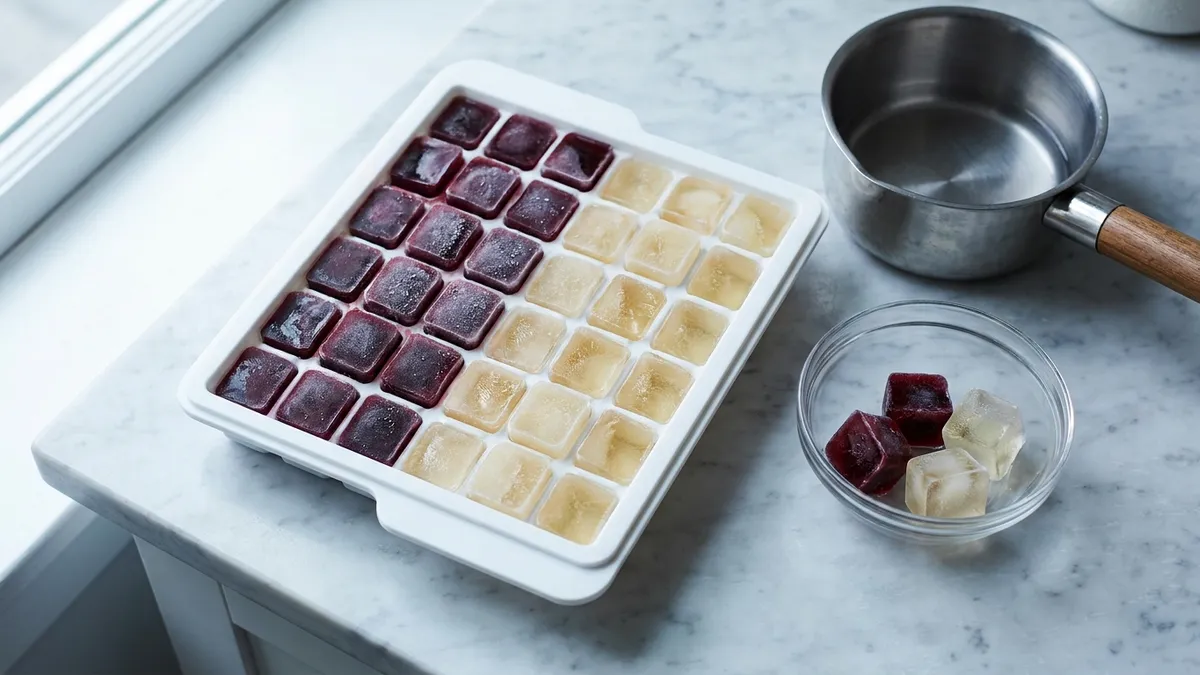
For longer storage, pour the last of a bottle into an ice cube tray, freeze it, and drop a cube or two straight into a hot pan. The method and its limits are in can you put wine in the freezer. Smell any leftover before it goes into a dish. If it smells fruity, cook with it; if it smells of sharp vinegar, use it only in a dressing; if it smells musty, pour it away.
Grape-by-grape acid levels are in wine acidity explained, and the styles behind fortified and table wines sit together in the wine styles hub. The Sommy app has a bite-sized Wine 101 course on reading structure. Sip the wine you plan to cook with tonight, then reduce half a glass in a small pan and taste the two side by side.
Sources
Frequently Asked Questions
What is the best wine for cooking?
A dry wine with no heavy oak, moderate alcohol and fresh acidity. For white, think Sauvignon Blanc, Pinot Grigio or a dry Spanish or French white. For red, think Merlot, Grenache or a young Côtes du Rhône style with soft tannin. Taste it first: if it is pleasant to sip cold, it will taste good reduced.
Can I use cooking wine instead of regular wine?
You can, but cut the recipe's salt. Supermarket cooking wine has salt added so bacteria cannot turn it to vinegar, and that salt ends up in the dish. Some versions are also below 5% alcohol and seasoned. A cheap dry drinking wine gives cleaner flavour and lets you control the seasoning yourself.
Does the alcohol cook out of wine?
Only slowly. USDA data shows about 40% of the alcohol remains after 15 minutes of simmering, 25% after an hour and 5% after two and a half hours. Flaming leaves about 75%, and wine added to a boiling sauce then taken off the heat keeps about 85%. Long, gentle cooking removes the most alcohol.
Should I use red or white wine for cooking?
Follow the colour and weight of the sauce. Pale, creamy or herby dishes such as risotto, mussels and chicken in cream take a dry white. Dark, tomato-based or long-braised dishes such as beef stew and ragù take a medium-bodied red with soft tannin. A dry white works in most places where a red feels too heavy.
What can I use instead of wine in cooking?
Stock plus a little acid. For a white-wine recipe, use chicken or vegetable stock with a squeeze of lemon or a teaspoon of white wine vinegar. For a red-wine recipe, use beef or mushroom stock with a little red wine vinegar. Verjuice, the sour juice of unripe grapes, also works for deglazing.
How long does opened wine keep for cooking?
About a week in the fridge with the cork or cap back in, a few days longer than it stays nice to drink. Smell it before using: fruity is fine, sharp vinegar goes only into dressings, and musty wine goes down the sink. For longer storage, freeze leftover wine in an ice cube tray.
Sommy Team
LinkedInFounder & Wine Educator
The Sommy Team is building the world's most approachable wine education app, helping beginners develop real tasting skills through structured courses and AI-guided practice.