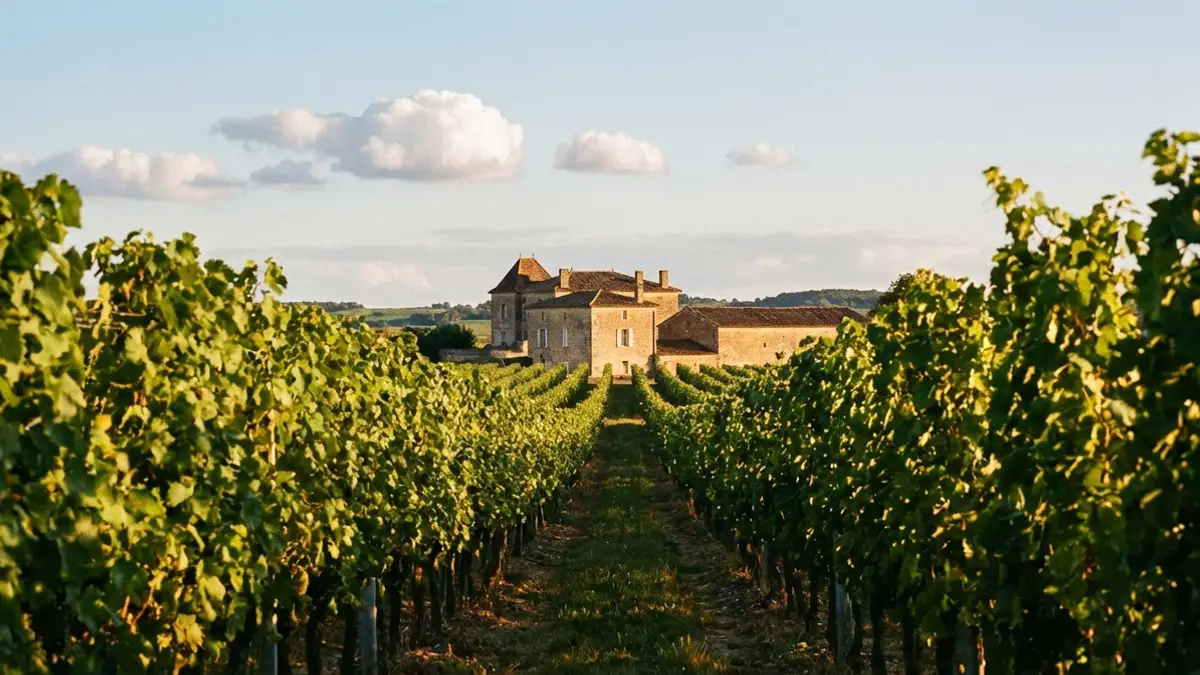
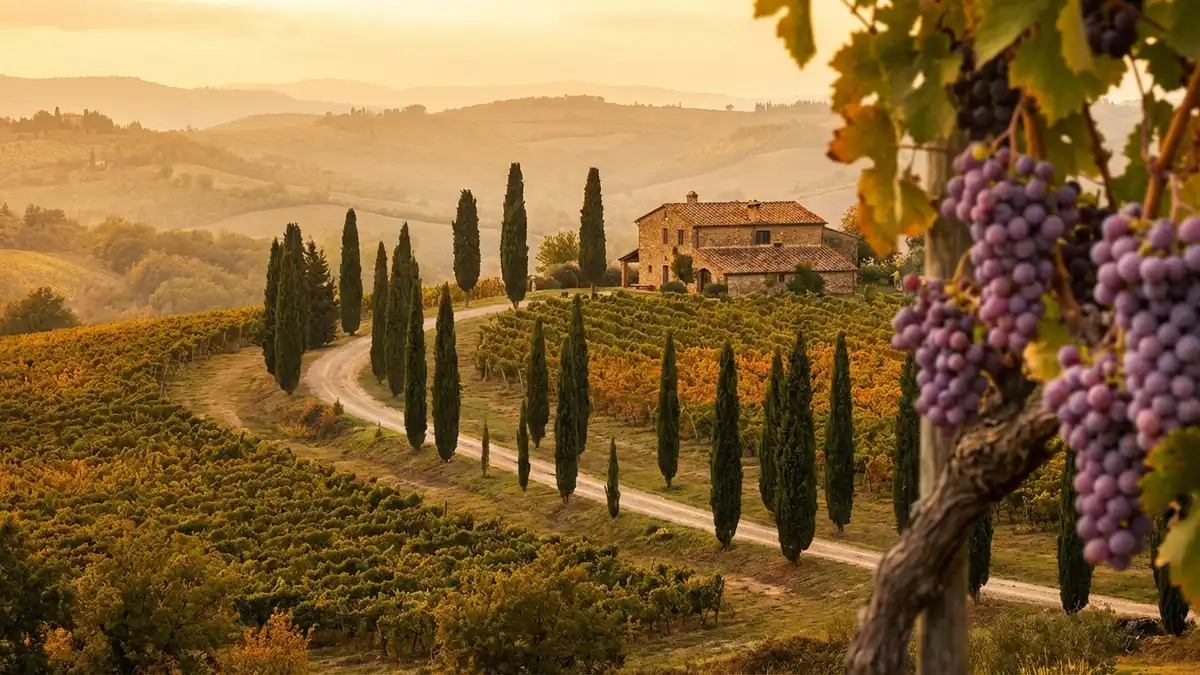
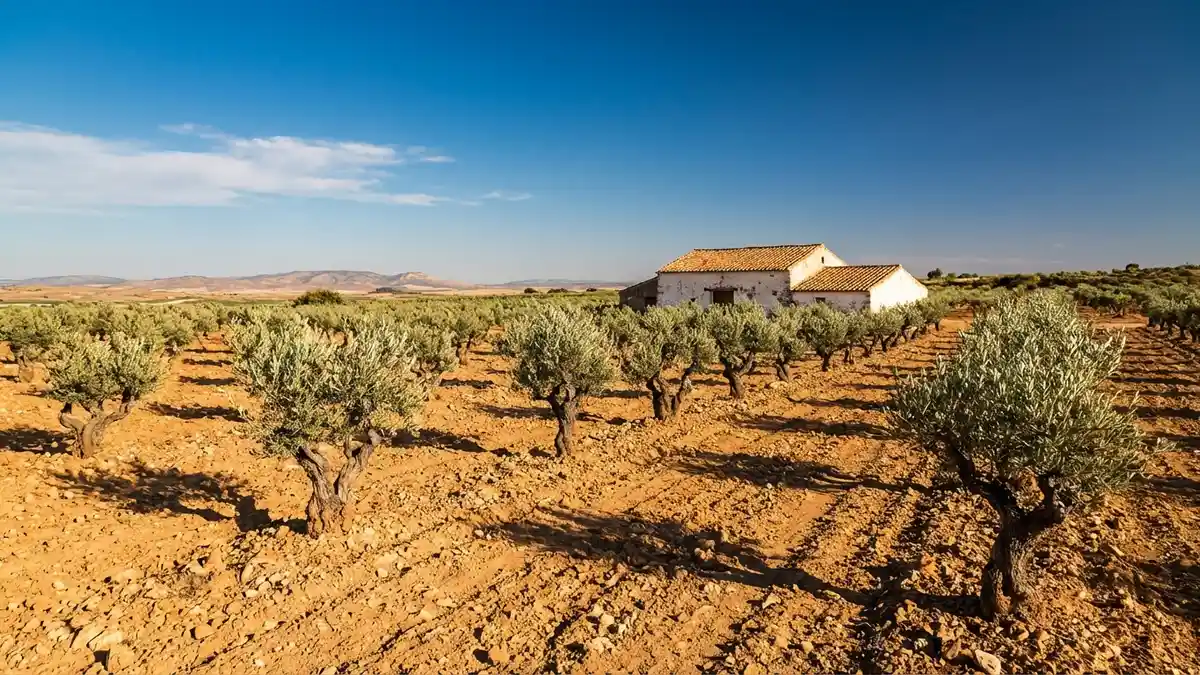
Friuli Wine Guide: Italy's White Wine Heartland Explained

By the Sommy Team — AI-assisted, human-edited.
Updated Sep 23, 2026
Contents (9)
- Friuli Wine in 100 Words: The Short Answer
- Where Is Friuli, and Why Does Its Location Shape the Wine?
- What Grapes Define Friuli Wine?
- Why Did Tocai Become Friulano?
- What Are Friuli's DOC and DOCG Zones?
- What Is Ponca Soil, and Why Does It Matter?
- Why Did Modern Orange Wine Start in Friuli?
- How Do the Sweet Wines and Rescued Reds Fit In?
- How Should You Start Tasting Friuli Wine?
TL;DR
Friuli Venezia Giulia is Italy's white wine heartland: 86% of its 2.2 million hectolitres is white. Friulano, Ribolla Gialla, Pinot Grigio and Sauvignon lead on crumbly ponca hills in Collio and Colli Orientali, while Friuli Grave supplies the volume. Cool Alpine air meets Adriatic warmth, Tocai became Friulano in 2007, and modern orange wine was born here.
Ask most wine drinkers to name an Italian white and they say Pinot Grigio. Ask where the best of it grows and the room goes quiet. This Friuli wine guide answers that question and the ones behind it: why a small region wedged between the Alps, the Adriatic and Slovenia makes Italy's most serious dry whites, what its own grapes taste like, and why the world's orange wine revival started in its hills.
Friuli Wine in 100 Words: The Short Answer
Friuli Venezia Giulia is Italy's white wine heartland. In 2022 it produced over 2.2 million hectolitres of wine and 86% of it was white, the highest share of any Italian region, from about 28,500 hectares of vines. The region holds 4 DOCGs and 12 DOCs. Two hillside zones on crumbly ponca soil, Collio and Colli Orientali del Friuli, make the most prized wines from Friulano, Ribolla Gialla, Sauvignon and Pinot Grigio; the gravel plain of Friuli Grave makes the volume. Cool air from the Alps and warmth from the Adriatic keep the wines fresh, and the Slovenian border runs straight through the vineyards.
Where Is Friuli, and Why Does Its Location Shape the Wine?
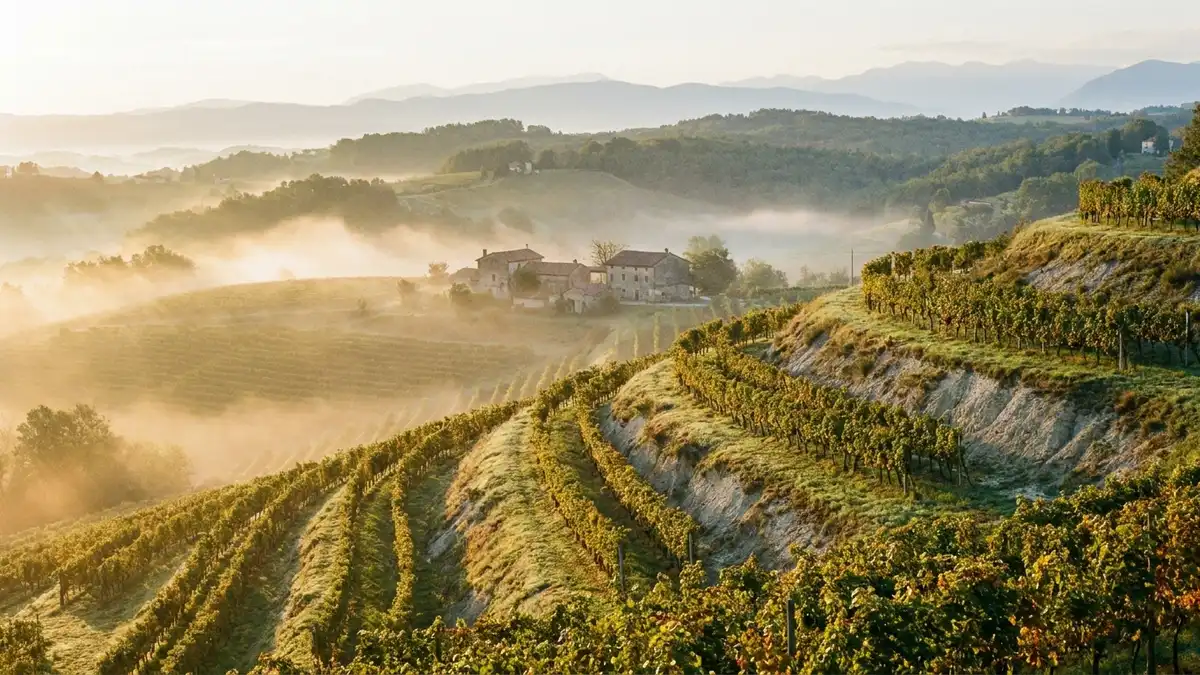
Friuli Venezia Giulia is Italy's far north-eastern corner. The Alps close it off from Austria to the north, the Adriatic Sea opens it to the south, and Slovenia sits along its eastern edge. That triangle of mountain, sea and border explains almost everything about the wines.
The Alps block the coldest northern weather while sending cool air down at night. The Adriatic sends warmth and breezes back up the plain. The result is a long, slow growing season of warm days and chilly nights, which is exactly what white grapes need: enough sun to ripen flavour, enough cold to hold on to acidity (the mouth-watering freshness that keeps a white wine lively). The climate and wine flavour guide explains why that day-night swing matters so much.
The border matters too. Vineyards in Collio run right up to the Slovenian line and continue on the other side as Brda, on the same soil with the same grapes under a different name. Ribolla Gialla in Italy is Rebula in Slovenia. If you want the other half of the story, the Slovenia wine guide picks it up from the far side of the fence.
Within the wider picture of the Italian wine guide, Friuli is the specialist. Tuscany and Piedmont are red-wine regions with famous whites on the side. Friuli is the reverse.
What Grapes Define Friuli Wine?
Friuli grows both international grapes and a set of native ones you will rarely meet elsewhere. The whites carry the region's reputation, and one of them carries its name.
Friulano is the signature white: pear, almond and a gently bitter, nutty finish, medium-bodied and dry. It is the wine locals pour with a slice of prosciutto, and it is the grape at the centre of the naming drama in the next section.
Ribolla Gialla is a high-acid native grape with thick skins, lean and citrusy when made as a standard white and floral, honeyed and structured when fermented on its skins. It is the workhorse of orange wine.
Pinot Grigio here is a different animal from the neutral supermarket version. Friuli's hillside Pinot Grigio is fuller, textured and sometimes faintly copper-tinged from brief skin contact. The Pinot Grigio vs Pinot Gris article explains that split.
Sauvignon (Friuli drops the "Blanc") gives green, herbal, gooseberry wines with more body than a Loire version. Malvasia Istriana adds aromatic, faintly salty whites near the coast. Verduzzo and Picolit are the sweet-wine grapes, covered further down.
The reds are fewer but distinctive. Refosco dal Peduncolo Rosso is the everyday red: high acidity, blueberry and blackberry fruit, a bitter twist. Schioppettino (the name means "little gunshot") gives aromatic, peppery, medium-bodied reds with violet and raspberry notes. Pignolo is the rarest: a tannic, plum-and-blackberry red that needs years in bottle.
| Grape | Style you can expect | Where it does best |
|---|---|---|
| Friulano | Dry white; pear, almond, bitter-nut finish | Collio, Colli Orientali, Isonzo |
| Ribolla Gialla | Crisp citrus white, or amber skin-contact wine | Collio, Colli Orientali (and Brda across the border) |
| Pinot Grigio | Textured, fuller dry white | Collio hills for depth; Grave for volume |
| Sauvignon | Herbal, gooseberry, medium-bodied white | Collio, Isonzo |
| Malvasia Istriana | Aromatic, saline dry white | Collio, Carso, Isonzo |
| Refosco | Tart, dark-fruited, bitter-edged red | Grave, Colli Orientali |
| Schioppettino | Peppery, aromatic, medium-bodied red | Colli Orientali (Prepotto) |
| Pignolo | Dense, tannic, age-worthy red | Colli Orientali (Rosazzo) |
| Verduzzo / Picolit | Sweet, honeyed dessert wines | Ramandolo and Colli Orientali |
Why Did Tocai Become Friulano?
Friulano was called Tocai Friulano on every Italian label until spring 2007. The rename was forced by a court, not a marketing team, and the story shows how far a single word can travel in wine law.
Hungary's famous sweet wine is Tokaji, from the town of Tokaj. The Friulian grape had been called Tocai for generations, and the two have nothing in common: one is a dry white grape, the other a place and a sweet-wine style. Hungary's moves to protect the name Tokay and its lookalikes go back decades (Wine Enthusiast dates the first legal proceedings to 1959), on the argument that the name belonged to the Hungarian region.
The dispute ran for decades. A 1993 agreement between the European Union and Hungary set a timetable for phasing out the Italian name, and in 2005 the European Court of Justice ruled in Hungary's favour. The deadline was 31 March 2007. From that date Italian producers stopped printing Tocai and switched to plain Friulano, "the Friulian one".
Two footnotes matter. First, the grape is still officially registered as Tocai Friulano in Italy's National Catalogue of Grape Varieties; only the label changed. Second, wineries outside the EU may still call it Tocai Friulano, so the old name lives on abroad. If you find both names on a shelf, they are the same grape. The what is an appellation guide covers how these naming rules get made and enforced.
What Are Friuli's DOC and DOCG Zones?
Friuli has 12 DOCs and 4 DOCGs. A DOC (Denominazione di Origine Controllata) is a legally defined zone with rules on grapes, yields and style; a DOCG adds a "G" for Garantita and stricter rules and checks on top. Five DOCs matter most, and they split neatly into hills and plains.
| Zone | Terrain and soil | Key grapes | What it is known for |
|---|---|---|---|
| Collio | Steep hills on ponca (marl and sandstone), hugging the Slovenian border around Gorizia | Friulano, Ribolla Gialla, Sauvignon, Pinot Grigio, Malvasia | The prestige white zone: over 85% white, textured and saline; the cradle of orange wine |
| Friuli Colli Orientali | Hills on ponca just north of Collio, around Cividale | Friulano, Ribolla Gialla, plus Schioppettino, Pignolo, Refosco, Picolit, Verduzzo | The most complete zone: top whites plus the rare native reds and the sweet DOCGs |
| Friuli Grave | Flat alluvial plain of river gravel on both sides of the Tagliamento, below the Alpine foothills | Pinot Grigio, Friulano, Sauvignon, Merlot, Refosco | The volume engine: clean, fresh, affordable everyday whites and light reds |
| Friuli Isonzo | Low plain along the Isonzo river, gravel and clay, south of Collio | Friulano, Pinot Grigio, Sauvignon, Malvasia | A quality plain: riper, rounder whites that can rival the hills at lower prices |
| Carso | Rocky limestone plateau above Trieste with thin red soil, swept by the Bora wind | Vitovska, Malvasia Istriana, Terrano (a Refosco relative) | Small and wild: mineral, salty whites and tart, iron-edged reds, many made with skin contact |
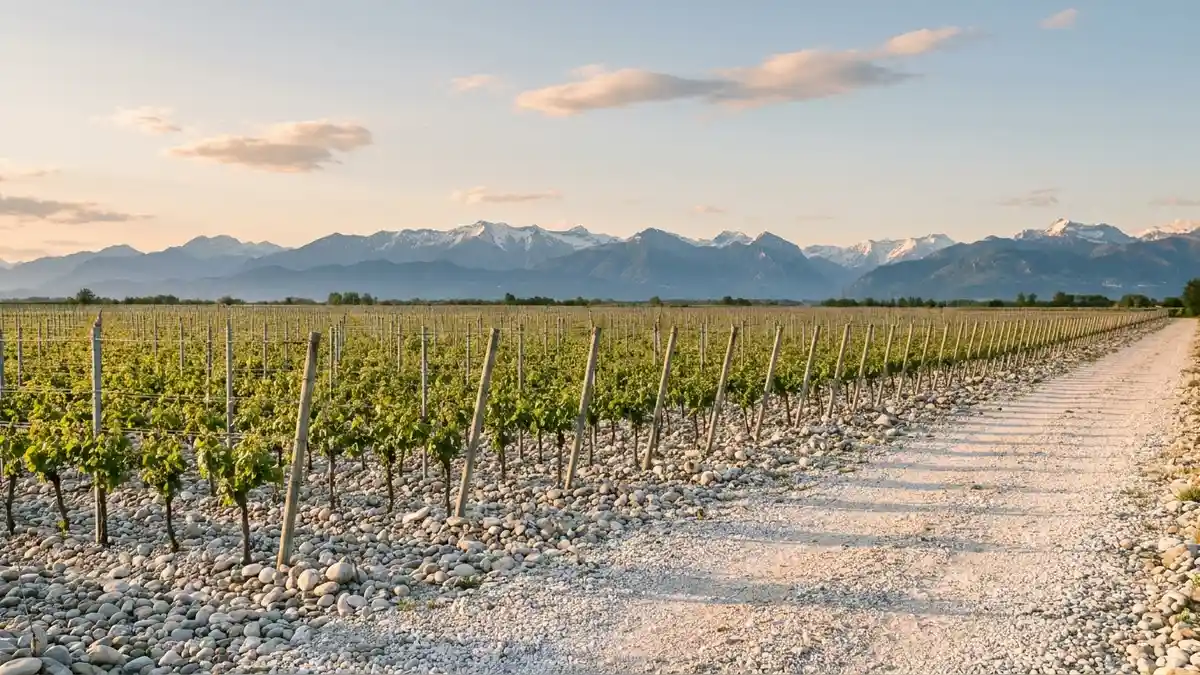
The four DOCGs are all small, and three sit in or near Colli Orientali: Colli Orientali del Friuli Picolit (a rare sweet white), Ramandolo (sweet Verduzzo from a village north of Udine) and Rosazzo (a dry white blend, promoted from a Colli Orientali subzone to DOCG in 2011), while Lison (a dry Friulano-based white) is the odd one out, far to the west and straddling the Veneto border. Some sources still say Friuli has two DOCGs; four is the current count.
One more overlap trips people up. The sparkling Prosecco DOC is not a Veneto-only zone; its production area spans nine provinces across Veneto and Friuli Venezia Giulia, so a Prosecco DOC can legally come from Friuli. The village of Prosecco itself sits just outside Trieste. The Prosecco grape guide has the full story of the Glera grape behind it.
What Is Ponca Soil, and Why Does It Matter?
Ponca (the Slovenians say opoka) is the local word for the hillside soil of Collio and Colli Orientali: thin, crumbly layers of marl and sandstone laid down on a seabed in the Eocene epoch and later lifted into hills. Geologists call the formation flysch. Pick up a handful and it flakes apart like old pastry.
Three things follow from that. Ponca drains fast, so vines cannot sit in water and must push roots deep. It is poor in nutrients, which keeps yields low and flavour concentrated. And it is rich in calcium from its marine past, which growers link to the salty, stony, almost chalky edge that separates a Collio Friulano from one grown on the plain.
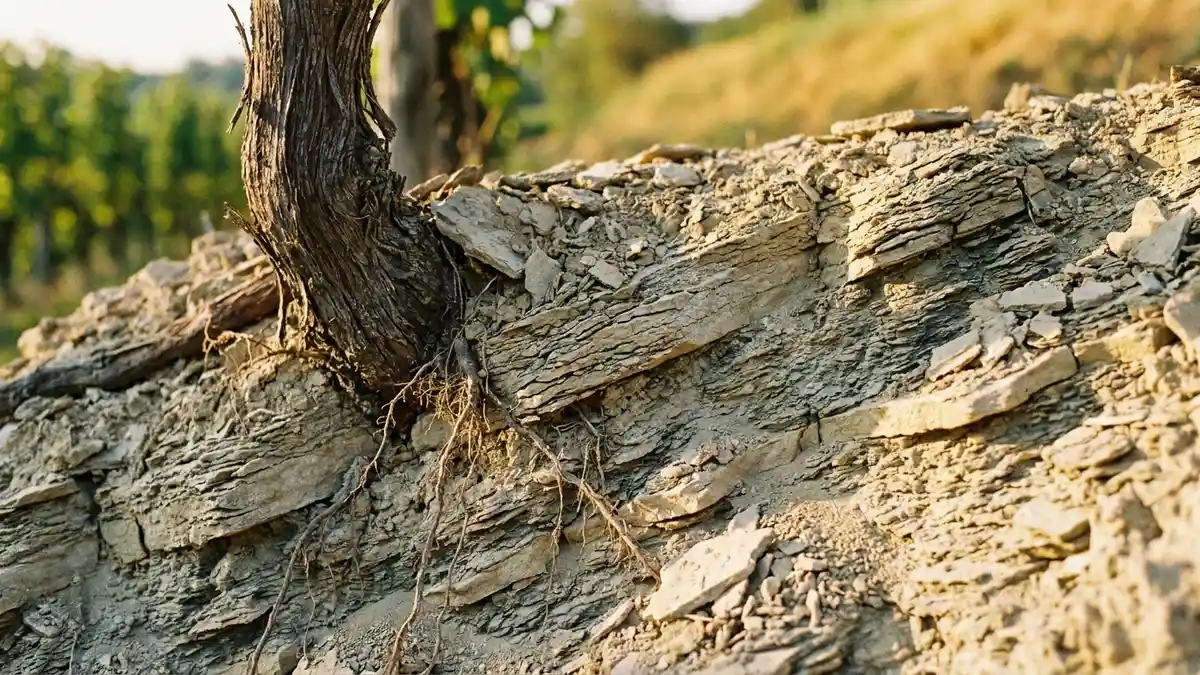
Whether soil minerals reach the glass directly is debated; the wine minerality article lays out the science honestly. What is not debated is that ponca sites make more textured, longer-lived whites than the gravel of Grave, and that the soil does not stop at the Slovenian border. Brda is ponca too. Our guide to how soil affects wine taste puts Friuli alongside other famous soils if you want the comparison.
Why Did Modern Orange Wine Start in Friuli?
Orange wine is white wine made like a red: the juice ferments in contact with the grape skins for days, weeks or months, picking up amber colour, gentle tannin (the drying grip you feel on your gums) and savoury, nutty depth. Georgia has made wine this way for thousands of years. The modern revival, the one that put orange wine on restaurant lists from Copenhagen to Melbourne, began in Collio and Colli Orientali in the late 1990s.
The trigger was Ribolla Gialla. Its thick skins and high acidity had always suited long maceration, and older farmers in the hills had fermented it on the skins as a matter of course. A few winemakers went back to that grandparents' method, extended it to months, and aged the wines in large old casks or clay. The wines were divisive at first and are now a recognised regional style on both sides of the border.
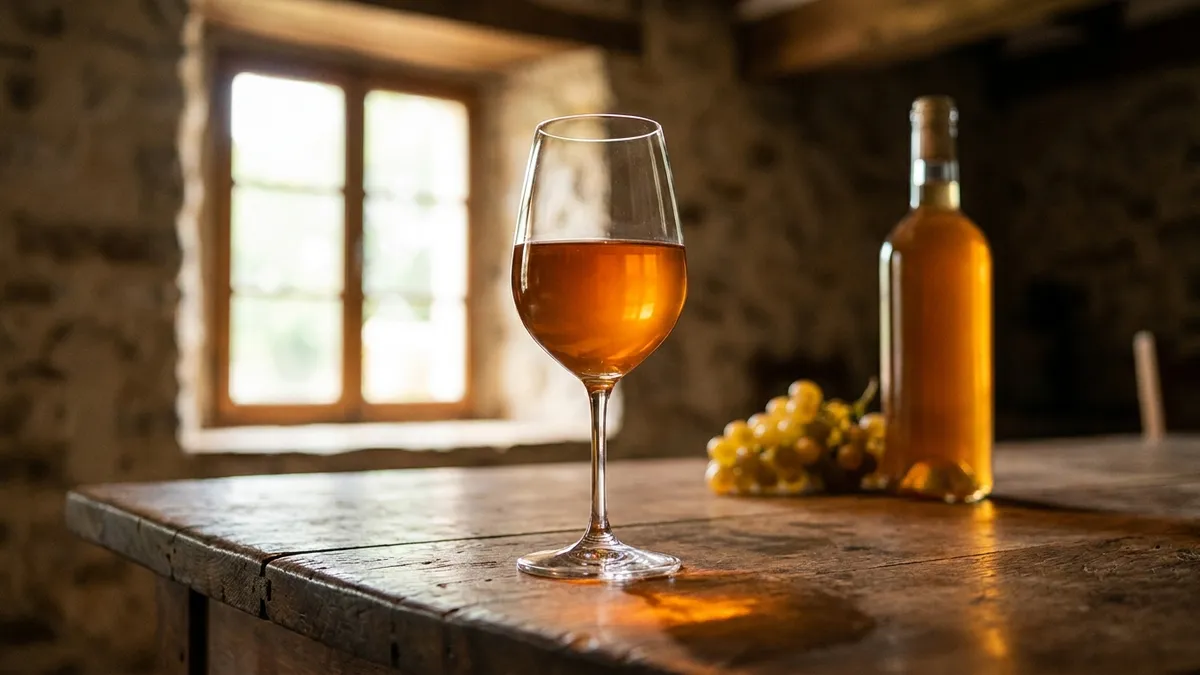
One clarification saves confusion. Skin contact is a technique; natural wine is a philosophy about additives and intervention. Many Friuli orange wines are also made with minimal intervention, but plenty of clean, conventional producers now make a skin-contact Ribolla too. The orange wine explained guide covers how to taste the style, and natural wine explained draws the line between the two ideas.
How Do the Sweet Wines and Rescued Reds Fit In?
Colli Orientali is where Friuli keeps its rarities. Two are sweet, two are red, and two of the four were nearly lost.
Picolit is a delicate white grape with a genetic habit of dropping its flowers before they set fruit, so bunches are sparse and yields tiny. The wine is a sweet, floral dessert white with its own DOCG. Ramandolo is sweet Verduzzo from vines around the village of the same name, often made by drying the grapes before pressing; expect peach, honey and a nutty finish. Both belong in the wider family covered by the dessert wine guide.
The reds are the better story. Schioppettino has been recorded around Prepotto since 1282, when it appeared in a wedding record, but growers replanted with French varieties after phylloxera (the root-eating vine pest that devastated Europe's vineyards in the late 1800s). By the 1960s, VinePair's history of the grape counts fewer than a hundred vines left. A local family found about seventy of them in the early 1970s, propagated cuttings, and bottled the first modern Schioppettino in 1977. A 1978 decree then formally encouraged planting in the province of Udine.
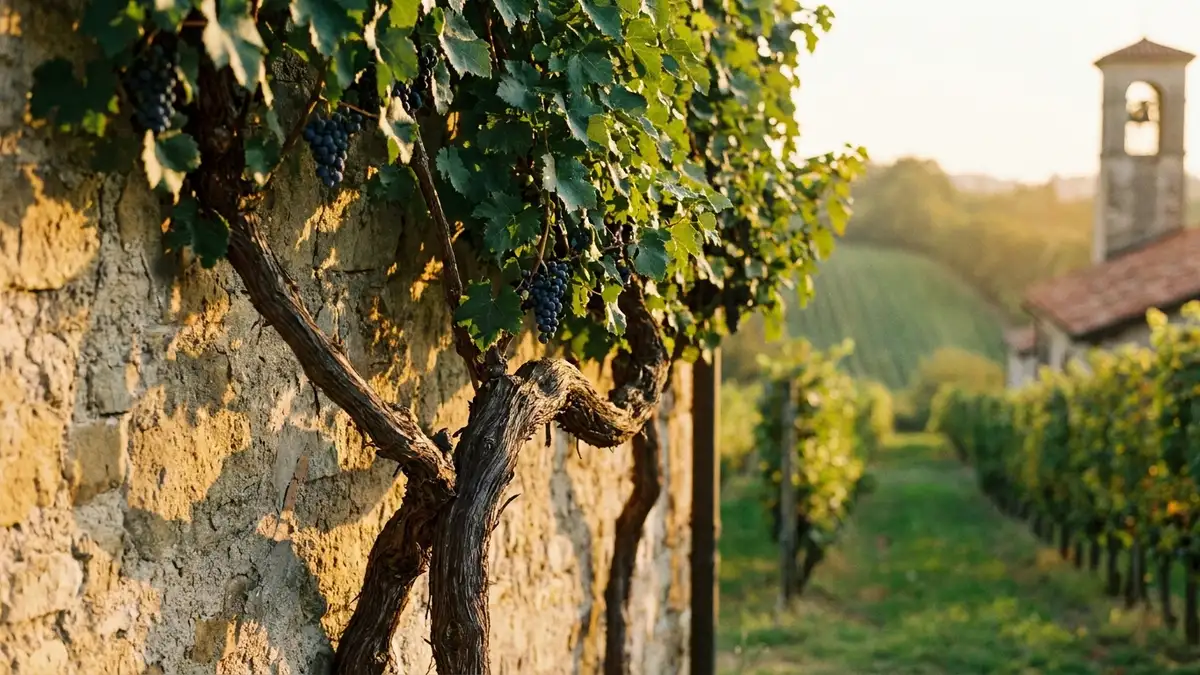
Pignolo had an even narrower escape. By the 1970s the best-known survivors were a few old vines growing against a wall at the Abbey of Rosazzo. Cuttings from those vines repopulated the hills, and the grape now makes dense, tannic, plum-scented reds that reward a decade in the cellar. Neither grape will ever be a volume wine. Both are proof that Friuli's identity is as much about what it refused to lose as about Pinot Grigio.
How Should You Start Tasting Friuli Wine?
Start with three dry whites from three price levels, then add one red and one orange wine once the whites make sense. The goal is to taste what the hills add, not to hunt for a famous name.
- A Friuli Grave or Isonzo Friulano for the baseline: pear, almond, that bitter-nut finish, fresh and simple.
- A Collio or Colli Orientali Friulano to feel what ponca does: more weight, a salty edge, a longer finish.
- A hillside Pinot Grigio to reset your idea of the grape after years of neutral supermarket versions.
- A Refosco for the region's everyday red: chill it slightly and notice the acidity and bitter twist.
- An orange Ribolla Gialla last, once your palate has a reference for the normal version.
Serve the whites cellar-cool rather than fridge-cold, so the texture shows. The how to taste white wine guide gives the look-smell-taste method that fits these wines well, because so much of Friuli's story is texture and finish rather than loud fruit.
Friuli is not a region that shouts. It makes serious dry whites in a country famous for reds, it rescued grapes nobody else grows, and it started a global style almost by accident. When you are ready to compare it with its neighbours, the Veneto wine guide and the Alto Adige wine guide complete the north-east, and the wine regions hub holds the rest of the map.
Sources
- Italian Wine Central — Friuli-Venezia Giulia region statistics (DOCGs, DOCs, hectares, 2022 production)
- Wikipedia — Friuli Venezia Giulia wine (soils, climate, grape varieties)
- Wikipedia — Friulano (grape): the Tocai name dispute and the 31 March 2007 deadline
- Wikipedia — Schioppettino: 1282 records, near extinction and the 1978 planting decree
Frequently Asked Questions
What wine is Friuli Venezia Giulia known for?
Friuli is known for dry white wine. In 2022 the region made over 2.2 million hectolitres, and 86% of it was white. The signature grape is Friulano, with Ribolla Gialla, Pinot Grigio, Sauvignon and Malvasia Istriana alongside it. The region is also the birthplace of modern orange wine and home to a handful of rare reds such as Refosco, Schioppettino and Pignolo.
What is the difference between Friulano and Tocai?
There is no difference in the grape. Friulano is the name Italian producers have used since 31 March 2007, the deadline set after a 2005 European Court of Justice ruling settled a decades-long dispute with Hungary's Tokaji region over the word Tocai. The vine is still catalogued as Tocai Friulano in Italy's national grape registry, and wineries outside the EU may still print the old name.
What is the difference between Collio and Colli Orientali del Friuli?
Both are hillside zones on crumbly ponca soil and both are white-wine specialists. Collio hugs the Slovenian border around Gorizia and is over 85% white, with a reputation for textured, saline Friulano, Ribolla Gialla and Sauvignon. Colli Orientali sits just to the north, is larger, and holds more of the region's rare reds and sweet wines, including Picolit, Ramandolo, Schioppettino and Pignolo.
What is ponca soil?
Ponca is the local name for a crumbly, layered mix of marl (a calcium-rich clay) and sandstone laid down on an ancient seabed and lifted into hills. It drains fast, forces vines to root deep, and gives Collio and Colli Orientali whites their salty, stony edge. The same soil continues across the border into Slovenia's Brda district, which is why wines from both sides taste like cousins.
Why did orange wine start in Friuli?
In the late 1990s a few winemakers in Collio and Colli Orientali went back to their grandparents' habit of fermenting white grapes on their skins for weeks or months. Ribolla Gialla, a thick-skinned local grape with high acidity, suited the method perfectly. The amber, lightly tannic wines they made became the template for the worldwide orange wine revival.
Is Friuli wine good value?
Usually, yes. Friuli Grave and Isonzo produce large volumes of clean, fresh Pinot Grigio, Friulano and Sauvignon at everyday prices. The hillside zones cost more, but even there Friuli lacks the global fame of Tuscany or Piedmont, so top Collio and Colli Orientali whites tend to be priced below equivalent-quality wines from more celebrated regions.
What are the four DOCGs of Friuli?
Friuli has four DOCGs, the top tier of Italian wine law: Colli Orientali del Friuli Picolit, a rare sweet white; Ramandolo, a sweet wine from the Verduzzo grape; Rosazzo, a dry white blend promoted from a Colli Orientali subzone in 2011; and Lison, a white from Friulano that straddles the border with Veneto. Some guides list only two, but four is the current count.
Sommy Team
LinkedInFounder & Wine Educator
The Sommy Team is building the world's most approachable wine education app, helping beginners develop real tasting skills through structured courses and AI-guided practice.