Emerging Wine Regions: 10 Places Redrawing the Wine Map

By the Sommy Team — AI-assisted, human-edited.
Updated Sep 25, 2026
Contents (12)
- What Are Emerging Wine Regions?
- Why Are New Wine Regions Appearing Now?
- How Do You Pick a Bottle From an Emerging Region?
- Why Is English Sparkling Wine Compared to Champagne?
- How Far North Can Vineyards Go? Sweden and Poland
- Why Is Tasmania So Good for Cool-Climate Wine?
- Is Chinese Wine Any Good?
- What Is Koshu, Japan's Thousand-Year-Old Grape?
- Can Wine Grapes Grow in the Tropics?
- What Grape Is Uruguay Known For?
- Why Are Brazil and Mexico Called Emerging When Their Vines Are Old?
- How Do You Taste Your Way Around the New Map?
TL;DR
Most emerging wine regions are old vineyards with new reputations. England and Tasmania gained ripening warmth, Sweden and Poland rely on hardy hybrid grapes, Thailand prunes for two crops a year, and Ningxia, Japan, Uruguay, Brazil and Mexico are finally being judged on quality. Buy by grape first, then place.
Most emerging wine regions are old vineyards with new reputations. Only the coldest and the hottest places on this list are new to winemaking, and each of the ten got onto the map by one of four routes.
What Are Emerging Wine Regions?
Emerging wine regions are places that have only recently started making wine good enough to earn international attention from critics, judges and importers. The label describes recognition, not the arrival of the first vine. Only a few, such as southern Sweden, are new vineyards.
Grape growing in Japan's Yamanashi is traditionally dated to 718 AD, and missionaries grew grapes in Mexico's Valle de Guadalupe in the 1830s. The ten covered here are England, Sweden, Poland, Tasmania, China's Ningxia, Japan's Yamanashi, Thailand, Uruguay, Brazil and Mexico. They share one of four routes: warmer summers, hardier grapes, clever vineyard techniques, or old regions finally judged on quality. The UK, mostly England, produced a record 21.6 million bottles in 2023.
Why Are New Wine Regions Appearing Now?
Four routes explain almost every new name on the map. Warmer summers let cold places ripen grapes. New hybrid grapes survive frost and mildew. Vineyard tricks tame extreme heat. And long-ignored regions are finally tasted and judged beside the classics.
The first route matters most for the cold edge. A cool climate (a place where grapes ripen slowly, giving tarter, lighter wine) used to fail in bad years. English growers now credit warmer summers and grapes adapted to them with rising investment and sales. The same heat brings drought and fire risk to parts of southern Europe and California, so warming shifts good sites toward the poles. The climate and wine flavour guide shows how that warmth changes acidity and alcohol in the glass.
| Region | Route onto the map | Grounding fact | Try first |
|---|---|---|---|
| England | Warmer summers | UK record of 21.6 million bottles in 2023 | Traditional-method sparkling |
| Tasmania (Australia) | Warmer summers | Warming helps grapes ripen fully | Sparkling wine or Pinot Noir |
| Southern Sweden | Hybrid grapes | Hybrids made outdoor vines viable | Crisp dry white |
| Poland | Hybrid grapes | Frost- and disease-resistant varieties | Crisp dry white |
| Thailand | Vineyard technique | Vines pruned for two crops a year | Dry-season white or rosé |
| Ningxia (China) | Quality recognition | International trophy in 2011 | Cabernet-based red |
| Yamanashi (Japan) | Quality recognition | Grape growing traditionally dated to 718 AD | Koshu white |
| Uruguay | Quality recognition | Tannat is 36% of European-grape plantings | Tannat red |
| Serra Gaúcha (Brazil) | Quality recognition | Oldest and most important Brazilian region | Sparkling wine |
| Valle de Guadalupe (Mexico) | Quality recognition | Mission grapes grown in the 1830s | Dry red blend |
How Do You Pick a Bottle From an Emerging Region?
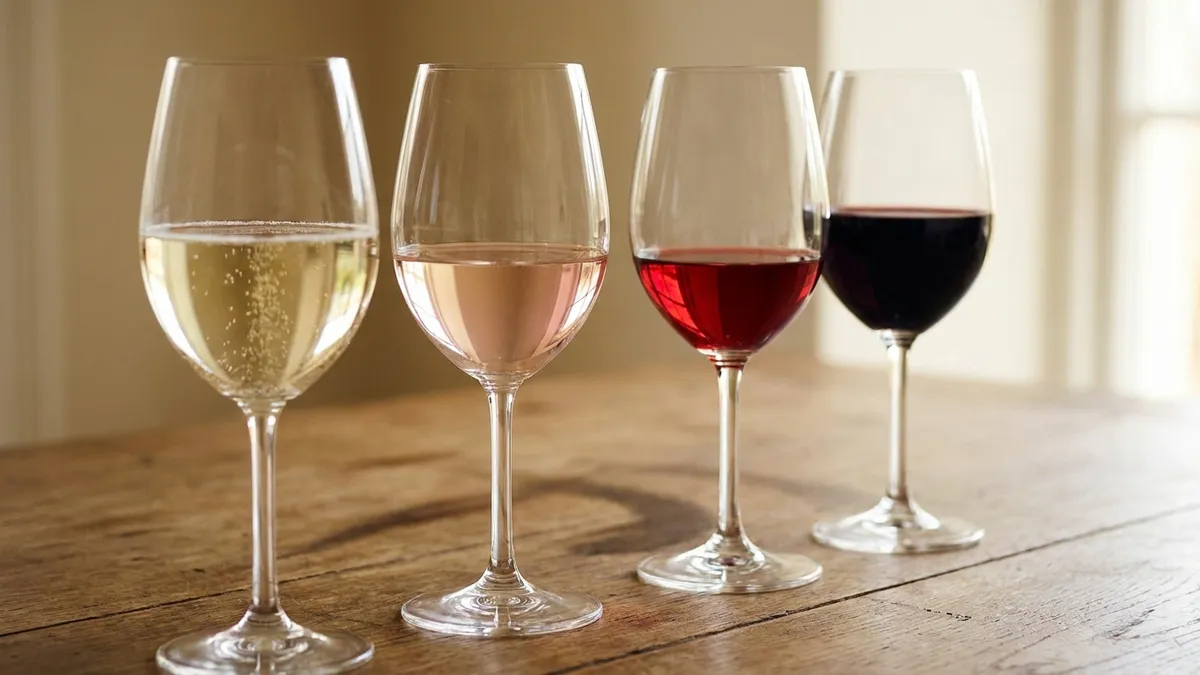
Buy by grape first and place second. If the label names a grape you already drink, choose that bottle, because you have a classic version to compare it with. If the front names only a place, turn to the back label for the grape before you pay.
Route predicts style. If the region reached the map through warmer summers or hybrid grapes, expect high acidity and moderate alcohol, so serve it with salty or fried food. If it arrived through quality recognition in a sunny place, such as Ningxia or Baja California, expect riper, fuller reds that suit grilled meat. Tiny regions export little, so a specialist shop or a restaurant list is the usual place to find them. The old world vs new world wine guide explains why the same grape changes character between old and new places.
Why Is English Sparkling Wine Compared to Champagne?
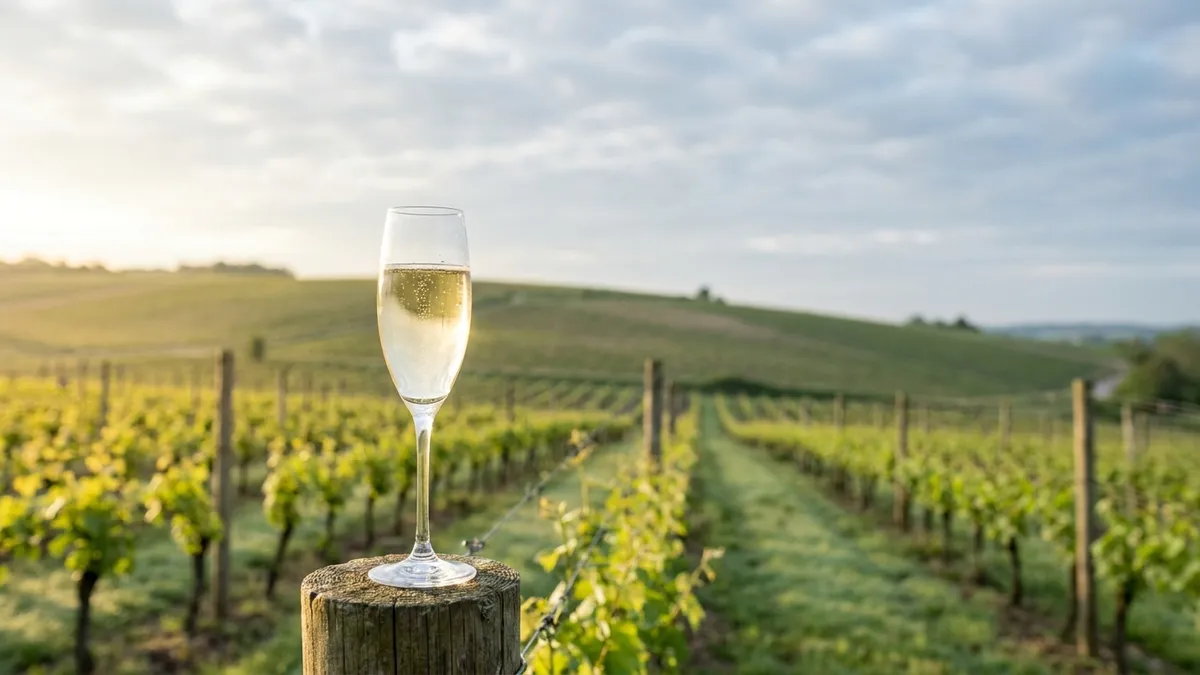
English sparkling wine is compared to Champagne because it uses the same grapes and the same method, on similar chalk, in a cool climate. The traditional method means the second fermentation happens inside the sealed bottle, which makes the bubbles. Chardonnay, Pinot Noir and Pinot Meunier are the usual grapes.
The scale is no longer a hobby. The UK has more than 1,100 vineyards, and its production hit a record 21.6 million bottles in 2023. Warmer summers made the harvest far less of a gamble, though the wet 2024 vintage still roughly halved it. The climate still keeps acidity (the tartness that makes your mouth water) high, so the wines taste of green apple and lemon, with bread notes from time on spent yeast.
If you like crisp Champagne, English traditional-method sparkling is the first emerging-region bottle to buy. The English wine guide covers its counties and grapes, and the Champagne region guide covers the original.
How Far North Can Vineyards Go? Sweden and Poland
Commercial vineyards now reach southern Sweden, mainly because of hybrid grapes bred to survive cold and disease. A hybrid grape is a cross between the classic European wine species, Vitis vinifera, and hardier American or Asian vines. Commercial outdoor vineyards are a recent idea in Sweden, and the largest cluster sits in Scania, the southern tip.
Sweden has no protected designation of origin (a legally defined place name with quality rules) for its wine. That means Swedish producers cannot use the protected quality-wine place names found elsewhere in Europe, whatever the wine's quality. A plain Swedish label says nothing about how good the wine is.
Poland followed the same path. Its growers plant hybrids alongside vinifera because they resist harsh weather. A forecast repeated in Polish wine histories suggests warming could make Poland a leading producer in the coming decades. Treat that as a projection, since no harvest has proved it yet.
If you find a Swedish or Polish white, serve it cold with fried fish or salted snacks, because its high acidity cuts oil and salt. The hybrid grapes guide explains how these crosses taste.
Why Is Tasmania So Good for Cool-Climate Wine?
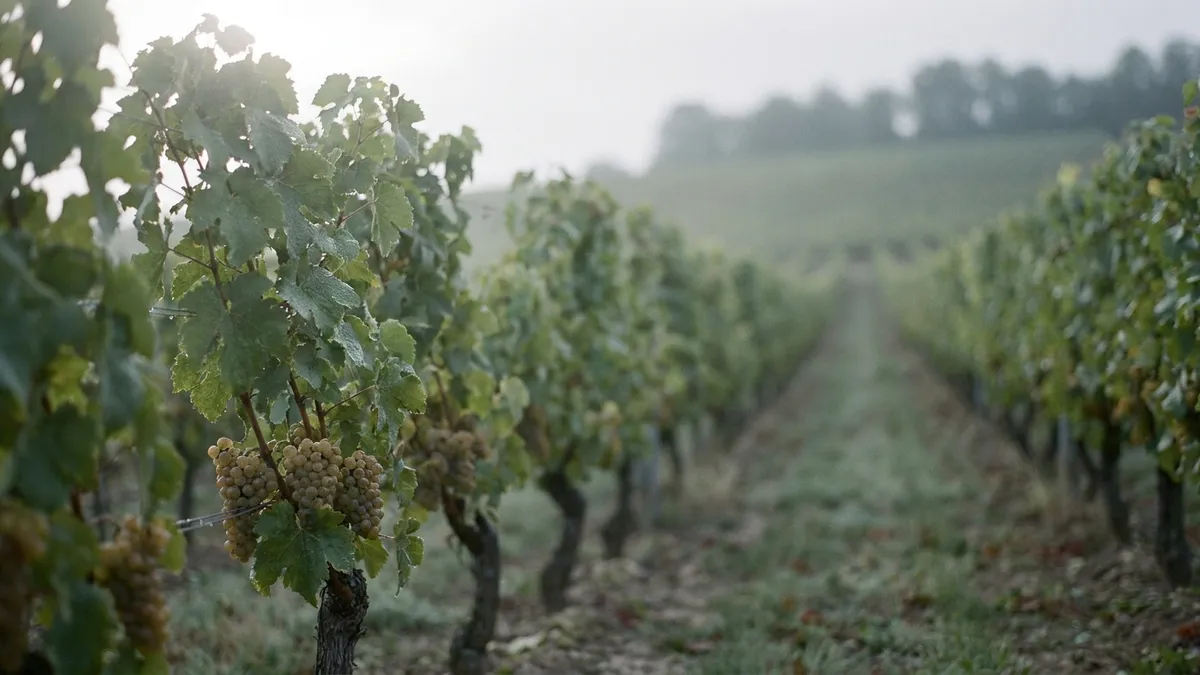
Tasmania sits far enough south to stay cool, and warming since the early 2000s has let its grapes ripen fully in most vintages. The Australian island off the southern coast now has a global reputation as a leading producer of premium cool-climate wine, praised by judges and critics.
That combination suits the grapes that need a long, gentle season. Sparkling wine and Pinot Noir are the styles to look for, both built on the tart acidity a cool island keeps. If you already enjoy cool-climate Pinot Noir from Burgundy or Oregon, a Tasmanian one is the natural next bottle. The Australian wine guide places the island beside the warmer mainland regions.
Is Chinese Wine Any Good?
Chinese wine from Ningxia can be very good: its reds have won an international trophy and beaten Bordeaux blind. In September 2011 a Ningxia winery won a Decanter World Wine Awards international trophy for a red made from Bordeaux grapes. That December, a blind tasting set Ningxia against Bordeaux, and four of the top five wines were from Ningxia.
Ningxia sits on the edge of the desert in China's northwest, where a small wine industry had been growing since the 1980s before anyone judged the wine abroad. The poor reputation many drinkers still hold comes from older bulk wine made in eastern China, a separate story.
Look for a red based on Cabernet Sauvignon, the Bordeaux grape behind the award. Serve it with lamb or beef, because its firm grip needs fat and protein. The China wine guide maps the country's other regions.
What Is Koshu, Japan's Thousand-Year-Old Grape?
Koshu is a pink-skinned white grape grown mainly in Japan's Yamanashi Prefecture, where its vines trace back about a thousand years. They probably came from the Caucasus along the Silk Road. Grape growing in Katsunuma, Yamanashi, is traditionally dated to 718 AD, though local winemaking only began in 1875.
Yamanashi makes about a third of Japan's domestic wine. The Koshu Valley alone holds 70 of the prefecture's roughly 80 wineries. Japan legally protects only a handful of wine place names, Yamanashi among them since 2013. If the label names Koshu and Yamanashi, you are holding the local grape.
Koshu makes a white with light body (the weight of the wine in your mouth, like skimmed versus whole milk) and gentle citrus. With sushi or grilled white fish, choose Koshu over an oaked white, because its light weight does not bury delicate fish. The Japan wine guide covers the reds too.
Can Wine Grapes Grow in the Tropics?
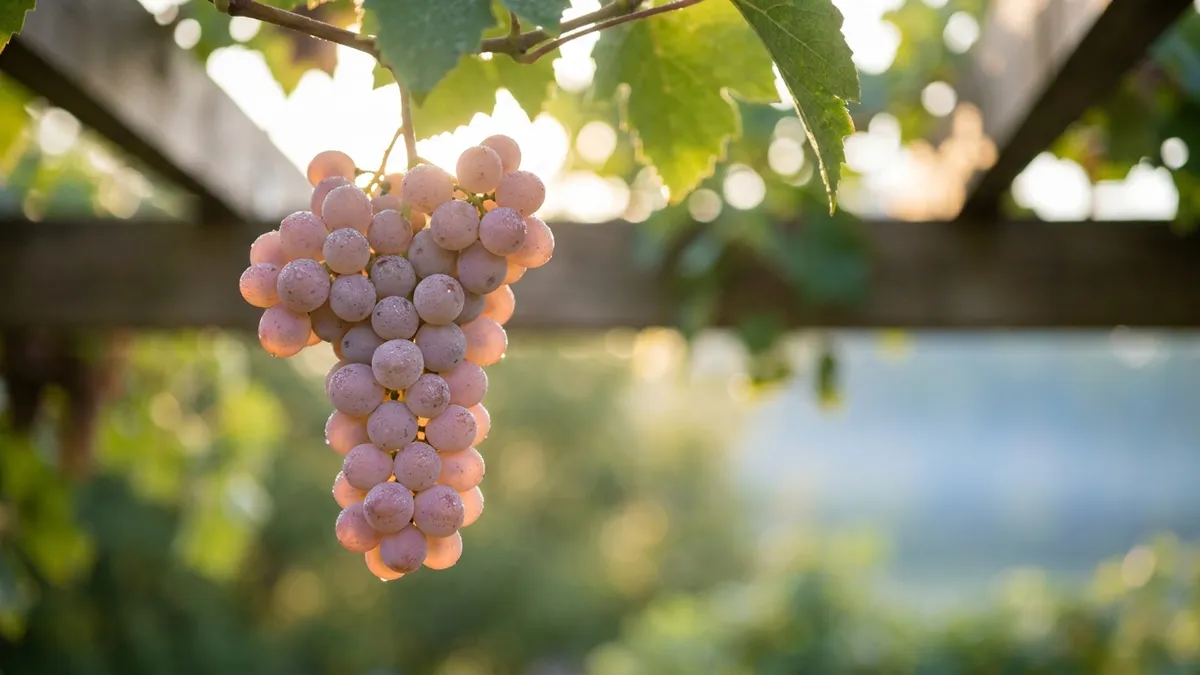
Yes, with a trick: Thai growers prune vines so they bear two crops a year, and keep the dry-season grapes for their better wine. Thailand makes what is called new-latitude wine, grown well outside the band traditionally thought suitable for wine grapes. The wet-season crop becomes simple table wine.
Thailand's route is the opposite of England's: the problem is too much heat and rain, not too little warmth. Pruning moves the harvest into the drier months, when grapes can ripen without rot. Most Thai wine comes from Hua Hin, on the northwest coast of the Gulf of Thailand, and from Khao Yai, in the foothills of the national park.
If you taste Thai wine, pick a white or rosé from the dry-season crop and drink it cold with spicy food, because chilli makes alcohol and tannin burn. The wine with Thai food guide has more on handling that heat.
What Grape Is Uruguay Known For?
Uruguay is known for Tannat, a thick-skinned red grape that makes up 36% of the country's European wine-grape plantings. A Basque immigrant brought it in 1870, and the modern Uruguayan wine industry dates from then. In 2023 the country harvested 102,964 tonnes of grapes from 9,023 hectares of vineyard.
Thick skins mean deep colour and plenty of tannin (the drying grip on your gums). If the dish is fatty grilled steak or sausage, pour Tannat, because fat softens that grip. If the dish is lean chicken or fish, pick a lighter red instead, because nothing on the plate cushions the tannin. The Tannat wine guide and the Uruguay wine guide go further.
Why Are Brazil and Mexico Called Emerging When Their Vines Are Old?
Both countries have grown grapes for centuries; what is new is wine good enough to travel. Brazil's first vines arrived with Portuguese settlers. Its oldest and most important wine region, Serra Gaúcha, the "Gaucho Highlands", is best known for sparkling wine.
Mexico's story is similar. In the 1830s, Dominican missionaries grew grapes at a mission in what is now the Valle de Guadalupe. Today Baja California makes most of Mexico's wine, and some enthusiasts call the valley "the next Napa Valley".
For Brazil, start with a Serra Gaúcha sparkling wine as an aperitif with salty snacks; the Brazil wine guide explains the styles. For Mexico, pick a Valle de Guadalupe red with grilled meat tacos. With spicy salsa, choose a red that is not high in alcohol, because chilli makes alcohol burn.
How Do You Taste Your Way Around the New Map?
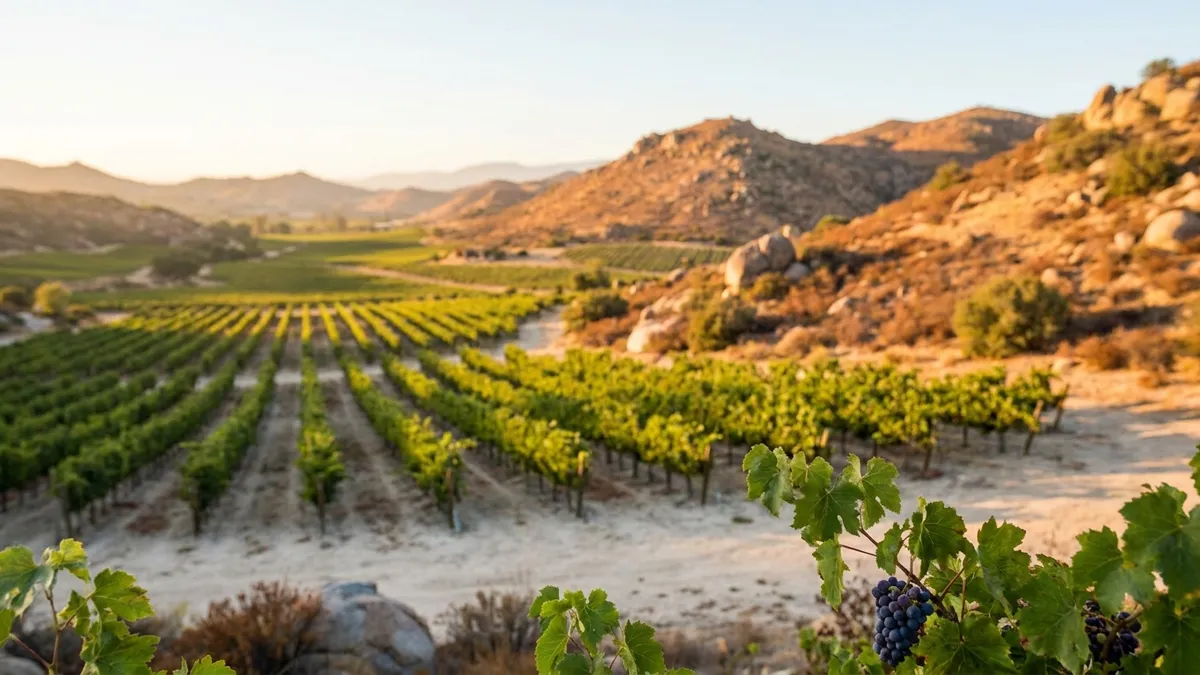
Taste one emerging-region wine next to its classic model from the same grape. English sparkling goes beside Champagne, Tasmanian Pinot Noir beside Burgundy, and Ningxia Cabernet beside Bordeaux. The differences in acidity and ripeness show you the route each place took. The full wine regions hub covers the classic model for each.
Sommy's regional courses on France, Spain, Italy and California teach those classic reference points in short lessons. Tonight, buy one bottle from a region on this list and photograph its label in the tasting mode of the Sommy app. Then pour it beside its classic twin and taste the two side by side.
Sources
- Wikipedia: English wine (WineGB production and vineyard figures)
- Wikipedia: Wine in China (Ningxia awards and blind tasting)
- Wikipedia: Japanese wine (Koshu and Yamanashi)
- Wikipedia: Uruguayan wine (Tannat and production)
- Wikipedia: Mexican wine (Baja California and Valle de Guadalupe)
- Wikipedia: Misión de Nuestra Señora de Guadalupe del Norte (founded 1834)
- National Tax Agency Japan: Geographical indications for liquor (GI Yamanashi, 2013)
- WineGB: UK vineyard and production figures
Frequently Asked Questions
What are the fastest-growing wine regions in the world?
England is the clearest example of fast growth: UK wine production hit a record 21.6 million bottles in 2023, and the UK has more than 1,100 vineyards. Ningxia in China grew from a little-known province into an award-winning red-wine region within a decade. Both grew because warming, investment and better vineyard sites arrived at the same time.
Is climate change creating new wine regions?
Yes, at the cold edges. Warmer summers helped England build its sparkling-wine industry and let Tasmania's grapes ripen fully in most vintages since the 2000s. The same heat stresses some classic warm regions with drought and fire risk. Climate change redraws the wine map rather than improving it everywhere, and hybrid grapes did as much as warming to push vineyards into Sweden and Poland.
Is Chinese wine any good?
Wine from Ningxia can be very good. In September 2011 a Ningxia winery won an international trophy at the Decanter World Wine Awards, and in a December 2011 blind tasting against Bordeaux, four of the five top wines were from Ningxia. The weaker reputation belongs to older bulk wine from eastern China, a separate story from Ningxia's Cabernet-based reds.
Can you grow wine grapes in the tropics?
Yes. Thailand makes what is called new-latitude wine, well outside the band usually thought suitable for wine grapes. Growers prune the vines so they bear two crops a year. The fine wines come from grapes that ripen in the relatively dry season, while the wet-season crop becomes simple table wine. Most Thai wine comes from Hua Hin and Khao Yai.
What grape is Uruguay known for?
Uruguay is known for Tannat, a thick-skinned red grape that covers 36% of its European wine-grape plantings. A Basque immigrant brought it in 1870, and the modern industry dates from then. Tannat makes deeply coloured red wine with firm tannin, so it tastes best beside fatty grilled meat, which softens that drying grip.
Where is the next Napa Valley?
Some enthusiasts give that nickname to Mexico's Valle de Guadalupe in Baja California, the state that makes most of Mexico's wine. The valley is not new: Dominican missionaries grew grapes at a mission there in the 1830s. What changed recently is its reputation for quality wine and food, which draws visitors the way Napa did decades earlier.
Sommy Team
LinkedInFounder & Wine Educator
The Sommy Team is building the world's most approachable wine education app, helping beginners develop real tasting skills through structured courses and AI-guided practice.