Vin Gris: The Palest Rosé, Side by Side With Other Pinks

By the Sommy Team — AI-assisted, human-edited.
Updated Nov 3, 2026
Contents (9)
- What Is Vin Gris, in One Paragraph?
- Is Vin Gris the Same as Rosé?
- How Do You Spot a Real Vin Gris on the Label?
- Which Vin Gris Should You Buy?
- What Does Vin Gris Taste Like?
- How Should You Serve Vin Gris, and What Do You Eat With It?
- How Is Vin Gris Made?
- Is Vin Gris Made From Pinot Gris?
- Where Does Vin Gris Come From?
TL;DR
Vin gris is a very pale rosé made by pressing red grapes straight away, so the juice gets almost no skin contact. Typical rosé spends two to twenty hours on the skins. The term is loosely used on labels, except in Lorraine's Côtes de Toul, where written rules set the grape mix.
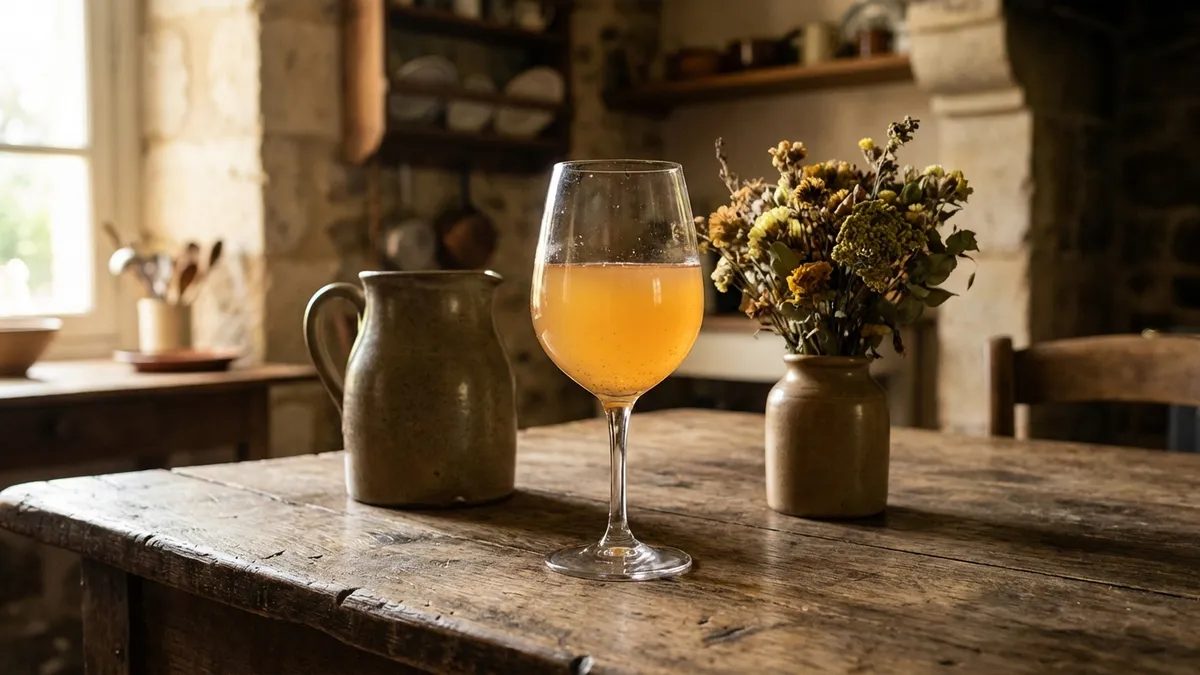
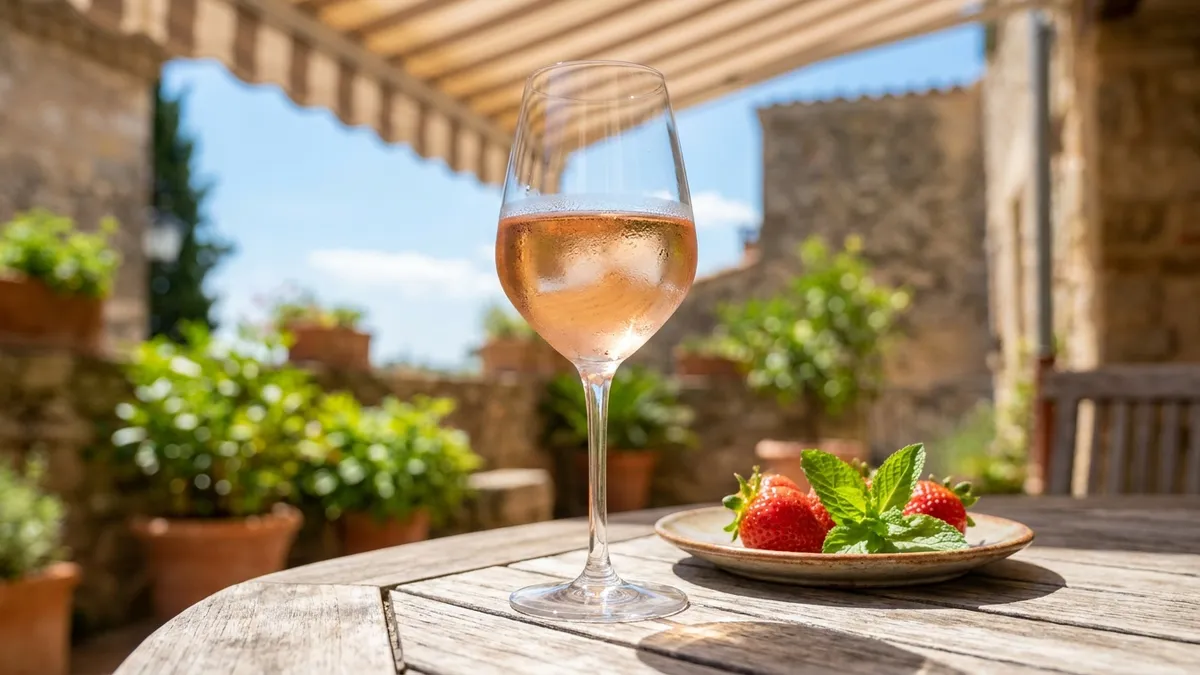
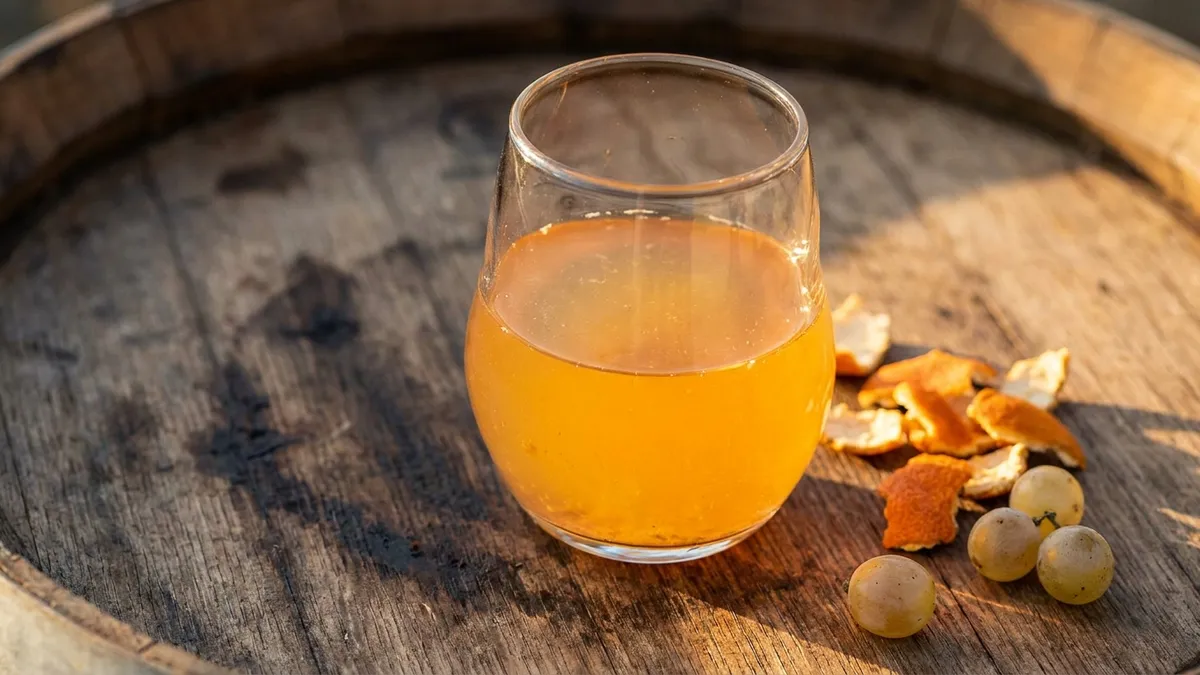
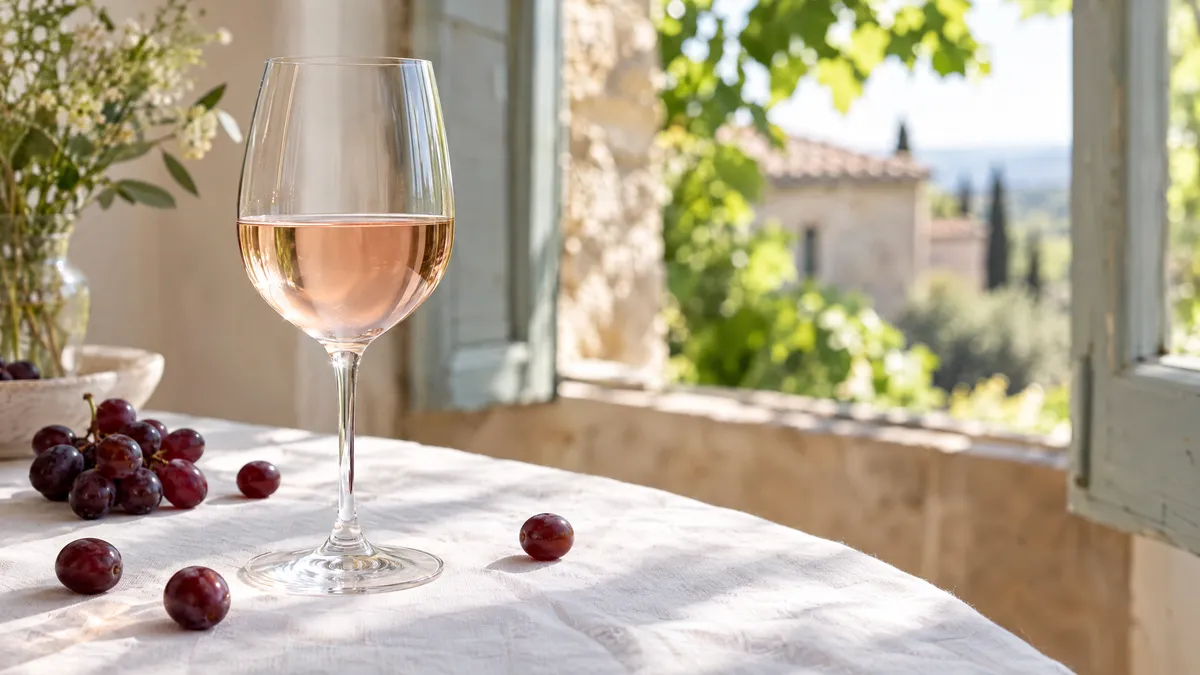
Vin gris is rosé whose red grapes go straight into the press, so the juice barely touches the skins and comes out the palest pink there is. The name means "grey wine". The glass looks like onion skin or pale salmon, and the wine tastes light and tart.
What Is Vin Gris, in One Paragraph?
Vin gris is a very pale rosé made from red grapes that are pressed straight away, with almost no time on the skins. The colour of red grapes sits in their skins, and the juice inside is nearly clear. Most rosé gets its pink from maceration (leaving the juice to soak on the skins), usually for two to twenty hours. Vin gris skips the soak. The grapes are pressed like white grapes, the juice is usually fermented in stainless steel without oak, and the wine is bottled young. The usual grapes are Pinot Noir, Gamay, Grenache and Cinsault. Outside one French appellation, the term is loosely regulated.
Is Vin Gris the Same as Rosé?
Yes, it is a kind of rosé: the palest kind, made with the least skin contact. Pink wines sit on a ladder set by time on the skins, and vin gris is the bottom rung. Saignée (French for "bleeding") sits higher: juice is drained off a red wine tank to concentrate the red, and becomes a deeper pink.
| Pink wine | Skin contact | Colour | Usual taste | Pick it if |
|---|---|---|---|---|
| Vin gris | Almost none, pressed at once | Onion skin to pale salmon | Light, tart, soft strawberry and citrus | You want the lightest, crispest pink for salads and fish |
| Typical rosé | About 2 to 20 hours | Pale to medium pink | Fresh strawberry and raspberry, light body | You want an all-round pink for a mixed table |
| Saignée rosé | Drained off a red tank after some soaking | Deep pink to light red | Riper cherry and raspberry, more weight | The food is richer: roast pork, grilled sausages, spice |
| Blush | Short, but the key is leftover sugar | Pale to medium pink | Relatively sweet | You want a sweet pink, served very cold |
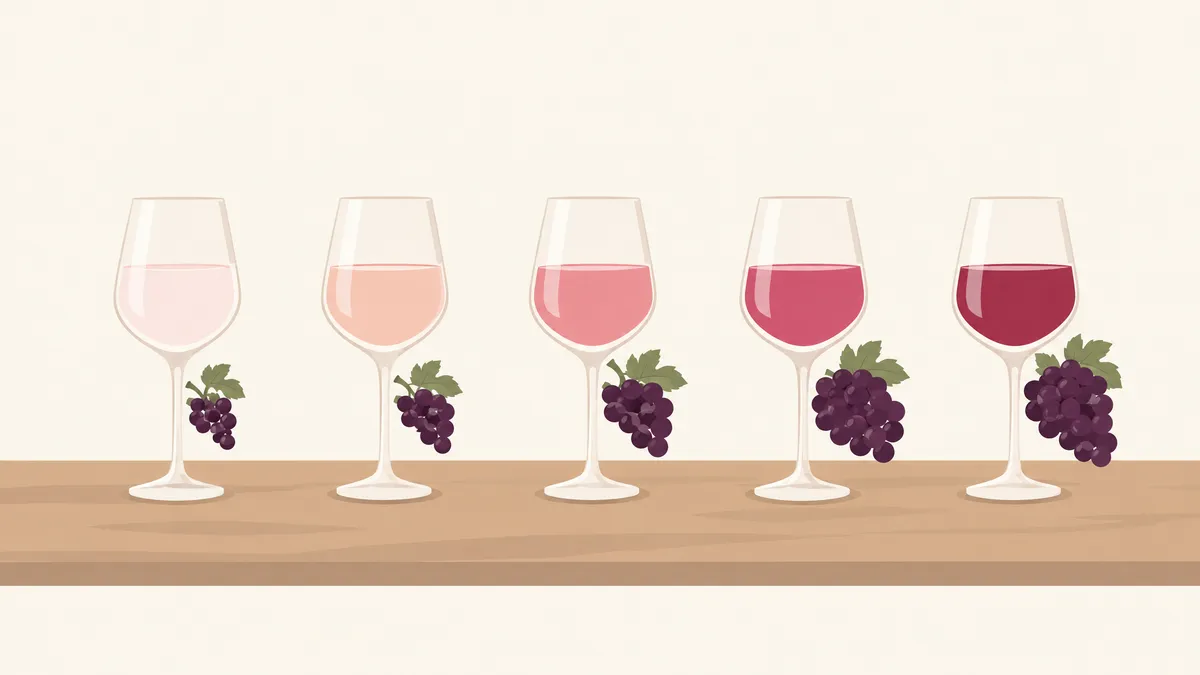
The rosé wine guide covers all three rosé methods and the main regions. The grapes behind each shade of pink are sorted in the rosé grapes guide.

Quick check
One question on what you just read
Why is vin gris paler than a typical rosé?
Tap an answer to see how you did.
How Do You Spot a Real Vin Gris on the Label?
Look for the Côtes de Toul name, a back label saying the grapes were pressed straight away, or the word "gris" on a wine from Lorraine or Morocco. Elsewhere the term is not strictly regulated, and producers use it the way others use "blush" or "pink".
Three checks settle it in the shop:
- Côtes de Toul on the label. This appellation (a protected place name with written rules) is the one place where vin gris has a legal recipe. If you see it, you are holding the traditional style.
- "Direct press" or "pressed immediately" on the back. If the producer describes the pressing, you are getting the method the name stands for.
- Neither. Treat the bottle as a pale rosé and judge it by colour. If it is darker than pale salmon, it had more skin contact than a classic vin gris.
Many pale Provence rosés use the same quick pressing without the name. The Provence wine guide explains why they look so similar.
Which Vin Gris Should You Buy?
Buy by where it comes from, because the place sets the grape and the weight. A bottle from Lorraine or Morocco is the closest thing to a guarantee of the style. Four kinds of bottle turn up on shop shelves under the name or close to it, and each suits a different table.
- Gris de Toul, from Lorraine. Pick it if you want the original: a Gamay-led blend with some Pinot Noir, picked at a low ripeness floor, so it is light and tart.
- Moroccan gris. Pick it if you want a soft, faintly pink wine for spiced food. Cinsault gives gentle strawberry and very little grip.
- Pinot Noir vin gris from the New World. Pick it if you want a little more fruit. Wineries in California and elsewhere use the name for their palest Pinot Noir rosé, and the back label usually says how the grapes were pressed.
- A pale Provence rosé. Pick it if no bottle says vin gris. Grenache and Cinsault pressed quickly give a near match in colour and weight.
If the shop has only one, take the youngest vintage on offer. If two look alike, pick the one whose back label describes the pressing, because that is the one making a claim you can check in the glass.
What Does Vin Gris Taste Like?
Light and tart, with fresh acidity (the tartness that makes your mouth water) carrying soft strawberry, a little citrus and a floral edge. The body is light, closer to a crisp white than to a red. There is almost no tannin, because tannin comes from the skins and the juice left them at once.
Pale colour shows skin contact, not sugar. A vin gris tastes sweet only if the fermentation stopped before the sugar ran out, and the style is usually made to taste dry. Expect strawberry that is fresh rather than jammy, because the grapes for vin gris are picked for freshness. Lemon peel comes next, from the high acidity. A faint flower note sits at the end.
The full look, smell and taste routine for pink wine is in how to taste rosé.
How Should You Serve Vin Gris, and What Do You Eat With It?
Cold, young, and with light food: salads, grilled fish, goat cheese and anything you would serve with a crisp white. Chill it as you would a white wine; the wine serving temperature chart gives the range for light rosé. A standard white wine glass works.
Buy the latest vintage on the shelf. Short skin contact leaves rosé with less stable colour, so these wines are made to be drunk soon after release. If a bottle is more than two summers old, pick a younger one.
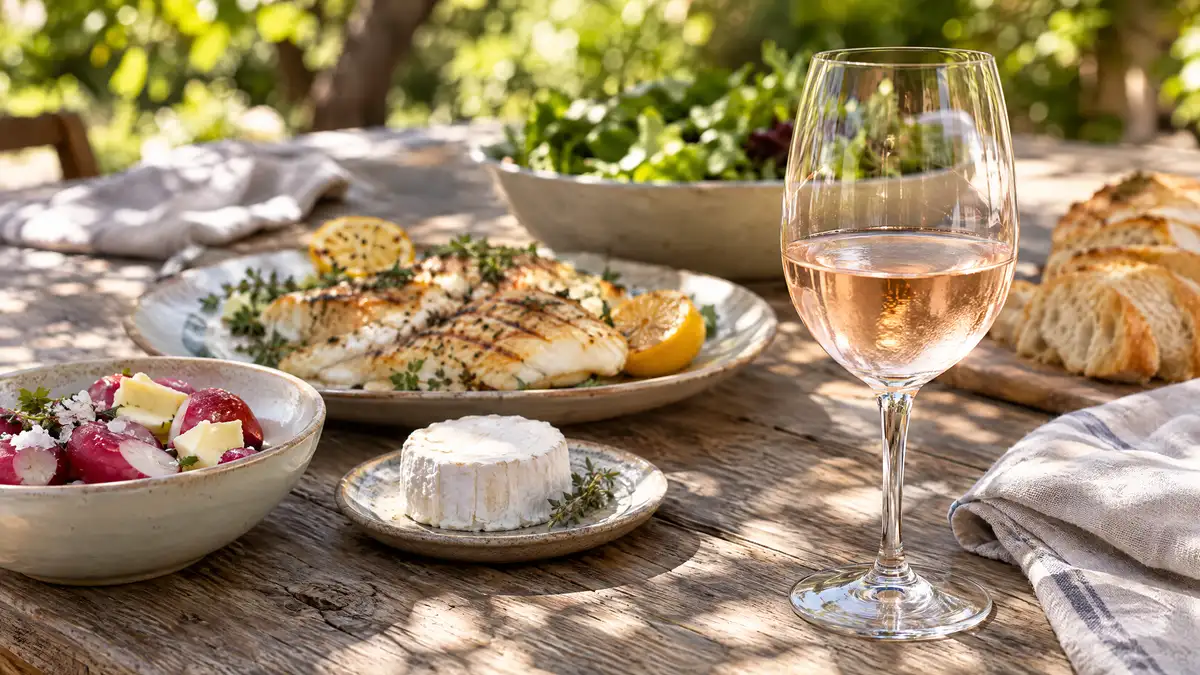
Match the wine's light weight and high acid:
- Radishes with butter and salt. The acidity cuts the butter, and the salt makes the fruit taste rounder.
- Grilled white fish or prawns with lemon. A light wine does not cover delicate flesh, and the lemon echoes the wine's tartness. More options sit in wine with seafood.
- Fresh goat cheese. Tart cheese needs a tart wine, or the wine tastes flat beside it.
- Picnic food. Cold chicken, ham and bread suit a chilled pink; the wine for picnics list has more.
If the dish has cream, roast pork or chilli heat, move up the table to a saignée rosé, whose extra weight stands up to fat and spice.
How Is Vin Gris Made?
Red grapes are pressed at once, like white grapes, and the juice is fermented away from the skins in steel tanks. Traditionally the term means red grapes handled with white winemaking practices. The winemaker skips the hours of soaking that colour most rosé, so the wine keeps only the faint pink the juice picks up in the press.
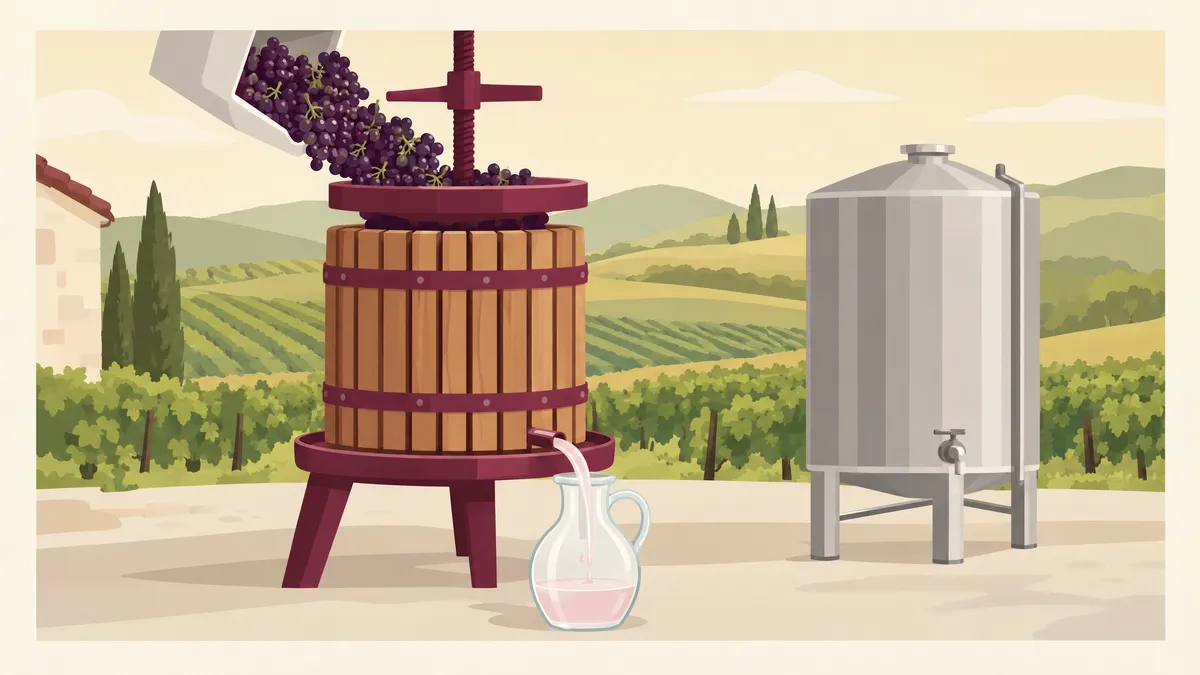
The steps, in order:
- Dark grapes arrive whole and go straight into the press.
- Gentle pressing releases the clear inner juice. It picks up a faint pink from brief contact with the skins on the way out.
- The juice is fermented in stainless steel, which keeps the fruit fresh.
- The wine skips oak ageing and is bottled early.
Every hour of soaking adds colour. Typical rosé stays on the skins for two to twenty hours, and the longer the contact, the deeper the pink. Press faster and gentler still, and red grapes can give an almost white wine: Champagne made from black grapes this way is called blanc de noirs.
Is Vin Gris Made From Pinot Gris?
Not by definition: "gris" describes the colour of the wine, not the grape. The wine is pale pink and never actually grey, so the name is figurative. Any red grape pressed at once can make it, and most vin gris comes from dark grapes with delicate skins.
Pinot Noir and Gamay lead in France, and Cinsault and Grenache are common further south. Pinot Gris has grey-pink skin, so it can be made into vin gris too, and some sources list it. The grape and the wine just share a word. The grape's own story, white wine and all, is in Pinot Grigio vs Pinot Gris.
If the label names Pinot Gris, expect a pale wine from a pink-skinned grape. If it names no grape, expect Pinot Noir, Gamay, Grenache or Cinsault.
Where Does Vin Gris Come From?
Its home is Lorraine in north-east France, where the Côtes de Toul appellation makes vin gris under written rules, and it is also a traditional pink of northern Morocco. Elsewhere it is a style word any winery can print, and producers use it loosely for their palest rosé.
Côtes de Toul lies in the Meurthe-et-Moselle département, west of the city of Nancy. Its vineyards cover about 110 hectares. Gamay-led vin gris is the most common wine there. The rules shape what is in the glass:
- At least two grape varieties in the blend, always Gamay and Pinot Noir, with those two in the majority.
- In each grower's vineyard, neither of those two above 85% of the vines, and at least 10% Pinot Noir.
- Other permitted grapes at most 15% of the vines.
- Grapes ripe enough for at least 9.5% potential alcohol, a low bar that suits a light, tart wine.
The region shrank after phylloxera (a vine-root pest that devastated European vineyards in the late 1800s), when growers replanted with grapes unsuited to quality wine. Its VDQS status, a lower legal tier, came in 1951. Full appellation status followed on 31 March 1998, which is why "Côtes de Toul" now appears on the label as a guarantee of the blend.
In Morocco, vin gris is made from Rhône red grapes such as Cinsault, with little to no maceration, giving a clear, faintly pink wine. The Morocco wine guide covers the country's reds and how its pinks are sold.
The other pink, orange and sparkling styles sit together in the wine styles hub. The Sommy app at sommy.wine has a bite-sized France course and an AI-guided tasting mode that starts from a photo of the label. Pour the palest rosé you can find tonight, hold it over white paper and check its rim before the first sip.
Sources
Frequently Asked Questions
What is vin gris?
Vin gris is a very pale rosé made from red grapes. The grapes are pressed straight away, like white grapes, so the juice spends almost no time on the dark skins and picks up only a faint pink. It is usually fermented in steel tanks, kept out of oak and bottled young. The name means grey wine, though the colour is onion skin or pale salmon.
Is vin gris the same as rosé?
Vin gris is a kind of rosé, the palest one. Typical rosé leaves the juice on the skins for two to twenty hours, and longer contact gives a deeper pink. Vin gris skips that soak and goes straight to the press. Outside the Côtes de Toul appellation the term is loosely used, so some bottles labelled vin gris are simply pale rosés.
Is vin gris made from Pinot Gris grapes?
Not by definition. The gris in vin gris describes the pale colour of the wine, not a grape. Most vin gris comes from red grapes such as Pinot Noir, Gamay, Grenache or Cinsault. Pinot Gris has grey-pink skin, so it can be pressed this way too, but a vin gris label tells you about the method and the colour, not the variety.
Is vin gris sweet or dry?
The pale colour says nothing about sugar. It only shows how little time the juice spent on the skins. Sweetness depends on whether the fermentation ran until the sugar was gone, and vin gris is usually made as a crisp, dry-tasting pink. If you want a sweet pink, look for the word blush, which now usually means a relatively sweet rosé.
What is Gris de Toul?
Gris de Toul is the vin gris of the Côtes de Toul appellation, west of Nancy in Lorraine, north-east France. It must blend at least two grapes, always including Gamay and Pinot Noir, and growers must plant at least 10% Pinot Noir. Gamay usually leads. The area gained full appellation status on 31 March 1998 and covers about 110 hectares.
What food goes with vin gris?
Light, fresh dishes that would also suit a crisp white wine: green salads, radishes with butter, grilled white fish, prawns, goat cheese and picnic food. The high acidity cuts through oil and salt, and the light body does not swamp delicate flavours. For creamy sauces, roast pork or spicy dishes, a deeper rosé with more weight is the better pick.
Sommy Team
LinkedInFounder & Wine Educator
The Sommy Team is building the world's most approachable wine education app, helping beginners develop real tasting skills through structured courses and AI-guided practice.