Smooth Red Wine: Which Grapes to Pick, Ranked by Tannin

By the Sommy Team — AI-assisted, human-edited.
Updated Nov 3, 2026
Contents (8)
TL;DR
A smooth red wine has soft tannin and gentle acidity, so it does not dry your gums or make your mouth pucker. Thin-skinned Gamay and Pinot Noir are the safest picks, then low-acid Grenache and ripe Merlot. Carbonic maceration and malolactic fermentation soften a red further. Smooth means texture, not sweetness.
Smooth red wine is the shop word for a red with soft tannin and gentle acid. The grape decides most of it. Thin-skinned Gamay and Pinot Noir give the softest feel, low-acid Grenache and ripe Merlot come next, and grippy grapes such as Sangiovese and Cabernet Sauvignon sit at the other end.
What Does Smooth Red Wine Mean, in One Paragraph?
A smooth red wine has soft tannin (the drying grip on your gums) and fairly low acidity (the tartness that makes your mouth water), so it slides over the tongue without drying or stinging. Wine reference books define it as "a wine with soft tannins." A sommelier quoted by Food & Wine adds low acid to the picture. Tannin comes from grape skins, seeds and stems, so thin-skinned grapes start soft. Gamay and Pinot Noir are the low-tannin classics, and Grenache wines "tend to lack acid, tannin and color." Merlot carries fewer tannins per unit volume than Cabernet Sauvignon. Two cellar methods soften a red further: carbonic maceration and malolactic fermentation.
Which Grapes Make the Smoothest Red Wine?
Gamay and Pinot Noir are the safest soft reds, followed by Grenache and a ripe Merlot. Tempranillo sits in the middle, with thick skins that give a firmer grip. Sangiovese and Cabernet Sauvignon grip hardest of the common grapes, so save them for a meal with protein and fat.
| Grape | Tannin | Why it feels soft (or not) | Pick it if |
|---|---|---|---|
| Gamay (Beaujolais) | Low | Thin skins; often made by carbonic maceration | You want the softest, juiciest red on the shelf |
| Pinot Noir | Low | Thin skins, few skin compounds, light to medium body | You want soft tannin with a light, fresh feel |
| Grenache (Garnacha) | Low | Lacks acid, tannin and colour; ripens fully in heat | You want soft and warm, with more weight |
| Merlot | Medium-low | Thinner skins and fewer tannins than Cabernet | Cabernet felt too drying but you like dark plum fruit |
| Tempranillo | Medium | Thick skins; often aged in oak | You already enjoy Merlot and want a step up in grip |
| Sangiovese | Medium-high | Moderate to high tannin despite a light colour | You are eating rich, salty food, not sipping alone |
Tannin
silky → soft → medium → firm → gripping
Gamay makes wines that are "typically light bodied and fruity," and its best-known home is Beaujolais. Pinot Noir has thin skins and low levels of the compounds that build tannin, so it makes low-tannin wines of light to medium body. The Pinot Noir guide covers where it grows. Grenache is soft on two dials at once, tannin and acid.
Merlot has thinner skins than Cabernet Sauvignon and ripens up to two weeks earlier. The Cabernet Sauvignon vs Merlot side by side shows the gap in one table.
The surprise in the table is Sangiovese. It makes pale red wine with "moderate to high tannin," so a light colour in the glass does not promise a soft feel.
If a glass of Cabernet felt like stewed tea, move up one row to Merlot. If Merlot still grips your gums, go to Gamay or Pinot Noir.
Quick check
One question on what you just read
Sangiovese makes a pale red wine. What does that pale colour tell you about how soft it feels?
Tap an answer to see how you did.
Why Do Some Reds Feel Rough?
Roughness comes mostly from tannin pulled out of grape skins, seeds and stems, and partly from acid. Red wine ferments with its skins in the juice throughout fermentation, which is where its colour and tannin come from. White and rosé wines extract little tannin, which is why they rarely feel rough.
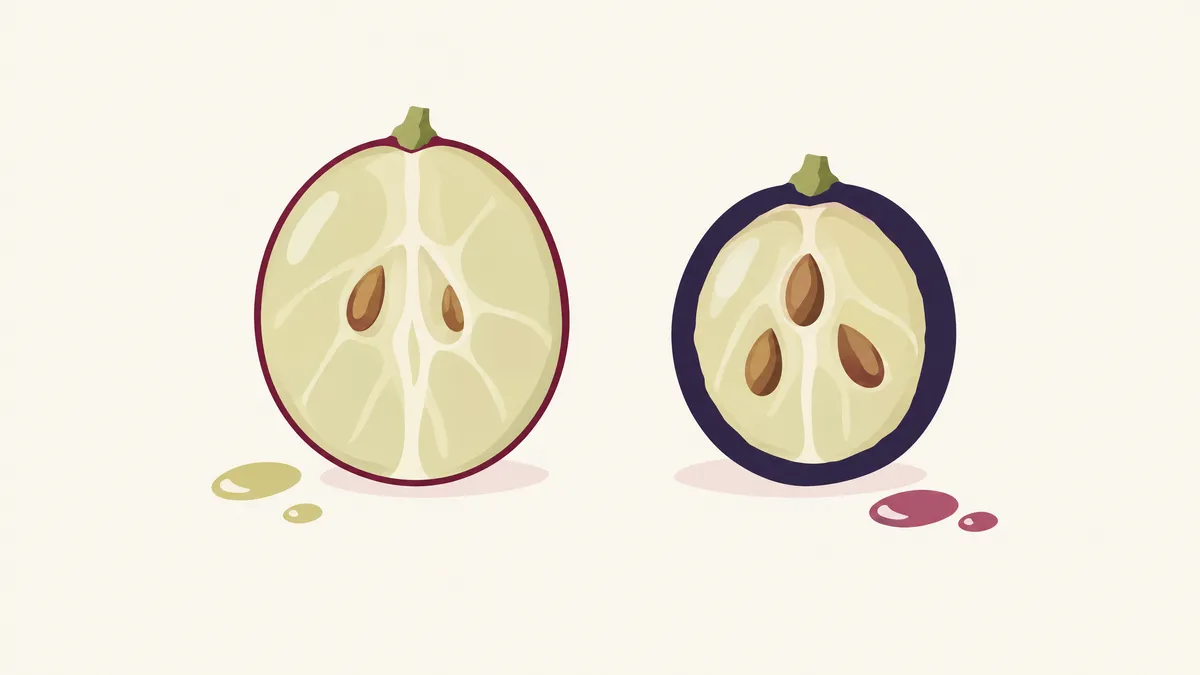
Tannin feels like dryness on your teeth, gums, tongue and inner cheeks. The cause is chemical: tannins bind the proteins in your saliva and make them clump, so the slippery film that coats your mouth thins out. More skin per berry, more seeds and longer contact all mean more grip. Our explainer on what tannins are covers seeds, stems and oak in detail.
Acid adds a second kind of roughness. The Daily Meal guide names both tannin and acidity as causes of a "rough or astringent sensation." So a low-tannin wine with sharp acid can still feel edgy, and a wine low in both feels softest. The guide to wine mouthfeel separates the two by where you feel them.
How Does Winemaking Make a Red Softer?
Three cellar choices soften a red: carbonic maceration, malolactic fermentation and shorter skin contact. The grape sets the starting point, and these steps move a wine further toward soft. The first cuts tannin, the second cuts sharp acid, and the third limits how much grip the skins give up.
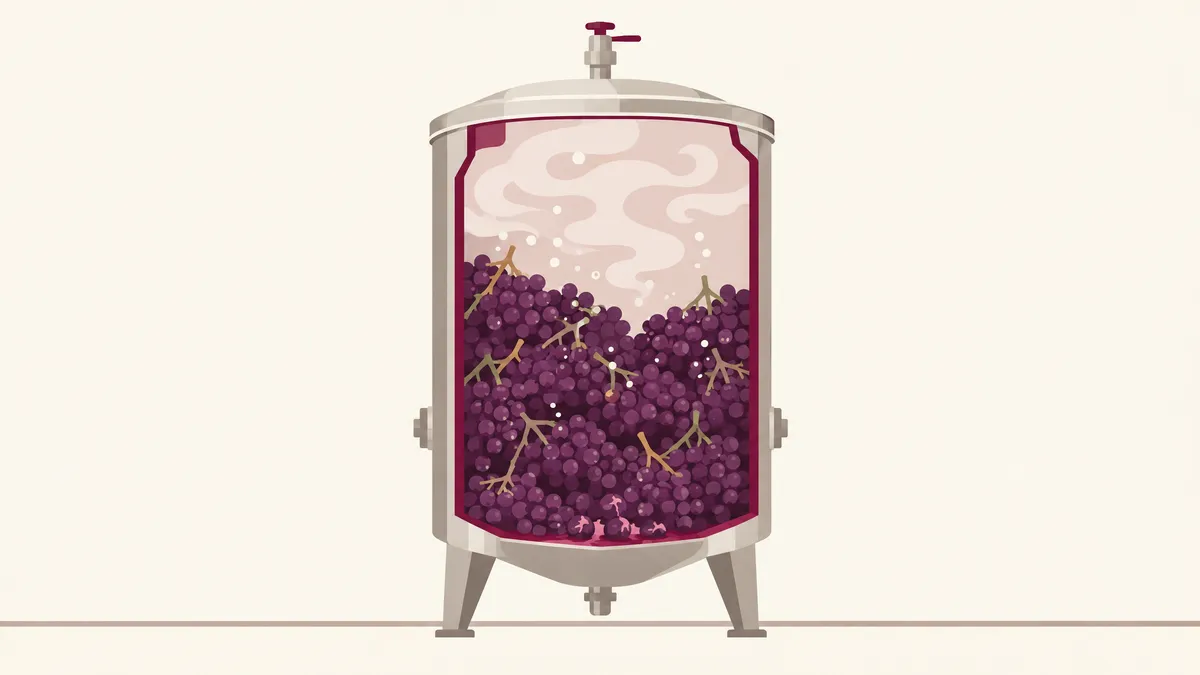
Carbonic maceration (fermenting whole, uncrushed bunches in a tank filled with carbon dioxide) starts the fermentation inside each berry. The gas soaks through the skins, the berries split, and the wine that results is "fruity with very low tannins." It is the classic method for young Beaujolais, and the carbonic maceration explainer walks through each stage.
Malolactic fermentation (a second, bacterial fermentation after the first) converts tart malic acid, the acid of green apples, into softer lactic acid. It also "tends to create a rounder, fuller mouthfeel." Most reds go through it, which helps explain why reds rarely taste as sharp as crisp whites. The malolactic fermentation guide explains when winemakers block it in whites.
Skin contact is the third lever. Less time on the skins pulls out less tannin, which is one reason a juicy young red feels softer than one built to age. The how red wine is made walkthrough shows where in the process that choice falls.
If the back label mentions whole bunches or carbonic fermentation, expect very soft tannin.
Can a Soft Red Also Be Full and Strong?
Yes. Grenache and warm-climate Merlot are soft in tannin but can be big and strong, often at 14% alcohol or more. Body (weight in the mouth: skimmed versus whole milk) and tannin are separate dials, so a wine can be heavy without being rough.
Grenache ripens late and needs hot, dry conditions. In a warm climate (riper and stronger grapes) it builds sugar fast and can reach 15% alcohol. It stays low in tannin and acid all the while, so it feels plush and warm rather than grippy.
Merlot splits into two styles. The international style is picked riper for wine that is "full in body with high alcohol." The Bordeaux style makes medium-bodied wine with moderate alcohol. Both are softer than Cabernet. Only the first is the big, soft red the forums ask for. The Merlot wine guide maps where each style grows.
If you want soft and full, choose Grenache or a Merlot from a hot region, and check the label for 14% or more.
Is Smooth the Same as Sweet?
No. The word describes texture; sweetness describes sugar. Most soft reds are dry (no sugar you can taste; fruity is not sweet). Ripe plum and cherry fruit plus soft tannin can fool your brain into reading sweetness that is not there.
That mix-up matters in a shop. Ask for "something sweet" and you may be handed a dessert wine. Ask for "something soft, low in tannin" and you get a dry Gamay or Merlot. The sweet vs dry wine explainer shows how to read the sugar level on a label.
If you do want a touch of sugar, look for the words off-dry or semi-sweet on the back label.
What If a Soft Red Still Feels Harsh?
Check the grape first, then the glass and the plate. A soft grape picked in a cool, wet year can carry sharp acid and green, scratchy tannin. A young wine built to age may feel firmer than the grape suggests.
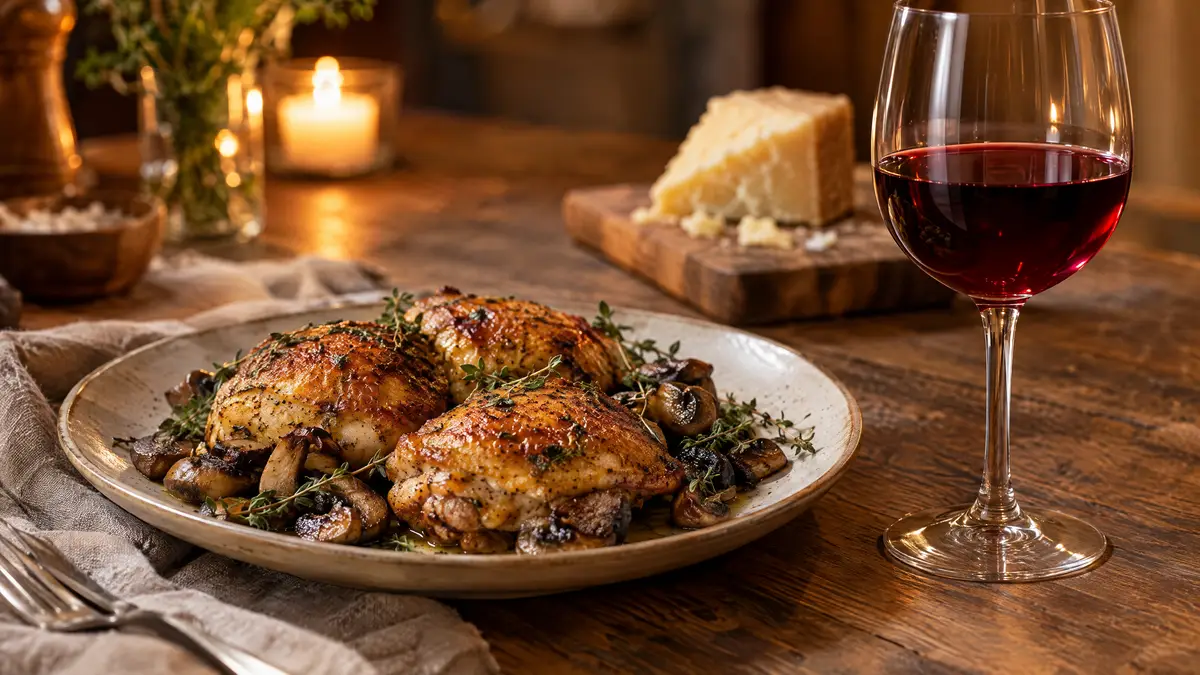
Food changes the feel more than most people expect. Protein and fat on the plate give tannin something other than your saliva to bind, so a red that grips on its own softens beside roast chicken, a burger or hard cheese. Tart food helps with acid, since a tomato salad makes a wine's acid stand out less. Sweet food does the opposite: a dessert makes a dry red taste sour and thin.
Ageing can soften tannin too, though it will not add fruit a wine never had. Most soft styles are made to drink young, so waiting rarely helps. For a red that is too grippy tonight, see what to do about too much tannin.
If the grip is on your gums, the cause is tannin, so serve it with protein. If your mouth waters and stings, the cause is acid, so serve it with something tart.
How Do You Shop for a Low-Tannin Red?
Ask for a red that is low in tannin and soft in acid, and name a grape from the top of the table. That one sentence gets better help from a shop assistant than "smooth," which means different things to different people.
Label words carry the rest:
- Beaujolais or Beaujolais-Villages: Gamay, often made with whole bunches. The softest everyday pick.
- Pinot Noir: low tannin wherever it grows. Choose a young one for the gentlest feel.
- Garnacha or Grenache from a warm region: soft tannin, low acid, higher alcohol.
- Merlot with 14% or more on the label: usually the riper, softer international style.
- Sangiovese, Chianti or Cabernet Sauvignon: expect more grip. Save these for dinner.
If you liked a soft red, buy a second bottle one row down the table to find your limit. If it felt dry or grippy, go up a row. The best wine for beginners list adds whites and sparkling to the same logic, and more styles sit in the wine styles hub.
The Sommy app has a bite-sized Wine 101 course that teaches tannin and acid with real glasses. Tonight: buy a Beaujolais, photograph the label in Sommy, and do the gum test on the first sip.
Sources
Frequently Asked Questions
What does smooth mean in red wine?
Smooth describes texture. A smooth red has soft tannin, so it does not leave your gums dry, and fairly low acidity, so it does not make your mouth pucker. Wine reference books define it as a wine with soft tannins and a pleasing texture. It says nothing about sugar, colour or price, so a dry, pale or cheap red can all be smooth.
What is the smoothest red wine for a beginner?
Gamay, the grape of Beaujolais, is the safest first pick. Its thin skins give little tannin, and many Beaujolais are made by carbonic maceration, a whole-bunch method that gives very low tannin and lots of fruit. Pinot Noir is a close second. If you want something fuller, try Grenache or a warm-climate Merlot.
Is Merlot smoother than Cabernet Sauvignon?
Usually, yes. Merlot has thinner skins and fewer tannins per unit volume than Cabernet Sauvignon, and it ripens up to two weeks earlier, so it reaches full ripeness more easily. Style still varies. A Merlot made for long ageing in a cool year can grip, so the grape name is a strong hint rather than a promise.
Is smooth red wine sweet?
No. Smooth is about how a wine feels, and sweetness is about sugar. Most smooth reds are dry, with no sugar you can taste. Ripe fruit and soft tannin can make a dry red seem sweet, which is why the two words get mixed up. If you want actual sweetness, look for a red labelled off-dry or a dessert red.
Can a full-bodied red wine be smooth?
Yes. Grenache is low in tannin and acid yet often reaches 15% alcohol, so it feels big and soft at once. International-style Merlot can be full in body with high alcohol as well. Body is weight in the mouth and tannin is grip, so a wine can be heavy without being rough.
Why does some red wine feel dry and rough?
Tannin is the main cause. It comes from grape skins, seeds and stems, and it binds to the proteins in your saliva so your mouth feels dry and grippy. Red wines ferment with their skins, so they carry far more tannin than whites. High acidity can add a rough, sharp edge on top.
Does ageing make red wine smoother?
Tannin can soften as a red ages in bottle, so an older wine often feels gentler than the same wine young. Age does not rescue a wine that lacked fruit to begin with, and most everyday smooth reds such as Beaujolais and Pinot Noir are made to drink young. If you want soft now, choose the grape rather than waiting.
Sommy Team
LinkedInFounder & Wine Educator
The Sommy Team is building the world's most approachable wine education app, helping beginners develop real tasting skills through structured courses and AI-guided practice.