Extended Maceration Wine: What Long Skin Contact Changes

By the Sommy Team — AI-assisted, human-edited.
Updated Oct 1, 2026
Contents (9)
- What Is Extended Maceration, in One Paragraph?
- How Is It Different From Cold Soak and Fermentation?
- How Long Does Extended Maceration Last?
- What Happens to Tannin and Colour on the Skins?
- Does Extended Maceration Make Red Wine More Tannic?
- What Does an Extended-Maceration Red Taste Like?
- How Can You Spot a Long-Maceration Red When Buying?
- What Can Go Wrong During Extended Maceration?
- Is Orange Wine the Same as Extended Maceration?
TL;DR
Extended maceration leaves a red wine on its skins and seeds after fermentation ends, for a few days to several months. Alcohol pulls more seed tannin, and colour pigments bind into stable chains. A Cabernet Sauvignon trial gained tannin from it; two cold-hardy hybrids gained none, and one lost colour.
Extended maceration wine is a red that stays on its skins and seeds after fermentation has finished, sometimes for days and sometimes for months. That extra time changes the kind of tannin and colour in the glass more reliably than it changes the amount. Two lab trials on different grapes gave opposite answers on tannin, and the grape decides which answer you get.
What Is Extended Maceration, in One Paragraph?
Maceration means soaking grape skins in juice or wine so their colour, tannin and flavour move into the liquid. Every red wine macerates while it ferments. Extended maceration is the extra time on the skins after the yeast has turned all the sugar into alcohol, from a few days to several months. A 2025 study in Foods describes the goal: more tannin extraction, and more bonding between tannin and colour pigments for colour that stays stable.
How Is It Different From Cold Soak and Fermentation?
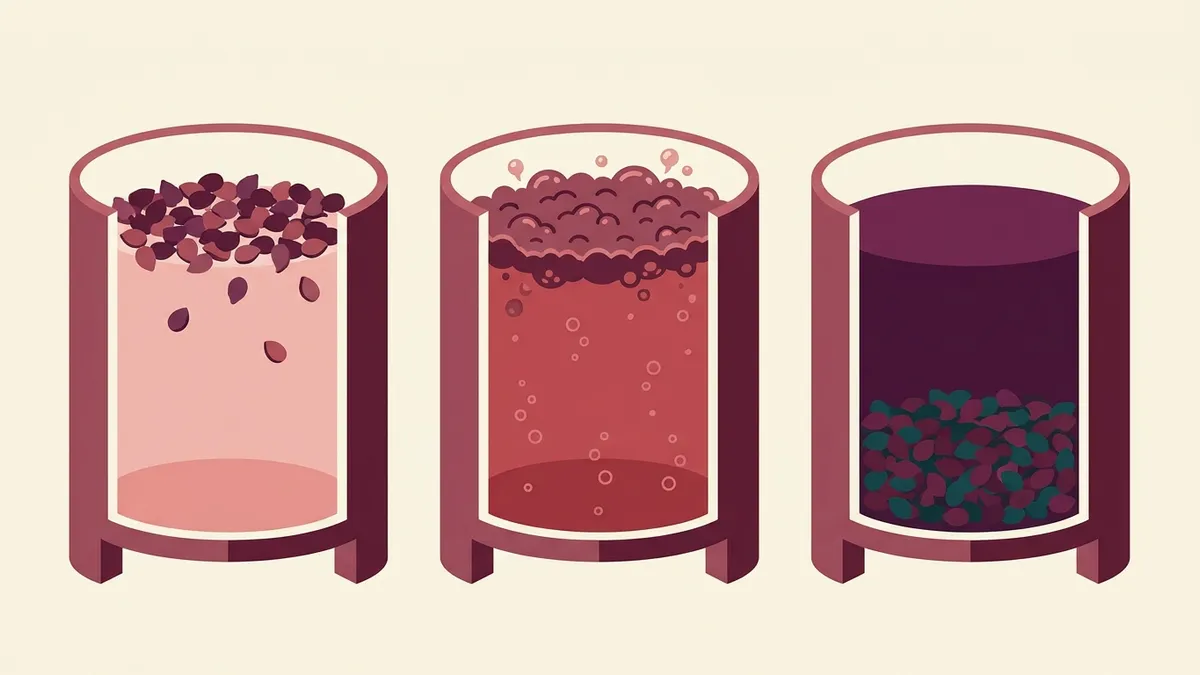
Cold soak happens before fermentation in a chilled tank, fermentation is the busy middle, and extended maceration is the quiet time after the wine is dry. Skin contact runs through all three. What changes is the temperature and how much alcohol is in the tank, and those two decide what leaves the skins.
| Stage | When | Typical length | What comes out of the skins | What it means in your glass |
|---|---|---|---|---|
| Cold soak | Before fermentation, around 10°C | 1 to 4 days | Colour and aroma, very little tannin | Deeper colour and fruit without extra grip |
| Fermentation on skins | While yeast turns sugar to alcohol | Days | Colour first, tannin as alcohol rises | 25 to 28°C gives fruitier reds; 28 to 35°C gives more tannic ones |
| Extended maceration | After the wine is dry | A few days to several months | More seed tannin, stable pigments, polysaccharides | Firmer or finer grip and less purple colour, depending on the grape |
Maceration does not stop when the sugar runs out. It can continue well past the point where the yeast has finished, and that is the window extended maceration uses. Pressing (squeezing the wine off the skins) ends it. Press too hard and harsh tannin pours out with the last wine, so a winemaker who wants more tannin gets it by waiting on the skins rather than by squeezing harder.
Carbonic maceration is a different technique despite the name: whole grapes ferment inside their own skins and the wine ends up very low in tannin, as set out in carbonic maceration explained.
How Long Does Extended Maceration Last?
Anywhere from a few extra days to several months after fermentation ends. Most cellars count in days or weeks. Research trials push it further: a Cabernet Sauvignon study published in Food Chemistry compared 10 days on the skins with 240.
The length is a style choice made tank by tank. Winemakers taste the wine as it sits and press when the tannin feels right. A short contact keeps fresh fruit up front for early drinking. A long one aims at a wine built to age, so the method clusters around grapes with plenty of tannin to give, such as Nebbiolo and Cabernet Sauvignon. If a red is sold as ready to drink young, assume a short contact; if it is sold for the cellar, expect weeks.
What Happens to Tannin and Colour on the Skins?
Alcohol keeps pulling tannin from skins and seeds while free colour pigments bind to that tannin. Tannin is the drying grip you feel on your gums, and it dissolves far better in alcohol than in juice, so a fermented wine extracts it faster than fresh must. Heat speeds this too, which is why warm ferments make more tannic wine.
The seeds matter most here. Skin compounds come out quickly, early in fermentation. Seed tannins need long exposure to a water and alcohol mix before they leave. Much of what a long maceration adds therefore comes from the seeds, and the Cabernet trial found more seed-type tannin in its long-macerated wines.
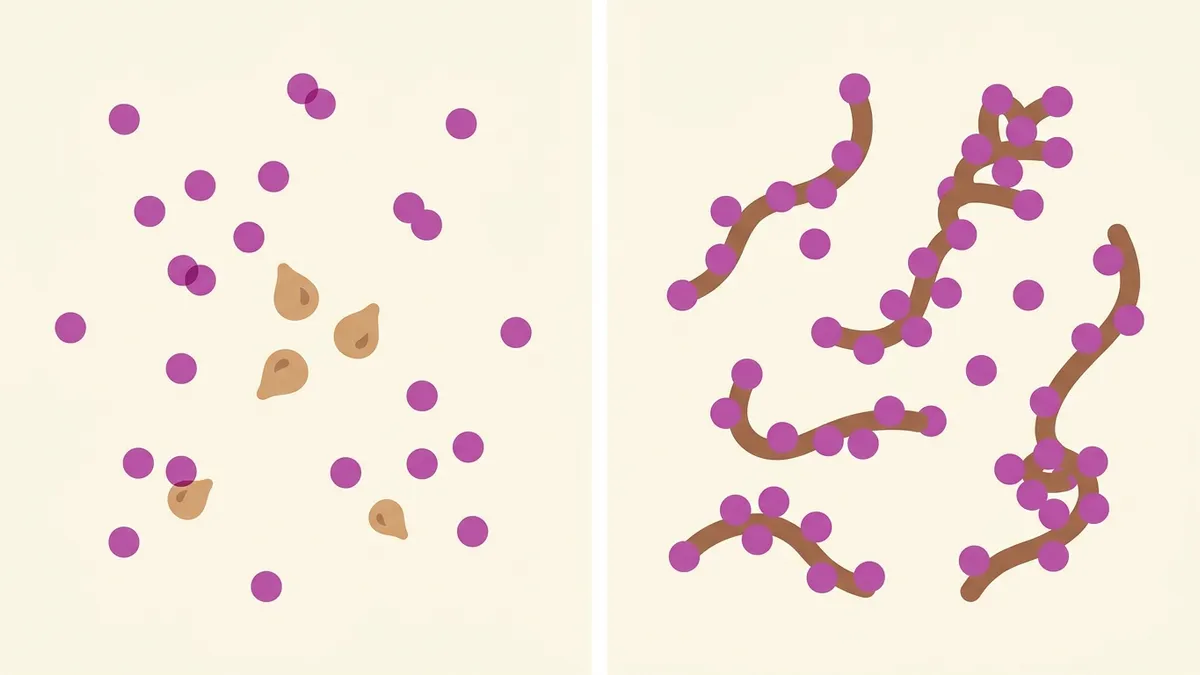
Colour moves the other way. Anthocyanins (the purple-red pigments in grape skins) fall during extended maceration. They are bonding onto tannin and onto each other, forming polymeric pigments (larger pigment molecules that hold their colour as the wine ages). A lab test sees fewer free pigments, while the wine keeps a steadier colour for longer.
The long contact also draws out more polysaccharides (sugar chains from grape and yeast cell walls with no sweet taste). They add a sense of weight in the mouth. More on how tannin, acidity and weight fit together is in understanding tannins, acidity and body.
Does Extended Maceration Make Red Wine More Tannic?
Sometimes. The grape is the deciding factor: a tannin-rich grape like Cabernet Sauvignon gained tannin in one trial, while two cold-hardy hybrids gained none. The common belief that longer skin contact always means more tannin and deeper colour is a myth, and the two studies show why.
| Trial | Skin contact compared | Tannin | Colour | What it tells a buyer |
|---|---|---|---|---|
| Cabernet Sauvignon (Food Chemistry, 2026) | 10 vs 240 days | Rose significantly; more seed tannin | Different pigment families | A thick-skinned, high-tannin grape has tannin left to give |
| Marquette and Petite Pearl hybrids (Foods, 2025) | 7 vs 21 days | No significant gain | Petite Pearl lost 43% at pressing and 52% by bottling | A low-tannin grape can lose colour and gain little |
In the hybrid trial, Marquette did gain iron-reactive phenolics, from 582 to 969 mg/L. That is a broad measure of compounds that includes tannin, yet measured tannin stayed flat.
If the grape has thick skins and plenty of tannin, extended maceration is more likely to add grip. If the grape is low in tannin to begin with, expect little extra grip and possibly less colour. The difference between those two kinds of skin is traced in thick vs thin skinned grapes, and the drying feeling itself in what are tannins.
A common claim is that greater extraction builds tannins that soften over a longer time. That describes an aged bottle. A young, long-macerated red can still feel firm on release.
What Does an Extended-Maceration Red Taste Like?
Riper and more dried-fruit than the same wine pressed early. In a 2025 Syrah study from California's Edna Valley, the extended-maceration wines smelled more jammy and showed dried-fruit aromas in the mouth. The grip follows the grape: firmer in a tannin-rich variety, little changed in a low-tannin one.
The cap is the raft of skins that floats on top of fermenting wine. In the same study, how the cap was handled and how long the wine sat on it shaped the taste more than the alcohol level did. Punching the cap down gave more colour pigments and tannin than the other methods tested.
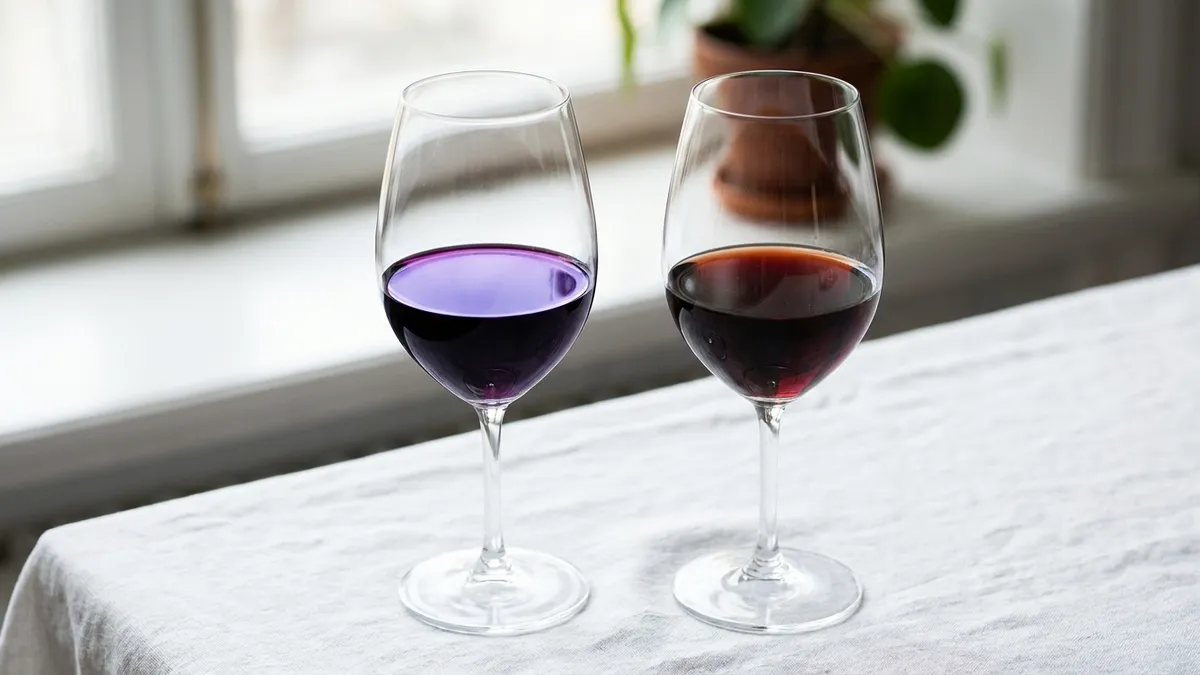
Colour is the clue you can read before tasting. A young red pressed early tends to show a bright violet rim. A long-macerated one of the same age often looks less purple, because the free pigments have joined tannin. If a young red looks garnet at the rim, long skin contact, oxygen during winemaking or the grape itself is the likely reason. The colour scale is set out in wine colour and age.
How Can You Spot a Long-Maceration Red When Buying?
Read the back label for "long maceration", "extended maceration" or "traditional", then check the grape. If a thick-skinned grape like Nebbiolo or Cabernet Sauvignon carries those words, expect firm tannin that wants fatty food or a few years in the cellar. If the grape is low in tannin, such as a cold-hardy hybrid, the words promise much less.
Barolo shows how the label word maps to the glass. Traditional producers kept the wine on its skins for about 20 to 30 days; modern cellars usually stop at 7 to 10. The traditional bottles are the ones that taste tight and grippy when young, as the Nebbiolo wine guide describes. Cabernet Sauvignon, the grape that gained tannin in the 240-day trial, is profiled in the Cabernet Sauvignon wine guide.
If a young traditional-style red grips hard when you open it, pour it into a decanter an hour before dinner and serve it with something fatty, like lamb or aged cheese. The fat and protein soften how the tannin feels. The steps are in how to decant wine.
What Can Go Wrong During Extended Maceration?
Oxidation and spoilage are the two risks. Once fermentation ends, the tank stops giving off the carbon dioxide that blanketed the wine, and the wine sits for weeks with skins in it. Oxygen can dull the fruit, and microbes have time to grow in a warm, still tank.
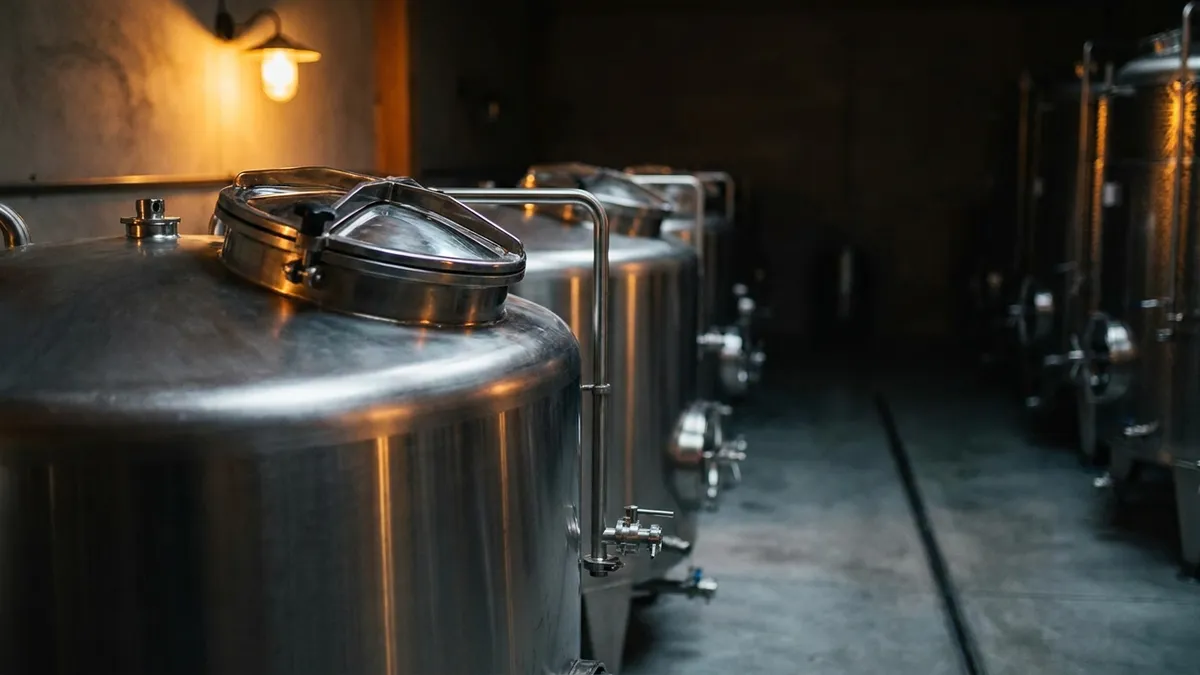
Winemakers reduce the risk with sulfur dioxide (a preservative added in small amounts that blocks oxygen damage and microbes) and by filling the empty space above the wine with nitrogen, an inert gas. They seal the tank and taste often. The preservative side is covered in sulfites in wine.
Is Orange Wine the Same as Extended Maceration?
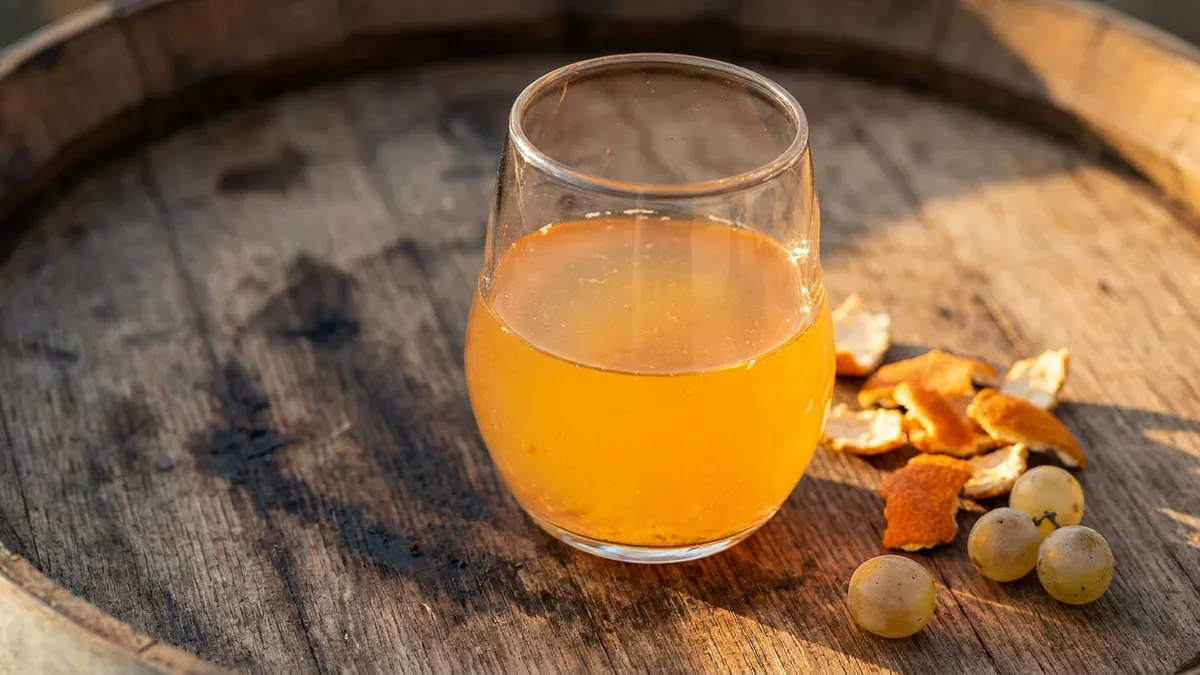
No. Orange wine is white grapes left on their skins, while extended maceration usually means a red left on its skins after fermentation. The tool is shared: in orange wine the skins stay with the juice for days or even months, which turns the wine amber and gives it grip that most whites lack.
So a white wine labelled "skin contact" or "macerated" is orange wine, and a red labelled "extended maceration" is a long-soaked red. The full picture of the white version is in orange wine explained.
Other styles shaped by cellar choices, from carbonic reds to fortified wines, sit together in the wine styles hub. The Sommy app at sommy.wine has a Wine 101 course and an AI-guided tasting mode that logs your notes. Tonight, open any red over 13%, tilt a glass over white paper, note the rim colour, then sip and log where the tannin grips you.
Sources
- Watrelot & Delchier (2025), extended maceration in Marquette and Petite Pearl red wines, Foods 14(7):1187
- Pazos et al., Effect of grape ripeness, alcohol content, and maceration duration on Cabernet Sauvignon wines, Food Chemistry
- Stoffel et al. (2025), Syrah cap management, maceration length and ethanol trial, Molecules
- Wikipedia: Maceration (wine)
- Wikipedia: Barolo DOCG
Frequently Asked Questions
What is extended maceration in winemaking?
Extended maceration is the time a red wine stays on its grape skins and seeds after fermentation has finished. It can last a few days or several months. Winemakers use it to pull more tannin, mostly from the seeds, and to let colour pigments bind with tannin into larger molecules that keep the colour stable as the wine ages.
How long does extended maceration last?
Anywhere from a few extra days to several months after the wine has fermented dry. Traditional Barolo cellars used about 20 to 30 days of total skin contact, against 7 to 10 days in modern cellars. Research trials go much further: one Cabernet Sauvignon study compared 10 days with 240 days on the skins.
Does extended maceration make wine more tannic?
Sometimes. In a Cabernet Sauvignon trial, 240 days on the skins raised the measurable tannin and pulled more from the seeds. In a trial on the cold-hardy hybrids Marquette and Petite Pearl, three weeks instead of one gave no real tannin gain, and Petite Pearl lost about half its colour intensity by bottling.
What is the difference between cold soak and extended maceration?
Timing and alcohol. A cold soak keeps crushed grapes cool, around 10°C, for one to four days before fermentation starts, so it extracts colour and aroma with very little tannin. Extended maceration comes after fermentation, when the wine already holds alcohol, and alcohol is what dissolves tannin from skins and seeds.
Is orange wine made with extended maceration?
Orange wine uses the same tool on white grapes. The juice ferments with its skins, which stay in for days or even months, so the wine turns amber and gains grip. When winemakers say extended maceration without other context, they usually mean a red wine left on its skins after fermentation.
What does an extended maceration red wine taste like?
In a Syrah study, wines left longer on the skins smelled more jammy and showed dried-fruit aromas in the mouth. The grip depends on the grape: a tannin-rich variety can feel firmer and finer-grained, while a low-tannin grape may change little. Expect the colour to look less purple than a quickly pressed young red.
Sommy Team
LinkedInFounder & Wine Educator
The Sommy Team is building the world's most approachable wine education app, helping beginners develop real tasting skills through structured courses and AI-guided practice.